Classic Fiat Topolino: Models and Specs
1936–1955, inline-four, front-engined/rear-wheel-drive, saloon/convertible/estate/van
Overview
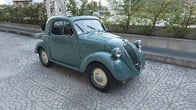
We tend to think of Italy as the home of the small car, and Fiat’s 500 Topolino established this tradition by offering four-wheeled motoring to ordinary families in an era dominated by motorcycle-based microcars. Designed by Dante Giacosa and christened "Topolino" (little mouse) thanks to its diminutive proportions and endearing character, it underscored Fiat's determination to bring American-style mass production principles to accessible city cars. With over 520,000 examples built across two decades, the Topolino proved that intelligent packaging and simple engineering could deliver reliable and economical transport whilst pioneering design solutions that influenced future generations of small cars.
Price
- Starting price
- 4 000 €
- Average price
- 12 751 €
- Price range
- 4 000 € - 95 000 €
Specifications
- Production Years
- 1936–1955
- Body Styles
- 2-door saloon, 2-door convertible, 3-door estate, 2-door van
- Layout/Drive
- Front-engine, rear-wheel drive
- Engine Family
- Inline-four side-valve/overhead-valve
- Transmission Types
- 4-speed manual
Classic Fiat Topolino in Detail
Commissioned by Fiat’s legendary managing director Giovanni Agnelli, and designed by 28-year-old engineer Dante Giacosa, the Topolino arrived in 1936 as the world's smallest production car, measuring just 3.2 metres long and weighing 540 kg. Giacosa integrated a 569cc four-cylinder engine ahead of the front axle to maximise cabin space and luggage capacity behind the two seats.
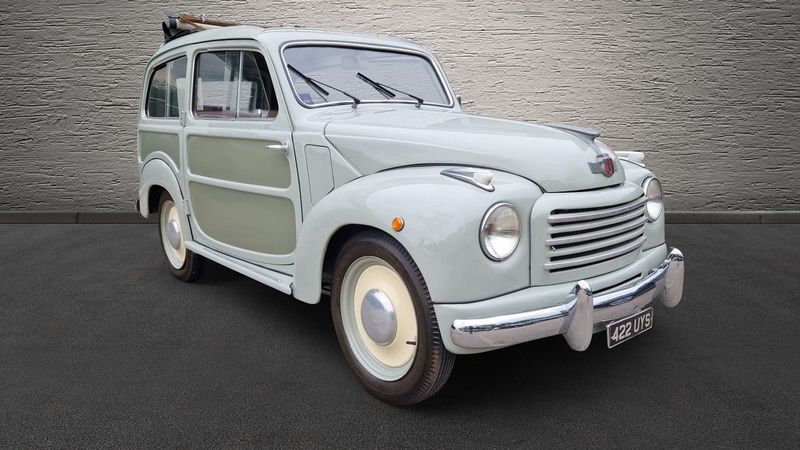
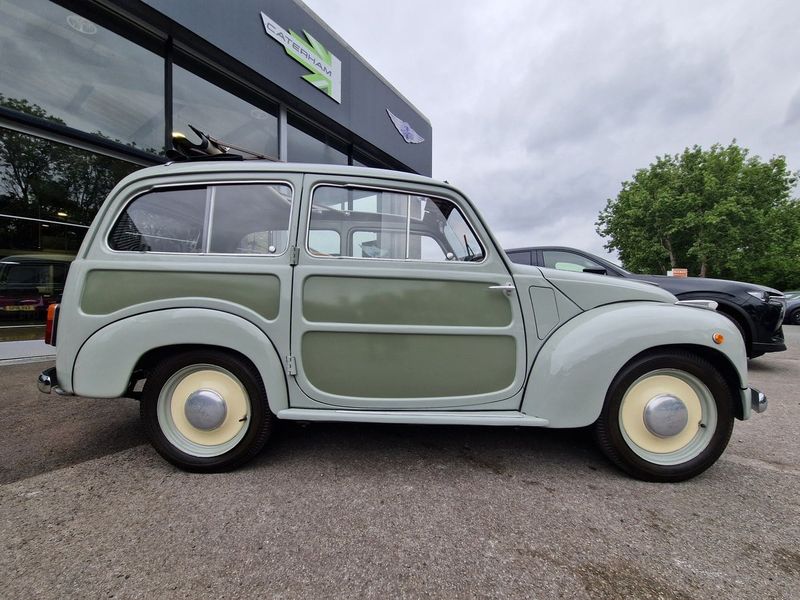
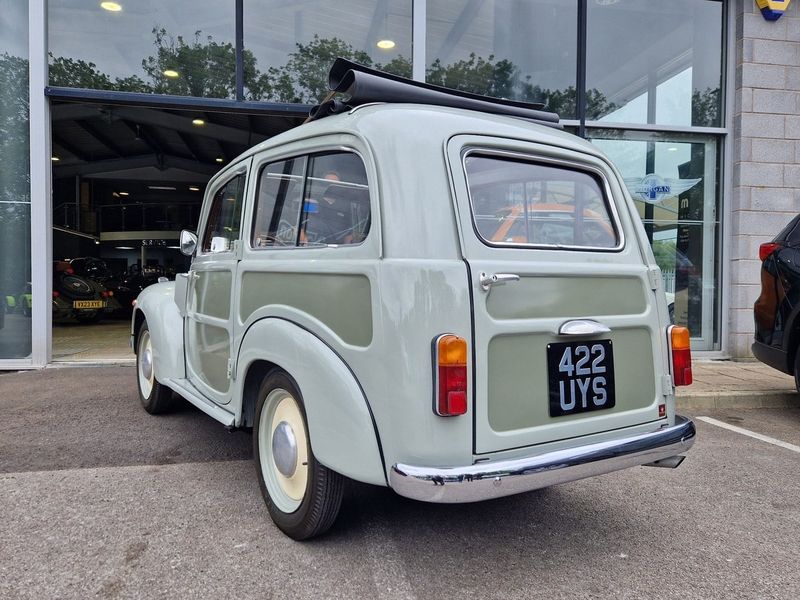
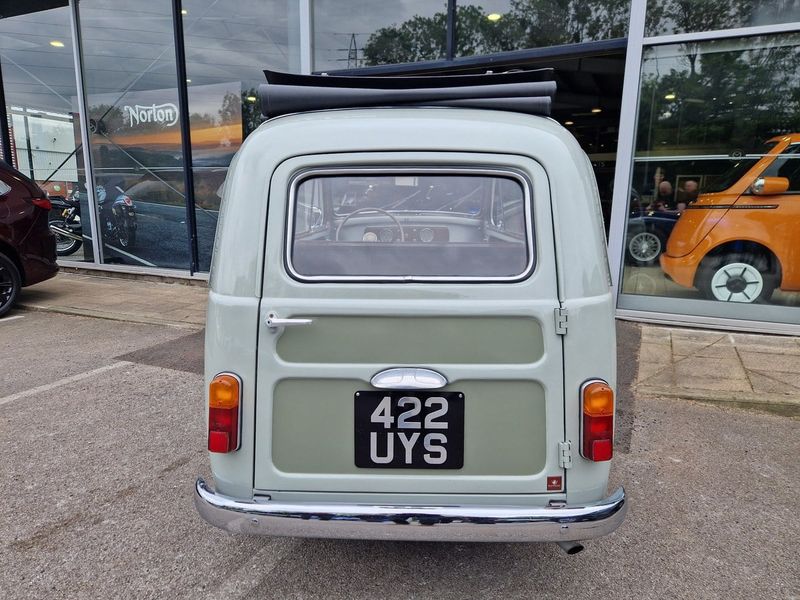
Unlike contemporary microcars, the Topolino featured robust chassis construction, wishbone front suspension, semi-elliptic rear springs and a proper four-speed gearbox driving a differential rear axle. Body styles expanded throughout production to include convertible saloons, the Giardiniera estate (later renamed Belvedere), and van variants.
The Topolino's performance was always relative, slowly improving thanks to incremental engine development, with the original 569cc side-valve unit delivering economical urban performance before 1948's overhead-valve conversion improved both power and efficiency. While it always remained focused on economical city transport rather than outright speed, overhead-valve 500B/C variants had noticeably improved flexibility and cruising ability.
Specification | Range |
Engine family / displacement | Inline-four / 569 cc |
Power range | 13–16.5 hp |
0–60mph | Not applicable |
Top speed | 53–59 mph |
Giacosa's design used aerodynamic principles which were unusual in pre-war cars, with only the headlights protruding from a smooth teardrop-shaped body. The front-mounted engine's positioning created a distinctively short bonnet and elongated cabin proportions, where a minimalist two-seater cabin prioritised legroom through clever packaging with upright seating and a luggage shelf behind the occupants.


Pre-war and early post-war design and engineering meant the Topolino relied entirely on passive safety courtesy of its robust separate chassis construction. The upright seating position provided reasonable visibility, while cable-operated brakes on all four wheels delivered adequate stopping performance around town. At least this mechanical simplicity meant there was very little to go wrong.
500A (1936–1948): Original side-valve model establishing the Topolino formula, initially offered with a single windscreen wiper and minimal equipment.
500B (1948–1949): A brief transitional variant introducing overhead-valve architecture, dual wipers and the first Giardiniera estate across just one production year.
500C (1949–1955): The comprehensively restyled final generation had squared-off frontal styling, an aluminium cylinder head, standard cabin heating and the widest body style range.
Pros:
Exceptional fuel economy (47–56 mpg) and low running costs
Robust mechanical simplicity aids maintenance and reliability
Strong parts availability through specialist suppliers
Manageable restoration projects due to straightforward construction
Cons:
Modest performance by modern standards, with only 13 to 16.5 hp
Two-seater capacity and lack of storage limits practical use
Cable brakes require regular adjustment and maintenance
Some body panels can be challenging to source
Classic Fiat Topolino for Sale
Browse Fiat Topolino listings on Car & Classic to find examples across all three generations, from early side-valve 500A models to desirable 500C Belvedere estates.
Price trends
Vente la plus récente
30 000 €
1948 Fiat Topolino
Actuellement en vente
30
0 enchères en direct
30 annonces


Total vendu
26
Prix de vente le plus élevé
95 000 €
Prix moyen
12 751 €
Prix le plus bas
4 000 €
FAQs
The Topolino can serve as a fair-weather daily driver for short urban journeys, though its two-seat capacity and modest performance make it better suited to weekend use. Excellent fuel economy and mechanical simplicity suggest regular use is achievable, but modern traffic requires defensive driving, and you wouldn’t want to take a Topolino outside a 30 or 40 zone.
Running costs are exceptionally modest, with fuel consumption of 47–56 mpg and mechanical simplicity meaning straightforward maintenance. Insurance through classic car policies tends to be affordable given the limited annual mileages these cars tend to do.
Parts availability is surprisingly good thanks to dedicated Topolino specialists who maintain comprehensive catalogues covering all 500A/B/C variants. Engine, brake, transmission and cooling system elements are widely available, though some body panels and trim pieces may require specialist fabrication or sourcing from breaker cars.
A 500C model (1949–1955) loses some of the original’s style, but it offers a more refined Topolino experience with overhead-valve performance and heating.
Topolino restorations are viable thanks to excellent parts support, straightforward construction and an active enthusiast community. The separate chassis, bolt-on panels and simple mechanical systems suit home restoration.
The Topolino pioneered affordable small car design, establishing principles that influenced the post-war microcar movement including Fiat's own Nuova 500. Dante Giacosa's integrated design approach created a template for space-efficient city cars that endures to this day.