Jensen Interceptor: Models, Specs and Buyer’s Guide
Core Specs: 1966–1976 • 6.3–7.2 L Chrysler V8 • ~300–385 bhp • 3-speed automatic (Torqueflite) • RWD • ~135 mph top speed
Jensen Interceptor Overview
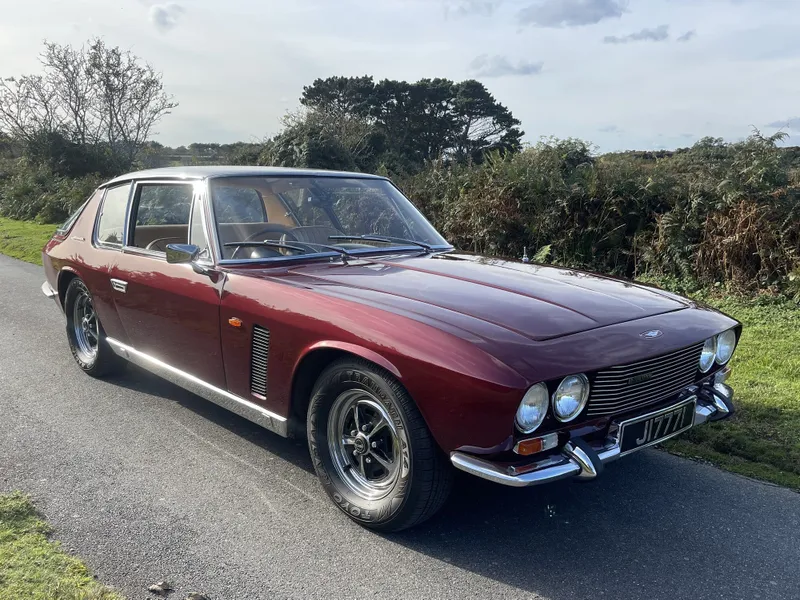
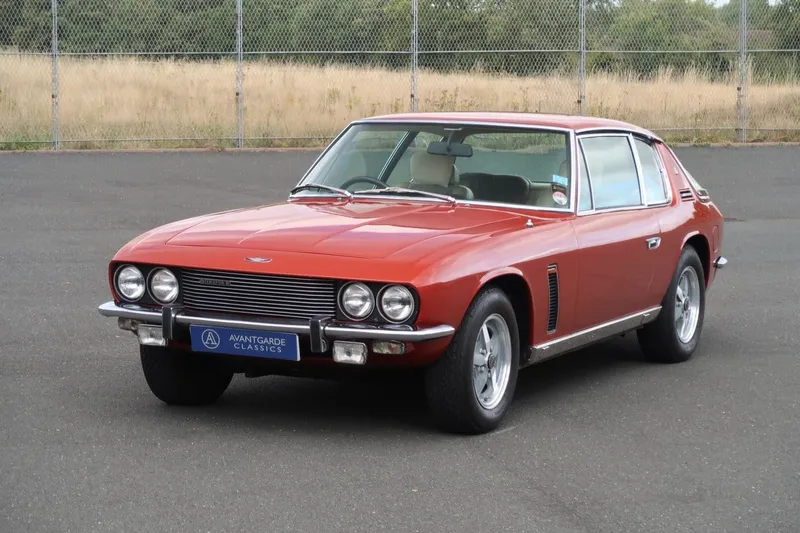
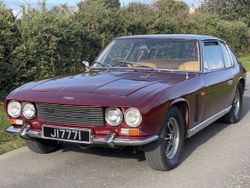
Has there ever been a more evocative name for a car than the Interceptor? Launched in the mid-1960s, the Jensen Interceptor is a four-seat grand tourer which blended an Italian-designed steel body with a big-block Chrysler V8. Hand-built in West Bromwich between 1966 and 1976, the Interceptor is characterised by its long bonnet and a dramatic wraparound rear screen that doubles as a tailgate. Over its ten-year run, the basic formula remained unchanged, though there were incremental styling and equipment changes. A Convertible (1974–76) and Coupé (1975) joined the range, while the related FF added Ferguson Formula four-wheel drive and anti-lock braking. Interceptor production totals are commonly quoted at around 6,400, meaning surviving models are hugely sought after in the classic car market. After all, few classic cars have directly inspired (and starred in) a TV game show, which, like the car itself, was ahead of its time.
C&C Expertise
Ah, the car that started it all, having been offered a 1972 Interceptor on the cheap, I started a business to value them (see our valuation trends) and ended up buying Car & Classic! Raw American muscle in a double-headlamped European design - what’s not to love (apart from the fuel bills…)
Jensen Interceptor Price
- Starting price
- 6 912 €
- Average price
- 48 578 €
- Price range
- 6 912 € - 172 814 €
Jensen Interceptor Specifications
- Manufacturer
- Jensen Motors Ltd (West Bromwich)
- Production
- 1966–1976 (Mk I–III); Convertible 1974–76; Coupé 1975 • ≈6,400 built (excl. FF)
- Body Style
- GT 2-door hatchback, convertible & coupé
- Layout
- Front-engine RWD (FF variant = 4WD with Maxaret ABS)
- Construction
- Steel monocoque • Styling by Carrozzeria Touring • Early bodies by Vignale
Jensen Interceptor in Detail
After the glassfibre CV8, Jensen commissioned Carrozzeria Touring to design an elegant steel-bodied successor. Vignale built early production bodies before assembly was consolidated in West Bromwich. The Interceptor debuted in 1966 with Chrysler’s 383 V8 and TorqueFlite automatic transmission, and it slowly evolved through three versions, courtesy of styling updates, the adoption of the 440 V8, and increasing levels of standard equipment.
Running alongside the Interceptor was the related FF, which became the first non‑off‑road production car to combine four‑wheel drive with anti‑lock braking. A Convertible joined the Interceptor range in 1974, and a limited-run Coupé appeared in 1975. Sadly, financial headwinds ended production in 1976.
On every Interceptor, a big-capacity V8 delivers effortless GT acceleration. Most cars are automatic, so the rare 4‑speed Mk I is highly collectable.
Model (period) | Engine | 0–60 mph | Top speed |
|---|---|---|---|
Interceptor Mk II (circa 1971) | 440 cu in (7.2L) V8 | 7–8 s | 140–145 mph |
Interceptor SP (1971) | 440 “Six‑Pack” | 6.5–7.0 s | 145–147 mph |
Interceptor Mk I | 383 cu in (6.3L) V8 | 7.5–8.5 s | 135–140 mph |
Metric | Imperial | |
|---|---|---|
Wheelbase | 2,667 mm | 105.0 in |
Overall length | 4,680–4,780 mm | 184.5–188.0 in |
Overall width | 1,750 mm | 69.0 in |
Overall height | 1,350 mm | 53.0 in |
Kerb weight | 1,800–1,840 kg | 3,970–4,050 lb |
Body and styling: Touring design, with early bodies manufactured by Vignale from a steel monocoque with a distinctive wraparound glass tailgate.
Age-related characteristics: Mk II models can be distinguished by their revised grille/bumper/lamps to meet evolving US regulations, while the Mk III added GKN alloys.
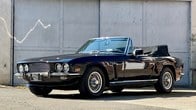
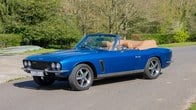
Body styles: The saloon was manufactured throughout the production run, while the convertible was produced between 1974 and 1976. The coupé was a 1975-only model.


Layout and ambience: The Interceptor was a genuine four-seat GT, with leather, wood and deep-pile carpets contributing to a refined interior.
Controls and comfort: A TorqueFlite automatic transmission was commonplace, with a rare 4-speed manual transmission on early versions. Air‑conditioning was often fitted, while power steering and electric windows were commonplace.


As with any pre-Millennial vehicle, the safety of a classic Interceptor is a long way from today’s standards. Buyers should assess the condition of the brakes, tyres and steering, alongside its cooling reliability and corrosion integrity. The regular Interceptor had servo-assisted front disc and rear drum brakes, while the FF added all-wheel drive and anti-lock braking.
Jensen Interceptor Variants & Generations
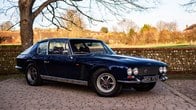
There were three generations of Interceptor, as well as three body styles (saloon/convertible/coupé) and three engines. The FF was closely related but had a longer wheelbase and added 4WD alongside ABS.
Price trends
Vente la plus récente
67 995 £
1969 Jensen Interceptor Mark 1 Coupe
25 sept. 2023
Actuellement en vente
42
1 enchère en direct
41 annonces


Total vendu
57
Prix de vente le plus élevé
172 814 €
Prix moyen
48 578 €
Prix le plus bas
6 912 €
FAQs
That instantly recognisable body was styled by Carrozzeria Touring, with early bodies from Vignale before hand‑built production shifted to West Bromwich.
The Mk II (1969) introduced revised front and rear styling, as well as US-compliance updates. The Mk III (1971) added trim changes, GKN alloys, and (in most cases) air conditioning.
Approximately 6,400 Interceptors were manufactured, excluding the standalone FF, which numbered around 320 vehicles.
A closely related model with the Ferguson Formula 4WD and Dunlop Maxaret anti‑lock braking. This was pioneering technology for a road car.
Quoted figures from the 1970s included a 0–60 mph time of 7 to 8 seconds in the 440 models, with a top speed of approximately 145 mph.