Triumph Spitfire: Models, Specs and Buyer's Guide
Core Specs: 1962–1980 • 1.1–1.5 L inline-four (OHV) • 63–75 bhp • Front-engine, rear-wheel drive • 4-speed manual
Triumph Spitfire Overview
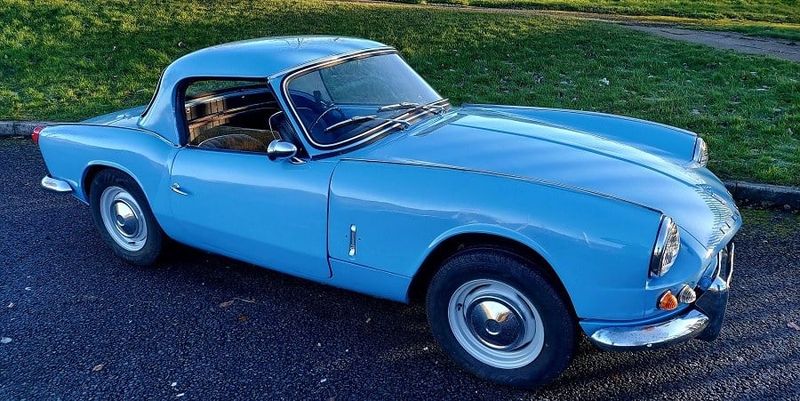
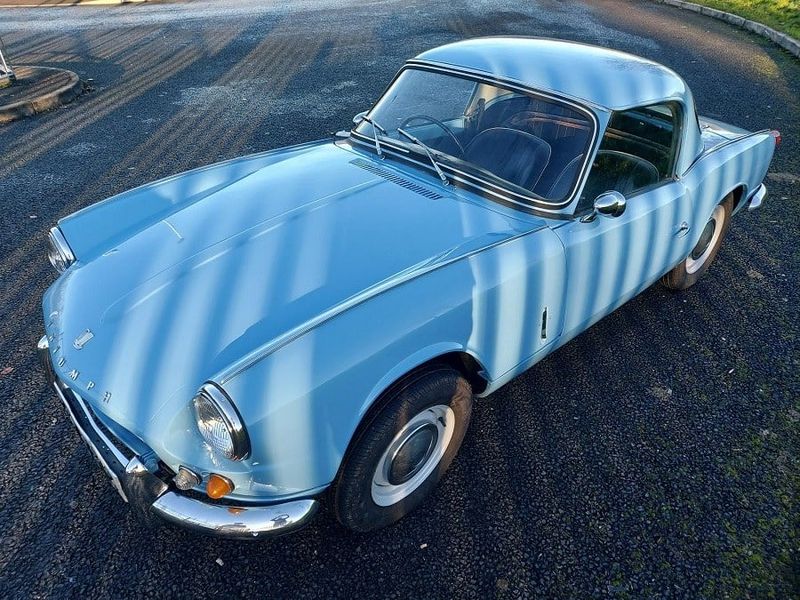
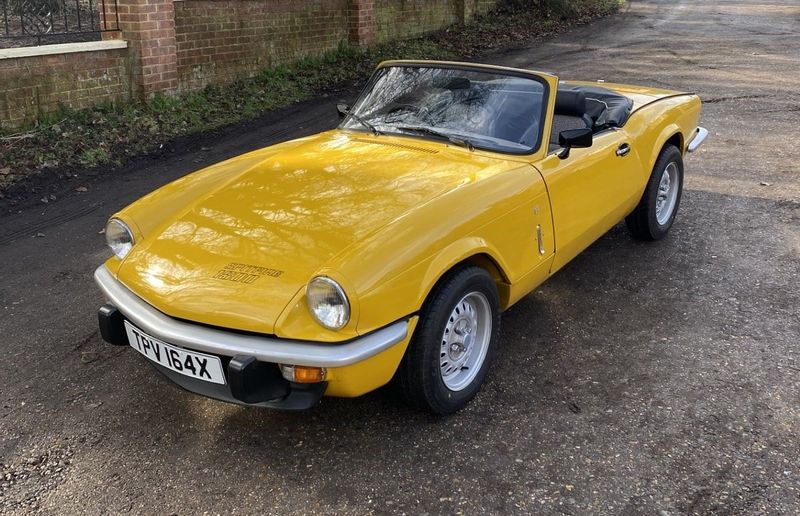
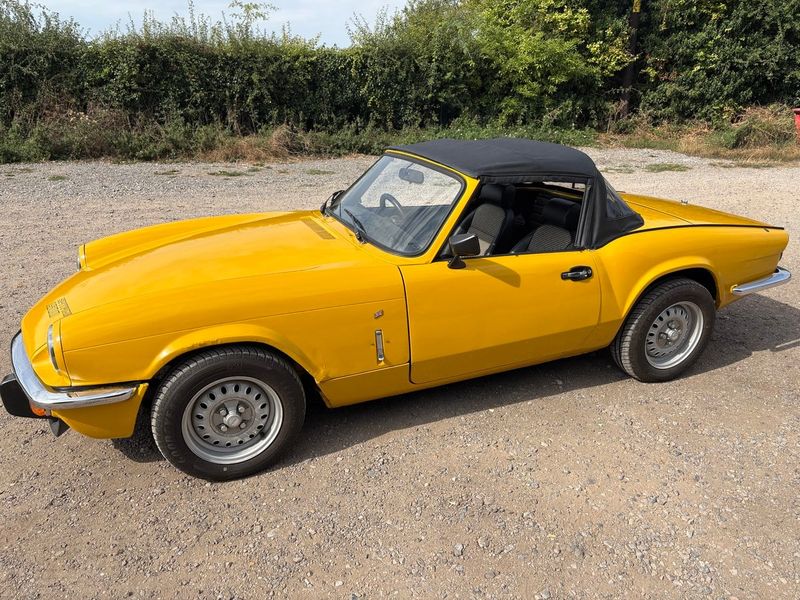
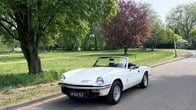
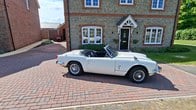
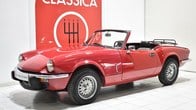
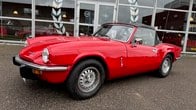
Encapsulating the golden age of British roadsters and sporting one of the most evocatively British names ever uttered, the Triumph Spitfire deserves its place in national folklore. This compact, two-seater sports car spanned five iterations from 1962 to 1980, gradually evolving into the car it always promised to be at the outset. Simply yet effectively styled by Italian designer Giovanni Michelotti for Standard‑Triumph, the Spitfire debuted at the 1962 London Motor Show and went on to sell approximately 315,000 vehicles. Developed on a shortened Triumph Herald chassis with separate frame construction, the Spitfire shared much of the Herald’s running gear while offering a sleeker body and proven, affordable mechanicals which a keen amateur could easily get to grips with. The range evolved from the early Mk I (confusingly known as the Spitfire 4) and Mk II, with their modest 1,147cc engines, through the more powerful 1,296cc Mk III, the facelifted Mk IV, and finally the 1,493cc-powered Spitfire 1500. This swansong model belatedly introduced more torque and emissions-era refinements, while retaining the lightweight open‑top motoring that has always made the Spitfire a popular entry point into classic sports car ownership.
C&C Expertise
Triumph borrowed from Britain’s airborne saviour when it came to naming its Herald-based two-seater roadster. The Spitfire was styled by Italian designer Giovanni Michelotti, resulting in looks that punched well above its modest price point. Triumph Spitfires are simple and lightweight, a winning combination for any sports car. To drive, they have a rawer edge than their fellow Brit, the MGB. That makes the Spitfire enormous fun and the perfect entrée into the world of brawny British two-seaters.
Triumph Spitfire Price
- Starting price
- 1 612 €
- Average price
- 10 635 €
- Price range
- 1 612 € - 32 000 €
Triumph Spitfire Specifications
- Manufacturer
- Standard‑Triumph / Triumph Motor Company (later British Leyland)
- Production
- 1962–1980 (Mk I, Mk II, Mk III, Mk IV, 1500)
- Vehicle Class
- Two‑seat roadster
- Layout & Drive
- Front‑engine, rear‑wheel drive
- Chassis
- Separate frame derived from Triumph Herald; body-on-frame construction
Triumph Spitfire in Detail
Conceived as an affordable open‑top sports car using Triumph Herald underpinnings, the Spitfire was styled by Giovanni Michelotti, whose clean surfacing and compact proportions became synonymous with cars rolling off Triumph’s Canley production line. Production started in 1962 with the Spitfire 4 (later known as the Mk I).
Throughout the 1960s, the car gained power and usability: the Mk III adopted a 1,296 cc engine and improved braking. A major running‑gear change arrived in 1970 with the Mk IV’s decambered rear ‘swing‑spring’, curbing the worst tuck‑under traits of the earlier swing‑axle arrangement. The final Spitfire 1500 featured a more powerful 1,493cc engine and emissions-era updates, remaining on sale until 1980.
Competition credentials included class wins in rally and circuit events (notably SCCA Production categories), helping to cement the Spitfire’s reputation for approachable fun.
Across nearly two decades of production, the Spitfire used tuned versions of Triumph’s inline‑four engine family, starting with the 1,147cc (Mk I–II) and continuing with the 1,296cc (Mk III & early Mk IV) and latterly the 1,493cc 1500. With a kerb weight typically under 940 kg, performance was modest but lively. Later emissions controls reduced peak power but improved drivability and torque.
Model (period) | Engine | Power (approx) | 0–60 mph (sec) | Top speed |
|---|---|---|---|---|
Spitfire 4 (Mk I, 1962–64) | 1,147 cc OHV I4 (twin SU) | 63 bhp | 16–17 s | 92–94 mph |
Spitfire Mk II (1965–67) | 1,147 cc OHV I4 (twin SU) | 67 bhp | 15 s | 95 mph |
Spitfire Mk III (1967–70) | 1,296 cc OHV I4 (twin carbs) | 75 bhp | 13–14 s | 100–101 mph |
Spitfire Mk IV (1970–74) | 1,296 cc OHV I4 | 63–71 bhp | 15–16 s | 95–100 mph |
Spitfire 1500 (1974–80) | 1,493 cc OHV I4 (Stromberg) | 57–71 bhp | 13–15 s | 100–101 mph |
Dimensions varied slightly across the different Spitfire generations, but were broadly consistent from the 4 to the 1500. The tables below list representative factory figures for late cars, since earlier models were a little shorter in length.
Metric | Imperial | Notes |
|---|---|---|
Wheelbase 2,108–2,110 mm | 82.9–83.0 in | All series |
Overall length 3,734–3,970 mm | 147.0–156.3 in | Shorter earlier; longer late bumpers |
Overall width 1,448–1,488 mm | 57.0–58.5 in | Track varies slightly by wheel/tire |
Overall height 1,159–1,205 mm | 45.6–47.5 in | Model year dependent |
Kerb weight 800–940 kg | 1,764–2,072 lb | Spec-dependent |
Michelotti’s Spitfire design paired elegant, low-waisted roadster lines with unapologetically simple and serviceable engineering. A compact footprint, long bonnet and short tail were draped over classic front-engine, rear-drive mechanicals, while the front-hinged one-piece bonnet provided unfettered access to the engine bay.
Underneath, a separate frame with straightforward suspension kept weight down. Successive updates from the Mk III onwards refined details from bumpers and interior trim to rear suspension geometry, all without losing the Spitfire’s clean silhouette.
One-piece front-hinged bonnet: The Spitfire’s clamshell bonnet with integrated wings tilts forward for full engine-bay access.
Proportions & stance: A compact footprint with low waistline and short overhangs ended on early cars with slim chrome bumpers and small-diameter wheels. From the late 1960s, bumper height and detailing changed, with larger impact-style bumpers on later 1500s - especially models exported to America.
Wheels & tyres (factory): 13×4.0–4.5-in steel wheels were standard with wire wheels optional.


Dash & Instruments: Early versions and most Mk3 cars featured a classic wood-veneer dash with centrally grouped gauges, either by Smiths or CAI.
Seating & trim: The low-back seats on early series models saw incremental improvements in trim quality and safety padding from the Mark III to the 1500, while maintaining a simple and driver-centric cabin design.


The Spitfire had a separate chassis with simple body-on-frame construction in an era before airbags, ABS, or stability control. Today, safety relies on structural soundness, correct suspension geometry, healthy brakes and tyres, and conservative driving in poor conditions.
Convertibles have no rollover protection. Later-market cars (especially U.S. models) gained energy-absorbing collapsible steering columns and taller impact-style bumpers.
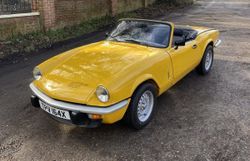
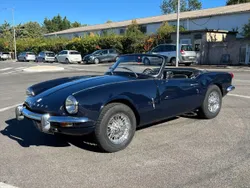
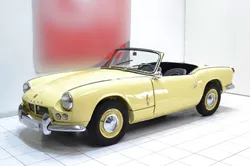
Triumph Spitfire Variants & Generations
Price trends
Vente la plus récente
2 600 £
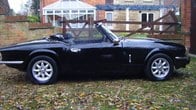
1975 Triumph Spitfire 1500
26 déc. 2018
Actuellement en vente
98
1 enchère en direct
97 annonces
Total vendu
270
Prix de vente le plus élevé
32 000 €
Prix moyen
10 635 €
Prix le plus bas
1 612 €
FAQs
1962–1980 across five series (Mk I, Mk II, Mk III, Mk IV and the 1500, which was unofficially the Mk V).
Period road tests recorded 0–60 mph figures of around 13–17 seconds, with a top speed of around 92–101 mph. The Spitfire wasn’t a quick car, but it focused more on minimal weight and feel than outright speed.
A major rear-suspension update, featuring a decambered ‘swing-spring’, improved limit handling compared to earlier swing-axle cars, which tended to tuck underneath the chassis during hard cornering.
Around 314,000 Spitfires were manufactured in England over 18 years.
DVLA-derived figures on HowManyLeft in 2025 showed around two thousand Triumph Spitfire listings and a similar number of Triumph Spitfire 1500 vehicles still registered. Other variants (Mk1–Mk4) had smaller numbers, as might be expected given their greater age.