Aston Martin DBS: Models and Specs
1967–present · 4.0–5.2‑litre V8/V12 · Front‑mid‑engine, rear‑wheel drive · 2‑door grand‑touring coupé
Overview
The Aston Martin DBS nameplate has been used three times across six decades to signify the marque’s most powerful GT. Positioned above the DB6/DB9/DB11 in each era, the DBS has always been more aggressive, focused and dramatic than core DB models, despite retaining their everyday usability. It’s a distinct model line that re‑emerges whenever Aston wants to stretch the DB formula to its performance and stylistic limits.
Price
- Starting price
- € 50.000
- Average price
- € 131.521
- Price range
- € 50.000 - € 406.044
Specifications
- Production years
- 1967–1972 (DBS 6/DBS V8); 2007–2012 (DBS V12); 2018–present (DBS Superleggera/770 Ultimate)
- Total production
- 1,016 DBS 6; 1,700 DBS V8; 700 DBS V12; 1,000+ DBS Superleggera/770 Ultimate
- Body styles
- 2‑door coupé (all generations); Volante/convertible from 2007–12 and 2018–present
- Layout / drive
- Front‑mid‑engine, rear‑wheel drive
- Engine family
- 4.0‑litre straight‑six (1967–70); 5.3‑litre V8 (1970–72); 5.9‑litre V12 (2007–12); 5.2‑litre twin‑turbo V12 (2018–present)
Aston Martin DBS in Detail
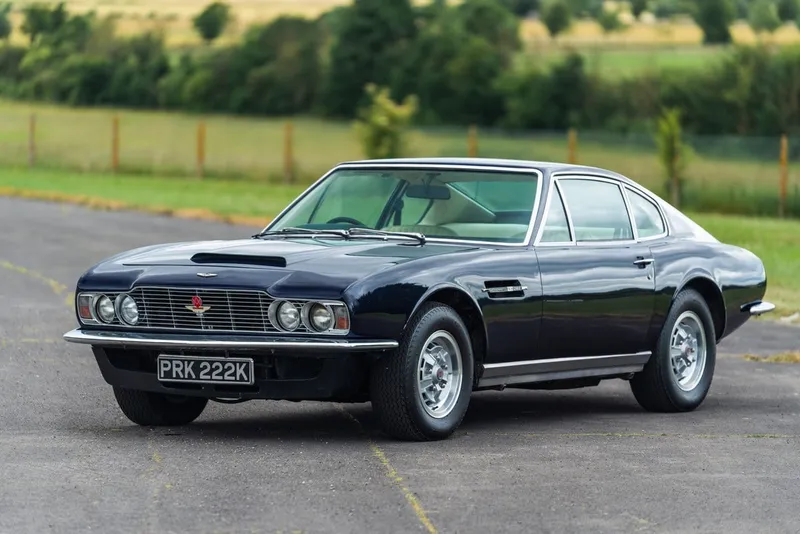
The DBS name first appeared in 1967 as the intended successor to the DB6, a fastback‑bodied GT with a four-litre straight‑six engine that shared its basic architecture with the DB6 but introduced a more modern, squared‑off silhouette. In 1970, Aston introduced the DBS V8, swapping the six‑cylinder for a 5.3‑litre V8 and adding an automatic transmission option. Production ended in 1972 as Aston shifted focus to the V8‑based Aston Martin V8, but that certainly wasn’t the end of the story.
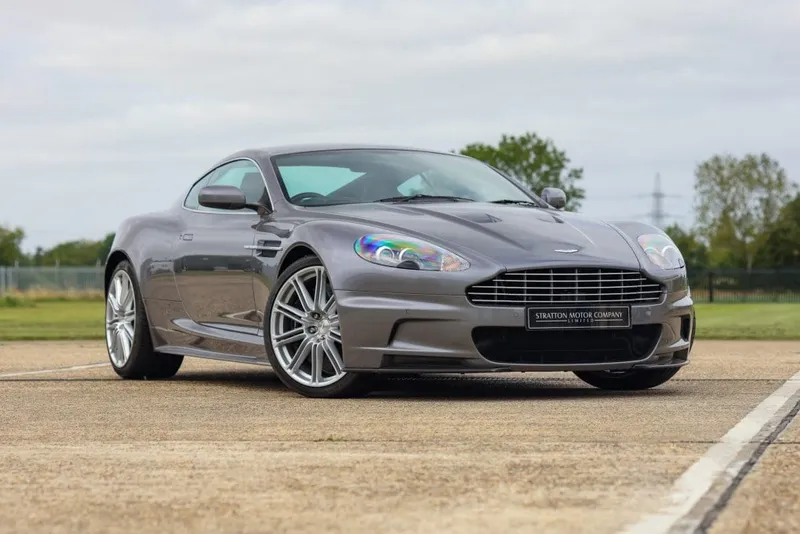
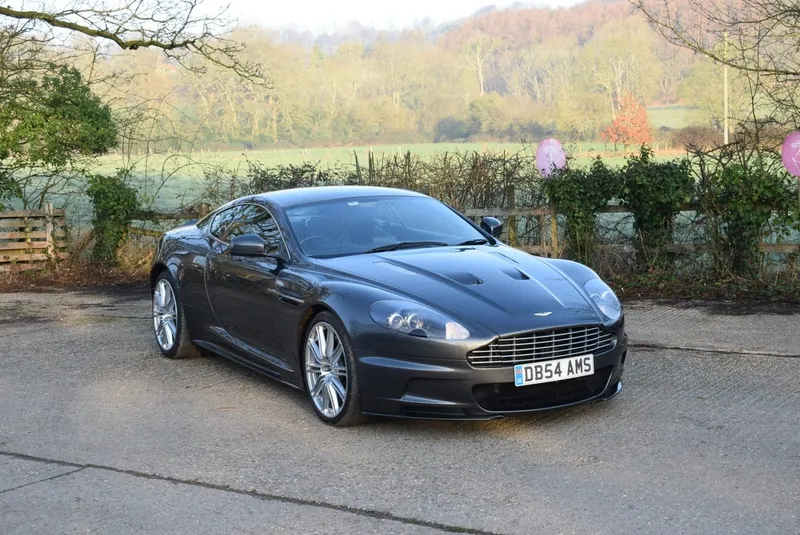
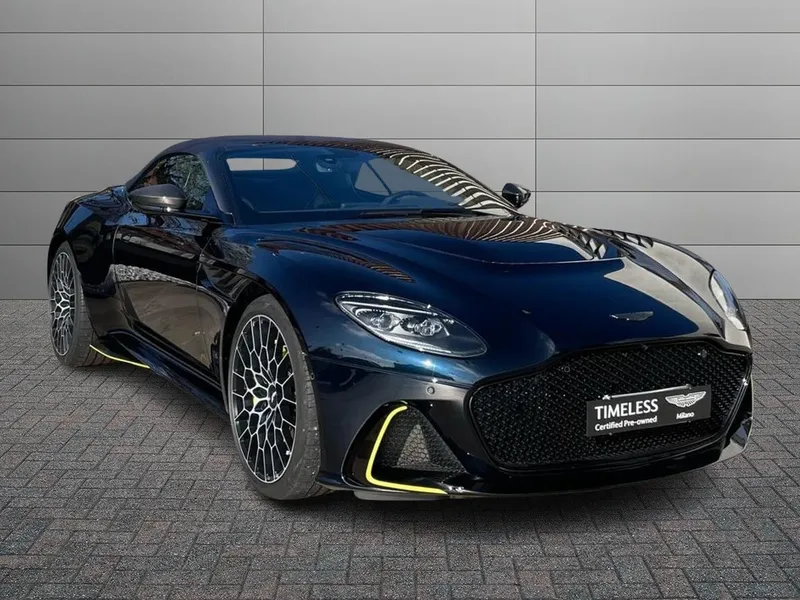
The name was revived in 2007 with the DBS V12, a grand tourer based on the DB9/VH platform and positioned above the DB9 as Aston’s new flagship. This generation gained global fame as James Bond’s car in Casino Royale and Quantum of Solace, cementing its status as a modern classic. The current DBS Superleggera of 2018 onwards has similarly built on the DB11 platform, using a 5.2‑litre twin‑turbo V12 to deliver supercar performance in a GT body.
Across all three generations, the DBS has featured lightweight aluminium‑rich structures, powerful front‑mid‑mounted engines and rear‑wheel drive, with escalating power and sophistication across its three generations.
The 1967–72 DBS started out with a 283 bhp straight‑six that still feels brisk for its era, though the subsequent 315 bhp V8 blew it away. Similarly, the 2007–12 DBS V12 delivers 510‑bhp to reach 0–62 mph in 4.3 seconds, sitting midway between the DB9 and the DBR9 race car in character. As for the current DBS Superleggera/770 Ultimate, it can hit 0–62 mph in 3.2 seconds before going onto a top speed of 211 mph.
Engine family | Power range | 0–62 mph | Top speed |
Straight‑six 4.0‑litre (1967–70) | 283 bhp | 6.5 sec | 145 mph |
V8 5.3‑litre (1970–72) | 315 bhp | 6.0 sec | 155 mph |
V12 5.9‑litre (2007–12) | 510 bhp | 4.3 sec | 192 mph |
V12 5.2‑litre twin‑turbo (2018–present) | 715–770 bhp | 3.2–3.4 sec | 211–217 mph |
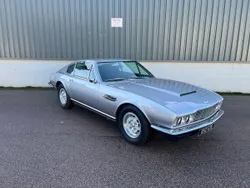
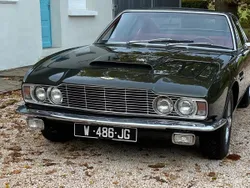
The Aston Martin DBS is instantly recognisable as an Aston Martin, albeit with a more aggressive take on the signature fastback GT proportions. The first-generation DBS introduced a squared‑off fastback silhouette, whereas the 2007–12 V12 had a muscular front end, prominent air intakes and a wider stance that hinted at its race‑car underpinnings. The current DBS Superleggera/770 Ultimate has a sculpted front bumper, larger air intakes and a more pronounced rear diffuser.
Stepping into any DBS reveals a world of hand‑stitched leather, machined metal and modern technology that prioritises driver engagement without sacrificing comfort. The driving position is more sporting than in a DB9 or DB11, but the shared DNA with each non-DBS model is always evident.


The Aston Martin DBS spans three distinct generations:
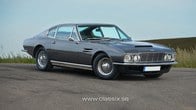
Aston Martin DBS (1967–1972). A 4.0‑litre straight‑six and later 5.3‑litre V8 fastback GT based on the DB6 platform.
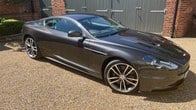
Aston Martin DBS (2007–2012). Powered by a 5.9‑litre V12, this VH‑platform grand tourer was positioned above the DB9.
Aston Martin DBS (2018–present). A 5.2‑litre twin‑turbo V12 powers this DB11‑based super‑GT.
The 1967–72 DBS predates electronic safety aids, with only the driver’s skill keeping the show on the road. By contrast, the 2007–12 and 2018–present DBS models feature the full roster of modern driver aids, including stability and traction control. The DBS 770 Ultimate adds adaptive cruise control and lane‑keeping assist, though the latter may not be particularly welcome on the Stelvio Pass.
Pros:
Three distinct generations with different character and appeal; classic, modern and super‑GT
Strong club and specialist parts network sustained by Aston Martin marque enthusiasm
Rear‑wheel drive and well‑resolved suspension give rewarding driving dynamics
Always among the most coveted Astons, given their flagship status
Cons:
Build quality can vary from one car to the next, depending on past owners
Sheer level of performance on offer demands respect and attentiveness
Prices are very high, especially for modern examples
Aston Martin DBS for Sale
Car & Classic regularly lists all three generations of Aston Martin DBS models. Browse current listings to find a car that meets your criteria.
Price trends
Meest recente verkoop
£ 104.995
2012 Aston Martin DBS 2nd Gen Coupe
Momenteel te koop
58
0 live veilingen
58 advertenties



Totaal verkocht
129
Hoogste verkoopprijs
€ 406.044
Gemiddelde prijs
€ 131.521
Laagste prijs
€ 50.000
FAQs
Think of the DBS as a flagship model - a Ghia or a Sovereign - rather than a range of cars. It’s the ultimate derivation of three high-performance Astons - the DB6, DB9 and DB11.
In the eight years since it debuted, there have been three: the DBS Superleggera, DBS GT and DBS 770 Ultimate. Each has its own performance specifics but broadly similar design, interior fitments and road manners.
The 1967–72 DBS shares components with the DB6 and V8, while the 2007–12 DBS V12 and 2018–present DBS Superleggera/770 Ultimate share components with the DB9 and DB11. The latter also benefits from relatively recent manufacture, which means parts should be readily available.