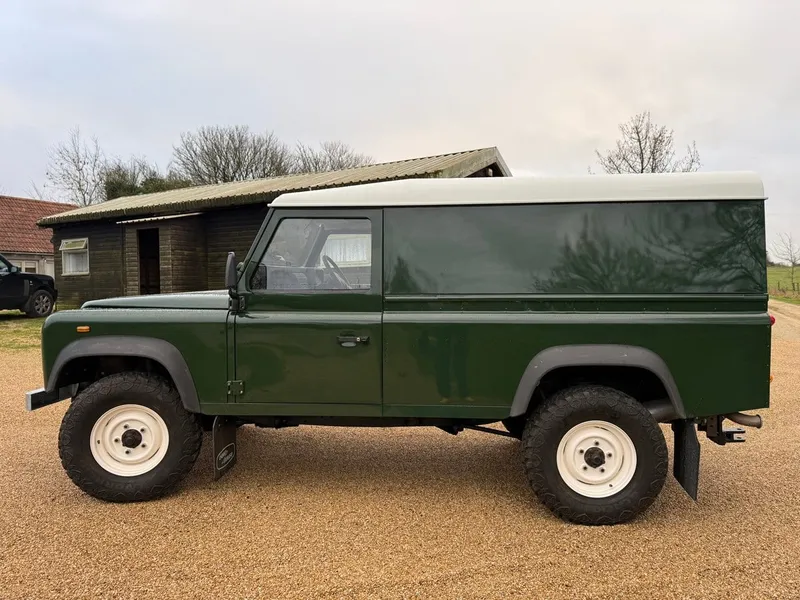
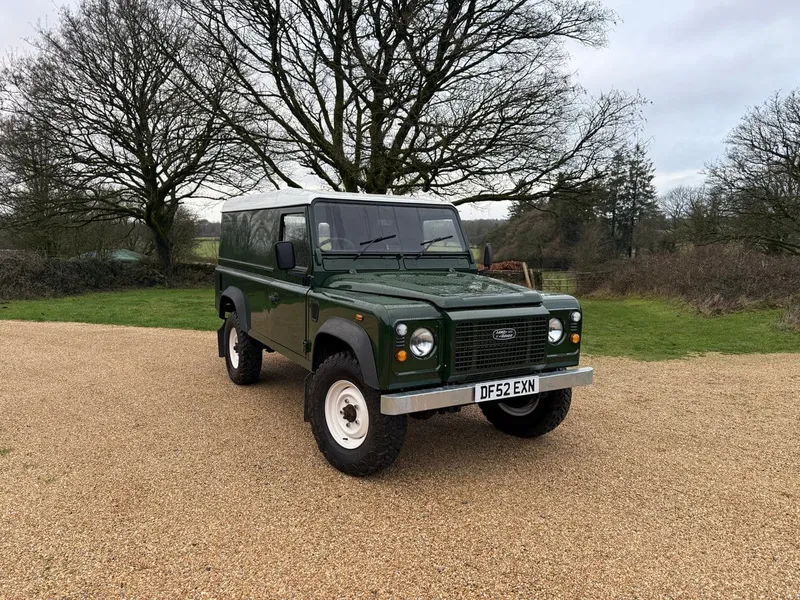
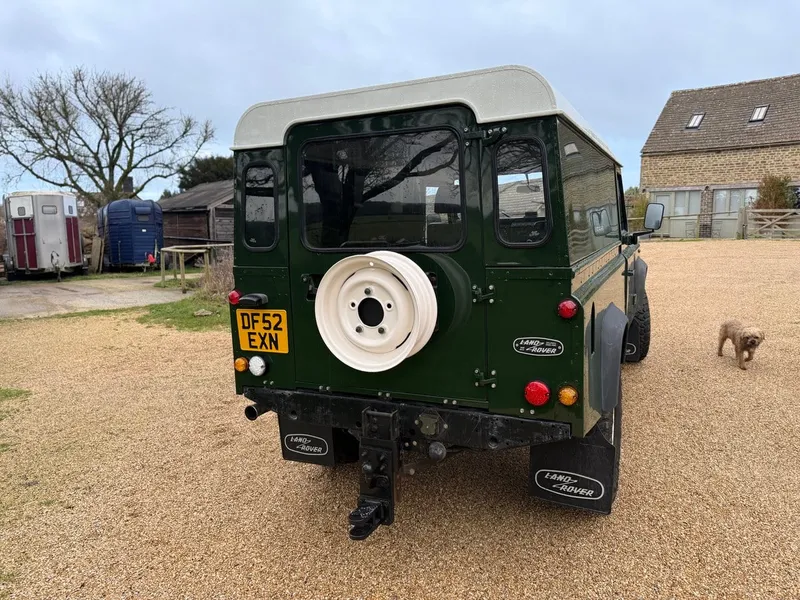
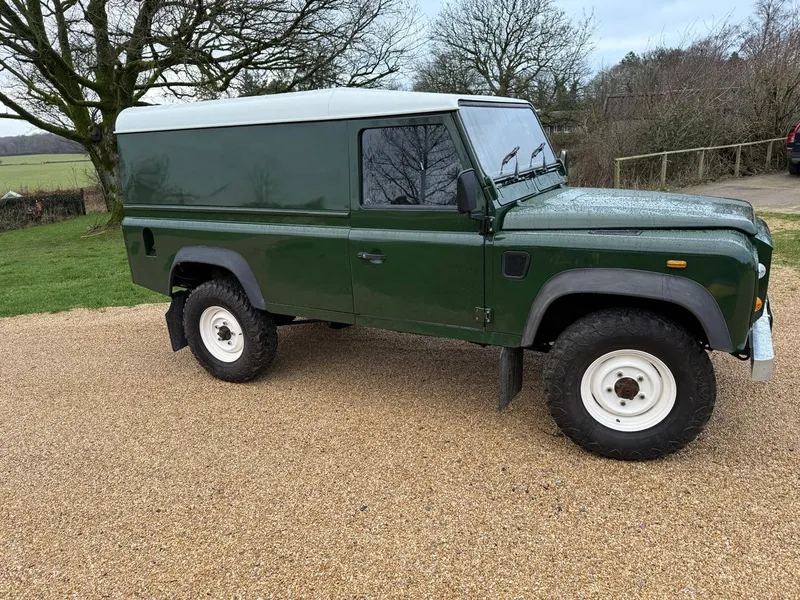
Land Rover Defender: Models and Specs
1983–2016 • Front-engine • 4WD • Manual or automatic • Diesel or petrol (most commonly 2.5Tdi / Td5) • Up to 7 seats • Built for off-road more than comfort
Overview
The Land Rover Defender needs no introduction. This is the epitome of a go-anywhere workhorse, built on solid principles of durability, practicality and genuine off-road capability. Land Rover has long positioned the Defender as a brand rooted in adventure and exploration, tracing its origins back to the very first Land Rover in 1947. The Defender name arrived in 1983 and is still in use today, albeit on a very different vehicle. What makes a classic Defender special is that it still feels purpose-built in a way most modern 4x4s don’t. It’s upright, simple, tough and designed to take punishment from farm work to serious off-roading. Don’t assume the old Defender has any of the opulence and infotainment of its modern namesake, however. A ‘true’ Defender is noisy, slower than most cars on the road and will offer widely varying levels of comfort and refinement. Yet if you want something with real character and real capability, it’s hard to beat.
C&C Expertise
A totemic fixture of bucolic Britain, the Land Rover Defender remains perenially popular - and for good reason. You’d be hard-pressed to find a more usable modern classic, perfect for overlanding adventures, ferrying friends to the pub, or seeking out a scenic dog walk. Chassis and bulkheads are the big killers of these otherwise rock-solid cars, and surviving examples have often lived a hard life. However, replacement parts are cheap and plentiful, and there’s a thriving enthusiast community.
Price
- Starting price
- € 1.000
- Average price
- € 48.226
- Price range
- € 1.000 - € 195.805
Specifications
- Manufacturer
- Land Rover
- Production Years
- Donor vehicles used for Classic Defender V8 are 2012–2016
- Body styles
- 3 and 5-door, 2 and 4-door pickups, various utility or specialist variants
- Engine
- Numerous, including 2.8 and 3.9-litre petrol units, 2.5 TDi and turbodiesel
- Output
- Varies by fuel source, engine capacity, model year, wheelbase and transmission
Land Rover Defender in Detail
The Land Rover Defender’s story started in the dark days of 1947, when Maurice Wilks first sketched the outline of what would become the original Land Rover at Red Wharf Bay in Anglesey.
Within a year, the finished Land Rover was revealed. It had been engineered to be tough and capable, using lightweight aluminium panels, short overhangs and selectable four-wheel drive - a template which barely changed in seventy years.
While the modern Defender debuted in 2020, with updated design and an unrecognisable modern interior, the classic version lives on with its unburstable mechanicals and uncompromising road manners.
The key thing with the Defender is that it isn’t one vehicle it’s a range. In the UK line-up, you’ve got everything from a practical Defender 90 to a long-wheelbase 130, plus the high-performance Defender OCTA. That means “Defender performance” can mean very different things depending on what you choose.
So when you’re comparing Defenders, focus less on bragging rights and more on the job: city + weekends (90), family + road trips (110), maximum space (130), or full-send performance (OCTA).
Model (examples from the range) | Engine type | Power | 0–100 km/h | Top speed |
|---|---|---|---|---|
Defender OCTA (UK) | V8 Mild Hybrid (petrol) | 467 kW / 635 PS | 4.0 s | 155 mph (with 22" wheels)* |
Defender (range – UK) | Petrol / Diesel / PHEV options | Varies by engine | Varies by model | Top speed varies by wheels/tyres |
Defender 110 (example UK spec sheet) | Petrol (varies by config) | Not shown on this page excerpt | 8.0 s | 191 km/h (119 mph) |
Note: Land Rover explicitly states that top speed changes depending on wheel/tyre choice (example: a max-speed cap is applied with certain 20" all-terrain setups). So always check the exact spec of the Defender you’re buying.
The Defender comes in three main shapes — and the size difference is very noticeable in daily life.
Defender 90 (short wheelbase)
The most compact and easiest to park
Feels the most “fun” and nimble
Best if you want a Defender that fits city life and weekends
Defender 110 (the all-rounder)
The best balance of space + usability
More stable and relaxed on longer drives than the 90
The sweet spot for most people
Defender 130 (the big one)
Properly long and family-focused
Great if you need real passenger space
But it feels large in tight streets and car parks
Real-world buyer note: the key dimension isn’t just length — it’s width + turning space. Even the 90 can feel wide in narrow UK roads, and the 130 needs proper planning in tight parking spots.
Variant | Length | Width | Height | Wheelbase |
|---|---|---|---|---|
Defender 90 | 4,583 mm | 2,008 mm | 1,974 mm | 2.59 m |
Defender 110 | 5,018 mm | 2,064 mm | 2,020 mm | 3.02 m |
Defender 130 | 5,358 mm | 2,008 mm | 1,970 mm | 3.02 m |
Buyer note: the jump from 90 → 110 → 130 is very real in daily driving — parking, tight UK roads, and turning space get noticeably harder as you go longer.
The Defender’s design is basically the reason people fall in love with it before they’ve even driven one. It looks tough, upright, and purposeful and it doesn’t pretend to be sleek or sporty.
Key design traits that define it:
Boxy shape + short overhangs (it looks built for rough terrain, not the school run)
High driving position and big glass area for visibility
Exposed details like the rear-mounted spare wheel (depending on spec)
A mix of rugged “utility” styling with modern finishes, depending on trim
The best thing is: it still feels like a Defender. Even in newer, high-spec versions, the shape keeps that honest, go-anywhere vibe.
From the outside, the Defender is all about presence. It looks tall, square, and ready for anything and it doesn’t try to hide what it is.
What stands out most:
Upright stance + wide body (feels solid, but you notice it in narrow UK roads)
Short overhangs and chunky proportions that suit proper off-road use
A clean, modern take on classic Defender cues (flat sides, strong shoulders, practical shape)
Depending on spec, you’ll see details like the rear spare wheel and tough-looking protection pieces
What to check when viewing one (buyer mindset)
Body condition: off-road use can leave scuffs underneath even if paint looks clean
Panel alignment: big uneven gaps can suggest repairs
Glass and trims: chips and cracked plastics add up fast
Tyres + wheels: match them to how you’ll actually use the car (road vs all-terrain)
A good Defender exterior should look used well, not abused — and it should feel like it’s been cared for, not just cleaned.
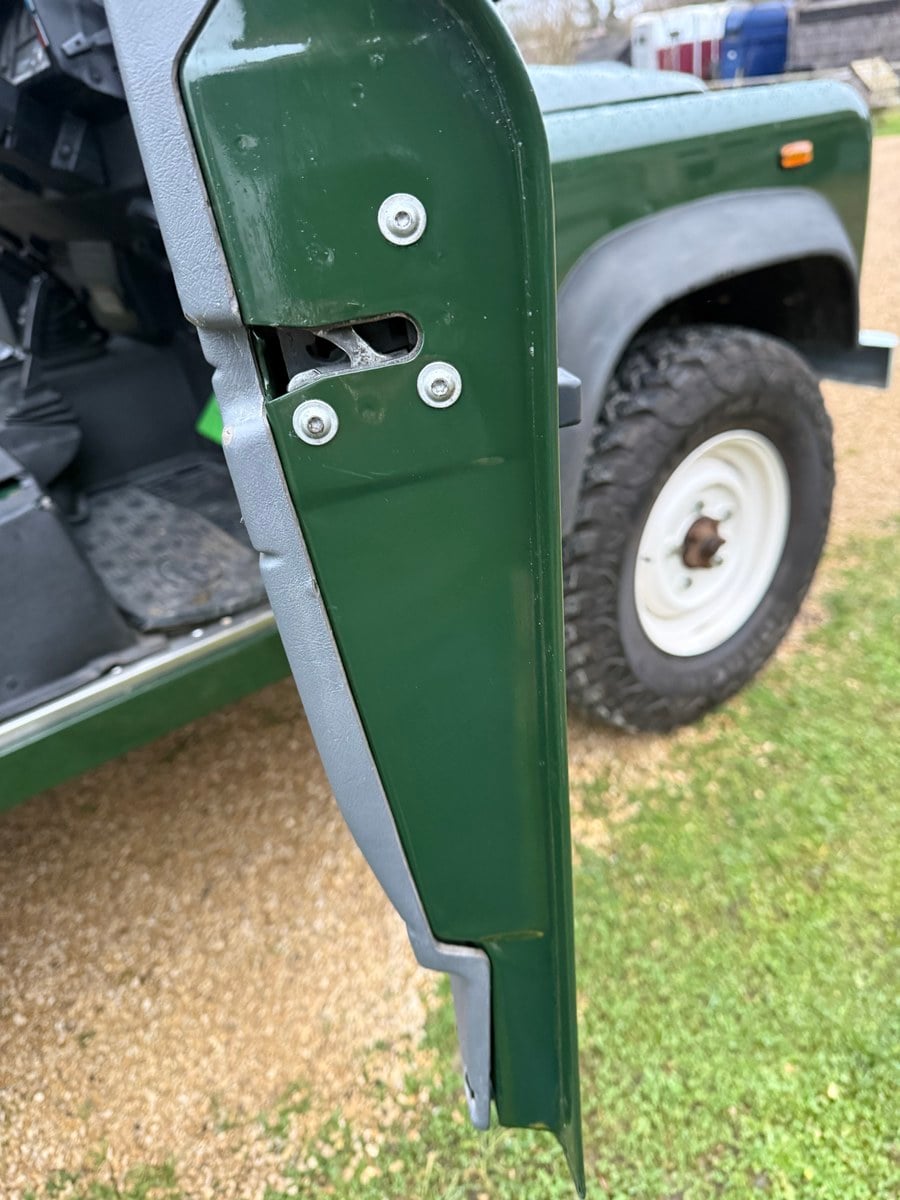
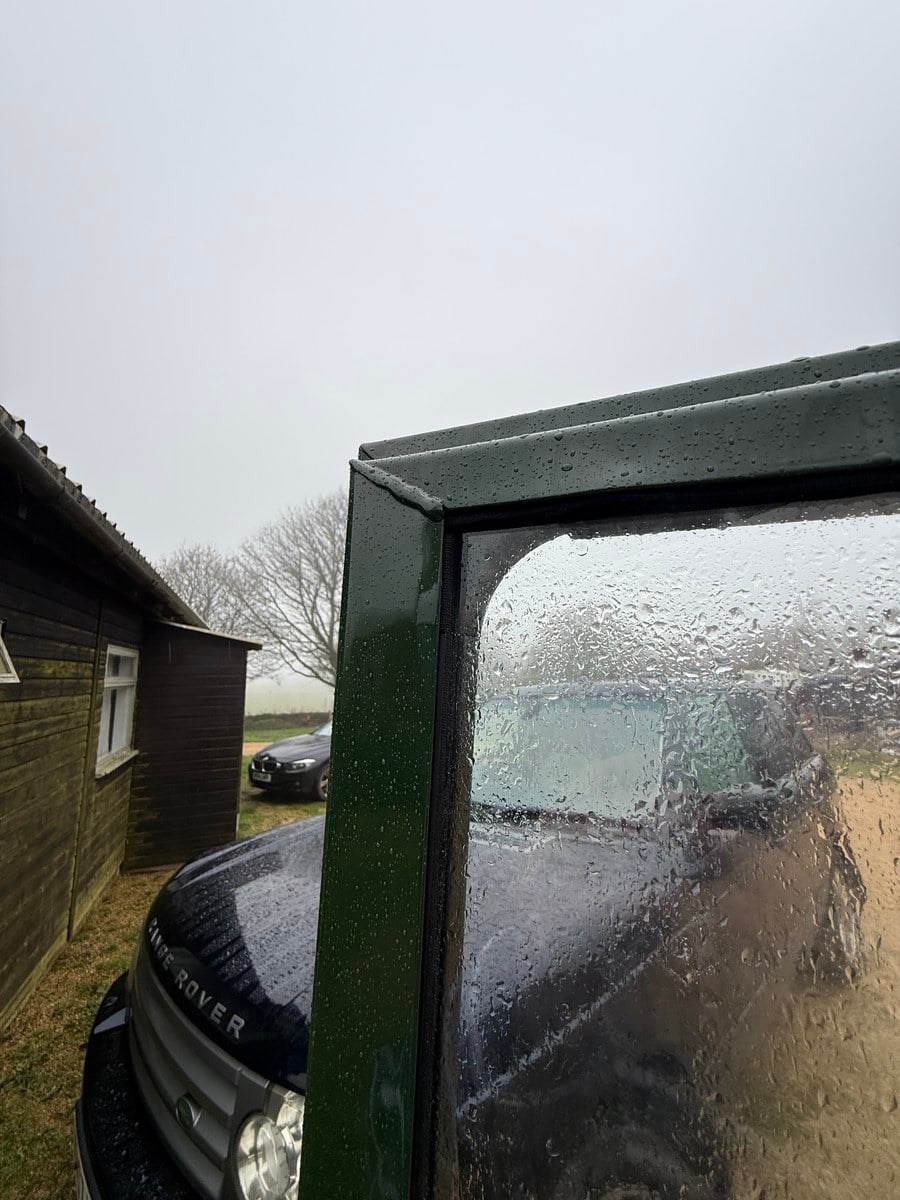
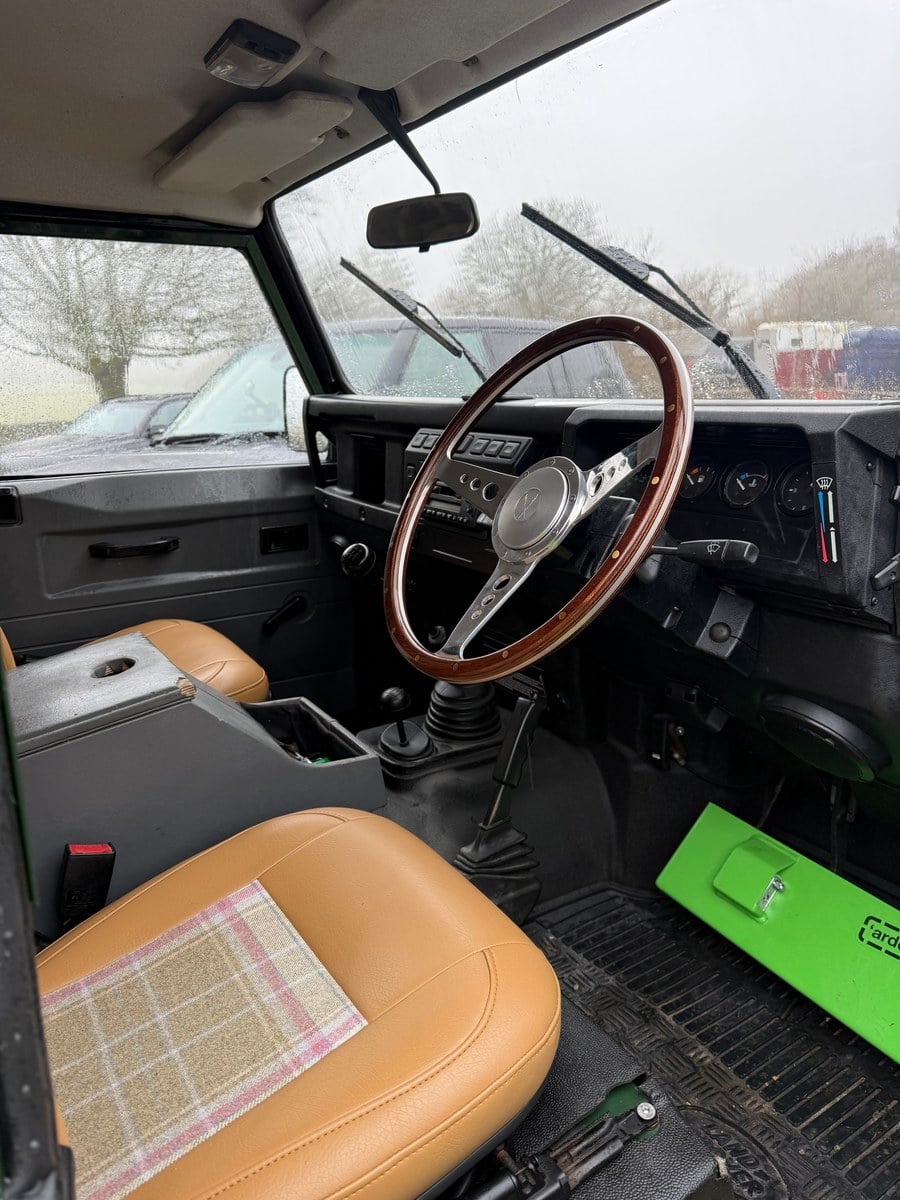
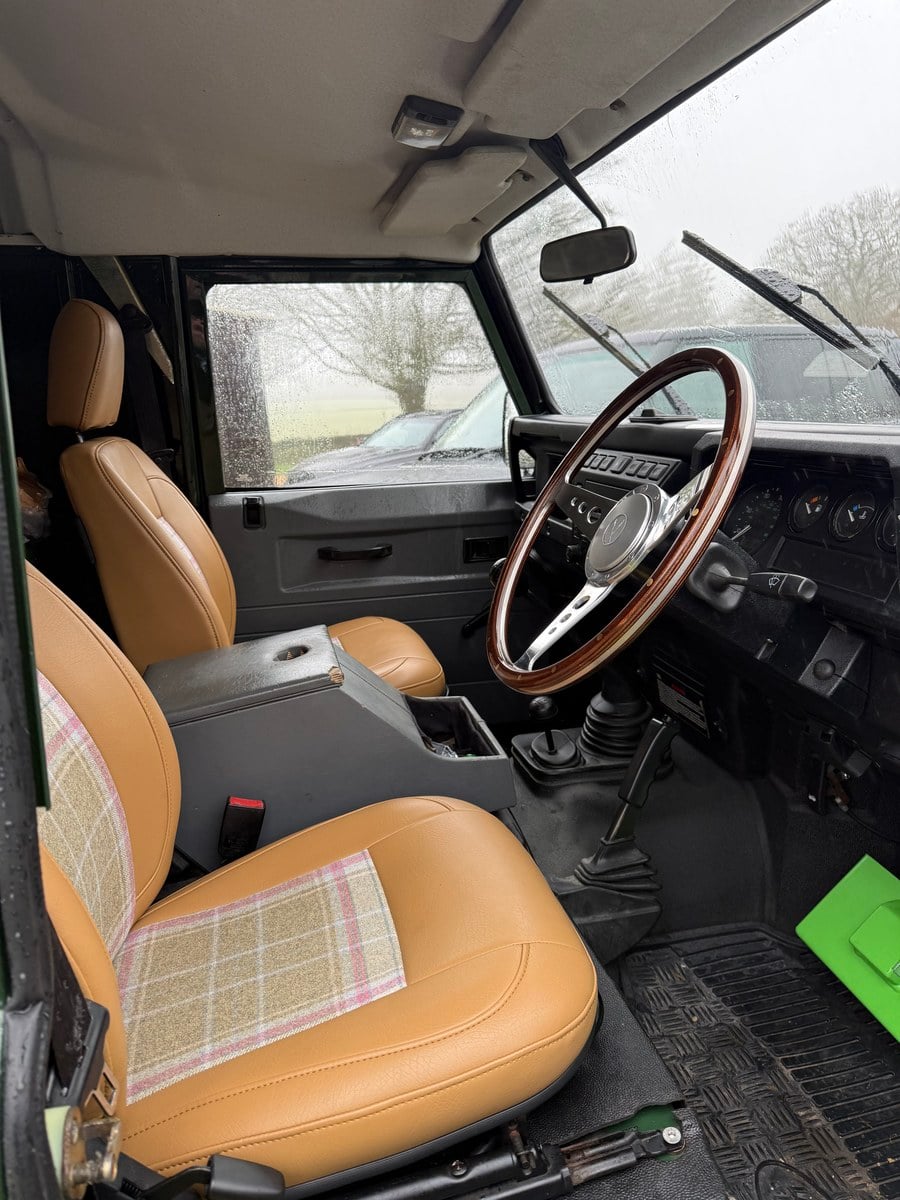
The Defender’s interior is built around durability + practicality, but it’s also properly modern where it counts. Land Rover describes it as “Durable. Inside and out.” with materials and finishes designed to handle real use.
What it’s like inside
Hard-wearing, adventure-ready cabin with features like rubber flooring (depending on model/spec)
A focus on personalisation, with different seat materials and colourways
A modern tech setup, with Land Rover listing a 13.1-inch touchscreen and Pivi Pro (Connected) in its UK “Models and Specifications” page
Comfort and convenience features depending on trim, including three-zone climate control, wireless device charging, and Meridian™ Surround Sound System
Space & seating (varies by model)
Land Rover also highlights optional practicality for carrying more people, including optional third row / seven seats (on applicable configurations).
Note: the Defender’s cabin can be specced from “wipe-clean tough” to “properly premium”, so always check the exact interior finish and seating layout of the one you’re buying.
The Defender has a lot of modern safety tech available, but don’t assume every used one has the full package — Land Rover lists features like Emergency Braking, Lane Keep Assist, Adaptive Cruise Control, Blind Spot Assist, and 3D Surround Camera, and which ones you get depends heavily on trim and options.
What this means when you’re buying:
If you’re getting a 110 or 130, the 3D Surround Camera / parking tech is genuinely worth having — these cars feel wide on UK roads and car parks.
If you do lots of motorway driving, Adaptive Cruise Control + Lane Keep Assist makes the Defender feel way more relaxed day-to-day.
If you actually plan to use it properly, features like Wade Sensing are a nice extra — but they don’t replace common sense (or good tyres).
Tip: before you fall in love with the colour and wheels, check the actual spec list — two Defenders can look identical and have totally different safety equipment.
A Defender can be an amazing buy… or a money pit wearing chunky tyres. The trick is spotting whether it’s been used properly or abused expensively.
Usage history: light lifestyle car ≠ heavily off-roaded / towed / worked hard
Tyres tell the truth: uneven wear can mean alignment/suspension issues
Suspension & steering feel: knocks, clunks, vague steering = wear (or bad mods)
Underbody condition: check for scrapes, dents, corrosion, and sloppy repairs
Electrics & sensors: test everything (cameras, screens, parking sensors, driver assists)
4x4 system check: make sure it engages smoothly and no warning lights appear
Service history: regular maintenance beats low mileage every time
Modifications: tasteful = fine, but messy lifts/remaps/wiring can cause headaches
Interior wear vs mileage: a “low-mileage” car shouldn’t look exhausted inside
Biggest red flag: a Defender that looks “perfect” on the outside but has no clear history — especially if it’s been lifted, wrapped, and sold as an “adventure build.”
Variants & Generations
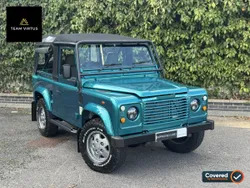
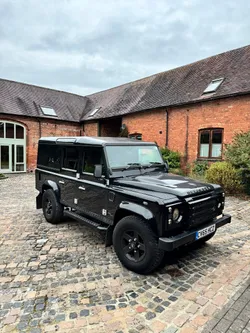
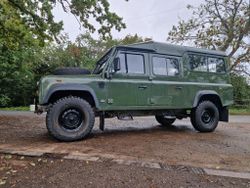
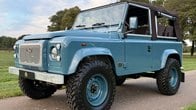
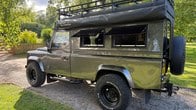
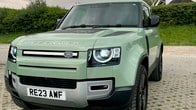
The Defender range is split mainly into 90, 110, and 130, with different trims and powertrains use the carousel below to pick the version that best fits your life (city-friendly 90, all-rounder 110, or space-first 130).
Price trends
Meest recente verkoop
£ 47.500
2016 Land Rover Defender 90 L316 SUV

Momenteel te koop
691
10 live veilingen
681 advertenties

Totaal verkocht
1824
Hoogste verkoopprijs
€ 195.805
Gemiddelde prijs
€ 48.226
Laagste prijs
€ 1.000
FAQs
Yes, if you choose the right spec. A 90 is easier to live with in town, while a 110 is usually the best all-rounder. Just expect it to feel wide in tight streets and car parks.
90: easiest to park, most fun, least practical
110: best balance (space + comfort + usability)
130: best if you genuinely need the extra passenger space, but it’s big
They can be. Tyres, brakes, servicing, and repairs add up fast especially if it’s been used hard or modified.
Depends. Light, well-done upgrades can be fine. But heavy mods (big lifts, remaps, messy wiring) can turn into ongoing problems and can make resale harder.
History + condition. A clean, well-maintained Defender is usually the better buy than a “cool-looking” one with vague paperwork and warning lights.
Yes, it’s genuinely capable. But the owner matters more than the badge: tyres, setup, and how it’s been driven make the difference.
Parking tech and cameras are a big win day-to-day, and motorway driver-assist features make it much more relaxed if you do distance driving.