Porsche 997 GT3: Models and Specs
Years: 2006–2012 | Engine: 3.6-litre Mezger (997.1) / 3.8-litre MA1 (997.2) | Power: 415–450 bhp Gearbox: 6-speed manual
Overview
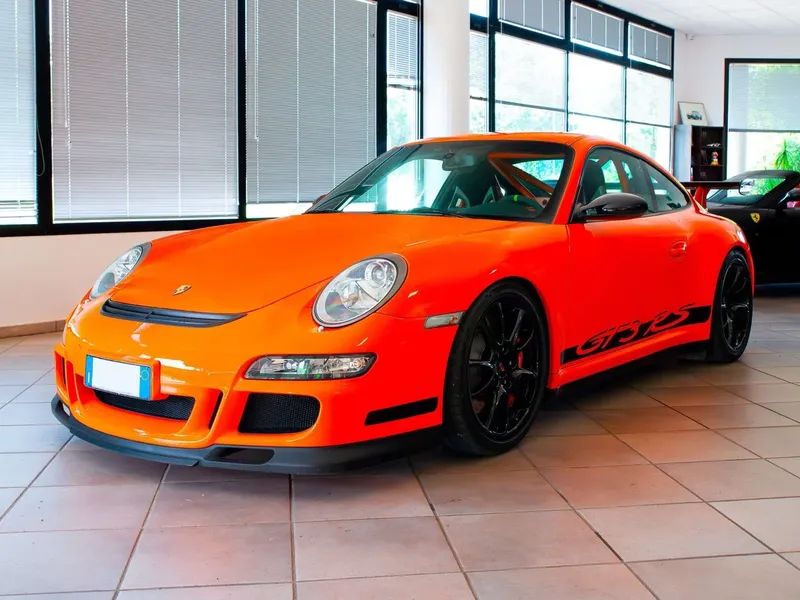
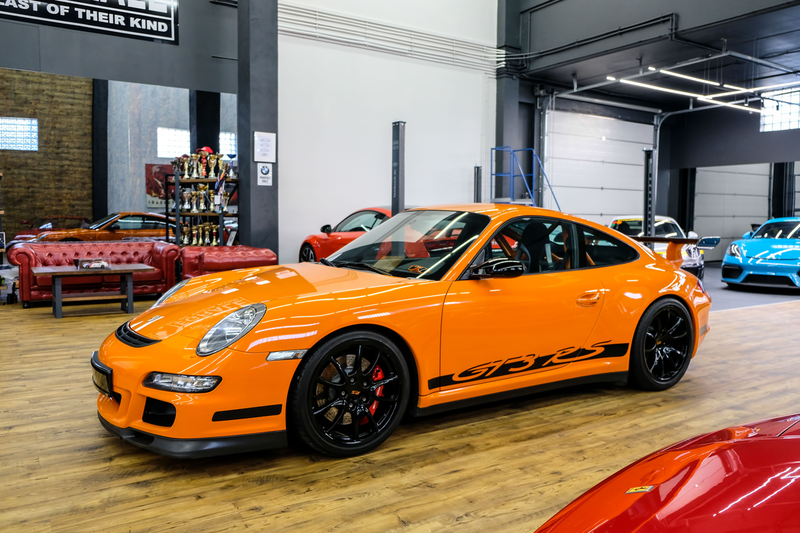
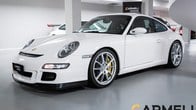
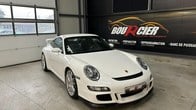
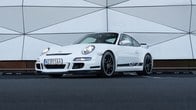
It can be hard to keep track of the numerous Porsche 911 variants, so it’s often easier to distinguish between models by their unique characteristics. For instance, the 997 GT3 seen here introduced adaptive suspension into the GT3 bloodline for the first time, and it was also the first GT3 with a rev ceiling set at 8,400 rpm. Mechanical tweaks resulted in a 34 bhp increase over the outgoing 996.2 GT3, though the 997.1 GT3 was on sale for less than two years before the 997.2 replaced it in late 2009. The 997.2 GT3 had a 3.8-litre engine producing 435 bhp and 317 lb-ft of torque, with revised 380/350 mm brakes and daytime running lights. The GT3 RS 4.0 (a homologation sub-variant) produced 450 bhp from a 4.0-litre unit, but had a limited production run of 1,619 units.
Price
- Starting price
- € 51.557
- Average price
- € 119.996
- Price range
- € 51.557 - € 184.335
Specifications
- Production years
- 2006–2012
- Engine range
- 3.6-3.8-litre
- Power range
- 415–435 bhp
- Gearbox
- 6-speed manual
- Body style
- 2-door coupe
Porsche 997 GT3 in Detail
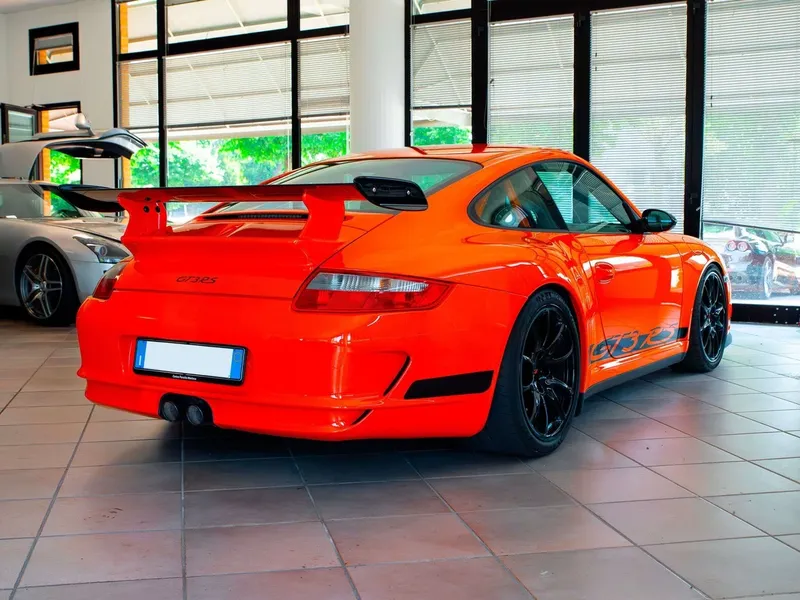
The 997.1 GT3 launched in 2006, retaining the Mezger dry-sump architecture and six-speed cable-operated gearbox from the 996 GT3, but raising the car's torsional rigidity and fitting PASM damper control as standard. Its bi-plane rear wing incorporated an adjustable Gurney flap, and a vent at the leading edge of the aluminium bonnet exhausted hot air from the front radiators to generate downforce.
The 997.2 GT3 facelifted the exterior with daytime running lights, revised front air intakes and a new single-plane rear wing on centre-lock-equipped wheels, with the engine stamped with '3.8' logos to distinguish it from the 997.1
Variant | Power | Torque | 0–62 mph | Top Speed | Gearbox | Weight |
997.1 GT3 | 415 bhp | 299 lb-ft | 4.3 sec | 192 mph | 6-speed manual | 1,395 kg |
997.1 GT3 RS | 415 bhp | 299 lb-ft | 4.2 sec | 193 mph | 6-speed manual | 1,375 kg |
997.2 GT3 | 435 bhp | 317 lb-ft | 4.0 sec | 194 mph | 6-speed manual | 1,408 kg |
997.2 GT3 RS | 435 bhp | 317 lb-ft | 3.9 sec | 193 mph | 6-speed manual | 1,395 kg |
997.2 GT3 RS 4.0 | 450 bhp | 317 lb-ft | 4.0 sec | 193 mph | 6-speed manual | 1,360 kg |
The 997.1 GT3's 34 bhp gain over the 996.2 GT3 came from new cylinder heads with VarioCam applied to both inlet camshafts, plus a revised Bosch Motronic ECU, with the rev ceiling raised 200 rpm. The 997.2 GT3's additional 20 bhp came primarily from the bore increase to 102.7 mm, which raised displacement to 3,797cc without any stroke change, and from the revised Motronic ME 7.8.2 management system.
The 997 GT3 generation of the 911 encompassed the following main variants:
GT3. A naturally aspirated Mezger/MA1 with rear-wheel drive and 415–435 bhp
GT3 RS. This homologation sub-variant came with a widebody and reduced weight
GT3 RS 4.0. Another limited 1,619-unit homologation car with a 4.0-litre dual VarioCam engine
The 997 GT3 used the narrow-body 997 shell, making it 43 mm wider than the 996 GT3, with a 15 mm increase in wheelbase to 2,355 mm. The 997.1's bi-plane rear wing and five-stud 19-inch alloys were replaced on the 997.2 by a single-plane rear wing with revised endplates and centre-lock wheel fixings. The 997.1's bonnet vent, created to feed hot air away from the front radiators, was carried over from the 996 GT3 RS and was maintained on the 997.2.
The 997.2 GT3 introduced bi-xenon headlights with LED daytime running lights, replacing the 997.1's halogen projector units, while revised side sills added a more pronounced aerodynamic profile. Both generations retained the narrow rear haunches of the standard 997 Carrera, but the widened arches of the GT3 RS and GT3 RS 4.0 are exclusive to those sub-variants.
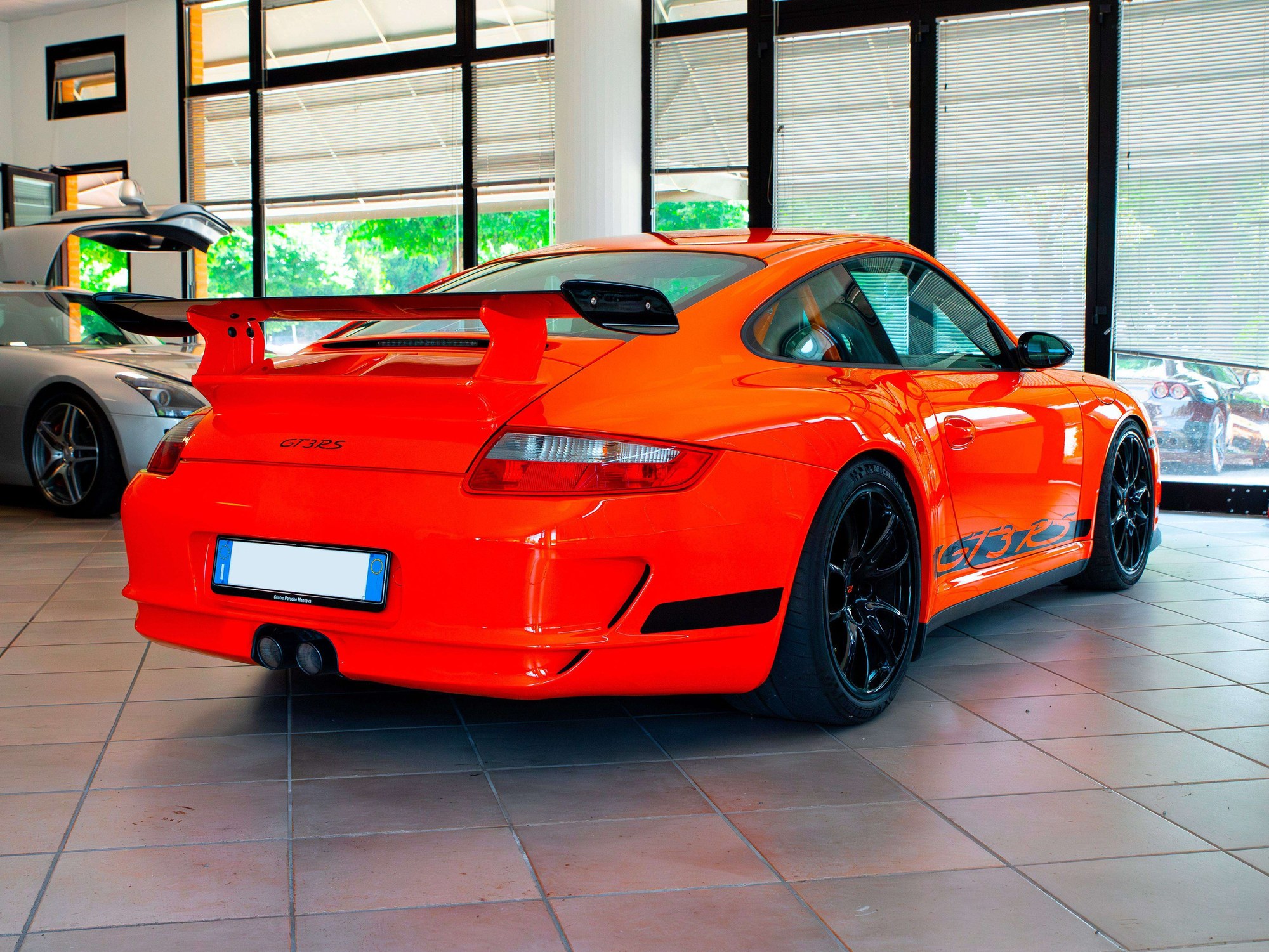
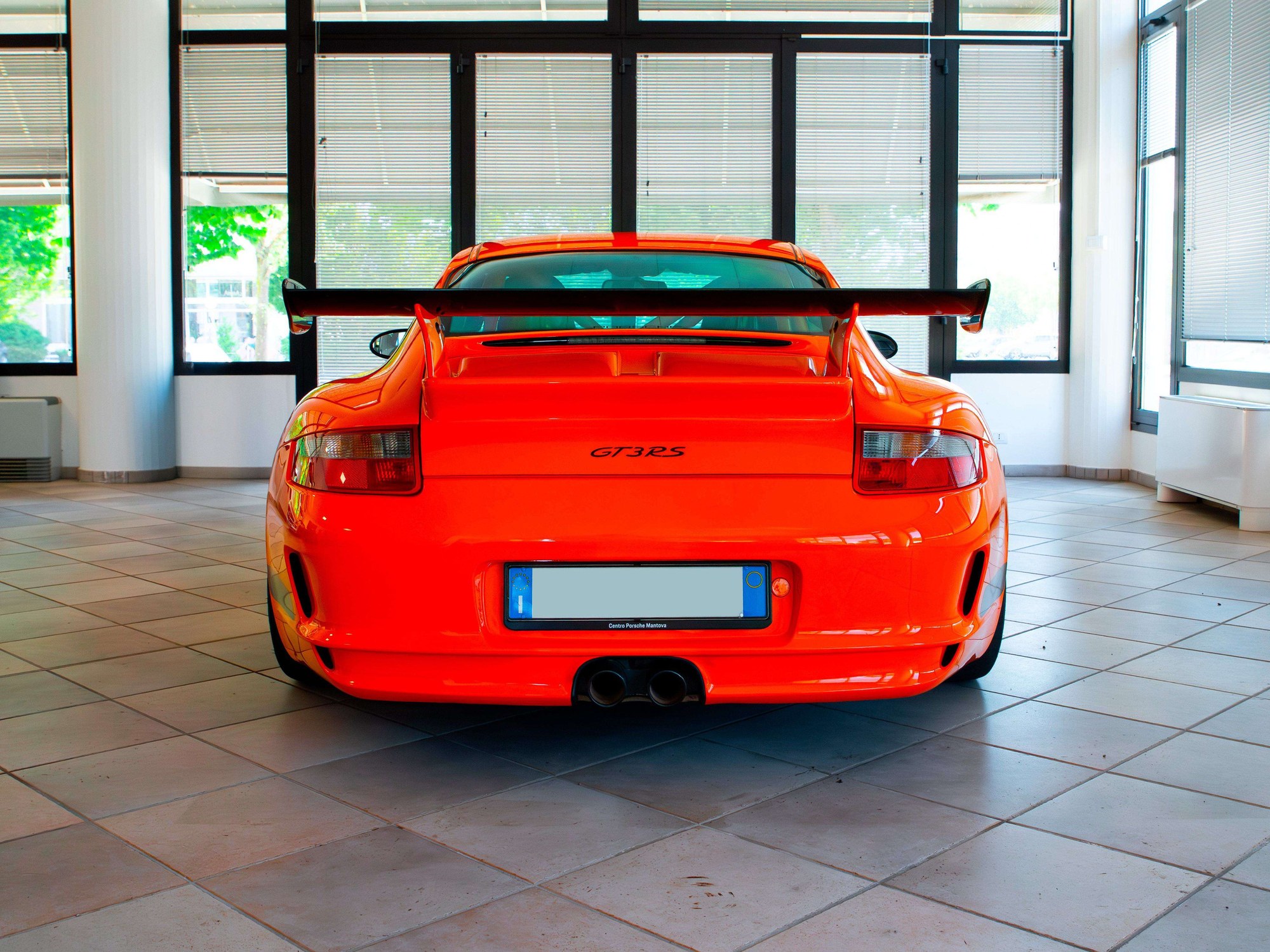
The 997 GT3 retained the no-rear-seat configuration of the 996 GT3, though air conditioning and a stereo were fitted as rare concessions to comfort. The seating position dropped 20 mm compared to the 997 Carrera due to GT3-specific sports seats and a strengthened floor pan. Alcantara on the steering wheel rim and gear lever gaiter was standard, with full leather as a no-cost option on UK-market cars.
The 997.2 GT3 introduced Sport Chrono Plus with data logging capability, replacing the analogue stopwatch-only Sport Chrono of the 997.1. Satellite navigation was an optional extra, and many UK examples have been retrofitted with an aftermarket PCCM Plus head unit offering Apple CarPlay and Android Auto integration.
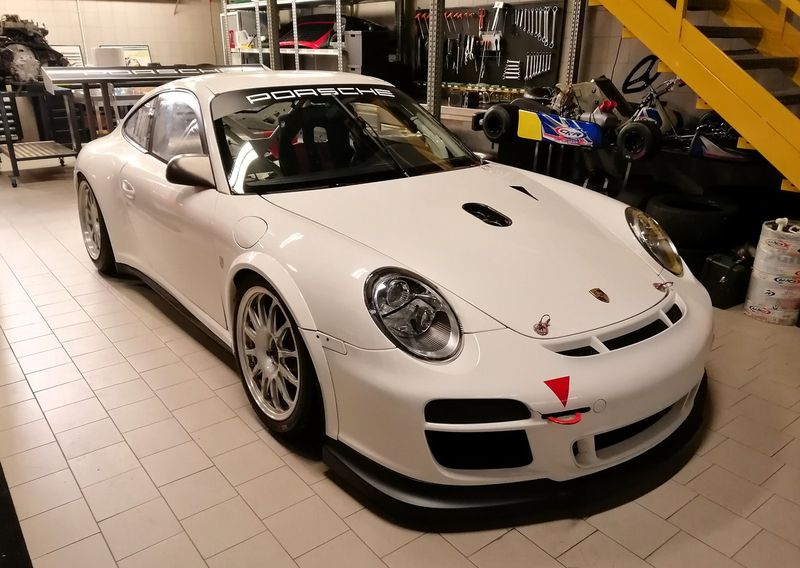
Finally, the Clubsport specification added a rear roll cage, six-point harnesses, a fire extinguisher and a battery cut-off switch behind the driver's seat.
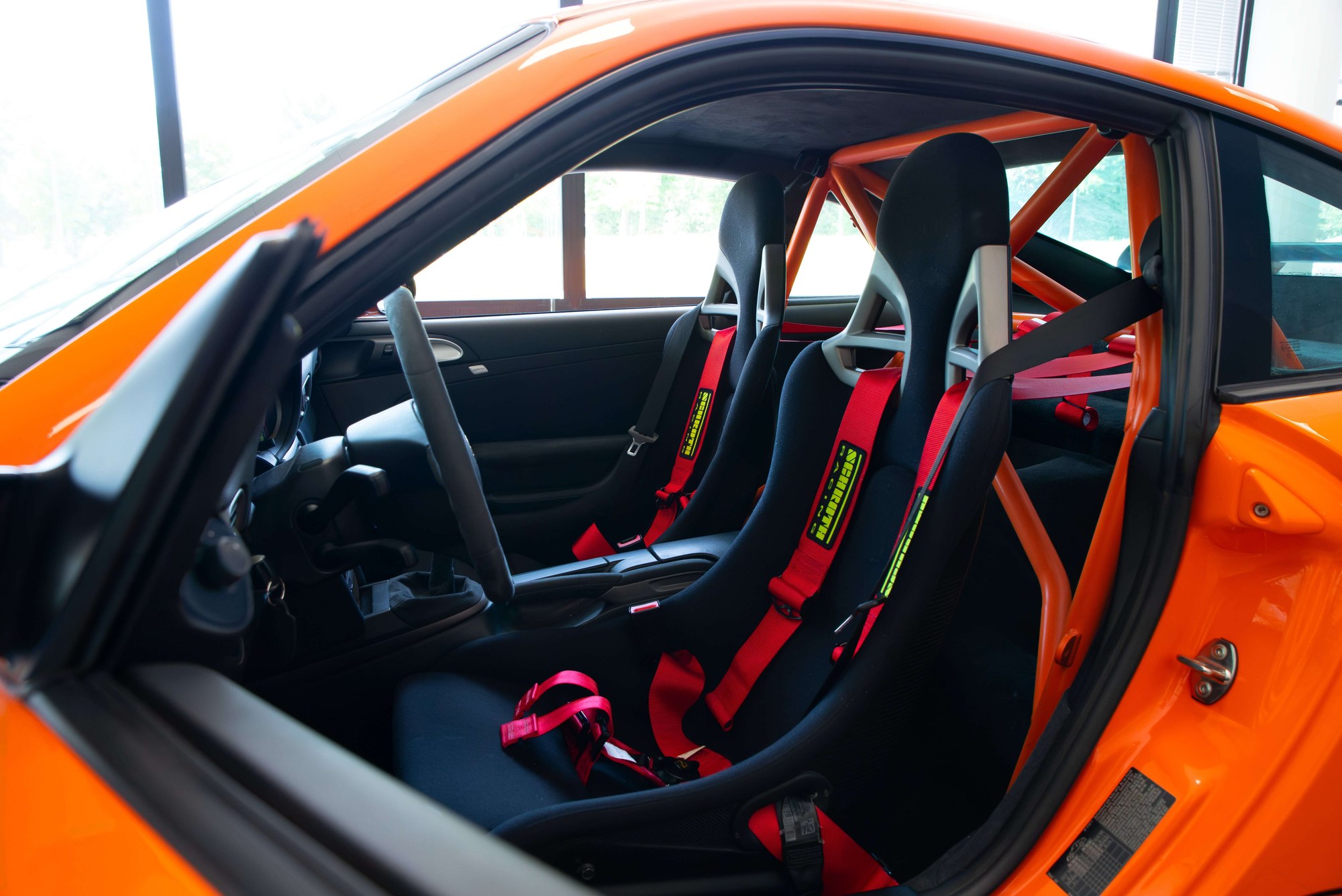
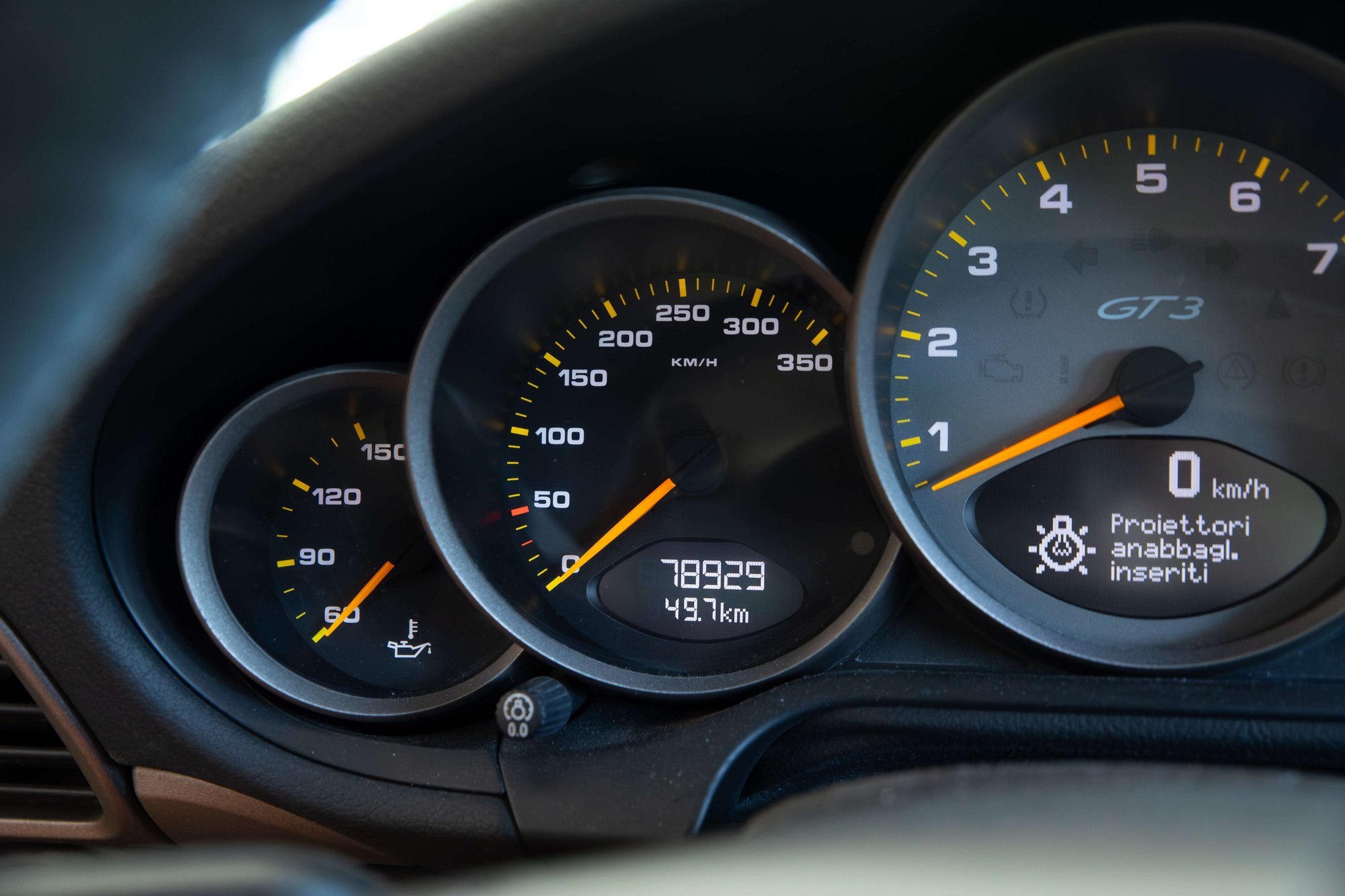
No dedicated Euro NCAP test was conducted for the 997 GT3, but standard safety equipment across the full 997 GT3 lineage includes ABS, adaptive suspension and Porsche Stability Management (PSM). The 997.1 GT3 introduced traction control to the GT3 for the first time, with a Sport mode that reduced intervention threshold alongside a full disable switch.
Clubsport-specification cars added a rear half roll cage, six-point harnesses and high-backed bucket seats at a cost of £3,000–£5,000 over a standard car. PCCB ceramic composite brakes were optional throughout the generation, but buyers should confirm whether PCCB discs show crazing or stone damage before purchase, as replacement cost tends to be substantial.
Bodywork and crash history
Use an electronic paint depth gauge across all exterior panels. On the 997.1 GT3, the stone chip vulnerability is concentrated at the front bumper’s lower section and rear wheelarch leading edges
Inspect panel gaps at the front bonnet, doors and rear lid for misalignment indicative of unrepaired accident damage
Confirm the aluminium bonnet vent grille is present and undamaged, since replacements are expensive and its absence may indicate a previous impact
Engine and cooling
The Mezger-based coolant pipes on the 997.1 GT3 share the epoxy adhesive collar failure mode identified on the 996 GT3. The definitive repair is TIG welding after engine removal, so confirm this has been carried out and standard pins haven’t been used as a substitute
Check the camshaft pinning. This known issue on the 997 generation involves camshaft phase adjustment pins working loose under sustained high-rpm use
Inspect spark plugs and ignition coils, as the 997 GT3 is sensitive to coil pack degradation under repeated high-rpm use
Verify the rear main seal for seepage. The 997 GT3's Mezger unit uses a two-piece crankshaft seal susceptible to oil leakage past 60,000 miles if oil change intervals have been extended
Gearbox and transmission
Test the limited-slip differential for chattering or binding under low-speed lock-to-lock steering
Assess clutch engagement height. A high-biting-point clutch on a low-mileage car may indicate a slipping flywheel rather than a worn clutch plate
Confirm gearbox oil service history, since the G97/90 unit requires oil changes at 30,000-mile intervals in hard use
Suspension
Check PASM damper function in both Normal and Sport modes while stationary. Non-switching dampers indicate a failed solenoid or leaked strut, both of which are common on high-mileage track cars
Inspect rear top mounts and lower arm bushes for wear; both are service items that degrade rapidly under circuit use
Confirm the suspension is factory specification, because non-original coilover kits reduce value on low-mileage original cars
If PCCB brakes are fitted, inspect carbon-ceramic disc faces for radial cracking or stone impact damage. Hairline crazing within the friction surface is acceptable, but through-cracks are not.
Price trends
Meest recente verkoop
£ 68.995
2007 Porsche 911 GT3 997 Coupe

Momenteel te koop
6
0 live veilingen
6 advertenties

Totaal verkocht
26
Hoogste verkoopprijs
€ 184.335
Gemiddelde prijs
€ 119.996
Laagste prijs
€ 51.557
FAQs
No. The 997.1 GT3 uses the Mezger M97/76 engine with a dry-sump lubrication system, so the IMS bearing failure documented on the standard water-cooled 997 Carrera doesn’t apply to 997 GT3s.
In the current UK market, the 997.2 commands a higher median price. The 997.1 is lighter (1,395 kg vs 1,408 kg), retains the rev character of the 3.6-litre Mezger and is generally preferred by buyers who rank engine purity above outright performance.
The 997.1 GT3 is approximately 10 seconds per lap faster than the 996.2 GT3 around the Nordschleife. On the road, the 997 GT3 adds PASM suspension adjustment, traction control, a stiffer body shell with greater torsional rigidity and more supportive seats, making it the less demanding of the two generations for regular use. The 996 GT3 is more demanding and more direct in its responses, which suits buyers who prioritise unmediated mechanical engagement.