BMW Z8: Models and Specs
1999–2003 - Front mid-engine V8 - Rear-wheel drive - 400 hp - six-speed manual - 0–62mph 4.7s - 155 mph top speed
Overview
The BMW Z8 was always intended to become a future classic, sold new with a 50-year parts guarantee and the level of attention to detail usually reserved for limited-run supercars. While other manufacturers were pursuing aggressive angles and tech-heavy interiors around the turn of the millennium, BMW created a modern interpretation of its legendary 507 roadster, which still looks fresh more than two decades later. The Z8’s all-aluminium spaceframe chassis and bodywork house the same V8 found in BMW’s E39 M5, mated to the same six-speed manual gearbox, piping 400 hp to the rear wheels with minimal electronic nannying. Unlike most modern BMWs, the Z8 was never built in right-hand drive form. Every example in the UK is a left-hand-drive import, and with just 5,703 examples ever built, provenance, documentation and originality matter enormously.
C&C Expertise
In the late 90s, as a new millennium dawned, car makers were looking backwards. The Z8 was born in this era of retro-obsession, but that was a very good thing, because rather than slavishly reworking the BMW 507 that influenced it, designer Henrik Fisker created something that looked both forward and backwards at the same time. Combining advanced lightweight all-aluminium construction with the firm’s 4.9L S62 V8 engine provided a very modern take on the GT that drove as you’d expect of ‘the ultimate driving machine.’ As with any low-volume collector car, the key to purchase is maintenance. Static storage can still cause ageing, so look for regular maintenance and checks, even when the car hasn’t been used, ideally by BMW or reputable specialists. Only 5,703 were built and most remain in static collections, so finding one is your challenge.
Price
- Starting price
- $149,525
- Average price
- $203,856
- Price range
- $149,525 - $269,899
Specifications
- Manufacturer
- BMW
- Production Years
- 1999–2003
- Vehicle Class
- Roadster
- Body Style
- Convertible with removable aluminium hardtop
- Layout and Drive
- Front mid-engine, longitudinal / rear-wheel drive
BMW Z8 in Detail
The Z8 story began in the mid-1990s when BMW set out to create a modern homage to the 1956 507 roadster. Only 252 examples of this rare and beautiful car were ever built, and by the Nineties, surviving examples were fetching stratospheric prices.
Henrik Fisker penned the Z8's flowing lines to resemble what the modern-day 507 might have looked like had it remained in production. A concept car debuted to rapturous applause, and BMW committed to production for the 2001 model year, though some 2000-year production examples reached customers late in 1999. The production car stayed faithful to the original concept, with every body panel crafted from aluminium and mounted to a bespoke aluminium spaceframe chassis. The interior also featured aluminium - this time on its switches, surrounding a retractable infotainment screen.
The Z8 was a ground-up, purpose-built roadster in an era when such endeavours were increasingly rare. Under its sculpted bonnet sat the V8 from the E39 M5, producing 400 hp and 368 lb-ft of torque through a six-speed Getrag manual gearbox.
Famous for its appearance in the 1999 James Bond film The World Is Not Enough, the screen car was eventually sawn in half by helicopter blades. Fortunately, other Z8s avoided this very unusual fate, and most have been diligently preserved by conscientious owners.
The Z8 was built around a naturally aspirated V8 paired with a six-speed manual gearbox and rear-wheel drive.
Engine & Drivetrain
Engine: 4,941cc V8, shared with E39 M5
Layout: Front mid-engine, rear-wheel drive with limited-slip differential
Transmission: Getrag Type D six-speed manual
Performance
BMW Z8 | Specification |
Engine | 4.9-litre S62B50 V8 |
Power | 400 hp |
Torque | 368 lb-ft |
0–100 km/h | 4.7s |
Top Speed | 155 mph |
Fuel Economy | 19.5 mpg combined |
Transmission | 6-speed manual |
What it feels like on the road:
The Z8 is satisfyingly old-school, with a V8 that needs revving to deliver peak power at 6,600 rpm. The hydraulic steering offers genuine feedback, the aluminium chassis feels taut and precise, and there's enough rear-wheel-drive adjustability to remind you this is a proper sports car without excessive electronic interference. At gentle speeds, a well-adjusted Z8 feels surprisingly civilised, though a Sport button ahead of the gear lever quickens throttle responses.
Buyer Note: The S62 engine shares common issues with the E39 M5 it was also installed into. Look out for failing VANOS solenoids, dying cam sensors, oil leaks from valve covers and timing chain problems at higher mileages.
The Z8 is a surprisingly compact car given its visual presence, with proportions that emphasise its long bonnet and short overhangs.
Dimension | Measurement |
Length | 4,400 mm (173.2 in) |
Width | 1,830 mm (72.1 in) |
Height | 1,317 mm (51.9 in) |
Wheelbase | 2,505 mm (98.6 in) |
Front track | 1,550 mm (61.0 in) |
Rear track | 1,570 mm (61.8 in) |
Kerb weight | 1,660 kg (3,660 lbs) |
Boot capacity | 203 litres (7.2 cu ft) |
Fuel tank | 73 litres (16.1 UK gallons) |
Around town, the Z8 feels manageably sized, as it’s narrower than many modern sports cars and has excellent visibility. The 203-litre boot is surprisingly practical, though it can’t accommodate both the removable hardtop and luggage simultaneously. The hardtop itself weighs around 27 kg, requiring two people to move and store it.
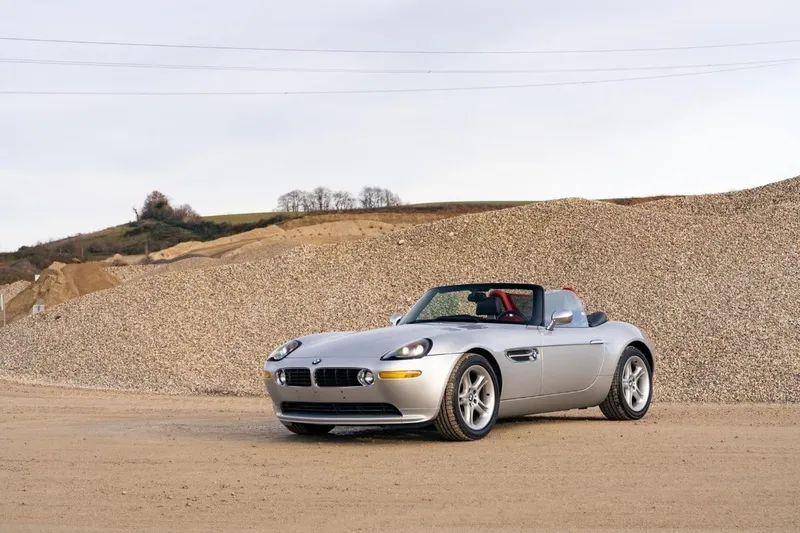
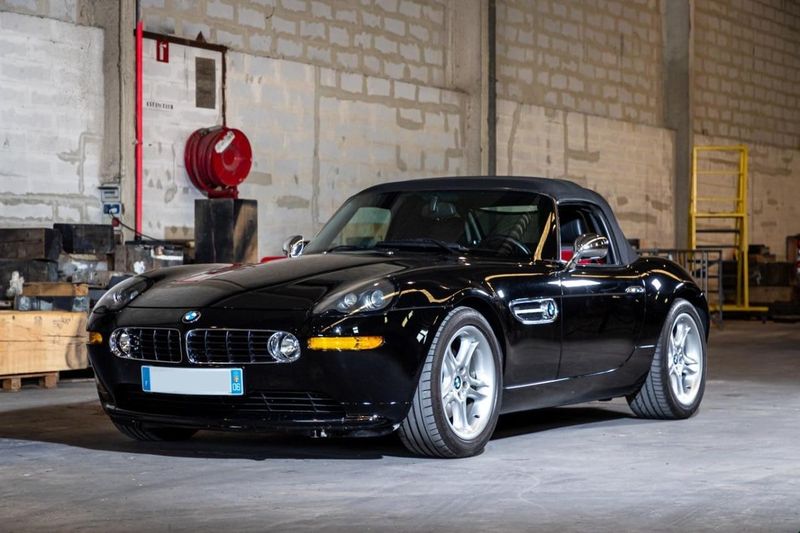
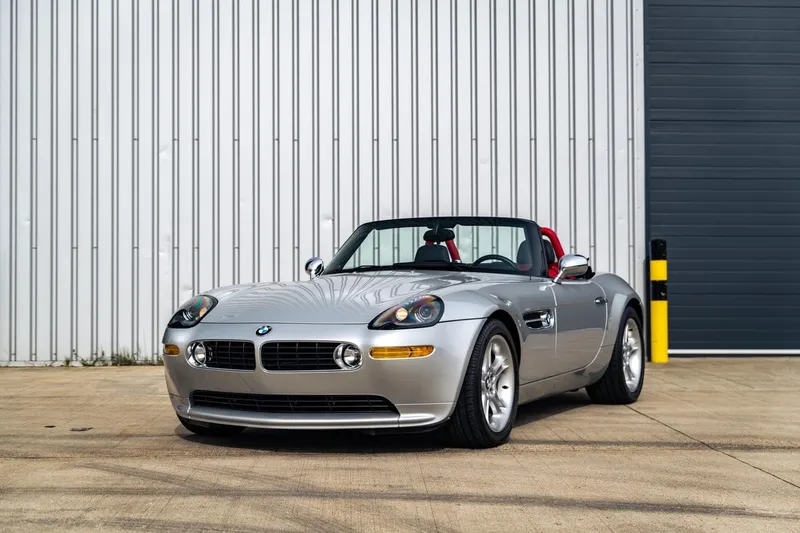
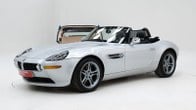
The Z8's design blends 1950s art-deco glamour with late-1990s proportions and modern safety requirements. There’s a long bonnet with a subtle power dome, a low-slung cabin with prominent side vents behind the front wheels to cool the brakes, and dramatic rear haunches flowing into a ducktail boot lid.
This design has aged well because it wasn't chasing contemporary trends. The Z8 looked retro-futuristic in 2000 and still does today, which partly explains its sky-high values in the classic car market.
The Z8 features hand-assembled craftsmanship rather than mass-production engineering. The body panels should feel solid and consistent, though perfectly uniform gaps are less important than overall integrity and originality.
What to pay attention to when viewing one:
Aluminium panel condition: Check for dents, dings, and scratches, since aluminium repairs require specialist knowledge and can be expensive
Paint quality and originality: Factory paint should be flawless; resprays or touch-ups may diminish value on collector-grade cars
Headlight lens condition: Those Porsche-like plastic lenses can yellow or craze with age. Replacements are available but costly.
Soft-top condition: The fabric hood should seal properly, operate smoothly and show no tears or fading
Hardtop condition and fit: Every Z8 was supplied with a colour-matched aluminium hardtop, so verify it's present, undamaged and fits correctly when viewing a particular car
Wheel condition: The stock 18-inch wheels should be free from kerbing, cracks or buckles. Check for tyres older than five years, which will need replacement regardless of their remaining tread depth
Most Z8s were garaged from day one, given their collectable status, so a car showing significant exterior wear or damage either had a hard life or has been neglected.
Opening the Z8's doors reveals two sculpted Nappa leather bucket seats facing onto centre-mounted instruments in a recessed painted panel flanked by sculptured aluminium and tactile switchgear. The seats offer excellent lateral support, though the infotainment is inevitably dated; it retracts behind a panel when not in use.
What to check when buying:
Sticky/deteriorating interior plastics: This is the single biggest interior issue on Z8s. Various plastic components become glue-like or deteriorate with age. Cleaning them with alcohol wipes temporarily helps (and vendors may have done this to improve the car’s appearance), but replacement is the only permanent solution.
Door handle breakage: The plastic mounting points on interior door handles are notorious for cracking or breaking off on Z8s.
Infotainment system: Period BMW electronics can be temperamental, so ensure everything functions, including the retraction mechanism
Window and roof operation: The soft-top mechanism should operate smoothly without binding or unusual noises, while the hardtop locking mechanism can suffer from microswitch failures. There is a manual override in case of emergencies.
Originality matters enormously on Z8s, and any aftermarket modifications or non-standard equipment will significantly impact collectibility.


The Z8 was designed in the late Nineties, so it offers ABS, traction control and twin airbags alongside excellent rigidity and crash protection courtesy of its aluminium spaceframe. The Z8 rewards smooth and committed driving but will bite if provoked, particularly in wet conditions or on cold tyres.
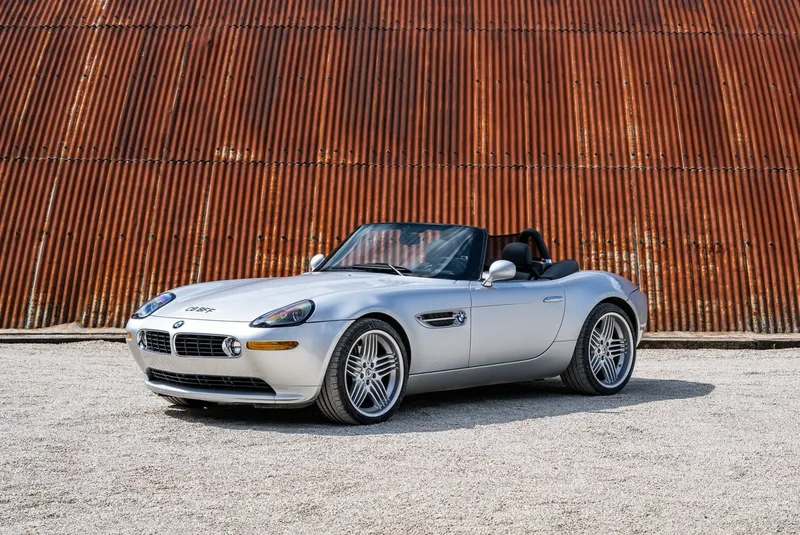
The Z8 remained a single-generation model throughout its production run, while the Alpina Roadster V8 is a related car with a very different personality.
BMW Z8 (1999–2003; 5,148 units)
Every Z8 left the factory with a V8 engine, six-speed manual gearbox and a focused sports car setup. All examples are left-hand drive.
Alpina Roadster V8 (2003; 555 units)
Oddly, this was only built after Z8 production had concluded. Key differences include a 4.8-litre V8 packing 381 hp, a five-speed automatic transmission and 20-inch Alpina wheels, while its softer suspension indicates this is a grand tourer rather than a sports car. Only eight Alpina Roadster V8s ever came to the UK market through official BMW channels, making them exceptionally rare.
Most Z8s have been garaged and carefully maintained, given their collectable status, but a BMW main dealer or Z8 specialist service history is essential. Gaps in lineage tend to raise serious questions about maintenance.
Issues common to the E39 M5 also apply here, including valve cover gasket leaks, failing solenoids and timing chain guide wear on higher-mileage examples. Starter motor issues are usually battery-related. Ensure regular oil changes at 5,000–7,500 miles, along with timing chain guide inspection/replacement.
We’ve already touched on the brittle, potentially sticky interior and exterior plastics, while door storage lids and seat heaters are common points of failure. Also, examine the aircon drainage, since tubes can clog and cause footwell dampness.


Price trends
Most recent sale
£129,950
2000 BMW Z8

Currently for sale
18
0 live auctions
18 adverts



Total sold
22
Highest sale price
€269,899
Average price
€203,856
Lowest price
€149,525
FAQs
Every Z8 is a left-hand-drive import, so if you're uncomfortable with the steering wheel being on the wrong side, this isn't the car for you.
They are, but not catastrophically so. The mechanical components are shared with the E39 M5, so a trusted independent BMW specialist can handle most work. Budget for E39 M5 service costs plus a premium for Z8-specific parts and that aluminium bodywork.
The Z8 was designed as an instant collectable and has performed accordingly. UK values have held steady, but running costs, insurance and storage aren't trivial.
The Z8 is usable and surprisingly comfortable for a sports car, but its limited boot space, two-seater cabin, and LHD configuration make it impractical.