Triumph TR6: Models and Specs
1969–1976 • Front-engine inline-six • Rear-wheel drive • 4-speed manual (overdrive optional) • 125–150 bhp • 2-seat roadster • Steel body on separate chassis
Overview
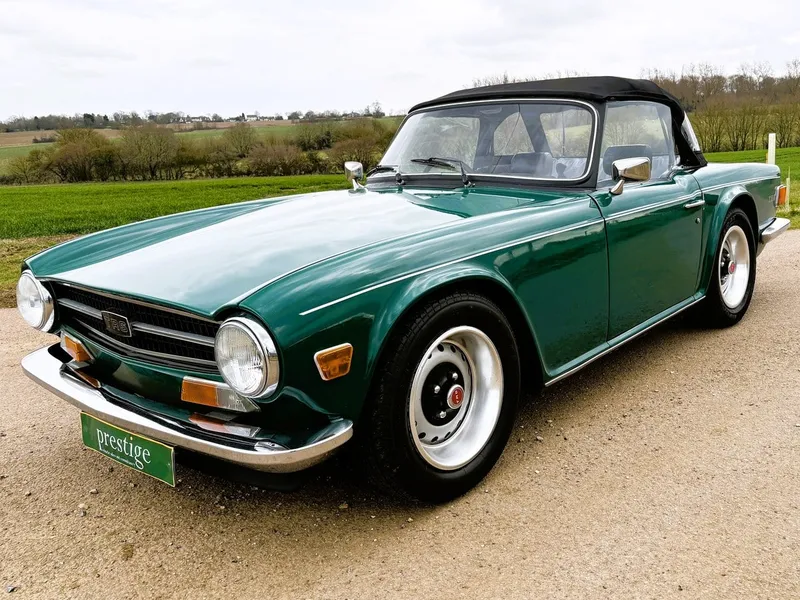
The Triumph TR6 was one of the last traditional British sports cars, balancing strong character with real-world usability. Built between 1969 and 1976, it paired a muscular, no-nonsense design (quite at odds with the daintier Triumphs which preceded it) with a torquey straight-six engine and classic rear-wheel drive. Unlike many British cars of its era, the TR6 feels more robust than delicate, and it’s certainly more enjoyable to drive than its raw numbers might suggest. It’s comfortable enough for longer trips, mechanically straightforward and well-suited to regular use if properly maintained. The steering is heavy, the cabin is very much of its time, and refinement is basic, but that honesty is a big part of its appeal. For buyers today, the focus shouldn’t be on chasing rarity. Condition, setup and how the car has been cared for matter much more than specification differences or age. Buy a well-maintained example from a genuine enthusiast, and the TR6 can deliver exactly what a classic British roadster should.
C&C Expertise
Styled by Karmann of Osnabrück, in stark contrast to its Italianate Michelotti-penned predecessors, the TR6 is the ultimate in barrel-chested, beer-drinking, pipe-smoking, pugilistic British sports cars. The Lucas fuel injection systems are famously finicky, but once set up correctly, offer impressive performance. For B road bashing, the Triumph TR6 is hard to beat.
Price
- Starting price
- $1,146
- Average price
- $22,739
- Price range
- $1,146 - $45,509
Specifications
- Manufacturer
- Triumph
- Production years
- 1968–1976
- Vehicle class
- Sports car
- Body style
- 2-door roadster
- Layout and drive
- Front-engine, rear-wheel drive
Triumph TR6 in Detail
1968–1969: Launch and new direction
The Triumph TR6 was introduced in 1968 as a visual and philosophical shift for the TR range. While it retained much of the TR5’s mechanical layout, the new body design gave the car a tougher presence. This helped to position the TR6 as a more serious, muscular sports car, appealing to buyers who wanted performance and presence rather than delicacy.
1969–1972: Fuel injection arrives
Early TR6 models defined the car’s reputation. With (initially unreliable) fuel injection and a strong straight-six, these cars delivered noticeably more urgency and torque than many rivals, let alone their predecessors. This period is often seen as the TR6’s peak, offering responsive and unmistakably mechanical motoring with performance that suited fast A-roads and long-distance touring.
1973–1974: Refinement and regulation
As the 1970s progressed, the TR6 evolved to meet changing regulations and buyer expectations. Minor updates improved usability and comfort, but the underlying formula stayed the same. This era marked a subtle shift from outright performance toward broader everyday appeal, especially for buyers using the car more frequently.
1975–1976: End of the line
By the mid-1970s, tightening emissions rules and a changing market signalled the end for traditional British roadsters like the TR6. Production ended in 1976, closing the chapter on Triumph’s straight-six sports cars. Today, these later cars are often valued for their maturity and usability, while earlier examples attract buyers chasing the purest expression of the model.
The Triumph TR6 was never about pursuing world records or being the fastest car in its class. Its appeal lay in accessible straight-six performance, strong mid-range torque and a driving feel that suited UK roads. Throughout its production run, the core character remained consistent, with differences driven primarily by fuel delivery and tuning rather than radical mechanical changes.
When considering an imported TR6, remember that UK-market cars retained higher-output tuning than many export versions. Even by modern standards, the TR6 feels punchy at everyday speeds, delivering a sense of involvement that’s more about feel than figures.
Model / Period | Engine | Power | 0–60 mph | Top speed |
TR6 (early UK PI) | 2.5L inline-six, fuel-injected | 150 bhp | 8.0 sec | 120 mph |
TR6 (later UK PI) | 2.5L inline-six, fuel-injected | 125 bhp | 8.5 sec | 115 mph |
Note: On the road, the difference between versions is felt more in torque delivery and urgency than outright speed. A well-sorted TR6 of any era or specification can feel quicker and more engaging than the numbers suggest, so condition and setup matter far more than buying a specific year or generation.
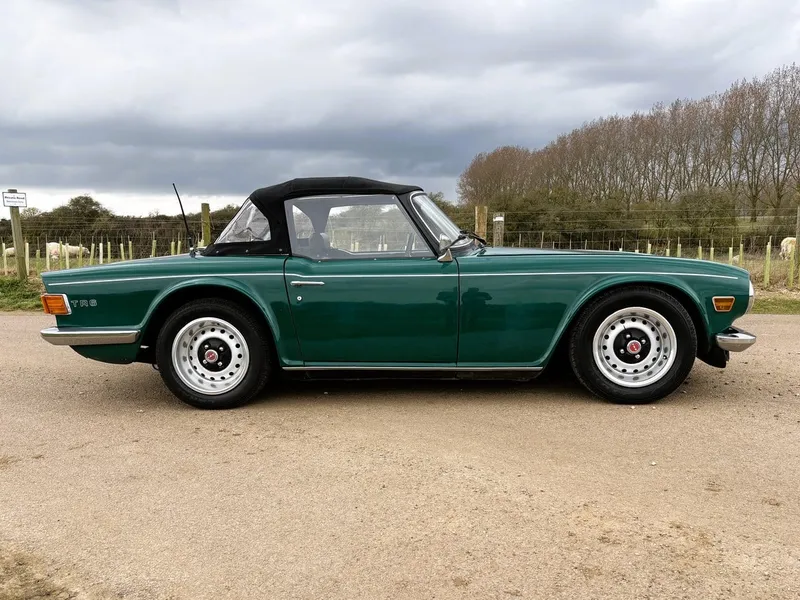
The Triumph TR6 is compact by modern standards, but it has a wide, planted stance that gives it real presence. It feels purposeful without being difficult to place, and manageable on narrower lanes compared to many later sports cars.
What matters most in real use isn’t the length, but the width and the classic sports-car low seating position. You sit close to the rear axle, the bonnet stretches out ahead of you, and visibility is generally good for a classic roadster. Garages, tight parking spaces and speed bumps are rarely an issue, but uneven road surfaces and cambers are something you’ll certainly notice.
Dimension | Triumph TR6 |
Length | 3,874 mm |
Width | 1,549 mm |
Height | 1,270 mm |
Wheelbase | 2,235 mm |
Kerb weight | 1,130–1,160 kg (depending on spec) |
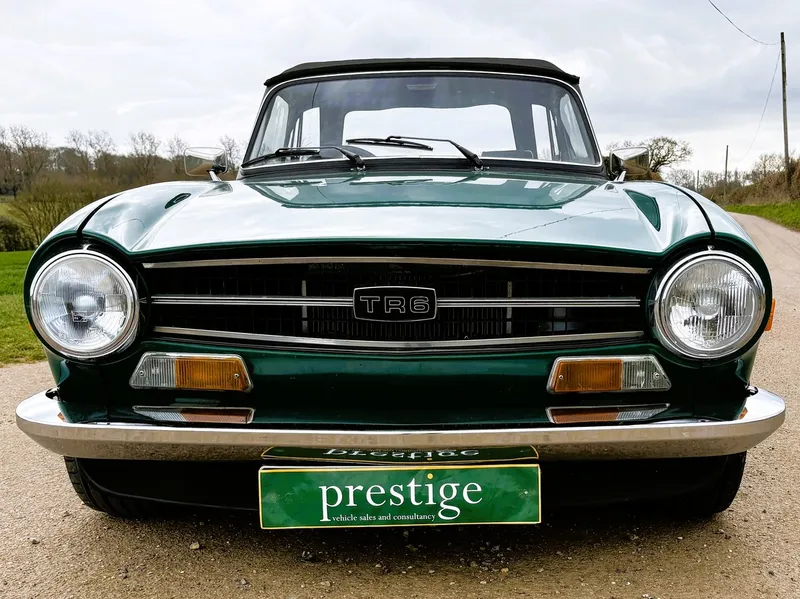
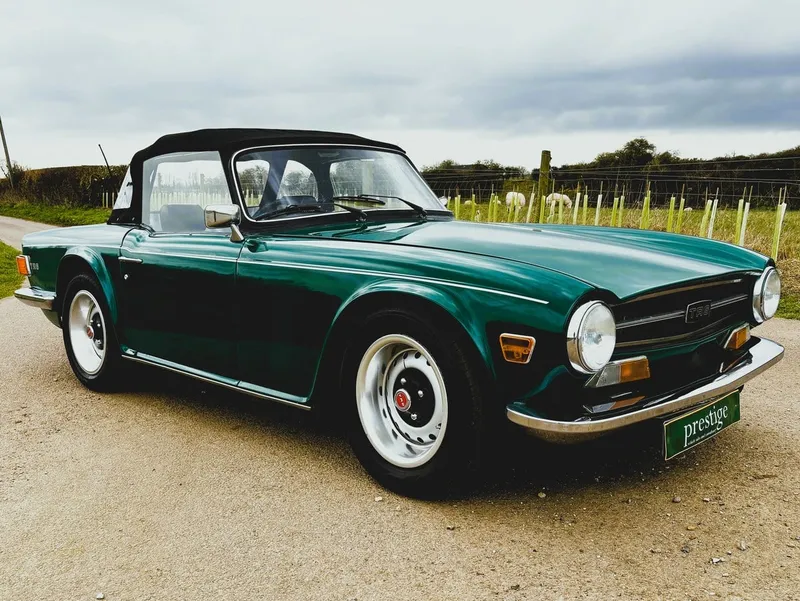
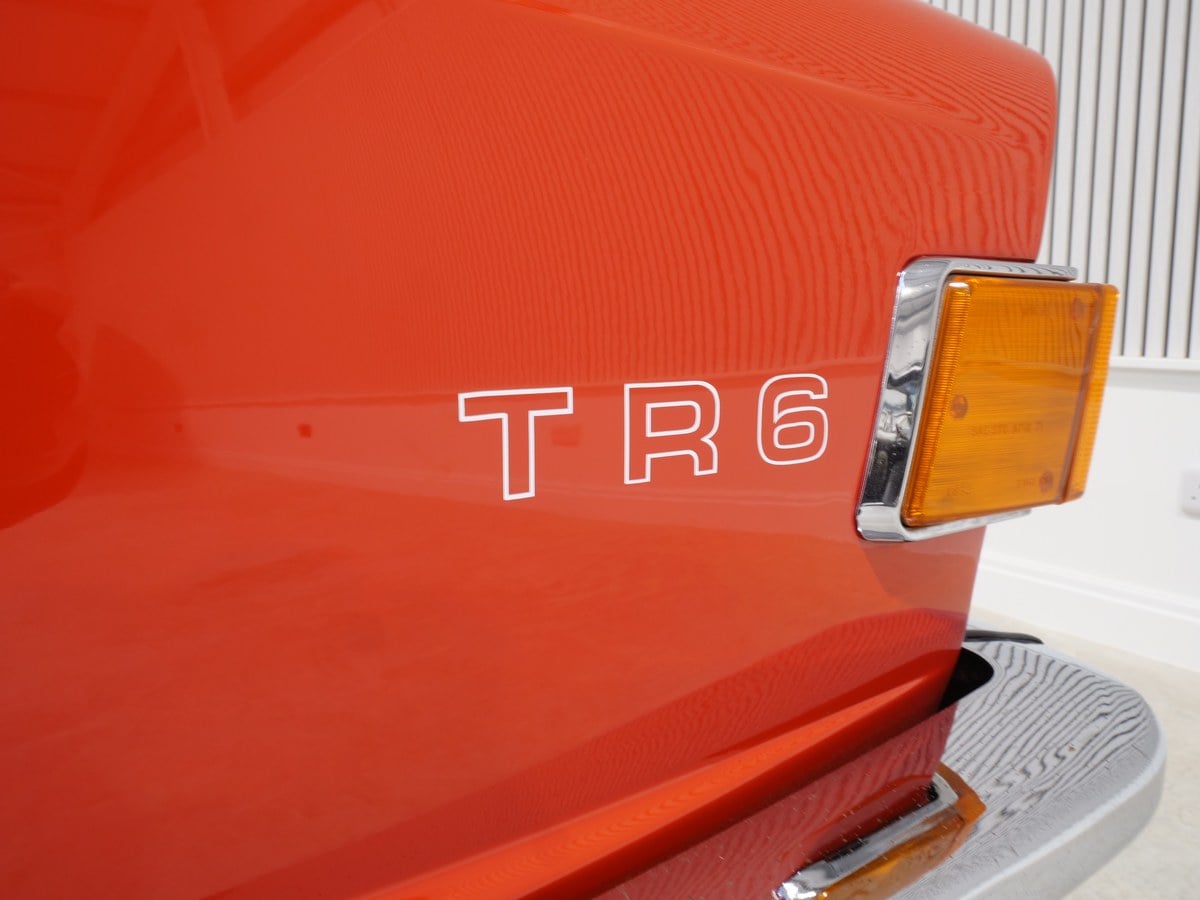
The Triumph TR6’s design is one of the key reasons it has aged so well. Where earlier TR models leaned into softer, traditional sports car curves, the TR6 introduced a sharper, more assertive shape that still feels purposeful today. It looks tough rather than pretty. The long bonnet, cut-off tail and squared wheel arches give the car a planted stance, especially when viewed from the side or rear. There’s very little visual excess here.
In ownership terms, the TR6’s design also brings practical benefits. Visibility is good for a classic roadster; the proportions make it easy to judge on narrow roads, and the simplicity of the shape makes it easier to assess the condition of a car for sale. That visual and mechanical honesty is a big part of why the TR6 remains such a popular and approachable classic.
A careful exterior walk-around matters when buying a TR6. The shape itself remained consistent across the model run, so differences usually come down to condition, repairs and how the car has been used and restored.
Watch out for rust along the sills and at the back of the car, where most of the weight was gathered. Because the design is so clean, misaligned panels, uneven gaps or wavy reflections may indicate more than factory sloppiness, suggesting previous repair work has been carried out. On a sports car of this vintage, evidence of repairs or resprays isn’t a reason to walk away (it could even be a selling point if done professionally), but look for paperwork that explains what was done, when, and by whom.
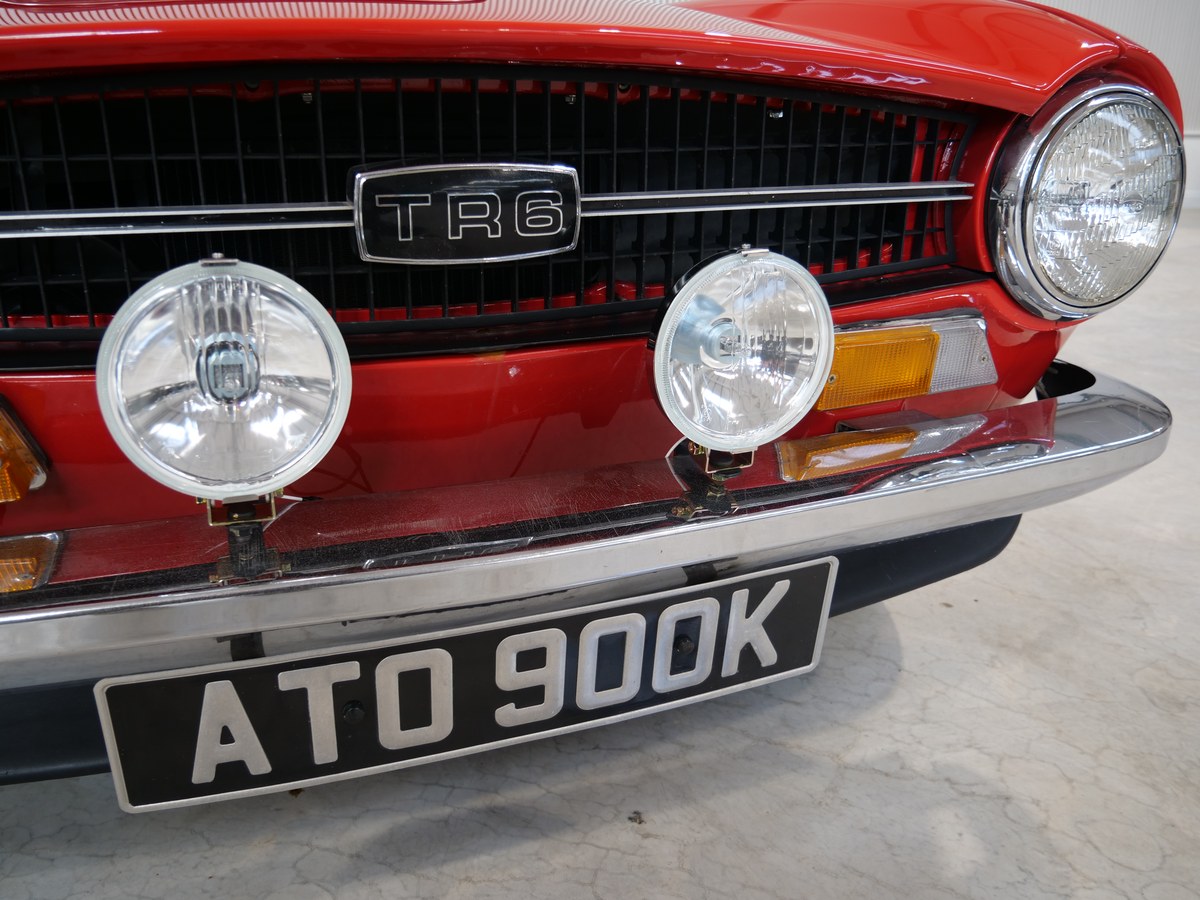
Paint consistency across panels, how the doors shut and whether bumpers and trim sit correctly will tell you a lot about the car’s past. Chrome and brightwork are relatively easy to replace, whereas poor body repairs and corrosion beneath the surface are not.
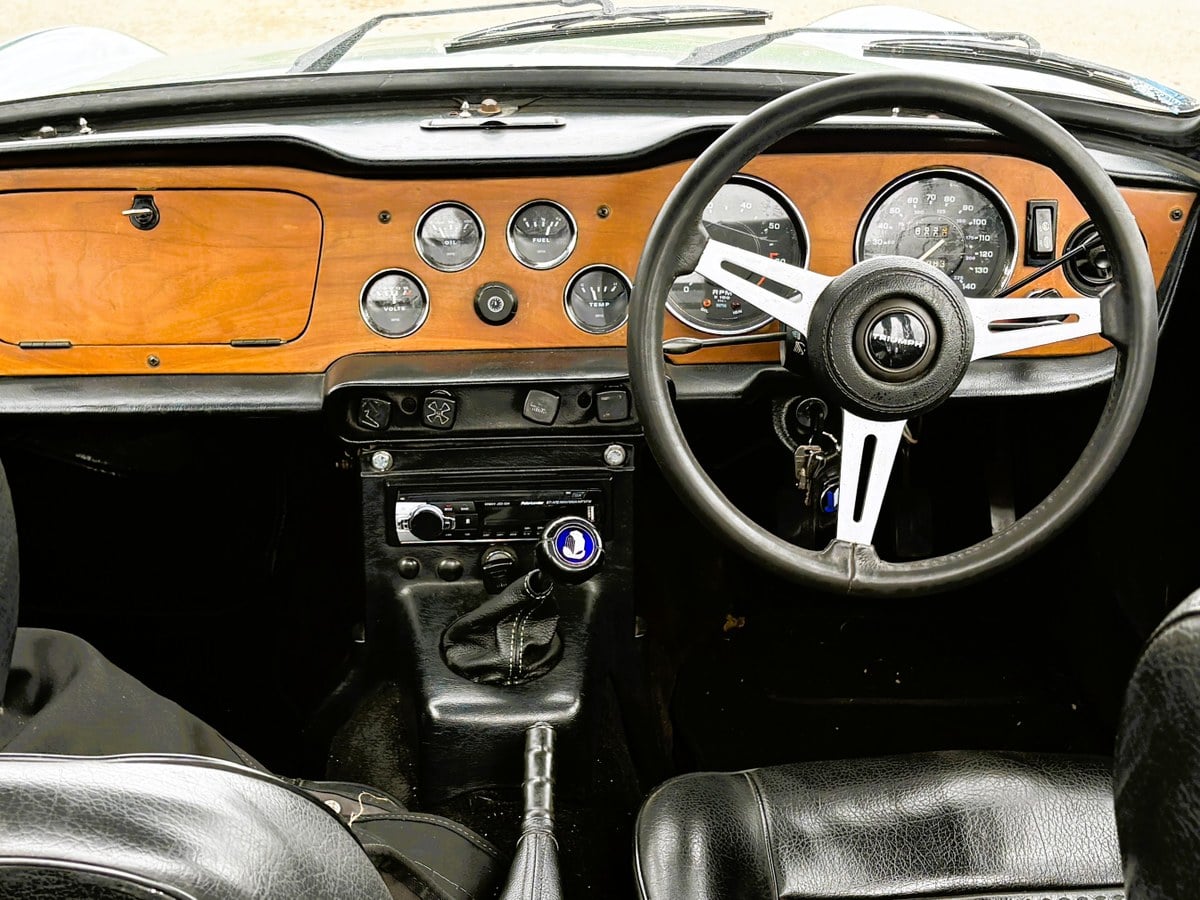
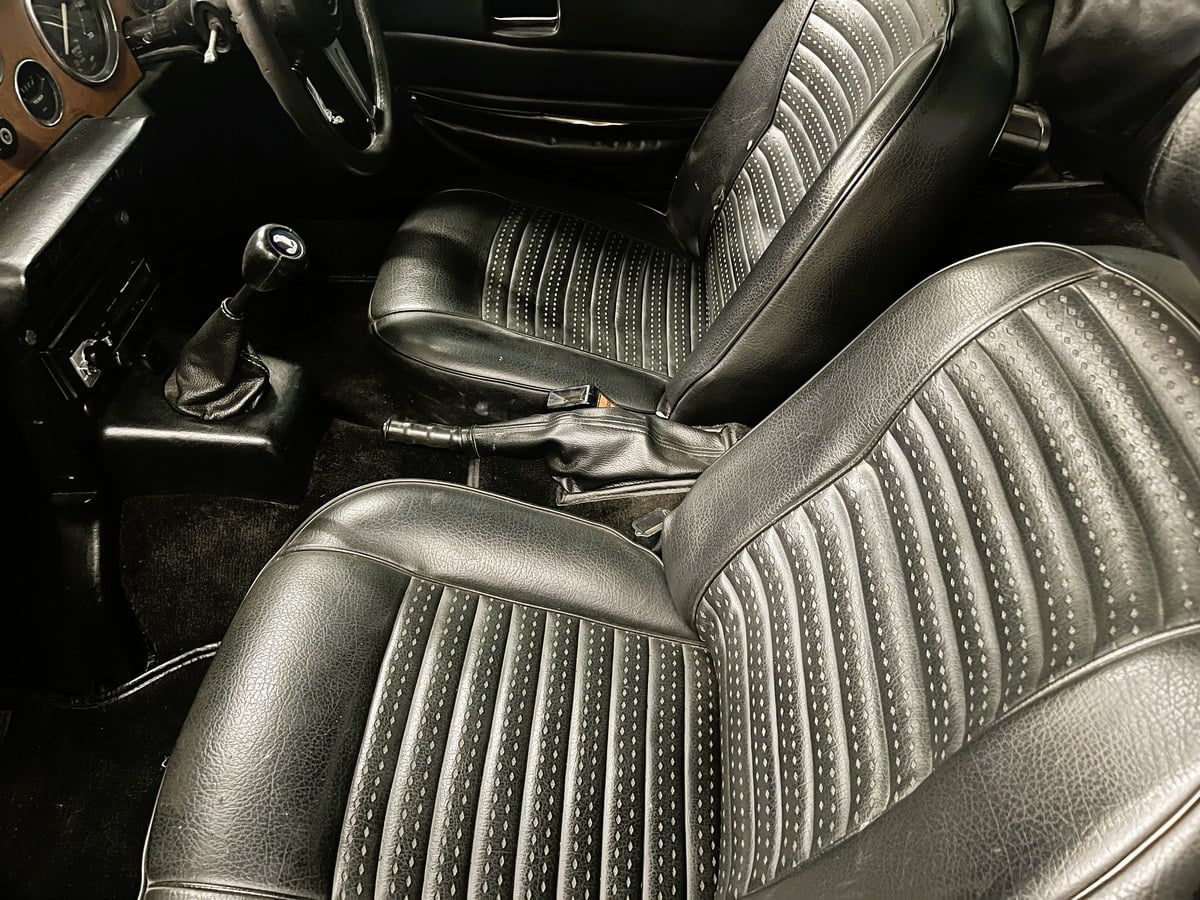
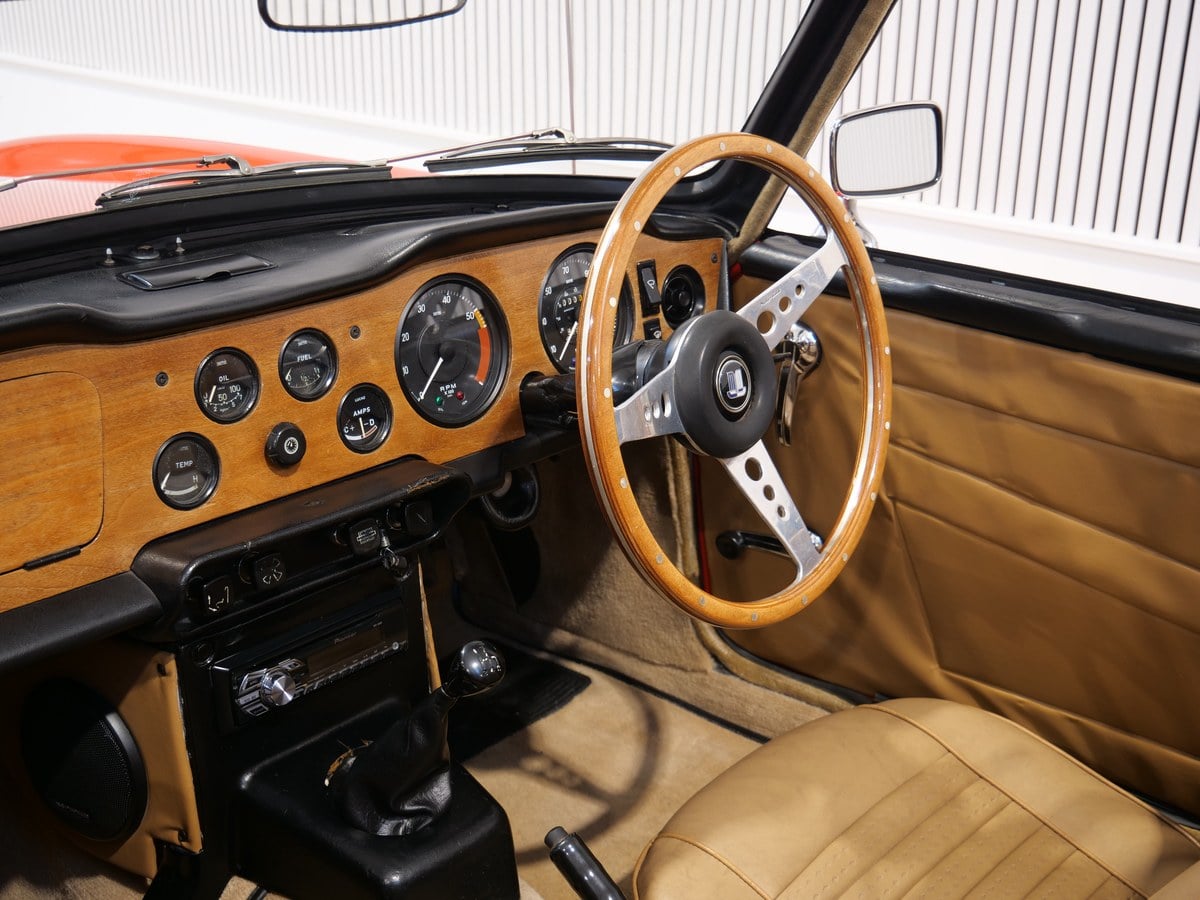
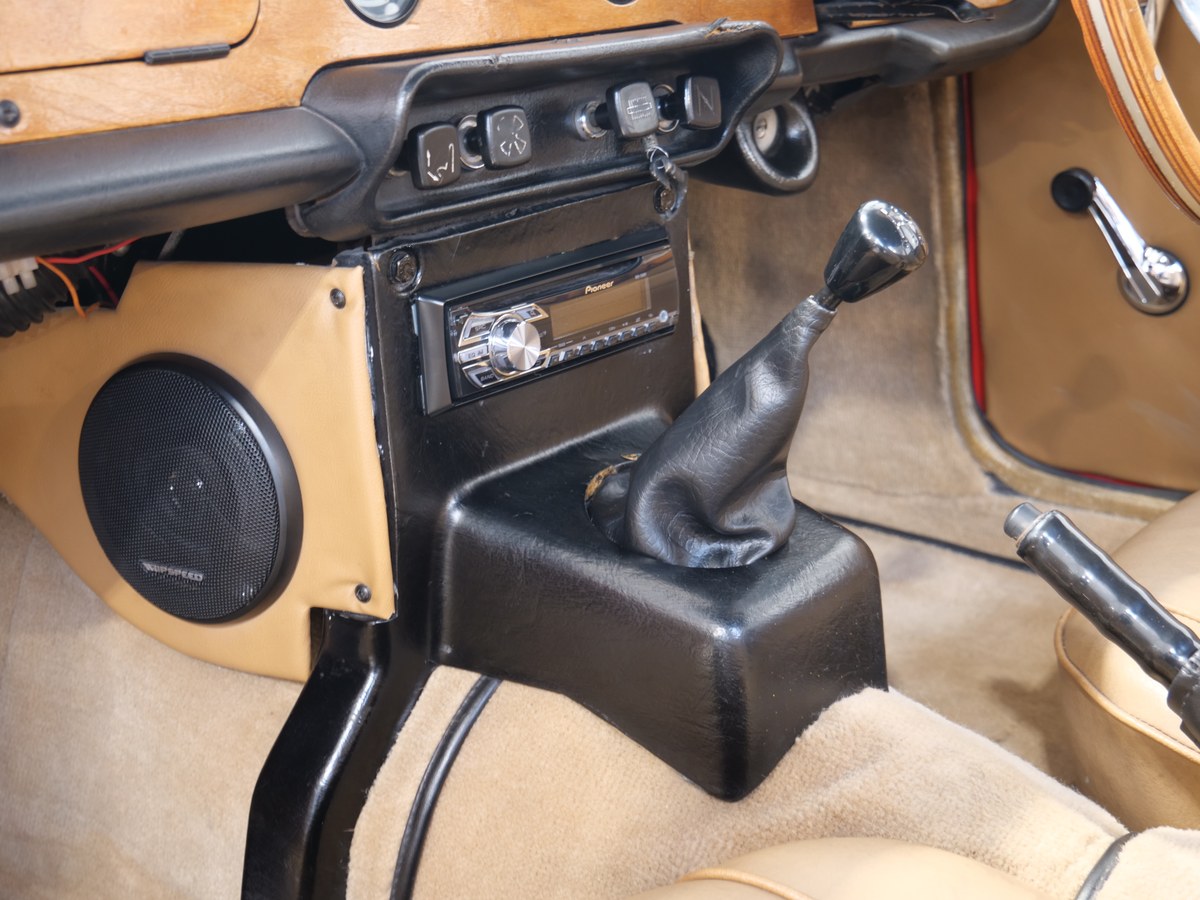
The interior of a Triumph TR6 is very much part of its charm, but it’s also one of the clearest indicators of how a particular car has been used. It’s basic, functional and unapologetically period, with very little in the way of luxury or modern refinement. That makes it engaging when it’s right, and disappointing when it’s tired.
From the driver’s seat, you sit low and close to the rear axle, with a long bonnet stretching out ahead of you. Visibility is good for a classic roadster, and the layout is straightforward, with plenty of dials and few distractions. Seat wear, tired trim, cracked dashboards, and sagging door cards are common, but they also reveal how carefully the car has been maintained.
In terms of mechanical and electrical components, switchgear, gauges and electrics should feel consistent and functional, though it won’t be a surprise if the odd dial isn’t reporting accurately.
The Triumph TR6 comes from a time when safety was simple and largely mechanical. There are no electronic aids or driver-assistance systems. Grip levels are modest by modern standards, steering is heavy at low speeds, and braking performance depends heavily on condition and setup. Visibility is generally good, which helps on UK roads, but there’s nothing here to mask poor judgment or overconfidence.
Driven with respect, a well-sorted TR6 feels honest and involving. Driven carelessly, it can feel unforgiving. That simplicity is part of the appeal, but it’s important to take a test drive knowing exactly what kind of safety experience you’re buying into.
A good Triumph TR6 should feel solid, straight, and properly maintained. The biggest risks tend to sit in areas that aren’t easy or cheap to fix, so focus on substance over presentation.
Chassis and structure
Look for corrosion, poor repairs or heavy underseal, which may be hiding problems. Sills are often the weakest area on a TR6, and also examine where the rear wings connect to the chassis for signs of incipient rust.Engine condition
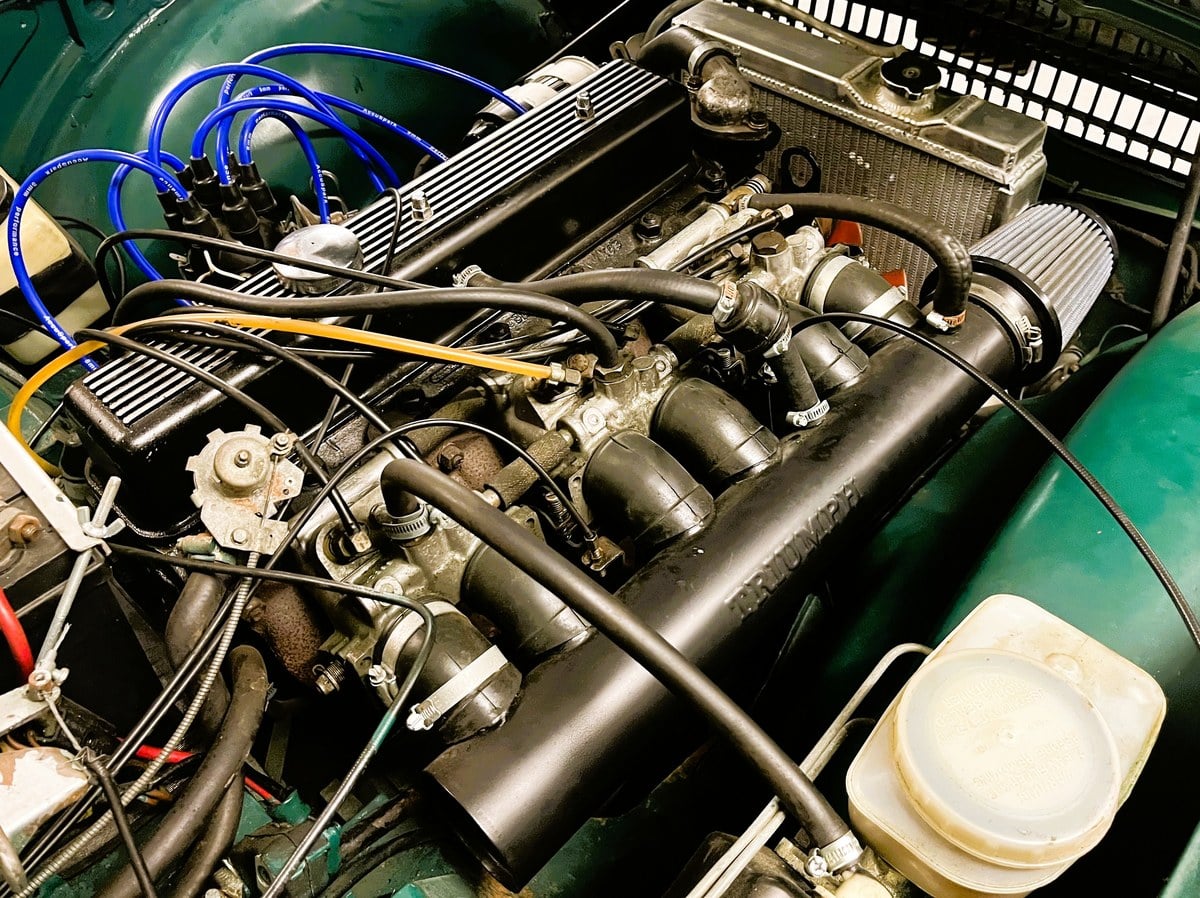
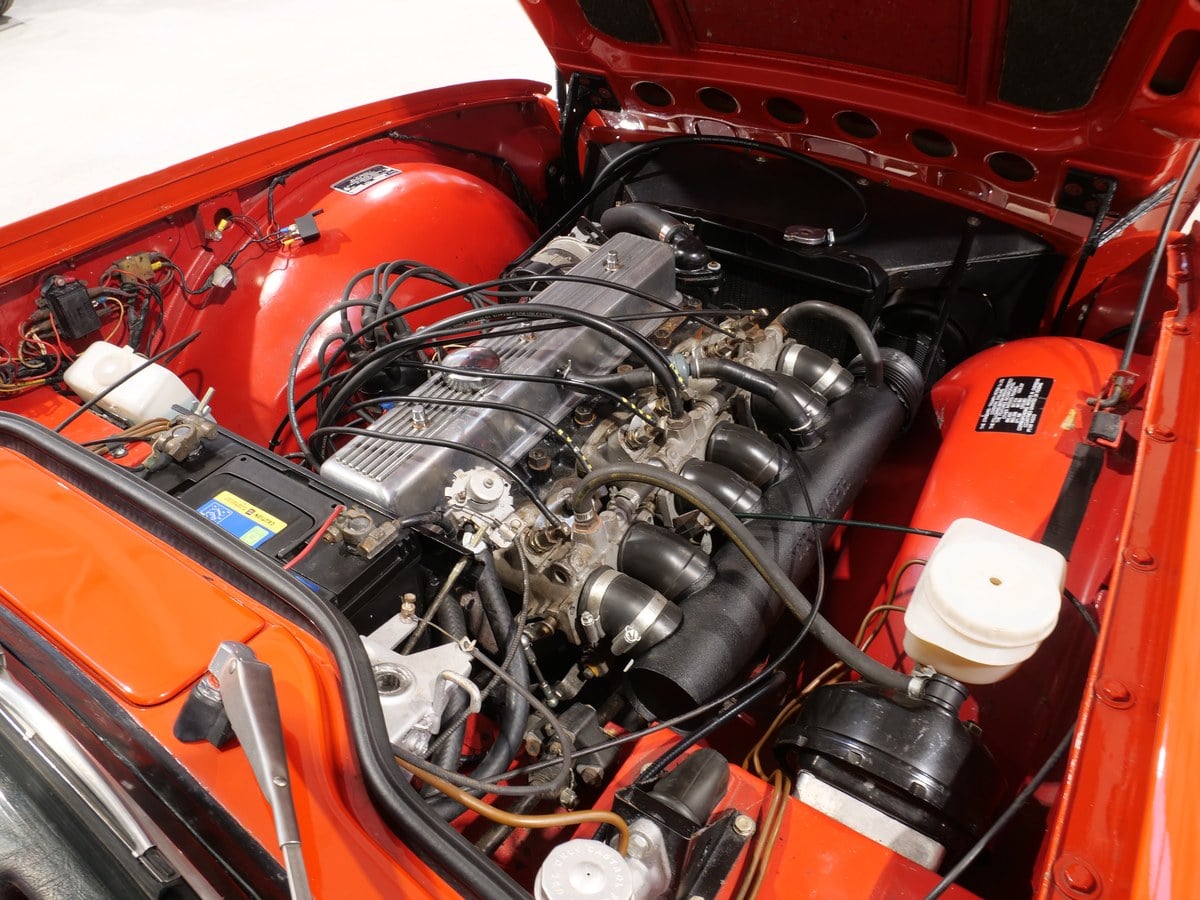
Cold starts should be clean, oil pressure strong and running smoothly. Watch for overheating, smoke or rough idling from that big straight six once it’s warmed up.Gearbox and overdrive
Gear changes from the carried-over TR4 box should be positive with no crunching. Overdrive (if fitted) should engage quickly and consistently. Be wary of gearboxes which are noisy in lower gears.Steering, suspension, and brakes
Excessive play, wandering, knocks or uneven braking usually point to tired components rather than design flaws. Many TR6s have had their rear suspension upgraded with polybushes or adjustable shocks, which can transform the car’s nature.
As with many classics, two TR6s can look similar but drive very differently. Condition and maintenance matter more than year or minor specification differences.
Price trends
Most recent sale
£7,995
1973 Triumph TR6
Feb 19, 2019

Currently for sale
166
3 live auctions
163 adverts


Total sold
352
Highest sale price
€45,509
Average price
€22,739
Lowest price
€1,146
FAQs
Yes. It suits battered UK roads well, has strong parts support and balances character with usability better than many of its contemporaries.
Condition matters far more than age. Fuel-injected cars are often more desirable now that their original gremlins have been ironed out, but a well-sorted carburettor model can be just as enjoyable.
No, but it feels old-school. Steering is heavy at low speeds, brakes need a firm input and there are no electronic aids to bail you out if cornering speed exceeds grip levels.
It can be, provided it’s properly maintained. Many owners use TR6s regularly, but you should expect more involvement than with a modern car.
Running costs are generally reasonable for a classic of this type. Parts availability is strong thanks to a healthy owners' network, but restoration or poor-condition cars can become expensive quickly.