Aston Martin DB9: Models and Specs
2004–2016 - Front-mid V12 - Rear-wheel drive - 6-speed auto plus rare 6-speed manual - 450–540 bhp - 1760–1855 kg - 0–62 mph 4.5–5.1s - Top speed 183–186 mph
Overview
The DB9 isn't just a beautiful Aston Martin. It's arguably the car that saved the company, launching the modern era at Gaydon courtesy of a new aluminium platform clad in one of the most timelessly elegant shapes Henrik Fisker and Ian Callum ever penned. Over its 12-year production run, the DB9 evolved from a 450 bhp GT into a 540 bhp statement piece, but the core character remained unchanged: a V12-engined continent-crusher that rewards commitment without sacrificing comfort. You can buy a DB9 for hot-hatch money today, though running costs will be far in excess of a GTE or XR3i. Fuel economy hovers around 15 mpg, full services can be four-figure affairs, and repairs to the bonded aluminium structure or electrics quickly become expensive. Don’t take on someone else’s cost-cutting exercise, either - a DB9 with gaps in its service record is rarely a bargain, so buy the cleanest example with the fullest history you can afford.
C&C Expertise
That Aston Martin still exists is due to the DB9. None of its rivals offer the combination of Bond-infused British class, handsome, unfussy styling and sheer character of the DB9. Most have covered very small mileages, which can mean gaps in servicing. Most buyers want to use either full Aston maintenance or well-regarded specialists - anything else may affect future values. The engines tend to be robust but trim and exterior parts, even minor ones, can be expensive to repair. Find a good one, book a ferry to France and start your road trip.
Price
- Starting price
- $10,000
- Average price
- $36,389
- Price range
- $10,000 - $119,950
Specifications
- Manufacturer
- Aston Martin
- Production Years
- 2004–2016
- Vehicle Class
- Grand Tourer
- Body Styles
- 2+2 Coupé, Volante (convertible)
- Layout & Drive
- Front-mid mounted V12, rear-wheel drive
Aston Martin DB9 in Detail
The DB9 launched at the 2003 Frankfurt Motor Show and entered production in early 2004, as the first car built at Aston Martin's purpose-built Gaydon factory. It was so far ahead of the DB7 it replaced that Aston skipped the DB8 nomenclature entirely. With bonded and riveted aluminium construction housing a 5.9-litre V12, this was easily the most advanced Aston yet.
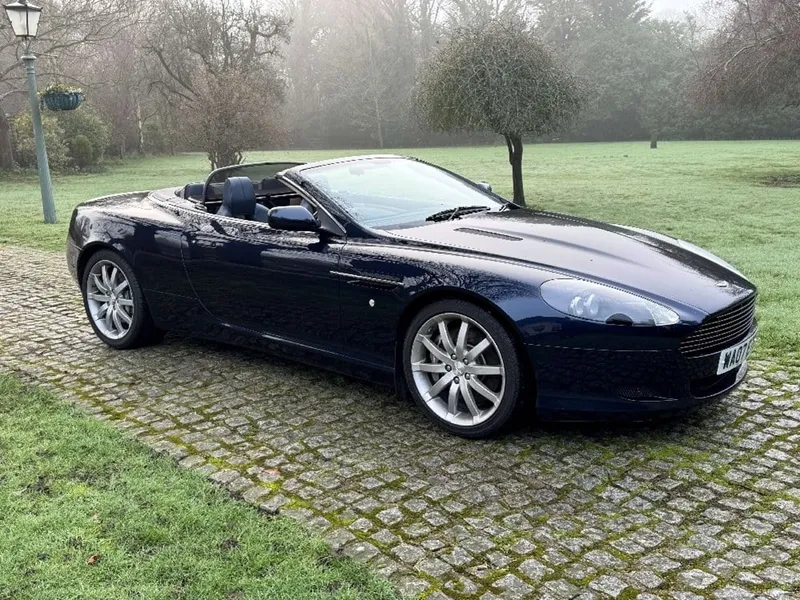
The Volante followed later in 2004, mechanically identical to the Coupé but carrying a 100 kg weight penalty and a fabric roof which power-folded in just 17 seconds. Incremental improvements included a 2006 update, which heralded the Sports Pack, increasing spring rates and the dampers, while dropping the car by 6mm on lighter five-spoke alloys. A further facelift in 2008 saw a power bump to 470 bhp, plus Bilstein dampers and revised front suspension arms for improved ride quality.
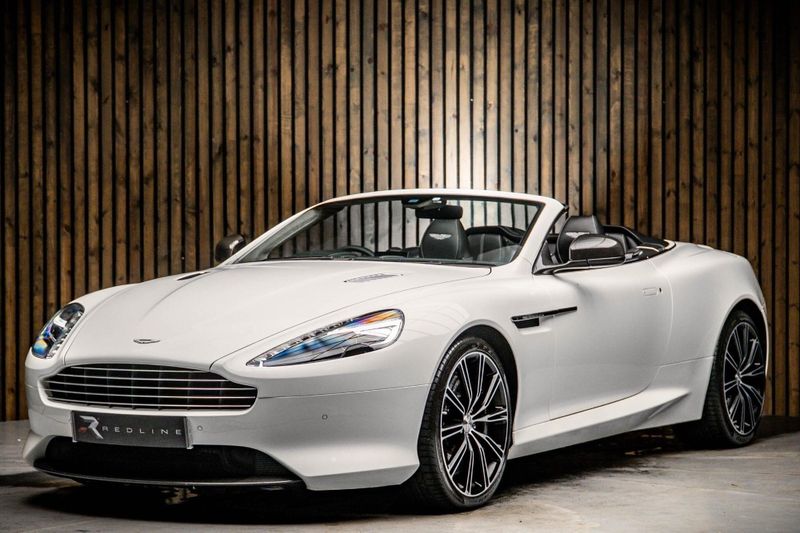
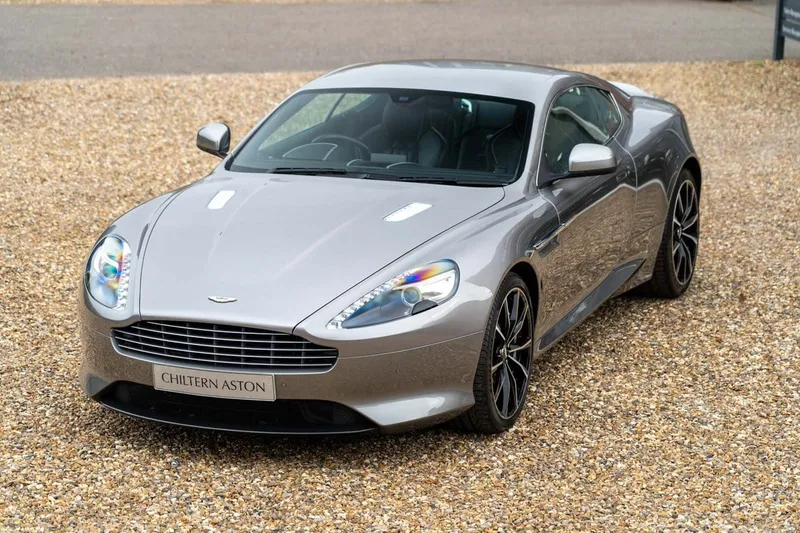
By mid-2011, the manual gearbox was dropped, but the following year delivered the biggest transformation, with almost half the car’s parts replaced; the resulting structure was 20 per cent stiffer and 15 kg lighter, while power jumped to 510 bhp. Yet even this was surpassed by 2016’s coda: a 540 bhp, 457 lb ft monster which also debuted the Ami II touch-sensitive infotainment system.
The DB9 evolved significantly across its 12-year run before it was replaced by the DB11 in 2016, so knowing which era you're looking at matters.
Variant / era | Power | Torque | 0–62 mph | Top speed |
DB9 (2004–2007) | 450 bhp | 420 lb ft | 4.9s (manual), 5.1s (auto) | 186 mph |
DB9 (MY2008–2009 | 443 lb ft | 4.6s | 190 mph | |
DB9 (2010–2011) | 470 bhp | 443 lb ft | 4.6s | 190 mph |
DB9 (2012–2015, post-facelift) | 510 bhp | 457 lb ft | 4.6s | 183 mph |
DB9 GT (2016 final edition) | 540 bhp | 457 lb ft | 4.5s | 183 mph |
Buyer note: The Touchtronic automatic gearbox is smooth when left to its own devices, but can feel glacial in manual mode unless you lift off the throttle precisely during upshifts. The six-speed manual is rare, and clutch life is only around 20,000 miles, so factor its substantial replacement costs into any purchase.
The DB9 is a large GT, and while it's not intimidating to place on the road, tight multi-storeys and narrow country lanes require diligence.
Dimension | Coupé | Volante |
Length | 4720 mm (185.8 in) | 4720 mm |
Width (without mirrors) | 1905 mm (74.0 in) | 1905 mm |
Height | 1280 mm (50.5 in) | 1290 mm |
Wheelbase | 2740 mm (107.9 in) | 2740 mm |
Weight | 1760 kg (early) to 1785 kg | 1855 kg |
The Volante's 100kg weight penalty is barely noticeable in daily driving, though Aston Martin limited the car’s top speed to 165 mph (versus 186 mph for the Coupé) to preserve its roof integrity.
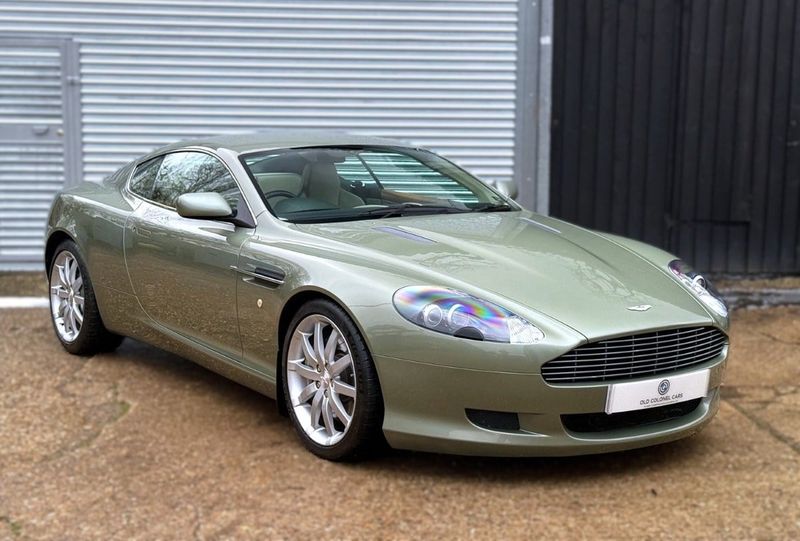
The DB9's exquisite shape is one of the reasons this Millennial design still turns heads today. The long bonnet, short overhangs and flowing roofline are a symphony of style, while the aluminium bonnet, roof and rear wings kept weight in check while delivering twice the torsional rigidity of the outgoing DB7.
The DB9 has aged remarkably gracefully, but its nose is prone to suffering stone chips, which can lead to corrosion in the aluminium panels if not properly repaired. Similarly, the car’s bonded aluminium construction means any accident damage is expensive to repair correctly and could be betrayed by uneven gaps or mismatched panel spacing.
On Volante models, inspect the fabric roof for wear and tear (quite literally), and check the seals while ensuring the power-folding mechanism still operates smoothly.
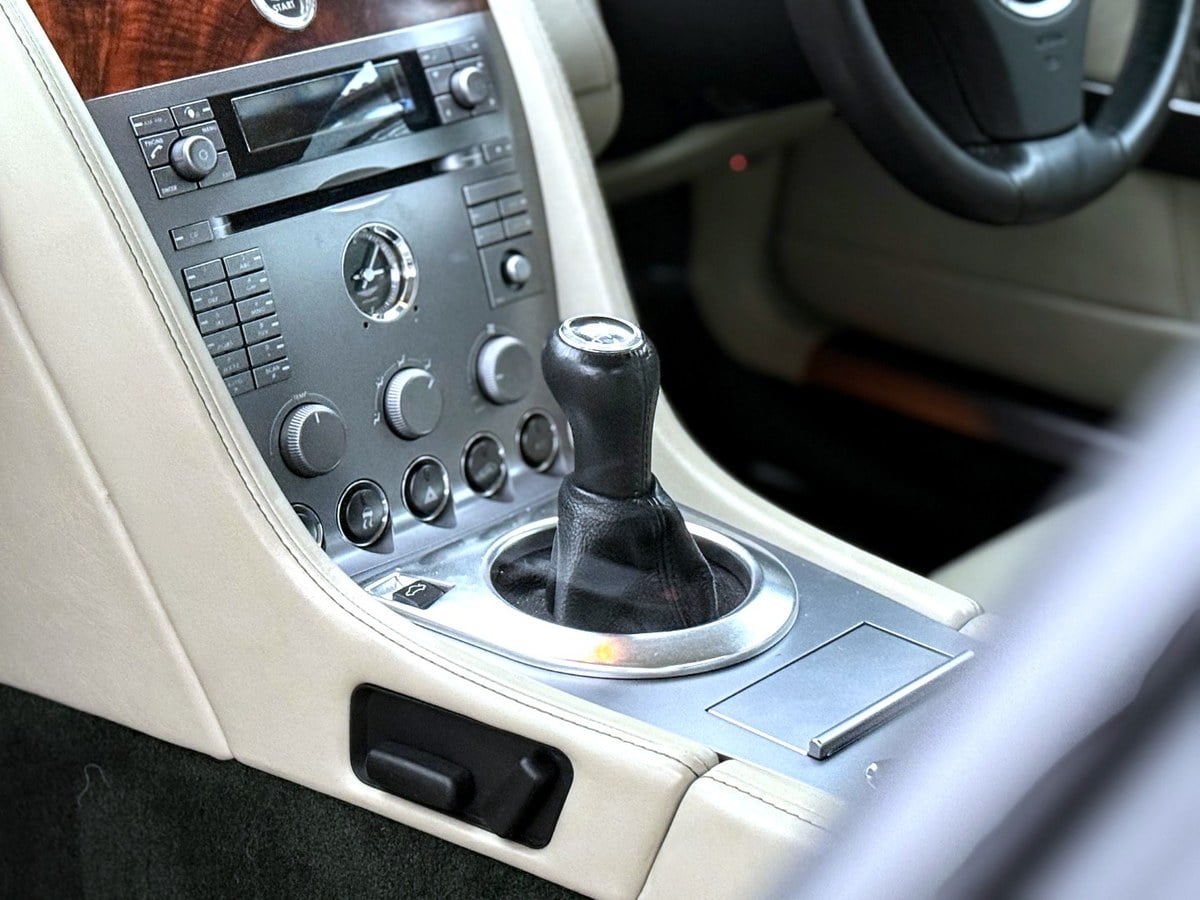
Settling into the DB9's beautifully trimmed cabin is a sensory delight, but ergonomics are hit-and-miss and build quality varies. Expect hand-stitched leather throughout (upgraded to quilted leather across the doors and seats from 2012 onwards), though limited seat and steering column adjustment make it hard for taller drivers to get comfortable.
The rear seats are almost non-existent, and boot space is tight, with 186 litres in the Coupé and just 172 litres in the Volante, where access to the rear can be especially challenging with the roof in situ. The climate and stereo controls were awkward in a different way; later cars received a touch-sensitive infotainment setup, which was better but seems very dated today.



The DB9 offers strong structural safety, with windscreen A-pillars on the Volante capable of withstanding more than twice the car's weight, but it offers limited driver aids by today’s standards. Early cars had ABS and traction control, though they lacked the sophisticated stability systems of post-2010 rivals.
The Volante includes tilt sensors that deploy safety hoops from the rear head restraints in the event of a rollover, though the rear window glass will shatter if the roof is raised at the time.
Like most luxury or high-performance cars, a good DB9 requires a detailed and documented history with plentiful evidence of sympathetic maintenance. Prioritise cars with continuous specialist maintenance, not just a fresh service before sale; that V12 is robust, but it can leak oil, and coil packs may fail.
Some cars activate their engine management light for no apparent reason, so don’t be unduly perturbed by this. The Touchtronic gearbox should shift smoothly, if slowly, though manual clutches only last 20,000 miles and are expensive to replace.
There were quite a few recalls during the DB9's lifetime, so check if they've been carried out. Also, check brake discs for damage if pads were left in situ too long, since they don't seem durable.


Price trends
Most recent sale
£39,850
2008 Aston Martin DB9

Currently for sale
51
1 live auction
50 adverts


Total sold
180
Highest sale price
€119,950
Average price
€36,389
Lowest price
€10,000
FAQs
It can be, but we’d suggest favouring post-2012 examples with those refined adaptive dampers. The DB9 is a comfortable and refined GT that's easy to drive around town, though its sluggish Touchtronic gearbox can frustrate in manual mode.
The Coupé is lighter, will travel at 186 mph vs the Volante’s restricted 165 mph limit, and offers slightly more boot space and better rear visibility. The Volante is 100 kg heavier, though more than quick enough, while its 17-second power-folding roof is excellent, but rear-seat access is challenging with the roof up. Consider whether you'll actually use the roof down regularly.
Expensive is an understatement. VED alone is £735 on post-April 2005 cars, while you can expect 15 mpg and a £1,000 bill for even a minor service. Major repairs, such as bonded aluminium bodywork or clutch replacement on manual transmissions, can be very expensive, so buy the best-maintained example you can afford.
Despite the previous sentiments, a higher-mileage car with a full specialist service history and clean driving feel is a safer investment than a low-mileage car that's been neglected or stored badly. Check for oil leaks, coil pack failures, and evidence that the car has been used sympathetically, rather than driven to the limit.