Aston Martin Vanquish: Models and Specs
2001–present · 5.9-litre naturally aspirated V12/5.2-litre twin-turbo V12 · Front-engine, RWD · Coupé and Volante
Overview
The Aston Martin Vanquish has sat at the pinnacle of the Aston Martin range across multiple generations since the new Millennium dawned. It’s the definitive expression of the British GT and a true iron fist in a silk glove: devastating performance delivered through a 12-cylinder engine, wrapped up in coachbuilt-quality bodywork. Every version of the Vanquish name has been applied to the car that carries the most power, the most engineering ambition and the most visual presence Aston Martin could muster at that moment. As such, its first appearance in 2001 marked the beginning of a modern engineering programme capable of competing with Ferrari and Lamborghini on technical grounds. Its return in 2012 on an all-new VH platform with a carbon fibre body was followed by a further revival in 2024, with a twin-turbocharged 5.2-litre V12. If you want an Aston Martin turned up to 11, the Vanquish is always the answer.
Price
- Starting price
- 19.995 €
- Average price
- 84.554 €
- Price range
- 19.995 € - 799.975 €
Specifications
- Production Years
- 2001–2007; 2012–2018; 2024–present
- Body Styles
- Coupé; Volante
- Layout
- Front-engine, rear-wheel drive
- Engine Family
- 5.9-litre V12; 5.2-litre twin-turbo V12
- Transmission Types
- 6-speed automated manual: 8-speed automatic
Aston Martin Vanquish in Detail
History
The Vanquish name arrived into an unsuspecting world at the 2001 Geneva Motor Show, as the replacement for the long-running DB7 Vantage. Designed by Ian Callum, the V12 Vanquish was closely derived from the 1998 Project Vantage concept. Its chassis was a bonded aluminium composite structure developed in partnership with Lotus, with a carbon fibre backbone. The 5.9-litre V12 was comprehensively reengineered from the unit already seen in the DB7 Vantage with new inlet manifolds, camshafts, valve gear, crankshaft and exhaust system. All 1,489 examples of the original Vanquish were hand-built at Aston Martin's Newport Pagnell factory.
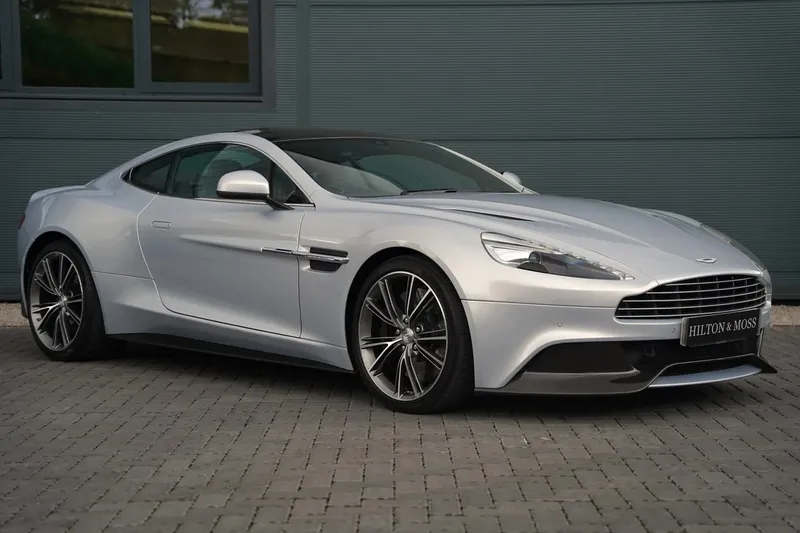
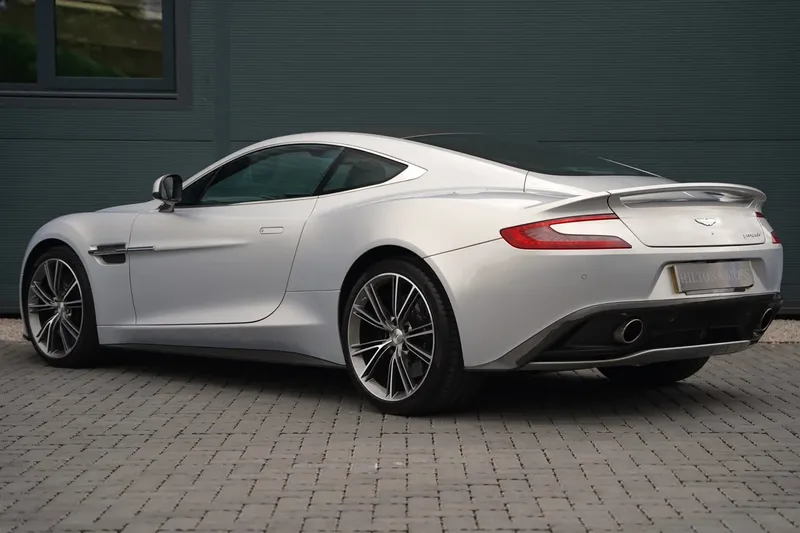
The Vanquish S arrived in 2004, producing 520 bhp with revised gear and axle ratios, uprated Brembo brakes and recalibrated suspension nudging its top speed beyond 200 mph. The second-generation Vanquish debuted in 2012 under the internal designation AM310, built on Aston Martin's VH Gen III/IV platform with a carbon fibre body. Power rose to 565 bhp from the revised AM29 5.9-litre V12, with the Touchtronic 8-speed automatic replacing the electro-hydraulic paddles of the Gen 1. The Vanquish S version followed in 2016, raising output to 603 PS, with a revised aerodynamic package and recalibrated suspension.
The third-generation Vanquish was unveiled in 2024, built on a platform derived from the DB12 and Vantage with an extended wheelbase and a new 5.2-litre twin-turbocharged V12 producing in excess of 800 PS. Production is limited to under 1,000 units annually.
Specifications & Performance
The Vanquish's performance identity is defined by a V12 engine, naturally aspirated in its first two iterations and turbocharged in its third, positioned at the front of the car and driving the rear wheels. The progression from 460 bhp in 2001 to over 800 PS in 2024 reflects both engineering ambition and the competitive landscape of the GT supercar class, but the car’s performance character has always centred around high-revving drama rather than forced urgency.
Gen 1 V12 Vanquish | Gen 2 Vanquish | |
Engine Family | 5.9-litre NA V12 | 5.9-litre NA V12 |
Power Range | 460–520 bhp | 565–603 PS |
Torque Range | 400–425 lb ft | 457–465 lb ft |
0–60 mph | 4.7–4.8 sec | 3.6–3.8 sec |
Top Speed | 190–200+ mph | 201 mph |
Transmission | 6-speed ASM/SSM electro-hydraulic | 8-speed Touchtronic automatic |
Kerb Weight | 1,835 kg | 1,739 kg |
Design and Cabin Identity
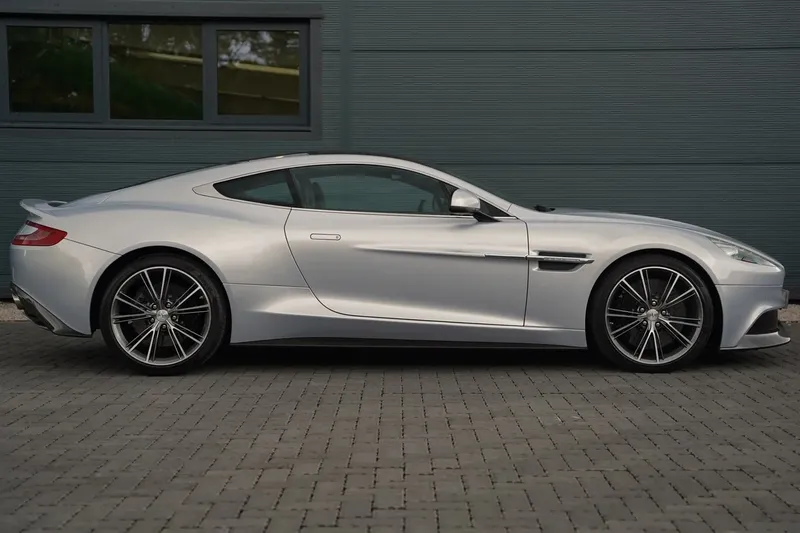
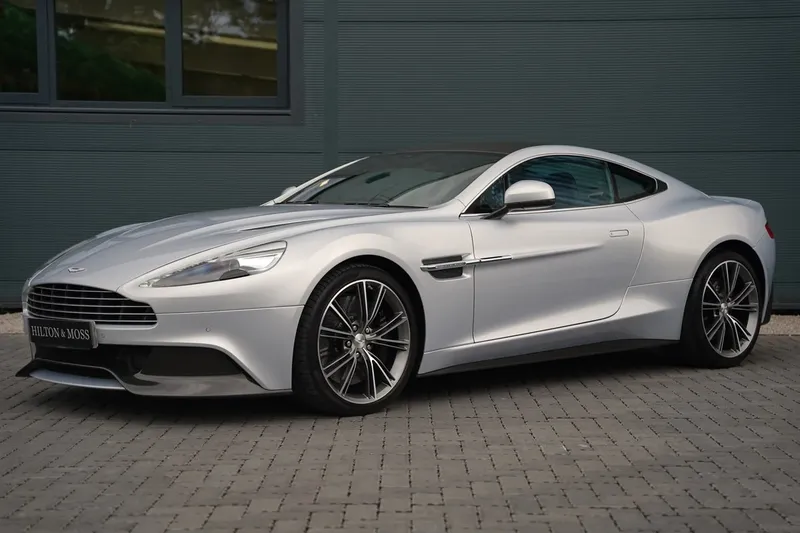
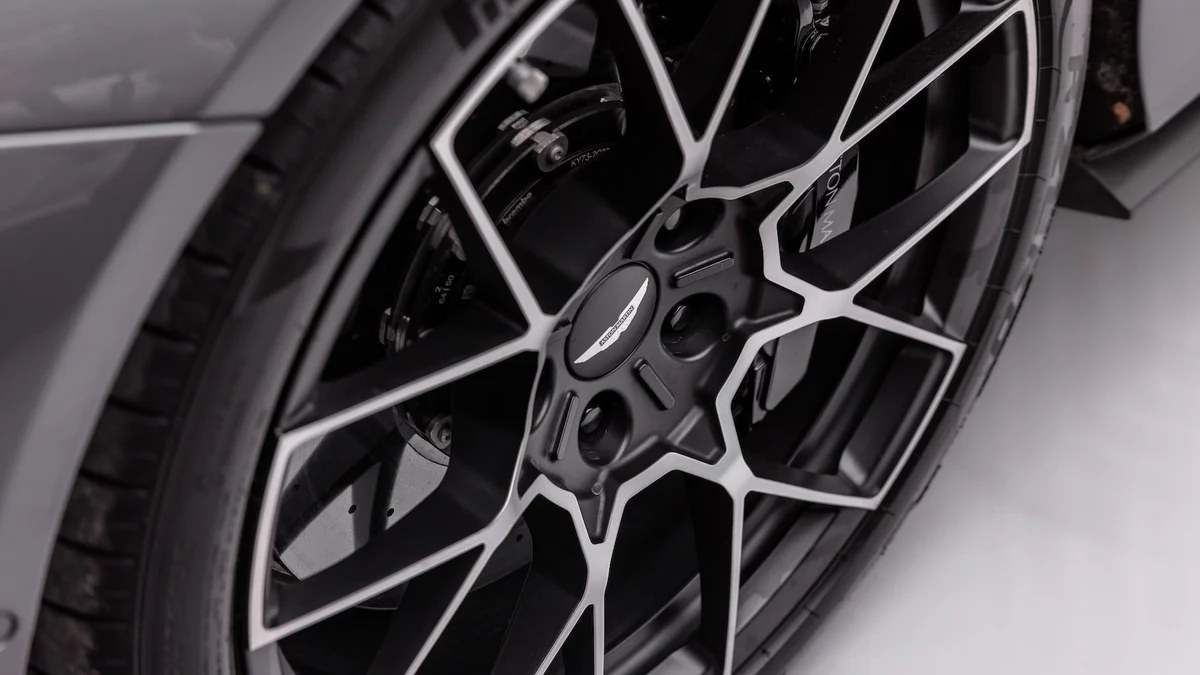
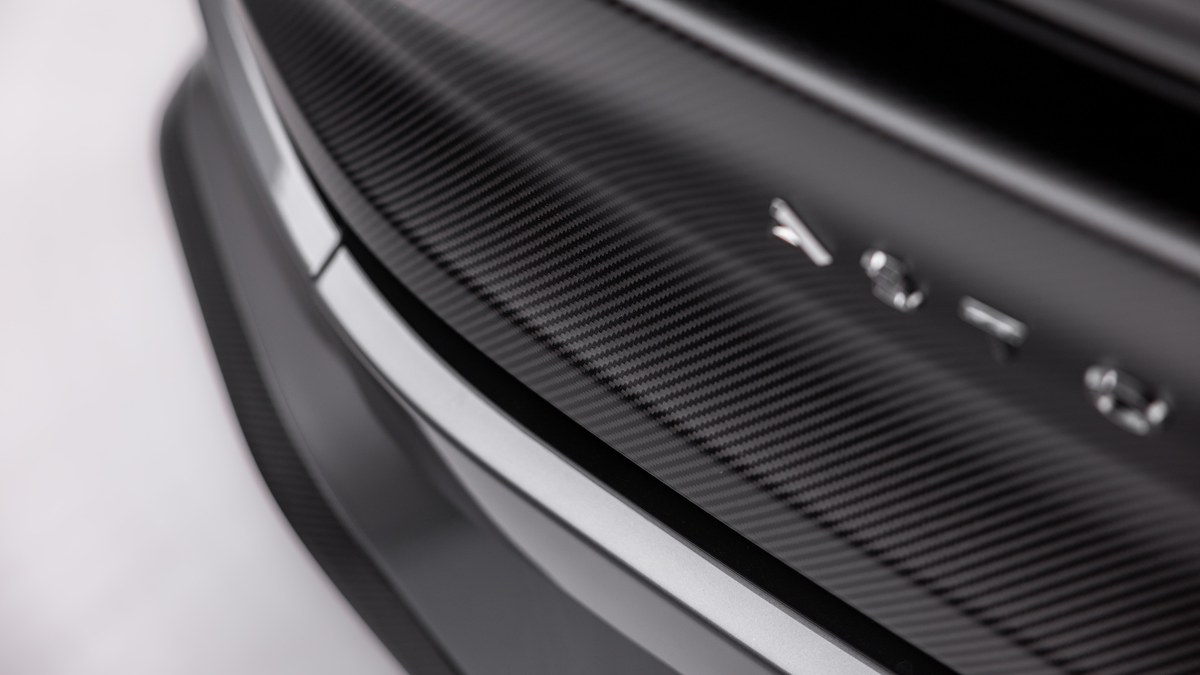
The Vanquish is recognisable at a distance with a power-bulged bonnet, a fast-falling roofline and wide rear haunches. Ian Callum's Gen 1 design drew openly from DB4 GT Zagato proportions, whereas Marek Reichman's Gen 2 referenced the One-77.
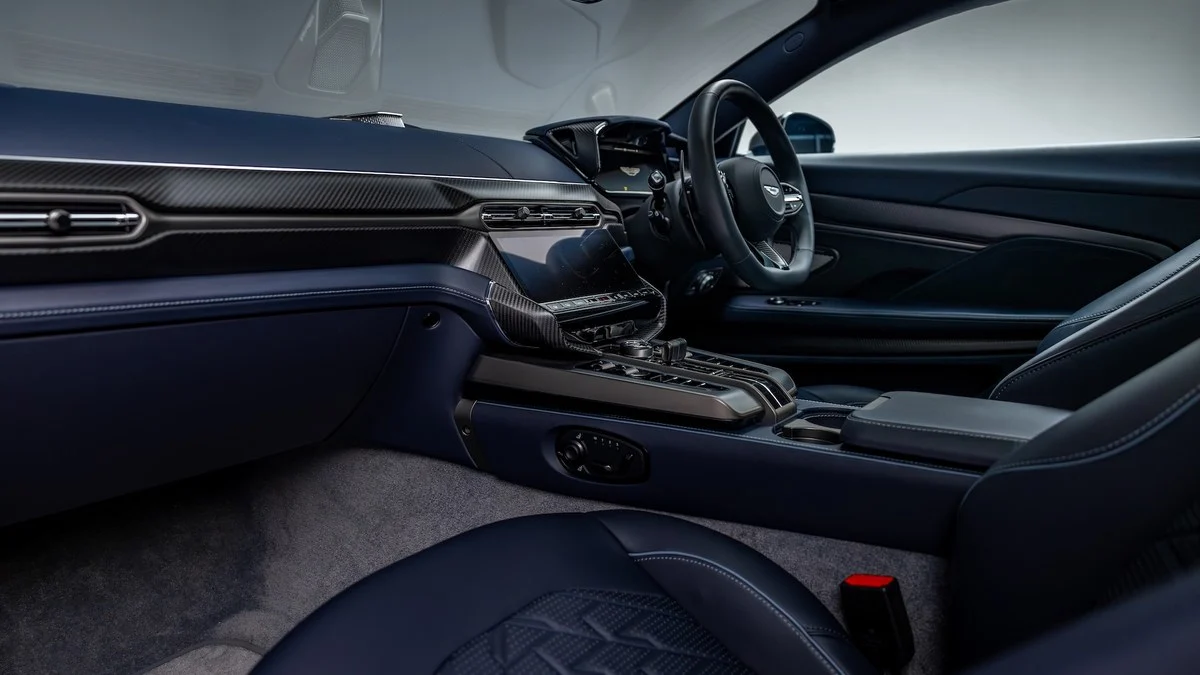
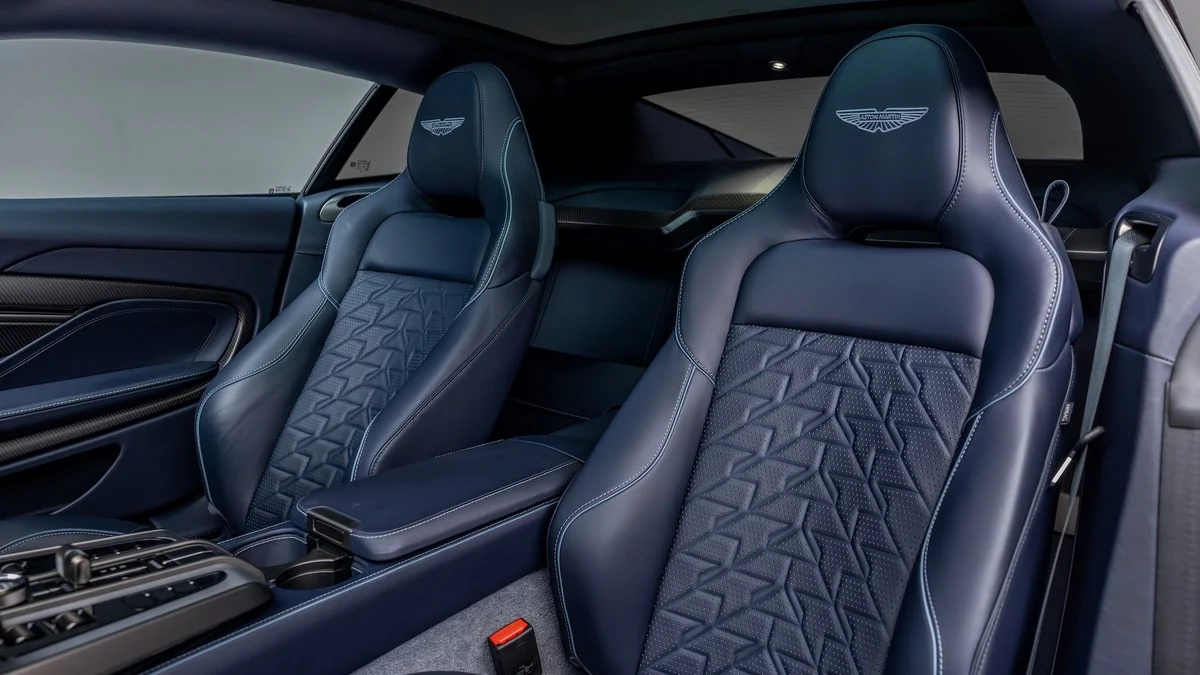
The cabin is a high-craft British interior packed with hand-stitched leather, a central tachometer and an emphasis on tactile quality. The Gen 1 bore the wood, leather, and aluminium craftsmanship of Newport Pagnell, while the Gen 2 felt more contemporary with a more structured dashboard architecture and improved ergonomics.
Generation Timeline
Gen 1: V12 Vanquish (2001–2007). Bonded aluminium/carbon chassis developed with Lotus. 5.9-litre V12, 460–520 bhp. Includes V12 Vanquish S from 2004.
Gen 2: Vanquish (2012–2018). VH platform, carbon fibre body. 5.9-litre V12 generating 565–603 PS. Touchtronic 8-speed. Includes the Vanquish S from 2016.
Gen 3: Vanquish (2024–present). A DB12-derived platform with an extended wheelbase powered by a 5.2-litre twin-turbo V12 producing 800+ PS.
Safety
The Gen 1 Vanquish launched in 2001 with twin airbags, ABS and traction control as standard. The Gen 2 upped the ante with electronic stability control, dynamic stability management and updated Bosch ABS. Carbon-ceramic brakes were available as a factory option on Gen 2 cars and became standard fitment on the Vanquish S. The Gen 3 Vanquish adds a full suite of contemporary driver assistance systems including automatic emergency braking, adaptive cruise control, blind spot monitoring and rear cross-traffic alerts, though the presence of lane keeping assist seems rather disingenuous.
Pros and Cons
Pros
As the only Aston Martin ever produced at Newport Pagnell in the modern era, Gen 1 cars carry an irreplaceable provenance
The Gen 2's carbon fibre body is the result of Aston Martin's first application of this construction method in a series-production car
Across every generation, the Vanquish has positioned itself as a credible V12 GT rival to Ferrari's flagship coupés
Cons
The Gen 1 electro-hydraulic gearbox is a long-term ownership commitment requiring specialist knowledge and parts that aren’t widely available
Gen 2 carbon fibre body panels elevate repair costs substantially after accident damage
Parts availability and independent specialist coverage is narrower for the Vanquish than for higher-volume GT contemporaries
Tendencias de precios
Venta más reciente
515.000 £
2017 Aston Martin Vanquish Zagato Volante

Actual en venta
61
0 subastas en marcha
61 anuncios


Total vendidos
128
Precio de venta más alto
799.975 €
Precio promedio
84.554 €
Precio más bajo
19.995 €
FAQs
What are the key differences between the Aston Martin Vanquish and the DBS?
In the Gen 2 era, the Vanquish and DBS occupied the same platform and price bracket, creating an overlap that Aston Martin resolved by discontinuing the DBS in 2012 and relaunching it as a distinct model in 2018. The Gen 1 Vanquish and DBS were never contemporaries, but the Vanquish has always been Aston Martin's flagship road car, whereas the DBS has historically been a performance derivative of the DB9/DB11 family.
How much does an Aston Martin Vanquish cost to run?
Annual servicing at an Aston Martin specialist typically ranges from £500–£800 for a minor service to £1,500–£3,000 for a major service. Brake pads are a recurring cost, particularly on cars fitted with carbon-ceramic discs; pad sets will set you back approximately £400–£500 per axle.
What’s the best Aston Martin Vanquish to buy as a first example?
A post-2014 Gen 2 Vanquish Coupé offers the strongest combination of usability, reliability and value. The carbon fibre body delivers a significant weight advantage over Gen 1, and the Touchtronic 8-speed is far less demanding to maintain than the Gen 1 electro-hydraulic system.
Is the Aston Martin Vanquish a good long-term investment?
Newport Pagnell-built cars are widely regarded by the specialist market as entering a period of sustained collector interest, given their hand-built provenance and finite production of 1,489 total units. Gen 2 values corrected sharply from new but have similarly stabilised, while the Vanquish S commands a measurable premium over the standard Vanquish.