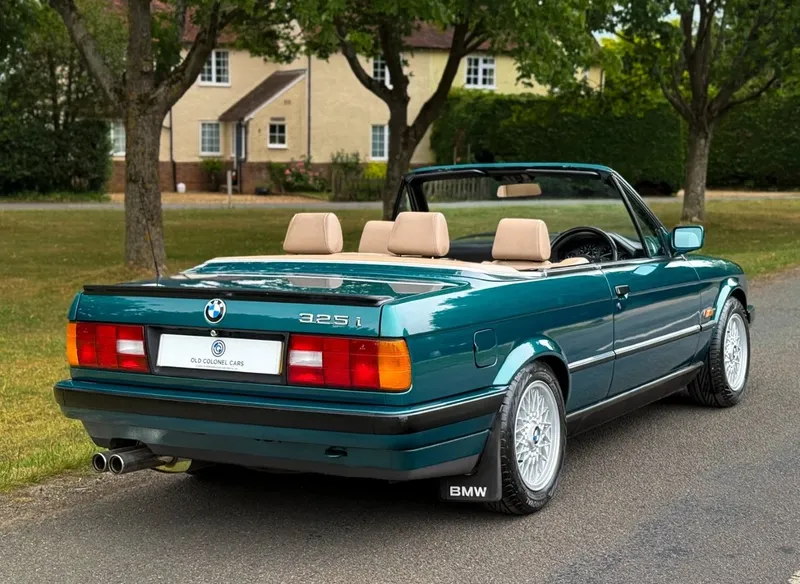
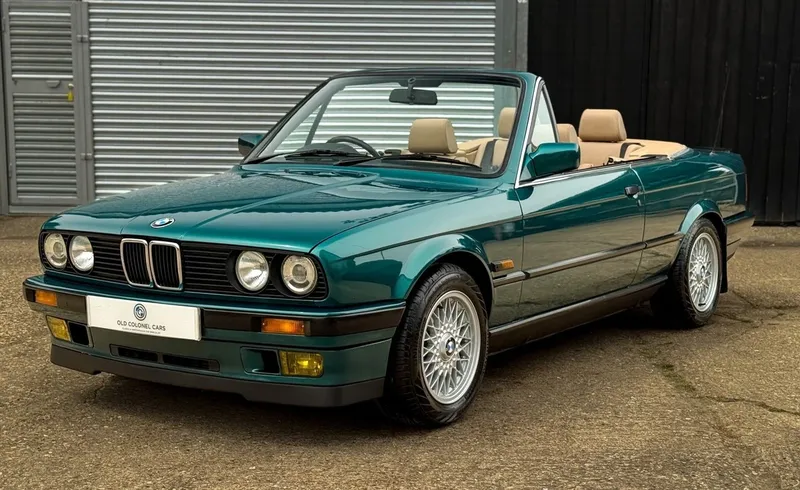
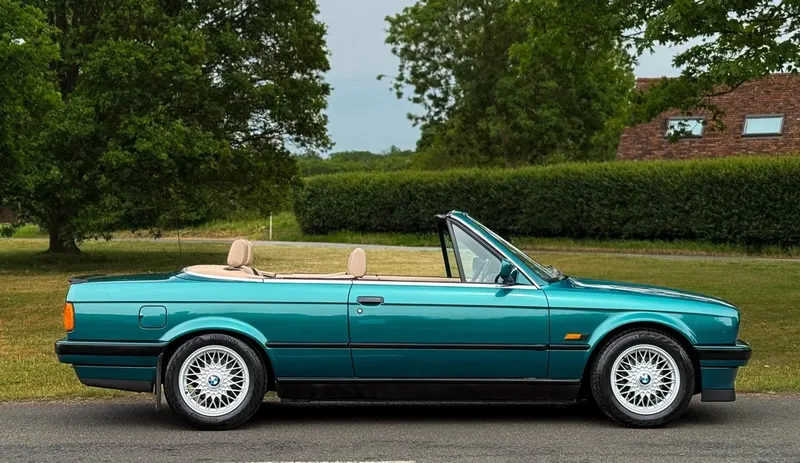
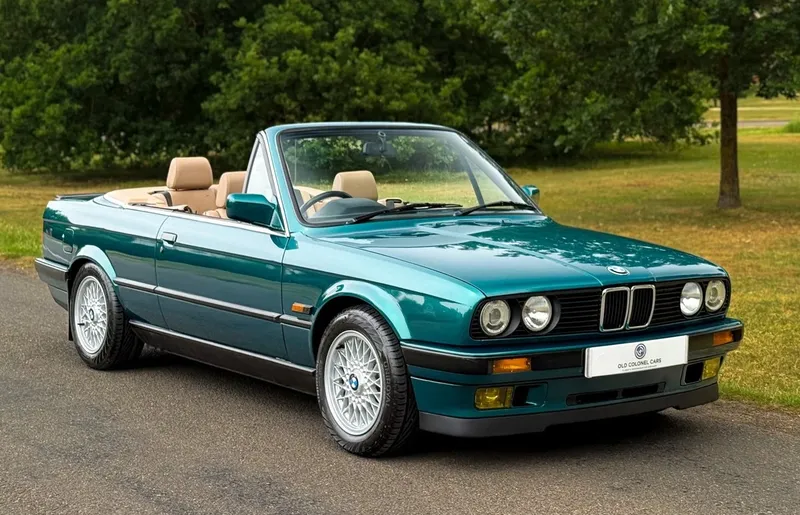
BMW 3 Series E30 (1982–1994): Models and Specs
1982–1994 · 1.6-litre–2.5-litre M10/M20/M40/M42/S14 · Rear-wheel drive/AWD (325iX) · 2-door saloon, 4-door saloon, Convertible, Touring
Overview
The E30 was the second generation of the BMW 3 Series, succeeding the E21 (1975–1983) and preceding the E36 which remained on sale throughout the 1990s. Where the E21 had established BMW's compact saloon credentials, the E30 consolidated and extended them with a more refined body, an expanded range of body styles and a six-cylinder engine programme that gave it genuine performance credibility. Compared to the E21, the E30 featured four distinct body styles: two-door saloon, four-door saloon, convertible and Touring estate. Against the E36 that succeeded it, the E30 is more compact, more analogue and has the most significant motorsport heritage of any 3 Series generation thanks to the European Touring Car Championship-winning E30 M3. The M3 variant is now among the most collectible homologation specials in BMW's history.
Price
- Starting price
- 2.895 €
- Average price
- 13.876 €
- Price range
- 2.895 € - 88.000 €
Specifications
- Production Years
- 1982–1994
- Body Styles
- 2/4-door saloon; Convertible; Touring
- Layout
- Front-engine, rear-wheel drive (325iX AWD)
- Petrol Engines
- 1.6/1.8/2.0/2.3/2.5/2.7-litre
- Diesel Engines
- 2.4-litre I6/turbo I6
BMW 3 Series E30 in Detail
Development of the E30 began in the late 1970s, with the brief to retain the E21's compact dimensions while improving on its rigidity, aerodynamics and interior space. The body achieved an improved 0.38 Cd drag coefficient through a subtly wedged profile and flush-fitting glass. The front strut suspension was carried over from the E21 but revised, while the rear used a semi-trailing arm arrangement.
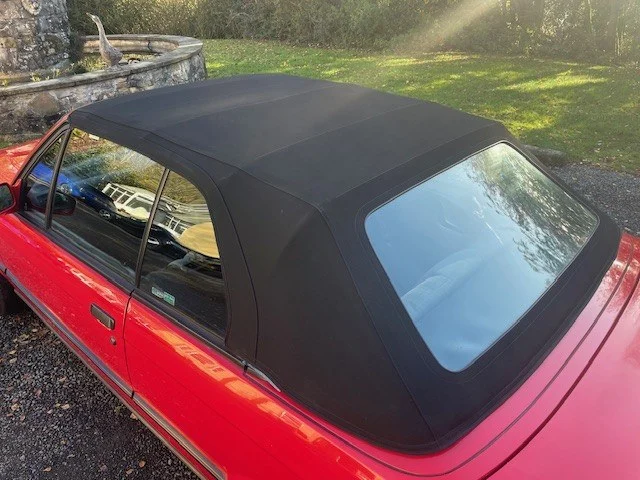
Production began in late 1982 with the two-door saloon. The four-door saloon followed in 1983, the convertible in 1985 and the Touring estate in 1987. The Baur-bodied targa convertible was produced by independent coachbuilder Baur of Stuttgart and offered a compromise between the saloon's structural rigidity and full convertible open-air motoring, while the 325iX offered all-wheel drive reassurance to customers perturbed about the tail-happy reputation of some BMWs.
The E30 M3 was introduced at the Frankfurt Motor Show in 1985 and homologated for Group A competition in 1987, necessitating a minimum production run of 5,000 road cars. BMW Motorsport built the M3s separately from the standard E30 production line, with widened bodywork, flared arches and the purpose-designed S14 engine. The M3 went on to win the 1987 European Touring Car Championship, and it remains the most decorated motorsport variant in 3 Series history.
The 1987 Series 2 update was a comprehensive mid-life revision. New M40 four-cylinder engines replaced the long-running M10 across the entry range, the dashboard was revised and equipment levels were updated throughout. The 325i Sport added a limited-slip differential, sports seats and Shadowline exterior trim. Production of the two-door saloon concluded in 1992, but the convertible continued on sale until 1993 and the Touring until 1994.
Variant | Engine | Power | 0–62 mph | Top Speed | Transmission |
316i | M40B16 1.6-litre | 100 PS | 11.5 sec | 109 mph | 5-speed manual |
318i (pre-1987) | M10B18 1.8-litre | 105 PS | 10.5 sec | 112 mph | 5-speed manual |
318i (post-1987) | M40B18 1.8-litre | 113 PS | 10.5 sec | 116 mph | 5-speed manual |
318iS | M42B18 1.8-litre DOHC | 136 PS | 9.0 sec | 124 mph | 5-speed manual |
320i | M20B20 2.0-litre | 125–129 PS | 9.5 sec | 120 mph | 5-speed manual |
325i | M20B25 2.5-litre | 170 PS | 7.5 sec | 137 mph | 5-speed manual |
325e | M20B27 2.7-litre | 122 PS | 9.5 sec | 121 mph | 5-speed manual |
M3 | S14B23 2.3-litre | 195 PS | 6.7 sec | 146 mph | 5-speed manual |
M3 Sport Evo | S14B25 2.5-litre | 238 PS | 6.5 sec | 152 mph | 5-speed manual |
By comparison with the E21, the E30's performance range is meaningfully broader. The 325i's 170 PS and 137 mph top speed represented a significant uplift over the E21's 143 PS 323i model. The E30's performance identity is defined by the M20 and S14 engine families: the M20B25 straight-six in the 325i has a linear power delivery that remains one of the best naturally aspirated engines of the 1980s, while the M3’s S14 unit is a high-revving, characterful motorsport-derived unit.
Length | 4,325 mm (saloon) |
Width | 1,645 mm |
Height | 1,380 mm |
Wheelbase | 2,570 mm |
Front Track | 1,407 mm |
Rear Track | 1,415 mm |
Kerb Weight Range | 1,010–1,210 kg |
The E30 3-Series was unusual in offering a wide array of trim and engine options, as well as body styles:
316/316i. The entry-level model; four-cylinder only; basic equipment
318i. A mid-range four-cylinder; most common UK specification
318iS. Late-production DOHC four-cylinder; two-door only; sportier character
320i. Entry six-cylinder; the accessible step into M20 power
323i. Early production only (1982–1985); 2.3-litre six-cylinder engine
325e/325es. Economy-focused 2.7-litre six; high torque at low revs
325i/325is. Flagship six-cylinder; 170 PS; the definitive E30 road car
325i Sport. Factory LSD, sports seats, Shadowline trim
E30 M3. S14 engine, widened body, Group A homologation
325iX. AWD derivative, revised front suspension, wider track
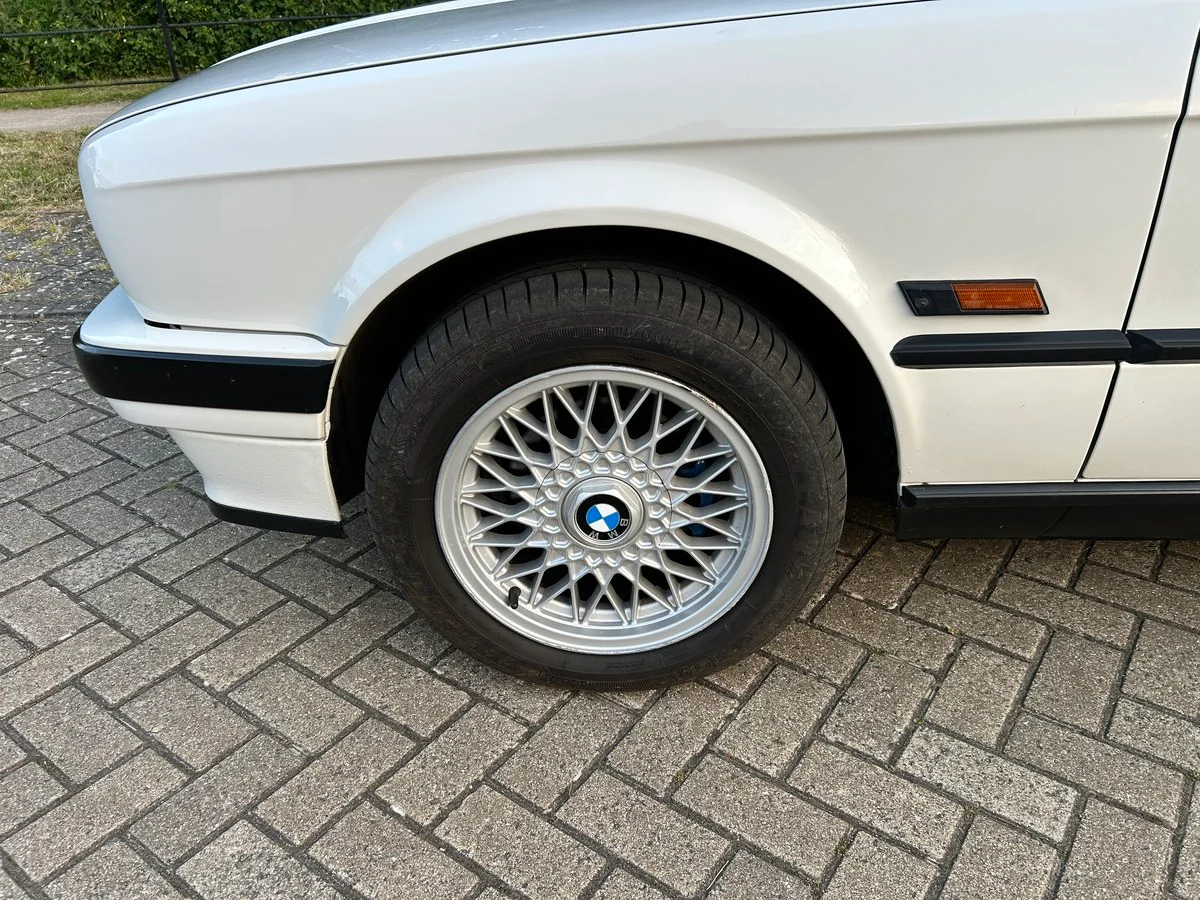
The E30's body represented an evolution of the E21's proportions rather than a departure from them. It had a fractionally longer wheelbase, a marginally wider track and a subtly wedged profile that reduced the drag coefficient to 0.38 Cd. The front end used four round headlamps, while the 1987 Touring estate was the first estate body in 3 Series history and required a completely new rear structure above the E30's existing floor pan.
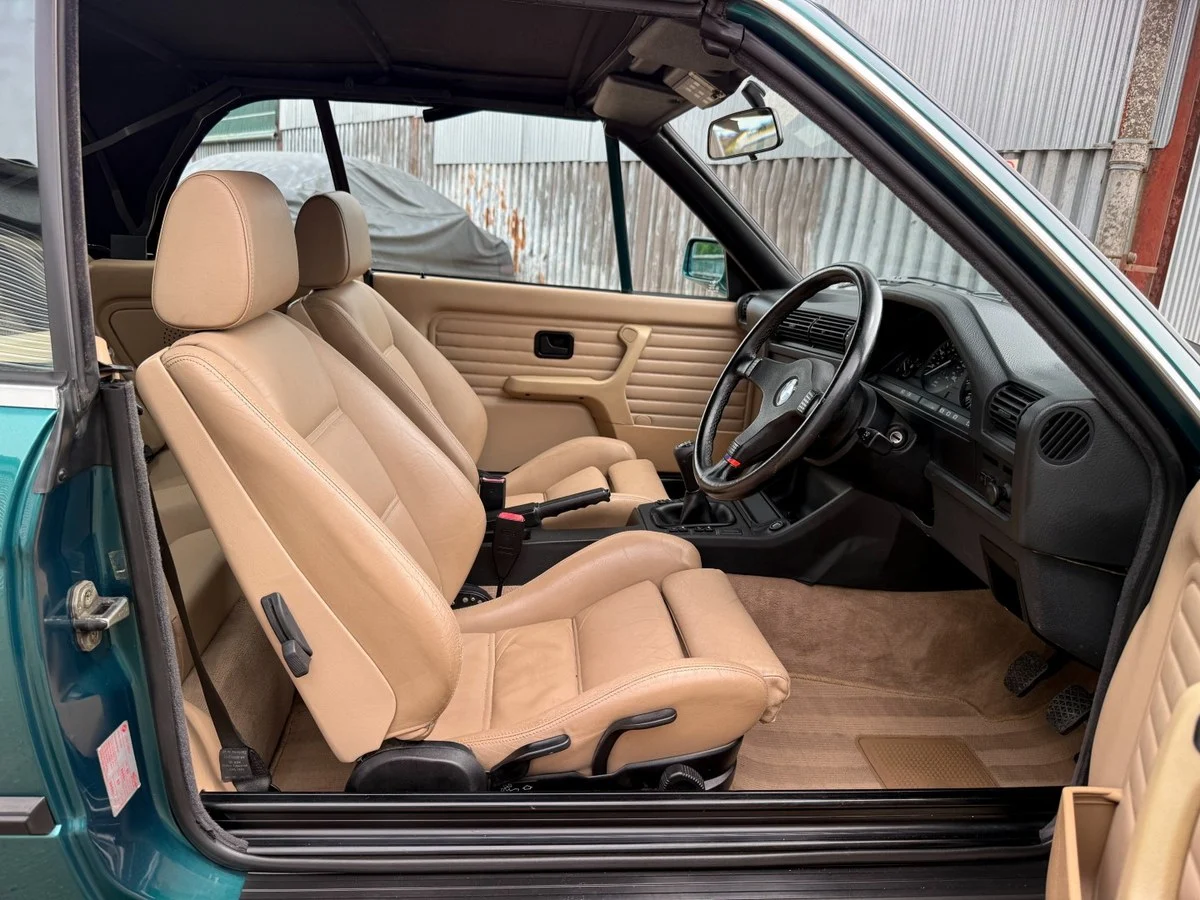
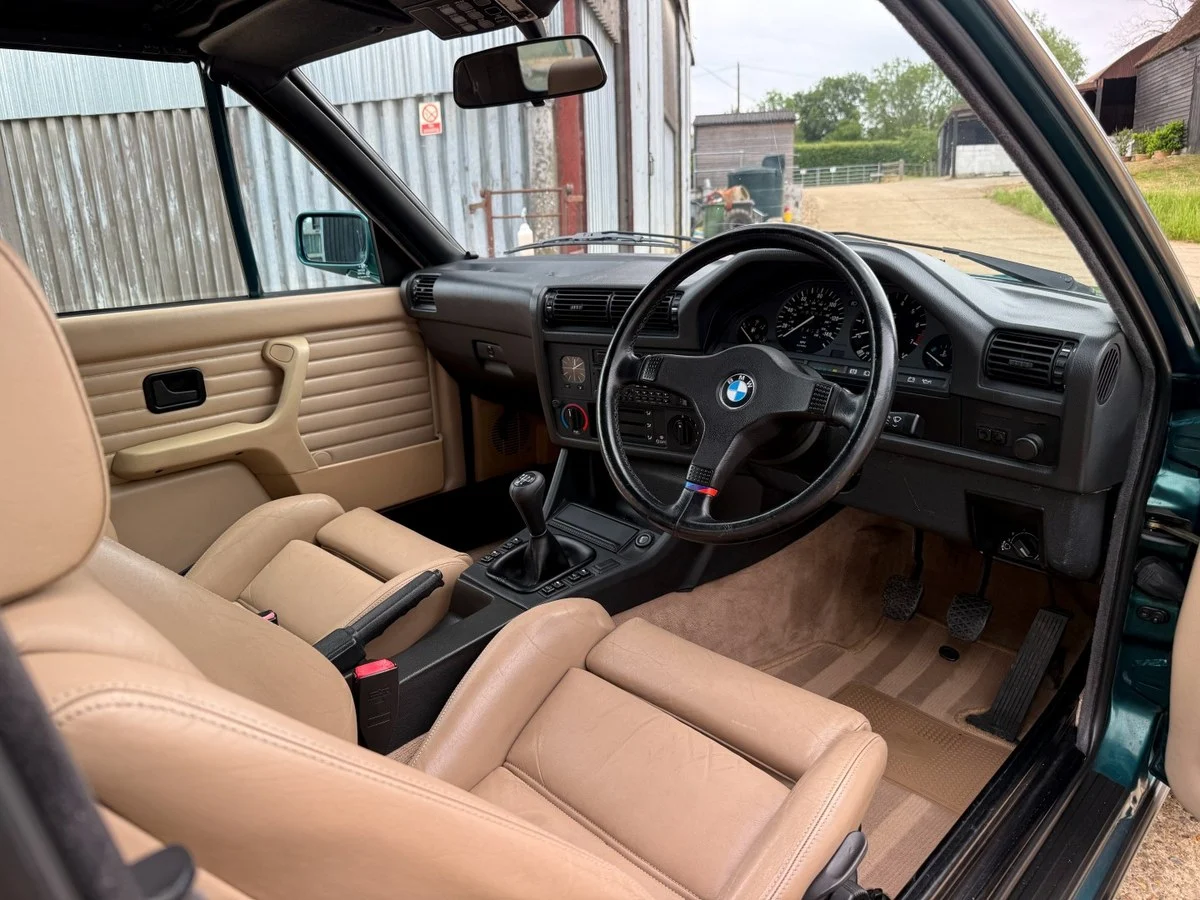
The E30's cabin represented a significant improvement over the E21 in both material quality and ergonomic layout, with a more structured dashboard, better-quality switchgear and an improved seating position. The instrument cluster centred on a large tachometer and speedometer with smaller gauges for oil and fuel; a check-control warning system was introduced on higher specifications. The 1987 Series 2 update revised the dashboard’s design and introduced a more modern steering wheel.
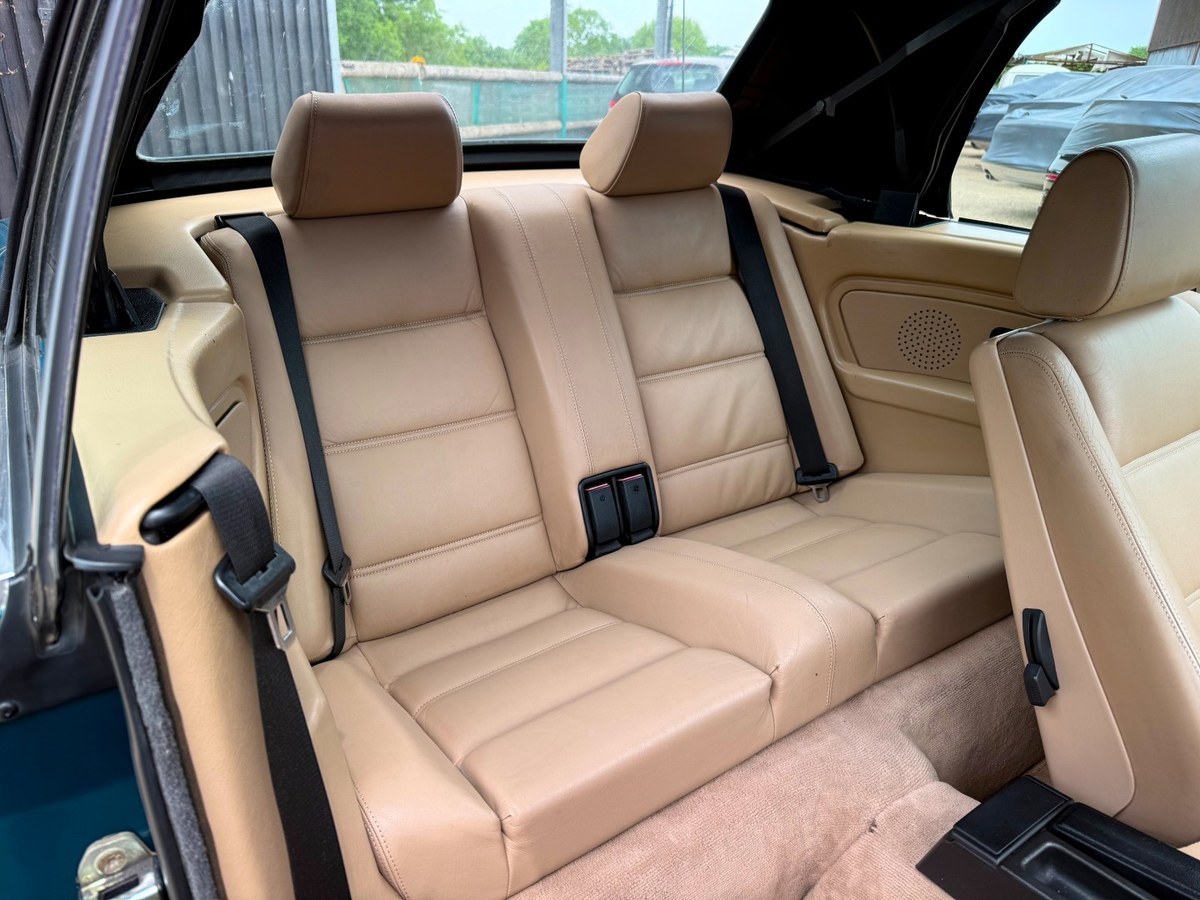
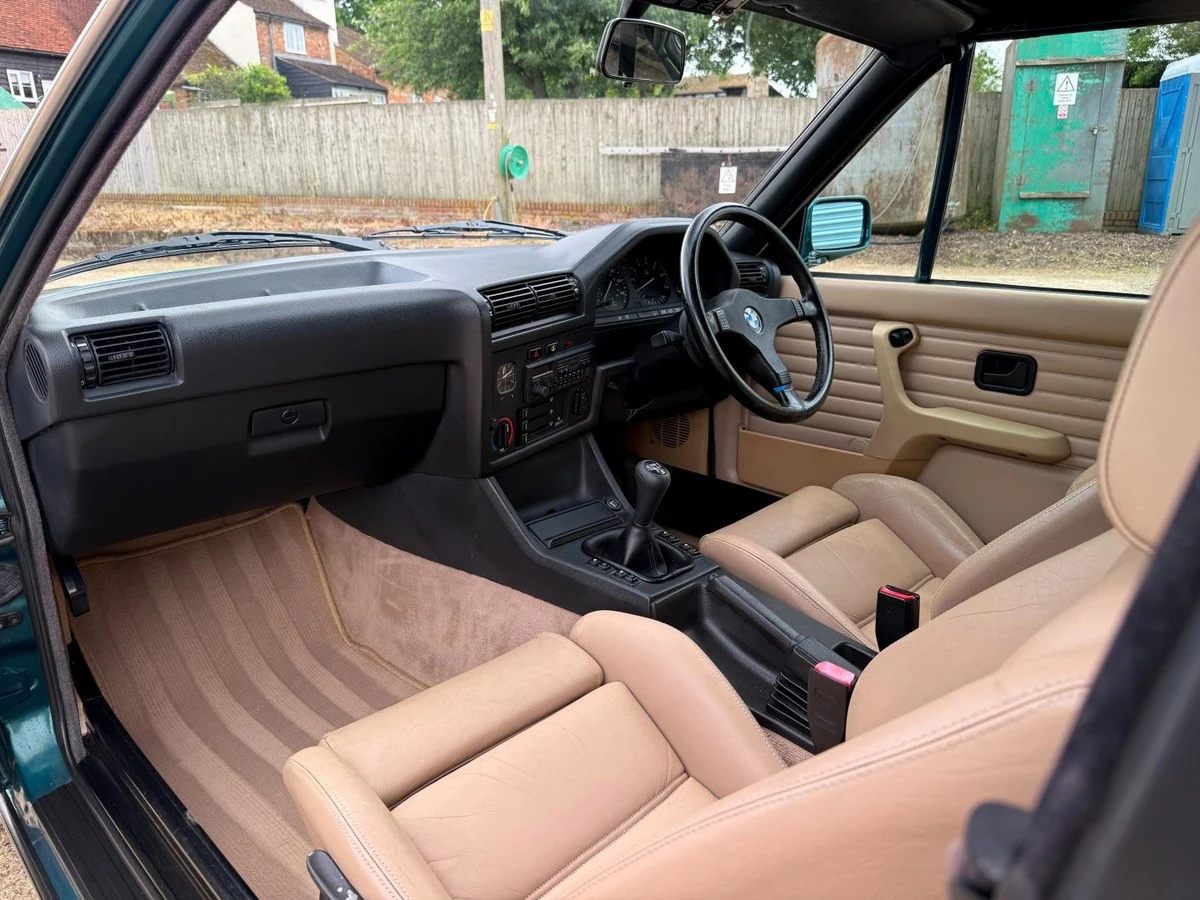
The E30 was produced between 1982 and 1994, going off sale before the introduction of Euro NCAP testing in 1997. Driver and passenger airbags weren’t standard fitments on any E30 specification, though ABS was introduced as an optional extra from 1985 on higher-specification models and became more widely available on post-1987 E30s.
Body and Structure
Rust is the defining E30 ownership risk, so it should be your primary inspection priority. The base of the windscreen and cowl area rots even on cars from dry climates, so probe the scuttle panel carefully. Sill sections, rear wheel arch lips and the floor beneath the carpets are further priority areas where structural corrosion is expensive to address correctly.
Engine
M10 (pre-1987 four-cylinder). Timing chain tensioner wear is the primary concern, and a rattling cold start indicates a stretched chain requiring immediate attention. On M40 (post-1987 four-cylinder) cars, timing belt replacement is essential every 40,000 miles, as failure is catastrophic. The M20 six-cylinder (320i, 325i) engines have a known coolant system weak point due to the plastic impeller in the water pump deteriorating. Check for milky oil residue on the oil cap, since coolant contamination is a significant issue on any M20 engine.
Gearbox
The five-speed Getrag manual is generally robust and inexpensive to replace with a good-quality used unit if necessary. The small differential fitted to non-325i cars (and late 323i models) can develop a whine at higher mileages, which is indicative of approaching wear. The larger differential on 325i and M3 cars rarely causes trouble when properly maintained.
Suspension
Front strut top mounts wear and crack with age, and this is the most common suspension-related issue on any E30. Worn rear trailing arm bushes produce a characteristic vague, fidgety rear-end feel on undulating roads; replacement is straightforward but labour-intensive. Check for non-standard lowering springs, since many E30s have been modified, and excessively shortened springs compromise both handling geometry and ride quality.
Interior
Dashboard top pads crack and shrink with age, while electric window regulators on convertibles are a known wear item. Verify the presence and condition of the original Service Record and any build documentation.
Tendencias de precios
Venta más reciente
12.995 £
1990 BMW 3 Series 325i E30 Convertible
2 may 2019

Actual en venta
118
2 subastas en marcha
116 anuncios


Total vendidos
411
Precio de venta más alto
88.000 €
Precio promedio
13.876 €
Precio más bajo
2895 €
FAQs
The 325e uses a 2.7-litre M20B27 engine tuned for fuel economy rather than outright power, producing 122 PS at 4,250 rpm compared to the 325i's 170 PS at 5,800 rpm. The easiest telltale is the tachometer, where 325e cars have a redline at 4,500 rpm and a green economy zone marked at low revs. The 325e is also identifiable by its single exhaust tailpipe versus the 325i's twin pipes.
The E30's popularity and the strength of the BMW Classic parts programme mean the vast majority of mechanical components remain available. Body panels including wings, sills and floors are available in reproduction form. The main scarcity areas are certain interior trim items (including dashboard tops, Sport seat fabrics and steering wheels), where original BMW stock is depleted.
The E30 M3 is a motorsport homologation special built on a modified E30 body. The M3 uses the purpose-built S14 four-cylinder engine, a widened body with flared arches unique to the M3, revised suspension geometry, larger brakes and a close-ratio gearbox. It weighs less than the 325i despite its wider body, and its high-revving nature is fundamentally different from the 325i's road-going GT character.
The E30 is broadly regarded as mechanically straightforward and robust when properly maintained. The M10, M20 and M40 engine families are well-understood by BMW specialists and independent classic mechanics alike. The two known reliability priorities are the M20's plastic water pump impeller and the M40's timing belt. Rust is the E30's true nemesis, so a structurally sound example with a documented service history can be used regularly with confidence.