Chevrolet Impala: Models, Specs and Buyer's Guide
Core specs: 1958–2020 • 3.5–7.4 L V6/V8 • ~155–425 hp
Chevrolet Impala Overview
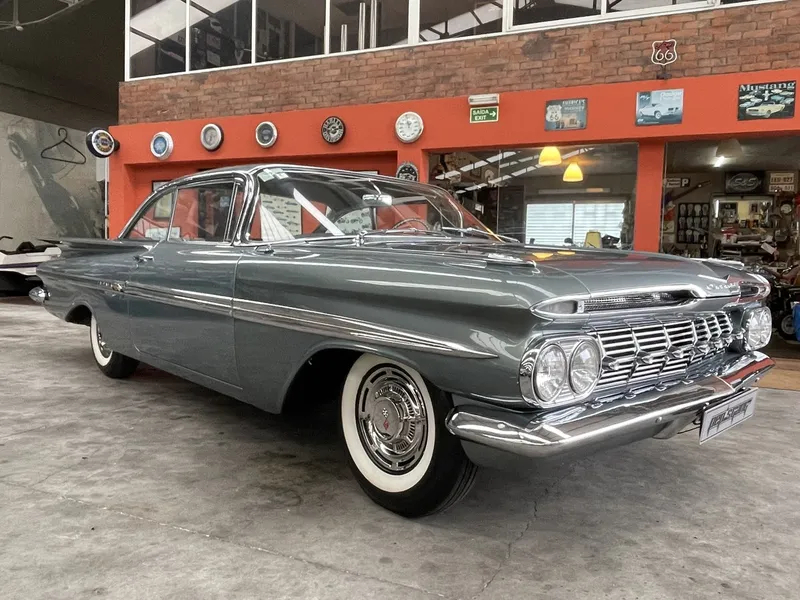
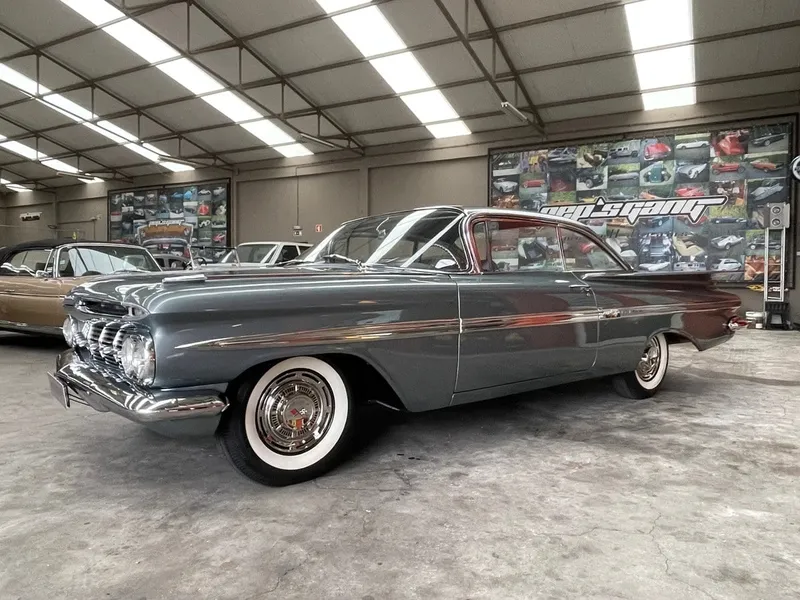
The Chevrolet Impala has the rare, if not unique, distinction of having been manufactured across three non-consecutive spells during eight decades of production. Chevy’s enduringly popular full-size flagship was introduced for the 1958 model year as the top-line expression of the firm’s focus on comfort and style. Between 1958 and 1985, it underwent numerous transformations, with radically different styling across generations that in some cases remained on sale for just one or two years. Launched with available small and big-block V8 engines, the first Impala era included signature cues such as triple taillamps and sweeping, low-slung proportions. The 1961 Super Sport (SS) package cemented its performance credentials, serving as a hero model to boost the popularity of the wider mid-’60s range. Purists and traditionalists, look away now: following a hiatus after 1985, the LT1-powered Impala SS revival of the mid-Nineties was followed by a 21st-century return as a modern front-wheel-drive saloon. Production of the third Impala era concluded in February 2020, but for many people, the 1960s models will always be the most celebrated, and the most popular.
C&C Expertise
The Impala is the soundtrack to American post-war optimism. It's the car of drive-in movies, cruising Main Street, and the backdrop to countless hip-hop videos and rock anthems. The name has been revived no fewer than three times since the Impala was first introduced back in 1958. It’s nothing short of an American icon, so it’s no surprise that there’s such an evergreen enthusiast following.
Chevrolet Impala Price
- Starting price
- 1
- Bidding from
- 1
- Price range
- 1
Chevrolet Impala Specifications
- Engine Power
- ~155–425 hp (116–317 kW)
- Engine Type
- Inline-6, V6 and V8 petrol engines
- Transmission
- 2–4-speed manual; 2–6-speed automatic
- Body Type
- Full-size saloon/sedan
- 0–60 mph
- ~5.7–8.0 seconds (depending on engine and era)
Chevrolet Impala in Detail
Chevrolet Impala History
Introduced for 1958 as the top Bel Air trim, as part of GM’s 50th birthday celebrations among all its subsidiary brands, the first-generation Impala established Chevrolet’s full-size flagship formula with dramatic styling and V8 power. Its debut year also marked the rollout of Chevrolet’s “W-series” big-block family engine, measuring 348 cubic inches.
The first-generation Impala lasted just a year before a far larger, reskinned model was launched based on other existing GM products. This survived for two years, though it was the 1961 third-gen version which heralded the debut of the Super Sport badge that linked the nameplate to Chevrolet’s high-performance image.
A comprehensive redesign for 1965 brought new chassis and body engineering and propelled the Impala to a single-year U.S. sales milestone of more than one million units, cementing its status as an American mainstay. The fifth-generation model was the largest Chevy ever sold, stretching for almost 19 feet, though the sixth-generation version was a downsized rear-drive saloon which dwindled in popularity through the 1980s.
The Impala returned as a performance icon with the LT1-powered 1994–1996 Impala SS, becoming something of a modern classic, before re-emerging in 2000 for three further generations as a modern front-drive saloon.
Key Eras Summary
Chevrolet Impala Specifications & Performance
Across the decades, the Impala has ranged from an elegant cruiser to a bona-fide performance saloon. Below are headline specs for representative factory powertrains that define the model through its eras.
Era / Model (representative) | Engine (type / code) | Displacement | Output | 0–60 mph | Top speed |
1958 Impala (Super Turbo-Thrust) | OHV V8, triple 2-bbl (348 “Turbo-Thrust”) | 5.7 L (348 cu in) | 280 hp (SAE gross) | , | , |
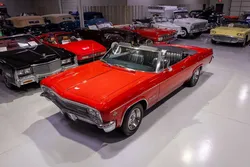
1966 Impala SS 427 (L72) | OHV big-block V8 (L72) | 7.0 L (427 cu in) | 425 hp (SAE gross) | , | , |
1994–1996 Impala SS (LT1) | OHV small-block V8 (LT1) | 5.7 L (350 cu in) | 260 hp / 330 lb-ft (SAE net) | 7.0 s | , |
2006–2009 Impala SS (LS4) | OHV small-block V8 (LS4, FWD) | 5.3 L (325 cu in) | 303 hp / 323 lb-ft (SAE net, J2723) | 5.6 s | , |
2014–2020 Impala 2.5 | DOHC I-4 (Ecotec 2.5) | 2.5 L (153 cu in) | 196 hp / 186 lb-ft (SAE net) | 8.7 s | 132 mph |
2014–2020 Impala 3.6 | DOHC V6 (LFX) | 3.6 L (220 cu in) | 305 hp / 264 lb-ft (SAE net) | 6.0 s | 149 mph |
Chevrolet Impala Dimensions
With so many generations and models to consider, the following dimensions are merely illustrative of certain versions of the Impala:
Chevrolet Impala Exterior
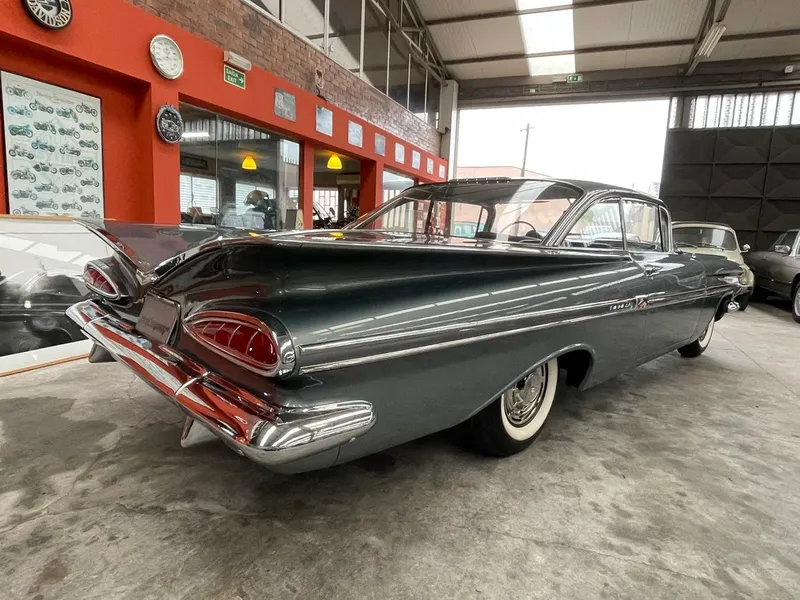
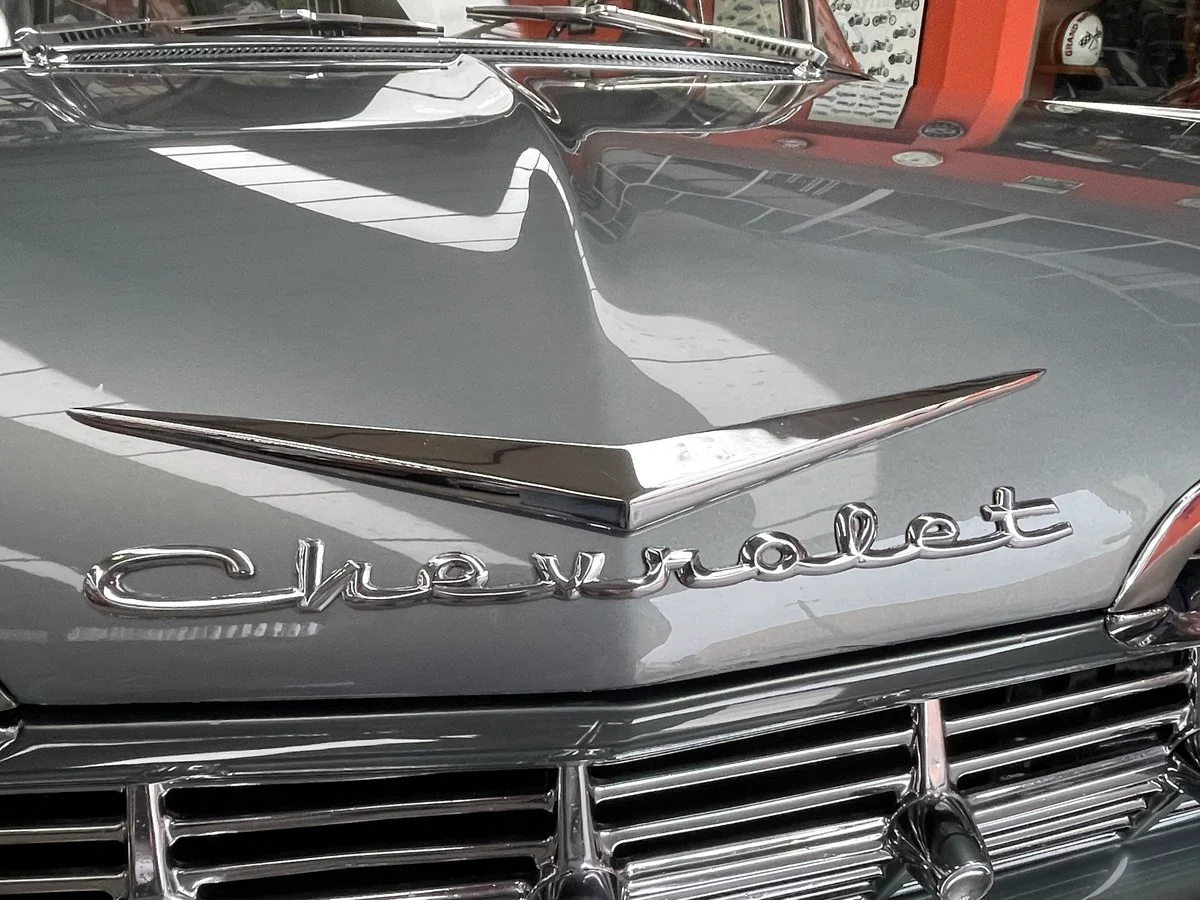
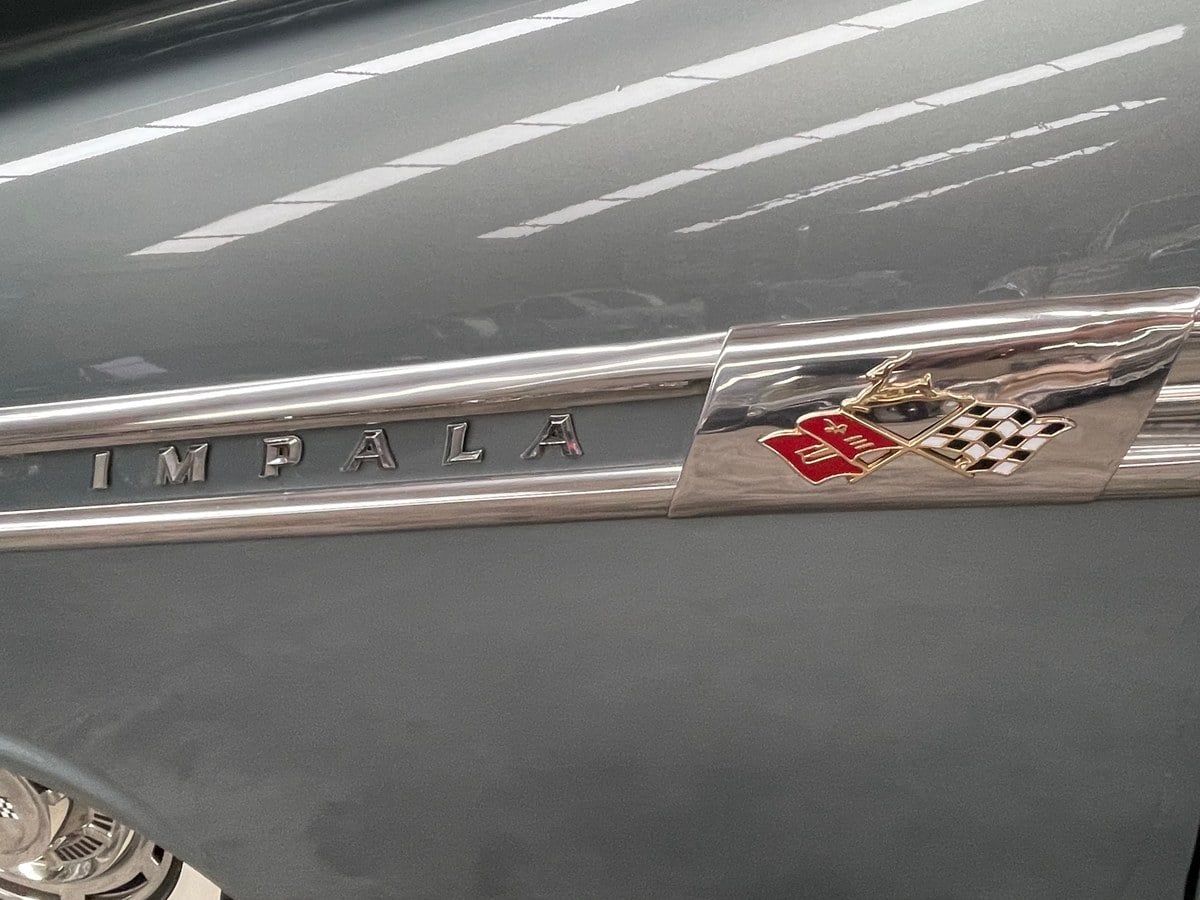
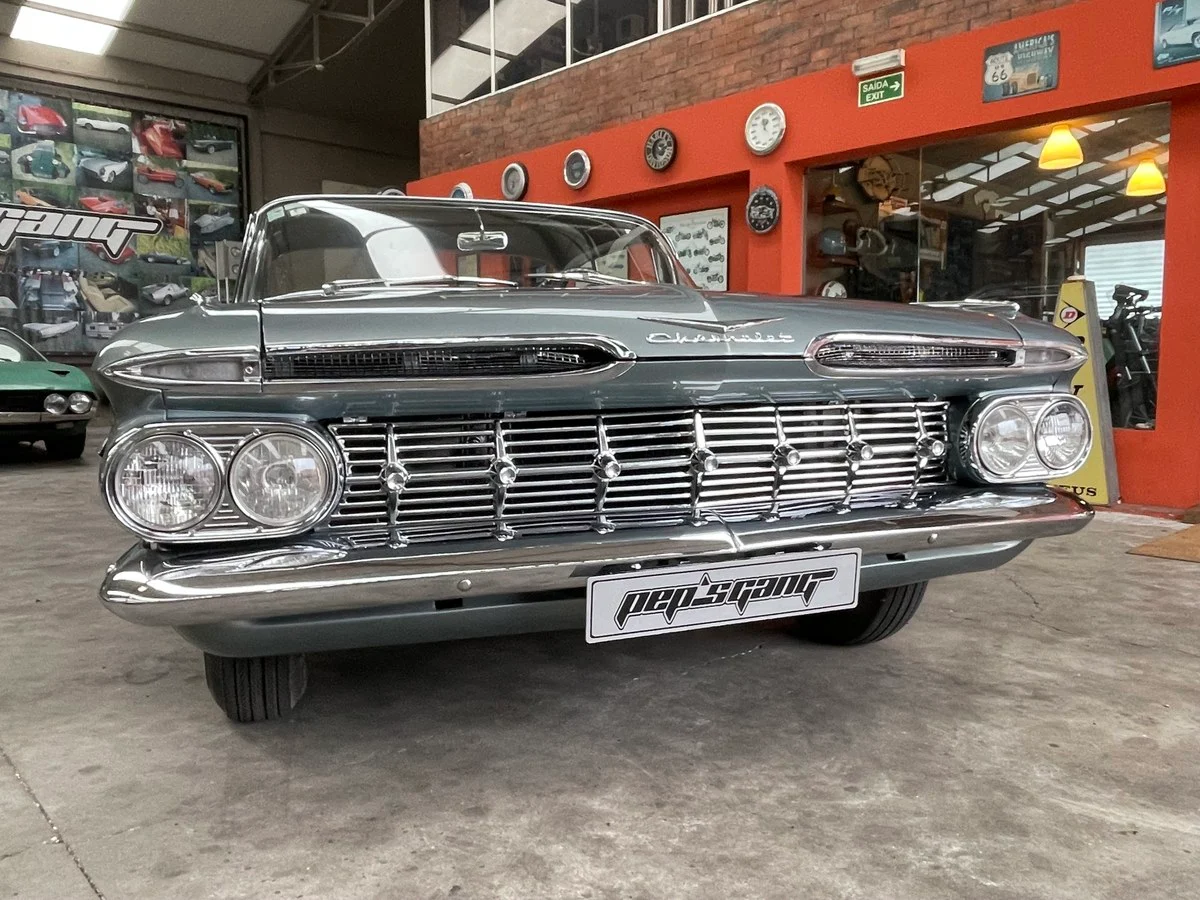
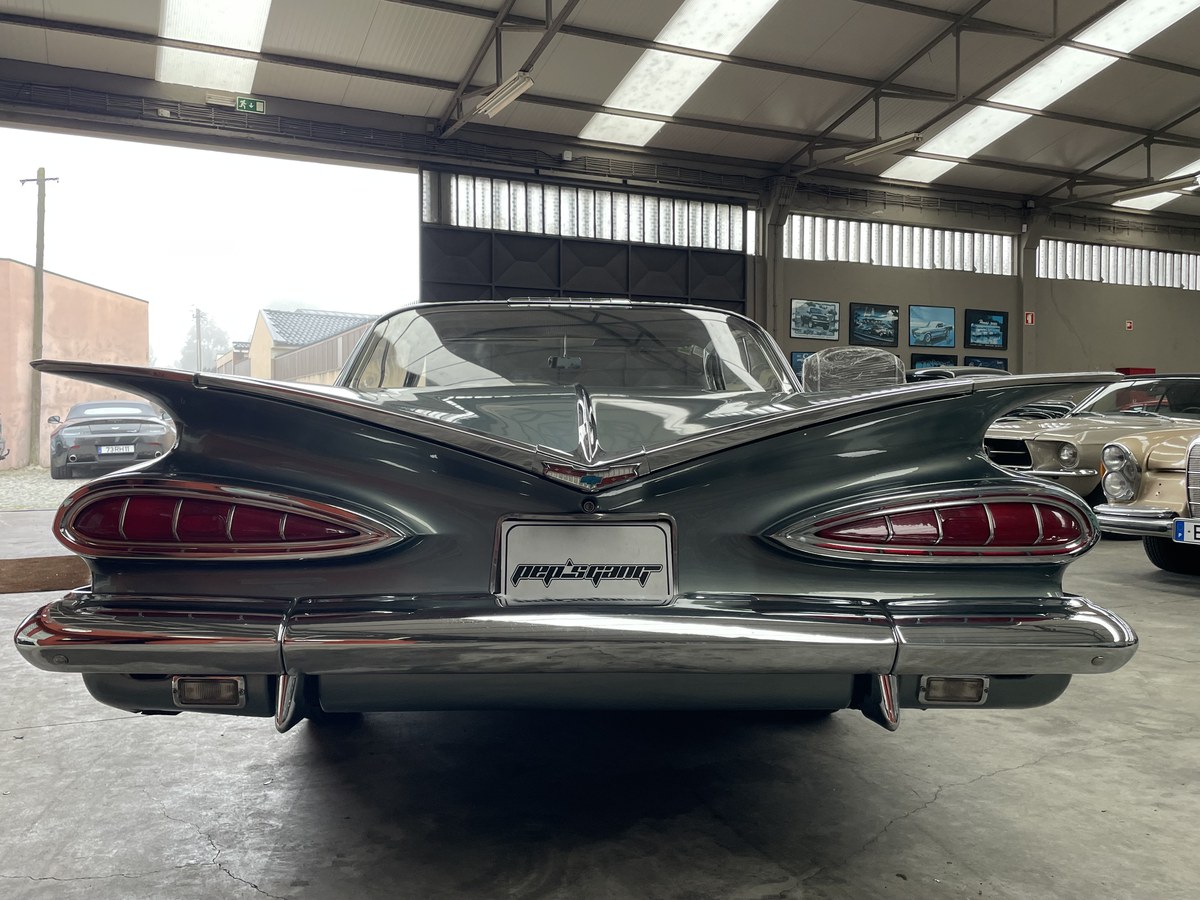
Long, low and clean-cut proportions have been a recurring theme throughout the Impala’s lifespan, with a broad bonnet framing Chevrolet’s signature bowtie grille. One enduring design detail is the Impala’s triple taillamp theme, introduced at launch in 1958 and used in evolving forms to distinguish it from lesser Chevrolets.
The performance-leaning 1994–1996 Impala SS adopted a monochrome theme with de-chromed trim, five-spoke alloys and subtle spoilers.
Chevrolet Impala Interior
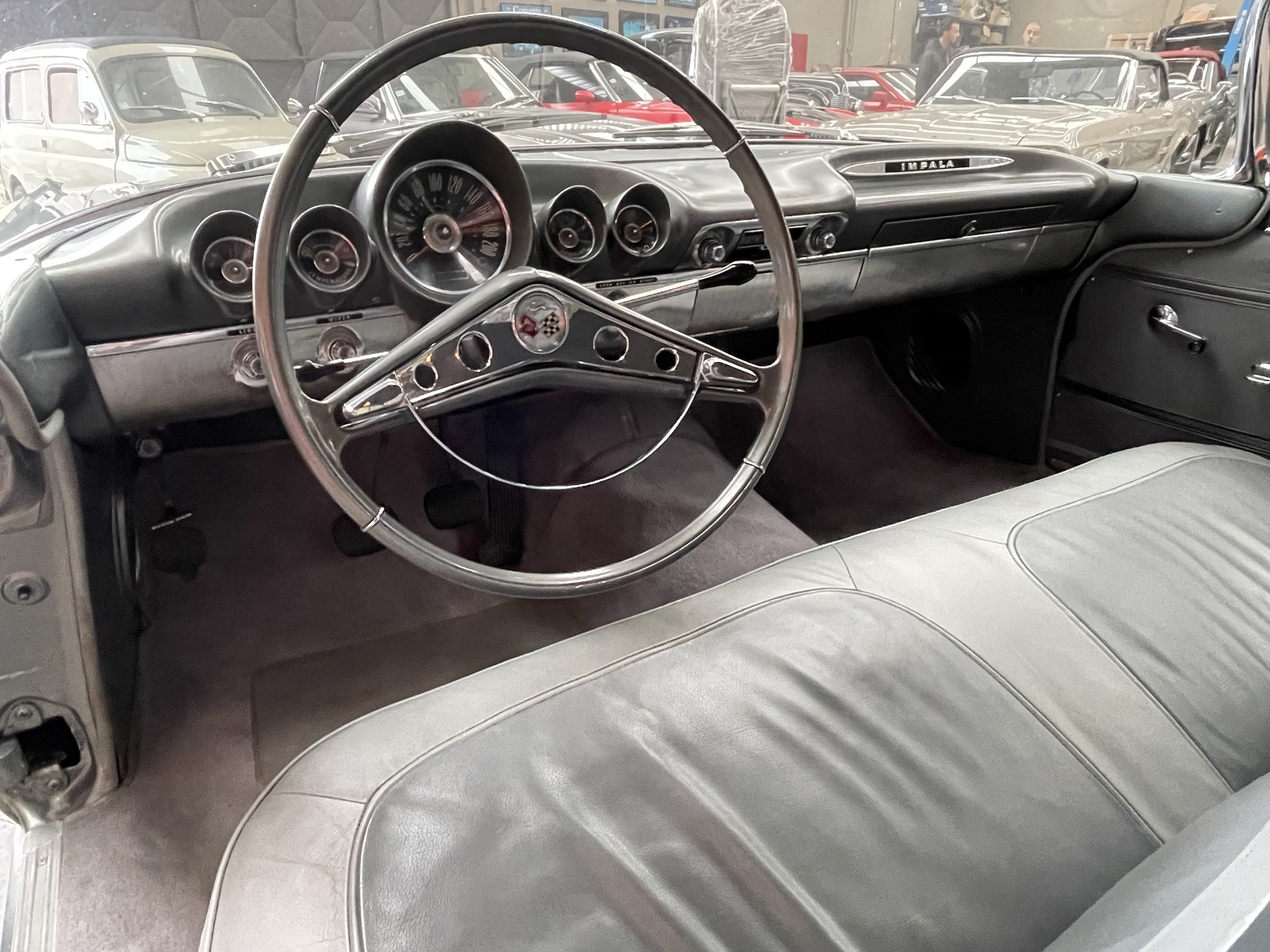
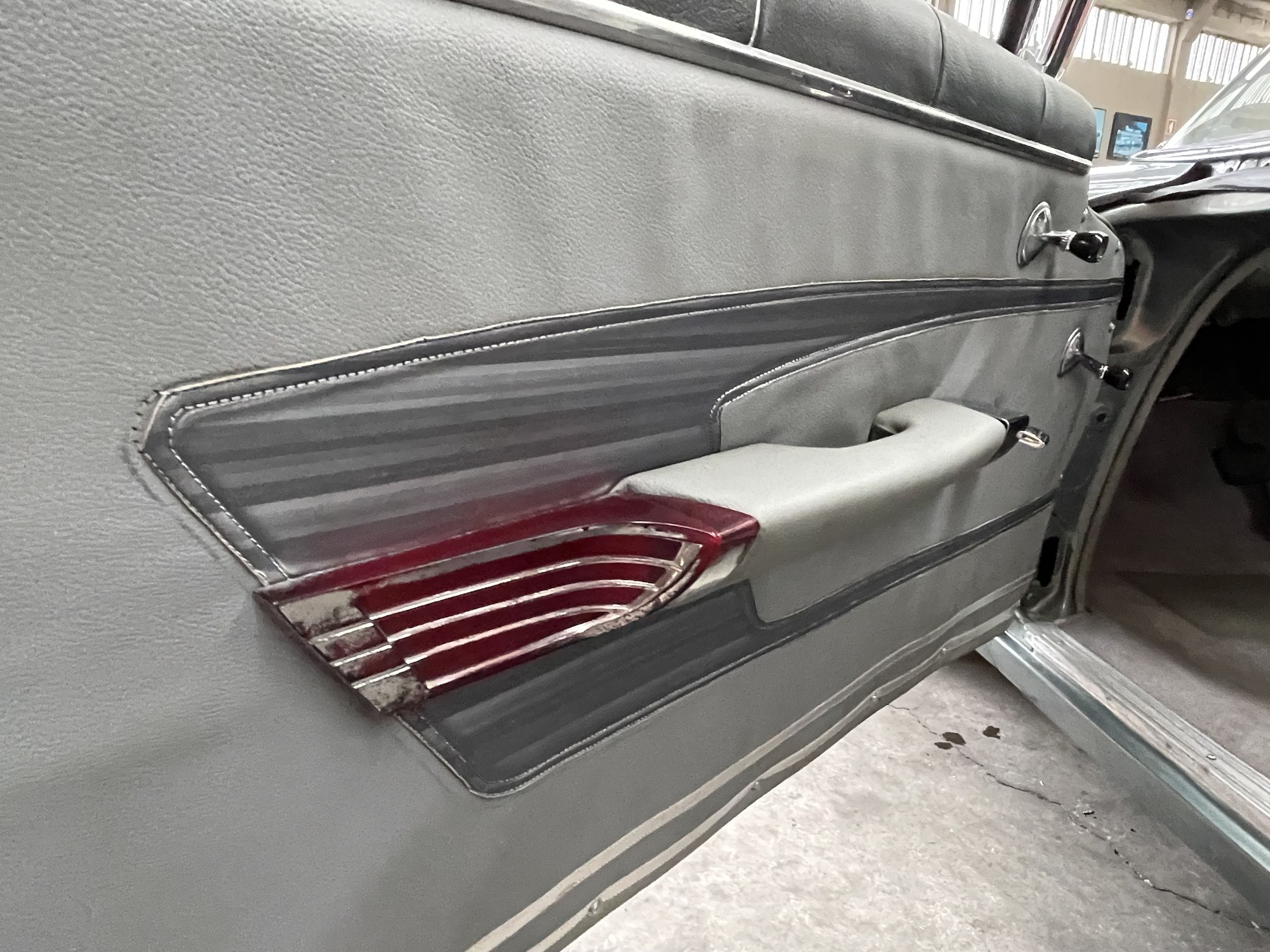
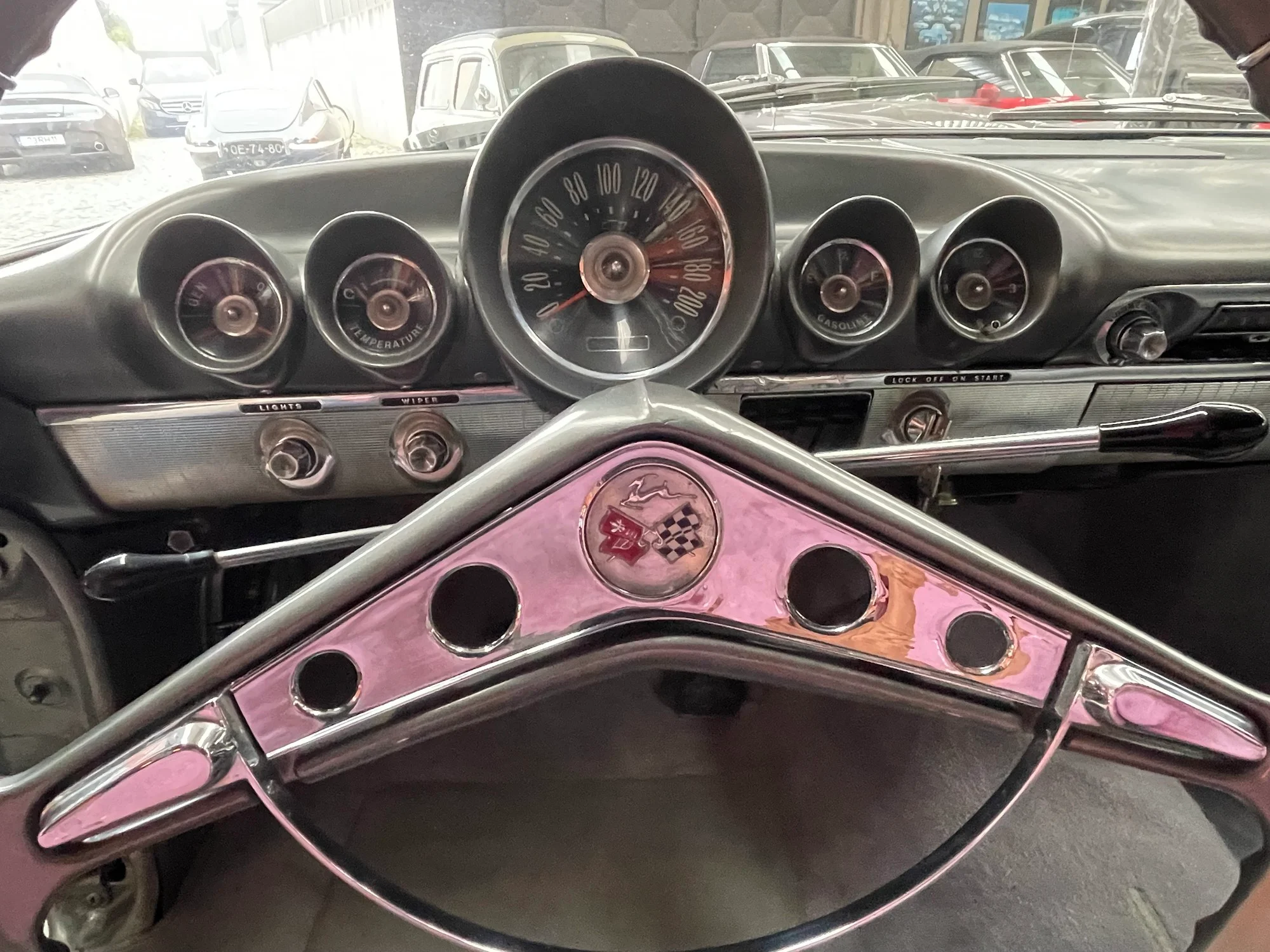
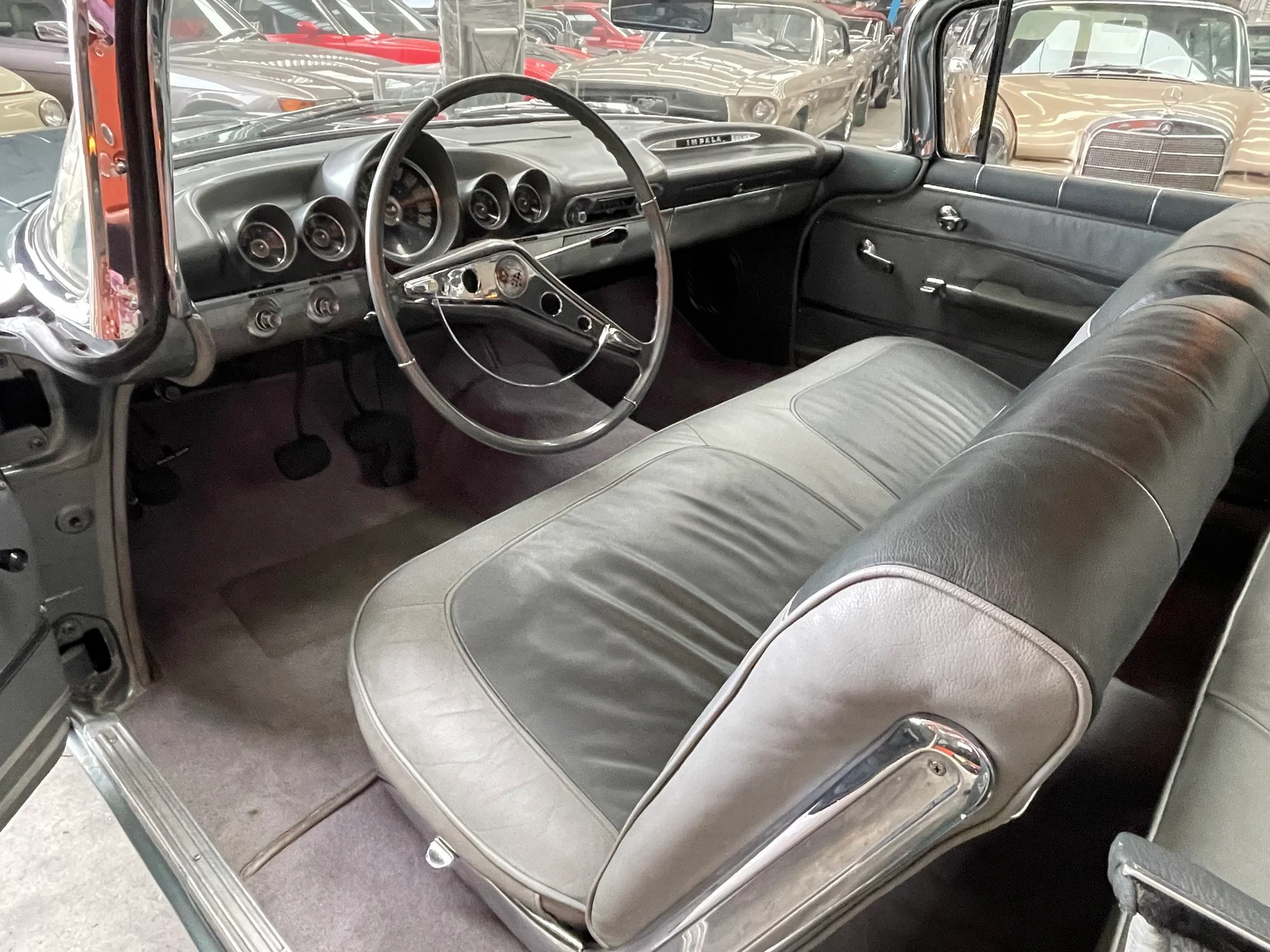
Given its historically generous dimensions, the Impala traditionally prioritised space and everyday usability, evolving towards a more driver-centric cockpit in later years.
Second-generation models were significantly bigger than the first, while the sixth generation in 1977 was markedly smaller than its leviathan fifth-gen predecessor, probably in response to the OPEC oil crisis earlier in the decade.
Chevrolet Impala Safety
While the Impala’s identity evolved from classic full-size cruiser into a modern family saloon, its safety story mirrored the growing emphasis on passenger safety. As U.S. Federal Motor Vehicle Safety Standards came along, Impalas adopted mandated restraints and impact-mitigation hardware, with seatbelts debuting in 1967 and collapsible energy-absorbing steering columns following closely afterwards.
While early versions had few safety features to speak of, the last few years of Impala production saw a wealth of driver aids being offered, including ten standard airbags, adaptive cruise control with active emergency braking, side blind zone and rear cross traffic alerts.
Chevrolet Impala Variants & Generations
With so many visually distinct variants to consider across its first six generations (preceding the two more modern reboots), there is a great deal to digest in any analysis of the Impala range.
Preisentwicklung
Letzter Verkauf
18.500 £
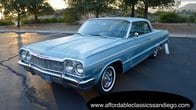
1964 Chevrolet Impala Coupe
17. Okt. 2023
Derzeit zum Verkauf
40
0 Live-Auktionen
40 Anzeigen


Verkauft
29
Höchster Verkaufspreis
130.620 €
Durchschnittlicher Preis
26.493 €
Niedrigster Preis
2.528 €
FAQs
1. Where does the name come from?
The name was inspired by a medium-sized African antelope. Chevrolet introduced the Impala in 1958, where it quickly became a high-profile model in the lineup.
2. Which body styles and variants were produced?
Across its heyday years, the Impala was offered as 2- and 4-door hardtops (known as Sport Coupe/sedan), saloons, convertibles and station wagons (estates). The performance-oriented Impala SS models sat at the top of the range, though later generations focused primarily on 4-door saloons.
3. What distinguishes the Impala SS?
“SS” (Super Sport) denotes a high-performance, appearance-enhanced model. In the mid-1960s, it was a separate Impala series with bucket-seat interiors and chassis/trim upgrades. The badge returned between 1994 and 1996 with the LT1 5.7-liter V8, and again in the 2000s.
4. Was the Impala a luxury car?
Although the Impala was Chevrolet’s full-size flagship across many eras, the firm’s dedicated luxury brand was the Caprice. This initially launched in 1965 as an upscale package on the Impala four-door hardtop, before being spun off into its own series for 1966.
5. What are common problems with Impalas?
Issues vary by generation, but the 1994–1996 SS can have ignition issues, while the more technically complex 2000–2005 Impala also endured ignition-switch safety recalls. On select 2007–2008 models, allegations of rear suspension issues causing premature rear tire wear led to a well-documented class-action lawsuit.