Ferrari 275: Models and Specs
1964–1968 | 3.3-litre V12 | Front-engine, RWD | Coupé/spider | Transaxle, independent suspension
Overview
The Ferrari 275 was arguably the pinnacle of front-engined V12 Ferrari design before the Daytona era. Introduced in 1964 and remaining in production for just four years, this was the first production Ferrari fitted with independent rear suspension and a transaxle layout, fundamentally improving weight distribution and handling beyond any previous road-going Ferraris. Indeed, the 275 married Ferrari's racing heritage with on-road sophistication in ways the earlier 250 series simply couldn't, while establishing technical precedents that influenced every subsequent Ferrari. Less than a thousand 275s were ever built, making it rarer than the preceding 250 series. Today, the 275 is among the most desirable classic Ferraris, with values reflecting its exclusivity and (for the time) sophistication.
Specifications
- Production years
- 1964–1968
- Total built
- 960
- Body styles
- Two-seat coupé (GTB), two-seat spider (GTS)
- Layout
- Front-engine, rear-wheel drive
- Drive
- Transaxle, independent suspension all-round
Ferrari 275 in Detail
History
Revolutionary Engineering
The Ferrari 275's unveiling at the 1964 Paris Motor Show marked a fundamental shift in Maranello's road car philosophy. It introduced independent rear suspension for the first time on a production Ferrari, replacing the live rear axle that had characterised previous models. Combining the transmission and rear differential into a single unit mounted at the rear axle was another significant innovation, placing mass where it aided traction and balance. Meanwhile, double wishbone suspension, Koni shock absorbers and coil springs provided precise wheel control that contemporary rivals couldn't match.
The 3.3-litre V12 continued Ferrari's traditional 60° cylinder angle and short-stroke architecture, producing 280 bhp in standard three-carburettor form while an optional six-carburettor specification delivered 320 bhp. Twin overhead camshafts per cylinder bank, aluminium construction and a redline on the naughty side of 7,500 rpm delivered performance in excess of 160 mph.
Evolution and Variants
The original 275 GTB coupé and 275 GTS Spider shared the same mechanical specifications, despite featuring different Pininfarina bodywork. Both variants were produced between 1964 and 1966, but the GTB underwent continuous refinement. In particular, Series II "long-nose" cars from 1966 onwards lengthened and lowered the nose for improved aerodynamics, and addressed vibration issues through revised mounting.
In October 1966, the 275 GTB/4 arrived, with its number designating four overhead camshafts raising power to 300 bhp whilst improving refinement. Production continued until 1968, with 330 examples built.
Competition Heritage
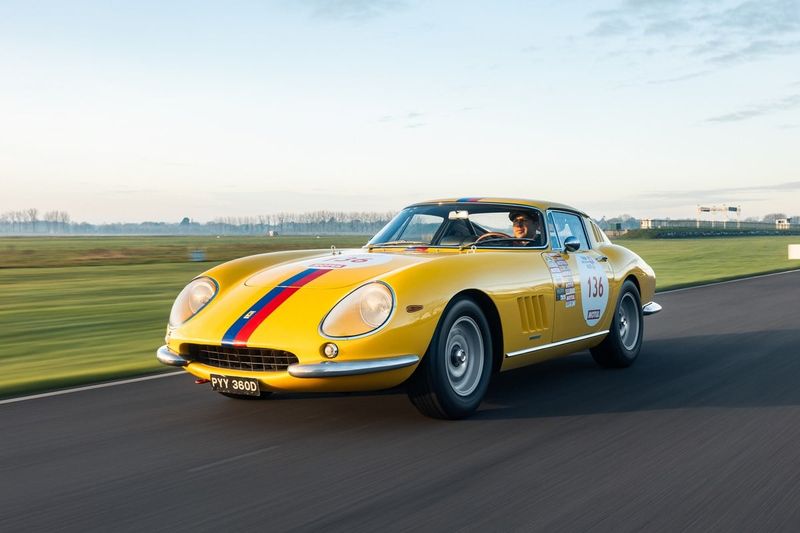
Whilst primarily conceived as a grand touring road car, the 275 achieved some notable competition successes. Ferrari developed three distinct series of competition 275 GTBs between 1964 and 1966, culminating in the purpose-built 275 GTB/C that secured class victories at Le Mans and overall wins in national GT championships.
Nor were these competition achievements isolated factory efforts, as privateer 275s campaigned successfully in GT-class racing throughout the mid-1960s.
Cultural Legacy
The 275's influence extended beyond engineering innovation to cultural iconography. The Spider driven by Faye Dunaway in the 1968 film The Thomas Crown Affair became a memorable cinematic moment.
The 275 represented Ferrari’s peak of front-engined V12 development, establishing benchmarks for balance, performance and aesthetics that went on to influence Maranello's philosophy for decades. The transaxle layout and independent suspension in particular became templates for subsequent front-engined Ferraris.
Specifications & Performance
The Ferrari 275's performance identity remained constant throughout production, with a 3,286cc engine only differing in the existence of two-cam and four-cam variants. The former produced power outputs of 240-260 bhp in standard three-carburettor form and 260-280 bhp in six-carburettor guise. The later four-cam engine returned a punchy 300 bhp at 7,600 rpm.
Performance figures varied depending on each particular 275’s specification, body style and equipment. Aluminium-bodied examples weighed 150kg less than steel cars, with commensurate performance benefits, while the GTS Spider sacrificed aerodynamics compared to the GTB coupé.
Engine | Displacement | Power | 0–60 mph | Top Speed |
Two-cam V12 | 3,286cc | 280 bhp | 7.5 sec | 155–160 mph |
Four-cam V12 | 3,286cc | 300 bhp | 6.7 sec | 165–167 mph |
Design and Cabin Identity
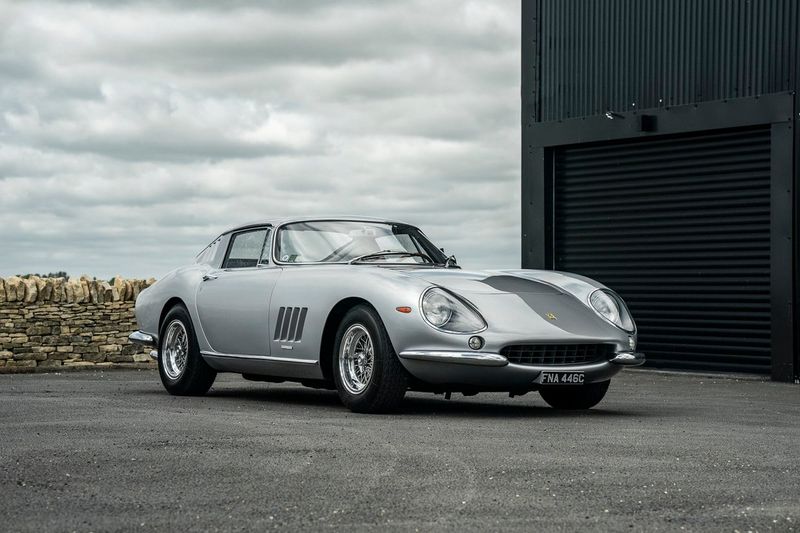
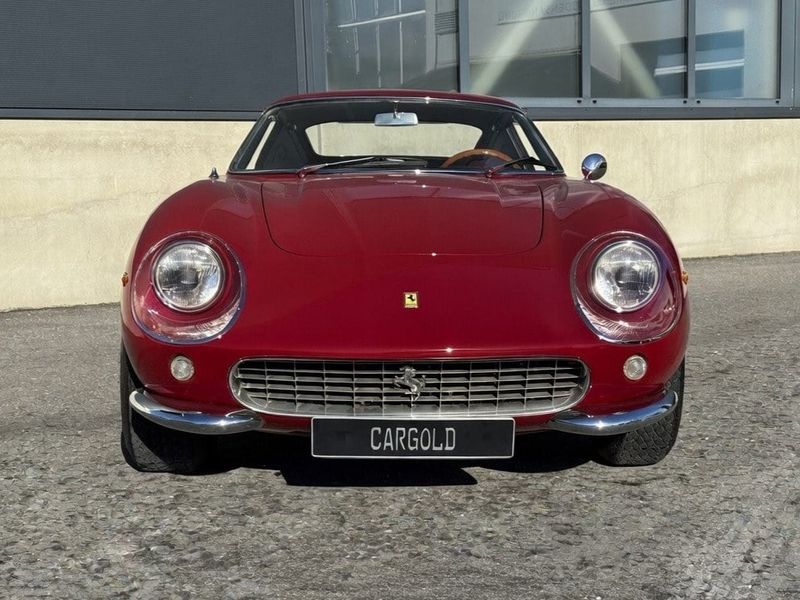
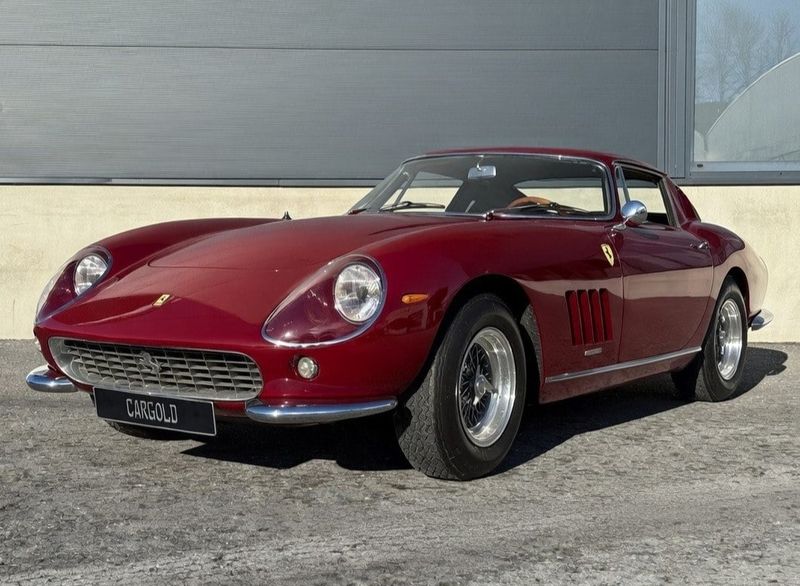
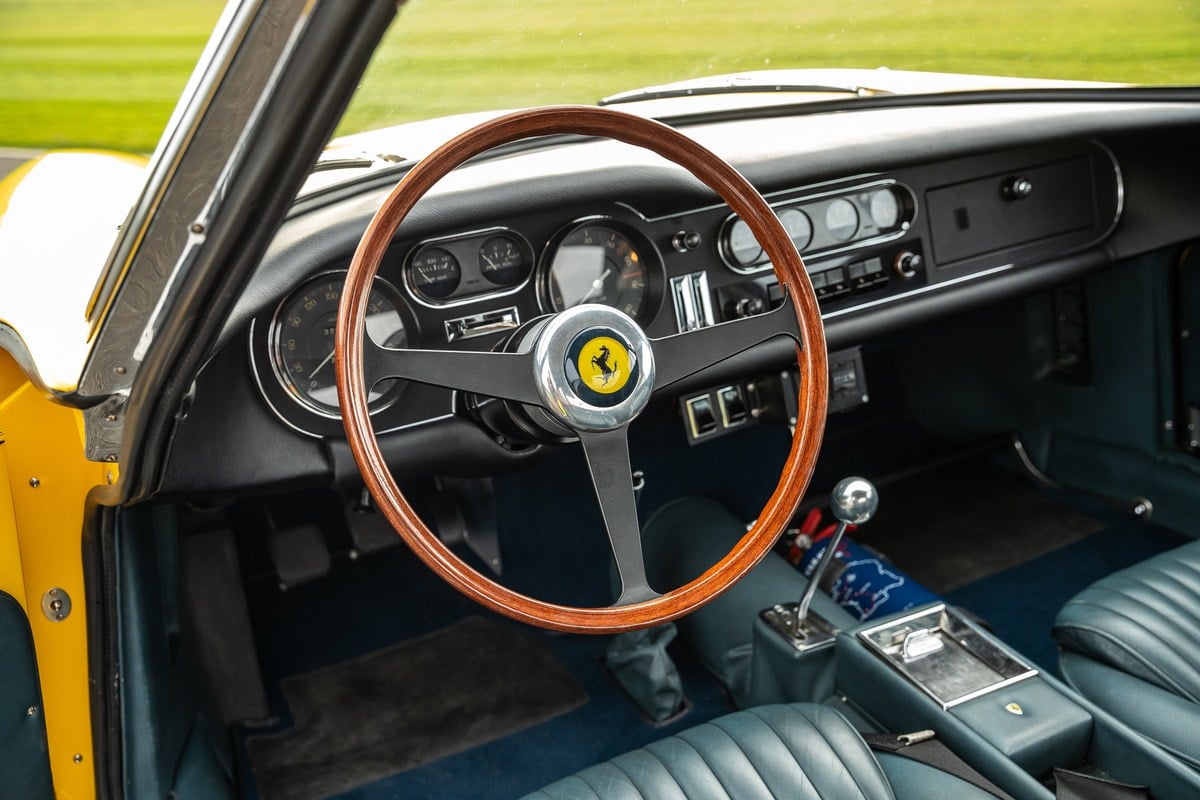
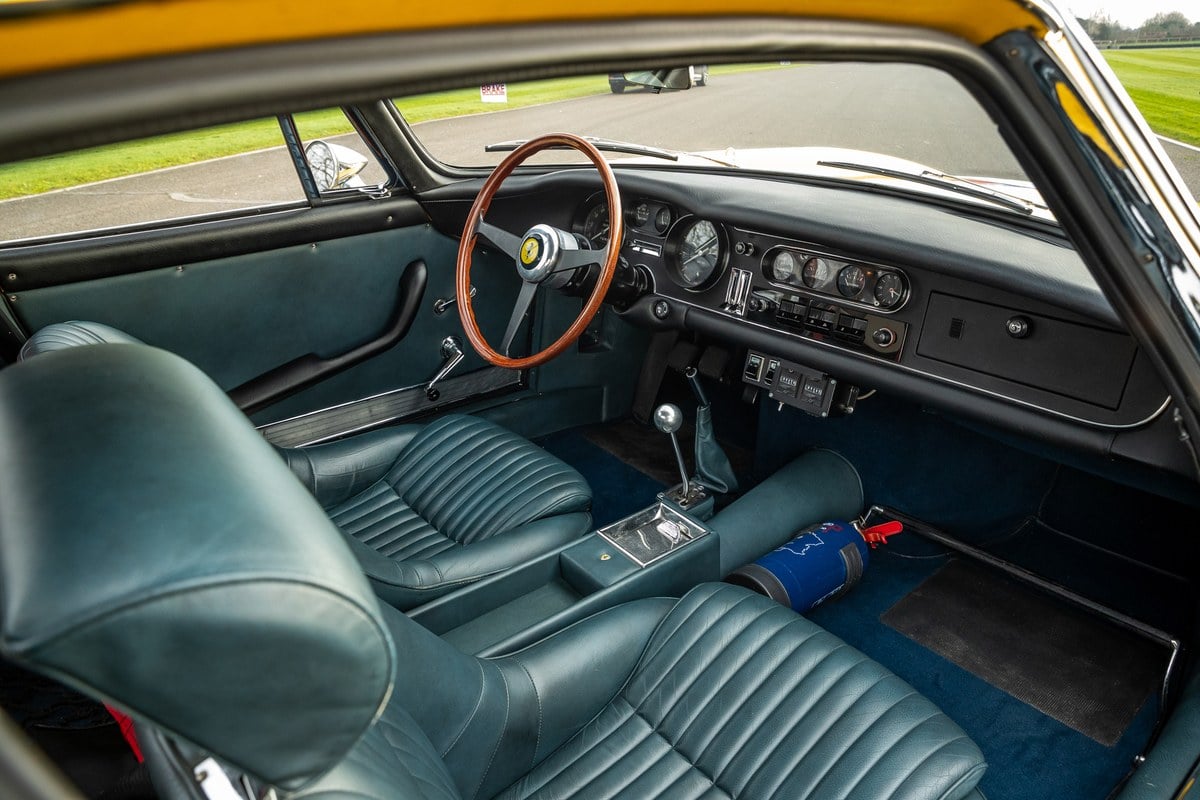
Pininfarina's design for the 275 GTB was classic Ferrari: a long bonnet, rearward cabin, truncated tail and fastback roofline. Covered headlights, aggressive air intakes and sculptured flanks all combined purposeful intent and aerodynamic performance. Pininfarina's GTS Spider had a shorter bonnet and uncovered headlights, while both models had interiors that prioritised driver focus over luxury, even by Sixties standards. Simple instrumentation and a thin-rimmed steering wheel were unglamorous but highly functional.
Generation Timeline
275 GTB / 275 GTS (1964–1966)
Original two-cam variants featuring the Tipo 213 V12. The GTB was built as either Series I "short-nose" (236 examples) or Series II "long-nose" (206 examples). The GTS featured distinct Pininfarina Spider bodywork across 200 examples, while competition variants including GTB/C Speciale and GTB/C totalled approximately 16 vehicles.
275 GTB/4 (1966–1968)
The four-cam variant featured a Tipo 226 V12 producing 300 bhp, and can be distinguished by its bonnet bulge with improved cooling. A total of 330 examples were produced.
Safety
The 275 is a fast car even by today’s standards, and Dunlop disc brakes at all four corners were intended to provide stopping power commensurate with the car's ability to vault past 160 mph. Even at the time, though, road testers reported the brakes felt undersized for the car’s performance, especially as they lacked ventilation. The independent suspension delivered predictable handling dynamics, while the ladder-frame chassis construction provided some structural integrity. The transaxle layout and improved weight distribution also enhanced the 275’s handling balance, reducing the tail-happy characteristics that plagued earlier live-axle Ferraris.
Pros and Cons
Pros:
First production Ferrari with independent rear suspension and transaxle
Genuine 160 mph performance alongside elegant grand touring character
Competition-derived engineering with proven racing credibility
Pininfarina design represents the pinnacle of 1960s car design
Cons:
Complex mechanical specification demands specialist maintenance
Annual running costs easily run to £10,000–£15,000 for active use
Parts availability is limited and many components require specialist fabrication
Early Series I cars exhibit vibration and noise issues
FAQs
Is the Ferrari 275 suitable for regular use?
The 275 can serve as a fair-weather touring car for enthusiasts who are comfortable with 1960s refinement levels, and prepared for the attention these cars attract. However, period ergonomics, noise levels and lack of modern conveniences make this an impractical car day to day. On top of this, the seven-figure value of most 275s demands secure storage, comprehensive insurance and an understanding that even minor incidents will incur substantial repair costs.
What are typical running costs?
Ferrari 275 ownership demands substantial ongoing investment, with annual servicing through Ferrari specialists alone typically costing £3,000-£5,000 for routine maintenance. Major services can reach five figures. Engine rebuilds range from £25,000 to £40,000 depending on their specification and what’s discovered during strip-down. As such, you should budget £10,000-£15,000 each year for moderate use of a 275, or double these sums if you’re planning to drive it hard.
Are parts available for the Ferrari 275?
Mechanical components (engine internals, suspension parts and brake systems) remain available through Ferrari specialists and dedicated 275 suppliers, but body panels tend to prove more difficult. Reproduction items exist for common damage areas, but many panels require sourcing from donor cars or custom fabrication. Trim, glass, and interior components tend to demand patient searching, with original items commanding substantial premiums over reproduction alternatives.
How do the 275 GTB and 275 GTB/4 compare?
The choice between two-cam GTB and four-cam GTB/4 centres on whether you want originality or ultimate performance. The GTB (particularly Series II "long-nose") represents the original vision with a simpler mechanical specification, whereas the GTB/4 offers enhanced performance, greater refinement and more rarity. The four-cam engine's complexity (particularly the dry-sump lubrication system) increases maintenance requirements as it requires specialist knowledge for servicing.
What should I know about aluminium versus steel bodywork?
Approximately 72 GTBs were constructed with lightweight all-aluminium bodywork as an extra-cost factory option, weighing 150kg less than steel-bodied examples with benefits for both performance and handling. Authentic aluminium bodywork exhibits telltales including visible gaps between the B-pillar and roof panel, denoting separate panel construction.
Values for genuine aluminium-bodied examples command premiums of 20-30 per cent over steel-bodied cars, but beware: some steel cars received aluminium bonnets, doors and bootlids, creating "semi-alloy" specifications that don't warrant full aluminium-car premiums. Try to get a professional inspection by a recognised Ferrari specialist to establish authenticity before making a seven-figure investment on an ‘aluminium’ 275.