Ferrari 360: Models and Specs
1999–2005 • Mid-engined V8 sports car • Rear-wheel drive • 3.6-litre naturally aspirated V8 • Manual or F1 transmission
Overview
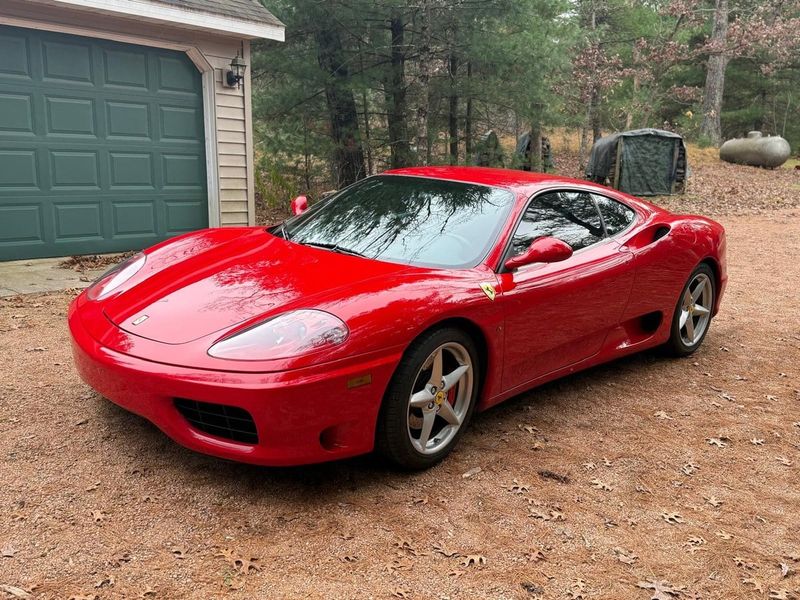
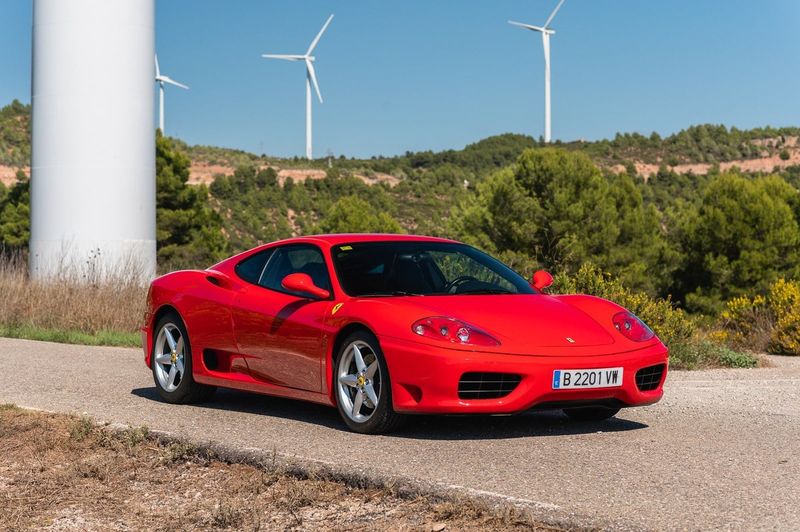
The Ferrari 360 is something of a time capsule in terms of supercar development. Introduced in 1999 as the successor to the 355, it marked a shift away from the fins-and-vents design of previous Ferraris. A sleeker and more aerodynamic skin was draped over an all-new aluminium spaceframe chassis. The end result was lighter, stiffer and more spacious than its predecessor, eventually expanding into a range with three distinct variants: * 360 Modena (coupé) * 360 Spider (convertible) * 360 Challenge Stradale (a lightweight performance derivative often known as CS) The 360 was a standalone model spanning a single generation, replacing the 355 and in turn replaced by the 430. From a buyer’s perspective, the 360 balances usability and performance, though it’s still a mid-engined Ferrari with rigorous maintenance requirements. Service history, timing belt intervals, clutch condition (on F1 cars) and accident repair quality matter more than mileage, age or which variant you’d ideally like.
C&C Expertise
Ferrari 360s are increasingly sought-after as ‘90s and early 2000s supercars come firmly back into fashion. The 360 is light, well-balanced and blessed with a naturally aspirated V8 that still delivers a wonderfully analogue driving experience. When buying, look for full service history and check for signs of hard use - track days can leave hidden wear on suspension, clutches and exhaust manifolds. Spiders need extra attention to the roof mechanisms and interior condition, while F1 cars should be checked carefully for gearbox and clutch wear. A well-sorted 360 offers one of the purest and most rewarding Ferrari experiences of its era.
Price
- Starting price
- 8.000 €
- Average price
- 73.916 €
- Price range
- 8.000 € - 599.995 €
Specifications
- Manufacturer
- Ferrari
- Production Years
- 1999–2005
- Vehicle Class
- Mid-engined sports car
- Body Styles
- 2-door coupé (Modena) • 2-door convertible (Spider)
- Layout & Drive
- Mid-engine, rear-wheel drive
Ferrari 360 in Detail
Ferrari’s first production aluminium spaceframe chassis delivered significantly improved rigidity while reducing weight compared to the outgoing steel platform. That, in tandem with the smoother and more integrated Pininfarina bodywork, ensured heroic performance from every 360.
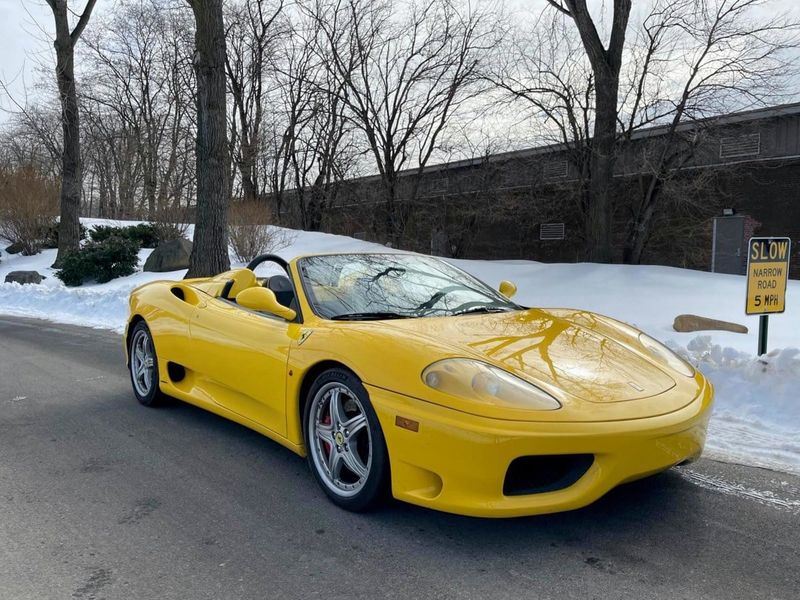
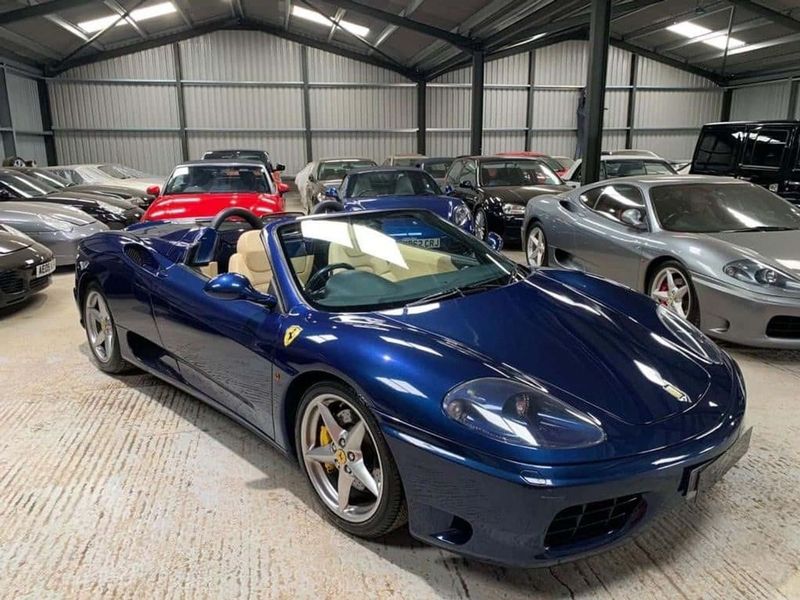
In 2000, Ferrari introduced the 360 Spider, with that aluminium platform maintaining stiffness levels without excessive weight gain - something previous open-top Ferraris had struggled with. Yet even the Spider resembled a modest feat of engineering compared to 2003’s Challenge Stradale. Inspired by Ferrari’s one-make Challenge race series, this no-nonsense model featured weight reduction measures, revised suspension calibration, F1 gearbox software and carbon-ceramic brakes.
Production concluded in 2005 when the 430 made its debut, moving the game on even further. The 360 sits at an important moment in Ferrari’s history, with enough modern safety features to be practical on today’s roads, yet analogue enough to retain mechanical engagement with the driver.
All Ferrari 360 variants share the same 3.6-litre V8 architecture, but their character and performance differ between models:
Variant | Power | Torque | 0–100 km/h | Top Speed |
360 Modena | 395 bhp | 373 Nm | 4.5 sec | 295 km/h |
360 Spider | 395 bhp | 373 Nm | 4.6 sec | 290 km/h |
360 Challenge Stradale | 425 bhp | 373 Nm | 4.1 sec | 300 km/h |
Buyer note: Manual cars are rarer and increasingly sought after nowadays, since F1 transmissions dominate the market despite requiring careful clutch and actuator inspection.
Although all Ferrari 360 variants share the same core aluminium spaceframe, there are some differences between coupé, Spider and Challenge Stradale models.
Variant | Length | Width | Height | Wheelbase | Kerb Weight |
360 Modena | 4,477 mm | 1,922 mm | 1,214 mm | 2,600 mm | 1,290 kg |
360 Spider | 4,477 mm | 1,922 mm | 1,234 mm | 2,600 mm | 1,350 kg |
360 Challenge Stradale | 4,477 mm | 1,922 mm | 1,214 mm | 2,600 mm | 1,280 kg |
The Spider is slightly taller and heavier due to its reinforced structure and folding roof mechanism, whereas the Challenge Stradale sheds the pounds courtesy of reduced sound insulation, carbon components and thinner materials.
On UK roads, the 360 feels relatively compact compared to later Ferrari V8 models. Visibility is good for a mid-engined car, particularly in the Modena. The Spider tends to retain its original structural integrity well, though buyers should be aware that scuttle shake can appear in tired examples. If a car feels unsettled or inconsistent at speed, check for suspension wear, bush condition and alignment rather than assuming it’s inherent to the design.
The Ferrari 360 marked a major engineering shift for Ferrari. Its aluminium spaceframe chassis was significantly lighter and stiffer than the outgoing 355’s steel structure. The 3.6-litre V8 produces its power high in the rev range, encouraging drivers to keep their foot welded to the floor. The Challenge Stradale turned everything up to 11 with a firmer suspension calibration, quicker steering response, less sound insulation, and optional carbon-ceramic brakes.
The 360’s aluminium construction reduces traditional rust concerns, but accident repair quality is critically important. Inspect panel alignment at the front bumper and rear quarter panels for evidence of previous collision repairs, overspray inside wheel arches or two factors very familiar to 360s - underside scraping and stone chips along the nose and side skirts.
On Spider models, inspect the roof operation to ensure it operates smoothly and evenly. CS versions may well have visited a racetrack at some point in their lifetime, which makes thorough suspension and brake inspections essential.
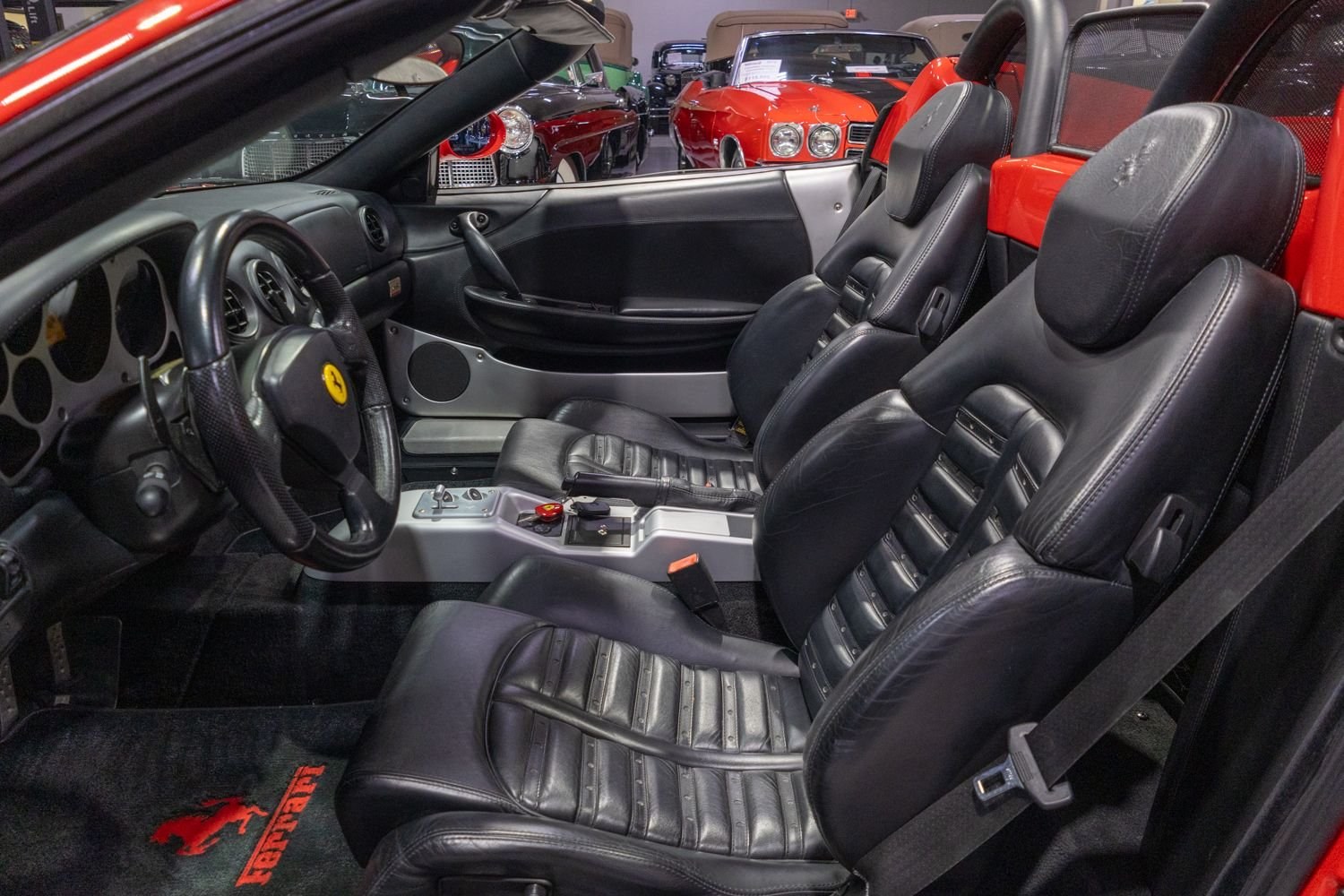
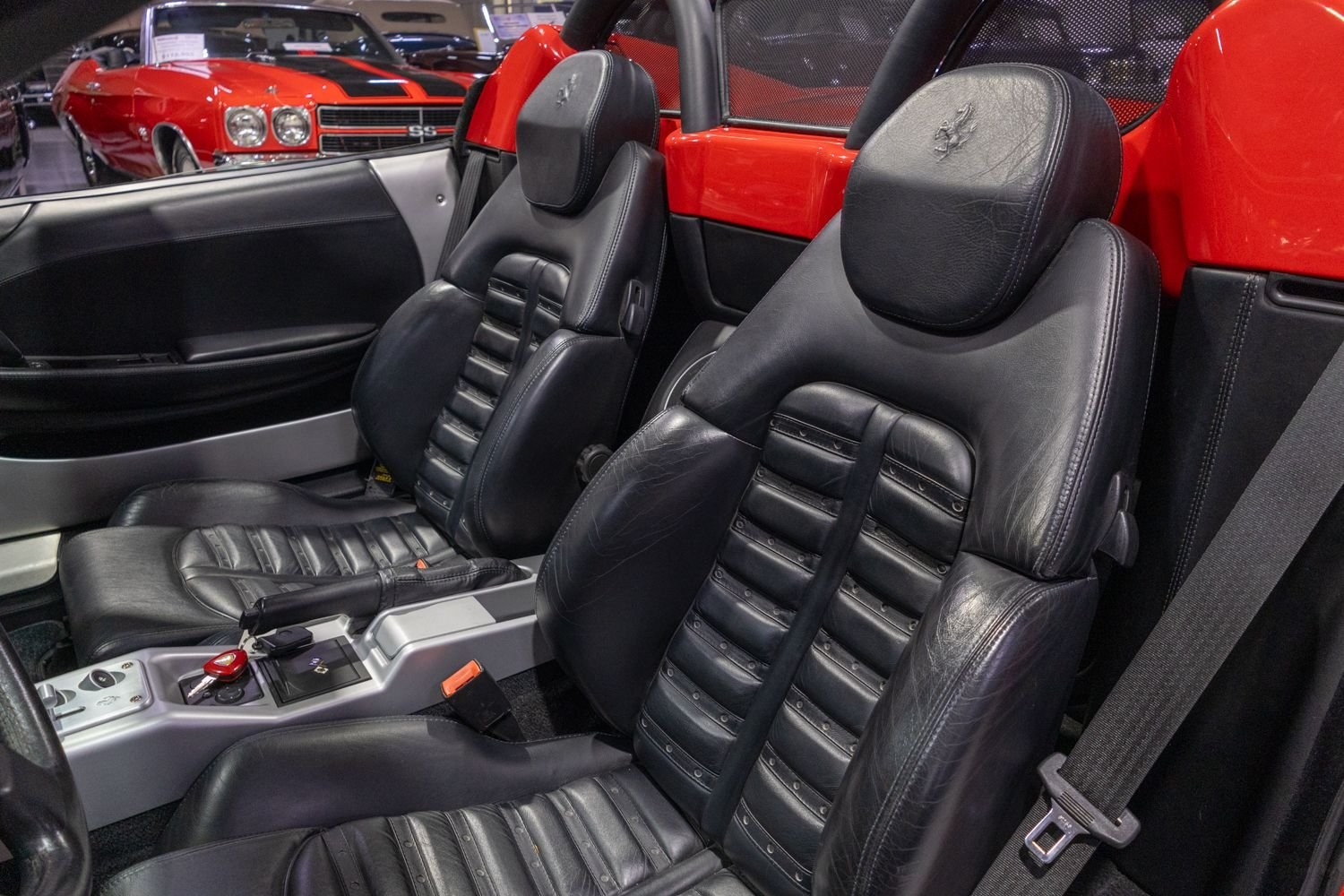
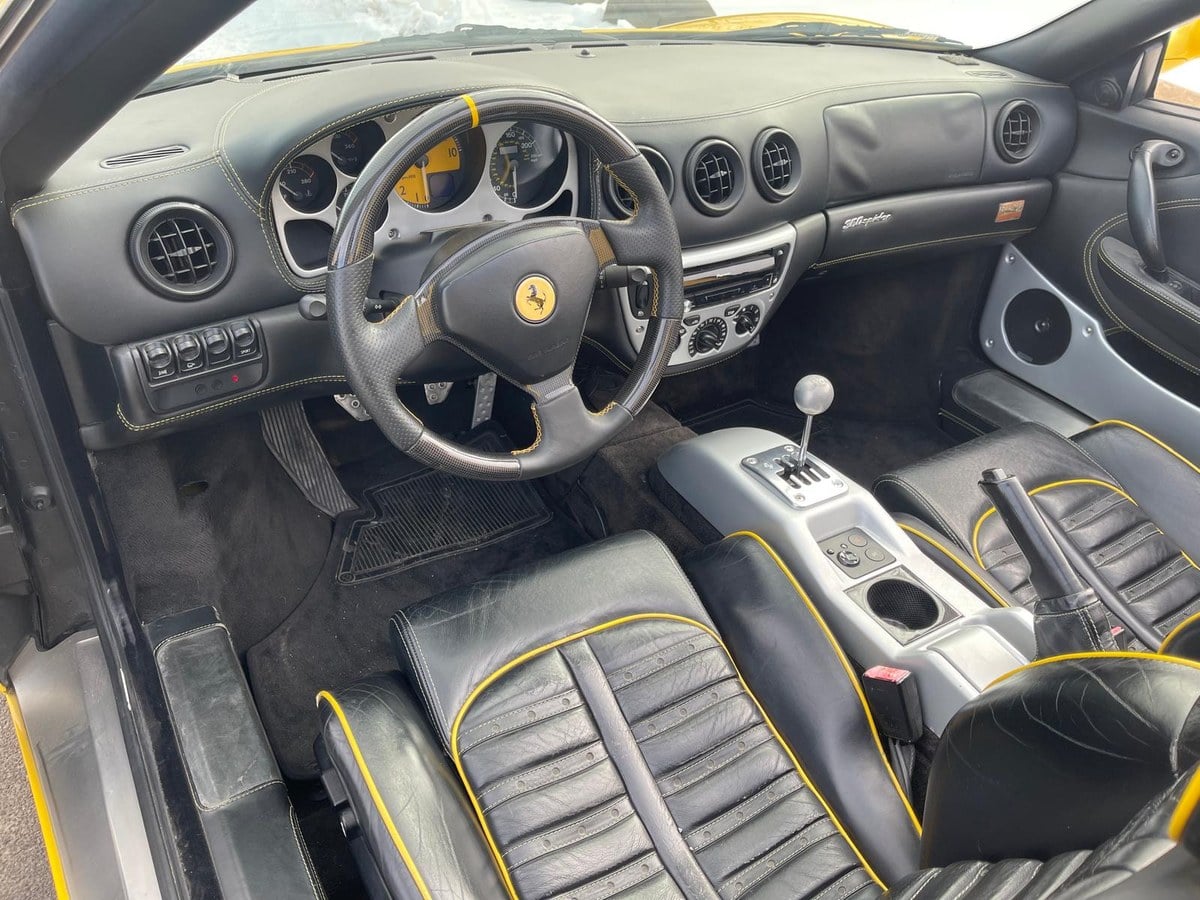
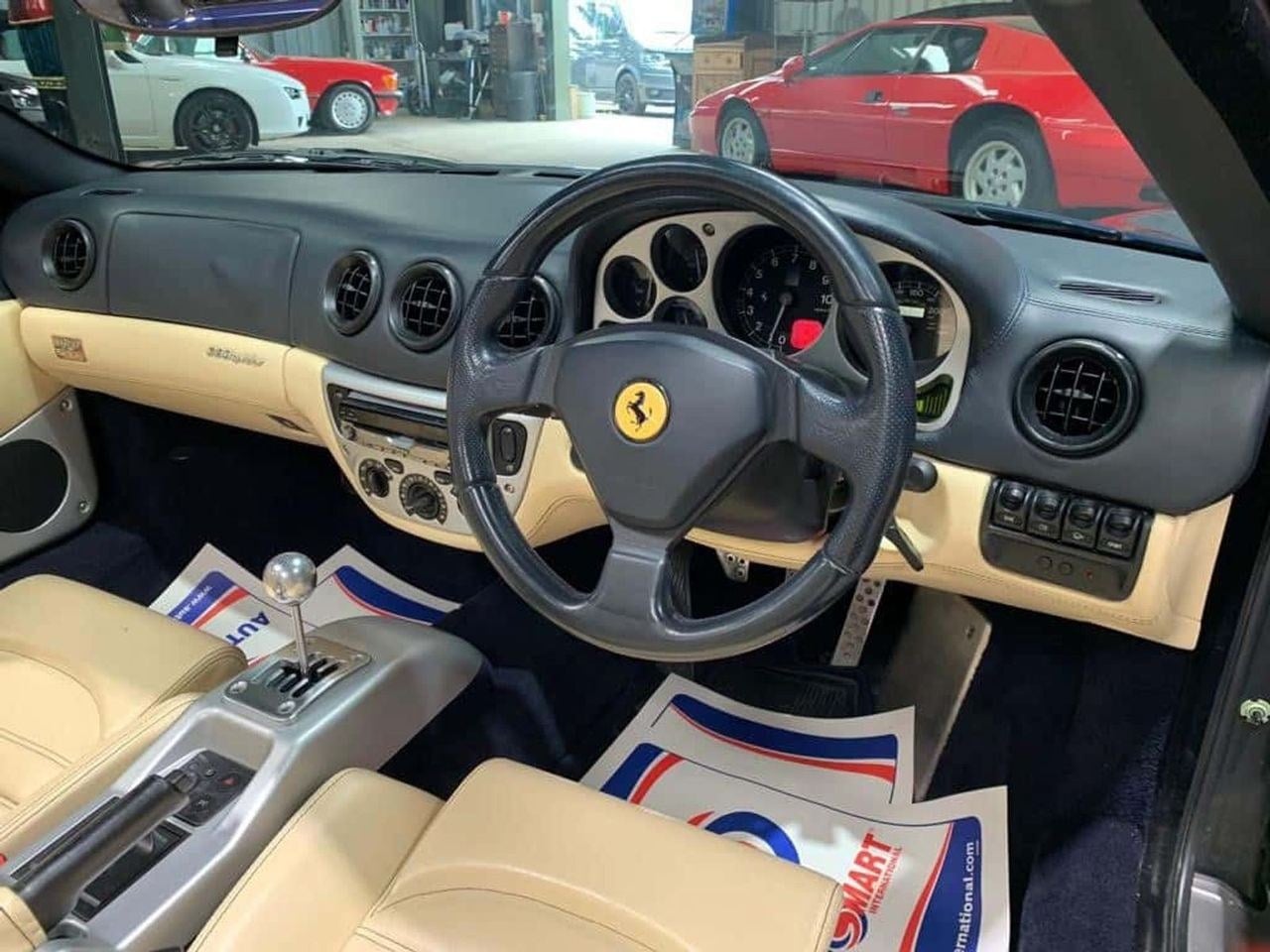
The Ferrari 360 interior is more modern than its predecessors, though it still suffers from a number of known issues, not least sticky interior plastics. Leather trim could have shrunk over time, while switchgear functionality and (on Spider models) the condition of the roof lining and rear window clarity are crucial.
If you’re in the market for a Challenge Stradale, expect a sparser interior with carbon trim and reduced sound insulation. These cars feel noisy and less comfortable because they are.
The Ferrari 360 hosted plenty of modern safety equipment compared to earlier Ferrari V8s. Buyers benefitted from twin airbags, ABS, traction control and electronic brakeforce distribution, though early models lacked the more advanced stability systems added towards the end of the production run.
Braking performance should always feel strong and progressive. On steel-disc cars, check for vibration or uneven wear; carbon-ceramic brakes are costly to replace, so verify disc condition on Challenge Stradale models. Don’t ignore ABS errors, airbag warning lights or traction control fault notifications.
A Ferrari 360 should feel tight, clean and mechanically cohesive. If it feels hesitant or inconsistent, increase your maintenance budget accordingly.
Service History
Timing belt intervals are critical. Early cars required engine-out servicing, which became easier in later years, but don’t accept complexity as an excuse for inconsistent servicing. This should ideally have been carried out by a recognised Ferrari specialist, with evidence of major services, not just stamps. In truth, gaps in history are a bigger concern than mileage.
F1 Transmission
This was the most popular transmission on most UK cars, so check for clutch wear via diagnostics and expect replacement every 15–30,000 miles, depending on use. Jerky low-speed behaviour may indicate wear or poor calibration; a healthy F1 car will change gear cleanly and progressively.
Manual cars are rarer and increasingly sought after, not least since they’re easier to work on. Even so, synchro condition and clutch feel remain key.
Mechanical Components
Cracked manifolds are common on early cars and can be identified by a ticking sound after a cold start. In terms of suspension and steering feel, look for wandering at speed, brake instability or excessive front-end vibration. These could point to worn bushes, ball joints or geometry issues.
Front radiators can corrode internally or accumulate debris, so ensure the car has a stable operating temperature, with no warning lights or signs of radiator replacement.
Ferrari 360 for Sale
The Ferrari 360 was produced as a single generation from 1999 to 2005, with three principal variants. To sum up their differences in one sentence, the Modena is the purest expression of the platform, the Spider trades a touch of rigidity for open-air theatre, and the Challenge Stradale feels more immediate and less forgiving.
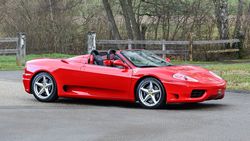
Price trends
Letzter Verkauf
64.895 £
2002 Ferrari 360 Spider

Derzeit zum Verkauf
56
1 Live-Auktion
55 Anzeigen


Verkauft
121
Höchster Verkaufspreis
599.995 €
Durchschnittlicher Preis
73.916 €
Niedrigster Preis
8.000 €
FAQs
With proper servicing, it can be, but disciplined maintenance is essential. Skipping timing belt services or ignoring clutch wear tends to incur significant expense further down the line.
Manual cars are rarer, making them increasingly desirable. F1 cars offer quicker shifts but require more careful inspection of clutch life and hydraulic components.
It offers sharper dynamics and rarity, albeit at the expense of being less forgiving and more focused. It tends to appeal to drivers prioritising engagement over comfort.
It is, thanks to being compact enough for UK roads and more comfortable than earlier Ferrari V8s, though this is still a low and powerful sports car which requires careful driving.