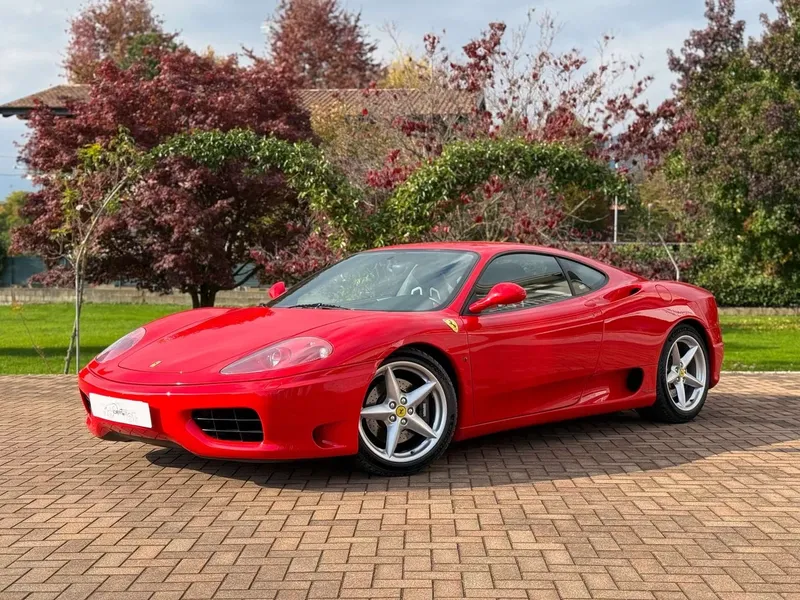
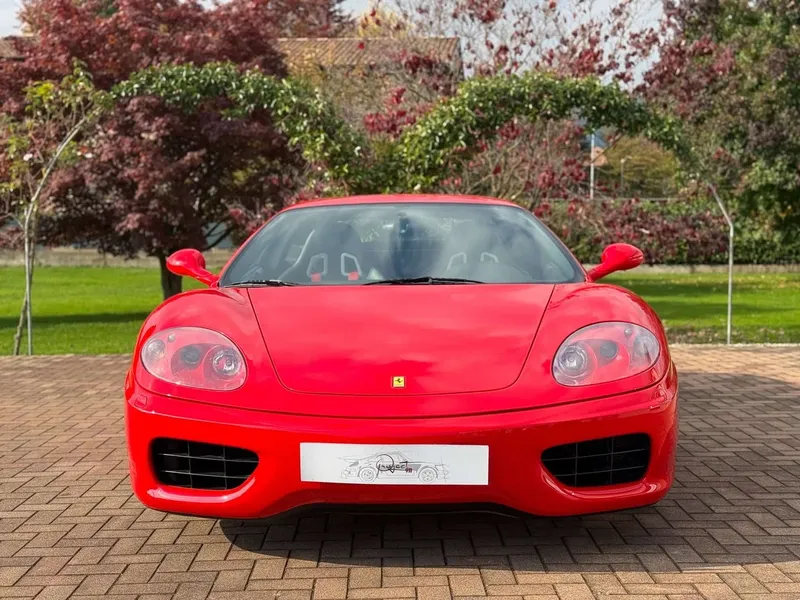
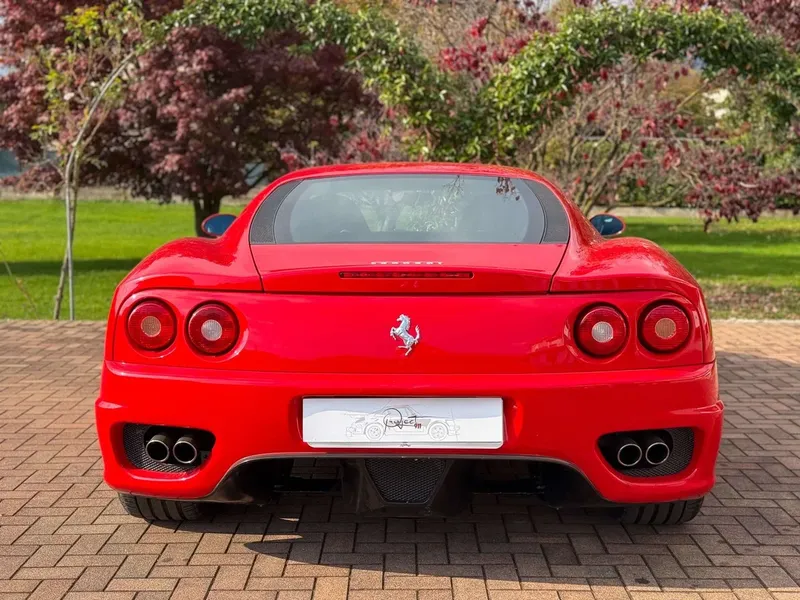
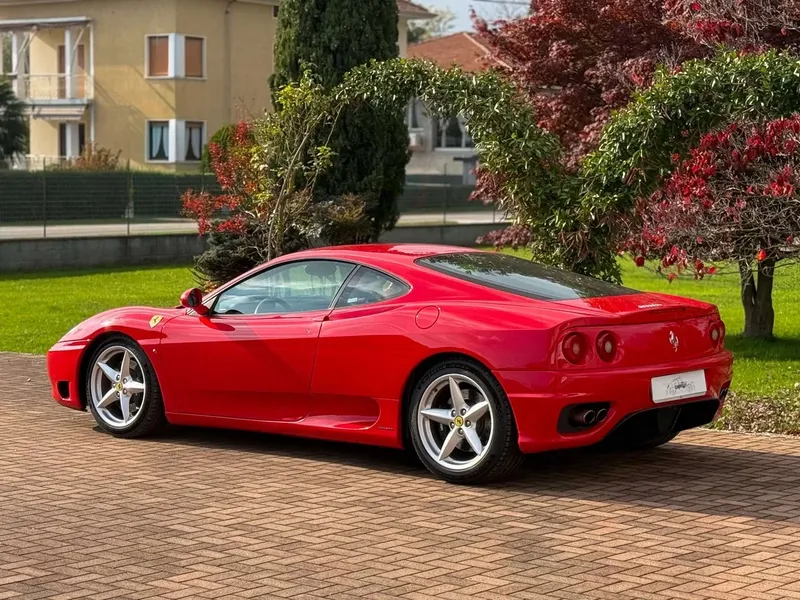
Ferrari 360 Modena: Models and Specs
1999–2004 · 3.6-litre V8 · 400 PS · Mid-engine, RWD · 0–100 km/h in 4.5 sec ·
Overview
Named after Enzo Ferrari's birthplace, the Ferrari 360 Modena is the coupé foundation of the 360 family. It debuted at the 1999 Geneva Motor Show as Ferrari's first all-aluminium production car, introducing a monocoque that was 40 per cent stiffer than the outgoing F355 despite being substantially lighter. It was also the first Ferrari road car to feature a drive-by-wire throttle, creating a naturally aspirated, high-revving coupé that remains the most driver-focused entry point into the 360 family. **Why This Variant vs Others** The Modena is the driver's choice within the 360 range. A fixed roof provides greater torsional rigidity than the Spider, and unlike the Challenge Stradale, it retains full interior comfort and daily usability without sacrificing the core driving experience. The Spider trades structural rigidity for open-top motoring and carries an 80 kg weight penalty; the Challenge Stradale adds track-focused performance but deletes comfort equipment and commands a substantially higher price premium. **Target Audience** Enthusiast drivers seeking a usable, high-revving Italian V8 coupé, or buyers for whom the manual gearbox experience is a priority (only 469 manual Modenas were produced).
Price
- Starting price
- $38,000
- Average price
- $75,290
- Price range
- $38,000 - $842,709
Specifications
- Engine
- 3.6-litre naturally aspirated V8
- Layout
- Mid-rear, rear-wheel drive
- Fuel Feed
- Bosch Motronic electronic injection
- Length
- 4,477 mm
- Width
- 1,922 mm
Ferrari 360 Modena in Detail
History
The Modena's all-aluminium monocoque represented a fundamental departure from the F355's steel chassis, and it made the 360 lighter and significantly stiffer. The front and rear suspension used double wishbones with coil springs and adaptive electronic dampers as standard.
Compared to the Spider, the Modena's fixed roof delivered greater torsional rigidity, which translates to a more precise and better-communicating front end on the road. The Spider required additional chassis bracing to offset the loss of the roof structure, contributing to an 80 kg weight increase and slightly softer overall feel. Against the Challenge Stradale, the Modena rides on standard adaptive dampers rather than the CS's recalibrated sport suspension, and retains full sound insulation. The raw, unfiltered V8 soundtrack that defines the Challenge Stradale comes at the cost of daily comfort.
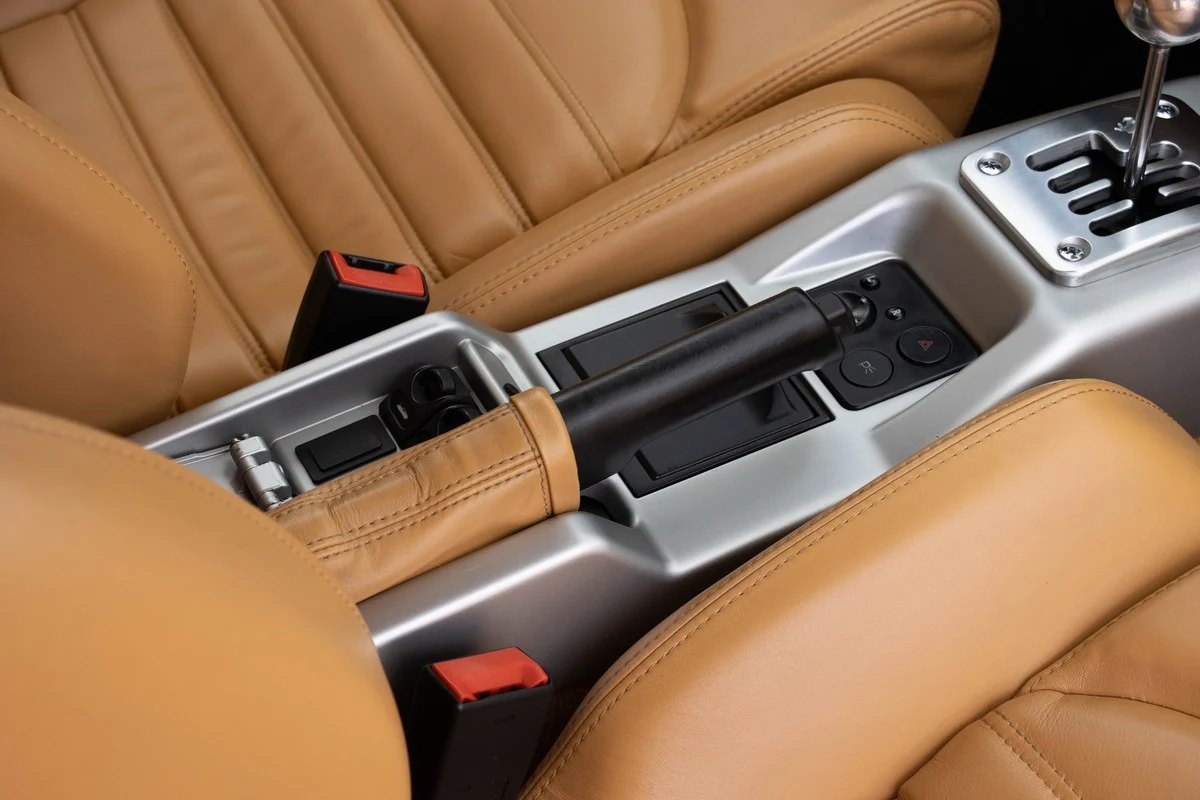
The gated aluminium gearlever on manual cars is considered by enthusiasts to be one of the defining sensory experiences of the 360, but only 469 Modena coupés were delivered in this configuration. The F1 gearbox is a single-clutch automated manual rather than a modern dual-clutch, and its wear rate is a known ownership consideration, particularly in traffic.
Specifications & Performance
Variant | Ferrari 360 Modena |
Engine Code | F131 |
Displacement | 3,586 cc |
Compression Ratio | 11:1 |
Maximum Power | 395 bh |
Maximum Torque | 275 lb ft |
Power per Litre | 112 PS/litre |
Redline | 8,500 rpm |
0–100 km/h | 4.5 seconds |
0–60 mph | 4.3 seconds |
Top Speed | 183+ mph |
Gearbox | 6-speed manual; F1 automated single-clutch |
Factory Weight (dry) | 1,270 kg |
Brakes | Brembo 330 mm steel discs front and rear |
The 360 Modena's 3.6-litre flat-plane V8 uses titanium connecting rods and five valves per cylinder to prioritise high-rpm power delivery over low-end torque. The drive-by-wire throttle, making its debut on a production Ferrari, was engineered to complement the F1 paddle-shift system, enabling quicker and smoother sequential gearchanges than the F355's earlier implementation. The 0–100 km/h improvement over the F355 (4.5 sec vs 4.7 sec) was achieved through the aluminium platform's weight reduction combined with improved airflow and revised engine management.
Exterior
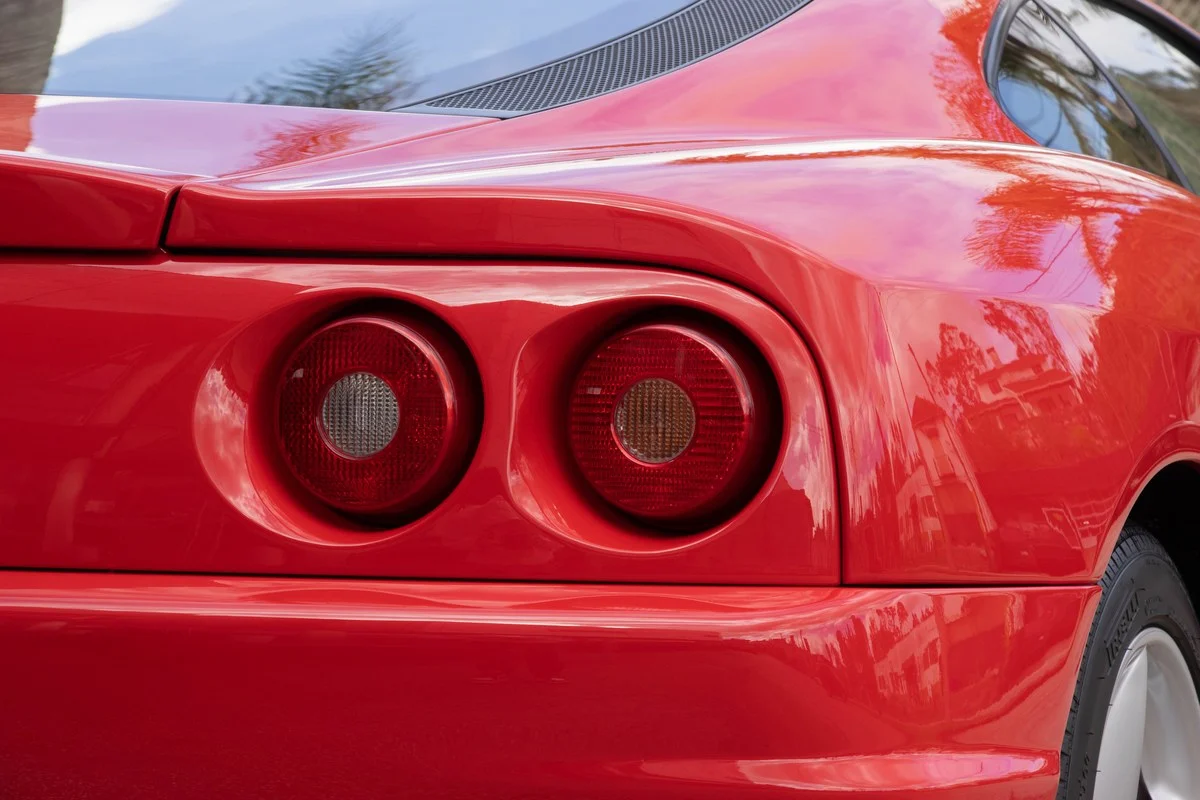
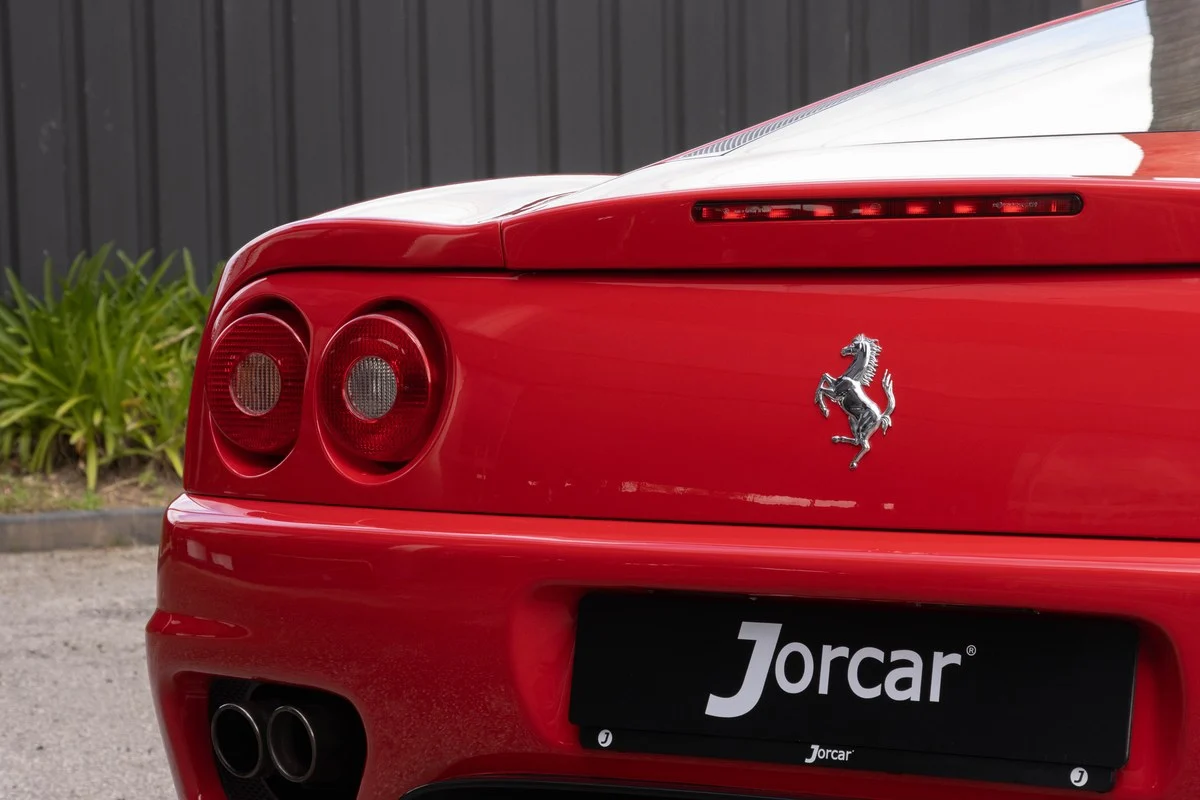
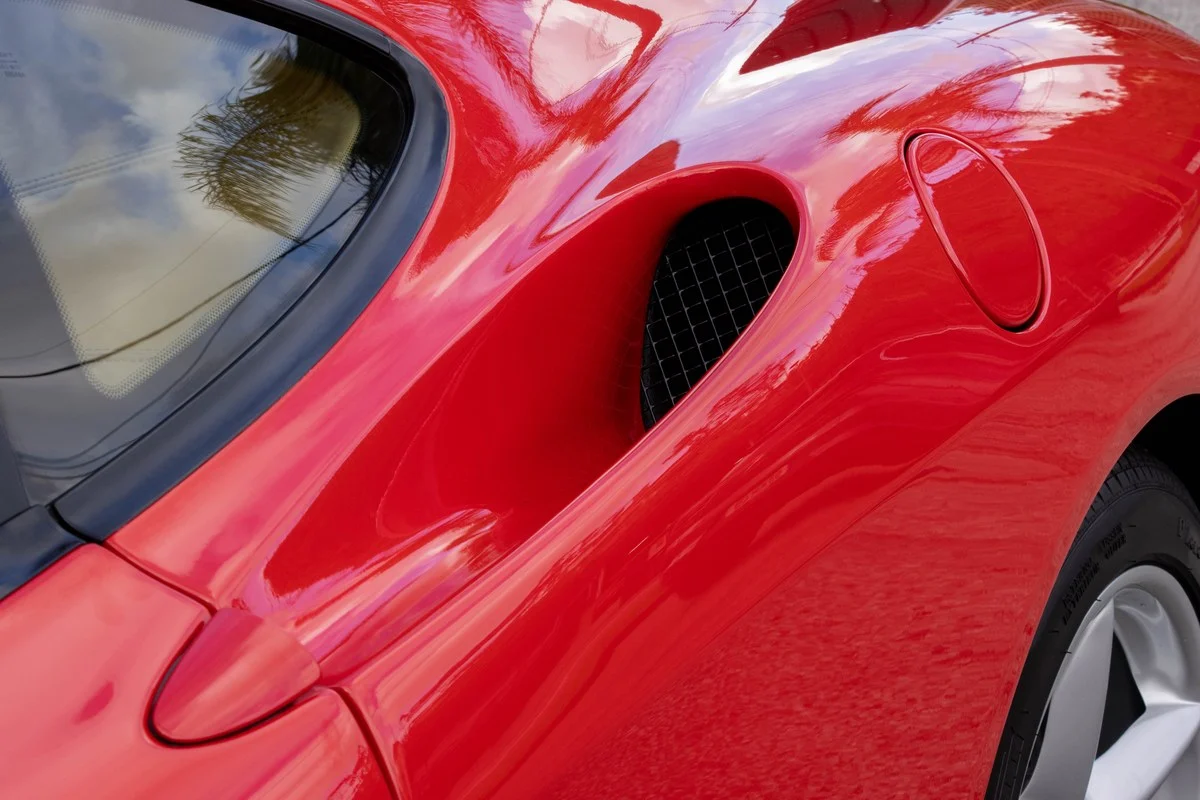
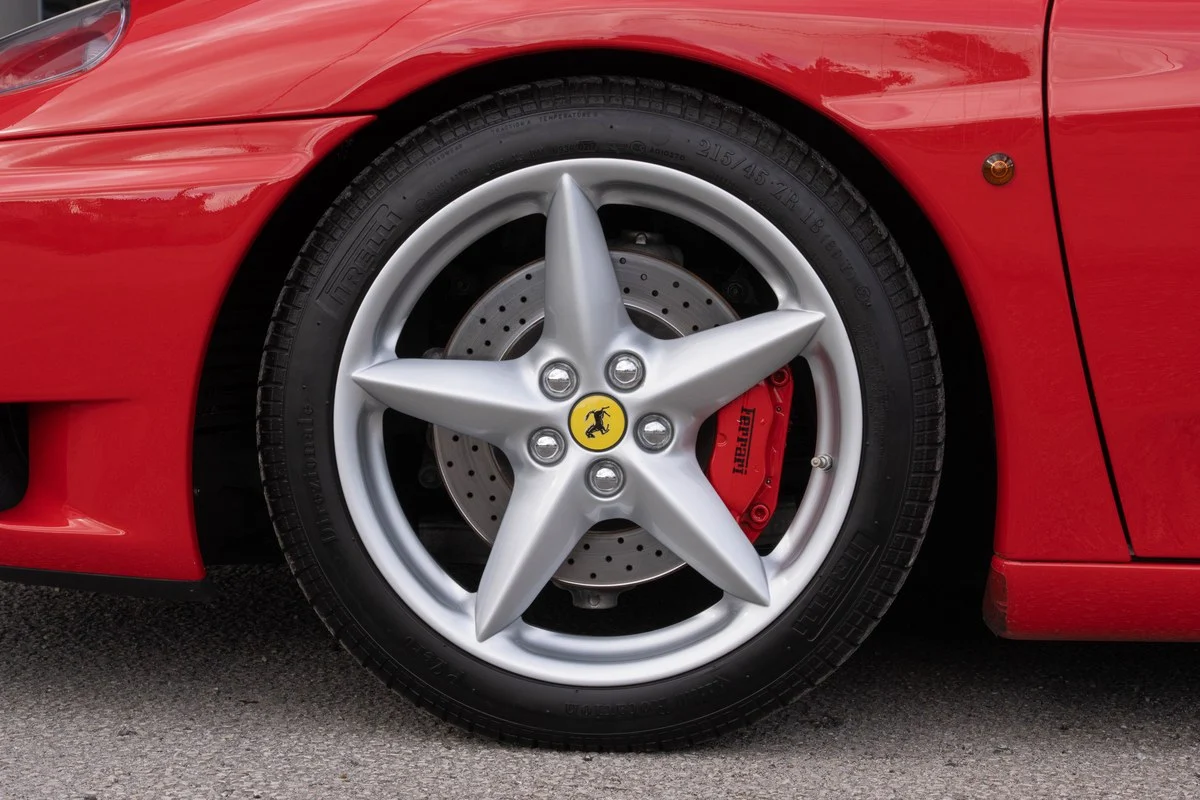
The Modena's exterior is distinguished from the Spider by its fixed flying buttress roof design, while the standard Modena sits 20 mm lower than the Spider. The mesh engine cover replacing the standard clear cover was a factory option and remains a desirable fitment on Modenas, including the Challenge Stradale.
Interior
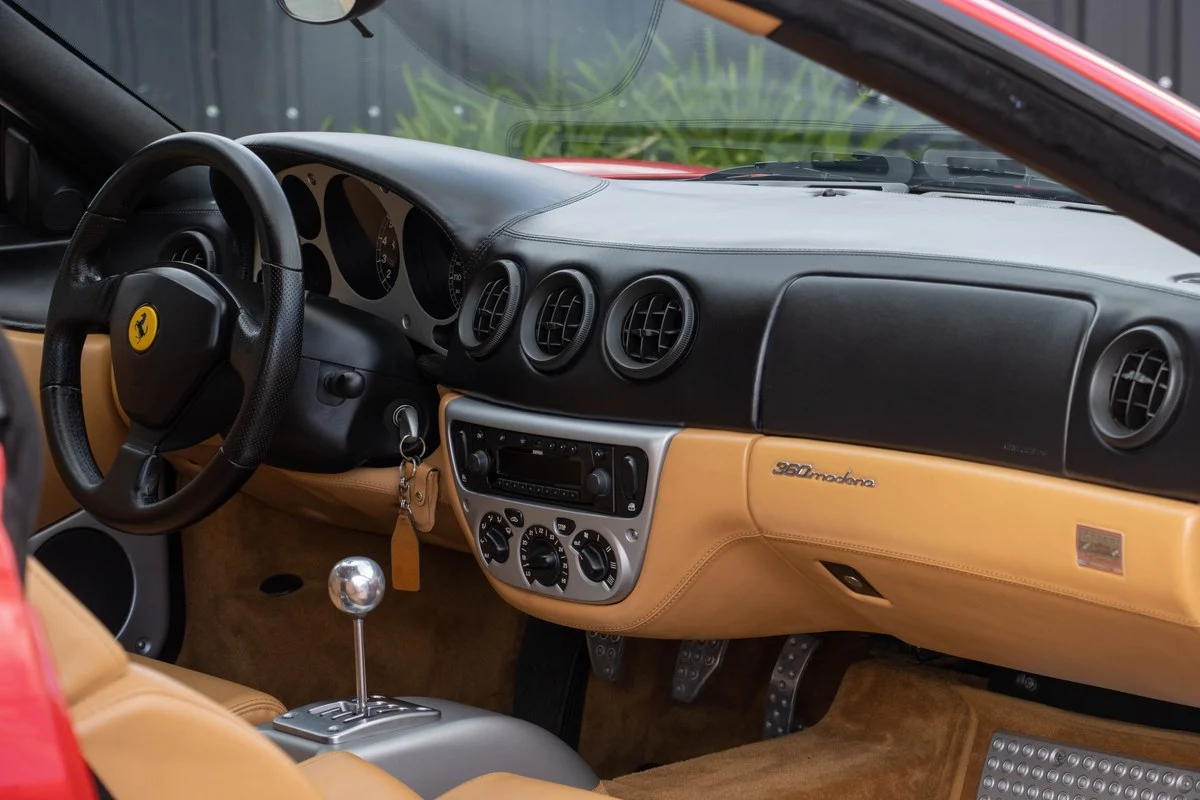
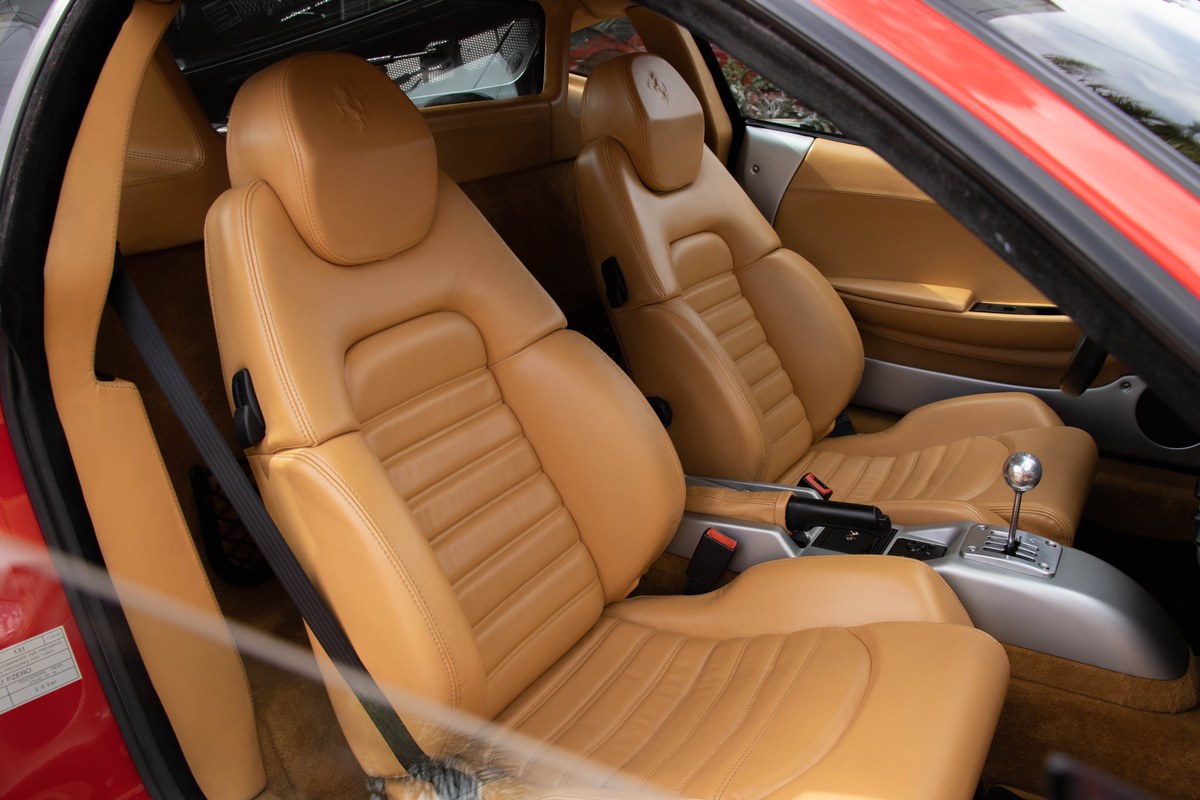
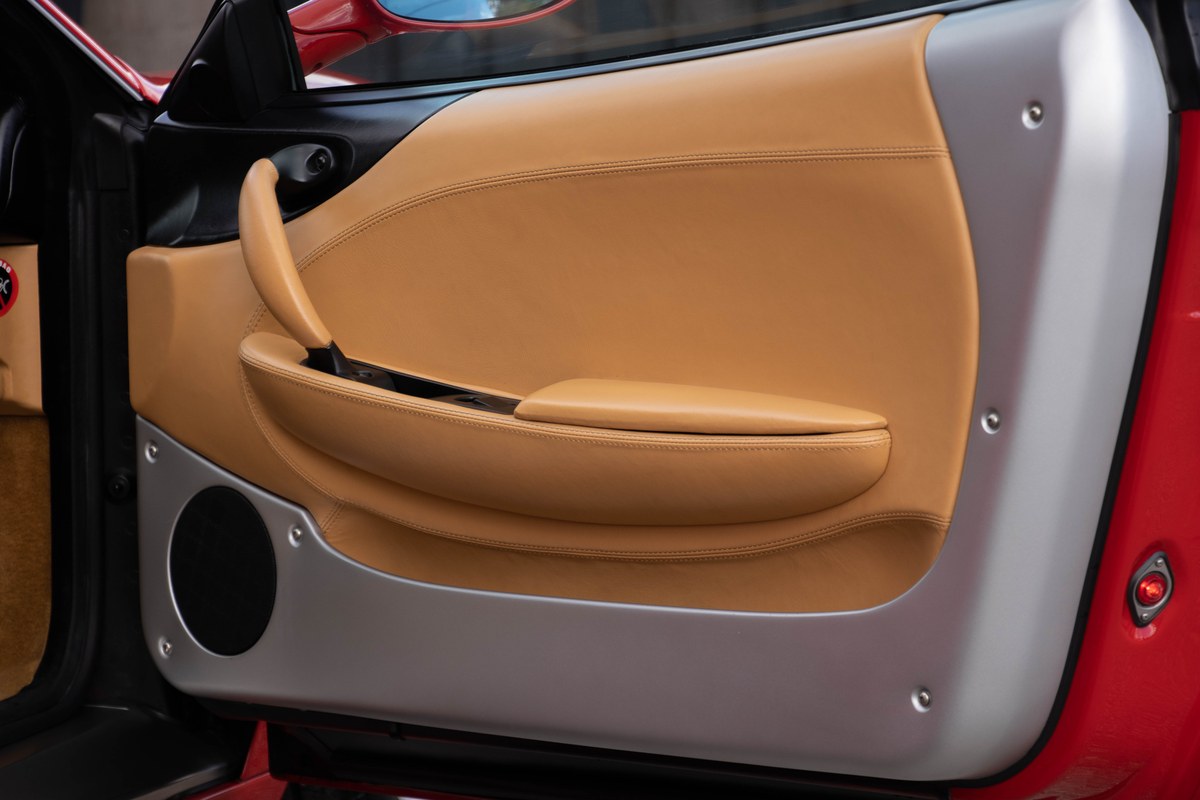
The Modena retains full sound insulation, leather seating and air-conditioning as standard. The instrument cluster centres on a 10,000 rpm rev counter with a 340 km/h speedometer to the right, while a trio of oil/water temperature and oil pressure gauges sit to the left. Behind the seats is a usable luggage shelf. The Challenge Stradale deleted sound insulation, replaced leather with Alcantara carbon racing seats and removed non-essential weight-saving trim.
Safety
The 360 Modena's safety equipment mirrors the baseline 360 specification, so twin airbags and ABS are standard fitments. The Modena has no variant-specific safety additions over the base 360. The Challenge Stradale, by contrast, was factory-optioned with a roll cage and harness points for track use.
Why Choose the 360 Modena
The 360 Modena is the coupé for buyers who want the structural integrity of a fixed roof, the full comfort of a production interior and access to the gated manual gearbox. It’s the structural and experiential reference point for the entire 360 range, being lighter than the Spider and more comfortable than the Challenge Stradale.
Price trends
Most recent sale
£39,950
1999 Ferrari 360 Modena

Currently for sale
29
0 live auctions
29 adverts


Total sold
88
Highest sale price
€842,709
Average price
€75,290
Lowest price
€38,000
FAQs
Should I buy a Ferrari 360 Modena with a manual or F1 gearbox?
Only 469 Ferrari 360 Modenas were built with the gated 6-speed manual, making it a rare specification which commands a premium over equivalent F1 cars. The F1 automated gearbox is more practical in traffic but results in higher clutch wear costs. The manual is the best choice for driving purity.
What are the key differences between the Ferrari 360 Modena and the 360 Spider?
The Modena is a fixed-roof coupé, whereas the Spider is a convertible. The Spider weighs approximately 80 kg more due to the additional chassis bracing required to compensate for the absence of the roof structure, and it sits 20 mm taller. Both share identical engine output, drivetrain and brake specifications. The Modena's fixed roof provides greater torsional rigidity and a more precise driving feel, whereas the Spider attracts a small price premium due to its open-top appeal.
Is the Challenge Stradale’s extra performance worth the price premium?
The Challenge Stradale produces 425 PS versus the Modena's 400 PS, weighs approximately 110 kg less, generates 50 per cent more downforce and has carbon-ceramic brakes. For road use, the Modena's performance is broadly sufficient for most drivers, whereas the Challenge Stradale's stripped interior and stiffer suspension make it harder to live with daily.