Ferrari California: Models and Specs
2008–2017 · 4.3-litre V8/3.9-litre twin-turbo V8 · Front-mid engine, RWD · 2+2 retractable hardtop convertible
Overview
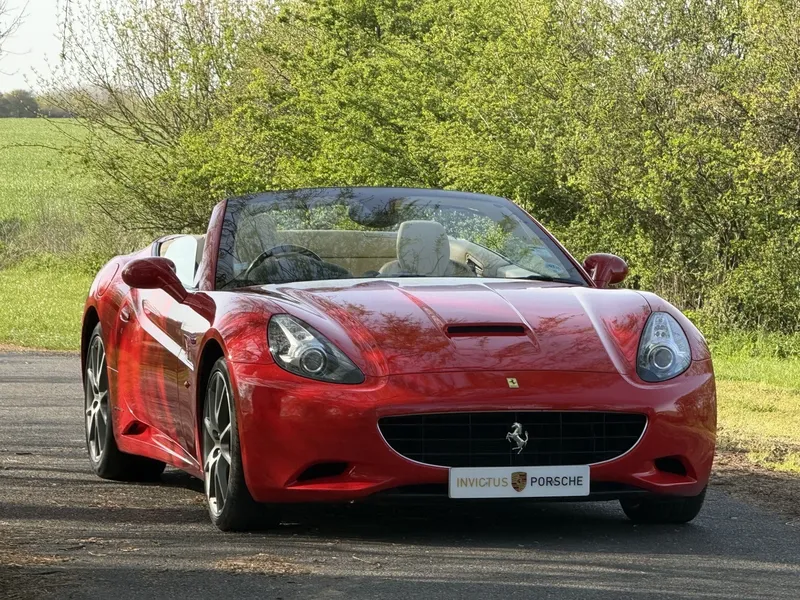
The Ferrari California is the Maranello house's grand touring convertible, and it was groundbreaking in several significant ways. This was Ferrari's first front-mid mounted V8 road car (a conscious departure from the brand's mid-rear V8 heritage), and the first production model to feature a seven-speed dual-clutch transmission. Both decisions were made to deliver traditional Ferrari performance in a car that could be driven every day, in all conditions. The California’s versatility is its trump card. A retractable aluminium hardtop opens in 14 seconds to reveal a cabin where actual human beings can sit in the rear while utilising a decently proportioned front boot, and a naturally aspirated V8 soundtrack gives the car suitable performance cred. It attracted a buyer profile Ferrari hadn’t previously reached, scooping up potential Porsche 911 Cabriolet or Aston Martin DB9 buyers. As the last front-engined naturally aspirated V8 Ferrari produced before the turbo era, the first-generation California occupies a privileged position in Ferrari’s lineage.
Price
- Starting price
- 31 995 €
- Average price
- 84 686 €
- Price range
- 31 995 € - 138 078 €
Specifications
- Production Years
- 2008–2017
- Body Styles
- 2+2 convertible
- Layout
- Front-mid engine, rear-wheel drive
- Engine Family
- 4.3-litre V8; 3.9-litre twin-turbo V8
- Transmission Types
- 7-speed dual-clutch; 6-speed manual
Ferrari California in detail
History
The California debuted on Ferrari’s stand at the 2008 Paris Motor Show, promising to extend the Ferrari ownership experience to a new generation of buyers. Its design was led by Pininfarina and its chassis was built out of aluminium by Ferrari's Carrozzeria Scaglietti division. As mentioned above, this was the first front-mid V8 layout in a Ferrari road car and the first with a dual-clutch gearbox; it was also the first production Ferrari with a retractable hardtop.
The 4.3-litre V8 derived from the F136 family was retuned with direct fuel injection and variable valve timing on both intake and exhaust camshafts. Ferrari's most technically advanced V8 at the time of launch could propel a car weighing 1,735 kg from 0–100 km/h in less than four seconds. In 2012, the California 30 refined the formula with 30 more PS and 30 kg less. Sadly for purists, the manual gearbox option was deleted at the same time.
In 2014, Ferrari replaced the Gen 1 with the California T, which introduced an entirely new 3.9-litre twin-turbocharged V8, revised sheet metal and a recalibrated MagneRide suspension. The T raised power to 560 PS and maximum torque to 755 Nm, transforming the car's character from high-revving GT to turbocharged mile-eater. Production of the California T concluded in 2017 when the model was succeeded by the Portofino.
Specifications & Performance
The California's performance identity evolved from a high-revving naturally aspirated GT to a turbocharged grand tourer with a dramatically wider torque band. The two generations share a layout, body and transmission, yet deliver fundamentally different performance characters. The Gen 1 rewards those who work the engine toward its 7,750 rpm power peak, while the California T produces three-quarters of its torque from just 1,000 rpm.
Gen 1 California | California T | |
Engine Family | 4.3-litre NA V8 | 3.9-litre twin-turbo V8 |
Power Range | 7,750 rpm | 7,500 rpm |
Torque Range | 485–500 Nm | 755 Nm |
0–100 km/h | 3.8–4.0 sec | 3.6 sec |
Top Speed | 310–312 km/h | 316 km/h |
Transmission | 7-speed DCT | 7-speed DCT |
Design and Cabin Identity
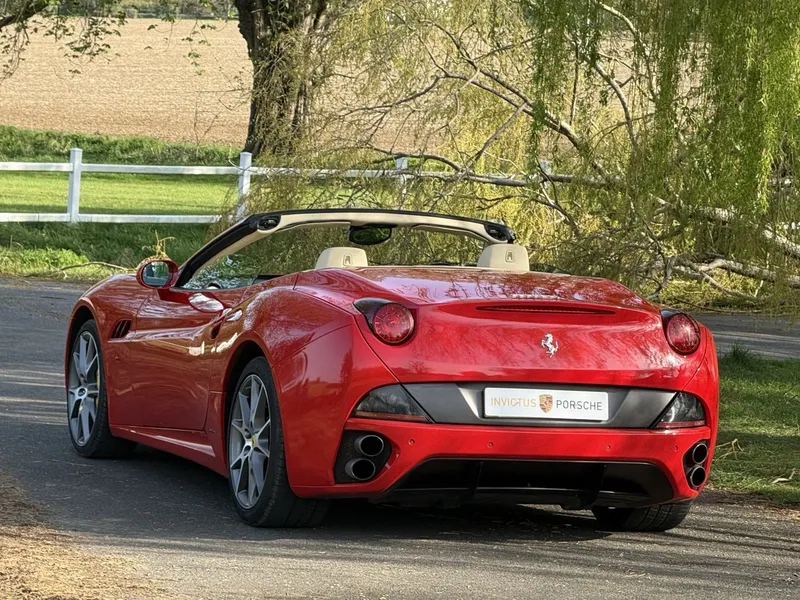
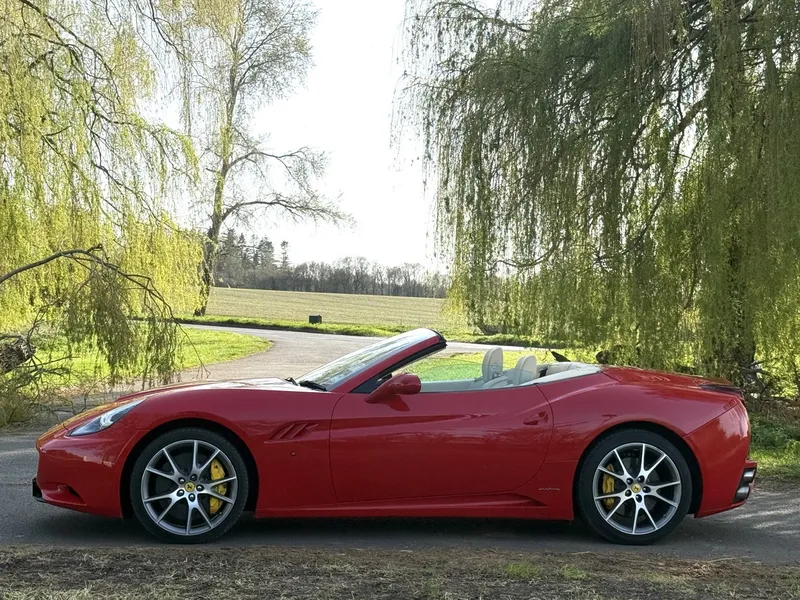
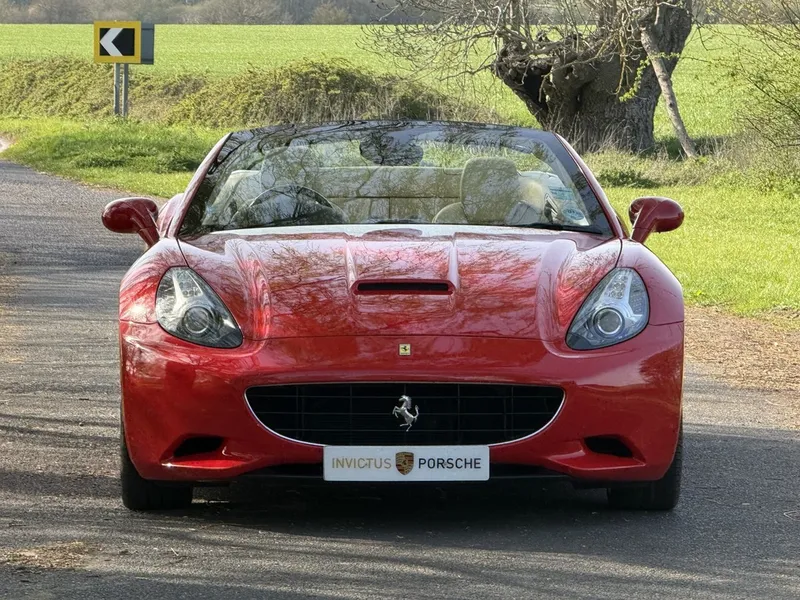
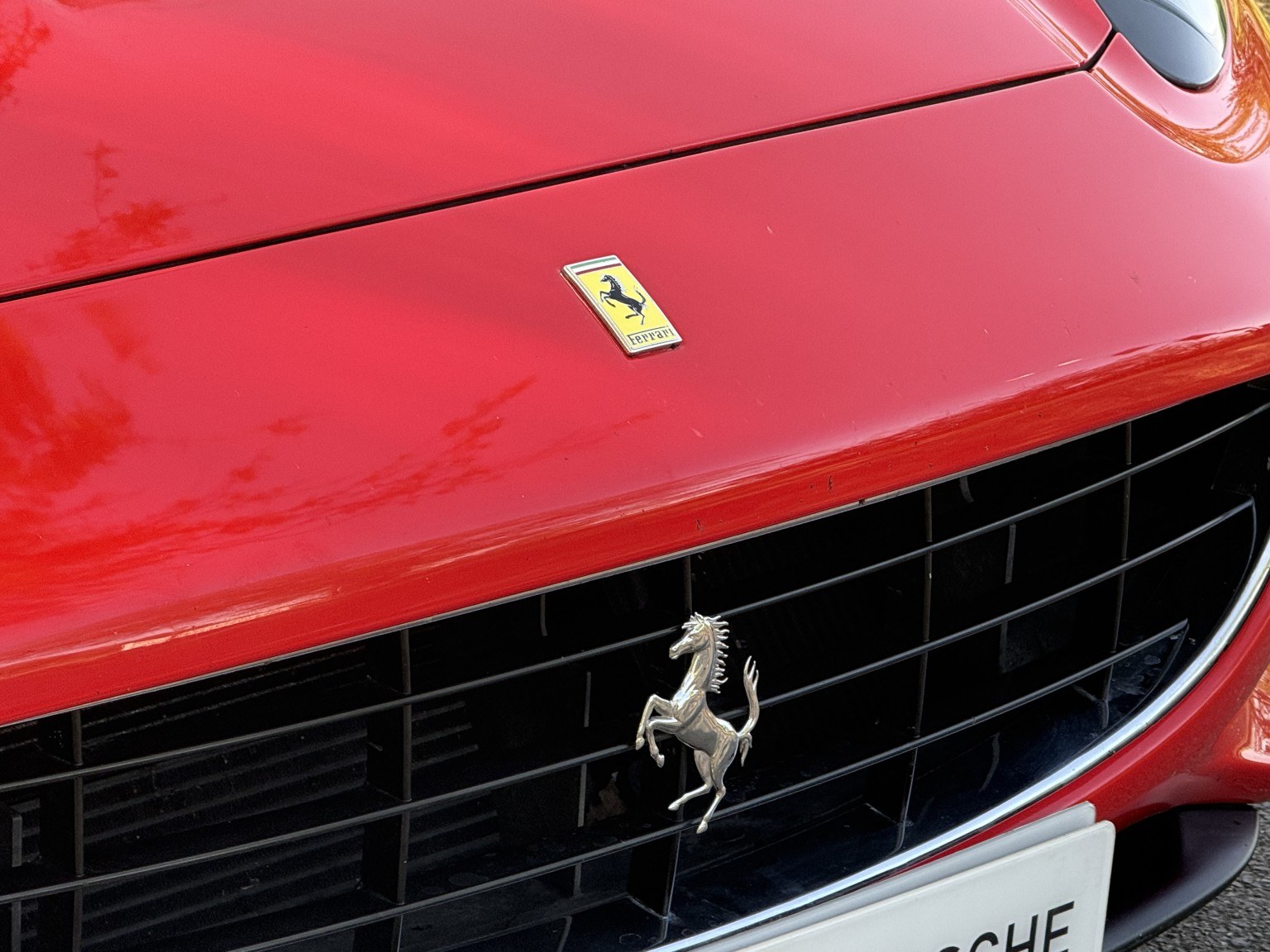
The California is immediately recognisable by its sculpted bonnet and its compact overall footprint for a 2+2 GT. Pininfarina gave it classic proportions with a long nose, a rearward passenger cabin and a tail that reads as a coupé in closed form and an authentic convertible when open. The retractable hardtop is aluminium, making it more weatherproof and coherent than a fabric hood.
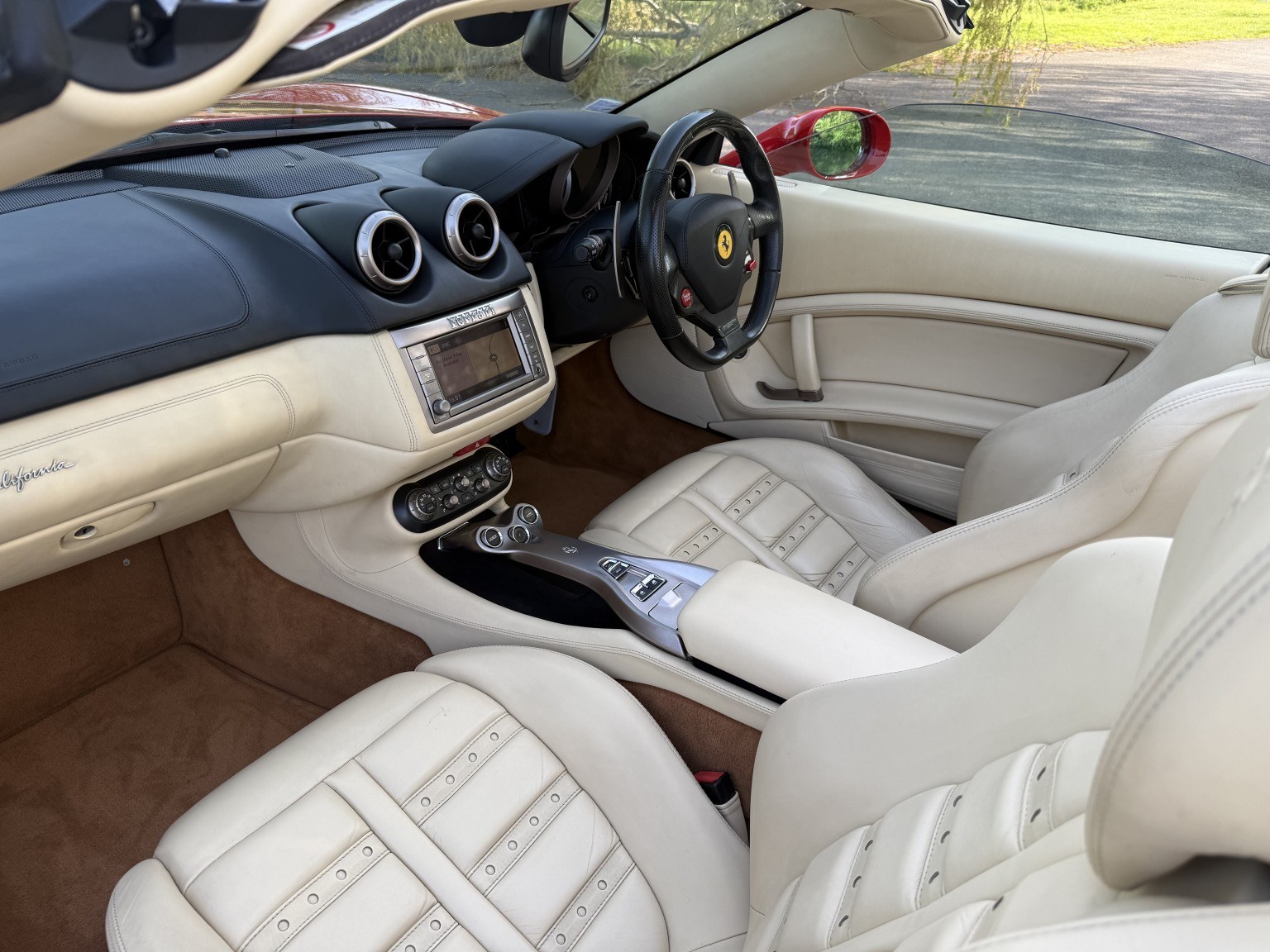
Inside, the instrument cluster is Ferrari-orthodox with a central tachometer, but the surrounding environment is calibrated for journeys measured in hours rather than lap times. The unloved infotainment system in Gen 1 cars was sourced from a Chrysler supplier, but the California T brought improved integration.
Generation Timeline
Ferrari California (2008–2014). Type F149. Ferrari's first front-mid V8 road car was powered by a 4.3-litre naturally aspirated V8 via a 7-speed dual-clutch gearbox. Refined in 2012 with the California 30 update.
Ferrari California T (2014–2017). Type F149M. A new 3.9-litre twin-turbocharged V8 produced 560 PS, while all-new sheetmetal and revised MagneRide suspension made their debuts.
Safety
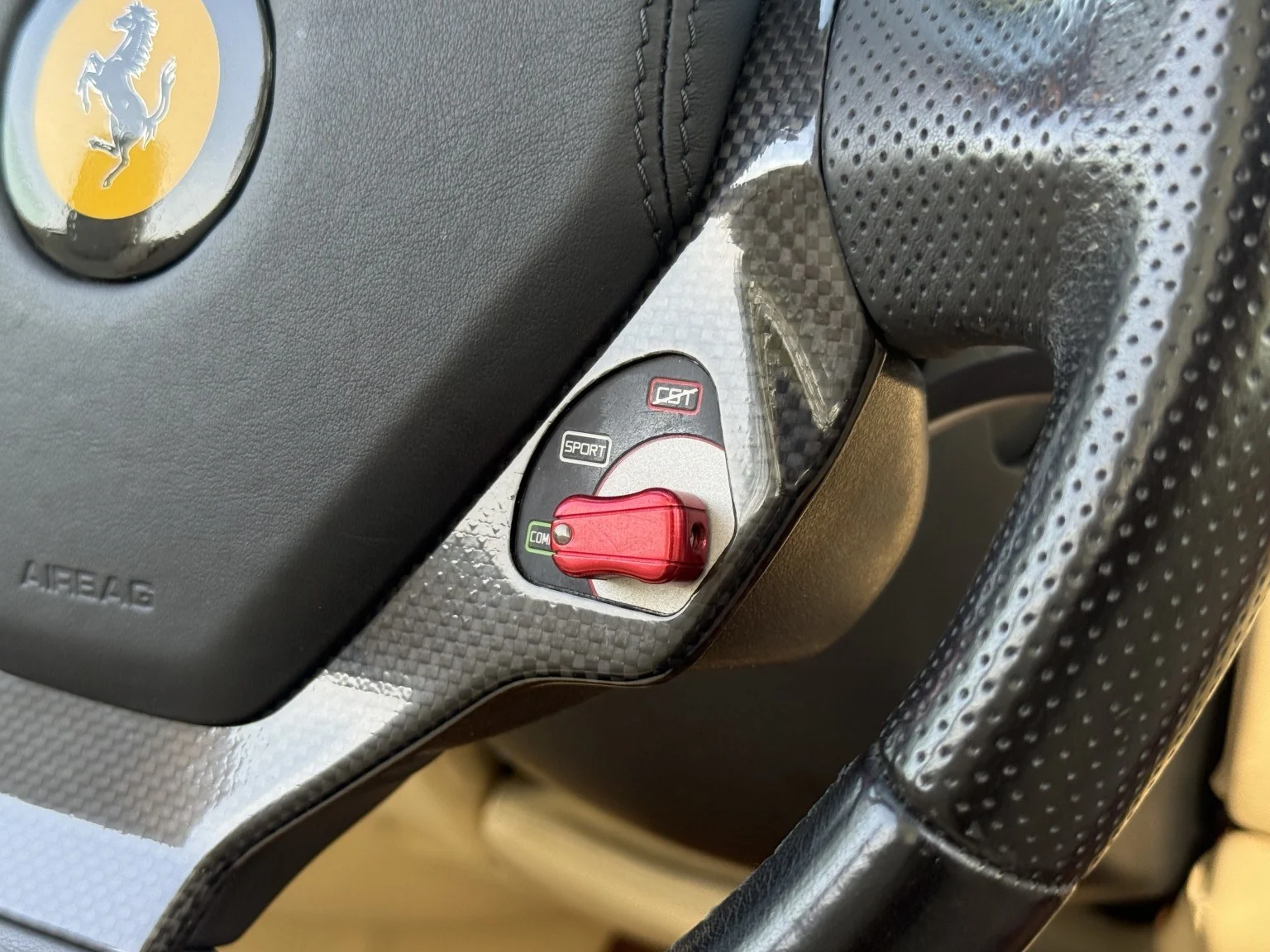
Both generations of California featured ABS, twin airbags and electronic stability control as standard. The Gen 1 car predates ADAS but was equipped with F1-Trac traction management, while the California T added a revised F1-Trac system and updated MagneRide adaptive damping to improve dynamic stability responses at the limit.
Pros and Cons
Pros
The only front-mid V8 Ferrari ever made, making this a genuinely unique entry into the marque's history
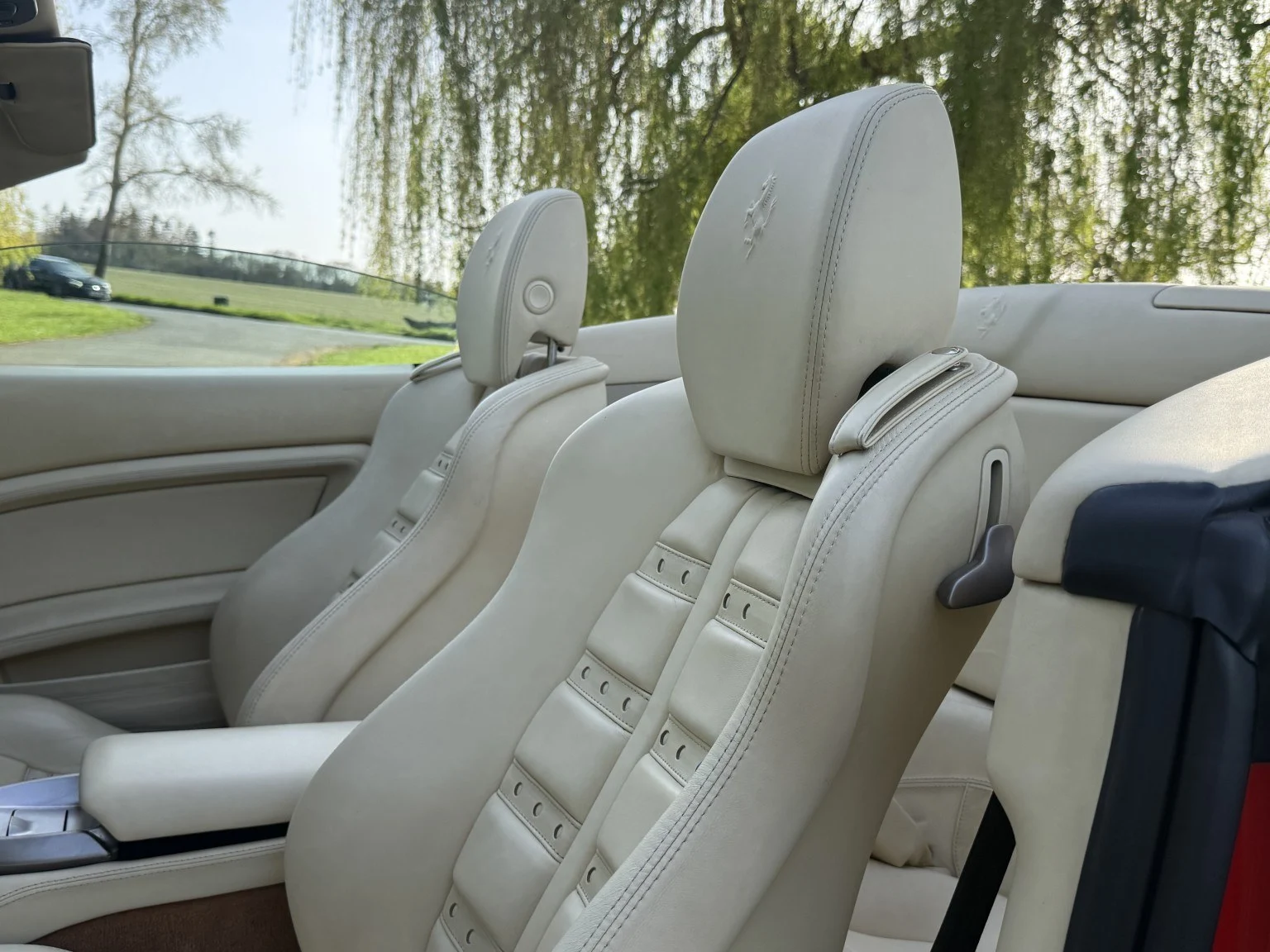
Retractable aluminium hardtop and 2+2 seating deliver real-world usability
The Gen 1's naturally aspirated 4.3-litre V8 produces a high-revving, distinctly Italian soundtrack that its turbocharged successor couldn’t replicate
Cons
Gen 1 infotainment was Chrysler-sourced and is a weak point by modern standards
The California’s entry-level positioning created a perception discount that depressed values for years
Early Getrag dual-clutch units on Gen 1 cars can be expensive to address if maintenance has been deferred
Tendances des prix
Vente la plus récente
72 995 £
2011 Ferrari California

Actuellement en vente
41
1 enchère en direct
40 annonces


Total vendu
75
Prix de vente le plus élevé
138 078 €
Prix moyen
84 686 €
Prix le plus bas
31 995 €
FAQs
Is the Ferrari California a viable everyday car?
The California was explicitly engineered for everyday usability as part of Ferrari's design brief. The front boot, 2+2 seating, retractable hardtop and dual-clutch gearbox all support regular use; this is one of the most practically usable Ferraris in the modern era.
What are the differences between the Ferrari California and the California T?
The California T is a second-generation car which uses a different engine (3.9-litre twin-turbo vs 4.3-litre naturally aspirated), different sheetmetal, a revised chassis designation and recalibrated MagneRide suspension. The T produces 560 PS versus the Gen 1's 460–485 PS, and it also generates far more low-end torque.
How much does a Ferrari California cost to service?
Annual services for regularly used vehicles typically cost £1,500–£2,500 at a specialist, with major services (including cambelt replacement) falling into the £3,000–£5,000 range depending on a car’s condition and required parts. Carbon-ceramic brake maintenance adds to long-term running costs where fitted.
Is the Ferrari California a real Ferrari?
It is, though the California project originated from a shelved Maserati concept before Ferrari developed it into its own platform and engineering programme. Nonetheless, it was built in Maranello, carries Ferrari's full chassis engineering and V8 engine technology, and was homologated and sold as a Ferrari from launch.