Ferrari F40: Models, Specs, and Buyer's Guide
1987–1992 • Mid-engine twin-turbo V8 • Rear-wheel drive • 5-speed manual • 478 hp • 1,100 kg • 0–60 mph 3.8–4.1s • Top speed 201 mph
Overview
The Ferrari F40 isn’t just a classic Ferrari. It’s the kind of car that resets the standard for what a road car can accomplish. The star of a thousand posters and a million boyhood dreams, this symbol of Eighties excess was built to celebrate Ferrari’s 40th anniversary, and it does feel like a fitting celebration of a uniquely bold decade. This is a car with no power steering, no ABS and no padding between you and the mechanical monster at its heart. As a result, the steering is heavy at low speeds, the cabin is deafening, the ride is firm, and everything feels raw. If you’re the type of driver who wants a car to feel alive rather than polished, an F40 is the antithesis of a modern EV. At gentle speeds, an F40 can feel stubborn and intimidating, but when it’s properly warmed up and on the right road, it suddenly makes sense. Those twin turbochargers pack an old-school punch - and yes, the lag adds to the drama. An F40 is not a grand tourer or a boulevard cruiser. It demands constant attention, from how you drive it to how you maintain it. And on that note, don’t even consider investing in one unless it’s been maintained by people who truly understand the car, and who were committed to preserving a clean, honest example of the breed. A properly maintained F40 is one of the most unforgettable cars you’ll ever own; not because it’s easy, but because it feels like nothing else before or since.
C&C Expertise
The F40 remains the original icon and founder of the flagship line of hypercars developed to channel Maranello’s racing DNA onto the open roads. A race-developed car crafted from carbon fibre and Kevlar, this was never meant to be a GT cruiser. A twin-turbocharged V8 mated to a 5-speed gated shifter, it was capable of propelling its comfort-deprived occupants to 201mph, claiming 60mph in just 3.8 seconds. It was not a show pony, despite adorning the walls of millions of bedrooms, but the absolute zenith of driver-focused, hair-curling power and mechanical prowess.
Specifications
- Manufacturer
- Ferrari
- Production Years
- 1987–1992
- Vehicle Class
- Supercar
- Body Style
- 2-door berlinetta
- Layout and drive
- Rear, longitudinal engine / rear-wheel drive
Ferrari F40 in Detail
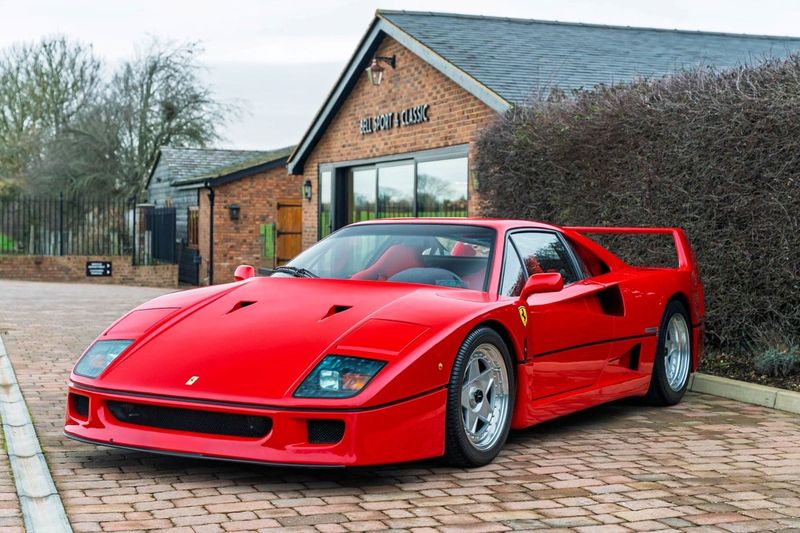
The F40 was launched in 1987 to celebrate Ferrari’s 40th anniversary, and it quickly became one of the most photographed and coveted cars the brand has ever manufactured. It was designed to be the most focused road-going Ferrari possible at the time, using lightweight materials at every turn.
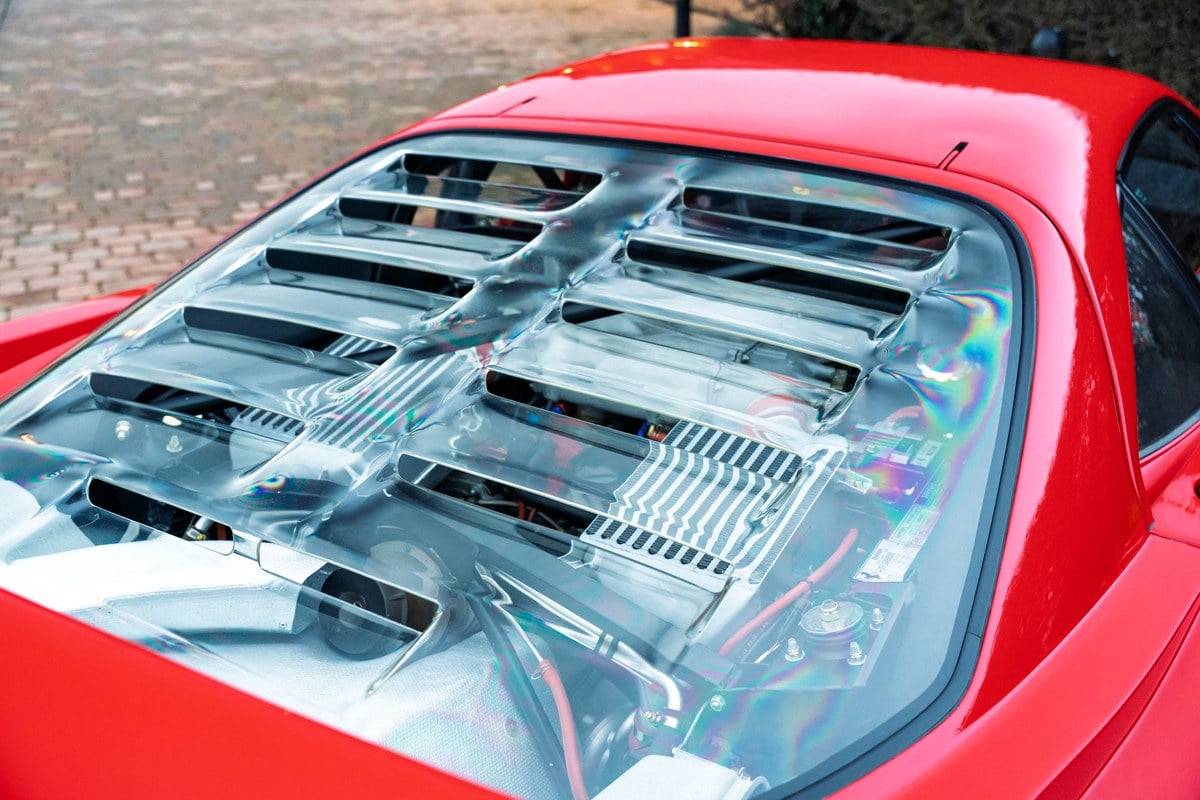
Every F40 is powered by a 2.9-litre twin-turbo V8, mounted behind the driver and wrapped in a body built for speed and stability rather than elegance. Unlike many modern supercars, the F40 doesn’t rely on electronics to flatter you; it’ll get from A to B based solely on feel, grip and bravery.
Although it was originally intended to be a limited-edition model, demand was so great that Ferrari built more than expected, and production finally ended in 1992. Today, its unique brew of motorsport attitude, unmistakable design and pure driving engagement explains why the F40 sits in a league of its own.
The Ferrari F40 was built with one priority: cracking the Holy Grail of the 200mph barrier. It’s light, aggressive and brutally direct, serving up performance that’s impressive even by today’s standards. And it made it into the 200mph club, if only just.
Engine and drivetrain
Engine: 2.9-litre twin-turbocharged V8
Layout: Mid-engine
Drivetrain: Rear-wheel drive
Gearbox: 5-speed manual
Power and torque
Power: 478 hp
Torque: 577 Nm
Performance
0–60 mph: 3.8–4.1 seconds
Top speed: 201 mph
This isn’t the sort of supercar you glide up to a five-star hotel in, not least since the valet would probably be too scared to park it for you. The F40 feels more like a road-legal race car, with boost arriving brutally during mid-range acceleration, and it feels edgy on cold tyres or rough roads. Yet when the stars align, it’s electric - in the good sense.
If you want a Ferrari that flatters you, there are easier choices. If you want one that makes travelling the length of your driveway feel like a major event, the F40 is beyond reproach.
Model | Engine | Power | Top speed |
Ferrari F40 | 2,936cc twin-turbo V8 | 478 hp @ 7000 rpm | 324 km/h |
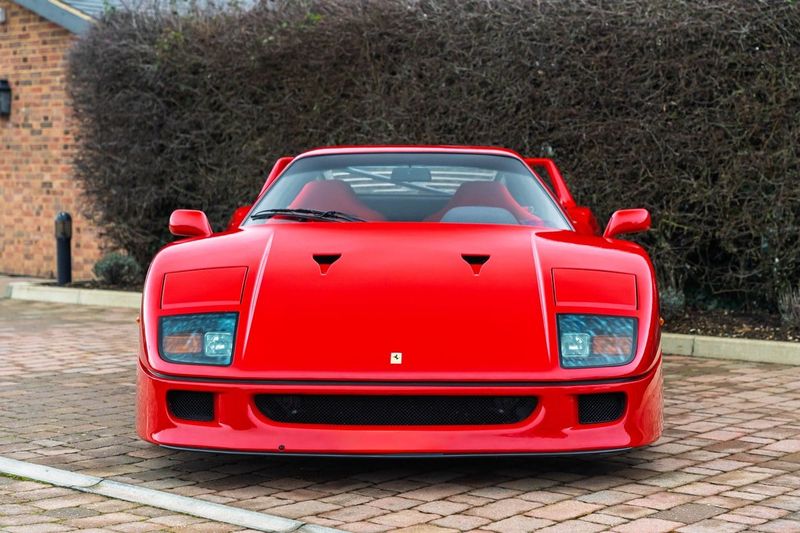
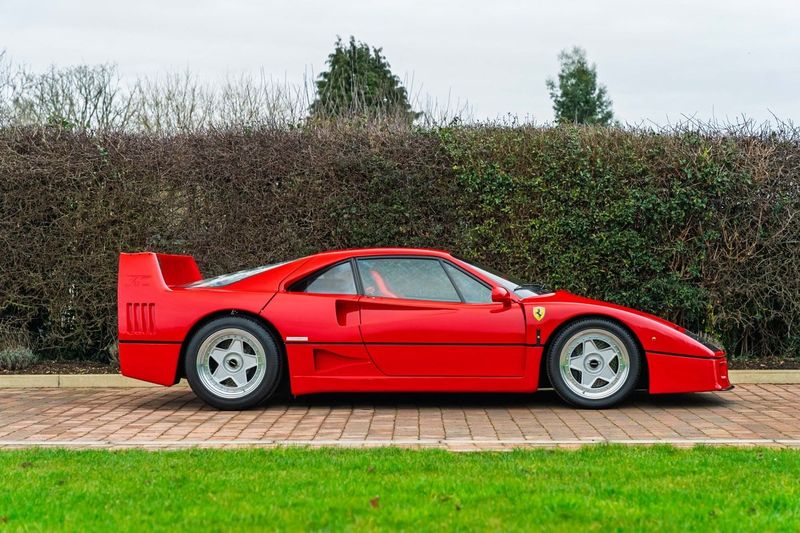
The Ferrari F40 is surprisingly compact considering how dramatic it looks. It’s low, sleek and built to stick limpet-like to the road.
Length: 4,358 mm
Width: 1,970 mm
Height: 1,124 mm
Wheelbase: 2,450 mm
Weight: 1,100 kg
In real life, the key thing you notice isn’t the car’s length. Like the Lamborghini Countach before it, the width and the low driving position mean tight streets, ramps and rough surfaces take a bit of planning.
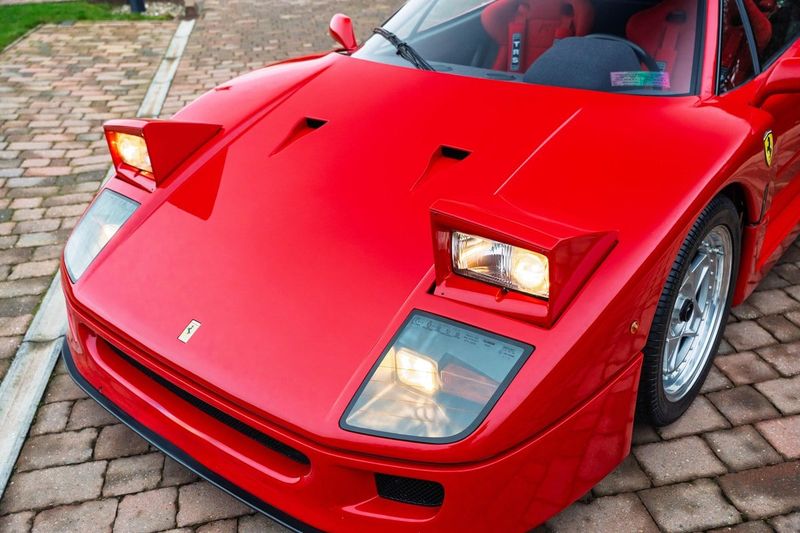
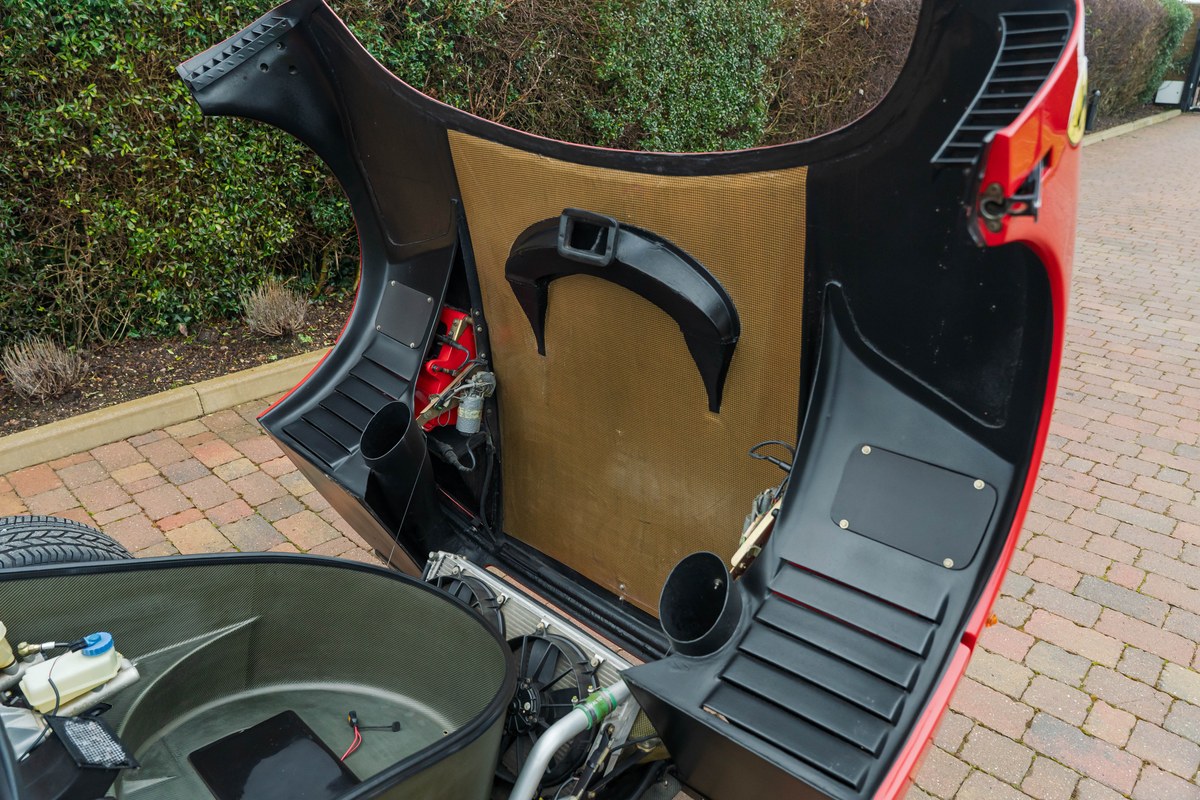
The F40’s design is pure function with just enough Ferrari drama to make it unforgettable. Everything you see has a purpose: keeping it light, keeping it stable at speed, or keeping air flowing where it’s needed. The car’s iconic signature details are solutions rather than styling sops - the huge fixed rear wing maximises high-speed stability, those deep intakes cool the turbos and brakes, and its sliding windows save weight. The combined result is a car that looks like it’s doing 200mph even when parked.
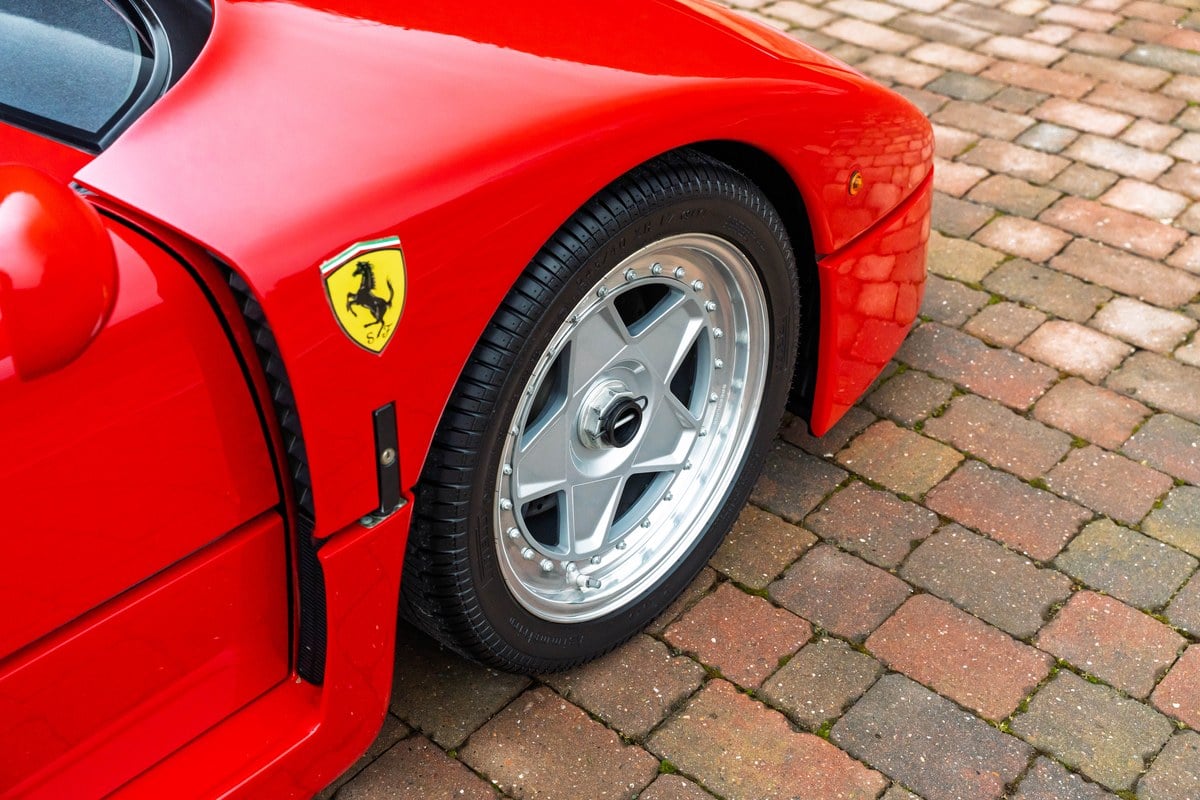
Up close, the F40’s exterior is dramatic, but the finish may be surprisingly honest. These cars were made to be light, not perfect. As a result, pay close attention to panel fit and gaps, which probably weren’t precise even when new, though bigger inconsistencies could hint at past damage. Similarly, look carefully for cracks, stress marks, or repairs around edges and mounting points which suggest a previous owner enjoyed themselves a bit too much.
A clean F40 should feel honest. You’re not just buying the shape, but also the story behind it and the heritage of a car that should only ever have been owned by genuine enthusiasts.
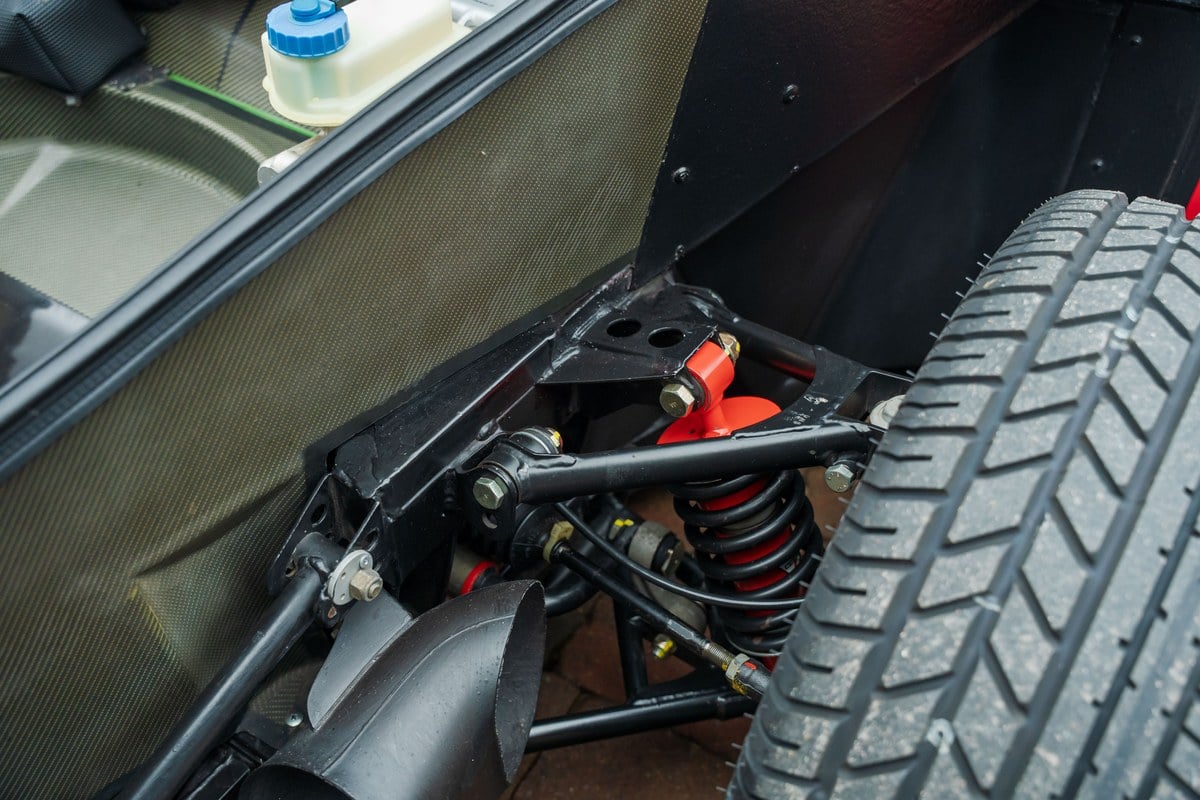
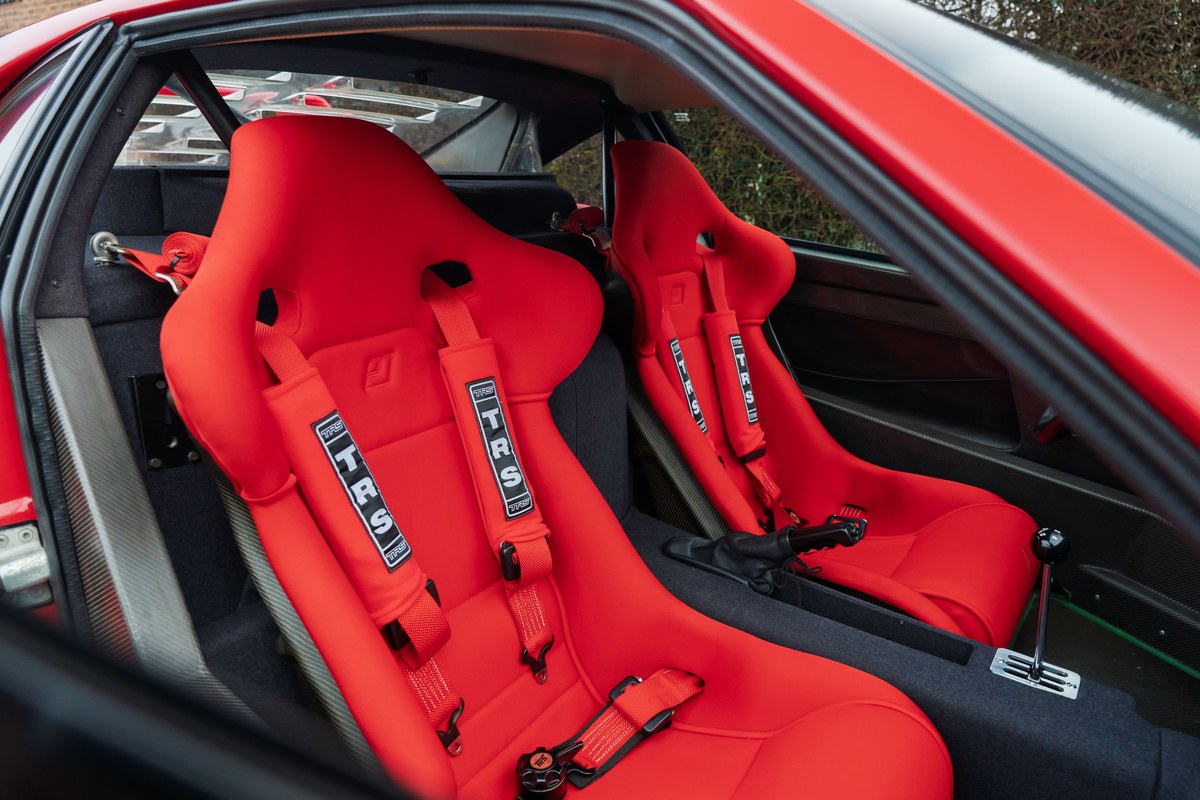
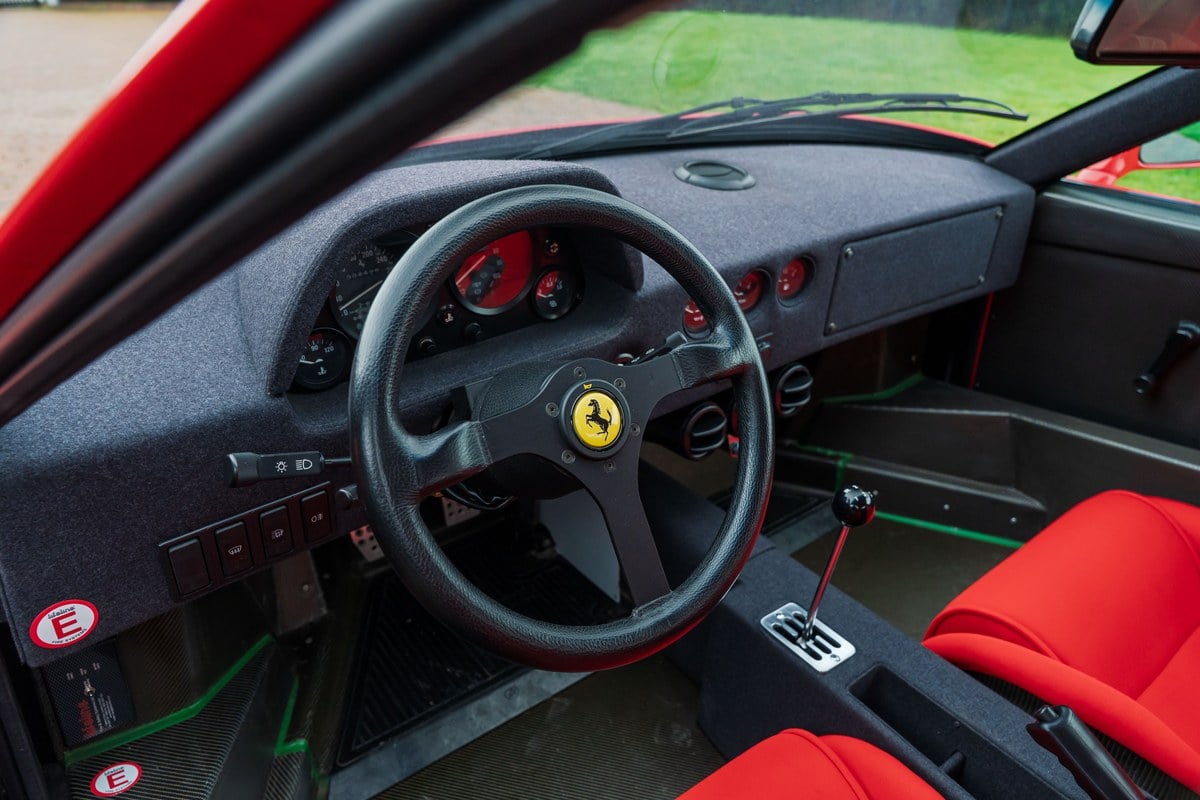
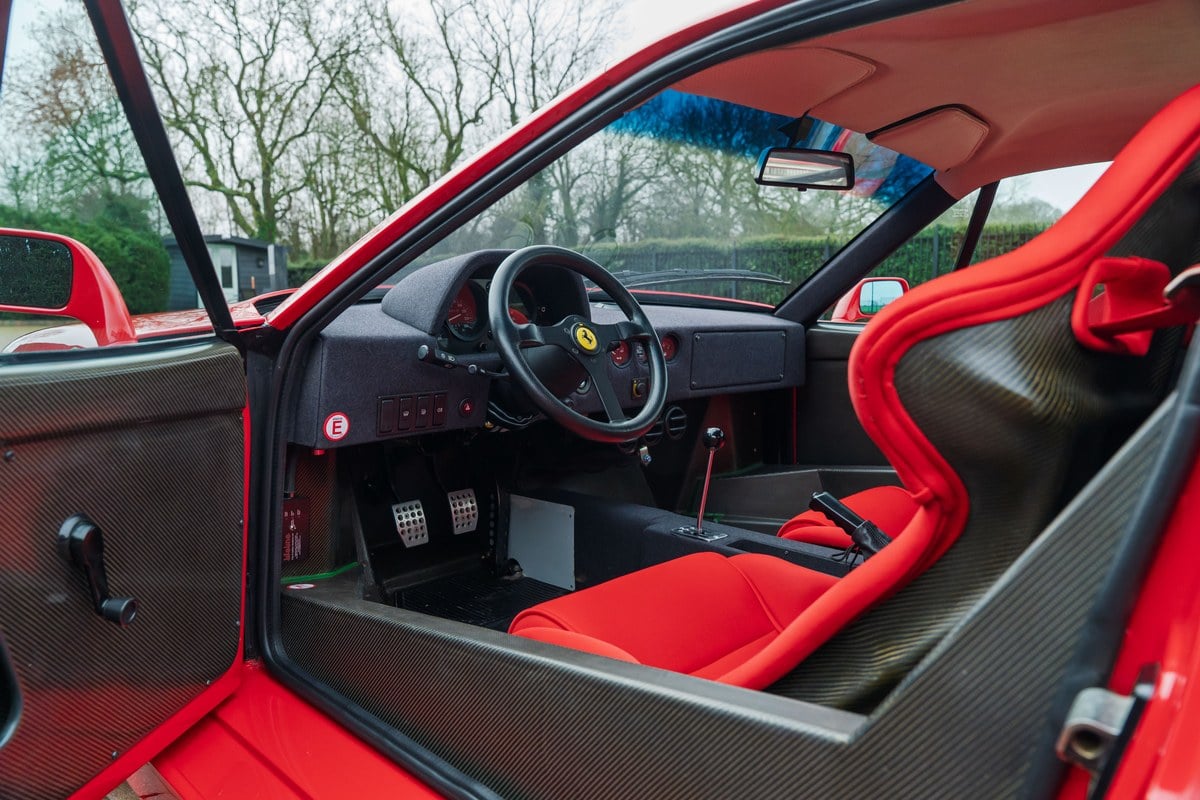
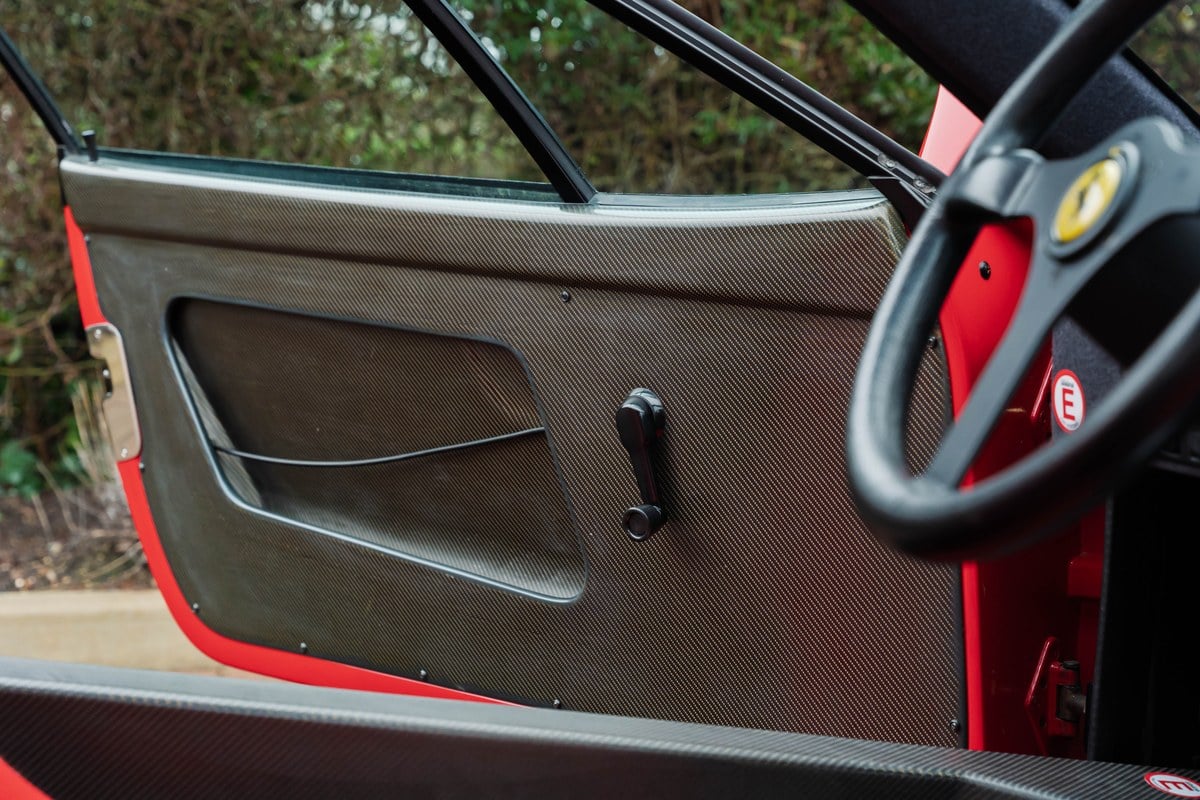
The F40’s interior is about as far from modern Ferrari luxury as it gets. It’s thin, simple and noisy, with the engine screaming behind you, and that’s why it feels so special. You sit low in a compact cabin where every surface reminds you that this car was built with weight-saving uppermost in the engineers’ minds.
Expect bare carbon fibre or Kevlar, lightweight door pulls which don’t always inspire confidence and a no-nonsense dashboard ahead of a tight seating position with a race-car vibe. Heat and noise are part of the F40 package, especially once it’s warmed up.
The Ferrari F40 comes from a time when safety meant strong brakes, good tyres and a driver who’s paying attention. There’s no ABS or traction control to bail you out, and no stability systems to save you if you apply a heavy foot mid-corner. An F40 won’t be as hedge-happy as a period Porsche 911, but you’ll need a high skill ceiling to apply smooth inputs and avoid slipping on cold tyres or damp roads.
On the plus side, the visibility is decent for a supercar, and the whole car feels light and communicative. Still, it’s best to treat the F40 like a road-legal race car, not a modern supercar with electronic nannies waiting to step in if you overestimate your talent.
Like most supercars, an F40 is all about condition, originality, and history. We’d recommend shortlisting cars with a full service history incorporating specialist invoices, while the F40 rewards regular use with no long SORN periods. Always ensure there are matching numbers and correct parts fitted, avoiding heavily modified examples. Those twin turbos should produce consistent boost with no smoke or leaks, and you’ll want positive shifts from the gearbox and clutch with no crunching or slippage.
FAQs
At low speeds, it can feel heavy, loud and intimidating, even to someone used to sports cars. Once you’re moving, it becomes much clearer and more confidence-inspiring, but it still demands respect, especially when the turbos come on song.
No. The F40 is old-school, with no ABS, no traction control and no stability systems. The only thing keeping those fat, sticky tyres facing in the right direction is the driver.
Heat, noise, and a firm ride are part of the F40 package, so this is more of an event car than a relaxed cruiser.
The correct answer will always be history. A well-maintained, properly exercised car is a safer buy than a low-mileage example that’s been stored for the last decade. These cars reward being used and maintained regularly.
Modifications can hurt value and raise questions. Originality and paperwork are essential when considering any used F40.
It can be, but you shouldn’t buy one for that reason alone. Condition, originality and documentation are vital factors, while running costs shouldn’t be underestimated.