Ferrari Mondial: Models and Specs
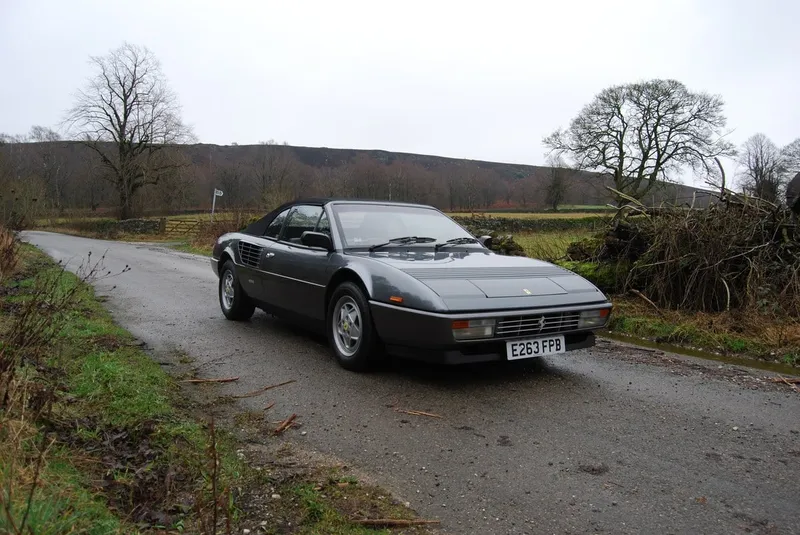
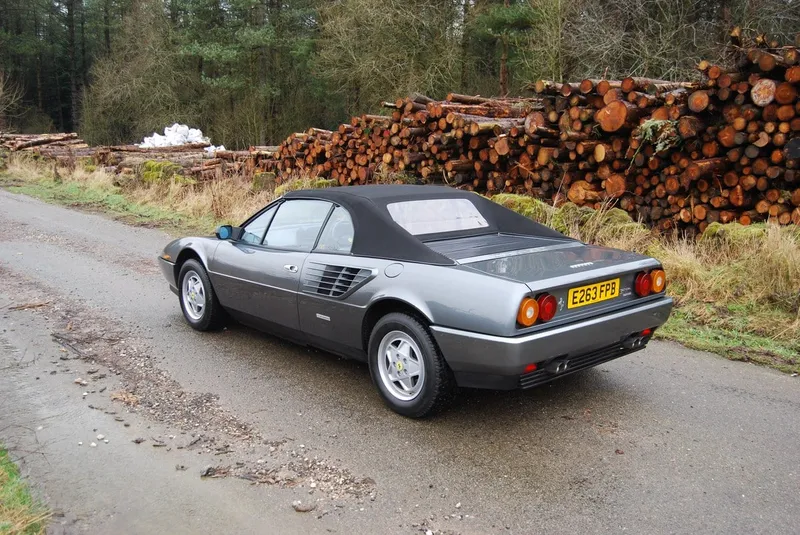
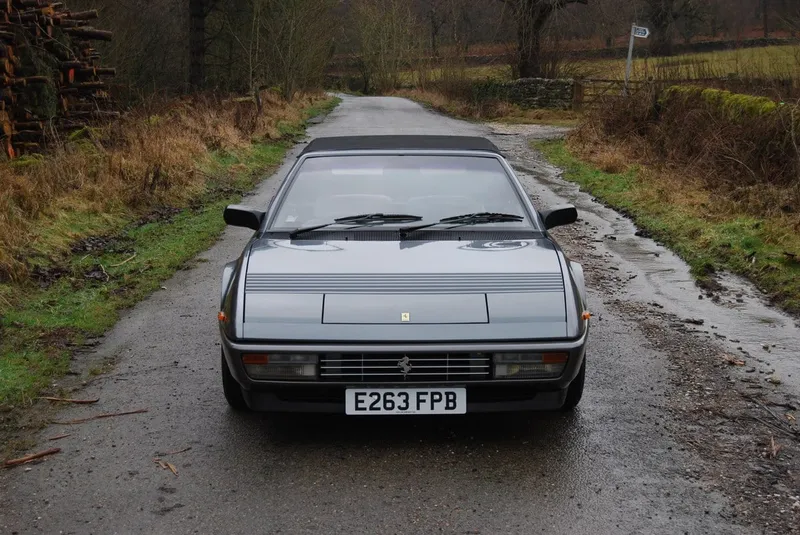
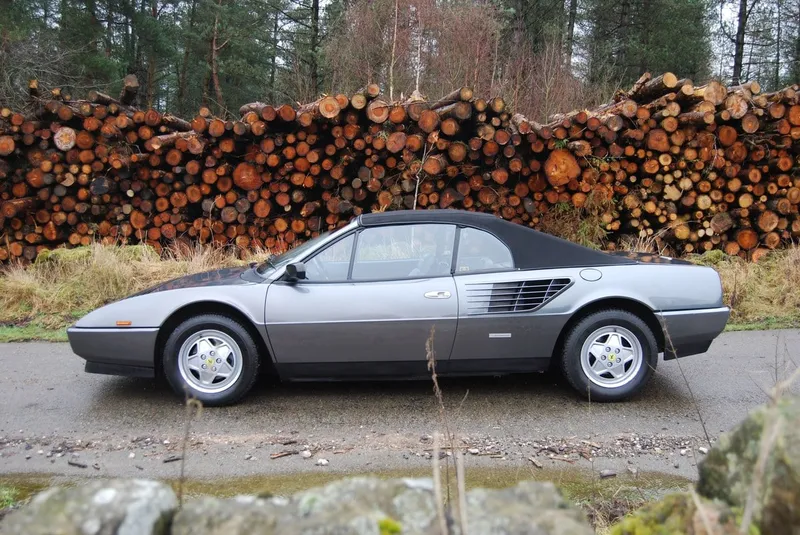
1980–1993, mid‑engined V8 2+2 Ferrari with a five‑speed manual gearbox, offered as a Coupé and later a Cabriolet, designed to be more civilised and practical than Ferrari’s two‑seater V8s.
Overview
Although it always existed in the shadow of more iconic contemporaries, the Mondial was a Ferrari that attempted to do more than one job. It offered mid‑engined V8 drama with four seats and a more practical ownership proposition than its Testarossa or F40 siblings. That relatively low-key approach means the Mondial remains one of the most affordable, easy‑to‑live‑with and practical Ferraris. By the marque’s standards, earlier cars are fairly straightforward to work on. However, this doesn’t mean running costs are low, especially if you buy a car that’s been neglected by previous owners who tried to maintain it on a budget.
C&C Expertise
The Mondial upset purists, mainly because the idea of an ‘entry level’ Ferrari with four seats wasn’t what they wanted. That sullied its reputation in the early days. Today, things are different as buyers re-evaluate these cars. That history, though, means you need to check the maintenance files carefully - those earlier low values can indicate poor maintenance. Yet this is a Ferrari; any Ferraris need fastidious maintenance. Check servicing and timing belt intervals and look carefully at the body - any structural repairs may outweigh the car’s value.
Price
- Starting price
- 20.000 €
- Average price
- 46.977 €
- Price range
- 20.000 € - 78.788 €
Specifications
- Manufacturer
- Ferrari
- Production Years
- 1980–1993
- Vehicle Class
- Mid-engined 2+2 sports GT
- Body Styles
- 2-door Coupé, 2-door Cabriolet (from 1983)
- Layout and Drive
- Mid-engined, rear-wheel drive
Ferrari Mondial in Detail
Ferrari introduced the Mondial 8 in 1980 as the successor to the celebrated 308 GT4. This mid‑engined V8 2+2 featured Pininfarina styling and boasted a longer wheelbase to make the rear seats more usable.
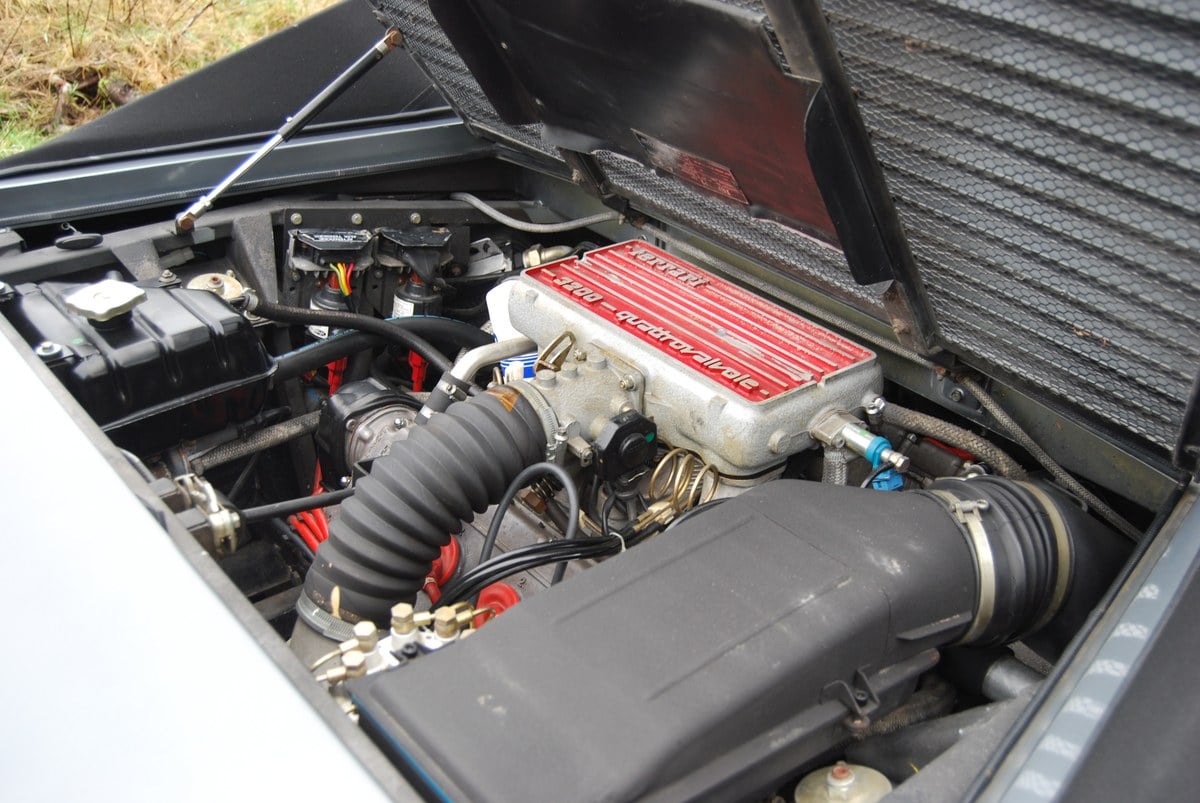
The Mondial 8 was the first production Ferrari fitted with fuel injection as standard, while its bolted rear sub‑frame ensured the engine, transmission and rear suspension assembly could be dropped out as a single unit for maintenance.
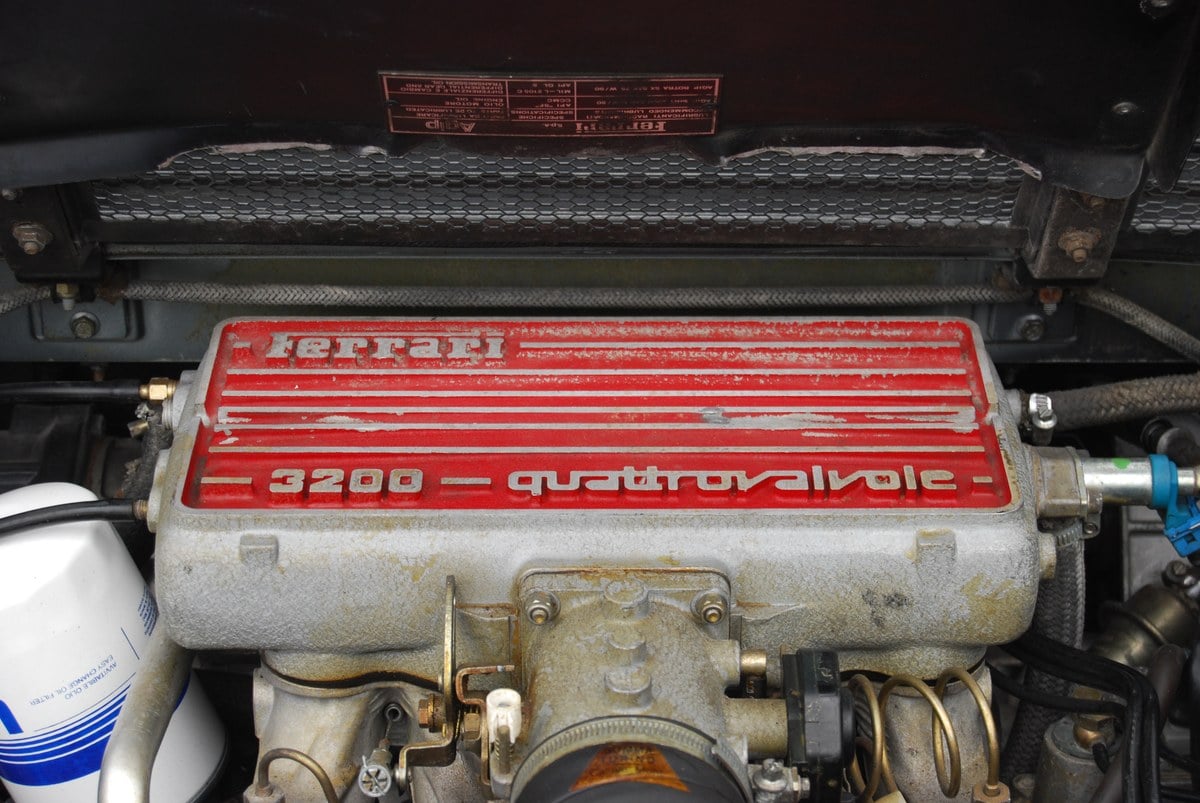
From the original Mondial 8, the range expanded to include the Quattrovalvole in 1982, the Cabriolet in 1983, a more powerful 3.2-litre version in 1985 and the Mondial t overhaul in 1989. Production concluded in 1993.
Of the cars outlined above, some Ferraristas regard the 1982–1988 Quattrovalvole era as a sweet spot because it offered more power while requiring easier servicing and maintenance than the later t models. These signified a radical overhaul, with a longitudinal engine and transverse gearbox (hence the “t” insignia). The t’s 3.4‑litre V8 produced a claimed 300bhp, which still couldn’t match the poster Ferraris of the late 1980s, but was certainly generous.
Model | Engine | Power | 0–60 mph | |
|---|---|---|---|---|
2.9-litre V8 | 214 hp | 8.2 s | 140 mph | |
Mondial QV Coupé (1982–85) | 2.9-litre V8 | 240 hp | 6.4 s | 147 mph |
2.9-litre V8 | 240 hp | 6.5 s | 146 mph | |
3.2-litre V8 | 270 hp | 6.3 s | 150 mph | |
3.2-litre V8 | 270 hp | 6.4 s | 149 mph | |
3.4-litre V8 | 300 hp | 5.6 s | 155 mph | |
3.4-litre V8 | 300 hp | 5.8 s | 154 mph |
Note: The Mondial t’s layout increases running costs because the engine and transmission must be removed to access various service items, although the rear-mounted clutch is less arduous to replace.
The Mondial 8’s longer wheelbase compared to the outgoing 308 GT4 created more back‑seat space, which was central to its all‑round appeal. However, it’s not huge inside, and most owners tend to use the rear seats as extra luggage space rather than as accommodation for adults.
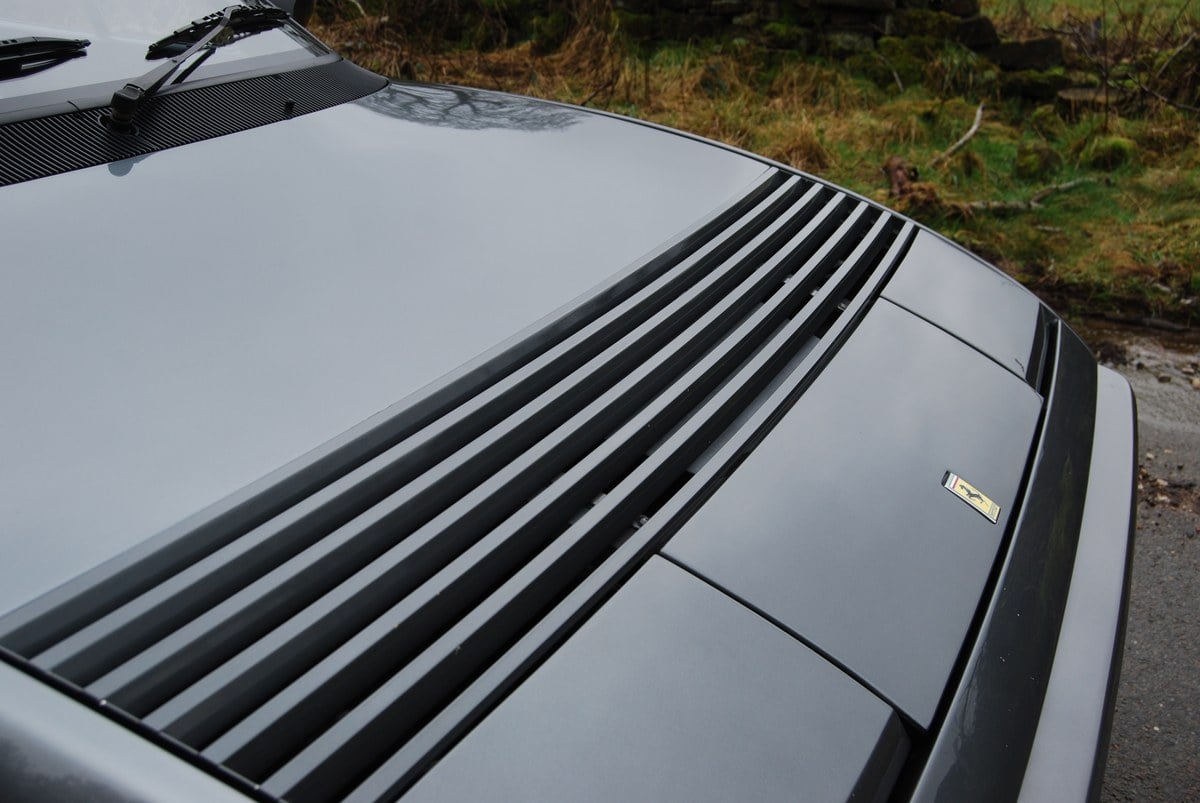
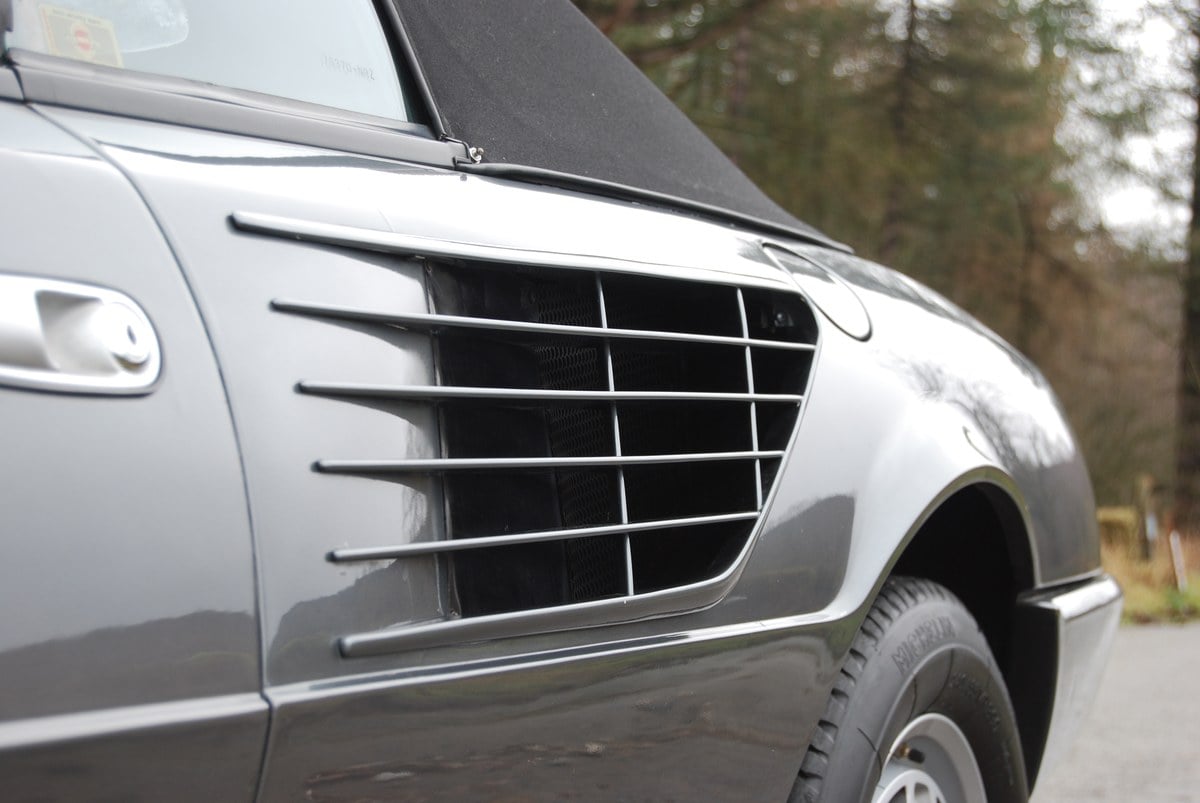
Pininfarina undertook the Mondial’s design, making it larger and more ergonomic than its predecessor, with attention paid to anti‑corrosion treatment and interior usability. The Mondial t received a muscular refresh, including different headlamp units, revised side intake treatment and more substantial rear wings, alongside a comprehensively revised interior and fold‑flat rear seat backrests.
Replacement body panels may need fabrication, and repairs aren’t cheap, particularly if corrosion has spread to the sills and wheel arches. Cabriolets bring their own challenges - check the hood condition, rear window clarity (they tend to go milky), and the operating mechanism and catches. Models with pop‑up headlamps or a Coupé with a sunroof are prone to issues if cables/gears have seized or worn.
The Mondial’s cabin is better appointed and more comfortable than the 308 GT4, with genuine 2+2 accommodation, but ensure you’re able to live with the classically Italian driving position. Those offset pedals can be a real issue, particularly if you tend to undertake longer drives.
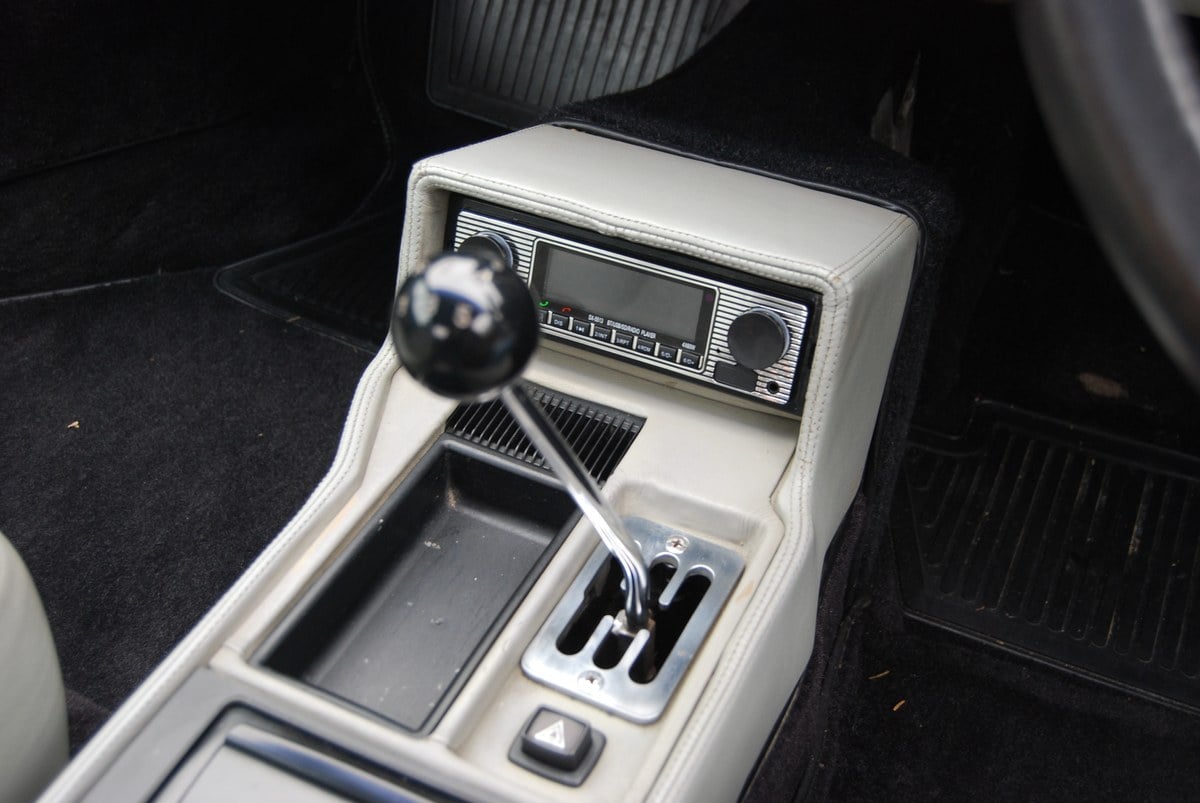
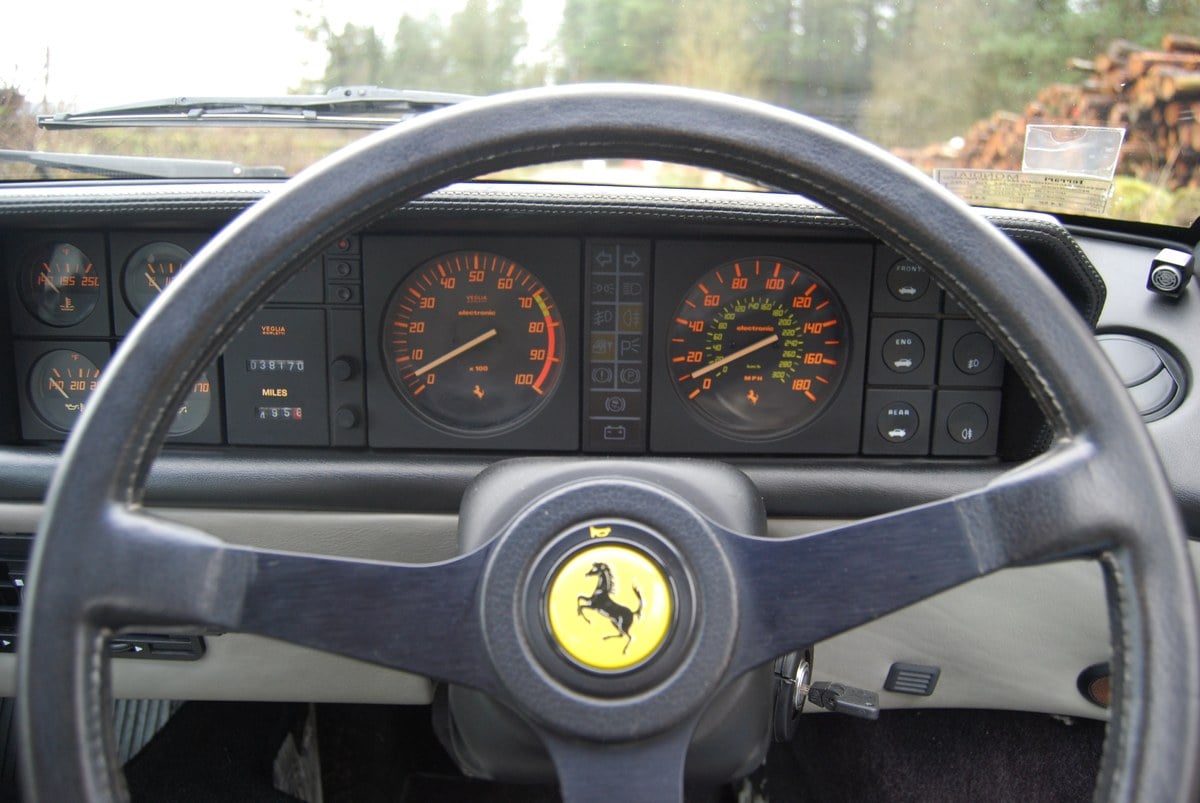
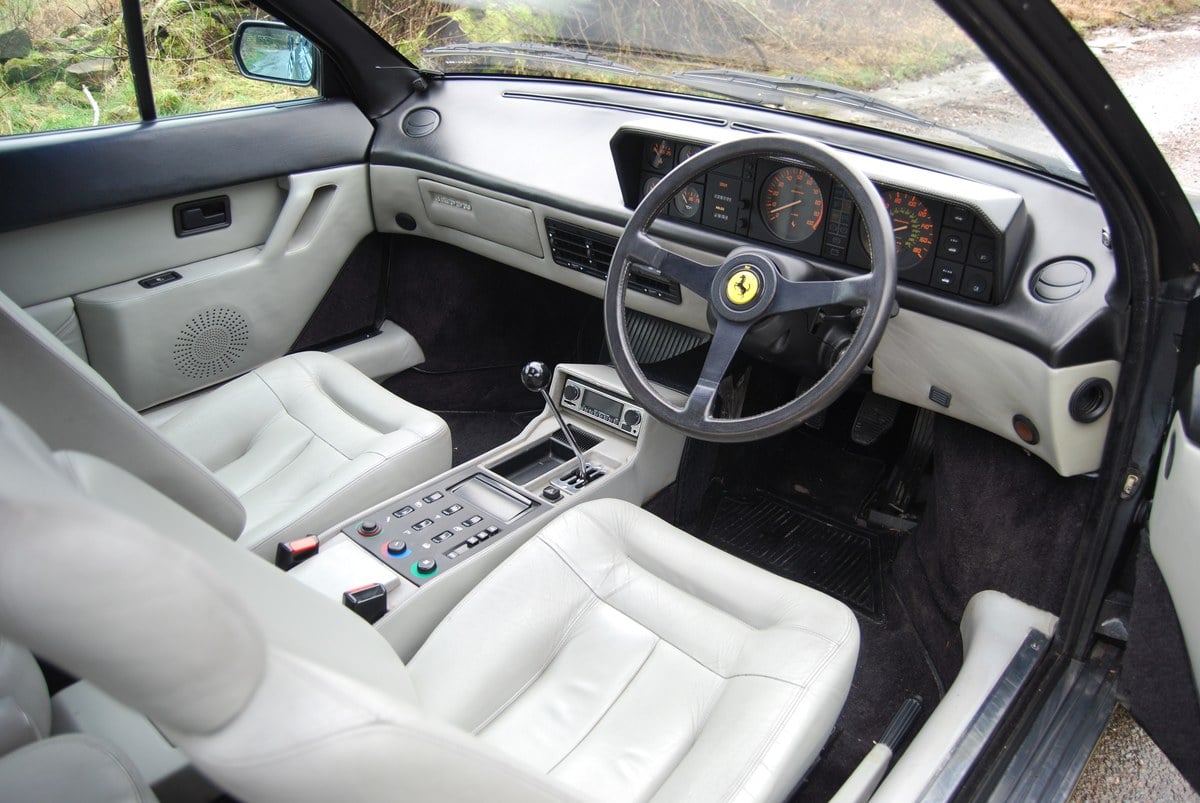
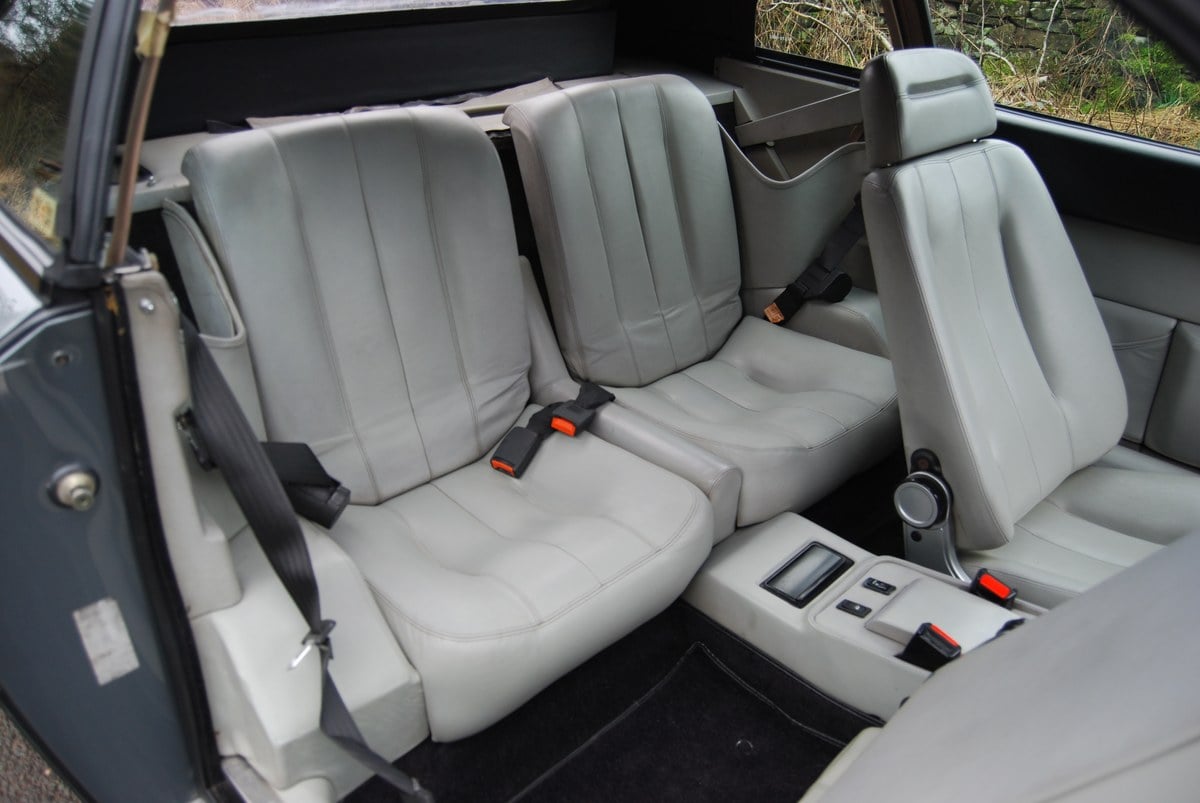
Early Mondials (1980–86) missed out on the ABS, which arrived in 1987, with t models from 1989 onwards also gaining power steering and adjustable dampers. If ABS was fitted, these systems can fail, so check whether they work on a test drive.
The biggest bugbear with Mondials tends to involve their electrics. Beware of corroded connectors, failing relays and fuse board problems, which could cause starting issues, fuel gauge failures and even speaker issues. Window/fuel pump circuits are especially prone to corrosion.
Do be aware that Mondial electric windows operate very slowly - this isn’t a fault.
A good Mondial should feel properly maintained and electrically tidy, because neglected cars often become time‑consuming to diagnose and expensive to sort. A full timing belt history is critically important; belts need replacing every 30,000 miles or every three years, because it’s game over for the engine if they break. Don’t compromise on this, no matter how appealing a car might otherwise be.
Next on the list of priorities is the cooling system. Check for cracked or perished hoses, rusty metal pipes and header tank, or any signs of head‑gasket issues or oil burning.
Finally, the open‑gated gearbox can feel obstructive before it has time to warm up. Test it properly from cold through to hot, and don’t ignore a misfire, because tracking down its origin could be time-consuming.
Tendencias de precios
Venta más reciente
33.995 £
1984 Ferrari Mondial QV

Actual en venta
43
0 subastas en marcha
43 anuncios



Total vendidos
70
Precio de venta más alto
78.788 €
Precio promedio
46.977 €
Precio más bajo
20.000 €
FAQs
Condition tends to be more important than a particular car’s vintage, but the 1982–1988 models combine Quattrovalvole power with easier servicing and repairs/maintenance than the later t.
The Mondial t’s mechanical layout may require removing the engine and transmission to access relatively mundane service items, which may increase running costs. Factor this into your considerations when viewing one of these later models.
Electrical gremlins are commonplace, and corroded contacts or melting circuit boards are often best left to a specialist. On a viewing, check every switch and examine the fuse box, which is a known pain point.
Relatively, yes. Ferrari positioned the Mondial 8 as a roomier, more ergonomic mid‑engined 2+2. It’s no Maybach, but you can fit children or adults in the back for shorter journeys, while the folding rear seats in later models undoubtedly enhanced their practicality.