Fiat 125: Models and Specs
1967–1972 | 1.6-litre twin-cam inline-four | Front-engine, rear-wheel drive | Four-door saloon
Overview
The Fiat 125 is a classic case of necessity being the mother of invention. With development of the intended 1300/1500 replacement running behind schedule, Fiat gave engineer Dante Giacosa just 18 months to develop a stopgap model. What Giacosa assembled from borrowed components was a car that outperformed its brief; a twin-cam engine lifted from the Fiat Sport Spider, a 1300/1500 floorpan and a body developed from the 124. The 125 was unusual in blending saloon car accommodation with sports car performance, long before rival European manufacturers adopted similar philosophies. The 125’s closest competitor at launch was the more expensive Alfa Romeo Giulia. The 125 offered comparable twin-cam refinement at a lower price, in a more spacious body, and consequently sold over 600,000 examples in five years of Italian production. Corrosion and decades of indifference have whittled down the numbers, and a surviving 125 is a rare phenomenon. However, it remains an honest and characterful family saloon with a drivetrain that was ahead of its time.
Price
- Starting price
- Average price
- Price range
- -
Specifications
- Production years
- 1967–1972 (Italy)
- Body styles
- 4-door saloon
- Layout
- Front-engine, rear-wheel drive
- Engine family
- 1608cc DOHC inline-four
- Transmission
- 4/5-speed manual; 3-speed automatic
Fiat 125 in Detail
History
It was the sort of brief that would give most engineers nightmares. In 1966, Fiat management assigned Dante Giacosa the task of developing the 125 in just 18 months (and on a minimal budget) to tide buyers over until the more ambitious 132 was finished. Giacosa's solution was characteristically pragmatic. The chassis and floor pan of the 1300/1500 were carried over with modifications, while the 125's lines were penned directly over the 124's original design sheets.
The resulting body was a slightly lengthened (and easily conflated) Fiat 124 derivative, with the two models sharing the same passenger compartment and doors. The 125's rear seat was set slightly further back, reflecting the longer wheelbase inherited from the Fiat 1500, but the engine was based on the 124 Sport’s twin-cam unit, with displacement increased to 1608cc.
The 125 might have been a hotpot of leftovers, but it was praised for its handling and dynamics. These improved further in 1968 when the 125S Special was added to the range, with 99bhp from a modified cylinder head, camshaft and inlet manifold mated to a five-speed gearbox. A three-speed automatic transmission became available as an option, while the Special was facelifted in 1970 with improved trim and styling details.
Italian production ran until 1972, when the car was succeeded by the endlessly delayed Fiat 132. Total Italian production reached 603,870 examples, though the story didn’t end here as the 125 was simultaneously licensed to FSO in Poland. It became the Polski Fiat 125p and was produced in a substantially evolved form until 1991.
Specifications & Performance
The Fiat 125's performance identity is defined almost entirely by its engine rather than its antiquated chassis. The 1608cc Lampredi twin-cam was the same unit fitted to the Fiat 124 Sport Spider; a dual-overhead-cam design at a time when most family saloon competitors made do with pushrod engines. In standard tune it produced 89bhp, but it could achieve 99bhp in Special form with a revised head, camshafts and carburation. These figures were exceptional by 1967 standards, and the smooth, rev-happy character of the engine gave the 125 a sporting identity that its conservative body and older chassis didn’t always suggest.
Engine | 1608cc DOHC inline-four |
Power range | 89–99bhp |
Top speed | 99mph |
Top speed (Special) | 106mph |
Design and Cabin Identity
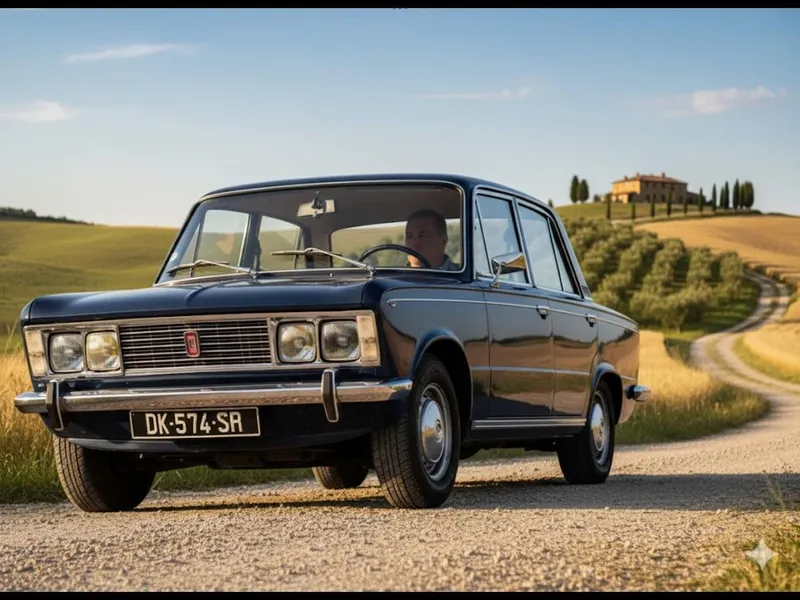
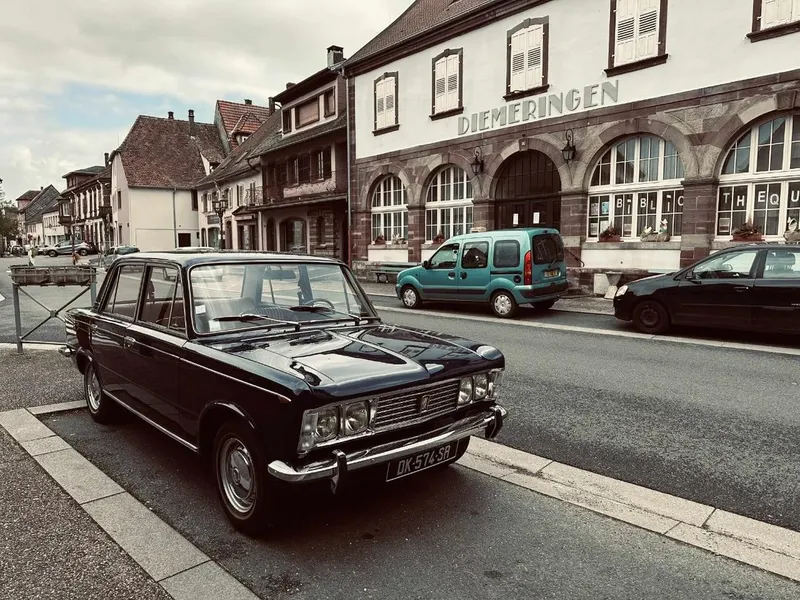
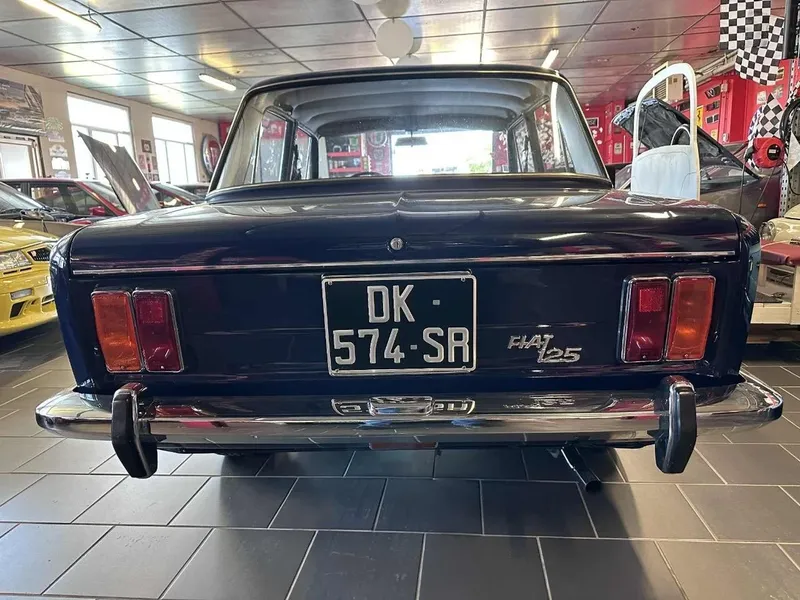
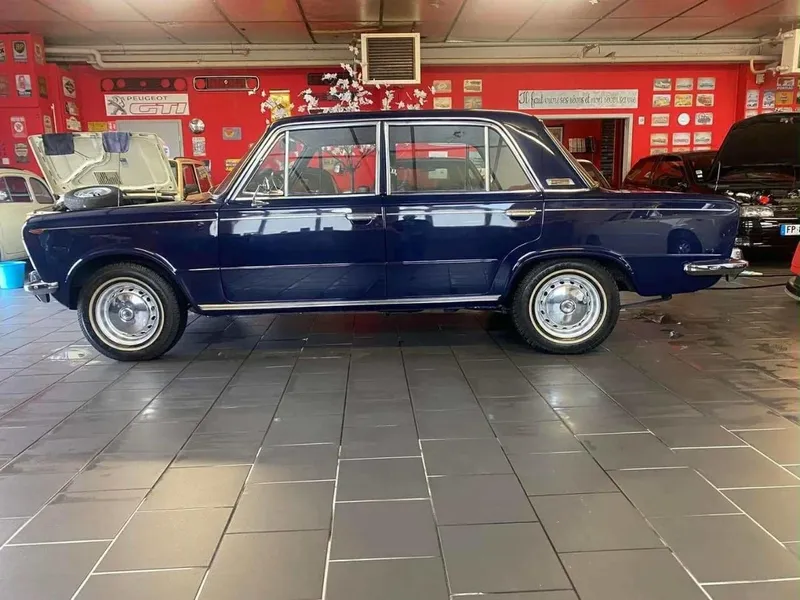
If the Fiat 125 looks like a 124 with a longer wheelbase and a squarer face, that’s because it is. The two cars share the same passenger compartment, doors and proportions, with the 125 distinguished by its quad headlight nose and a more upright tail. There’s no pretension to originality, or any attempt to disguise its parts-bin origins.
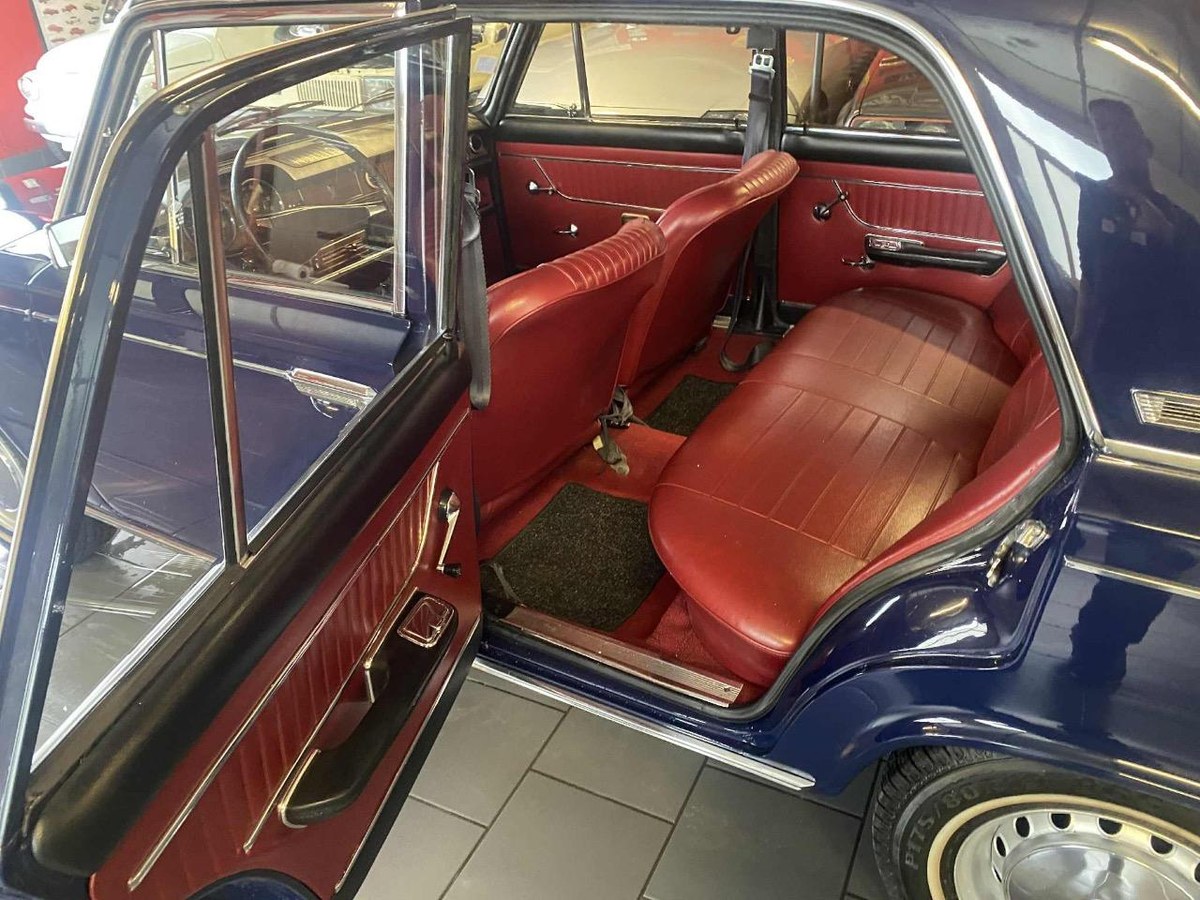
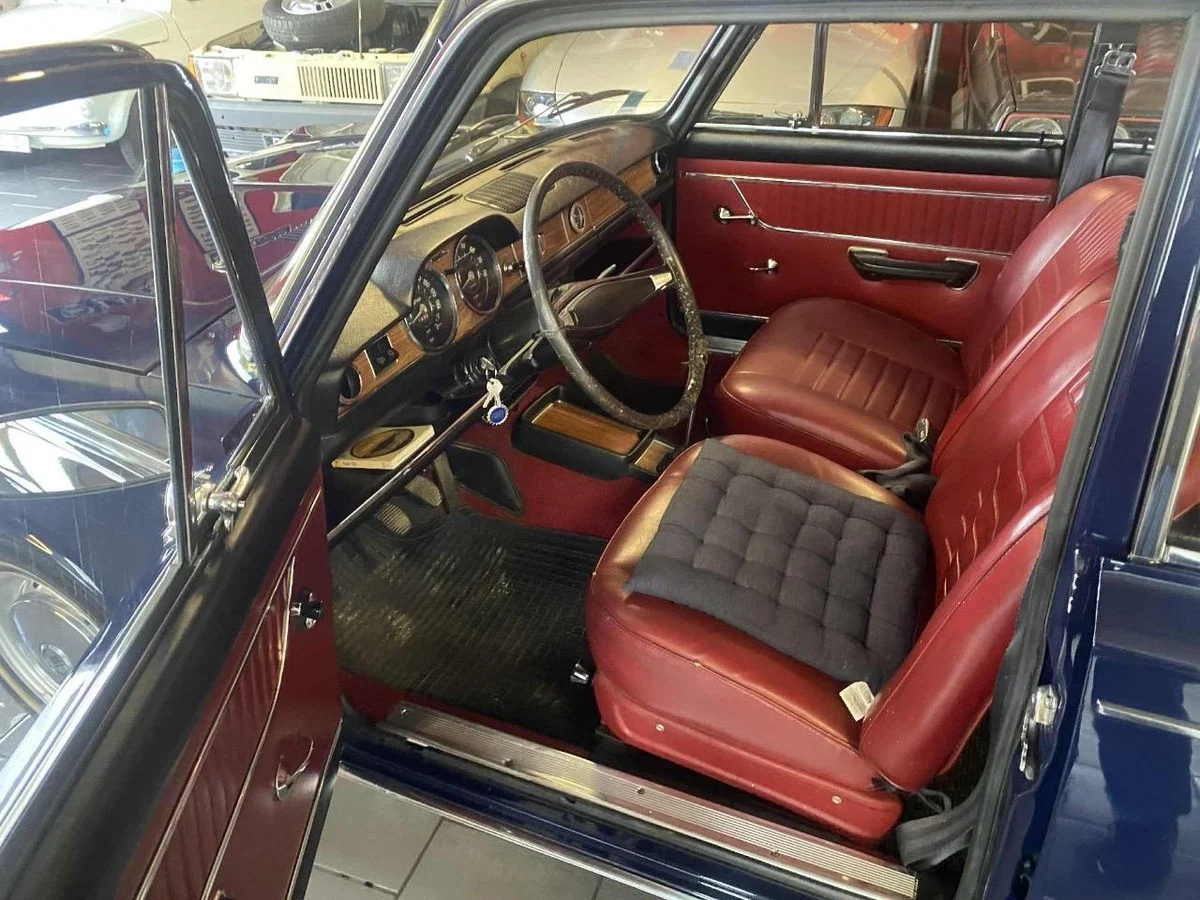
The squared bodywork and double headlight arrangement at least made the 125 look different from the rest of the Fiat range. Its proportions are upright and practical, with a long roofline and a three-box form that prioritised rear passenger space over visual drama. A similar philosophy manifested internally, where Fiat's designers used a linear speedometer in lieu of the smaller 124’s round dials. The overall impression is of a car positioned slightly above the 124 in sophistication without aspiring to the executive pretensions of the more premium 2300.
Safety
The Fiat 125 is an entirely pre-electronics family saloon from the late 1960s, so don’t climb in and wonder where the airbags are. Seatbelts are fitted, but the passive safety provision is that of a conventional steel unibody saloon of the period. As such, tyres and brakes play a disproportionately large part in determining the car’s overall safety.
Pros and Cons
Pros
The Lampredi twin-cam engine gives the 125 the character and mechanical sophistication of a sports car engine in a family saloon.
The 125's composite design means it combines a 1300/1500 chassis, 124 body and Sport Spider engine in a unique package.
The 125 is usually regarded as a more rewarding drive than the 132 which replaced it.
Cons
Corrosion has reduced the UK population of structurally sound examples to a tiny number, and a surviving car’s condition could be worse than it first seems.
The five-year Italian production run means the parts ecosystem never achieved the depth of longer-lived contemporaries. Sourcing correct body panels and interior trim for UK-specification cars requires patience and a thick phone book.
The 125's image has been tarnished by its Polski-Fiat legacy, and also by the visually similar 124’s Lada association.
Prijsontwikkeling
Meest recente verkoop
Niet gevonden
Momenteel te koop
0
0 live veilingen
0 advertenties
Totaal verkocht
0
Hoogste verkoopprijs
€ 0
Gemiddelde prijs
€ 0
Laagste prijs
€ 0
FAQs
How does the Fiat 125 compare to the Alfa Romeo Giulia?
The two cars shared a market (twin-cam family saloons for buyers who wanted more performance than a pushrod engine could offer) but approached their task differently. The Giulia had its own purpose-designed platform, a richer history and a more established sporting reputation. The 125 cost less, yet it offered more interior space. Dynamically, the Giulia's bespoke chassis gave it sharper responses than the 125's older 1300/1500 floorpan, but the gap was narrower than the price difference implied, and for a buyer prioritising engine refinement over outright handling, the 125 was a rational choice.
Why is the Fiat 125 so much rarer than the Fiat 124?
Both cars suffered the same corrosion vulnerabilities, but the 125 had a shorter Italian production run and was treated in most markets as ordinary transport rather than a sports car or collector car. The 124 Spider's open-top appeal and competition history bequeathed it a constituency of enthusiast owners who preserved their cars, whereas the 125 saloon had no such equivalent. Rust killed most of them, and the humble Fiat badge meant there was little enthusiasm to help owners overcome the problems of running a car of this vintage.
Is the Fiat 125 better than the 132 that replaced it?
The 132 was more sophisticated with its coil-spring rear end and longer wheelbase, but despite its exhaustive gestation, it’s widely regarded as less rewarding to drive. It’s a larger, heavier car that lost some of the 125's directness without gaining proportionally in refinement. The 125 remains the sharper, more characterful machine.
What is the relationship between the Italian Fiat 125 and the Polski Fiat 125p?
They share a name, a launch year and an original body structure, but from there, they diverged quickly and substantially. The Polski Fiat 125p used 1295cc and 1481cc OHV units rather than the Italian car's 1608cc twin-cam, and it was produced in Poland by FSO from 1967 to 1991, with continuous local development. By the time Polish production ended, the 125p had evolved far beyond the Italian original in specification and engineering detail. The two cars have different parts networks, different ownership communities and different collector profiles.