Ford Falcon: Models and Specs
1960–2016, compact and full-size Ford saloons, estates, coupés, convertibles and Australian utes, six-cylinder or V8 engines, rear-wheel drive.
Overview
The Ford Falcon name covers two closely related but very different classic cars. In North America, this was Ford’s compact family car of the 1960s, sold as saloons, estates, coupés, convertibles and estate cars. It was discontinued Stateside in 1970, but in Australia, the Falcon remained on sale and subsequently evolved into a long-running national institution. A Ford Falcon listing might therefore be for a left-hand-drive 1960s American import, a right-hand-drive Australian saloon of the same era, a muscular XR/XR8 performance car or even a ute. They share a name, origin, Ford identity and rear-wheel-drive, but the differences can be enormous. The North American Falcon was introduced for the 1960 model year and became one of Ford’s key models of the decade, while the Australian Falcon continued in local production until 2016.
Price
- Starting price
- £9,500
- Average price
- £17,860
- Price range
- £9,500 - £29,617
Specifications
- Production years
- 1960–1970 (America), 1960-2016 (Australia)
- Main markets
- North America, Australia
- Body styles
- Saloon, estate, coupé, convertible, ute/pick-up
- Layout / drive
- Front-engine, rear-wheel drive
- Engine family
- Inline-six and V8 petrol engines
Ford Falcon in Detail
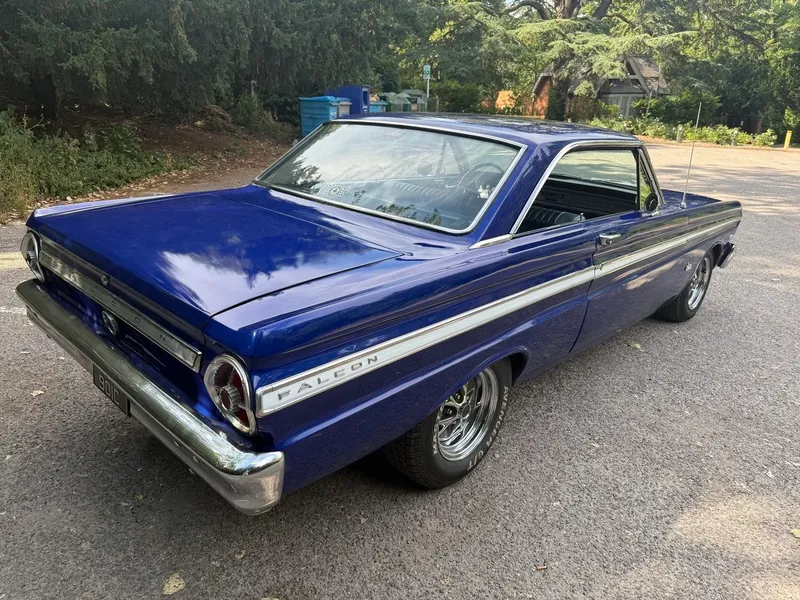
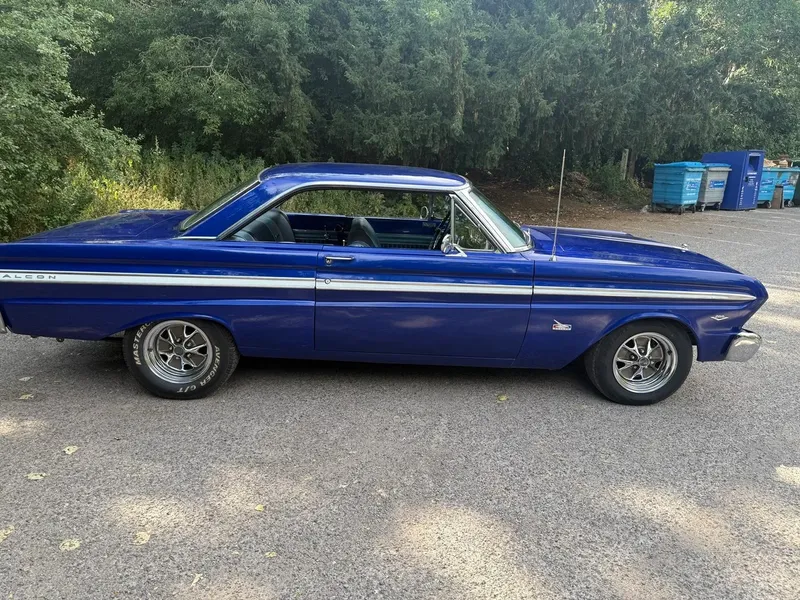
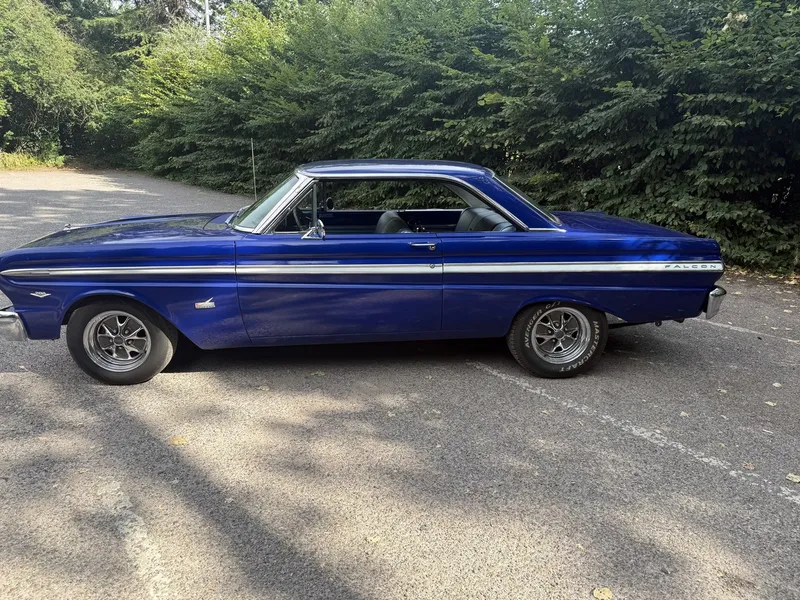
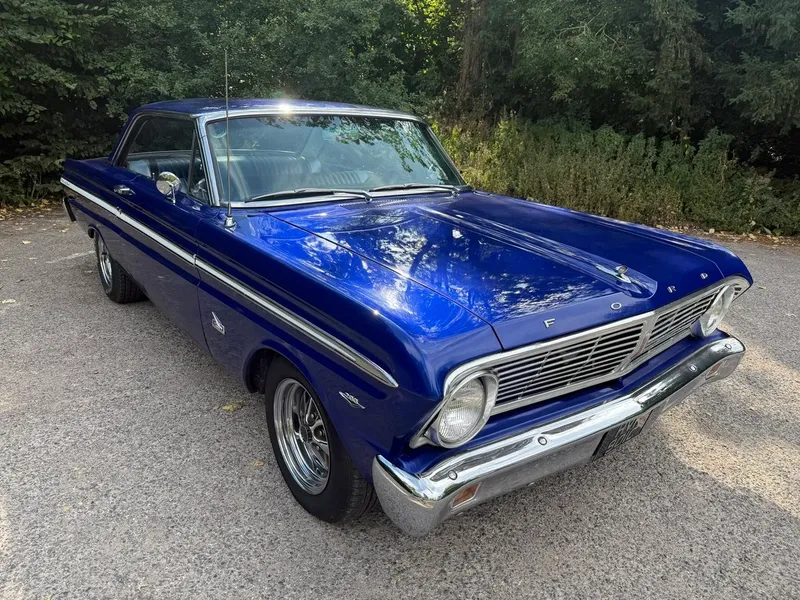
The Ford Falcon began in North America as a compact family car for the 1960 model year. It was designed to give Ford a smaller, more economical model for buyers who wanted simple, affordable transport, covering everything from saloons and estates to vans and small trucks. They were manufactured as two-door or four-door saloons, estate cars, coupés, convertibles, Futuras or Sprint-style cars.
Australia kept the Falcon name alive for decades after the North American model ended production. Early Australian Falcons were closely linked to the US design, but the car was progressively adapted for local conditions and later became a distinctly Australian rear-wheel-drive family of cars. Indeed, the Falcon became one of Australia’s longest-running nameplates, with production ending in October 2016.
Early North American Falcons were compact, straightforward family cars, usually defined by six-cylinder economy and simple V8 upgrades. Australian Falcons later became larger rear-wheel-drive family cars, performance saloons and utes, with a much wider spread of six-cylinder and V8 outputs.
Production-era specification summary
Era / market | Years | Model-hub identity |
North American Falcon | 1960–1970 | Compact Ford family saloon, estate, coupé and convertible |
Early Australian Falcon | 1960s–1970s | Initially related to the US Falcon, then increasingly adapted for Australian use |
Later Australian Falcon | 1980s–2016 | Larger rear-wheel-drive family and performance car line, including six-cylinder, V8 and ute versions |
Model-wide performance range
Item | Model-wide range |
Engine family | Inline-six and V8 petrol engines depending on market and era |
Power range | From 90 hp six-cylinder (US) to performance V8s (Australia) |
Transmission types | Manual and automatic |
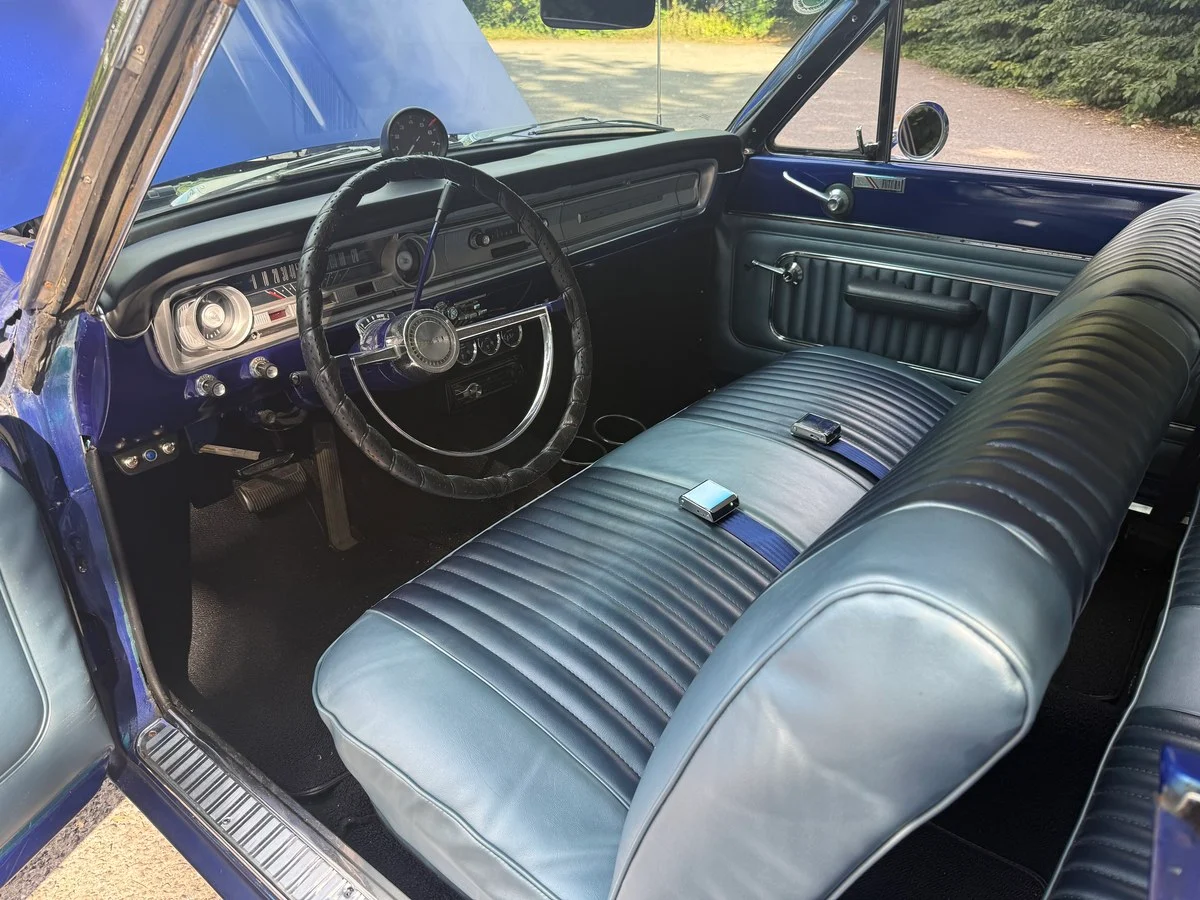
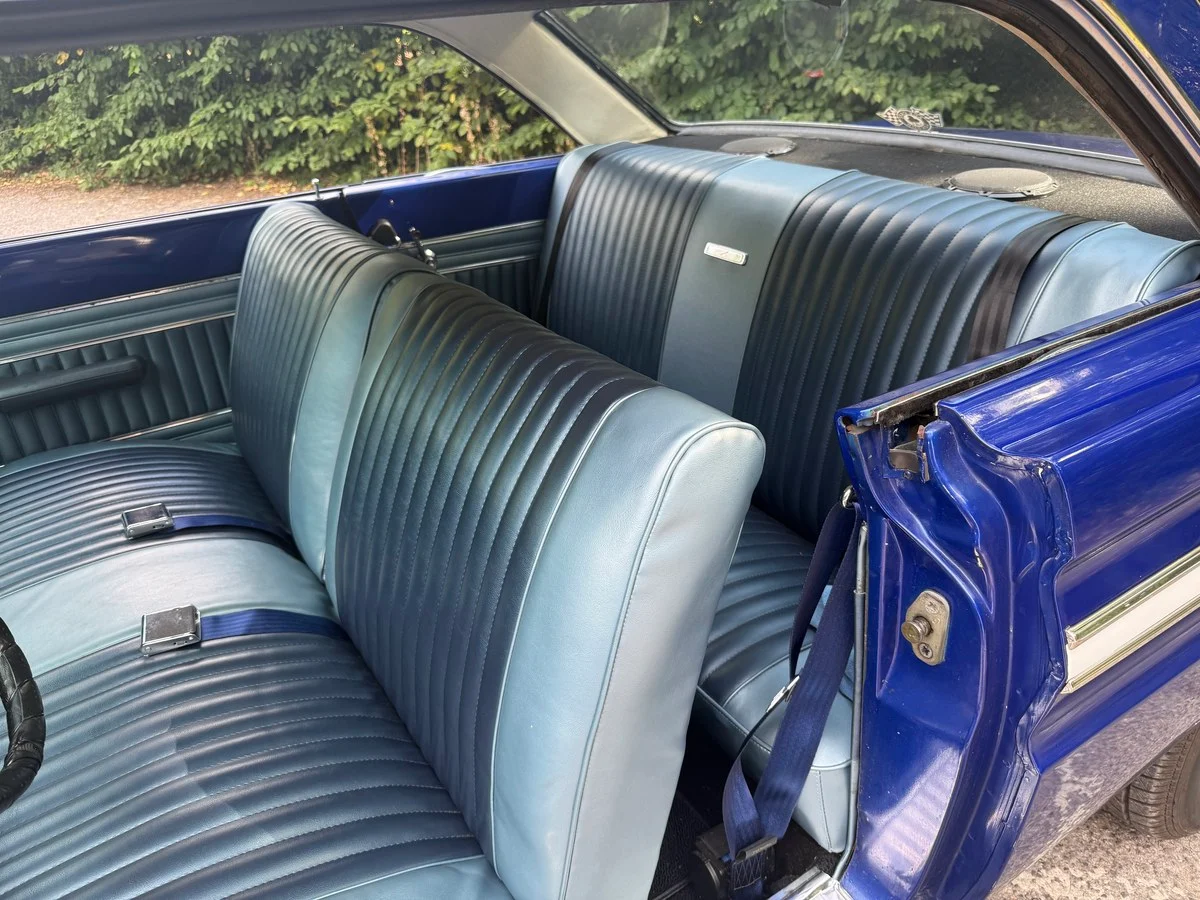
The Ford Falcon’s design identity varies according to its age and country of origin, but the nameplate is tied together by simple rear-wheel-drive proportions and a practical cabin. Early North American Falcons have compact 1960s styling, slim pillars, clean surfacing and approachable family-car proportions. They feel more modest and usable than full-size American cars of the same era, which is part of their appeal for UK buyers who want Stateside style without the heft of a Galaxie or Fairlane.
Like most multigenerational vehicles, Australian Falcons became larger over time. Their identity shifted from compact family car to full-size saloon, estate and ute, often with a stronger performance image. Even so, they retained the American cabin philosophy of straightforward controls, usability and durable Ford familiarity.
Falcon type | Years | Best suited to buyers who want… |
North American Falcon | 1960–1970 | A compact 1960s American Ford with saloon, estate, coupé or convertible appeal |
Australian XK–XP Falcon | 1960–1966 | An early Australian Falcon closely linked to the original US design, but with stronger local-market identity |
Australian XR–XY Falcon | 1966–1972 | A more muscular Falcon, including some of the most collectible performance-led versions |
Australian XA–XC Falcon | 1972–1979 | Distinct Australian styling with coupé-era desirability and muscle-car character |
Australian XD–XF Falcon | 1979–1988 | A boxier, more traditional Australian family car offering saloon, wagon and ute variants |
Australian EA–EL Falcon | 1988–1998 | A later rear-wheel-drive model with more usability and performance-oriented versions |
Australian AU–FG X Falcon | 1998–2016 | The modern Australian Falcons, including XR6, XR8 and utes |
North American and early Australian Falcons were engineered long before airbags, stability control and modern crash-assistance systems, with basic braking and limited occupant protection. Inevitably, later Australian Falcons adopted stronger structures and more electronic safety features depending on the generation and specification. These later cars are more suitable for buyers who want the Falcon name with better everyday usability.
Pros
Wide buyer choice, from compact 1960s American classics to later Australian performance saloons and utes.
North American Falcons offer Stateside Ford character in more manageable dimensions than many US classics.
Australian Falcons deliver right-hand/rear-wheel-drive character across several eras.
Cons
The Falcon name confuses many people because US and Australian cars have different histories.
Driving style and road manners of earlier cars won’t impress everyone.
Parts may be difficult to acquire, especially for older vehicles.
Price trends
Most recent sale
£15,000
1964 Ford Falcon

Currently for sale
6
0 live auctions
6 adverts



Total sold
18
Highest sale price
£29,617
Average price
£17,860
Lowest price
£9,500
FAQs
Choose a North American Falcon if you want a compact 1960s American classic with simple styling, modest proportions and period Ford character. Conversely, buy an Australian Falcon if you want right-hand-drive or stronger family/performance-car appeal.
A North American Ford Falcon can make sense for UK buyers who like American cars but don’t fancy trying to park or fuel a full-size US saloon. Early Falcons are compact by American standards, and the body styles include saloons, estates, coupés and convertibles.
A saloon is the most straightforward choice, an estate suits buyers who want more practicality, a convertible is primarily a lifestyle-led acquisition, and a ute is mainly relevant to buyers who want something more unusual.
On North American Falcons, coupés, convertibles, Futura and Sprint-style cars are usually the most obvious choices. In terms of Australian Falcons, look at performance-oriented XR/GT eras and later enthusiast models such as XR6/XR8 variants.