Ford Granada: Models and Specs
1972–1994, four-cylinder/V6 petrol and diesel engines, front-engined, rear-wheel drive, saloon/coupé/estate/hatchback.
Overview
Although it never enjoyed the cult status of the smaller Cortina, the Ford Granada is a notable 20th century classic. This was Ford of Europe’s executive car, created to replace the British Zephyr/Zodiac line with a pan-European flagship. It gave Ford a credible large-car range above the Cortina and later the Sierra, which the final Granada generation closely resembled. It was aimed at private executive buyers, fleets, police forces and long-distance users who didn’t want the price tag of a premium (i.e. German) badge. The Granada’s character is defined by its size, comfort and straightforward engineering. It was never a sports saloon (latterly hatchback), but it was a usable and practical executive car, available with a wide spread of engines and body styles. Over two decades, the Granada served both family and fleet roles, and would go on to introduce advanced safety technology to a volume-production European car.
Price
- Starting price
- 2 200 zł
- Average price
- 9 188 zł
- Price range
- 2 200 zł - 25 500 zł
Specifications
- Production years
- 1972–1994
- Body styles
- Saloon, coupé, estate, hatchback
- Layout / drive
- Front engine, RWD (some AWD)
- Engine family
- Four-cylinder, V6, diesel
- Transmission types
- Manual and automatic
Ford Granada in Detail
The Ford Granada was launched in 1972 as part of Ford’s wider European product strategy. It replaced separate large-car lines in Britain and Germany, giving Ford a single executive model family for the European market. Early cars were sold in some forms as Consul, but Granada quickly became the main nameplate for Ford’s large European car range.
The model’s first major phase established the Granada as a large rear-wheel-drive executive car, offered in several body styles and with a broad engine range. Its position was deliberately mainstream: more spacious and prestigious than Ford’s family saloons, but still practical and serviceable with a vast dealer network.
The second major phase arrived in 1977, when Ford introduced a sharper, more formal saloon design, though much of the established engineering base was retained. The engine range ran from 2.0-litre four-cylinder to 2.3-litre V6 and 2.8-litre V6 engines.
The final UK Granada phase began in 1985 when a hatchback replaced the saloon and estate versions (the coupe was only available as a Mk 1). In mainland Europe, the new car was sold as the Ford Scorpio (a name that would briefly be adopted here for the Granada’s unloved replacement), while the Granada name continued in the UK and Ireland. This generation moved the model into a more aerodynamic and technology-led era, notably with standard anti-lock braking across the range. The Ford Scorpio/Granada also won the 1986 European Car of the Year award.
Across all three generations, the Granada’s engineering themes stayed consistent: a large body, rear-drive layout, strong long-distance comfort and simple serviceability. Its broad appeal came from being a big Ford that could serve as anything from a practical fleet car to a luxury-spec executive saloon, estate, coupé or hatchback.
The Ford Granada’s performance evolved from conventional four-cylinder and V6 pace into stronger injected V6 and later Cosworth-developed 24-valve territory. Early cars used Ford four-cylinder and Essex/Cologne V6 engines, later Mk2 cars centred on Pinto and Cologne units, while the final UK Granada period added more modern fuel-injected engines and a 2.9-litre Cosworth-developed V6.
Item | Model-wide range |
Engine family | Four-cylinder petrol and diesel units; Essex and Cologne V6 engines; later Cosworth-developed 2.9-litre Cologne V6 |
Power range | 75bhp–200bhp |
Top speed | 90mph–140mph |
Although it bore a resemblance to the Cortina and then the Sierra, the Ford Granada remained recognisable as the big Ford of its era. The scale was particularly notable, since this car was both long and broad. Across its life, the visual identity changed from flowing 1970s executive-car lines to sharper late-1970s surfacing and then a more aerodynamic 1980s hatchback shape, but the core proportions remained consistent. It was always a front-engined car with a long bonnet, generous cabin space and a rear-drive platform that could catch out the unwary on a wet roundabout.
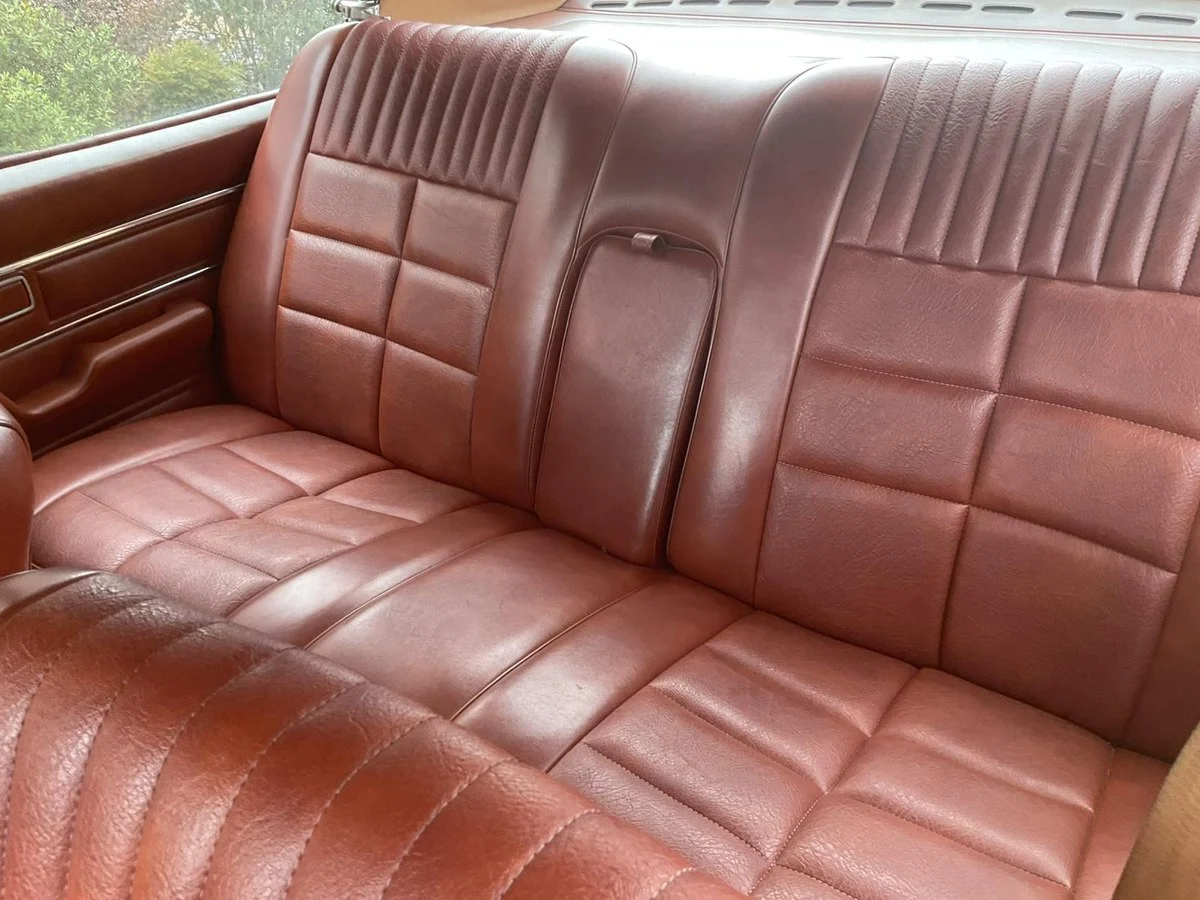
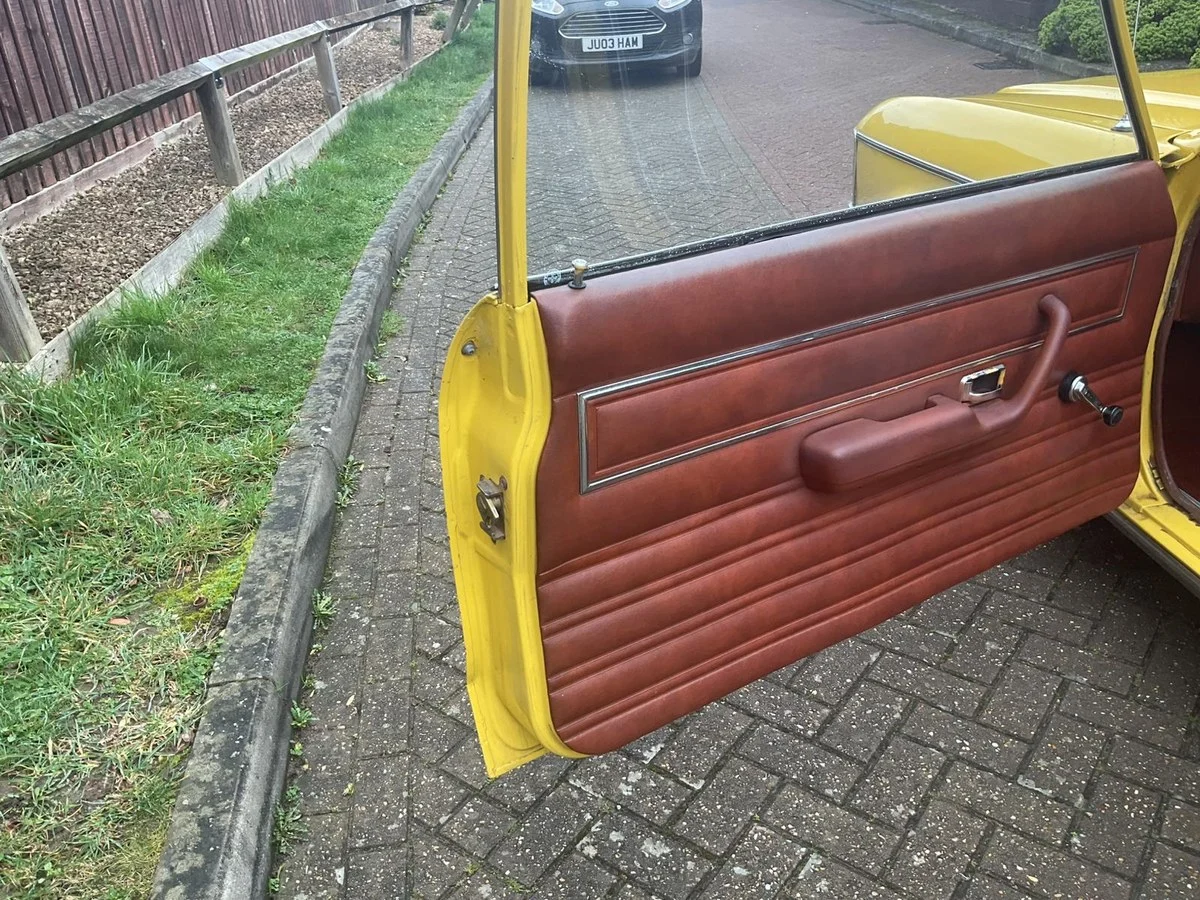
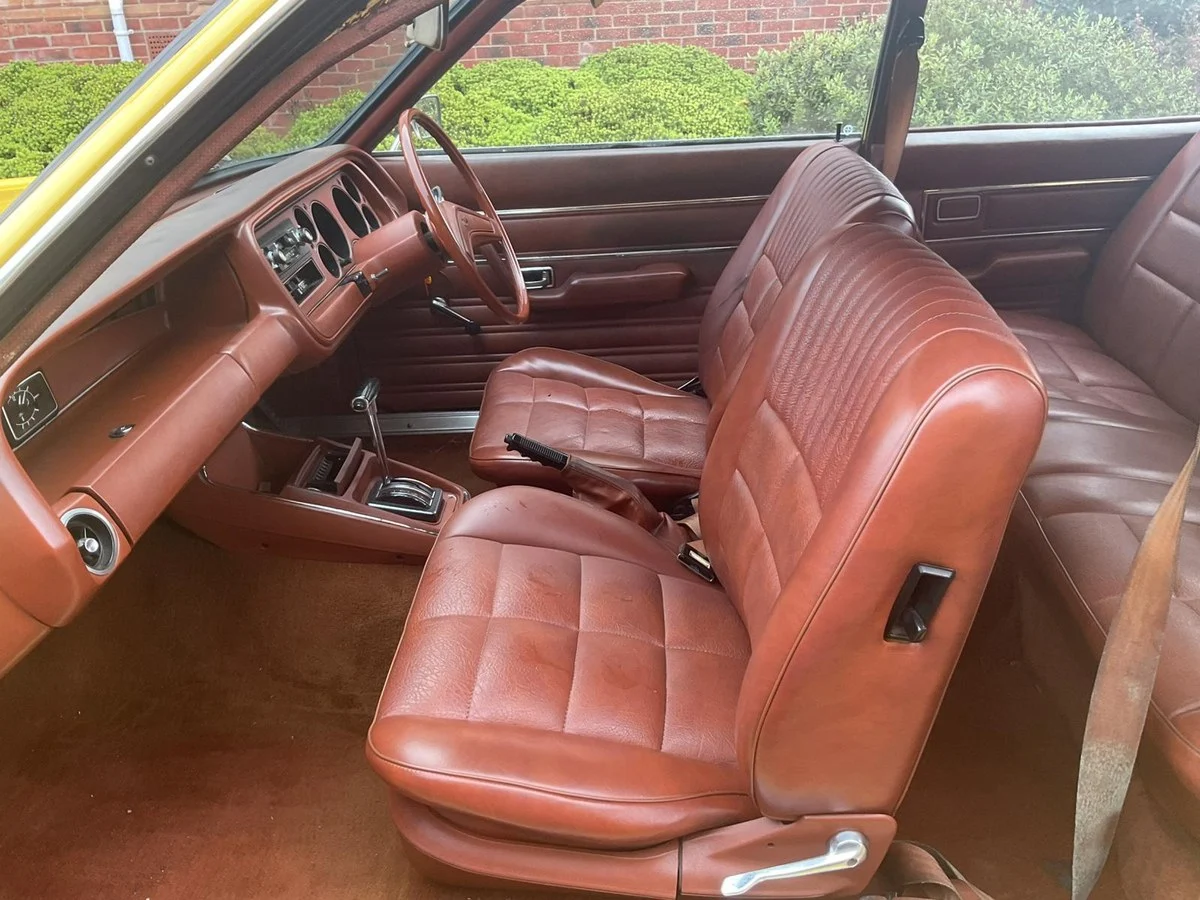
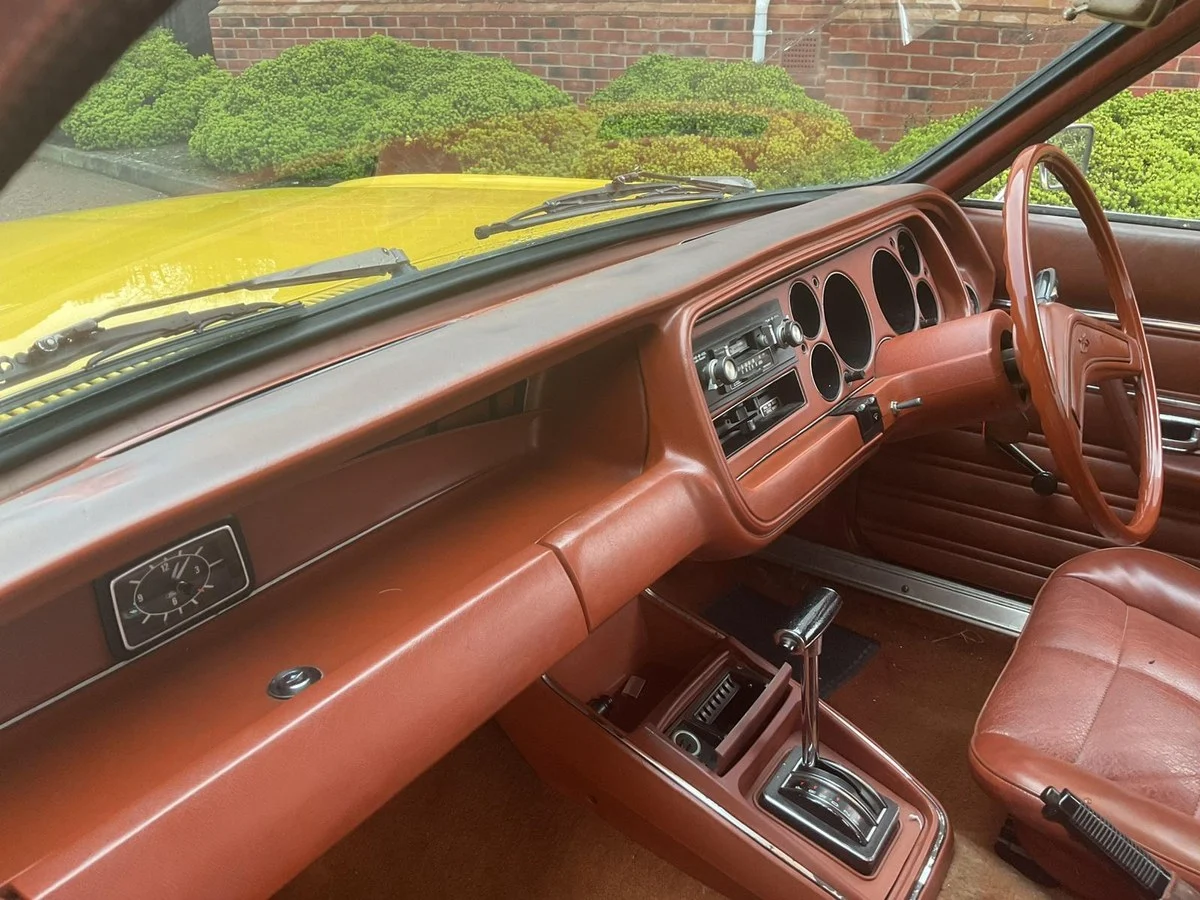
The Granada had presence without offering anything exotic, and its appearance was defined by wide glass areas, large doors and a cabin designed around long-distance comfort. Indeed, the Granada cabin prioritised space, equipment, comfort and ease of use. It gradually evolved from traditional simplicity into a more technology-led layout in its third and final phase. It’s this combination of Ford familiarity and executive-car scale that gives the Granada its identity at the top of the FoE model hierarchy.
The Ford Granada spans two safety eras. Earlier cars belong to the pre-electronics period, where safety was dependent on visibility, braking hardware and structural strength. The final UK Granada era raised the bar when ABS became standard across the range, which was a major distinction for a European volume-production car of the mid-1980s.
Later cars changed the Granada’s safety identity from traditional executive heft to a more technology-led approach. However,every Granada remains a classic from an era when surround-view cameras or automatic emergency braking were pure science fiction.
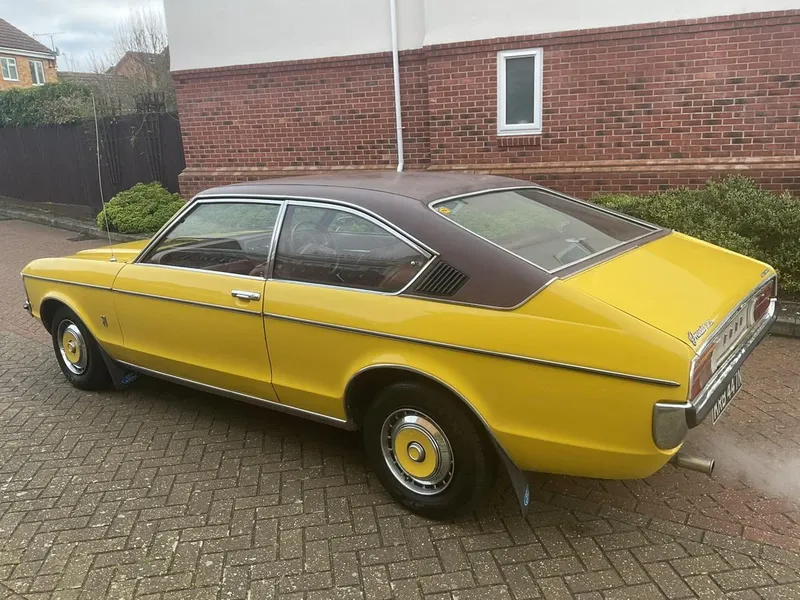
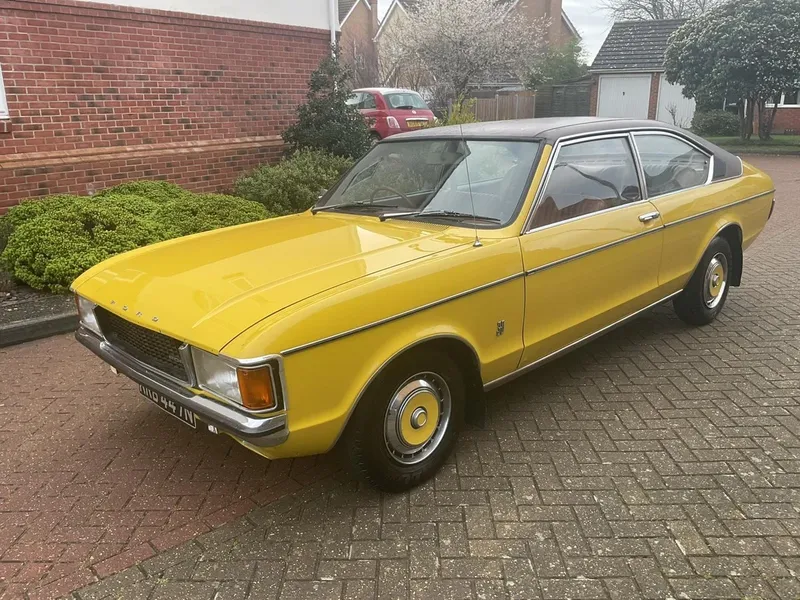
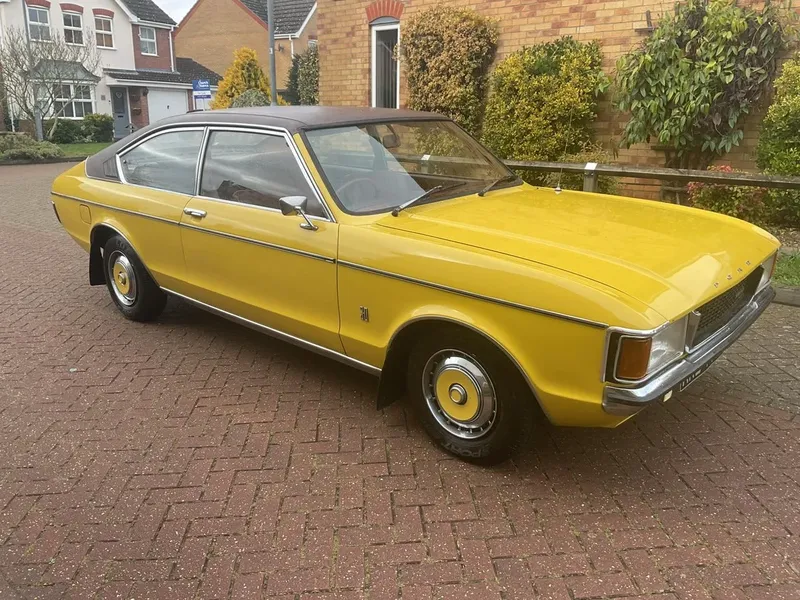
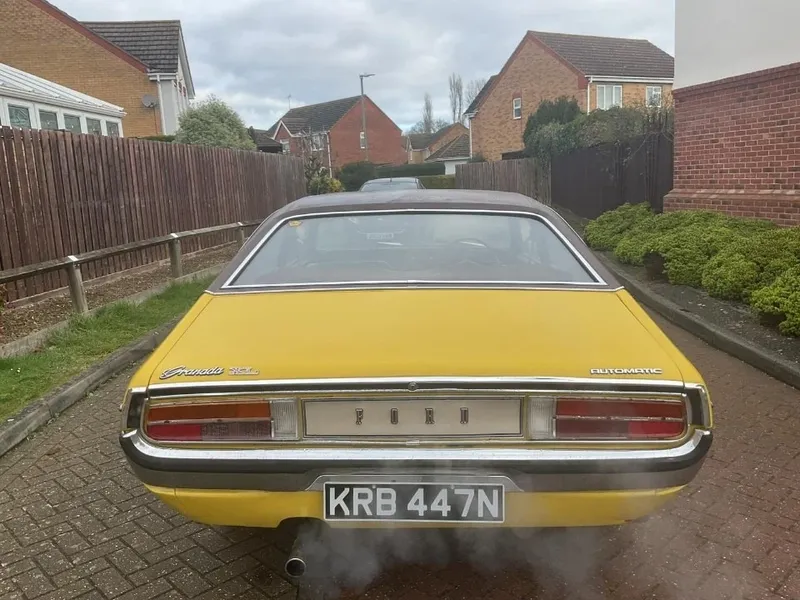
Ford Granada Mk1: The original 1972–1977 Granada established Ford’s pan-European executive car formula, replacing separate British and German lines. It was a striking car, especially in coupe form, with huge rear lights and a bluff nose hinting at American design influence.
Ford Granada Mk2: Introduced in 1977, the Mk2 brought cleaner, squarer styling and a stronger focus on Cologne V6 power. It was also available as a saloon or estate, though the coupe was dropped.
Ford Granada Mk3: Launched in 1985, this was sold as the Scorpio in mainland Europe but retained the Granada name in the UK and Ireland. It switched to an aerodynamic hatchback style reminiscent of the Sierra, and featured standard ABS in a nod to evolving safety standards.
Pros
Each generation has its own distinct style, from Mk 1 coupes to Mk 3 hatchbacks.
Mk3 cars gained standard ABS, giving the model a notable safety uplift.
Strong appeal for buyers wanting a usable, comfortable, nostalgic executive car.
Cons
Corrosion is a key model-wide ownership concern, especially on earlier examples.
Despite being a flagship car, interior trim and specifications were still Ford-like.
The 2.1-litre Peugeot-sourced diesel was agricultural and arthritic in this heavy car.
Ford Granada for Sale
The Ford Granada offers big-car character, from early saloons and coupés to later estates and Granada/Scorpio models. Browse Ford Granada cars for sale to compare body styles, engines and generations.
Trendy cenowe
Ostatnia sprzedaż
4750 £
1989 Ford Granada

Obecnie na sprzedaż
13
0 aktywnych aukcji
13 ogłoszeń


Łącznie sprzedanych
51
Najwyższa cena sprzedaży
25 500 €
Średnia cena
9188 €
Najniższa cena
2200 €
FAQs
The first-generation Granada was available in the UK as a saloon, estate or coupe, with the latter dropped for the Mk 2. The Mk 3 switched to a hatchback in lieu of the saloon, and an estate was also offered.
The Ford Granada can suit regular use because it was designed as a large, practical car rather than a fragile specialist model. Its appeal lies in space, comfort and straightforward Ford engineering. As such, running costs are generally more approachable than many premium classics, because the car used familiar Ford engines and mechanical layouts.
Ford Granada parts availability is mixed but generally supported by the classic Ford specialist scene. Servicing and mechanical parts for common engines are usually easier than body, trim and generation-specific items. Original-spec surviving vehicles are becoming scarce, making good examples more sought after and fought over.
In the UK and Ireland, the 1985-onwards car retained the Granada name, while mainland Europe adopted the Scorpio name. In 1994, Ford dropped the Granada name altogether and rolled the Scorpio brand out across Europe on a new executive car. Sadly, this was a very unhappy-looking vehicle which was widely mocked, sold poorly and was dropped in 1998.