Hudson Hornet: Models and Specs
1951–1957, straight-six and later V8-era American saloon, coupé, hardtop and convertible, front-engined, rear-wheel drive.
Overview
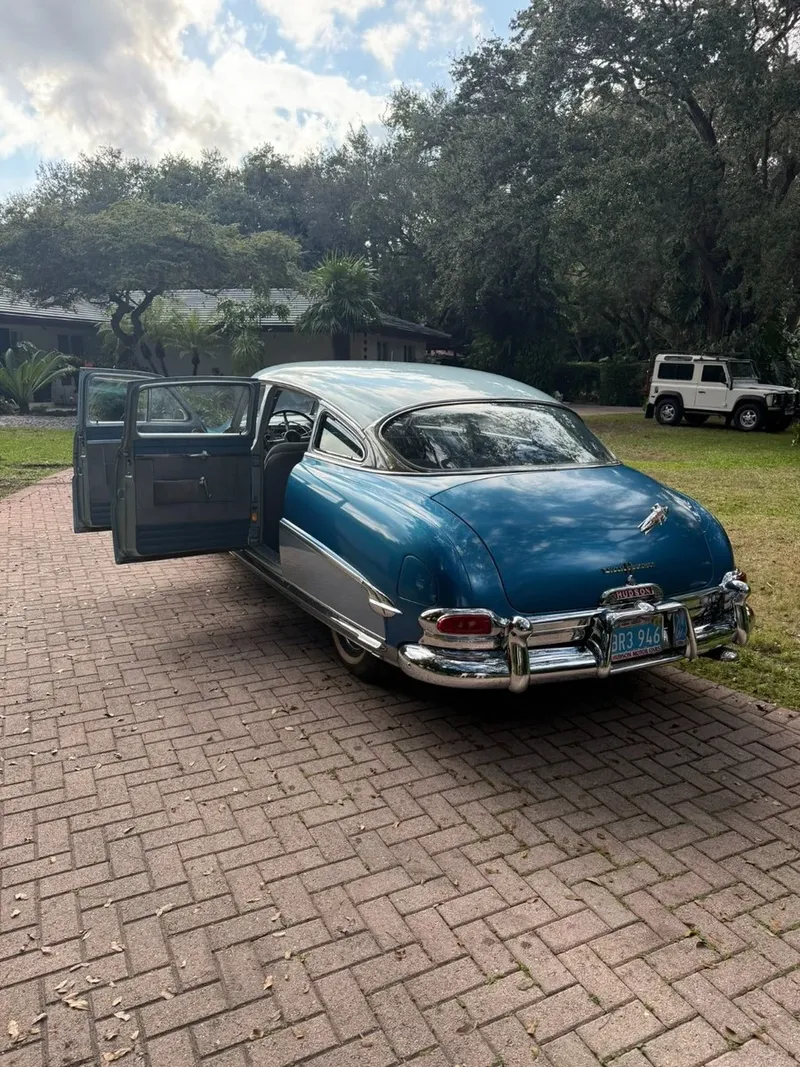
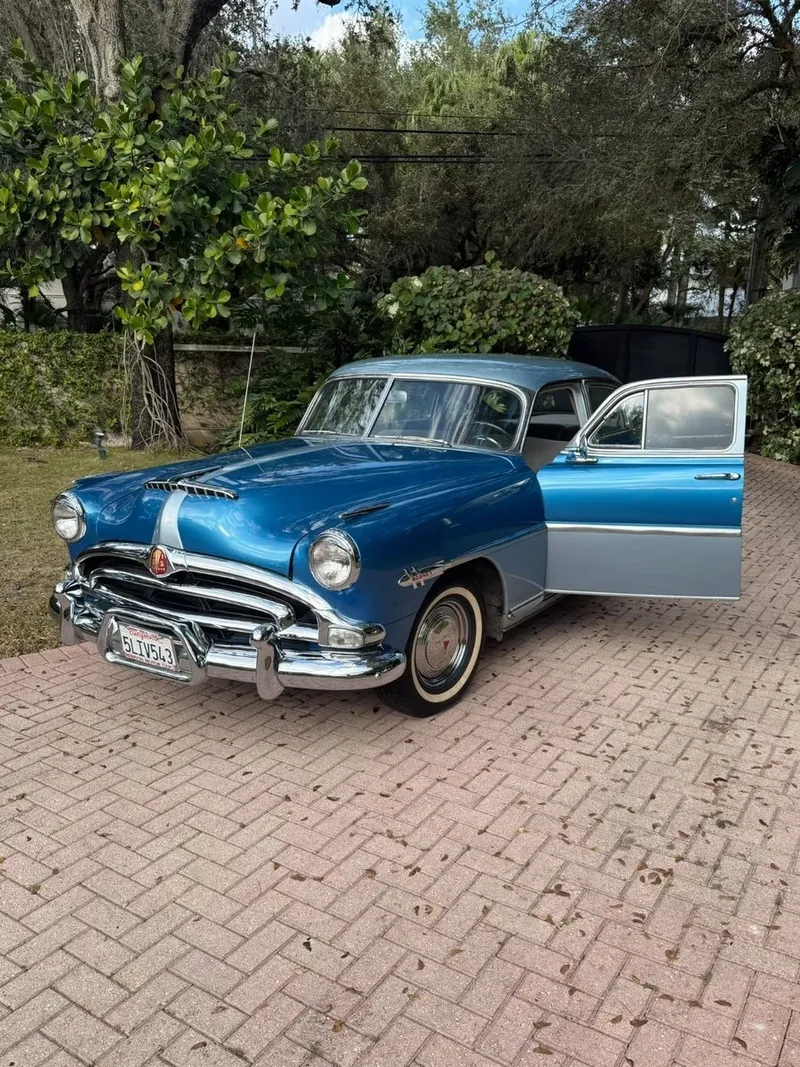
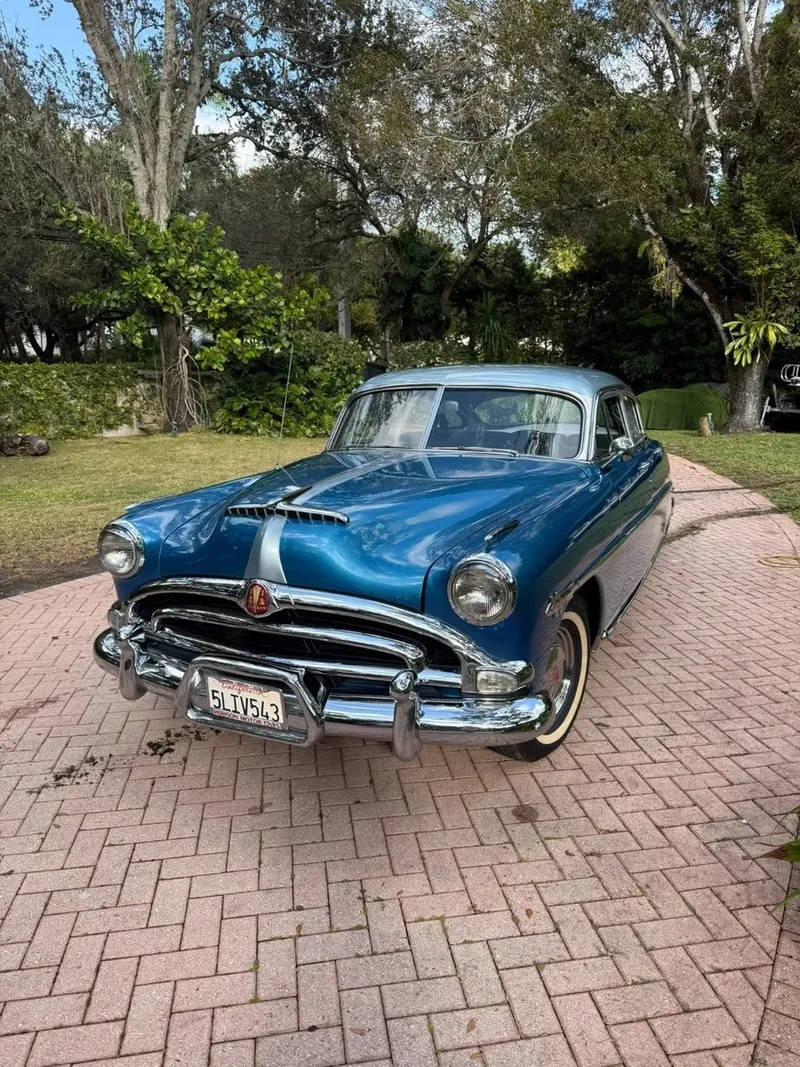
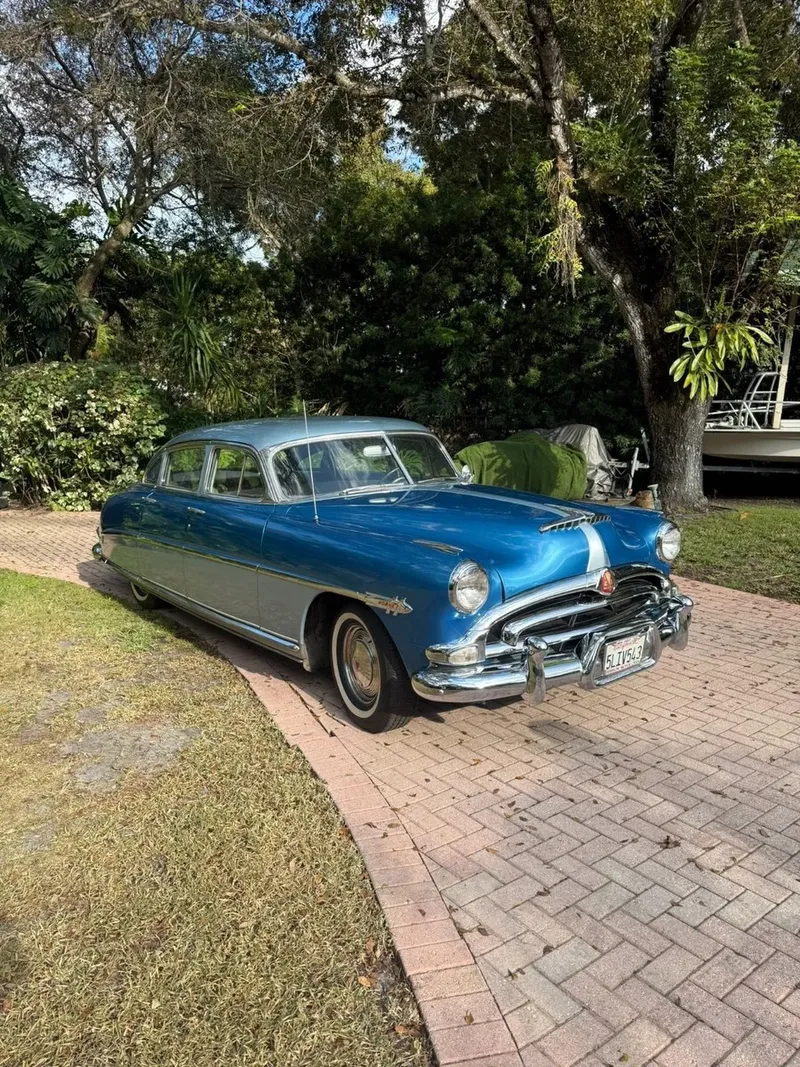
To hear the name Hudson Hornet is to be transported to a different continent and a different time, of drive-in movie theatres and neon jukeboxes. The Hornet is perhaps best known for its 1951–1954 Step-Down cars with footwells sunken below the surrounding chassis rails, though the name continued on a less radical design from 1955 to 1957 following the Hudson-Nash merger which ultimately created the AMC brand. The early Hudson Hornet built its reputation around a low-slung body/chassis design, a powerful 308 cu in straight-six and a stock-car racing record that made it one of the most famous American performance cars of the early 1950s. After Hudson merged with Nash to form American Motors Corporation, the Hornet name continued on post-merger cars with a different platform, different styling and later V8-era positioning.
Specifications
- Production years
- 1951–1957
- Main production
- 1951–1954 Step-Down; 1955–1957 Hornet
- Body styles
- Saloon, coupé, hardtop and convertible
- Layout / drive
- Front-engine, rear-wheel drive
- Engine family
- Hudson straight-six engines; later V8
Hudson Hornet in Detail
History
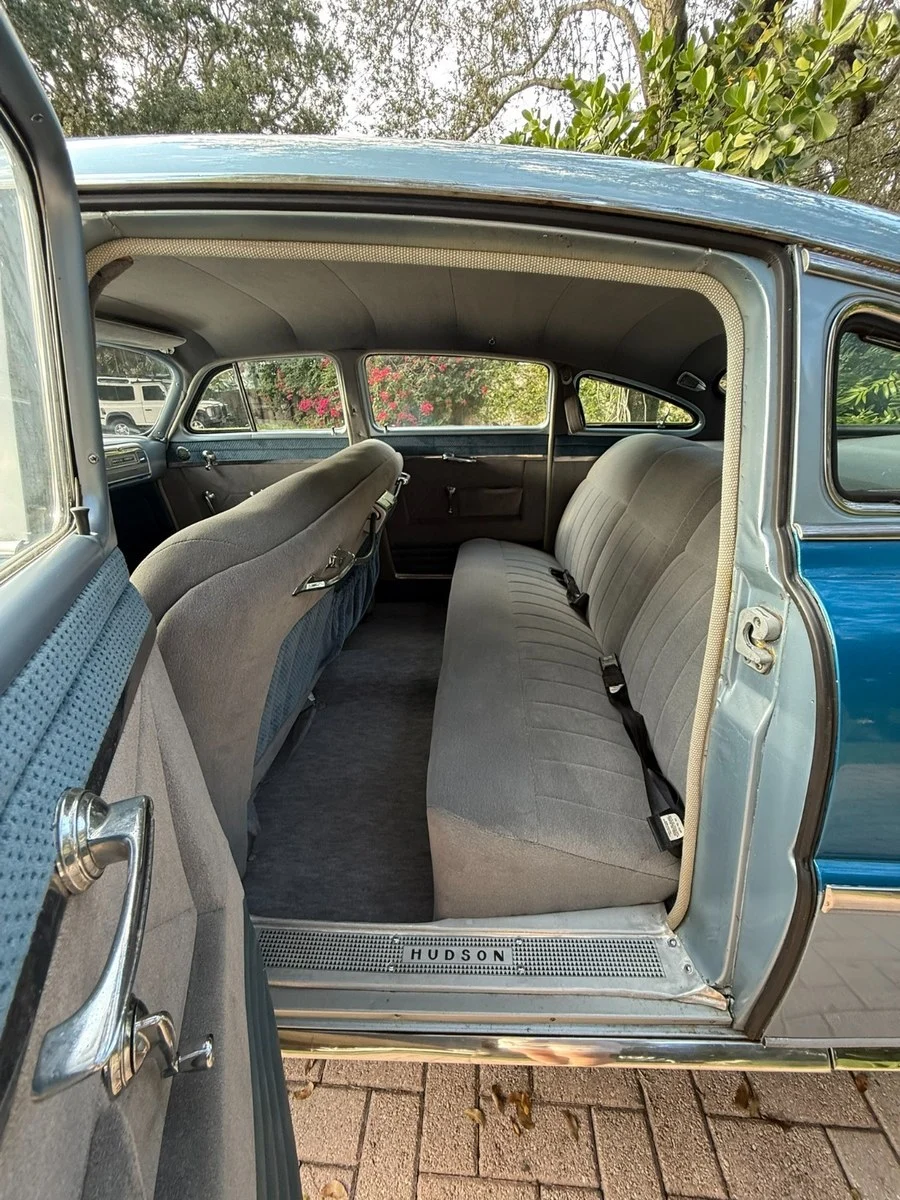
The original Hudson Hornet used Step-Down construction, where occupants sat within the perimeter of the chassis rather than above it. That helped give the car a lower centre of gravity and a lower, more planted stance than many American rivals of the period. This cabin was powered by a 308 cu in Hudson straight-six, which achieved strong results in period NASCAR racing.
Hudson merged with Nash-Kelvinator in 1954 to form American Motors Corporation, and the Hornet name continued through to the 1957 model year. These were essentially rebadged Nash motors, though. They had a different design character, different market position and latterly a clearer V8 identity.
Specifications & Performance
The Hudson Hornet’s performance story evolved noticeably after the Nash merger, but 1951–1954 cars are defined by their 308 cu in Hudson straight-six and Twin H-Power performance identity. Later V8s were a welcome if belated addition to the Hornet legacy.
Hornet era | Years | Best suited to buyers who want… |
Step-Down | 1951–1954 | The most famous and collectible Hornet era, with the low Step-Down body, 308 cu in straight-six and strongest racing identity |
Post-merger | 1955–1957 | A later Hudson from the final years of the marque, with different styling and rarer post-merger appeal |
Performance
Item | Model-wide range |
Engine family | Hudson straight-six and later V8-era engines |
Power range | 145 hp for 308 cu in straight-six, rising to 255 hp for late V8-era |
Top speed | 97 mph for early 1951 Hornet road-test context |
Transmission types | Manual and automatic |
Design and Cabin Identity
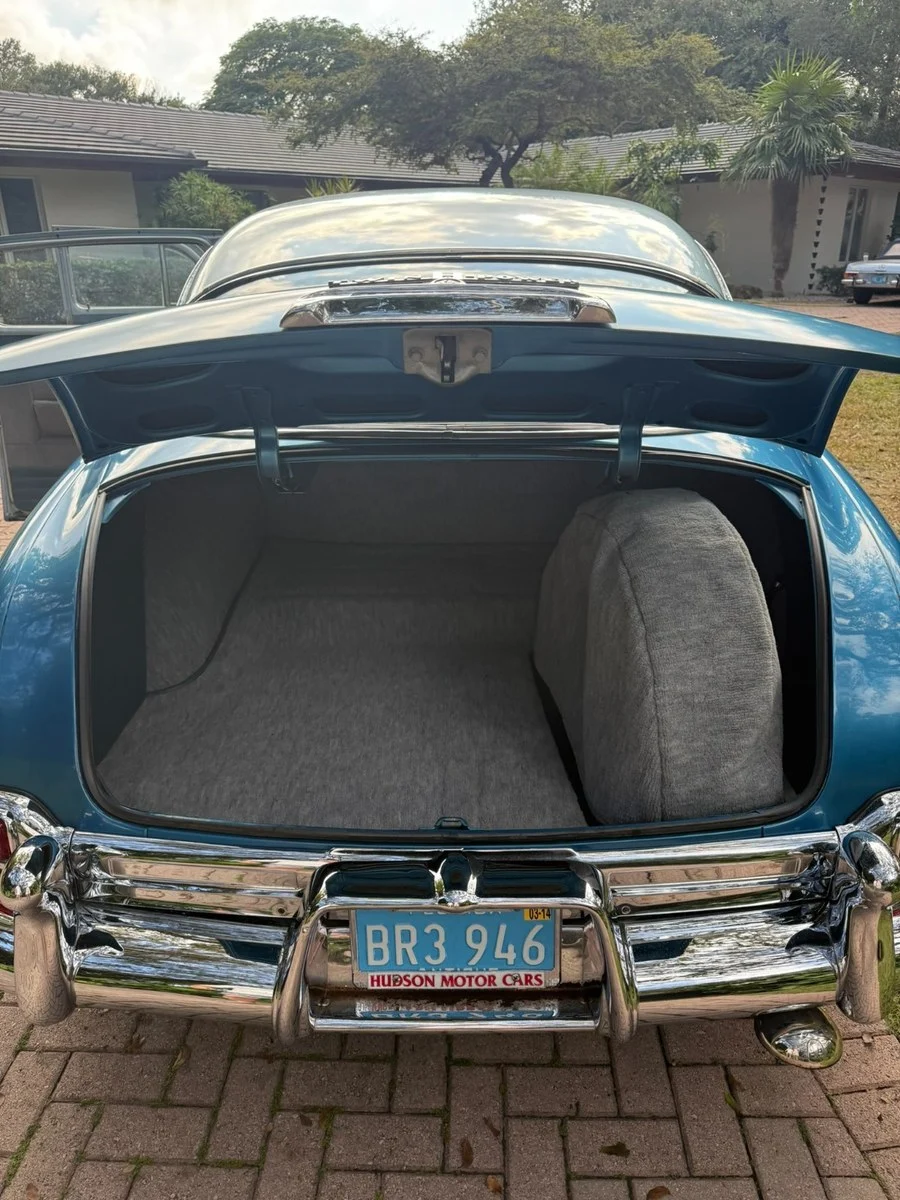
Putting aside the undeniable novelty of the sunken footwells and low-slung seating position, the Hornet went through two distinct visual phases. The 1951–1954 Hornets are recognised for their low stance, smooth sides, broad body and planted road presence. They looked lower and more modern than many early-1950s American rivals.
The 1955–1957 cars lost the Step-Down identity, though they retained a comfortable American cabin philosophy rather than becoming compact or sports-car-like.
Safety
The Hudson Hornet predates any focus on safety. Buyers should pay attention to braking, tyres, lighting, steering and the general condition of the individual car, since this is all that will protect them. The earlier Step-Down Hornets did have a low centre of gravity and good handling balance, but braking distances and impact protection have to be approached with caution.
Pros and Cons
Pros
The 1951–1954 Step-Down Hornets carry the strongest collector identity.
The 308 cu in straight-six and Twin H-Power connection give those early cars period performance credibility.
The 1955–1957 cars offer a different route into late Hudson ownership and the final years of the marque before the AMC rebrand.
Cons
Buyers need to separate Step-Downs from post-merger Hornets which have less appeal.
The most famous racing identity belongs mainly to the 1951–1954 cars, not the whole production run.
Parts will be difficult to acquire seven decades on, particularly since the Hornet was only ever available in the UK as an import.
FAQs
What involvement did the Hudson Hornet have in NASCAR?
NASCAR is a major part of the Hudson Hornet’s fame. The Fabulous Hudson Hornet (as it came to be known) competed in the NASCAR Grand National Series and AAA stock car racing, with its low centre of gravity helping it to achieve numerous NASCAR wins throughout the 1951-54 seasons.
Which Hudson Hornet years should buyers focus on?
Start with the 1951–1954 Step-Down if you want the most recognisable and collectible Hornet. These are the cars most closely tied to the Fabulous Hudson Hornet reputation, the 308 cu in straight-six and the aforementioned NASCAR pedigree. The 1955–1957 cars are still interesting, but they appeal more to buyers who want to own one of the last Hudsons before the AMC era.
What does Step-Down mean on a Hudson Hornet, and why does it matter to buyers?
Step-Down refers to Hudson’s body and chassis concept, where the cabin floor was sunken within the frame structure to provide more legroom and a lower stance. For buyers, it’s central to the early Hornet’s character, handling reputation and collector identity. A Step-Down Hornet is the version most people associate with the model’s golden era.
Is Twin H-Power important when buying a Hudson Hornet?
Twin H-Power is important if you want the most recognised early Hornet performance identity. It’s associated with the 308 cu in straight-six and the model’s period performance reputation. Buyers focused on collectability will usually see Twin H-Power as a desirable feature.