Jaguar XK140: Models and Specs
Production: 1954–1957 | Engine: 3.4-litre DOHC inline-six | Power: 190–210 bhp | Key features: Rack and pinion steering, telescopic dampers, 4-speed manual or 3-speed automatic transmission
Overview
Jaguar’s XK140 arrived in October 1954 as the natural successor to the XK120, addressing the earlier car's limitations without abandoning its character. There were significant mechanical improvements over the outgoing 120, with rack and pinion steering replacing the recirculating ball system and telescopic shock absorbers supplanting the old lever arm dampers. Power output increased to 190 bhp, with the optional Special Equipment trim delivering 210 bhp. With hindsight, this car neatly bridged the gap between the raw XK120 and the more sophisticated XK150 that replaced it, offering better practicality without sacrificing the sporting spirit that made the XK series’s name.
Price
- Starting price
- 10.000 €
- Average price
- 68.785 €
- Price range
- 10.000 € - 249.995 €
Specifications
- Production years
- 1954–1957
- Engine
- 3,442cc DOHC inline-six
- Bore × stroke
- 83mm × 106mm
- Compression ratio
- 8.0:1 (standard), 9.0:1 (SE/MC)
- Power output
- 190 bhp, 210 bhp (SE/MC)
Jaguar XK140 in Detail
The XK140 represented a modest evolution of the XK formula, addressing owner feedback and learning from competition experience. Engineering improvements centred on three key areas:
The new rack and pinion steering system delivered sharper responses and better road feel than the XK120's recirculating ball arrangement.
Replacing lever arm dampers with telescopic shock absorbers improved ride quality and handling precision, particularly over challenging surfaces.
The braking system received attention with larger drums and improved cooling, though outright stopping power remained limited.
The standard engine specification incorporated modifications previously available only on the XK120's Special Equipment models, including twin SU H6 carburettors and revised porting. The optional C-Type head, marketed as SE in the UK and MC in North America, raised output to 210 bhp courtesy of larger valves, higher lift camshafts and twin exhaust pipes.
The cumulative results of all these changes were significant. The improved steering transformed turn-in response, whilst superior damping allowed more committed cornering before the cart-sprung rear axle reached its limits. The increased cabin space also made long-distance touring considerably more comfortable, particularly for drivers over six feet tall.
Variant | Power | 0–60 mph | Top Speed | Transmission |
XK140 OTS | 190 bhp | 8.4 sec | 125 mph | 4-speed manual |
XK140 FHC | 190 bhp | 8.4 sec | 125 mph | 4-speed manual |
XK140 DHC | 190 bhp | 8.4 sec | 125 mph | 4-speed manual |
XK140 SE | 210 bhp | 7.8 sec | 126+ mph | 4-speed manual |
XK140 MC | 210 bhp | 7.8 sec | 126+ mph | 4-speed manual |
The standard XK140 variants offered identical performance regardless of body style, but the Special Edition and mechanically identical MC (of which more below) provided a meaningful performance advantage, shaving approximately 0.6 seconds from the 0–60 mph time and adding several mph to the car’s top speed.
The XK140 retained the XK120's fundamental proportions with minor refinements. In truth, the critical dimensional change was found internally, where moving the engine forward freed up more cockpit space. The windscreen was repositioned further forward thanks to the new bulkhead location, and longer doors improved access alongside extra legroom for taller drivers.
Kerb weight increased modestly over the XK120, with the roadster weighing approximately 1,300kg, whilst the coupes reached 1,420kg.
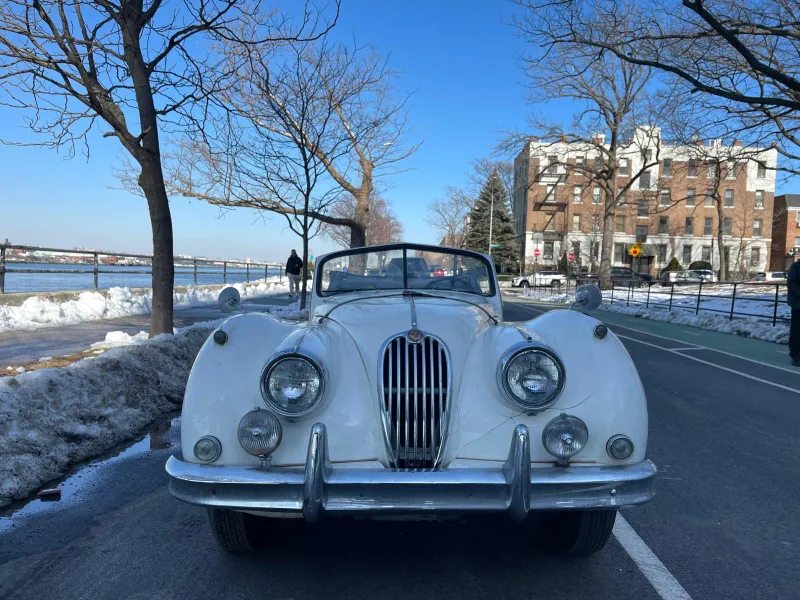
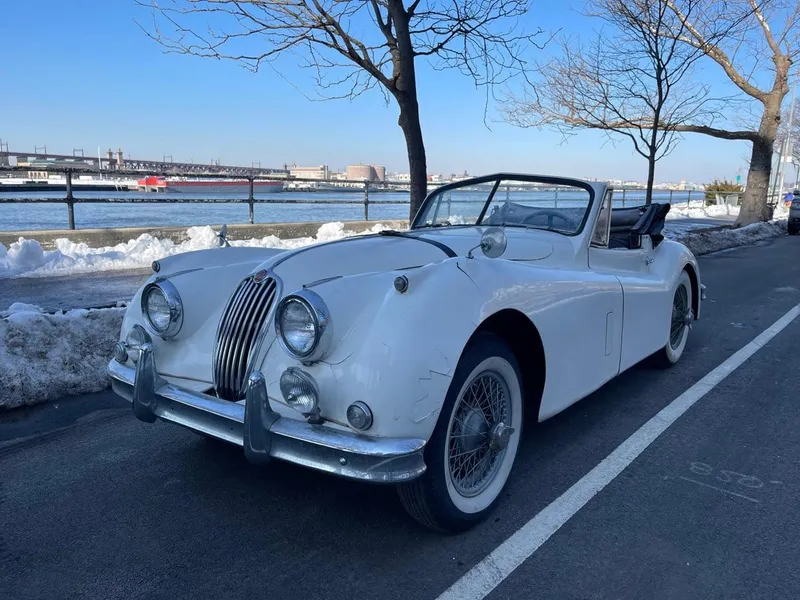
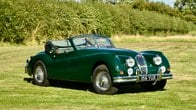
The XK140's exterior retained the XK120's proportions while introducing subtle refinements. Most obviously, substantial front and rear bumpers with overriders added visual weight and simplified parking, and flashing turn signals replaced the earlier semaphore indicators. The grille adopted a cast construction rather than the XK120's formed bars, with extra chrome detailing contributing to a more luxurious appearance.
Longer doors improved access to the repositioned cabin, particularly benefiting the coupe. The windscreen moved forward due to the new bulkhead location, altering the car's profile slightly, and the FHC’s roofline was extended to accommodate those occasional rear seats.


Interior improvements focused on comfort and usability tweaks rather than a radical redesign. The repositioned bulkhead created substantially more legroom, upgrading the cabin from cramped to merely snug. The dashboard retained traditional Jaguar instrumentation with clear and legible dials positioned directly ahead of the driver.
The steering wheel moved slightly due to the new rack and pinion system, improving the driving position. Optional automatic transmission became available from 1956, marking this the first Jaguar sports car to offer it. For purists, the optional overdrive enhanced cruising comfort on the manual gearbox. Trim quality remained high, with leather upholstery and walnut veneer dashboard standard across the range. Weather sealing improved modestly, particularly in the DHC, though the OTS continued to prioritise sporting character over protection against the endless drizzle.


The XK140's safety characteristics reflect mid-1950s engineering standards, so don’t jump into one expecting traction control or surround-view cameras. The robust steel body structure provided reasonable crash protection for the era, but there was minimal structural defence against side impacts. Although braking performance was improved over the XK120, drums at all four corners lacked the stopping power of later disc brake systems, particularly during heavy use.
The steering's directness can be both a blessing and a curse, with quick responses at speed but physical effort required at parking speeds. As for the live rear axle, it can exhibit sudden breakaway characteristics when cornering limits are exceeded, particularly in the wet. Considerable caution is advisable, especially on period tyres which offer limited grip.
XK140 OTS (Open Two Seater)
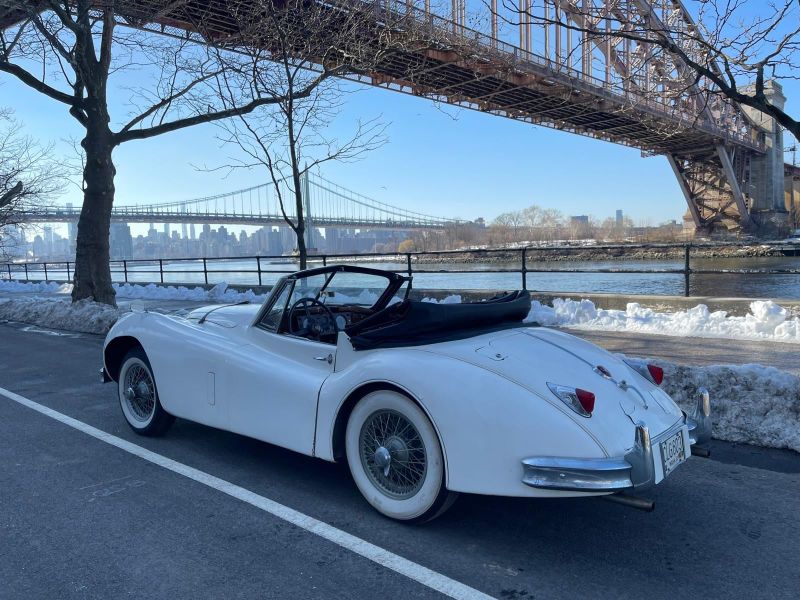
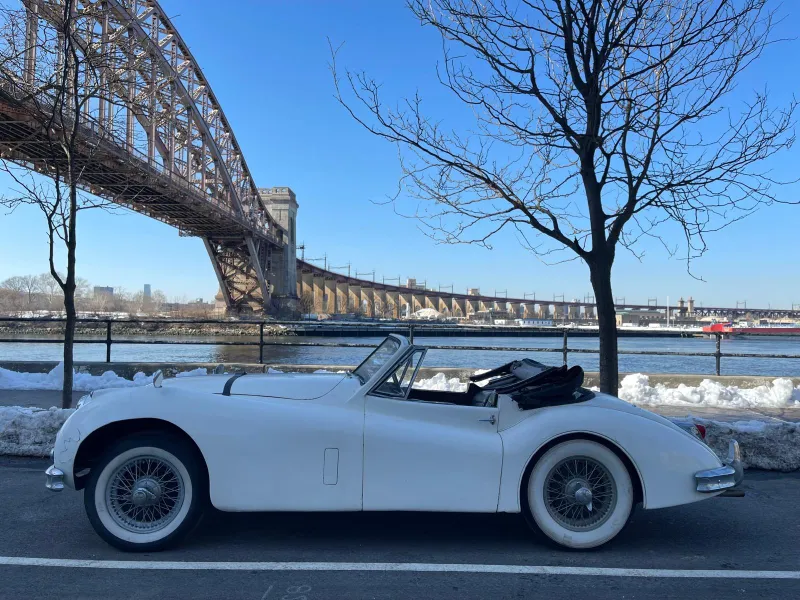
The roadster configuration offered the purest sporting experience with minimal weight and maximum driver engagement, albeit at the cost of rudimentary weather protection - a basic folding hood and detachable side screens.
XK140 FHC (Fixed Head Coupe)
The Fixed Head Coupe was a more all-weather vehicle with a proper steel roof, improved refinement and marginally better aerodynamics. Small occasional rear seats made it nominally a 2+2, though adult rear passengers were rarely impressed.
XK140 DHC (Drophead Coupe)
The Drophead combined a proper convertible hood with more substantial weather sealing than the OTS. Slightly heavier than the roadster but offering superior refinement, it represented a compelling middle ground.
XK140 SE (Special Equipment)
UK-market cars with the C-Type cylinder head, dual exhausts, wire wheels, fog lamps and windscreen washers carried the SE designation. Performance increased noticeably, with 210 bhp enough to transform the car's character.
XK140 MC
Marketed exclusively in North America, the MC specification was mechanically identical to the SE. MC cars featured an "S" prefix in their chassis numbers and wore a dashboard plaque acknowledging that the C-Type head achieved 141 mph at Le Mans.
Body and Rust
Corrosion represents the primary concern with any XK140. The lower six inches of the bodywork requires particular scrutiny, while the B-post area around the door hinges frequently rots, as does the A-frame structure. Inner wings may hide corrosion that spreads into structural areas.
Engine Concerns
Blue smoke under acceleration suggests worn bores or rings, though blocked breather systems sometimes cause similar symptoms. Oil pressure needs to remain healthy throughout the rev range. Crankshaft rear oil seals commonly leak, requiring gearbox removal to rectify, but the real worry is excessive rattling on startup that may precis labour-intensive and expensive timing chain repair.
Cooling System
The XK engine runs hot, particularly in traffic. Check for overheating symptoms, corroded radiators, and blocked waterways. C-Type head cars get hotter still, demanding close attention to the condition of the cooling system.
Gearbox and Transmission
The Moss gearbox has proven robust, but it requires a track record of diligent maintenance. Synchromesh on first gear never existed, whilst the synchro on second becomes worn with abuse or neglect. Automatic transmissions need careful assessment, as period autos lack the reliability of manual alternatives.


Andamento dei prezzi
Vendita più recente
104.995 £
1956 Jaguar XK140 DHC

Attualmente in vendita
80
4 aste live
76 annunci


Venduto
75
Prezzo di vendita più alto
249.995 €
Prezzo medio
68.785 €
Prezzo più basso
10.000 €
FAQs
The XK140 offers more day-to-day usability thanks to improved cabin space, better steering and enhanced suspension. The XK120 appeals to purists seeking the original vision, but the XK140 is a more refined and practical ownership experience.
The OTS delivers the purest sporting experience and strongest residual values. The FHC suits all-weather use and offers weather protection the OTS can’t match. The DHC provides a favourable middle ground with convertible appeal and better refinement than the OTS.
It might not sound like much, but that extra 20 bhp transforms the car's performance, making the price premium worthwhile for enthusiast drivers. SE/MC cars also pack superior equipment and carry stronger historical significance.
With proper maintenance, the XK140 should prove to be reasonably reliable by classic car standards. The XK engine tolerates regular use well, though the cooling system and electrical components require attention as mentioned above.