Land Rover Range Rover Sport: Models and Specs
2005–present, V6/V8 petrol/diesel/hybrid, front-engined/four-wheel-drive, 5-door SUV
Overview
The Range Rover Sport was originally intended to be a driver-focused alternative to the flagship Range Rover, prioritising dynamic engagement and sporting intent without sacrificing the marque's luxury credentials or off-road capability. Launched in 2005 as a more affordable, performance-oriented interpretation of the Range Rover formula, the Sport has traditionally delivered sharper handling dynamics, more aggressive styling and more focused driver ergonomics than its illustrious namesake, all within a slightly more compact (though this word is relative) package. Across two decades and three generations, the Range Rover Sport has provided Land Rover-calibre all-terrain capability alongside on-road performance that rivals some sporting saloons.
Price
- Starting price
- 6 500 €
- Average price
- 45 993 €
- Price range
- 6 500 € - 104 990 €
Specifications
- Production Years
- 2005–present
- Body Styles
- 5-door SUV
- Layout/Drive
- Front-engine, permanent four-wheel drive
- Engine Family
- Jaguar AJ-V8, Ford/PSA diesel V6, Ingenium petrol/diesel, hybrid
- Transmission Types
- 6-speed automatic, 8-speed automatic
Land Rover Range Rover Sport in Detail
History
The Range Rover Sport emerged from the 2004 Range Stormer concept, entering production in 2005 as Land Rover's response to growing demand for performance-oriented luxury SUVs that could challenge the Porsche Cayenne and BMW X5 whilst maintaining genuine off-road capability. Built on the Discovery 3 platform rather than the Range Rover's architecture, the first-generation L320 delivered cost efficiencies despite sharing the Range Rover's visual DNA and interior luxury.
Launch engines comprised Jaguar's naturally aspirated 4.4-litre V8 producing 300 hp and a supercharged 4.2-litre V8 delivering 390 hp, both driving all four wheels via six-speed automatic transmissions. A 2009 facelift introduced revised styling, upgraded interiors, expanded engine options including diesel V6 and V8 variants and an eight-speed automatic transmission which brought welcome refinement and economy improvements.
The second-generation L494 arrived in 2013 on an all-new aluminium platform, shedding some of the bulk which had made the L320 rather cumbersome. The engine lineup expanded to include supercharged V6 and V8 petrol options, diesel V6 variants and eventually the 550-575 hp SVR flagship - the most powerful production Land Rover ever built. The L494 generation introduced advanced technologies including Dynamic Response active anti-roll bars, adaptive air suspension and sophisticated terrain response systems managing on-road and off-road scenarios seamlessly.
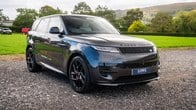
The third-generation L461 debuted in 2022. It featured JLR's latest MLA-Flex platform, electrified powertrains including mild-hybrid and plug-in hybrid options.
Specifications & Performance
The Range Rover Sport is capable of delivering surprising agility and pace despite those hefty SUV proportions, with powertrains spanning comparatively economical diesel V6s to supercharged V8 monsters. Consequently, performance figures vary dramatically between base diesel variants (achieving 0-60 mph in approximately 8-9 seconds) and range-topping SVR models which roughly halve those figures.
The Sport has always tried to balance genuine off-road capability courtesy of Land Rover's sophisticated terrain response systems with on-road dynamics rivalling sporting saloons, though later generations have arguably achieved the latter more successfully than the rather heavy L320.
Specification | Range |
Engine family / displacement | V6/V8 petrol, V6/V8 diesel, hybrid / 2.0–5.0 litres |
Power range | 190–635 hp |
0–60 mph | 3.7–9.0 sec |
Top speed | 121–174 mph |
Design and Cabin Identity
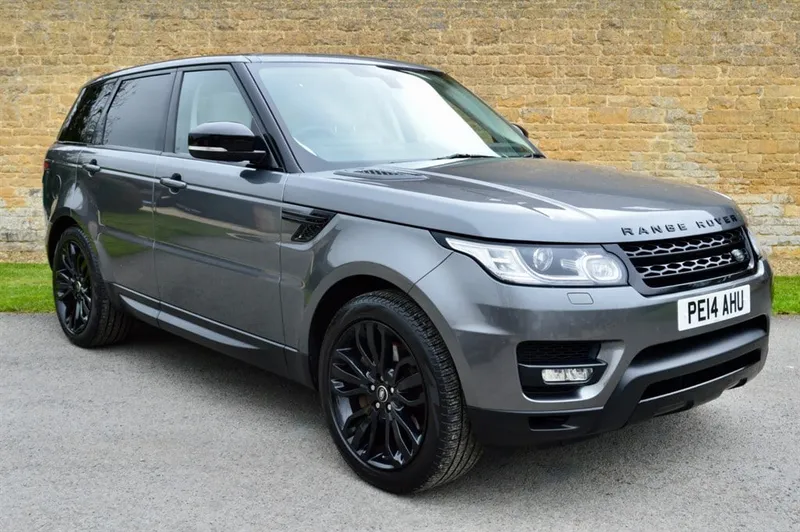
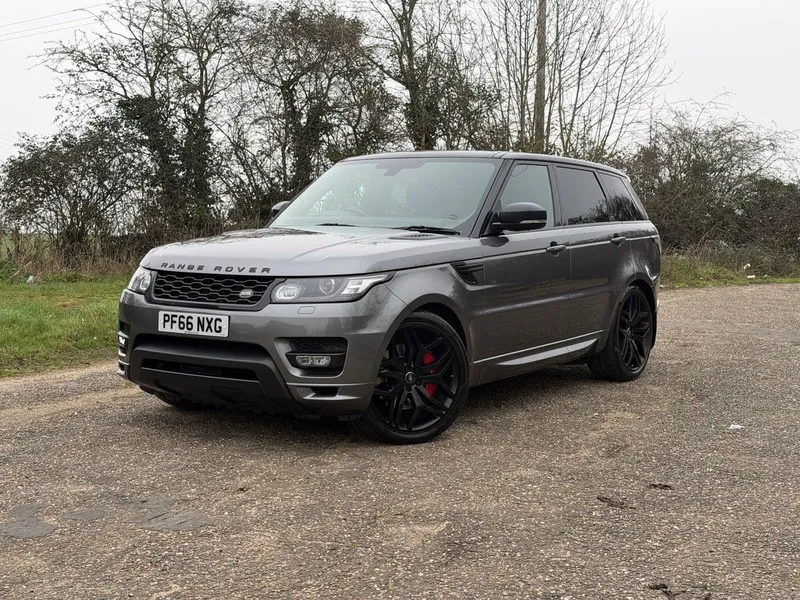
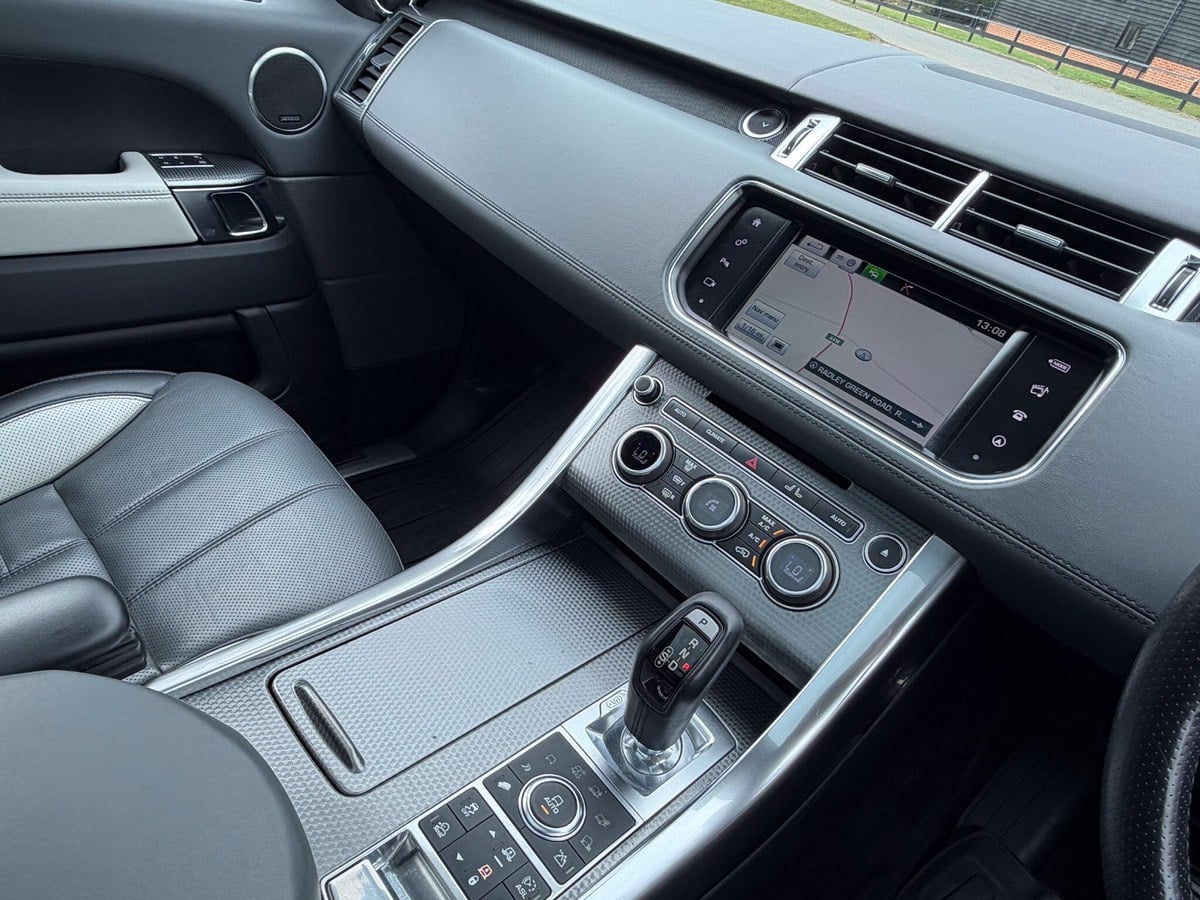
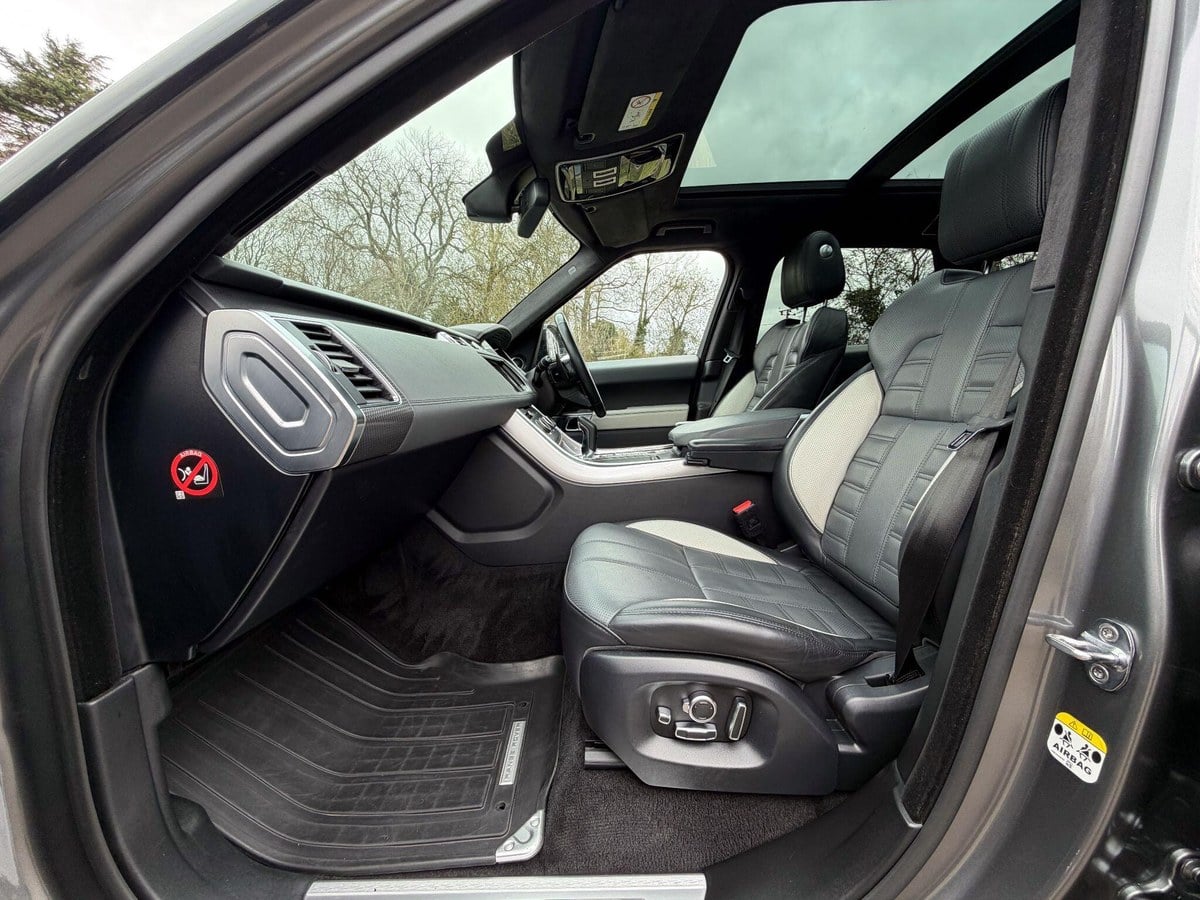
The Range Rover Sport has always had taut surfacing, an aggressive stance and lower proportions when parked next to a standard Range Rover. Signature elements include a more raked windscreen angle, deeper body sides with shallow glazing and pronounced wheelarch blisters housing larger wheels.
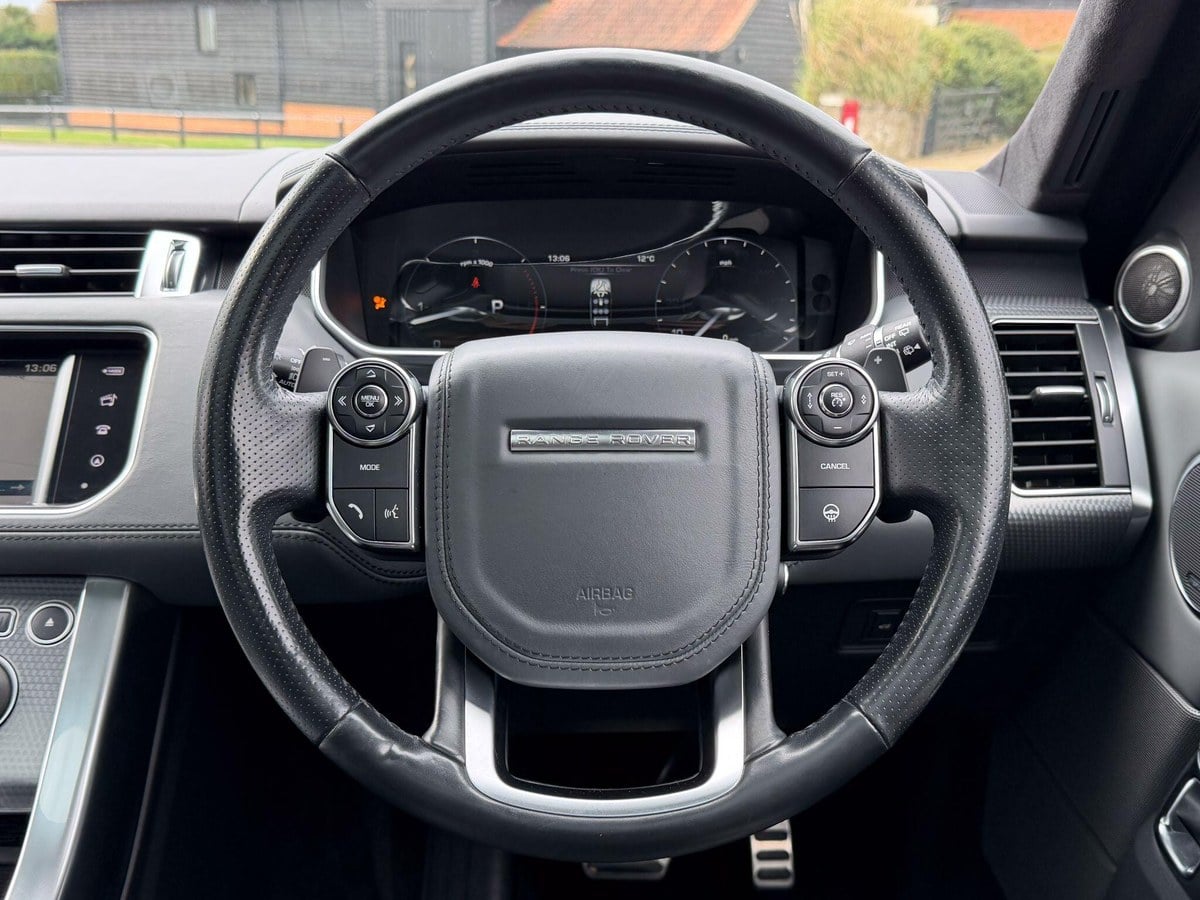
Inside, anyone used to a standard Range Rover will notice the smaller-diameter steering wheel, while this car is shorter by seven to ten inches. With that said, it’s hardly cramped, and this is still a huge vehicle to hustle down compact city streets.
Generation Timeline
L320 (2005-2013): The first generation introduced the Sport formula on a Discovery 3 platform, powered by Jaguar V8 petrol engines and diesel V6/V8 options. A 2009 facelift heralded an eight-speed automatic transmission, revised styling and an expanded engine lineup.
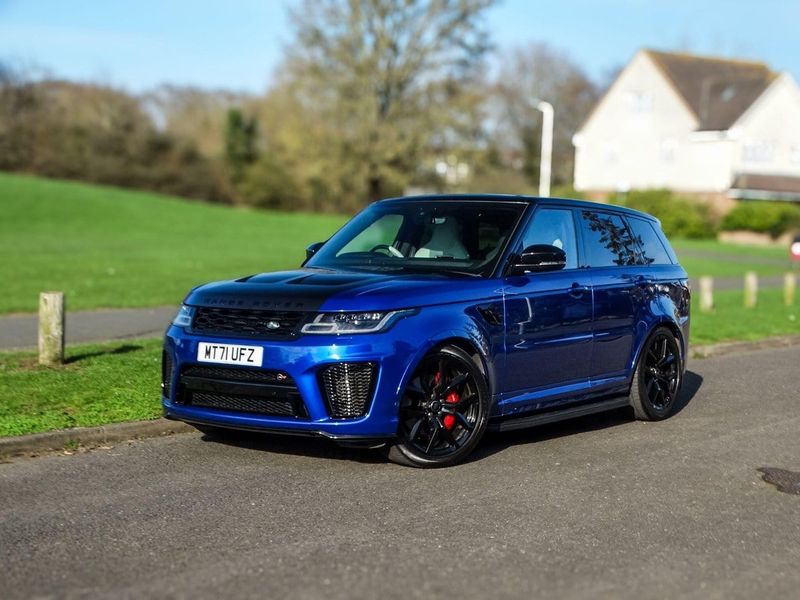
L494 (2013-2021): The second generation Sport had an all-new aluminium platform delivering weight savings, alongside rear-axle steering, adaptive dynamics and comprehensive driver assistance. Engines included supercharged 3.0-litre V6 and 5.0-litre V8 petrol engines plus a diesel V6, while the SVR flagship was introduced with 542-575 hp.
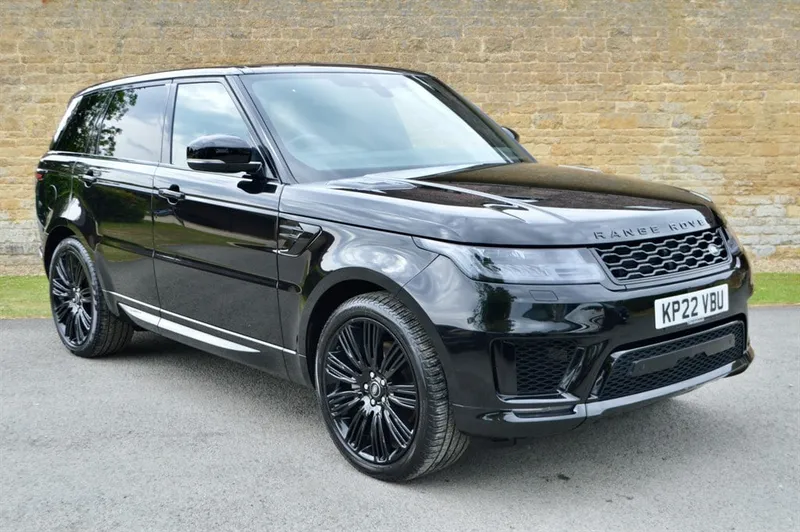
L461 (2022-present): The third generation model rode on the MLA-Flex platform and was the first to offer electrified powertrains including mild-hybrid and plug-in hybrid options. For traditionalists, a BMW-sourced 4.4-litre twin-turbo V8 in range-topping SV specification produced 635 hp.
Safety
First generation (2005-2013)
First-generation Sports featured multiple airbags, ABS with electronic brakeforce distribution and dynamic/roll stability control addressing the car’s high centre of gravity. Hill Descent Control and Terrain Response systems handled traction and descent speeds across challenging surfaces.
Modern electronics era (2013-present)
From the second generation onwards, safety became more sophisticated with autonomous emergency braking, adaptive cruise control with queue assist, lane-keeping assistance, blind-spot monitoring and surround-view cameras.
Pros and Cons
Pros:
Sporting dynamics and driver engagement levels are superior to standard Range Rover models.
Off-road capability is maintained despite the performance focus.
Extensive engine range, from economical diesels to supercharged V8s.
Optional third-row seating provides seven-seat capacity on L494/L461 generations.
Cons:
Higher running costs than conventional SUVs, especially with premium fuel required for supercharged petrol variants.
The first-generation L320 was prone to air suspension failures and electrical issues.
Rapid depreciation on recent models offers value but reflects market reliability concerns and past recalls.
Complex electronics require specialist diagnostic equipment and knowledge.
Land Rover Range Rover Sport for Sale
Browse Land Rover Range Rover Sport listings on Car & Classic to find examples spanning all three generations, from accessible first-generation models to modern performance flagships.
Prisutveckling
Senaste försäljningen
59 990 £
2019 Land Rover Range Rover Sport SVR L494

För närvarande till salu
170
0 pågående auktioner
170 annonser


Totalt sålda
703
Högsta försäljningspris
104 990 €
Genomsnittspris
45 993 €
Lägsta pris
6 500 €
FAQs
Can the Range Rover Sport be used daily?
The Range Rover Sport excels as a daily driver, offering car-like driving dynamics, commanding visibility and all-weather capability. The more modern L494 and L461 generations combine executive refinement with SUV versatility, though running costs are punitive. First-generation models are a practical daily car when they’ve been properly maintained.
How is parts availability?
Parts availability remains excellent across all generations of Sport, thanks to comprehensive Land Rover dealer networks and specialist suppliers. Bear in mind that first-generation models share many parts with the Discovery 3/4, whereas subsequent iterations share their platforms with the flagship Range Rover.
What's the best choice as a first Range Rover Sport?
A second-generation (2013-2021) Sport with the SDV6 engine blends refinement, economy and value. More specifically, 2017-2021 facelift models incorporate improved infotainment, updated styling and mature engineering with exceptional value compared to their original showroom prices.
How does the Sport compare to the standard Range Rover?
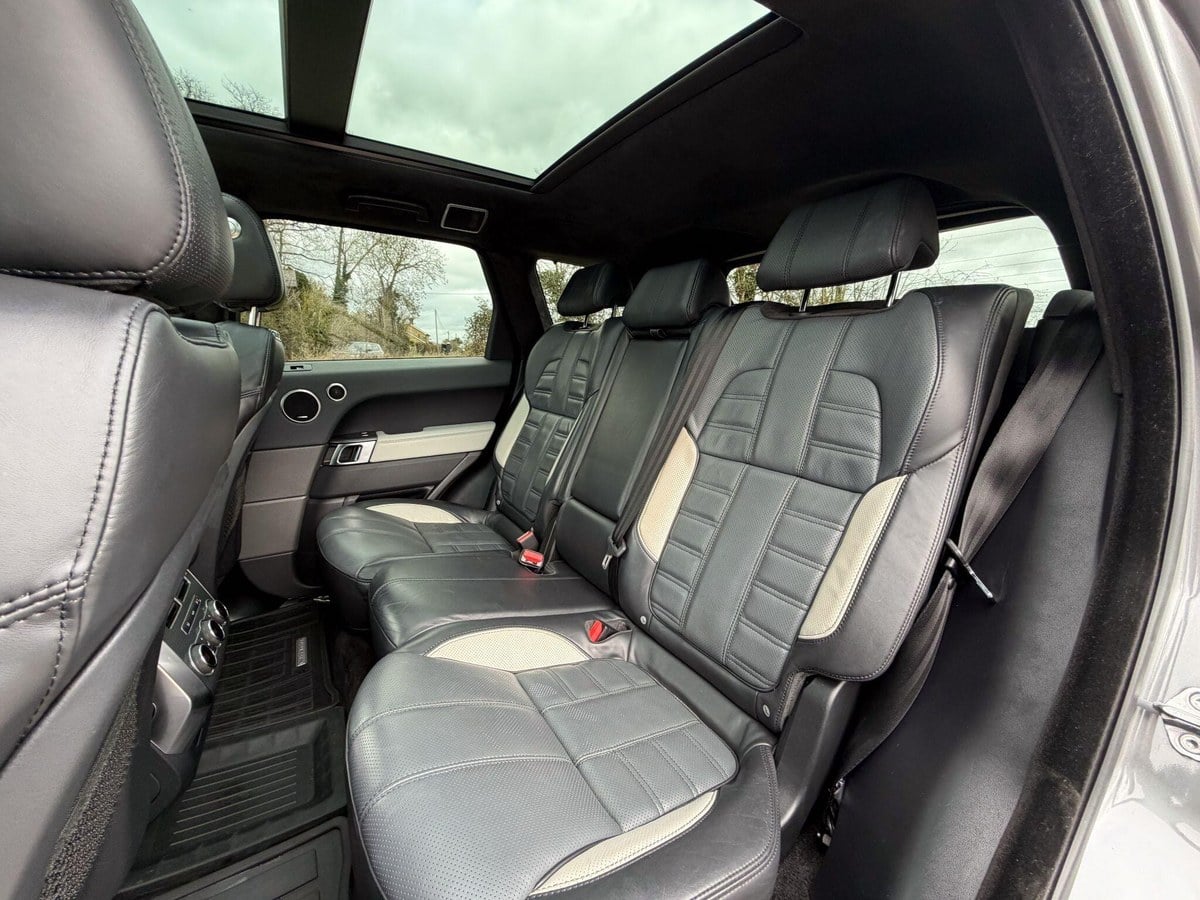
The Sport delivers sharper dynamics courtesy of firmer suspension tuning, quicker steering responses and driver-focused ergonomics, making it substantially more engaging on challenging roads despite reduced refinement. The standard Range Rover prioritises rear-seat luxury with ten additional inches of legroom, larger boot capacity (unless the seats are folded) and more opulent cabin materials.