MG MGB: Models, Specs and Buyer's Guide
Core Specs: 1962–1980 • 1.8 L inline-four • 95 bhp • 4-speed manual (overdrive optional) • RWD • ~103 mph top speed
MG MGB Overview
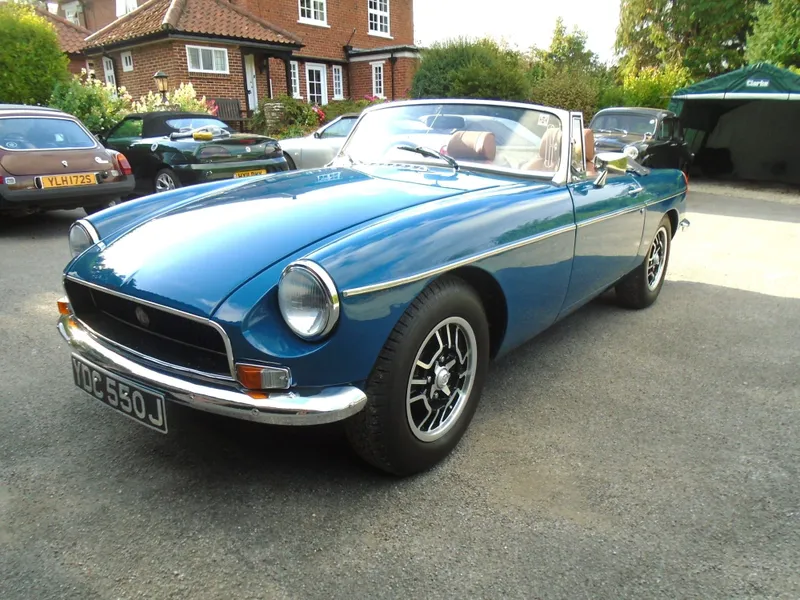
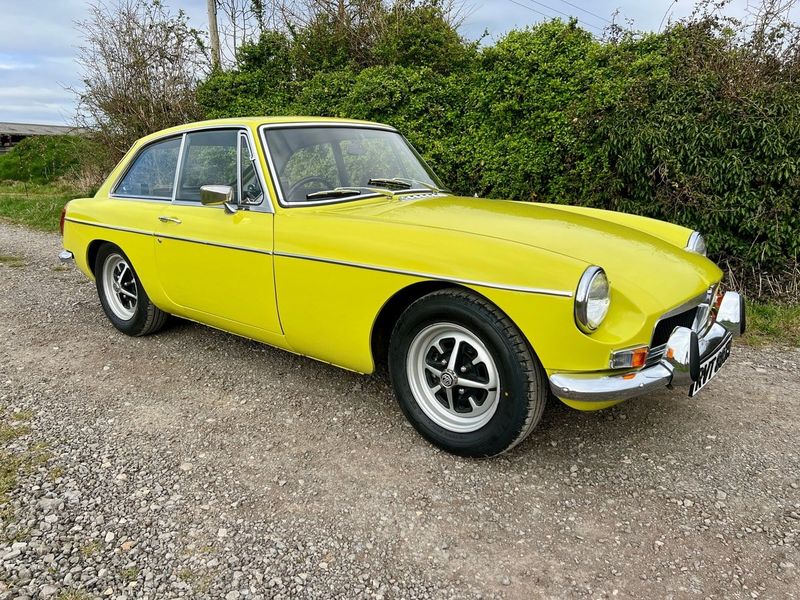
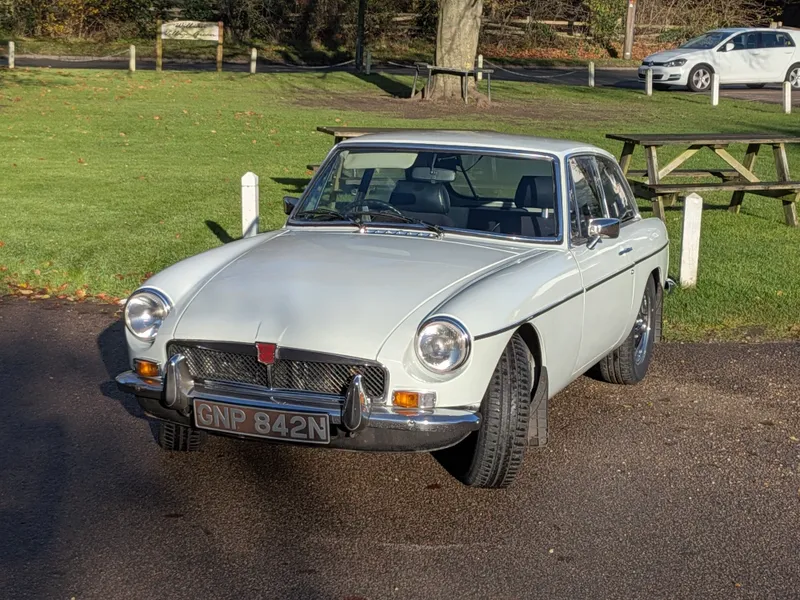
The MGB scarcely needs an introduction. Launched in 1962 as MG’s successor to the MGA, this was (and still is) one of the world’s best‑known affordable sports cars. A front‑engine, rear‑drive two‑seater with a 1.8‑litre B‑Series inline‑four, rack‑and‑pinion steering and front disc brakes, the MGB combined simple mechanics with day‑to‑day usability. In 1965, the MGB GT elevated the basic MGB formula even further. This elegant 2+2 coupé was styled by Pininfarina and was joined in time by the six‑cylinder MGC (1967–69) and the MGB GT V8 (1973–76), which used Rover’s light‑alloy V8. American emissions and safety regulations in the mid-1970s introduced a higher ride height and the unloved rubber bumpers, but the B formula endured until 1980, despite various rebrandings and crises at BMC/BL. Today, a vast parts network and an enviable owners' club support make the MGB an easy and obvious route into classic sports-car ownership, thanks in large part to its proven mechanicals.
C&C Expertise
For the car that British Leyland tried to sideline and kill off, the B is the perennial survivor. And rightly so, because no classic delivers its combination of style, usability, reliability and fun. I’ve owned a few, including GTs and Roadsters, and few classics are as easy to own, with parts supply to rival modern cars. Buy a B and join one of the best collections of owners, clubs and specialists in the world. Choose to keep it standard or develop it as little or as much as you want. That’s the joy of B-ing.
MG MGB Price
- Starting price
- 650 €
- Average price
- 12.213 €
- Price range
- 650 € - 41.950 €
MG MGB Specifications
- Production
- 1962–1980 (MGB & GT); GT V8 1973–1976
- Body Style
- 2-seat Roadster / 2+2 GT Coupé
- Layout
- Front-engine, rear-wheel drive
- Construction
- Unitary monocoque
- Engines
- 1.8 L B-Series I4; 3.5 L Rover V8 (GT V8)
MG MGB in Detail
MG MGB History
Preparatory work on the MGB began in the late 1950s, before production started in 1962 as a modern replacement for the MGA. The 1.8‑litre B‑Series four made about 95 bhp in UK tune, with a switch to a five‑bearing crankshaft in late 1964. In 1965, the stylish MGB GT broadened the B’s appeal with a practical 2+2 hatch‑coupé profile courtesy of Pininfarina. The range expanded briefly with the MGC (1967–69), and from 1973, the MGB GT V8 used Rover’s light‑alloy V8 without major handling penalties thanks to its low mass.
Increasingly strict American safety and emissions rules from 1974 necessitated an increased ride height and rubber bumpers, while power outputs dropped markedly on U.S. cars. The Abingdon factory closed in 1980, marking the end of MGB production, although its legacy continued in the limited-run MG RV8 (1992–95) and later MG F.
MG MGB Specifications & Performance
Across both the chrome- and rubber-bumper eras, the MGB prioritised usable pace over outright speed. In most cases, this meant a 1.8-litre engine mated to a 4-speed manual with optional overdrive, rack-and-pinion steering and front disc brakes. Collectively, these delivered safe and predictable handling.
The GT’s extra weight traded a little pace for better high-speed composure, although mid-’70s U.S. emissions equipment softened performance versus early UK cars, so be aware of this when considering an import. The MGB GT V8 changed the recipe more decisively, with strong in-gear thrust but the same fundamental chassis.
Model (test year) | Engine | 0–60 mph | Top speed |
|---|---|---|---|
MGB Roadster (early UK) | 1.8 I4 (95 bhp) | 11–12 s | 103–105 mph |
MGB GT (UK) | 1.8 I4 | 12–13 s | 105–108 mph |
MGB (US 1975–80) | 1.8 I4 (emissions) | 14–16 s | 95–100 mph |
MGB GT V8 (’73–’76) | 3.5 V8 (Rover) | 7.5–8.5 s | 120–125 mph |
MG MGB Dimensions
The compact MGB sat on a 91-in wheelbase with classic long-bonnet/short-deck proportions. Overall length and kerb weight differed slightly between the Roadster and GT, while mid-’70s rubber-bumper cars rode higher to remain compatible with American regulations. The narrow body and short overhangs helped parking and delivered a tight turning circle, while the GT’s hatch added luggage practicality without significantly changing the footprint.
Metric | Imperial | |
|---|---|---|
Wheelbase | 2,311 mm | 91.0 in (7 ft 7 in) |
Length | 3,860–3,900 mm | 152–154 in |
Width | 1,520 mm | 59.8 in |
Height | 1,255–1,265 mm | 49.4–49.8 in |
Kerb weight | 840–960 kg on the MGB | 1,850–2,115 lb |
Turning circle | 9.75 m | 32 ft |
MG MGB Design
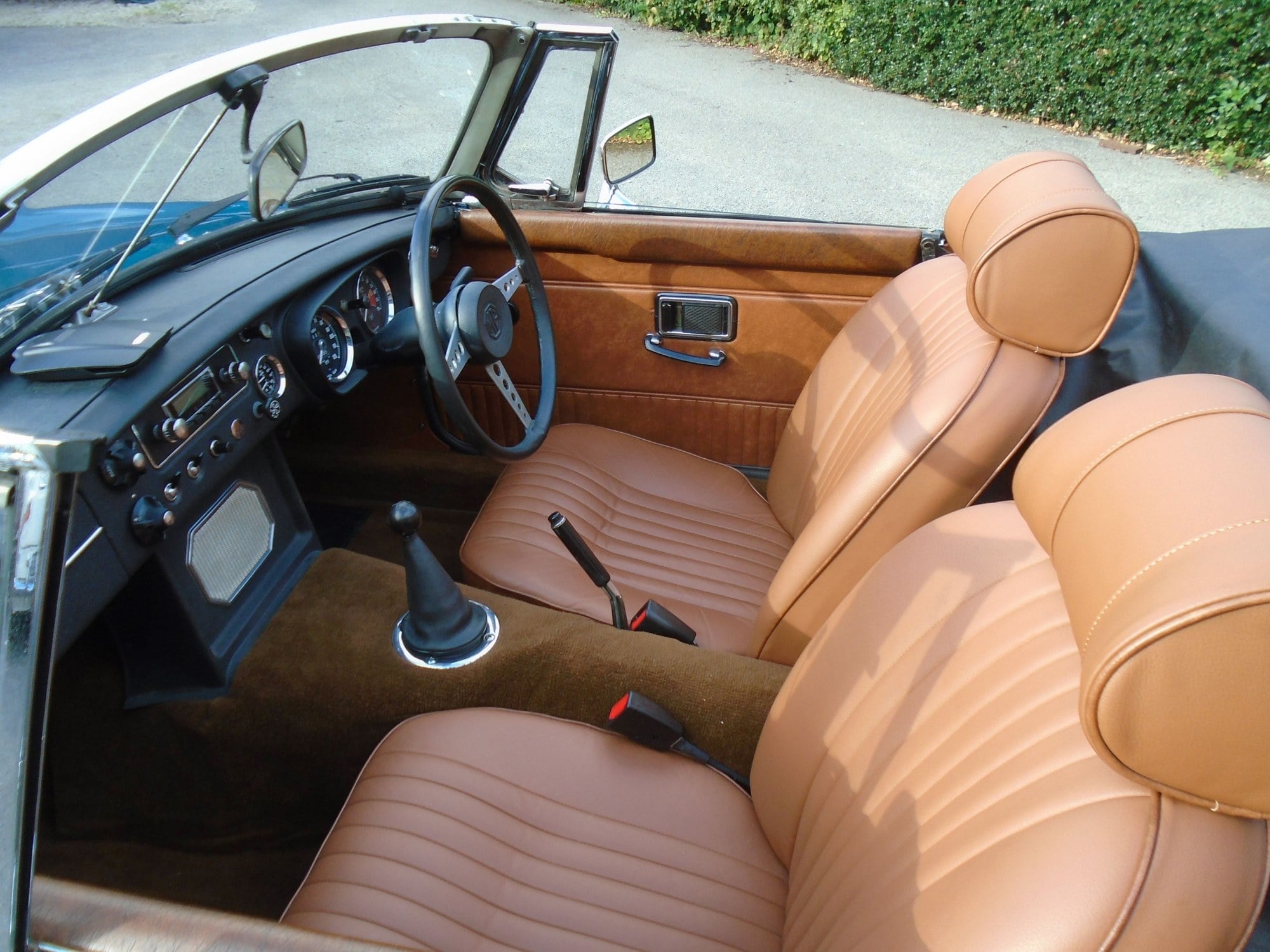
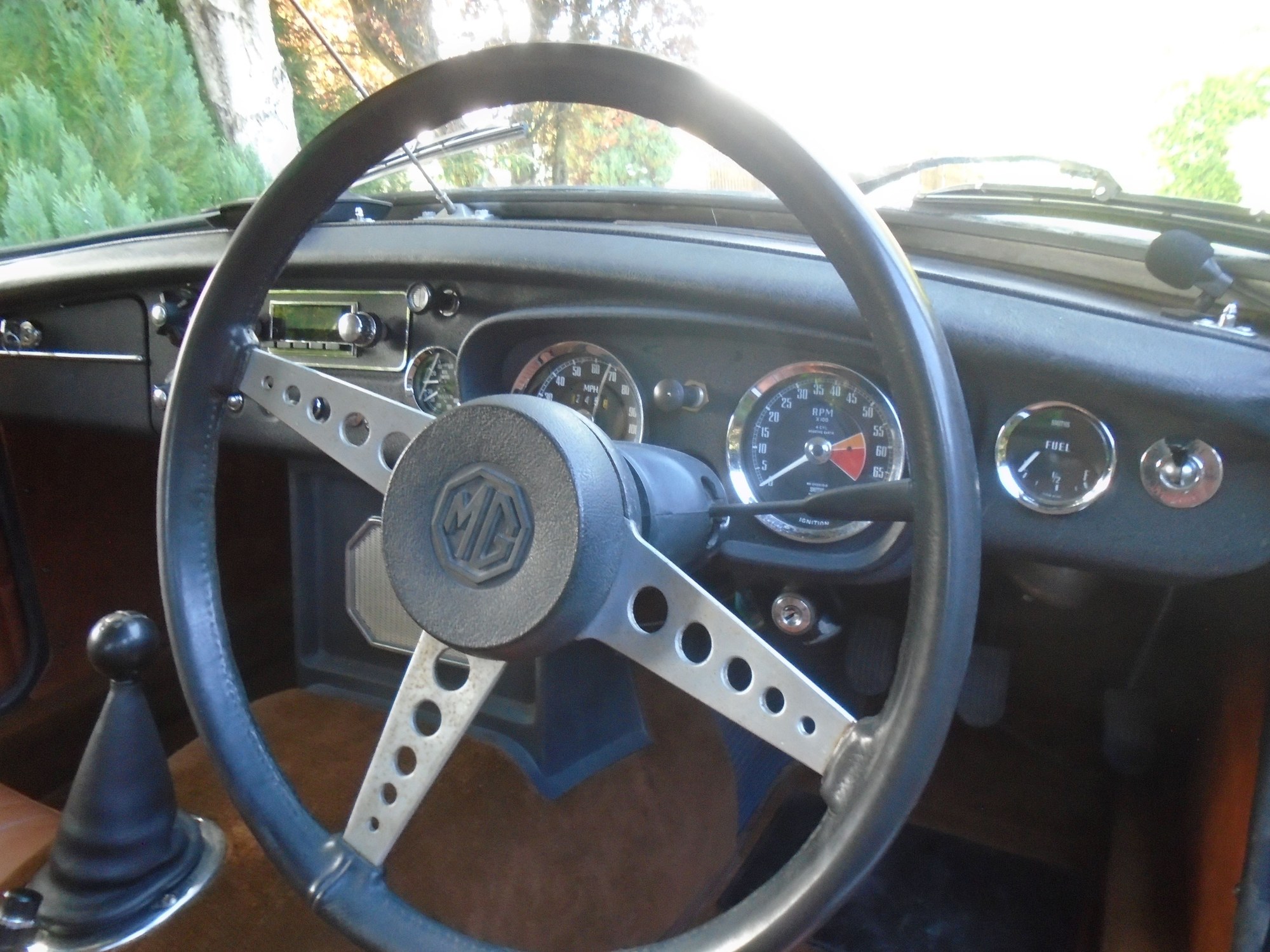
Clean, modernist lines and a low scuttle defined the MGB’s look: a long bonnet, short tail and slim pillars collectively ensured great sightlines. Inside, it remains purposeful and unfussy thanks to clear dials, simple rocker/toggle switches and seats that evolved from low-back early items to later high-backs with headrests. The Pininfarina-styled MGB GT added a graceful fastback and practical hatch.
MG MGB Exterior
Proportions and body: unitary shell with short overhangs and a compact 91-in wheelbase below subtle wing crowns and a simple, horizontal grille.
Chrome- vs rubber-bumper eras:
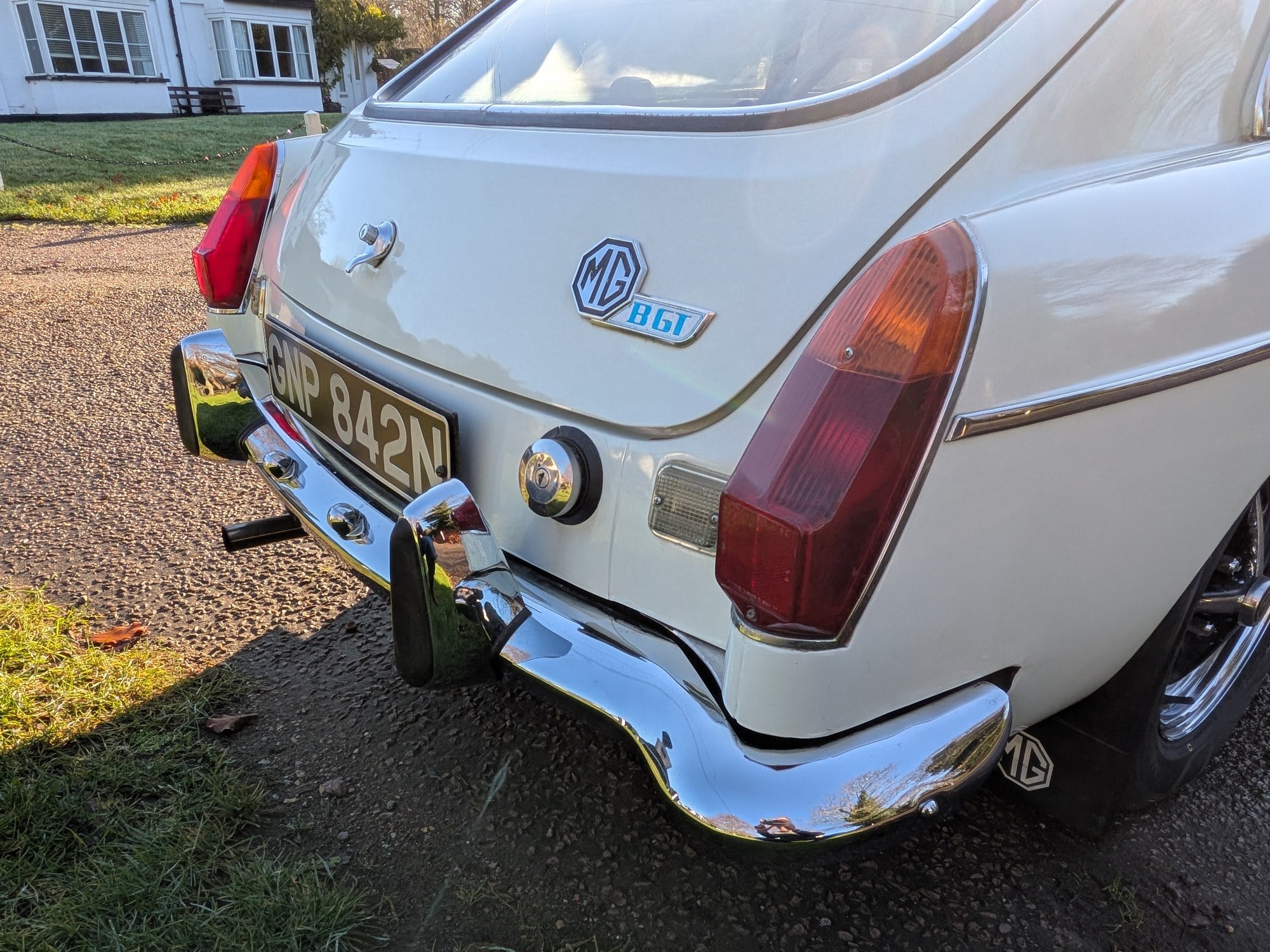
Chrome (1962–mid-1974): slim bumpers with overriders, lower ride height, classic grille textures and bright side trim.
Rubber (mid-1974–1980): impact bumpers, raised ride height (most notably on LHD American models), revised grille/valance and altered spring rates.
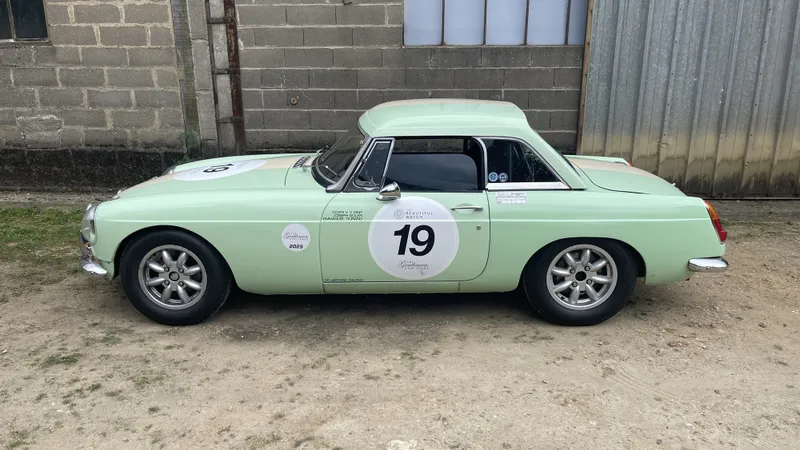
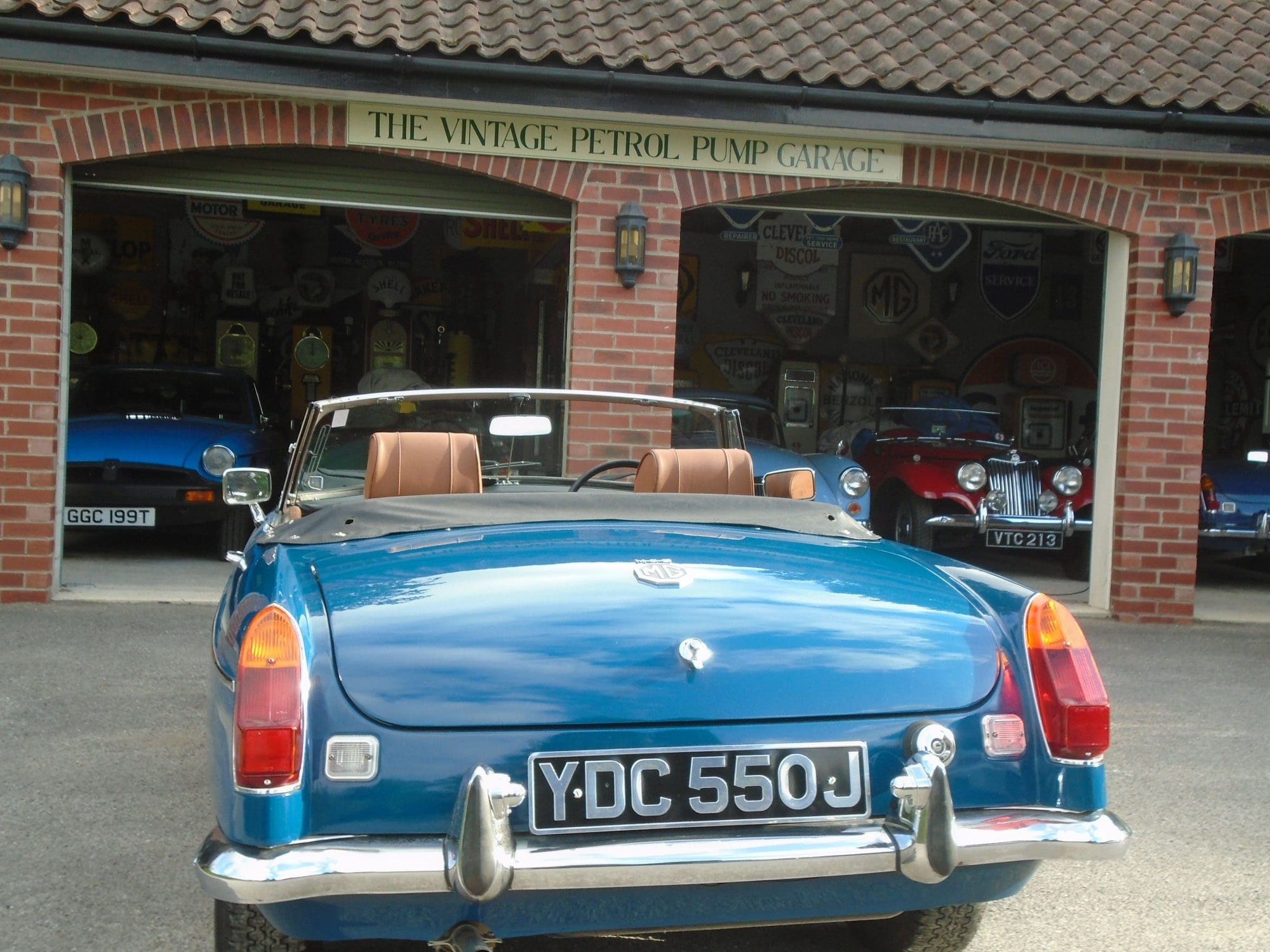
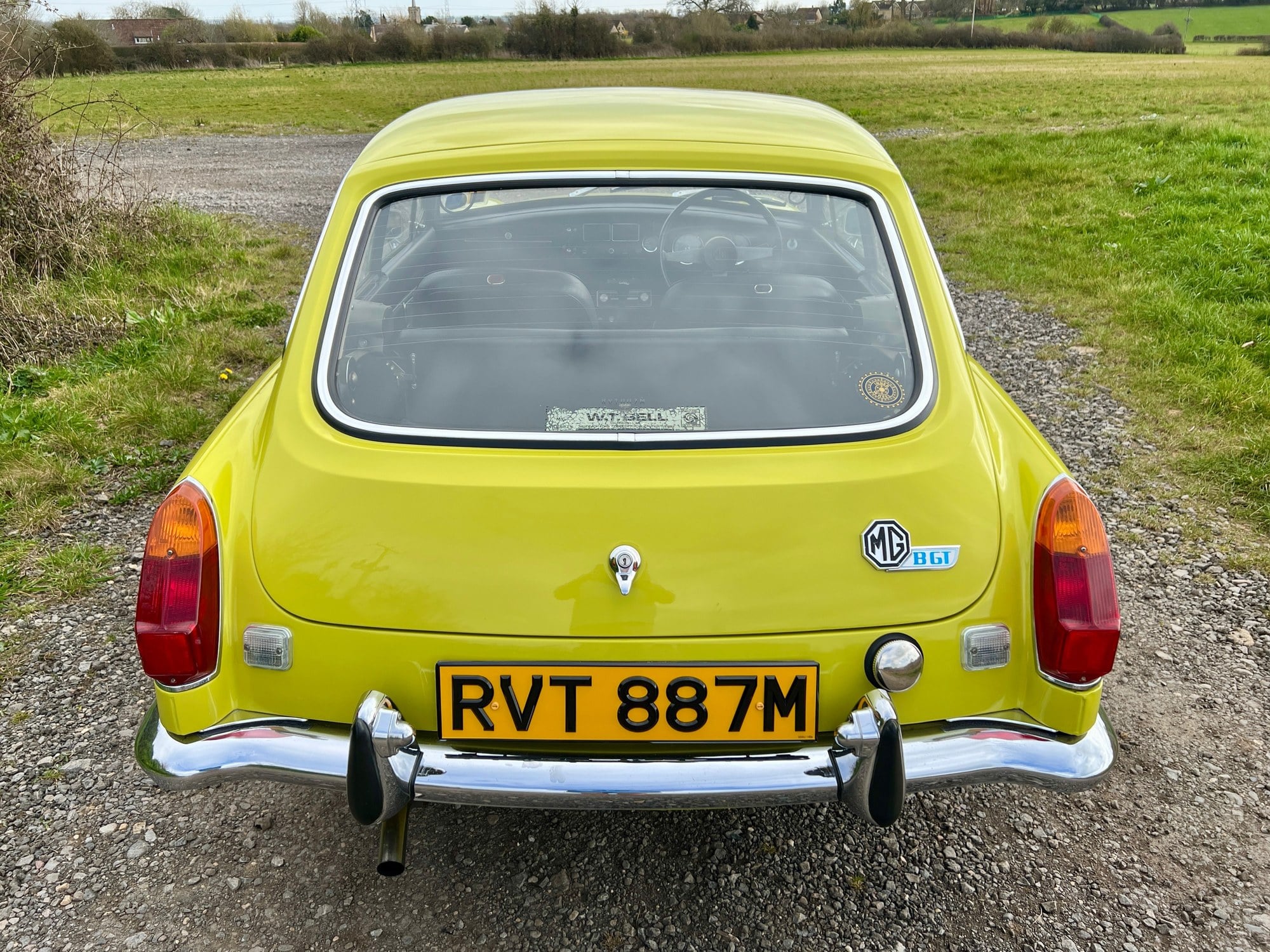
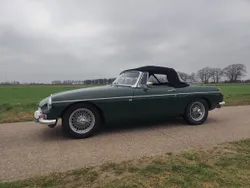
Tops and glass: The Roadster had a soft-top that evolved from early pack-away frames to later fold-away frames, which were quicker to erect when the British weather did what British weather does. For inclement conditions, a detachable factory hardtop was available. Winter-proof GT models used a fixed steel roof with an opening rear hatch and a heated rear screen.
Wheels and tyres: pressed-steel wheels with hubcaps were standard on early models, with optional wire wheels across the chrome-bumper years. The 1970s-era Bs often rode on Rostyle or alloy patterns.
MG MGB Interior
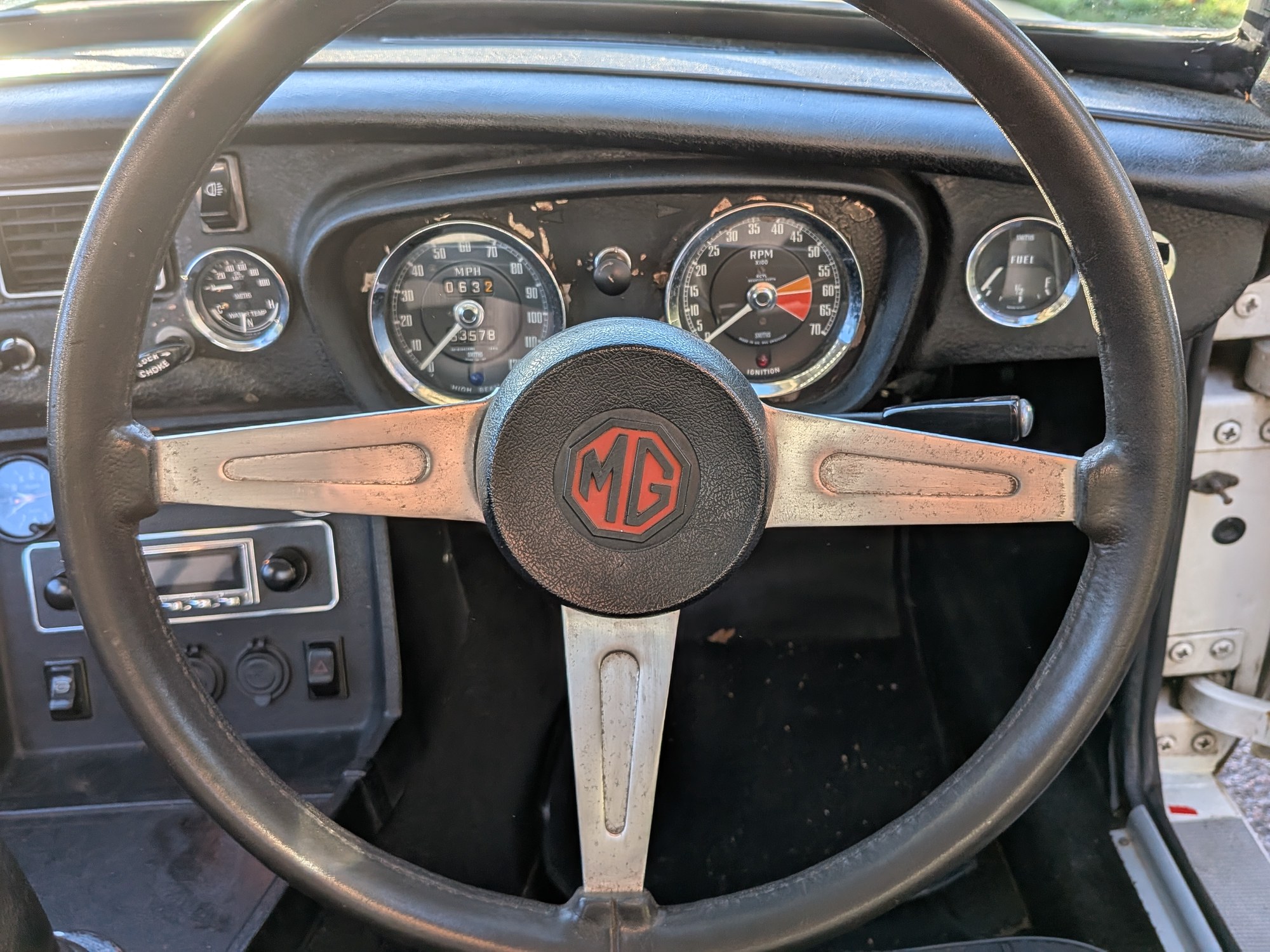
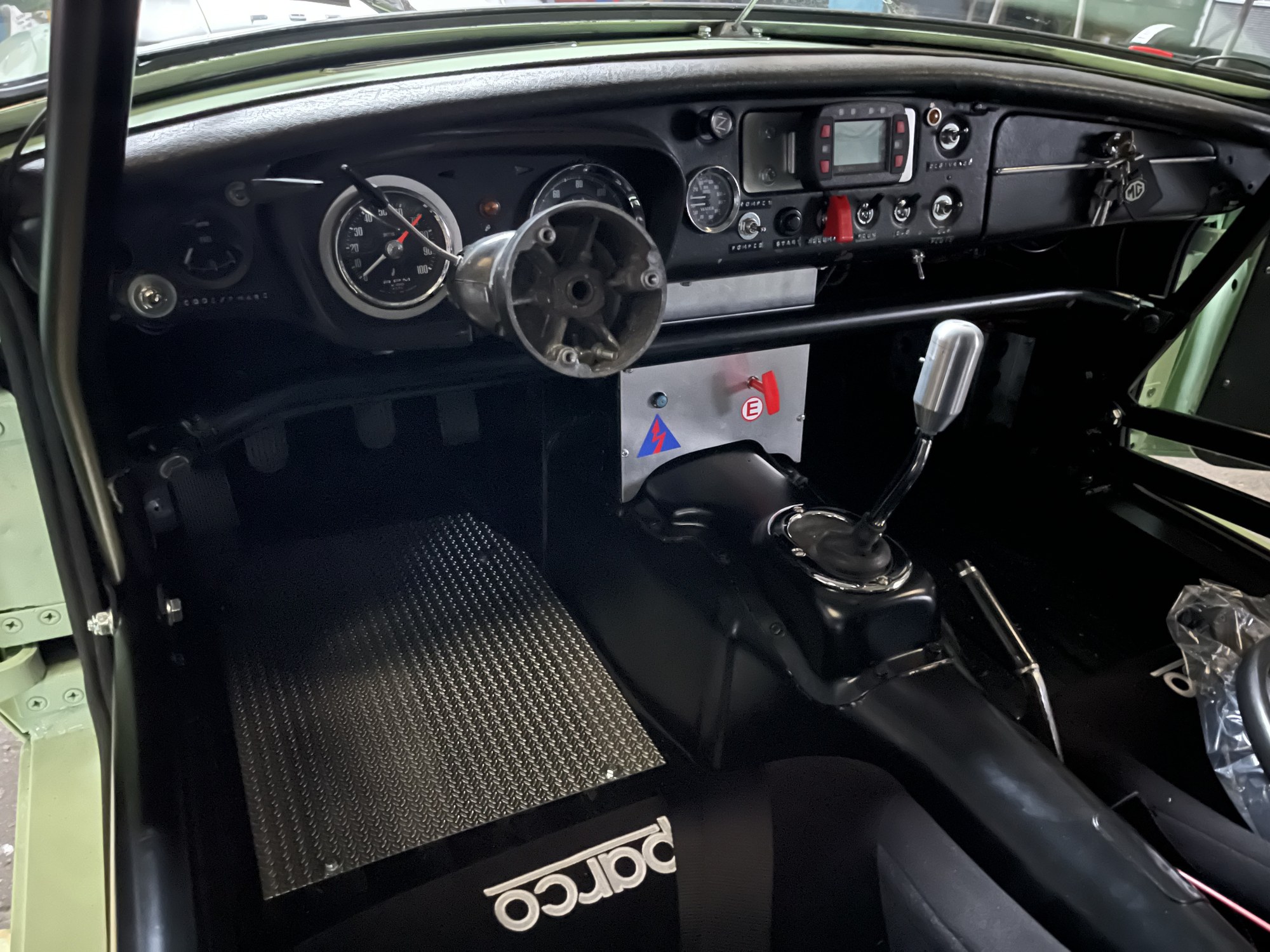
Early (1962–67) cars featured painted metal dashboards with toggle switches, twin large Smiths dials and central auxiliaries. Later 1968–onwards versions had a padded dash with rocker switches, a safer column and a revised binnacle.
Cabin specifications: A progressively improved heater matrix and blower were fitted over the years, with eyeball vents added to later cars. The Roadster had a shelf behind the seats plus separate boot space, while the GT added a flat luggage bay with a folding rear backrest. Noise, vibration and harshness diminished over time, but there was still plenty of engine thrum and some wind rustle on soft-top models. The GT was quieter and more weather-tight.
MG MGB Safety
It’s essential to remember that these were 1960s sports cars by design, so they lacked airbags and stability control. The monocoque body was fitted with lap belts early on, including a three-point inertia-reel on many later cars. The brakes were front discs and rear drums throughout, though servo assistance was available or standard, depending on the model year.
Post-fuel crisis 1974 models were afflicted by a raised ride height forced on MG by American safety regulations. Owners wishing to lower a B to chrome-bumper height need to have used the correct springs/ARB pack and then re-aligned the caster shims and wedges.
MG MGB Variants & Generations
The MGB family encompasses four main models, but is most often associated with the open-top Roadster (1962–80). Other variants included the MGB GT 2+2 coupé (1965–80), the six‑cylinder MGC (1967–69) and the MGB GT V8 (1973–76). These are summarised below.
Tendencias de precios
Venta más reciente
9500 £
1965 MG MGB GT Coupe
25 nov 2018

Actual en venta
470
3 subastas en marcha
467 anuncios


Total vendidos
1259
Precio de venta más alto
41.950 €
Precio promedio
12.213 €
Precio más bajo
650 €
FAQs
1. In which years was the MGB made?
Between 1962 and 1980 for the MGB/MGB GT, whereas the factory MGB GT V8 was made between 1973 and 1976.
2. What’s the difference between the MGB Roadster and MGB GT?
3. How important is overdrive on an MGB?
It’s highly desirable for cruising since it achieves a lower rpm, less noise and wear. It was optional on 4-speed cars.
4. Where do MGBs rust?
Critical rust spots include sills, castle rails, floors, jacking points, front chassis legs, spring hangers and battery boxes.