Nissan 350Z: Models and Specs
2002–2009, 3.5-litre V6, front-mid-engine, rear-wheel drive, coupé/roadster.
Overview
The Nissan 350Z heralded the welcome return of Nissan’s modern Z-car lineage after the 300ZX era. It brought the formula back to a simpler, more muscular approach, with a naturally aspirated V6 driving the rear wheels beyond two seats. Coupled with a relatively accessible price point, this car re-established the Z badge for a new generation of buyers, linking the spirit of the original 240Z with early-2000s performance-car culture. Its core character is deliberately direct: big-capacity V6 power, a short wheelbase, broad stance and a cabin centred around the driver. The 350Z became one of the defining Japanese modern classics of its era: less delicate than a Mazda MX-5, less premium than a Porsche Cayman and more old-school in attitude than many contemporary coupé rivals.
Price
- Starting price
- 3 000 €
- Average price
- 9 420 €
- Price range
- 3 000 € - 25 272 €
Specifications
- Production years
- 2002–2009
- Body styles
- 2-door coupé/ roadster
- Layout / drive
- Front-mid-engine, RWD
- Engine family
- 3.5-litre V6
- Transmission
- 6-speed manual; 5-speed auto
Nissan 350Z in Detail
History
The 350Z revived Nissan’s Z-car line for the 2000s after the earlier 300ZX had moved the badge towards a more technology-led grand-tourer identity. Instead of pursuing that same route, the 350Z returned to a more straightforward sports-car recipe: two seats, a naturally aspirated six-cylinder engine, rear-wheel drive and a shape that openly referenced the long bonnet and compact cabin proportions associated with earlier Z-cars.
Underneath, the 350Z used Nissan’s FM architecture, with the VQ-series 3.5-litre V6 mounted behind the front axle line to help weight distribution and give the car its front-mid-engine identity. Across the production run, the model evolved through updates to the VQ35 engine, but the car remained one coherent model rather than separate generations.
The 350Z gave Nissan a credible and attainable performance flagship at a time when many Japanese sports cars were disappearing from new-car showrooms. It also became closely associated with tuning, drifting and Japanese performance culture, which has shaped how surviving examples are valued today. Original, well-kept cars are often viewed very differently from heavily modified ones.
Specifications & Performance
The Nissan 350Z’s performance identity is defined by its naturally aspirated 3.5-litre V6 and rear-wheel-drive layout. Output changed during the production run, the body style affects weight, and manual and automatic cars return different results. Early cars were generally quoted around the high-270 hp range, whereas later versions moved closer to 300 hp.
Engine family | Power | 0–100 mph | Top speed |
Nissan VQ35 3.5-litre V6 | 276–306 hp | 13.3–14.6 sec | 150–156 mph |
Design and Cabin Identity
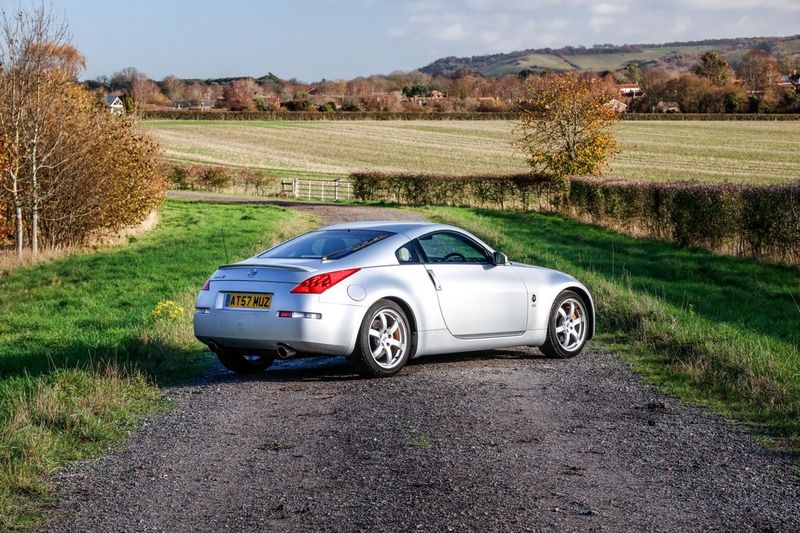
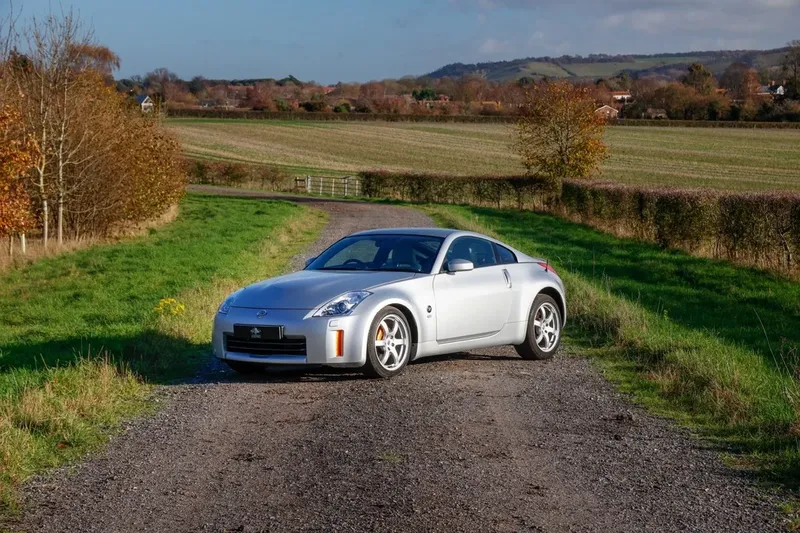
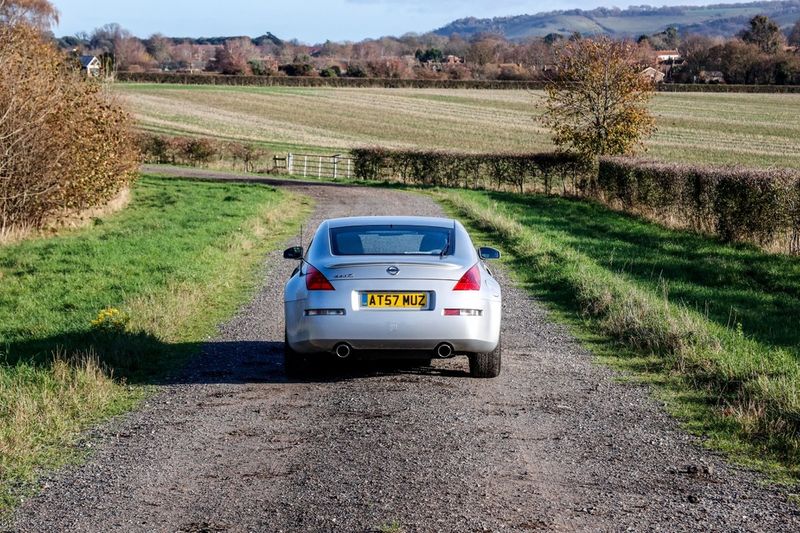
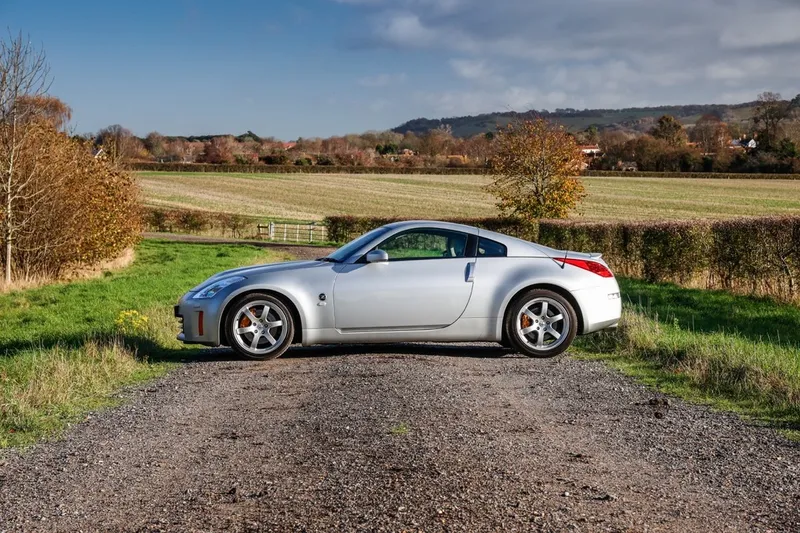
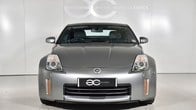
The Nissan 350Z is recognisable thanks to its compact, heavy-shouldered proportions with a long bonnet,wide stance and a cabin set well back in the body. There’s no delicate detailing here; its identity comes from muscular wheelarches, a sloping roofline and a blunt tail giving it a more planted look than many softer coupés of the period.
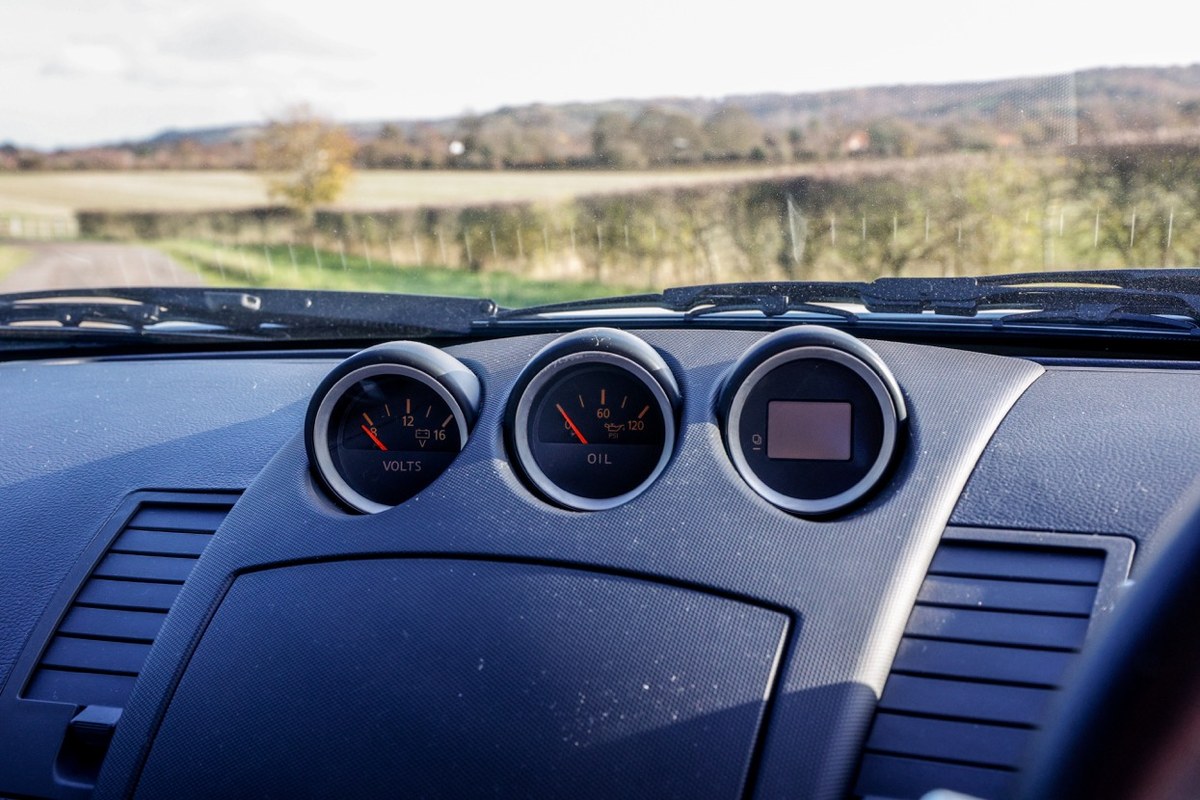
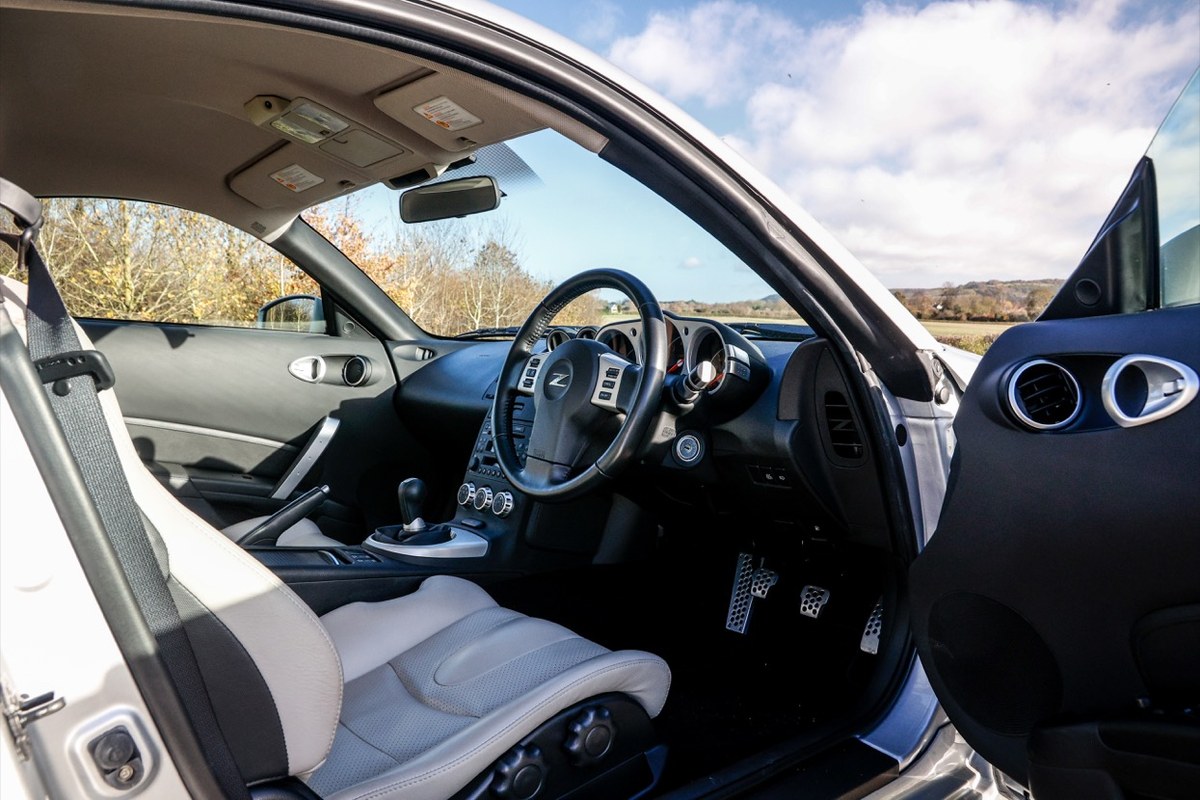
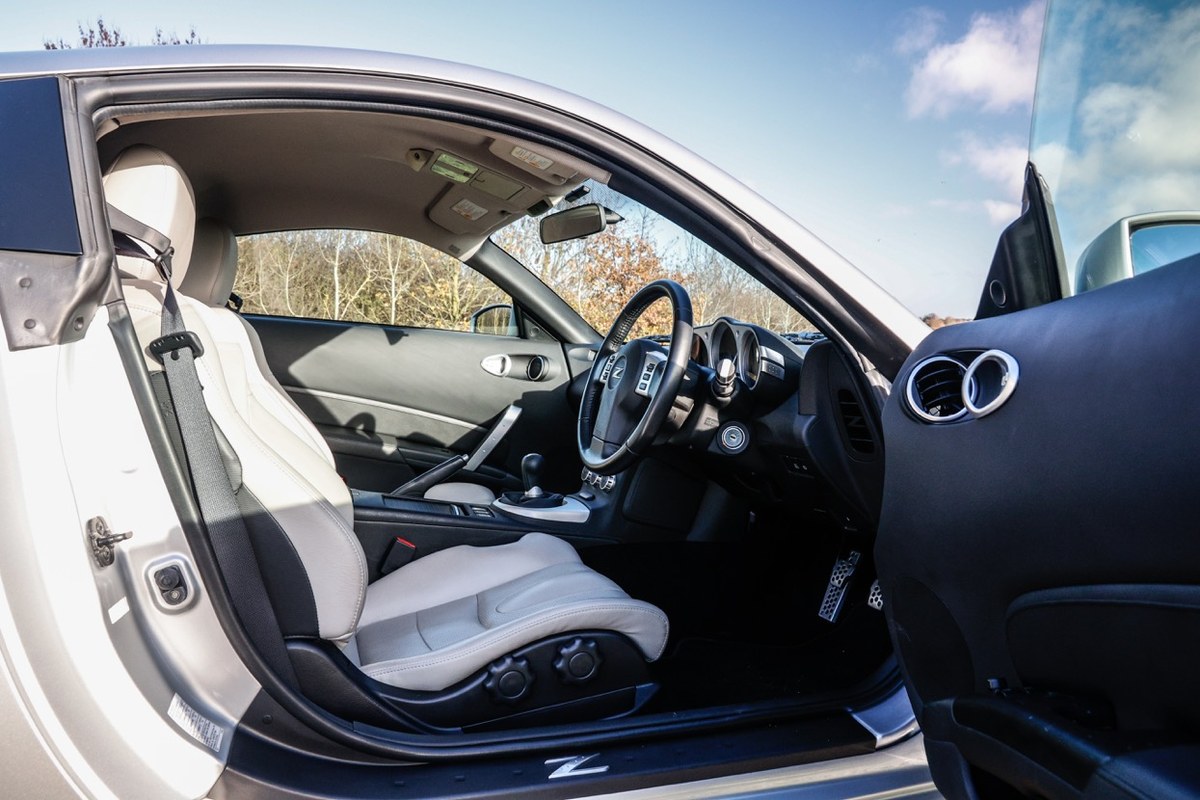
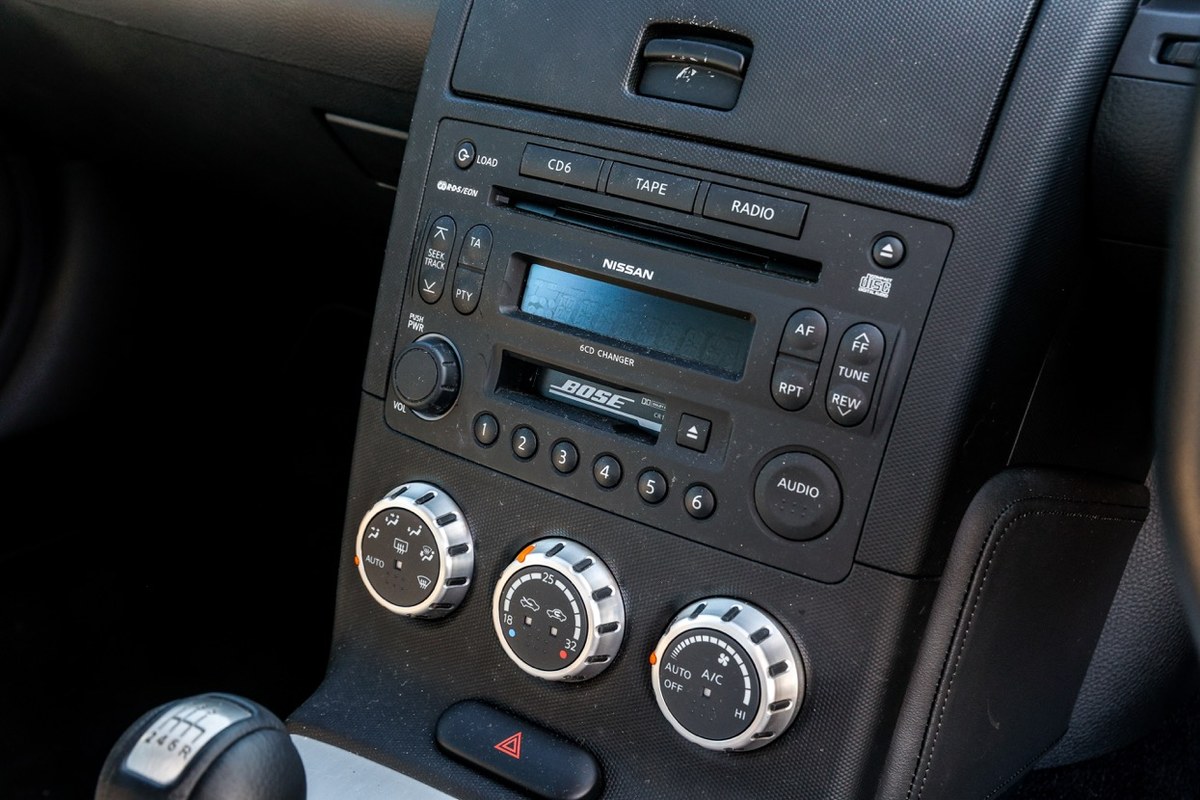
Inside, the 350Z’s cabin is driver-focused rather than luxurious, with a simple layout, a low seating position and instruments that reinforce the car’s sports-car purpose. Its cabin philosophy is less about grand-touring polish and more about making the car feel mechanical, compact and focused. That visual and interior character is a major reason why the 350Z still feels like a modern Z-car without trying to be a luxury coupé.
Generation Timeline
Generation | Summary |
Z33, 2002–2009 | The 350Z is the Z33 generation of Nissan’s Z-car line. It went through engine revisions, trim changes and facelift details without any major mid-life changes. |
Safety
The 350Z stems from the vehicular electronics era, sold with airbags and anti-lock braking, while equipment such as traction and stability systems varied by market and trim. UK cars had a strong standard equipment level including a six-speed manual gearbox, Brembo brakes and limited-slip differential, while US and Japanese-market specifications varied more widely. Bear this in mind when considering an import.
Pros & Cons
Pros
The 350Z successfully reintroduced Nissan’s classic front-engine, rear-drive sports-car formula for the 2000s, reinvigorating the brand’s Z-car identity.
Naturally aspirated V6 character gives the car a distinctive sound and power delivery compared with its turbocharged rivals.
Coupé and Roadster body styles give buyers a choice between the former’s hard-top rigidity and the latter’s al fresco usability.
Cons
Clean original cars can be hard to find because the 350Z has long been popular with tuners and modders.
Roadsters carry extra weight, so they lack the coupé’s sharpness.
Some engines have known oil-related issues, so documented maintenance matters more than mileage.
Prisutveckling
Senaste försäljningen
6 995 £
2005 Nissan 350Z

För närvarande till salu
15
0 pågående auktioner
15 annonser



Totalt sålda
22
Högsta försäljningspris
25 272 €
Genomsnittspris
9 420 €
Lägsta pris
3 000 €
FAQs
Is the Nissan 350Z a modern classic?
It’s increasingly being treated as a modern classic because the 350Z combines a recognisable Z-car identity, a naturally aspirated V6, rear-wheel drive and a strong enthusiast following.
Why does the Nissan 350Z matter in Nissan Z-car history?
The 350Z relaunched the Z-car for the 2000s after the 300ZX period, moving back towards a simpler sports-car formula rather than a complex grand-tourer approach. Its front-mounted V6, rear-drive layout and accessible performance helped reconnect Nissan with the original Z-car spirit.
What are the differences between a Nissan 350Z DE and HR?
DE and HR refer to versions of Nissan’s VQ35 3.5-litre V6 engine family. Earlier cars used VQ35DE engines, while later cars received the VQ35HR, listed at 306 hp with a higher-revving character. Many buyers use DE and HR as shorthand when comparing early and late 350Zs.
Is the Nissan 350Z Coupé or Roadster the better buy?
The Coupé is usually the purer enthusiast choice because it’s lighter and more practical, whereas the Roadster appeals if open-air driving is the priority. However, the latter gained extra body bracing and weight, making it heavier and not quite as rapid.
How does the Nissan 350Z compare with the Nissan 370Z?
The 350Z came before the 370Z and established the modern Z-car template that the 370Z developed further. The later 370Z was remarkably similar in design, construction and performance, but the 350Z is gaining more early modern-classic appeal.
Should buyers avoid modified Nissan 350Zs?
They shouldn’t be avoided as a rule, but the 350Z’s popularity with tuners means modifications need to be judged carefully. Many cars on the market wear aftermarket bodykits or other changes, so check the quality of any non-manufacturer parts and try to establish whether the car has been driven beyond its limits.