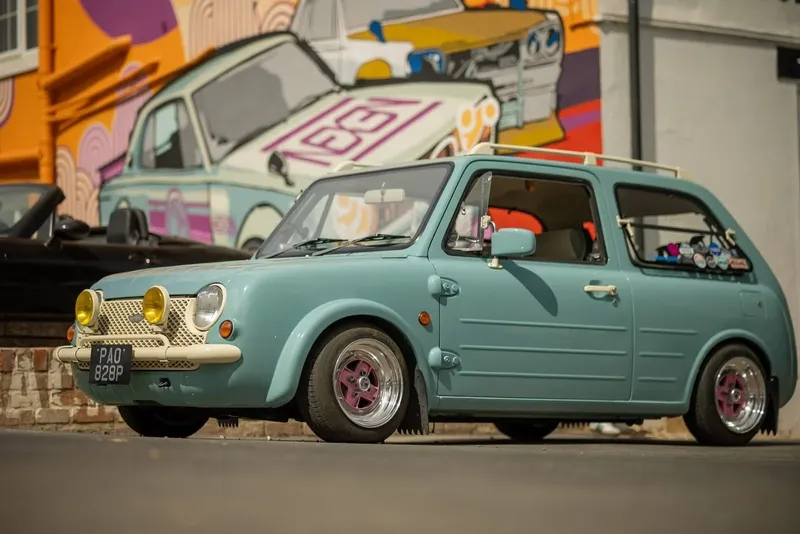
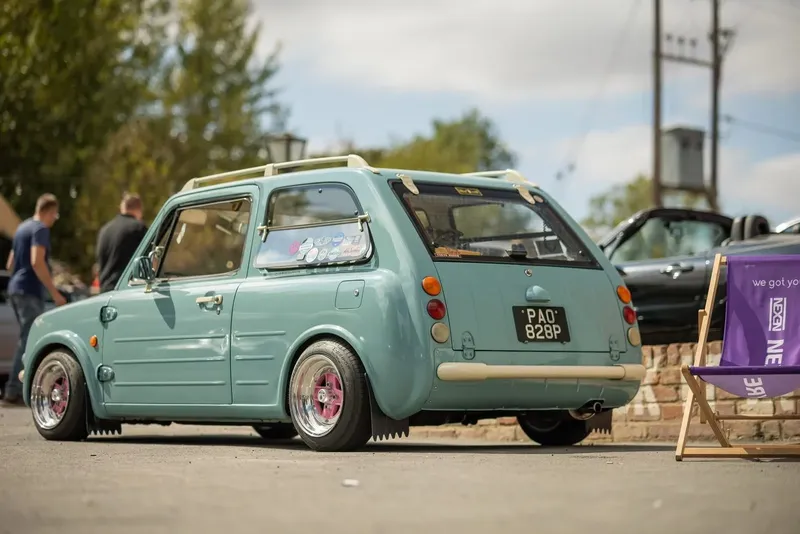
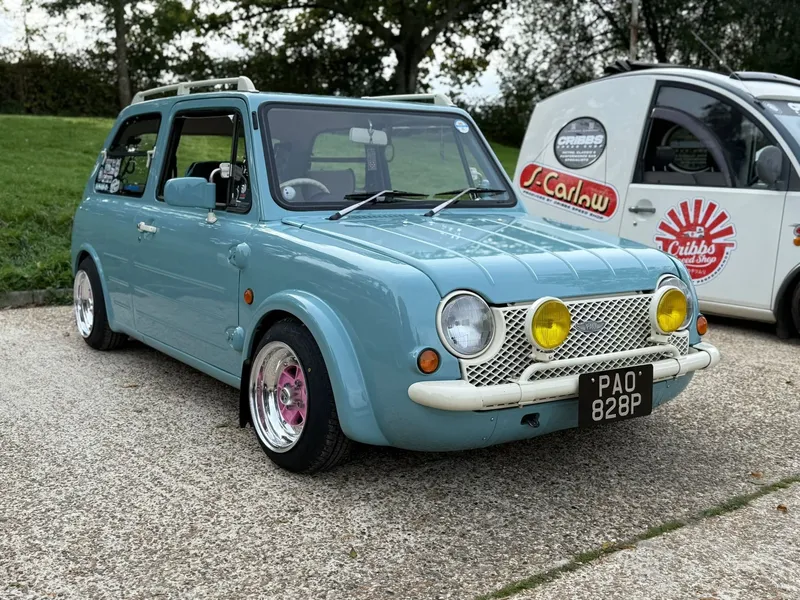
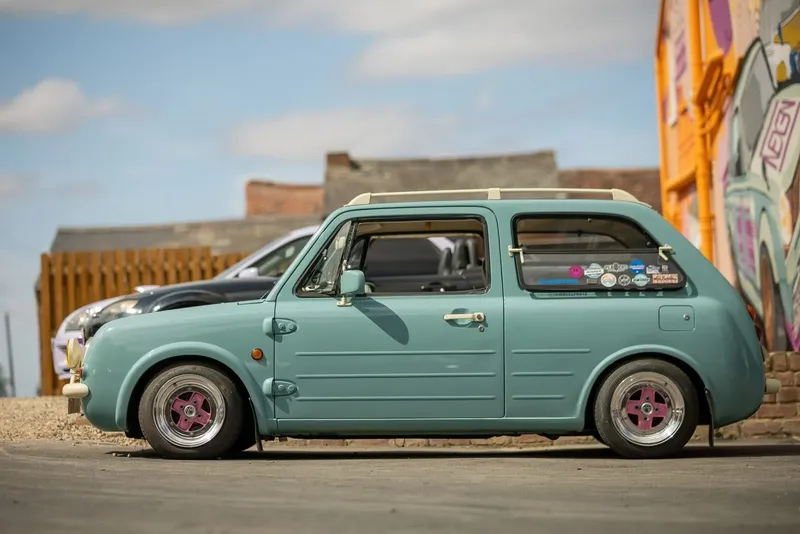
Nissan Pao: Models and Specs
1989–1991 · 987cc four-cylinder · Front-engined, front-wheel drive · Three-door hatchback
Overview
If you haven’t heard of the Nissan Pao, that’s not surprising. Built for just two years and sold by reservation only, the Pao launched without Nissan badging and sold out within three months of orders opening. It has never been replaced or revived, making it easily the most characterful car Nissan ever put into production. Built between 1989 and 1991 as the second of four models from Nissan's special projects Pike Factory (subsequently joined by the better-known Figaro), the Pao sits apart from every other model the company has made. It shares a platform with the K10 Micra but has nothing else in common with it (or with any other Nissan before or since, for that matter). It’s available in the UK solely as a grey import from Japan, typically in one of four original colours, with either a metal roof or an optional canvas top.
Price
- Starting price
- Average price
- Price range
- -
Specifications
- Production years
- 1989–1991
- Body styles
- Three-door hatchback
- Layout / drive
- Front-engined, front-wheel drive
- Engine family
- 987cc four-cylinder
- Transmission
- Five-speed manual; three-speed auto
Nissan Pao in Detail
History
The Pike Factory was a dedicated design unit working outside Nissan's mainstream product pipeline to create unusual vehicles, and it would go on to produce the more widely recognised Figaro. In the late Eighties, Nissan scaled up Pao production to 31,000 units, sold orders by reservation across a three-month window and watched the car sell out.
Designer Naoki Sakai drew on a deliberately eclectic set of references. The exposed external door hinges recalled the original Austin Mini. The flip-up quarter windows echoed the Citroën 2CV. The split tailgate referenced the Austin A40 Farina Countryman (widely regarded as Britain's first hatchback). The ribbed side panels suggested timber-sided American station wagons. The overall effect was extraordinary, and the Pao has appeared in at least thirty films and television productions, including the opening sequence of Gareth Edwards' 2014 Godzilla.
There was nothing monstrous about the MA10S 987cc four-cylinder engine, also found in the distinctly uncinematic K10 Micra. What power it generated was passed through either a five-speed manual or a three-speed automatic, with the manual being rarer and more sought-after today. Standard equipment extended to power steering, air conditioning, a cassette deck and an electromagnetic glass hatch release. The canvas top added the option of a fully open roof, though it also added the ongoing ownership consideration of aging seals and rubber.
Specifications & Performance
The Pao was never intended as a performance car, and the entire production run used a single engine in a single state of tune. This was a slow, characterful city car optimised for turning circles and turning heads, rather than scampering away from traffic lights.
Item | Figures |
Engine | MA10S, 987cc four-cylinder, naturally aspirated |
Power | 51 bhp |
Torque | 55 lb ft |
Top speed | 81 mph |
Minimum turning circle | 4.4 m |
Kerb weight | 750–760 kg |
Design and Cabin Identity
Love it or hate it, the Pao is recognisable at any distance. Its proportions are upright and compact with a boxy silhouette that owes nothing to aerodynamic convention and everything to retro reference. The round headlamps, tubular bumpers, exposed door hinges and ribbed body panels are a collage of mid-century European motifs. The canvas top variant adds further character, folding flat to create a quasi-convertible which was distinct from any other hatchback of the period.
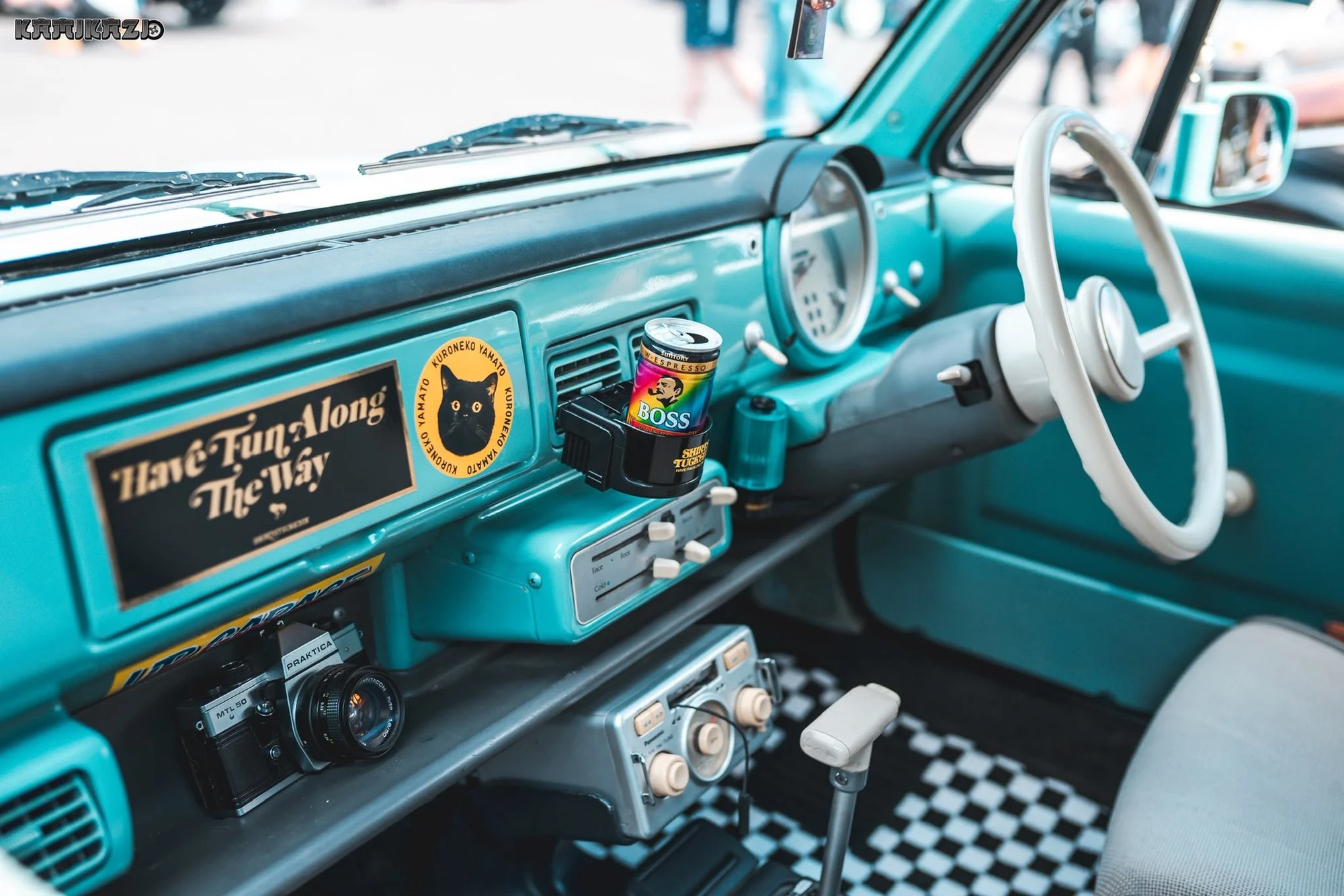
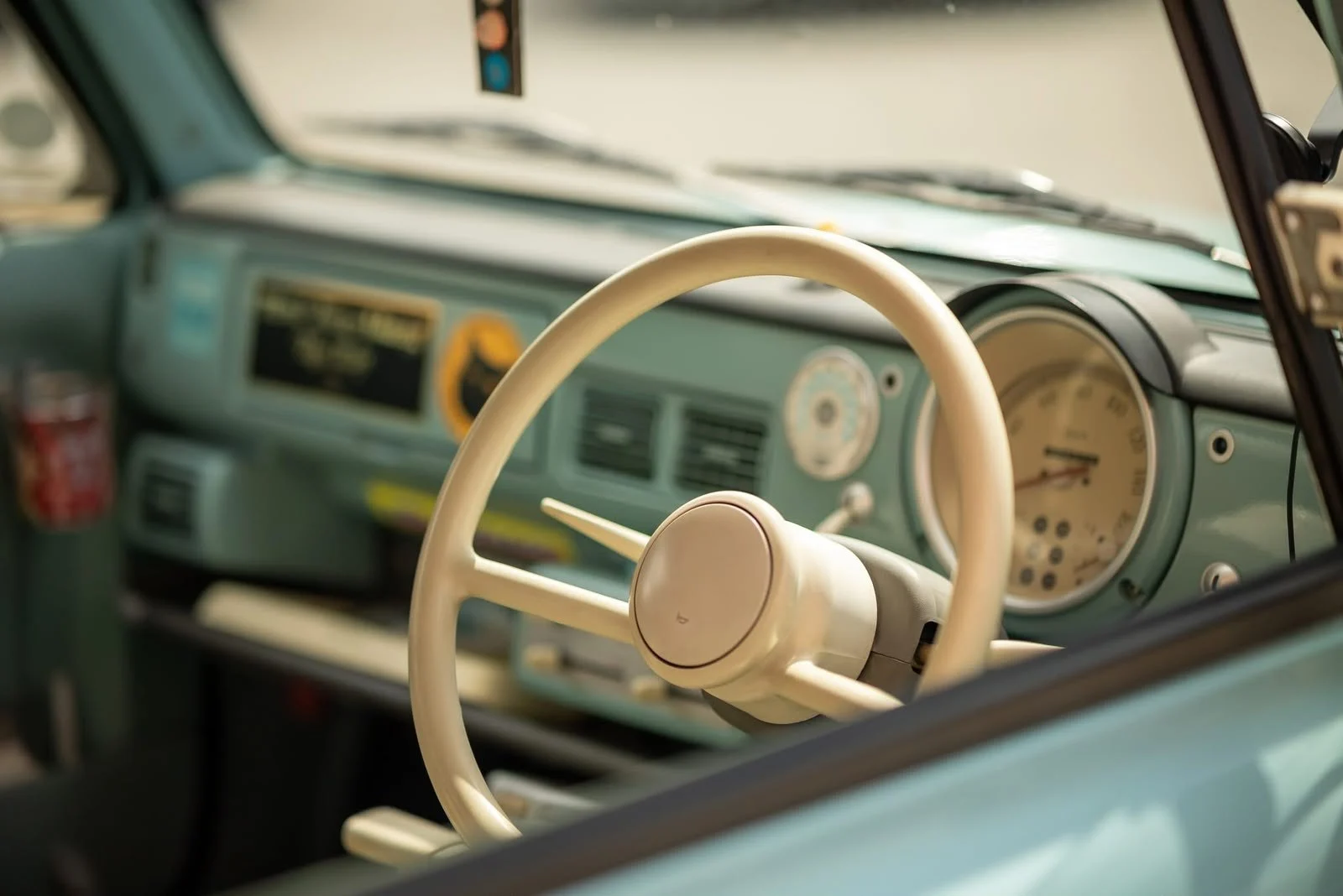
Inside, the dashboard is finished in the same colour as the body exterior, which is either a blessing or a curse, depending on which shade was chosen. The two-spoke steering wheel and analogue instruments reinforce the period pastiche, and the remote-controlled split tailgate’s glass swings up before the lower panel drops down. The Pao seats five, offers usable boot space and was specified with amenities that surpassed contemporary superminis, though by modern standards it’s far from luxurious.
Safety
As its retro-pastiche styling suggests, the Pao predates airbags, ABS and any electronic driver assistance. Braking is via front discs and rear drums, with MacPherson struts up front and four-link coil springs at the rear engineered for urban use at low speeds rather than for high-speed stability.
The car was never type-approved for European sale and carries no NCAP rating, so it was not built to withstand the impact standards that buyers of a modern supermini would expect.
Pros and Cons
Pros
No other production Nissan was ever marketed anonymously or sold by reservation, giving the Pao a provenance that can’t be replicated.
The fabric roof panel folds fully flat on canvas cars, turning the Pao into an open-air vehicle.
With a confirmed production run of 31,352 and far fewer in UK circulation than the Figaro, your preferred colour and transmission combination will be genuinely rare.
Cons
Window rubbers shrink with age and replacement stock is effectively gone. Managing water ingress is a permanent part of the ownership experience.
Running the A/C results in a significant power loss, and the 987cc engine doesn’t generate much power at the best of times.
The Pao has lower UK numbers than the Figaro and a thinner specialist infrastructure, so parts sourcing and specialist knowledge require more effort to access.
Price trends
Most recent sale
Not found
Currently for sale
0
0 live auctions
0 adverts
Total sold
0
Highest sale price
£0
Average price
£0
Lowest price
£0
FAQs
The Pao and the Figaro share the same platform, so what are the differences between them?
Both use the K10 Micra floorpan, the same 987cc four-cylinder block and the same three-speed automatic transmission. However, the Figaro is a fixed-profile convertible with a rigid roof rail, and it had a single-year production run of 20,073 cars versus the Pao's 31,352 built over three years. In the UK, the Figaro has achieved far higher market penetration, a more established specialist network and generally higher values.
Why was the Pao sold without the Nissan name on it?
Nissan’s Pike Factory cars were a deliberate departure from mainstream Nissan branding. The intention was to position them as design-led objects closer to consumer electronics than conventional cars, in keeping with Nissan's stated aim of making vehicles as desirable as a Sony or Panasonic product of the time.
Does the manual gearbox make the Pao more desirable?
It’s both desirable and rarer. The five-speed manual accounts for a smaller proportion of total production than the three-speed automatic, and within that sub-group, the canvas top manual is rarer still. The manual is more sought-after because it gives the driver more engagement, with the best chance to drag what power exists out of the feeble engine, whereas automatic examples can feel sluggish even by the Pao's languorous standards.
Is the canvas top version more practical to own than it sounds?
The roof is simple to operate and the open-air experience is one of the Pao's strongest qualities. However, the rubber seals around the aperture shrink with age and are no longer available as direct replacements. Owners manage this with aftermarket gasket compounds, custom-cut rubber or careful storage. A canvas-top Pao in good seal condition is fine, but a car with unresolved seals will let water in.