Peugeot 403: Models and Specs
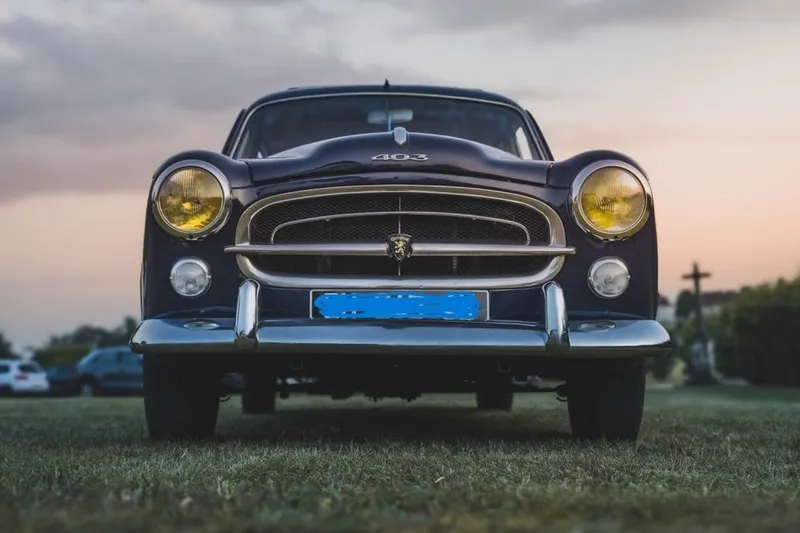
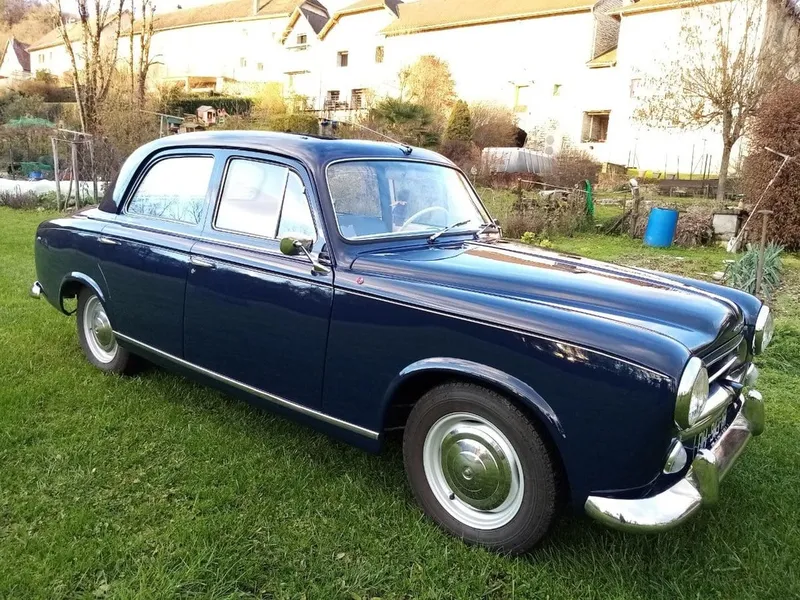
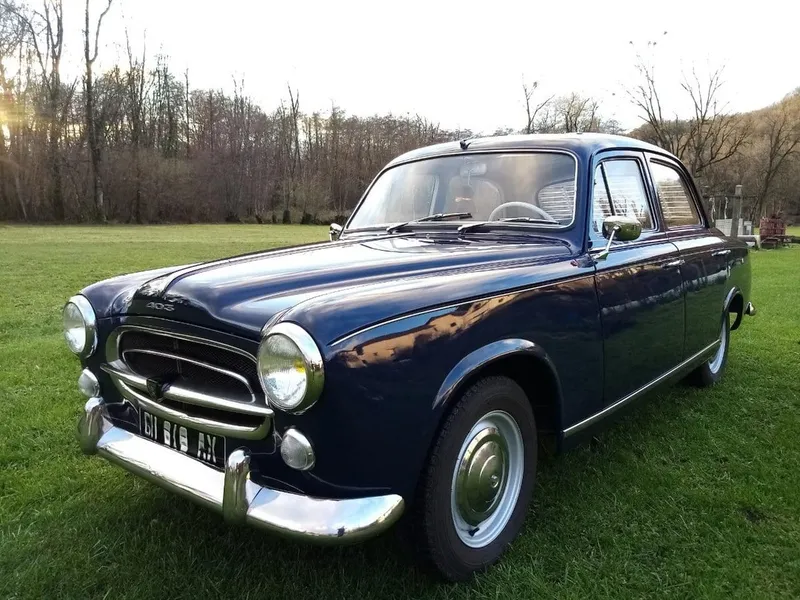
1955–1966 Peugeot 403: a Pininfarina-styled, rear-wheel-drive family car with a 1.5-litre petrol four-cylinder (and later diesel), offered in everything from saloon to long-wheelbase estates, plus rare Cabriolet and pick-up versions
Overview
Many people assume Peugeot’s reputation for building unburstable workhorses began with the 504, but the Peugeot 403 was also a dependable and well engineered family car. Over an 11-year lifespan, the 403 incorporated Peugeot’s traditional approach of steady evolution rather than big annual facelifts, retaining an emphasis on running costs and reliability that made it a proven companion everywhere from Marseille to Mauritania. In France, it gained the nickname “l’increvable” (the indestructible), which speaks volumes about its durability.
C&C Expertise
French engineering and Italian styling make excellent bedfellows. The Peugeot 403 is a case in point. It was the start of a fifty-year-long partnership between Peugeot and Pininfarina, and Peugeot’s first model to exceed one million in sales. The 403’s mechanicals are legendarily tough, so long as previous owners have kept on top of basic maintenance. A 403 would be an excellent first classic, and they’re ideal for home mechanics.
Price
- Starting price
- 1 015 €
- Average price
- 8 228 €
- Price range
- 1 015 € - 33 900 €
Specifications
- Manufacturer
- Peugeot
- Production years
- 1955–1966
- Vehicle class
- Family car / mid-size saloon and derivatives
- Body styles
- 4-door saloon (Berline), long‑wheelbase estate (Familiale and Commerciale), 2-door Cabriolet, pickup, van
- Layout and drive
- Front‑engine, rear‑wheel drive
Peugeot 403 in Detail
Peugeot developed the 403 to sit above (and ultimately replace) the 203, targeting a middle-class family market by developing a larger and more comfortable car powered by a relatively modest engine.
For styling, Peugeot turned to Battista ‘Pinin’ Farina, and the 403 heralded the start of a long relationship between Peugeot and the Italian design house. Production ran from May 1955 to October 1966, and total production across all types exceeded 1.2 million, making the 403 the first Peugeot to break the one-million mark. There were no groundbreaking relaunches, just a programme of steady improvement which reinforced its reputation for solidity and longevity.
The 403 isn’t a fast car, but then it was never designed to be. It used an enlarged version of the 203’s 1,468 cc pushrod straight-four engine, producing around 58 hp at launch before rising to 65 hp, with a comparably slow diesel available later in the model’s lifetime. Engineered for sustained use with simple suspension and sensible gearing, 403s have always been happiest being driven smoothly and sedately.
Petrol – 1.5-litre inline‑four
Model / body style | Engine | Power | 0–60 mph | Top speed |
|---|---|---|---|---|
403 Berline (saloon) 1.5 | 1468cc petrol | 58–65 hp | 23–25 s | 75–78 mph |
403 Familiale / Commerciale | 1468cc petrol | 58–65 hp | Slightly slower than the saloon due to extra weight | 70–75 mph (load and body dependent) |
403 Cabriolet 1.5 | 1468cc petrol | 58–65 hp | marginally affected by weight/aero | broadly similar to the saloon |
Diesel – 1.8-litre inline‑four
Model / body style | Engine | Power | 0–60 mph | Top speed |
|---|---|---|---|---|
403 Diesel (estate/saloon) | 1.8-litre diesel | 47bhp | 30 secs (approx) | 65 mph |
Note: The 403’s engines are strong, but they can suffer from a lack of repair. Headline power matters far less than how the engine starts from cold and how smoothly it runs when warm, so take an extended test drive before committing to a purchase.
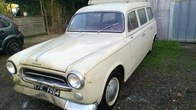
Peugeot lengthened the saloon’s wheelbase for the Familiale and Commerciale estate versions, adding a third row on the former to create a genuinely practical load-carrier version of the 403. Yet despite their extra length, the estate cars have always driven and felt like the standard 403, albeit with a more useful body.
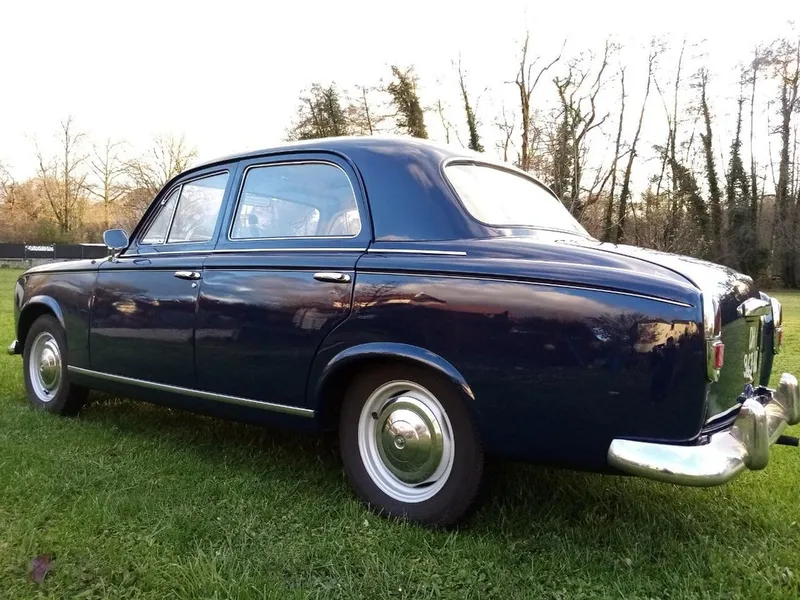
In saloon guise, the 403 is a classic three-box design whose rounded lines still look good today. It featured stylistic details that would become commonplace in later decades, including rear doors that opened to around 90 degrees and windows that lowered fully. Many versions also featured a metal sunroof, which added to the 403’s upmarket feel.
The 403 is an uncomplicated car with no Roland Garros-style luxury variants, so you want one with straight panels, consistent gaps, and no signs of dubious paintwork.
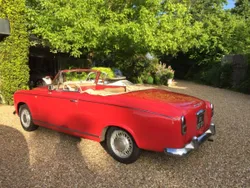
Right-hand-drive 403s are unusual, and many cars advertised on Car & Classic will be left-hand-drive imports. Speaking of which, the Cabriolet was always the range-topper, built in modest numbers and priced far above the saloon when new. This is a standalone collectible, not just a 403 decapotable.
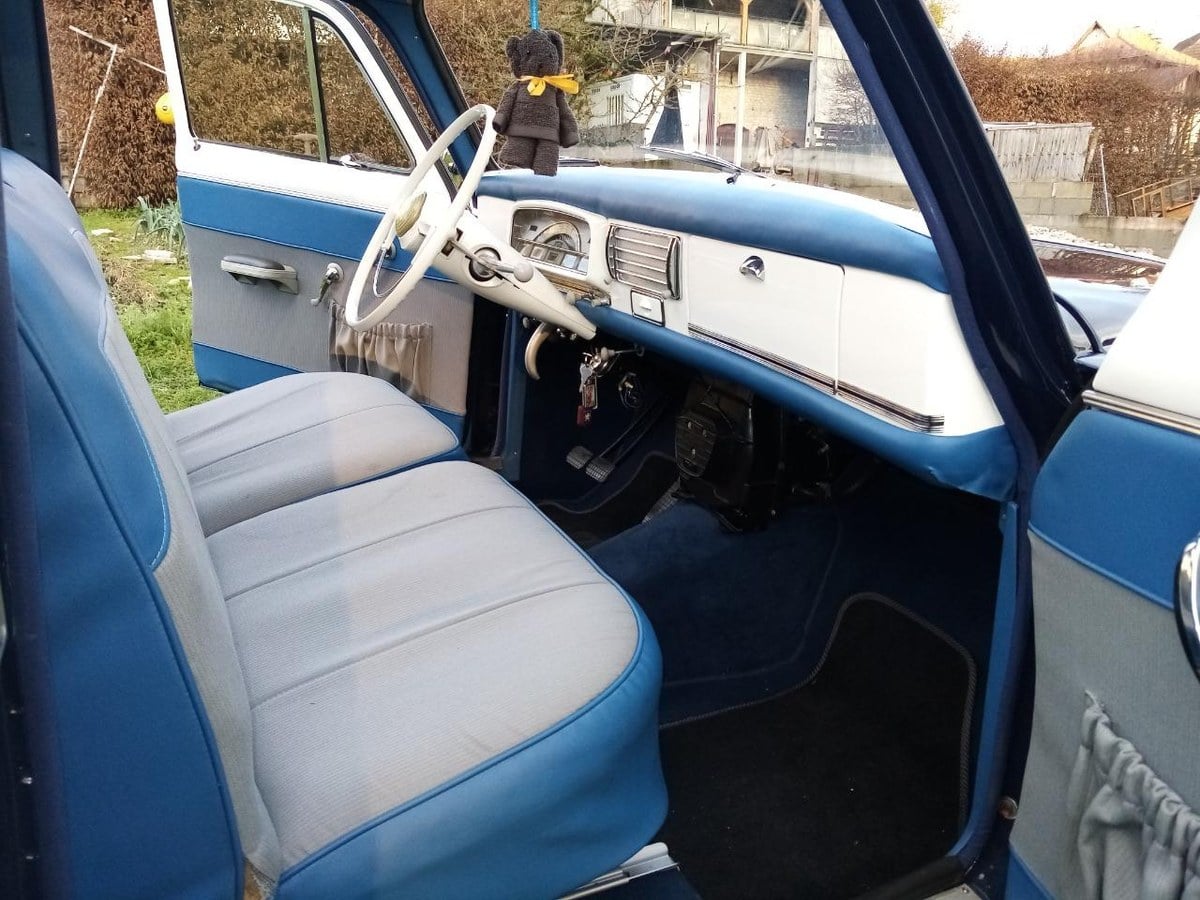
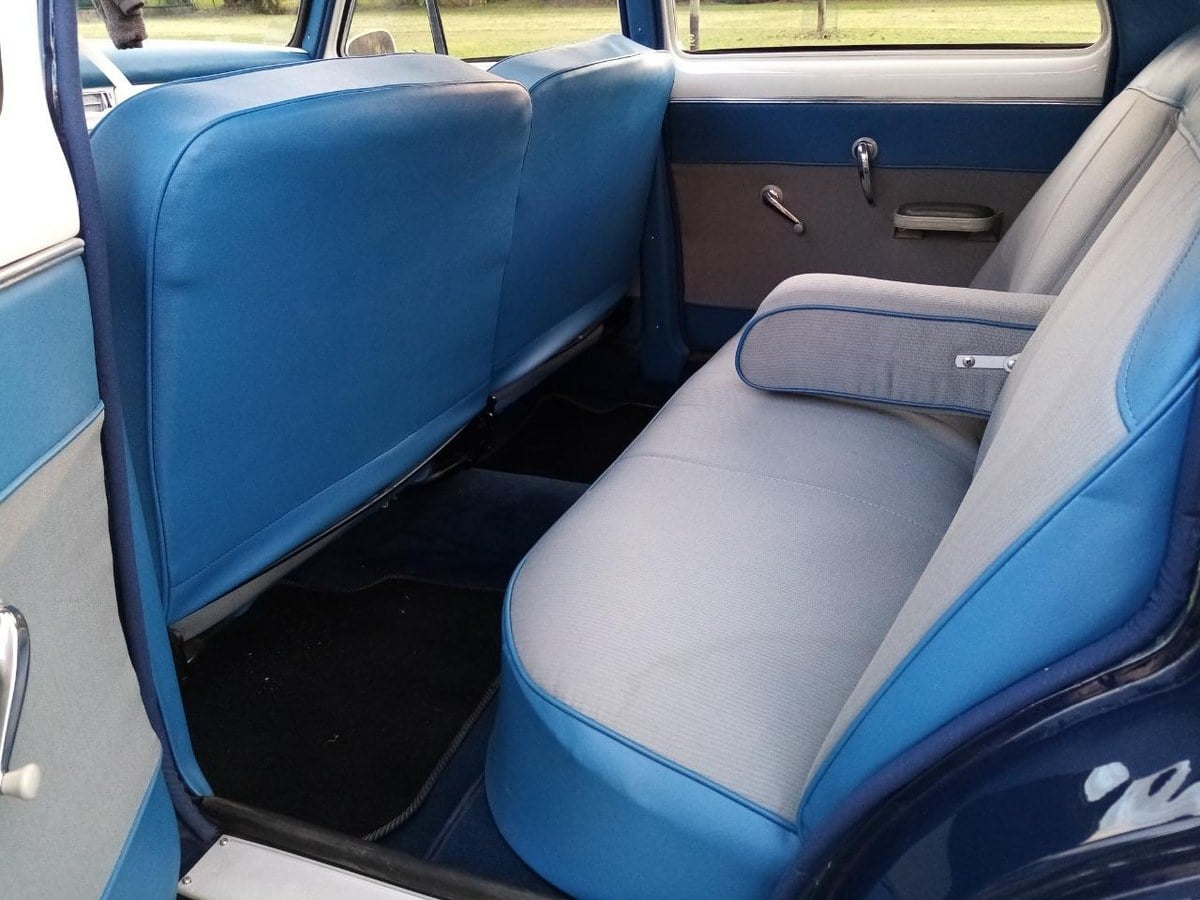
Maintaining its focus as a practical family car, the 403 featured a column-mounted gearlever, helping make it a genuine six-seater. For added versatility, the reclining front seats could fold to create a sleeping arrangement in tandem with the rear seat.
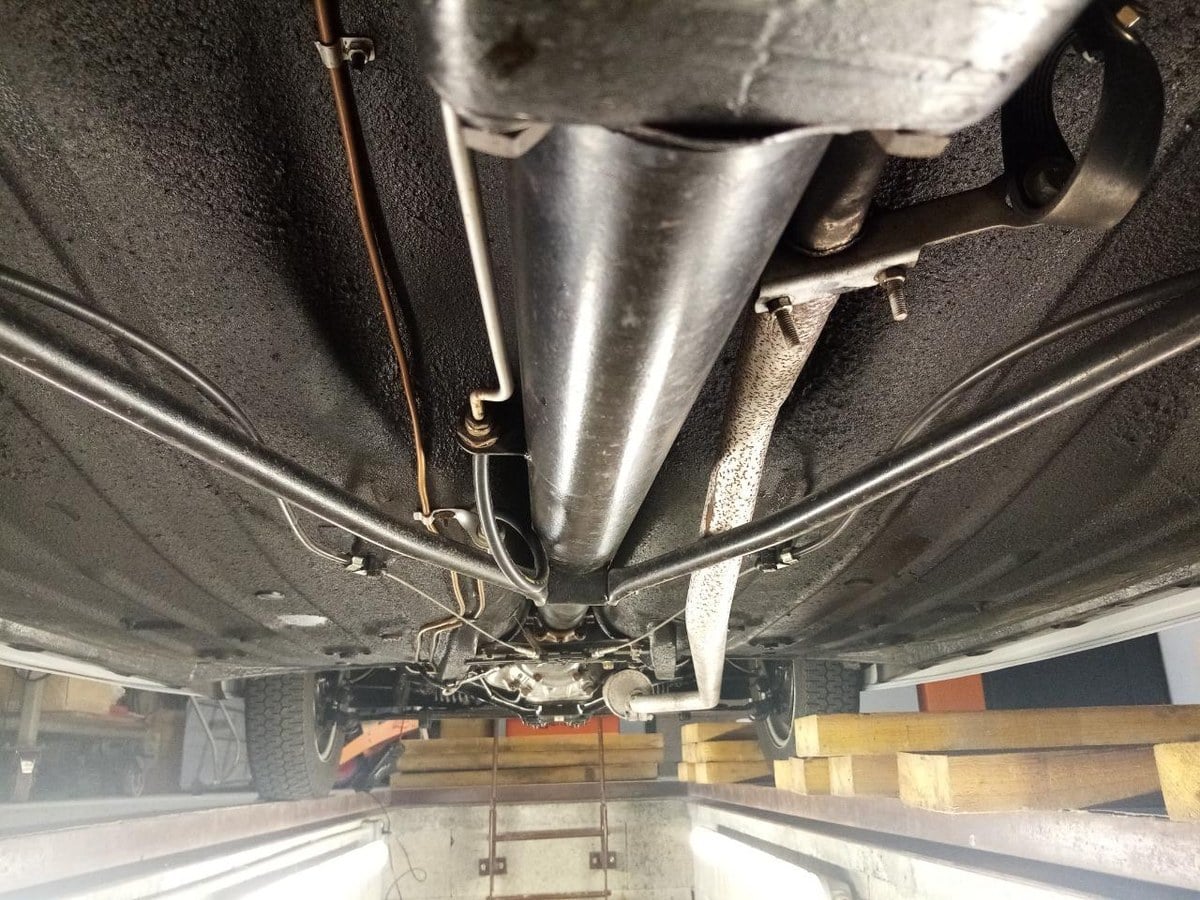
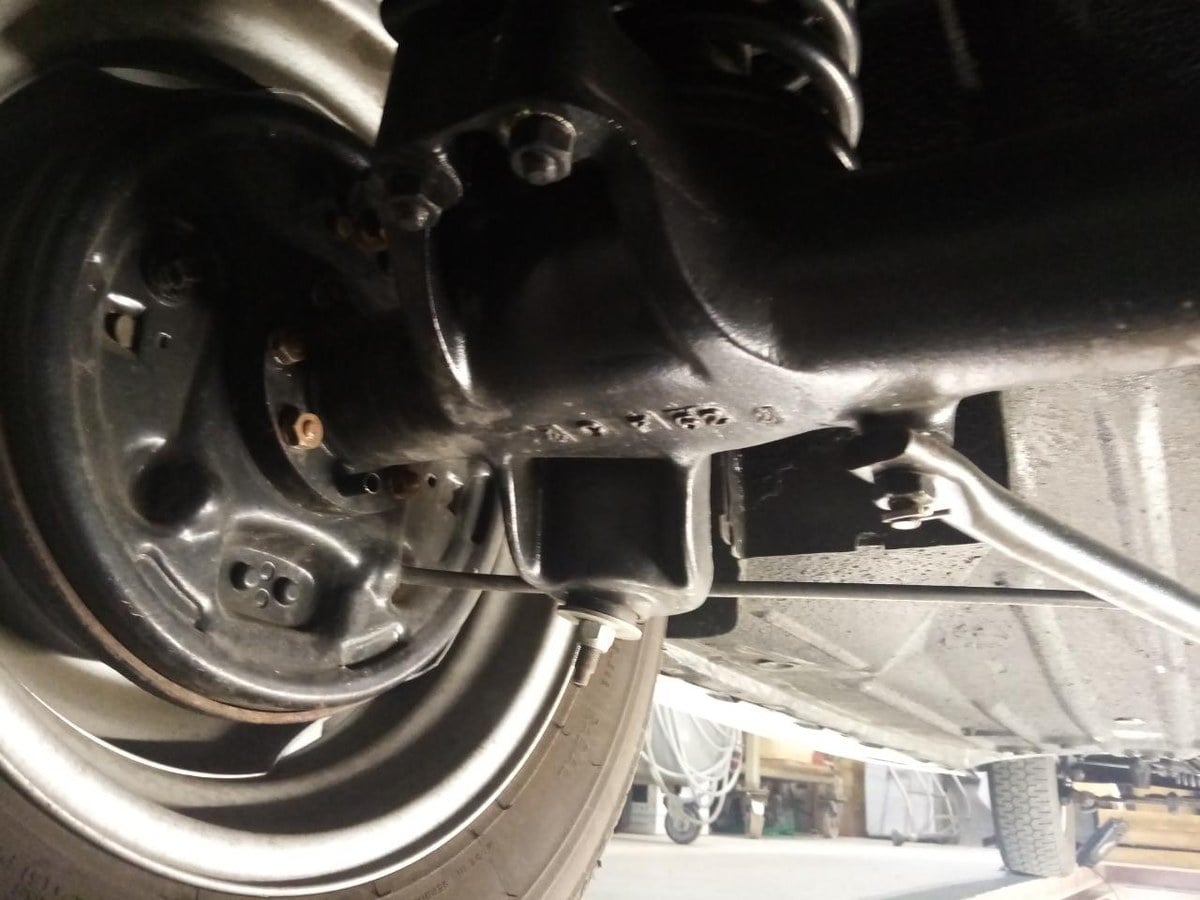
The 403 hails from the drum-brake era, and even period testers were hesitant to fully test its stopping power. A safe 403 is one with predictable braking, tidy steering and a calm chassis, not one which exudes 2020s levels of confidence at motorway speeds - if you can even wind the engines up that far.
A good 403 should feel mechanically unfussy, exhibiting smooth starting and steady running. One Gallic quirk was the unusual thermostatically controlled engine fan on the 403; if the cooling system isn’t healthy, you’ll quickly notice it in traffic and/or warm weather.
Similarly, the anachronistic column shift for the four-speed all-synchromesh manual should feel deliberate and consistent rather than vague or obstructive. Finally, confirm any Familiale/Commerciale really is a long-wheelbase car, with seats and a load area that match the intended configuration.
Variants and Generations
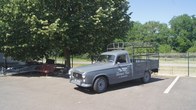
Although the 403 is best known here as a saloon, the French also manufactured long-wheelbase estates (Familiale/Commerciale), a rare and exclusive two-door Cabriolet, and commercial variants such as a pickup and a van. There was even an early foray into mass-market diesel, arriving first on the estate in 1958 and then on the saloon a year later.
Tendances des prix
Vente la plus récente
13 900 €
1956 Peugeot 403

Actuellement en vente
23
2 enchères en direct
21 annonces


Total vendu
60
Prix de vente le plus élevé
33 900 €
Prix moyen
8 228 €
Prix le plus bas
1 015 €
FAQs
Despite its vintage, the 403 has always been a robust and reliable car with reasonable running costs for its era, underpinned by simple engineering principles.
The long-wheelbase Familiale/Commerciale estates were designed specifically for extra space, including a third row of seats on the Familiale in a style that would become familiar in the subsequent 504/505 Peugeot ranges.
The 403 Cabriolet was produced in modest numbers and cost dramatically more than the saloon when new. Its starring role in the iconic TV series Columbo merely heightened its desirability.
They shouldn’t be avoided on principle, especially since UK-market right-hand-drive cars are unusual, so most 403s on sale will be LHD.