Plymouth Barracuda: Models and Specs
1964–1974, slant-six and V8-powered American pony/muscle car, front-engined, rear-wheel drive, fastback, coupé, hardtop and convertible body styles.
Overview
The Plymouth Barracuda is one of the key American pony-car and muscle-car nameplates of the 1960s and early 1970s. It began as a compact, Valiant-based fastback in 1964, before evolving into a more distinctive performance model. Finally, it morphed into the E-body Barracuda/’Cuda beloved by performance obsessives. Any car bearing the Barracuda name deserves careful evaluation to determine its place in this rather confused lineage. A 1964–1966 Barracuda is a compact fastback with early pony-car charm. A 1967–1969 Barracuda gives more body-style choice and stronger performance options. A 1970–1974 E-body car is the most muscular and collectible version, so any buyer decision should start with choosing a preferred era. The Barracuda famously debuted just 16 days before the Ford Mustang stole its thunder (and sales), since the latter encapsulated the mainstream pony-car market more successfully. However, that underdog status is part of the Barracuda’s appeal today.
Specifications
- Production years
- 1964–1974
- Main production eras
- 1964–1966; 1967–1969; 1970–1974
- Body styles
- Fastback, coupé, hardtop and convertible
- Layout / drive
- Front-engine, rear-wheel drive
- Engine family
- Slant-six, small/big-block V8, 426 Hemi
Plymouth Barracuda in Detail
The first Barracuda arrived in 1964 as a compact fastback closely related to the Plymouth Valiant. It used the Valiant’s A-body platform and much of its front-end identity, but added a dramatic fastback roofline including huge wraparound rear glass. These cars are not usually bought for muscle-car performance, but they do suit buyers who want early-1960s character, manageable proportions and a more unusual alternative to the Mustang.
The second-generation Barracuda moved beyond its default fastback identity and offered coupé, fastback and convertible body styles, while also allowing Plymouth to promote the car as a performance model. The restyled second-generation body was wider across the engine compartment, allowing the 383 cu in big-block V8 to join the existing Slant Six, 273 V8 and Commando 273 choices.
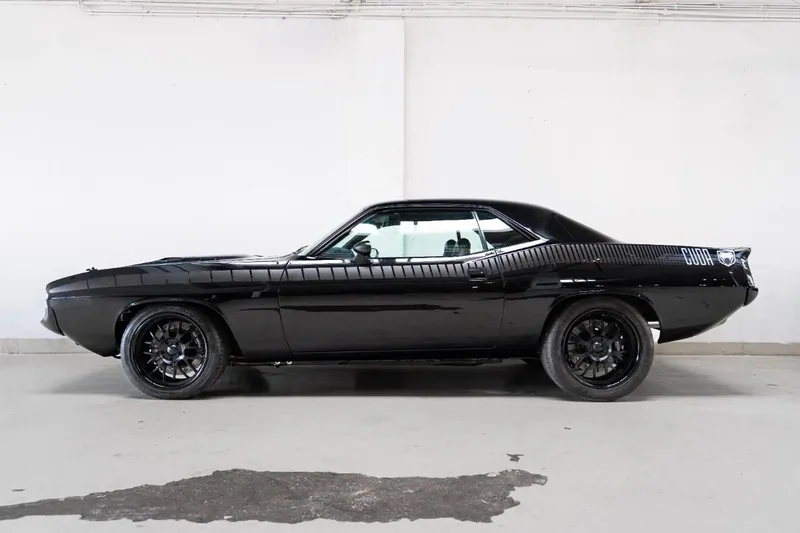
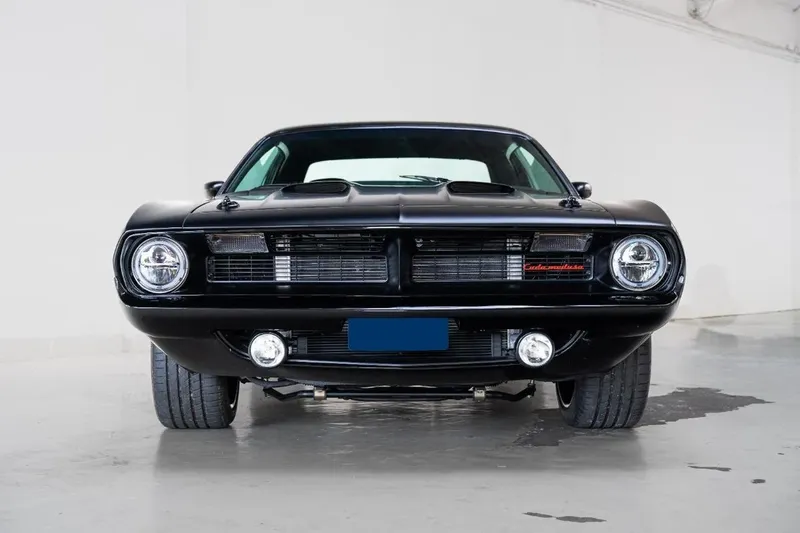
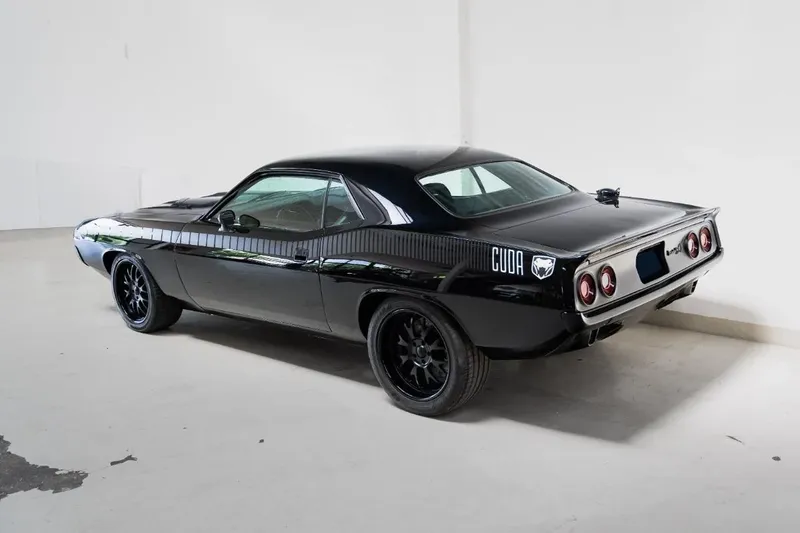
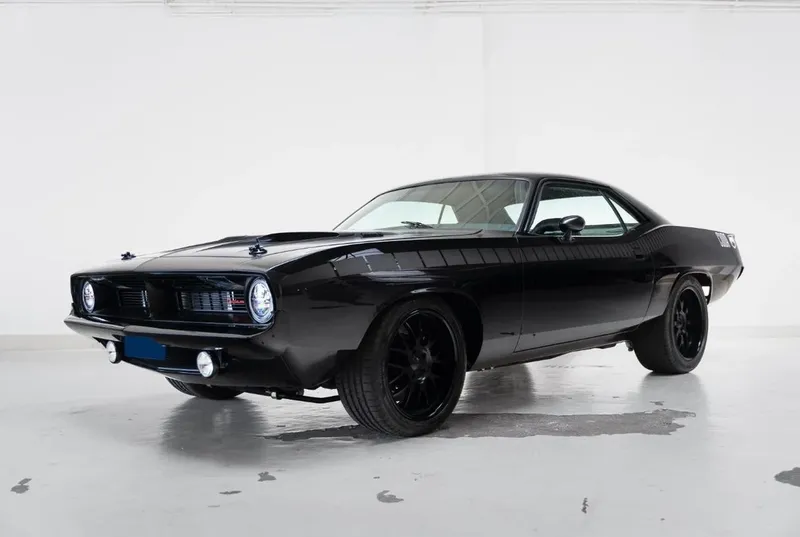
However, the 1970 redesign changed the Barracuda’s identity completely. The E-body no longer shared the same Valiant relationship as the early cars, instead sitting closer in spirit to Dodge’s Challenger. This is the era most buyers associate with the name today, especially when discussing ’Cuda models, AAR cars, 440 Six-Barrels and 426 Hemis.
The Plymouth Barracuda’s performance identity changed dramatically over its production life. Early cars were compact fastbacks with six-cylinder and small-block V8 engines, while the 1967–1969 cars added more body styles and stronger V8 options. The 1970–1974 E-body cars brought the most famous muscle-era specifications.
Model | Engine | Power |
1964–1966 V8 | 273 cu in LA V8 | Up to 180 hp |
1967–1969 Formula S / big-block | 273/340 small-block V8 or 383 cu in big-block V8 | Up to 280 hp (1967 383) |
1970 AAR ’Cuda | 340 cu in Six-Barrel V8 | 290 hp |
1970–1971 Hemi ’Cuda | 426 cu in Hemi V8 | 425 hp |
1970–1971 440 ’Cuda | 440 cu in big-block V8, including Six-Barrel versions | Up to 390 hp |
Like its engines, the Plymouth Barracuda’s identity evolved but was always tethered to compact American performance style. The first cars are defined by their wraparound rear glass and fastback profile, giving them a very different look from later muscle cars. The 1967–1969 cars feel more mature, with cleaner proportions and a wider choice of body styles. The 1970–1974 E-body cars are the most visually aggressive with a wider stance, longer bonnet and shorter deck.
Across all eras, the cabin philosophy is straightforward: usable front seating, simple controls and specifications that vary heavily by year and trim.
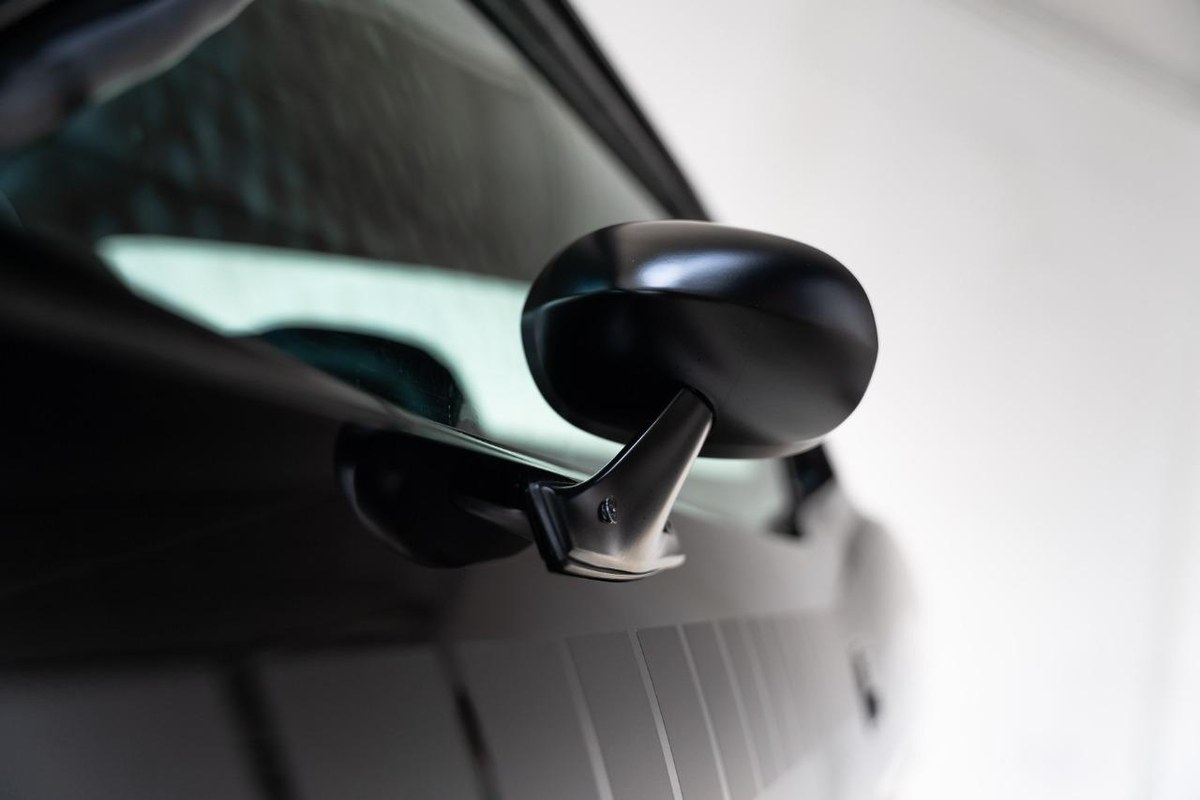
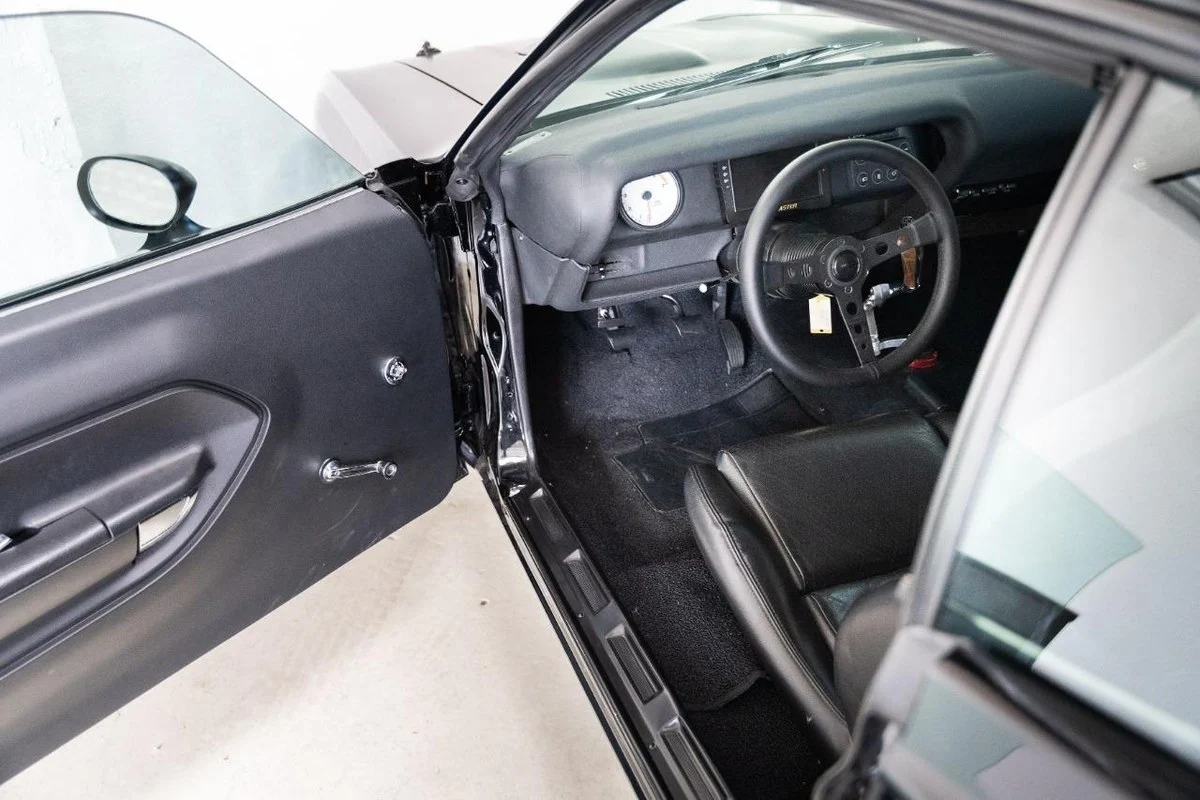
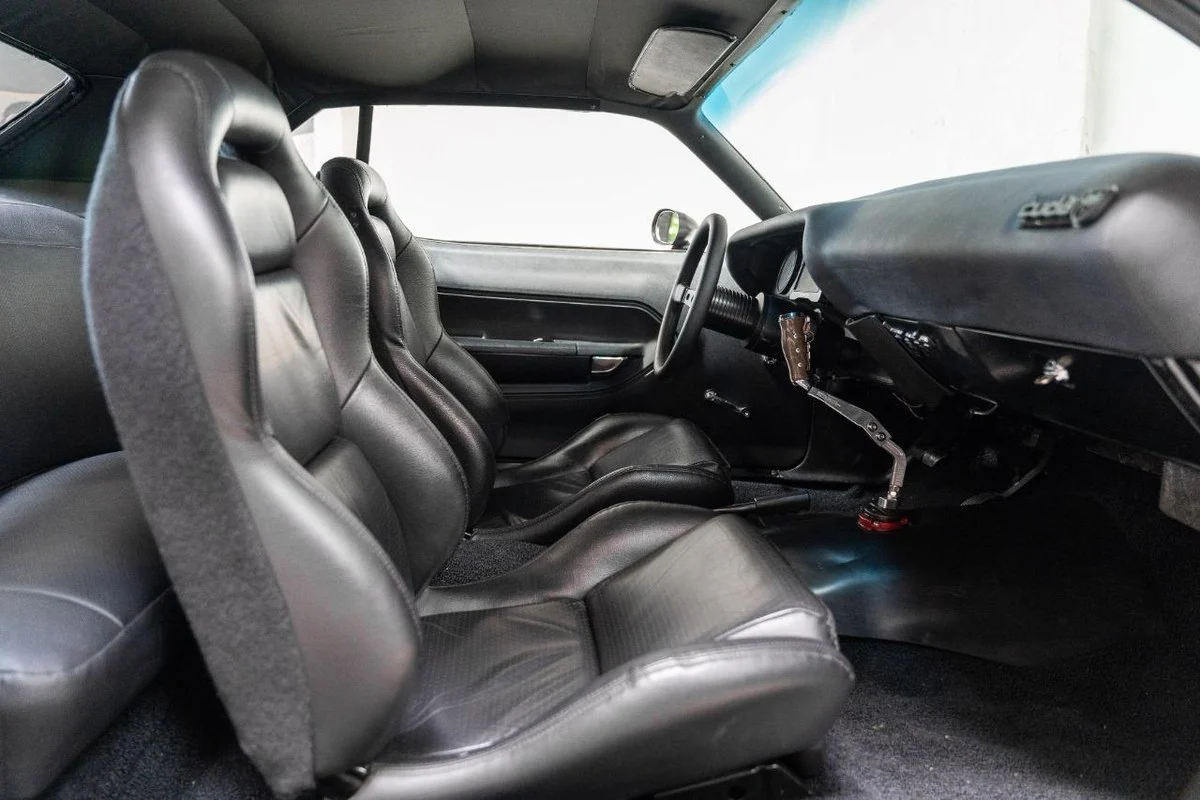
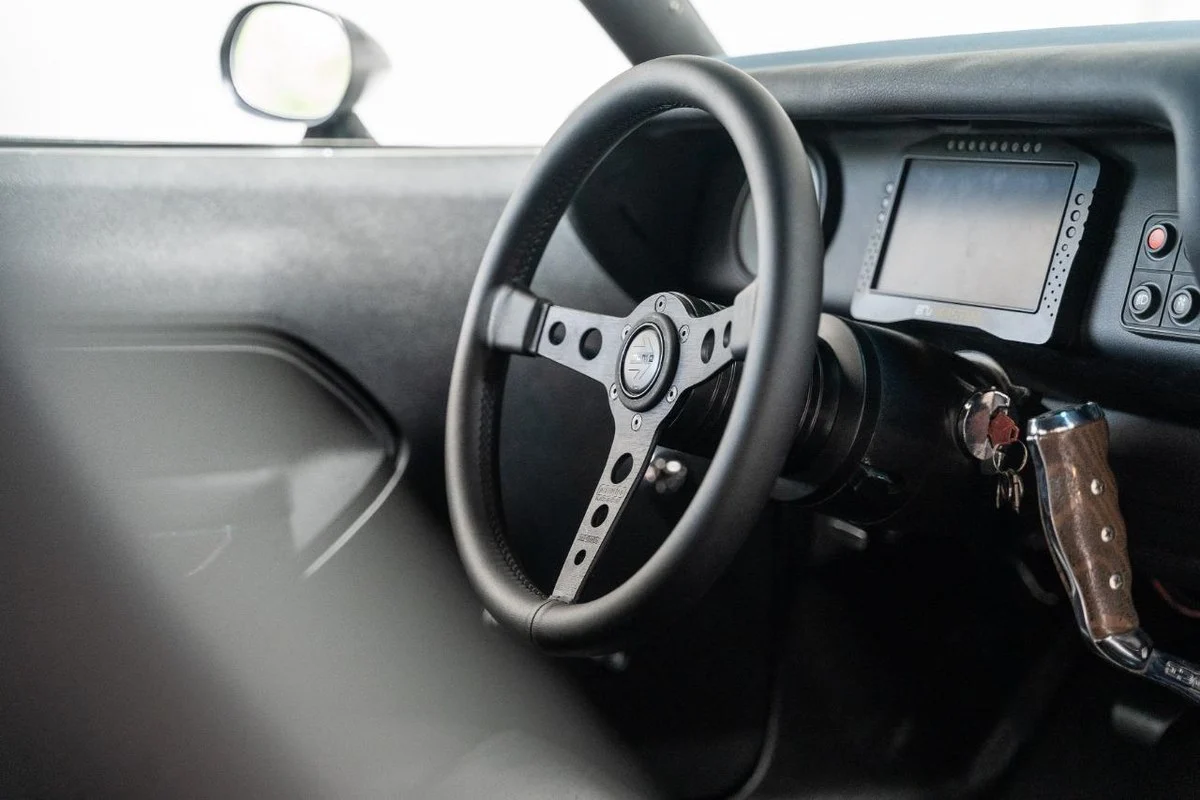
The Plymouth Barracuda should be judged as a 1960s and early-1970s classic, which means safety is mostly about the condition and setup of each individual car. A restored six-cylinder early Barracuda and a Hemi ’Cuda do not create the same handling or braking expectations among their drivers. The more powerful the car, the more important it is that the brakes, steering, tyres and chassis setup are suitable for the way it’s likely to be used.
Barracuda type | Years | Best suited to buyers who want… |
Early A-body | 1964–1966 | A compact early pony car with distinctive fastback glass and Valiant-based simplicity |
Second-generation A-body | 1967–1969 | More body-style choice and stronger performance options |
E-body | 1970–1974 | The most recognisable muscle-era shape and strongest collector identity |
’Cuda performance models | 1970–1974 | A more focused E-body performance car, especially with 340, 440 or Hemi power |
AAR ’Cuda | 1970 | Trans-Am-linked 340 Six-Barrel character and strong collector appeal |
Hemi ’Cuda | 1970–1971 | The headline collector version, bought for rarity and Hemi status |
Pros
Buyers can choose between early pony-car charm, second-generation usability or E-body muscle-car presence.
The AAR ’Cuda and Hemi ’Cuda serve as high-interest collector focal points.
Early Barracudas provide a more unusual alternative to the obvious Mustang.
Cons
The Barracuda name covers very different buyer propositions, so era and specification need to be identified first.
E-body values can be affected heavily by engine, originality and documentation.
These are old imported vehicles with limited parts supplies and potentially expensive repair costs.
FAQs
Buy an early Plymouth Barracuda if you want a compact, unusual pony car with distinctive 1960s fastback styling. By contrast, a 1970–1974 E-body Barracuda suits those wanting a more iconic shape, stronger muscle-car presence and greater collector demand. In essence, early cars are better for buyers who value originality and usability, whereas E-body cars are better for buyers who want the strongest visual impact and performance identity.
The Barracuda is the broader model line, while the ’Cuda abbreviation refers to the more performance-focused versions from the E-body era. Buyers shouldn’t assume every Barracuda is a ’Cuda, or that every ’Cuda has comparable value.
An early 1964–1966 Plymouth Barracuda is a compact Valiant-based fastback, while a 1970 Hemi ’Cuda is an E-body muscle car with one of the most desirable Mopar engines. They share the Barracuda name, but they serve very different buyers and shouldn’t be valued or compared in the same way.
Choose an A-body Barracuda if you want a compact, unusual classic with early pony-car appeal and less obvious muscle-car image. Choose an E-body Barracuda if you want the stronger 1970s muscle look and more recognised collector desirability.
Hemi ’Cudas are valuable because they combine the most desirable E-body Barracuda shape with the 426 Hemi V8, low production numbers and top-tier collector status.