Porsche 911: Models and Specs
Rear-engined, 2+2 sports car with a flat-six powertrain, available in rear-wheel drive or all-wheel drive, and offered as Coupé, Cabriolet, and Targa.
Overview
The 911 is the car Porsche has been building its identity around since the early 1960s. While rival sports car manufacturers endlessly innovated, Porsche stuck with the 911’s original design principles - a compact rear-engine car that’s practical enough to live with every day, yet still feels special every time you drive it. Over the decades, Porsche has marketed the 911 in a range of flavours, from everyday Carrera models to open-top Cabriolets and the distinctive Targa, up to modern-day GT cars. Even if you’re buying an older example, the principles will be reassuringly familiar.
C&C Expertise
The 911 is a timeless driver’s car - precise, engaging and instantly recognisable. Each generation has its quirks, so knowing what you’re buying is key: early models need careful attention to mechanicals, while newer cars are more reliable but often pricier. A well-maintained 911 will reward you with fantastic handling and daily usability, making condition and history far more important than mileage alone.
Price
- Starting price
- $4,000
- Average price
- $72,970
- Price range
- $4,000 - $849,950
Specifications
- Manufacturer
- Porsche
- Production Years
- 1963–present
- Vehicle class
- Sports car
- Body styles
- Coupé, Cabriolet, Targa
- Layout and drive
- Rear-engined; available as rear-wheel drive or all-wheel drive, depending on model
Porsche 911 in Detail
Porsche 911 History
The Porsche 911 story began in 1963, when Porsche unveiled the 901 as the successor to the 356. A swift name change after a clash with Peugeot heralded the 911, kicking off what’s now one of the longest-running sports car bloodlines of all time.
From the beginning, the 911 stood out because it didn’t follow conventional sports car formulas. Instead of putting the engine up front or mid-mounted, Porsche retained its signature layout with the engine hanging out at the back and spent decades perfecting handling, usability, and feel, rather than abandoning the rear-engine concept (as other manufacturers eventually did). That dedication to challenging the laws of physics is a big part of why the 911 has stayed so visually and mechanically recognisable through every era.
Over time, Porsche expanded the 911 into different interpretations of the same idea. In 1965, the 911 Targa arrived as a safety-focused open-air option, while 1974 heralded the first 911 Turbo, setting the tone for the high-performance 911s that followed - and partly inspiring an era of huge Turbo decals along doors.
As the decades passed, the 911 grew into a full model range, enabling cognoscenti to buy a 911 that’s genuinely comfortable and daily-friendly, or one that’s razor-sharp and track-focused.
Specifications & Performance
Even within the current line-up, performance varies a great deal depending on whether you’re looking at a Carrera for daily use, or something like a GT3 built for maximum drama. Once you factor in the array of period 911s, many with subtle mechanical variations, the choice becomes very comprehensive.
There have been innumerable versions and performance figures over the last six decades, but for illustration purposes, below is some data from the current 911 range:
Model | Engine Type | Power (kW / PS) | 0–100 km/h | Top Speed |
|---|---|---|---|---|
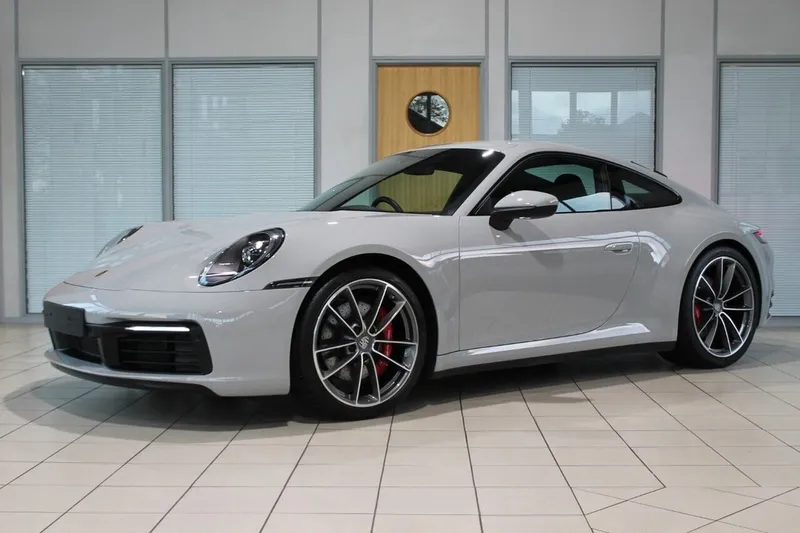
911 Carrera | 3.0L Twin-Turbo | 290 kW / 394 PS | 3.9 s | 294 km/h |
911 Carrera T | 3.0L Twin-Turbo | 290 kW / 394 PS | 4.5 s | 295 km/h |
911 Carrera S | 3.0L Twin-Turbo | 353 kW / 480 PS | 3.3 s | 308 km/h |
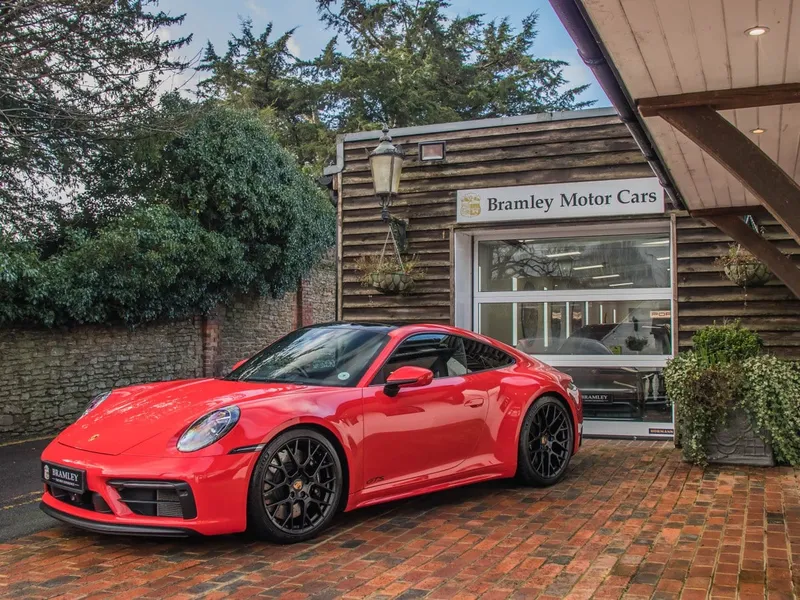
911 Carrera GTS | 3.6L T-Hybrid | 398 kW / 541 PS | 3.0 s | 312 km/h |
911 GT3 (992.2) | 4.0L Nat. Asp. | 375 kW / 510 PS | 3.4 s (PDK) | 311 km/h |
911 GT3 RS | 4.0L Nat. Asp. | 386 kW / 525 PS | 3.2 s | 296 km/h |
911 Turbo S | 3.7L T-Hybrid | 523 kW / 711 PS | 2.5 s | 322 km/h |
Buyer note: Porsche sometimes lists acceleration figures with the Sport Chrono Package fitted; performance can change depending on version, drivetrain and options. Always check the exact specifications of the car you’re buying, ideally referring to the dealership paperwork if it’s included in the sale.
Dimensions
The 911 looks compact, and it used to be genuinely diminutive, but later iterations have become larger - and in particular wider. That matters if you regularly navigate tight city streets, narrow garages or car parks.
Dimensions vary by generation, and even depending on whether you’re looking at a Coupé, Cabriolet, or Targa, not to mention trim/wheels/suspension. Treat the numbers below as a baseline 911 footprint, rather than an exact measurement for every version.
Dimension | Porsche 911 |
|---|---|
Length | 178.8 in |
Width (without mirrors) | 72.9 in |
Width (with mirrors) | 80.0 in |
Height | 51.3 in |
Design
The 911’s design is one of the biggest reasons people buy one in the first place. It’s not flashy, but it’s instantly recognisable as the same shape which has graced our roads since the Sixties. Even if you’re not a Porsche devotee, you can spot a 911 from a mile away with its rounded cabin and long rear deck, often topped in later 20th century versions by an outrageous duck-tail spoiler.
Engineering aficionados appreciate the fact that Porsche doesn’t redesign the 911 to follow trends, but instead incrementally evolves it. Newer models offer superior stability, safety, refinement and technology, but they still retain the same 911 DNA as a 1970s model.
What does that unusual design mean in real life?
Visibility is generally good for a sports car, so a 911 isn’t intimidating to drive. However, it took Porsche a long time to tame the pendulum handling, so pre-Millennial 911s often deserved their reputation as ‘widowmakers’.
The shape is bulbous enough to ensure the 911 doesn’t feel like a hardcore superstar, even though it accelerates and handles like one. Different versions can deliver varying driving experiences. A Carrera can be calm and polished, while a GT model feels much more purposeful.
Exterior
Because most 911s look broadly similar, details tell you exactly what kind of life the car has led, and whether it’s the right one for you. A Seventies model and a modern 911 share the same core proportions, which means even older cars still look contemporary, and they’re far more discreet than supercars of comparable vintage.
What to pay attention to when viewing one
Given its reputation for engineering excellence, any 911 should appear correctly assembled. Uneven gaps, mismatched panel spacing, or doors out of alignment may indicate poor-quality repairs. Paint is another giveaway - many 911s get paint correction (which is usually fine), resprays after damage (not always fine) and half-repainted areas that look great in the shade but wrong in sunlight.
Even careful owners can scrape a 911’s front end, so marks are normal; however, cracks or fresh paint along the sills require further investigation. Ditto those deep-dish wheels, where kerbing on multiple alloys suggests city use and careless parking (rear exhaust/bumper soot also implies hard urban use). Two perfect wheels and two damaged ones could indicate a repair story.
For the best prospect of a painless owner experience, seek out the cleanest, straightest body you can find with honest condition and a mostly-complete service history. Minor cosmetic damage is fine, but never buy a 911 with questionable structure or big gaps in its history unless you really know what you’re doing
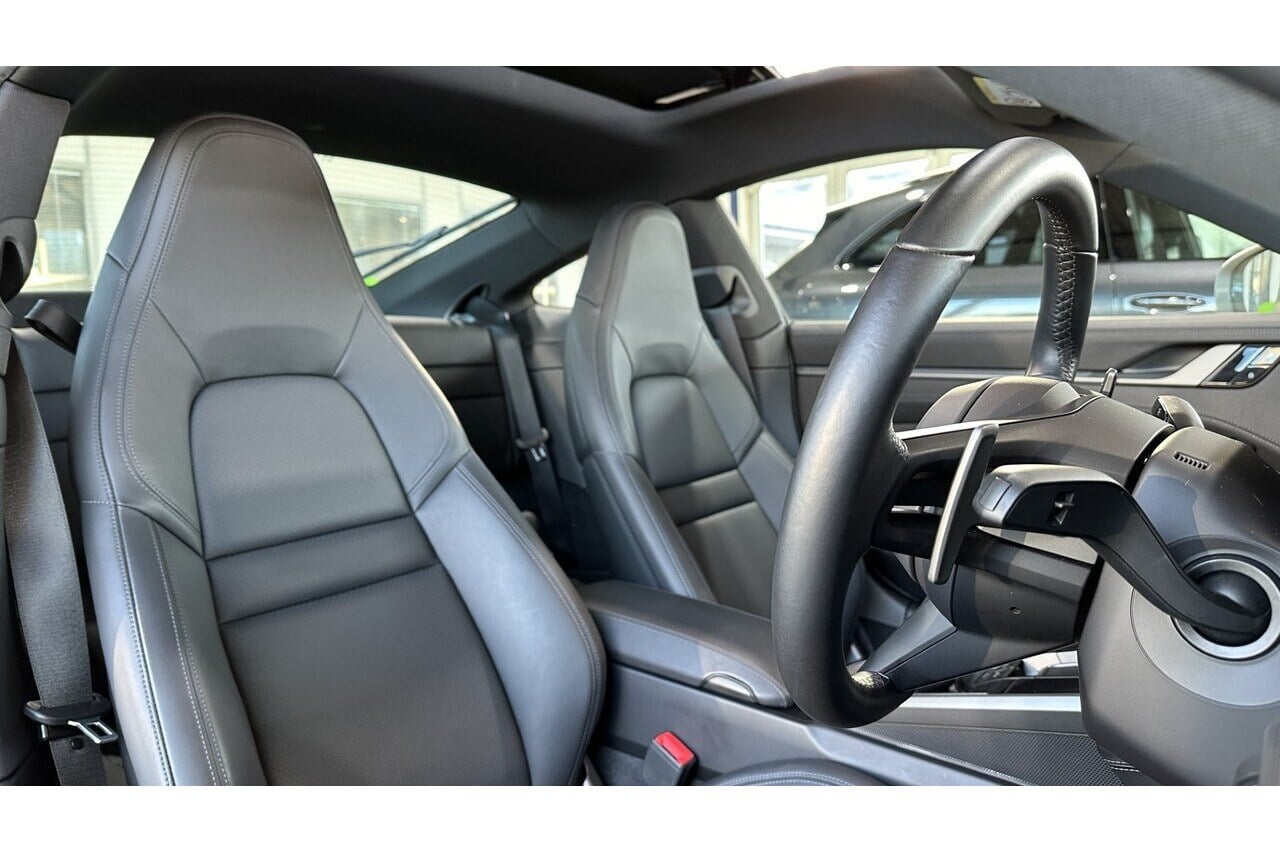
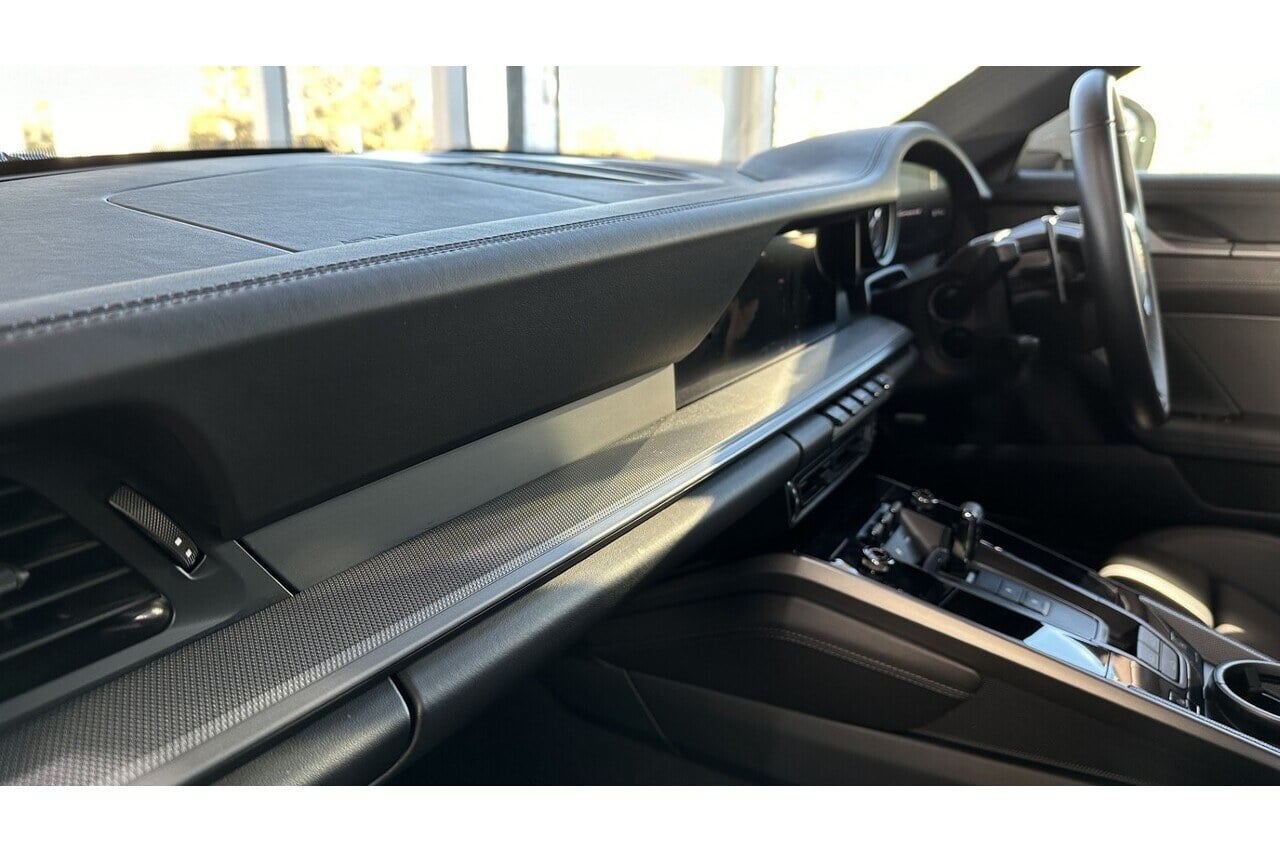
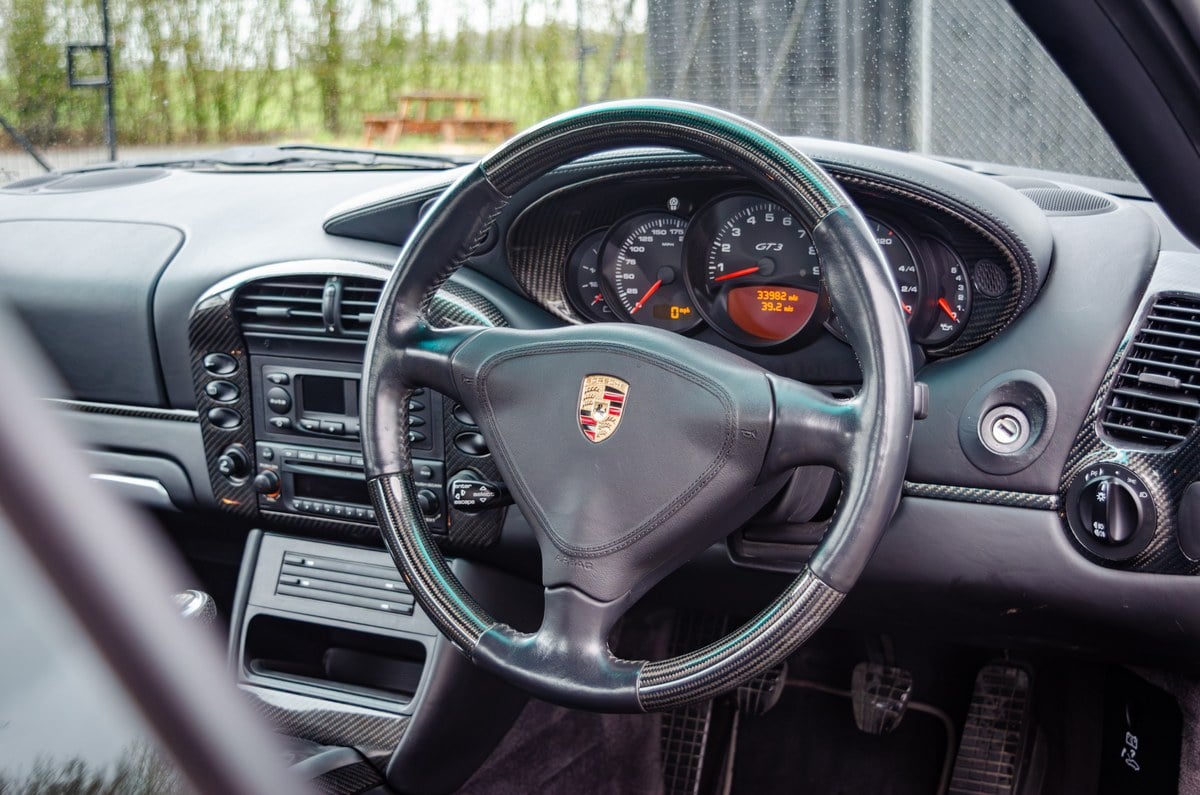
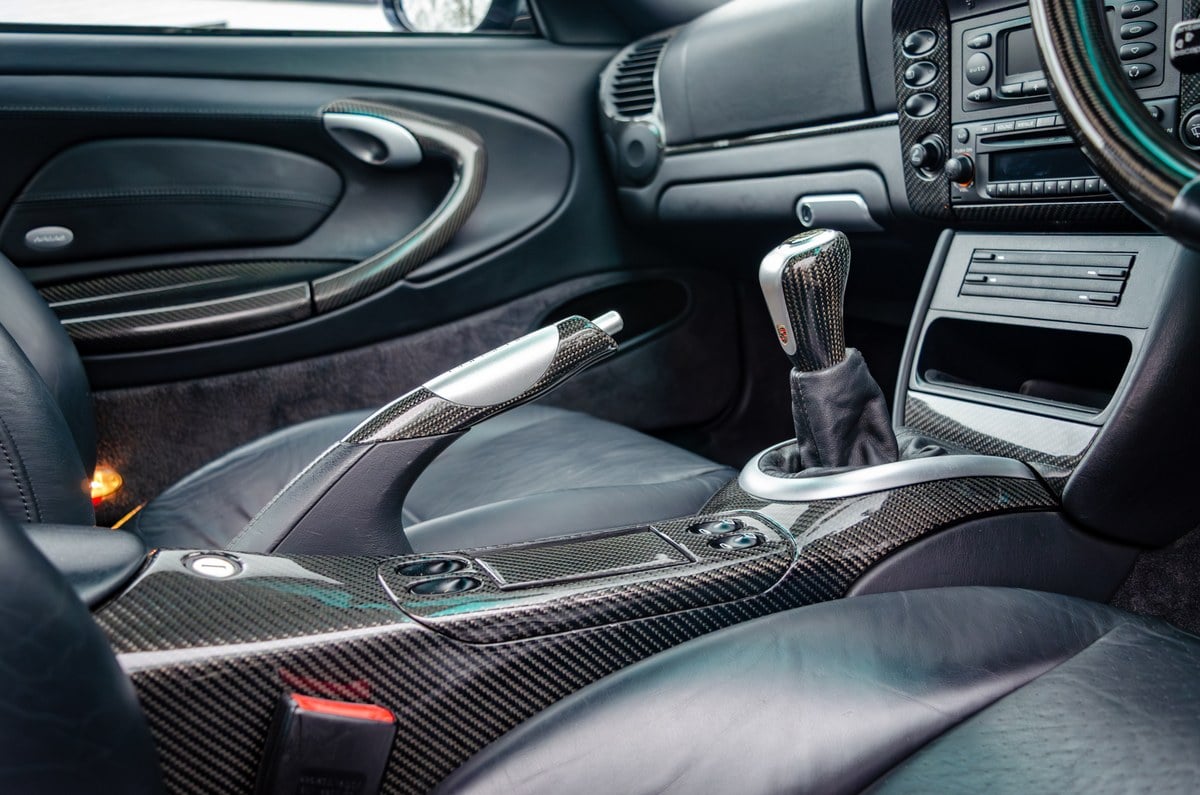
Interior
From the driver’s seat, a 911 can feel like the perfect mix of special and usable. It’s sporty enough to make every trip feel like an occasion, but not so extreme that you dread traffic jams, while models without electric steering provide superb feedback to the driver.
When you open the door, a good 911 should feel solid, tight and well put together. The materials are generally hard-wearing, but higher-mileage cars (or those that have been hard-used) may show wear on the driver’s seat bolsters, steering wheel, and gear selector. Also look for sagging headlining on older examples and rattles over rough roads. Do the seats support you properly? Are you comfortable with the visibility and cabin layout? And speaking of cabin layout…
2+2 reality check
Most 911s are marketed as 2+2s, with compact rear seats, but these are more of a bonus than a promise. They’re great for small children who don’t need to be buckled into booster seats, bags and soft luggage, and they’ll even cope with the occasional short lift for a brave adult. However, this car is not intended for more than two occupants.
Spec and options: what’s worth caring about
A few features can significantly affect the day-to-day experience of a 911. Sporty, heavily bolstered seats can make long trips uncomfortable, while it’s only in recent years that the 911 has gained impressive infotainment functionality. The stereo systems have traditionally been a strong point, though.
Safety
A Porsche 911 is designed to be fast and involving. That means you generally get strong safety engineering, plus a solid set of electronic stability systems on post-Millennial versions, though 20th-century examples demand vigilance from the driver at all times, even in city traffic. A 911 with stability systems will help to keep the engine behind you (rather than beside you) when grip drops.
What to look for in a Porsche 911
A good 911 should feel tight, confident and properly maintained. The quickest way to spot a risky one is by examining the details that owners can’t easily polish up for sale purposes.
Given their relatively inaccessible engines, look for evidence of regular maintenance through invoices, not just a fresh service before selling. The car should start cleanly, settle into a smooth idle and not leave obvious lingering smoke. Remember, sooty deposits are a warning sign.
The flat-six engine has a very distinctive thrum, but avoid cars with harsh ticking, metallic rattles or knocking noises. Equally, the rifle-bolt gearbox ought to be smooth and decisive, whether it’s a manual or automatic, with no hesitation or jolting. Most importantly, given their prodigious power, a 911 needs brakes which stop straight and quickly with no vibration, pulling or nervousness.
Finally, while decals and body kits can be part of the 911’s boisterous appeal, cars which have been modified or tuned should only be considered if work was professionally carried out, with appropriate parts and relevant paperwork retained.
Variants & Generations
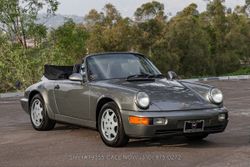
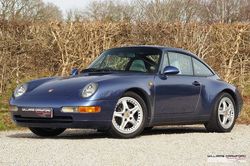
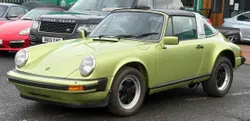
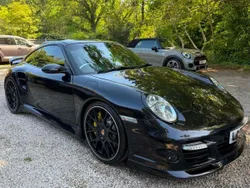
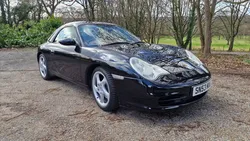
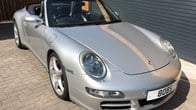
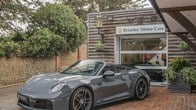
The Porsche 911 has evolved through numerous generations and trims over the last six decades, so use the carousel below to jump straight to the exact variant or generation you’re considering, and browse the cars currently for sale on Car & Classic.
Price trends
Most recent sale
£19,995
2006 Porsche 911 Carrera 4S 997 Convertible
Currently for sale
1841
11 live auctions
1830 adverts


Total sold
4258
Highest sale price
€849,950
Average price
€72,970
Lowest price
€4,000
FAQs
Is the Porsche 911 a good daily car?
Yes, providing you buy the right one for your needs. A Carrera-spec 911 with sensible options is genuinely usable day-to-day. The more hardcore models feel a lot less relaxed in traffic and on rough roads.
Should you choose a Coupé, Cabriolet, or Targa?
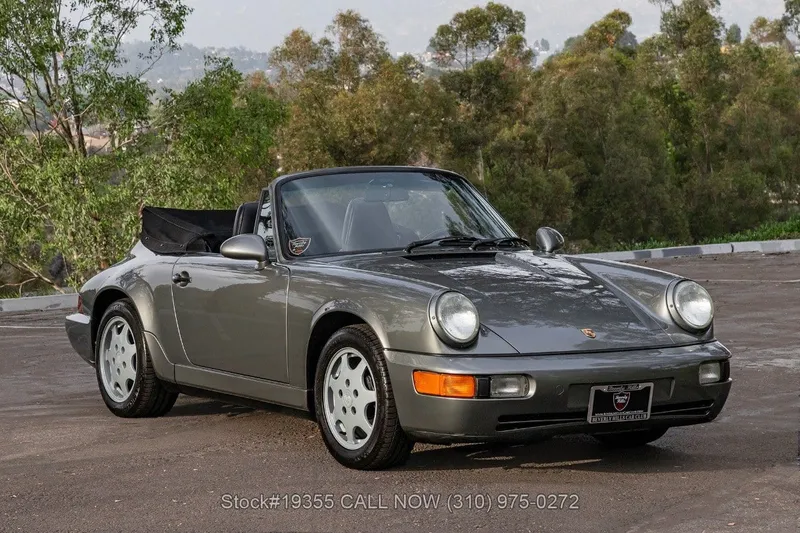
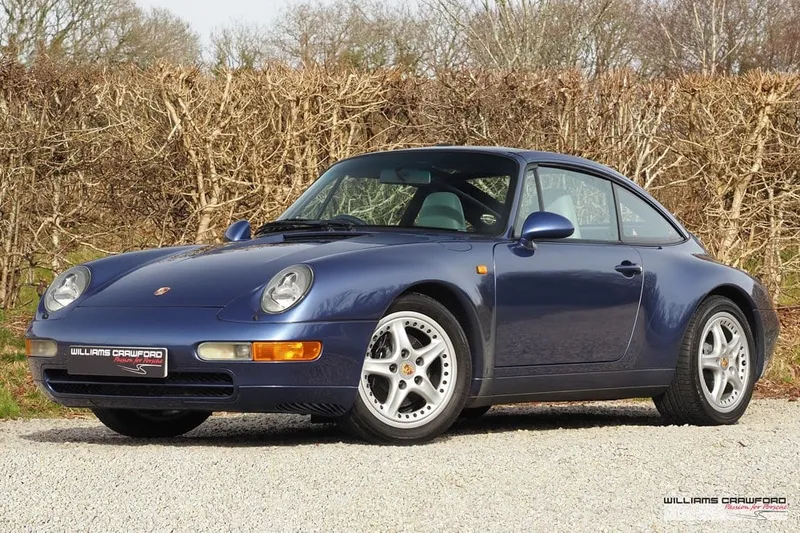
The coupé is the oldest and therefore the classic 911, making it the most popular - and usually the simplest choice for a Porsche newcomer. The Cabriolet has charm if you’ll actually use it roof-down regularly, while the Targa looks great but typically costs more.
What drivetrain should you consider?
To many Porsche purists, an RWD 911 is more traditional and ‘right’, though AWD versions are naturally more planted in bad weather and easier to trust when the heavens open. Equally, purists may steer you towards a manual, but Porsche’s PDK clutchless transmission is extremely good and makes life easier when you’re not thrashing through a series of hairpin bends.
Are 911s expensive to maintain?
They can be - not necessarily because they’re unreliable, but because parts and specialist labour command a premium. The best way to control costs is to buy a car with a strong history and no unanswered questions.
Should higher mileage 911s scare you?
Not automatically. A higher mileage 911 with proper servicing and clean driving feel can be a better bet than a low-mileage car that’s been neglected, stored badly or rarely used.
What’s the best first 911 to buy?
A well-specified Carrera with a full service history could provide a sweet spot for a Porsche novice, since it’s rapid enough to feel special yet comfortable enough to actually use.