Porsche 912 (1965–1969): Models and Specs
1965–1969 · 1.6‑litre flat‑four · 90 bhp · Rear‑engine, rear‑wheel drive · 0–60 mph 11.6 s · 119 mph
Overview
You might assume from its name that the Porsche 912 was designed to go one better than the first‑generation 911, but this is actually a low-protein version of Porsche’s iconic sports car. Built on the same bodyshell and adopting the same suspension geometry, the 912 replaced the 911's two-litre flat‑six with a 1.6‑litre flat‑four engine carried over from the Porsche 356SC. The 912 debuted in 1965 because the 911 was then perceived as too expensive and too demanding for buyers graduating from the 356. It may surprise you to learn that the 912 outsold the six‑cylinder 911 in its first three years on sale. Its target audience today is the enthusiast who values the early 911's proportions and rear‑wheel‑drive character but finds the 912's lower engine weight changes the driving experience in ways that matter more than those missing horsepower.
Price
- Starting price
- £11,196
- Average price
- £57,014
- Price range
- £11,196 - £98,700
Specifications
- Engine
- 1,582cc air‑cooled flat‑four, pushrod, twin Solex carburettors
- Power / Torque
- 90 bhp/98 lb‑ft
- Engine weight
- 287 lb, which is around 90 lb lighter than the 911's flat‑six
- Wheelbase
- 87 in (1965–68); 89.3 in (1969)
- Dimensions
- 163.9 in L × 63.4 in W × 51.97 in H
Porsche 912 (1965–1969) in detail
The 912’s bodyshell, suspension geometry, steering rack and front brakes are shared with the contemporary 911. A buyer comparing the two side‑by‑side would struggle to tell them apart without looking for the badging; even the five‑gauge dashboard is shared. The main difference is that flat‑four engine - a direct descendant of the 356SC's Type 616 unit.
The 1969-vintage 912 has always felt more willing in the 60–80 mph range than earlier examples. It also introduced the lengthened 89.3‑inch wheelbase shared with the revised 911, further stabilising the car at speed.
Variant | Power | Torque | 0–60 mph | Top speed | Gearbox | Braking |
912 Coupé (1965–1969) | 90 bhp | 98 lb‑ft | 11.6 sec | 119 mph | 4‑speed manual | Solid front discs / rear drums |
912 Targa (1967–1969) | 90 bhp | 98 lb‑ft | 12.0 sec | 117 mph | 4‑speed manual | Solid front discs / rear drums |
The 912's performance versus the contemporary 911T is more nuanced than the headline figures might suggest. The 911T produced 110 bhp from its 2.0‑litre flat‑six but weighed more at the rear because of the heavier engine. The 912's flat‑four sat 90 lb lighter at the rear overhang, rectifying the weight distribution from the 911's 42/58 to a more sensible 45/55. As a result, 912 grip releases progressively from all four wheels in cornering with a more gradual transition into oversteer, rather than breaking away tail‑first as the 911 was prone to doing.
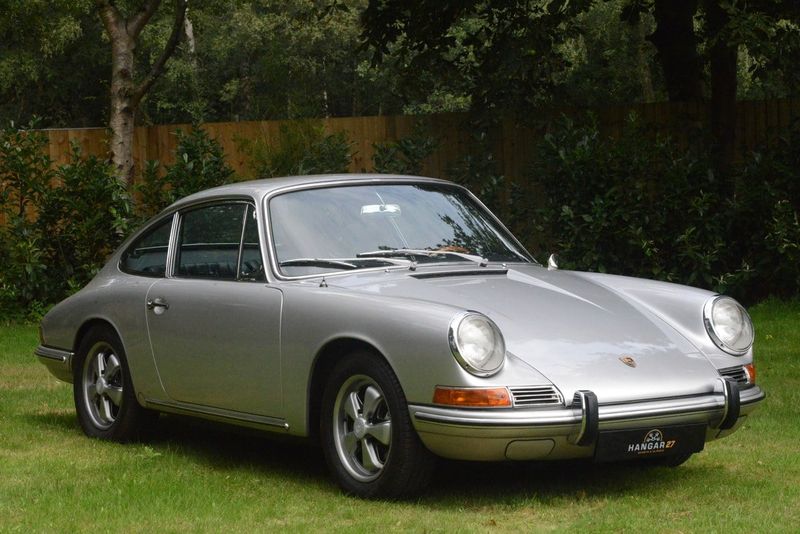
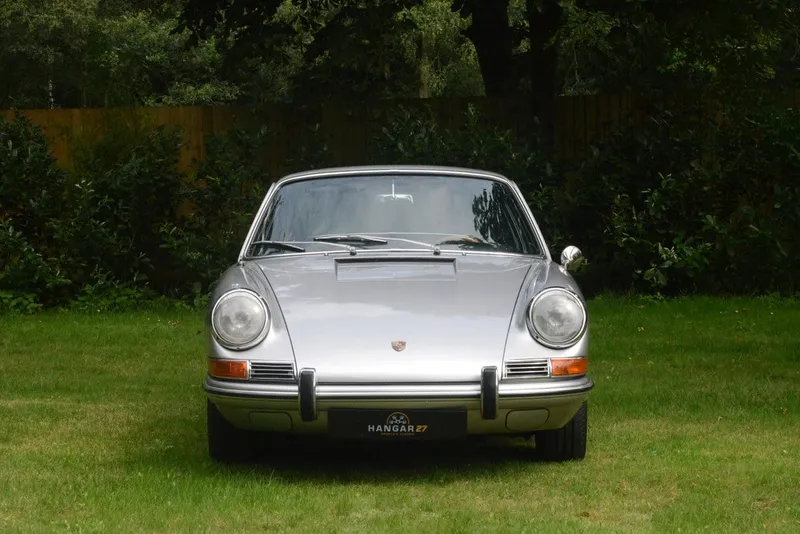
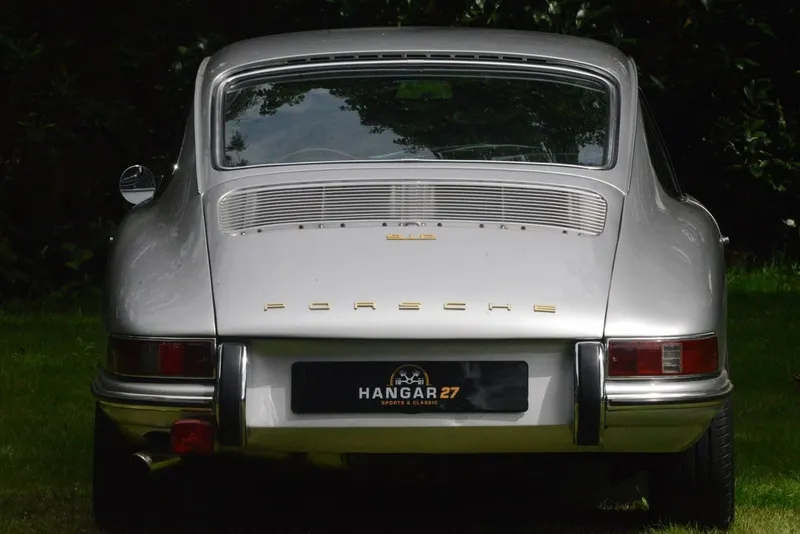
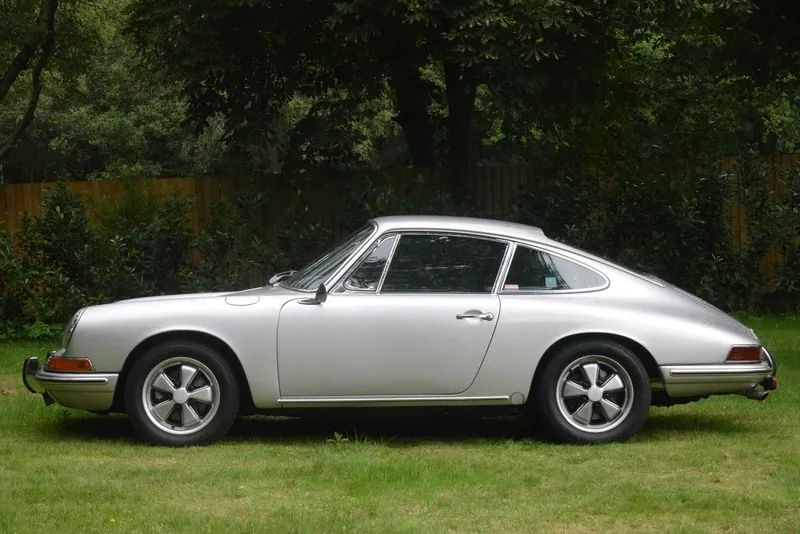
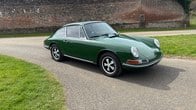
As mentioned above, the 912 is indistinguishable from the early 911 at a glance. It carried the same pressed‑steel bodyshell, identical glass area and matching chrome bumpers. The only exterior identifier is the 912 badging on the engine lid and, on some cars, the nose as well. No period factory aero options, wide‑body programmes or track‑specification exterior hardware were offered on the 912 since it was never used in a motorsport context.
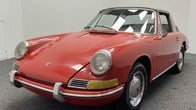
Wheel sizes rose from 15 × 4.5 in (1965–67) to 15 × 5.5 in (1968–69), following the contemporary 911's development path. The Targa variant, which launched in 1967, added a stainless‑steel roll hoop, removable roof panel and folding rear window.


The 912's cabin is also drawn directly from the early 911's parts bin. The five‑dial instrument cluster, three‑spoke steering wheel and seat rails are shared, and there are no 912‑specific interior components. The most meaningful interior distinction is the absence of a rev counter marked to the 911's higher 7,000 rpm redline; the 912's tacho reflects the flat‑four's 6,100 rpm redline, which is a useful identifier when viewing a car without documentation.
No factory roll‑cage, bucket seat upgrade or weight‑reduction programme was ever offered on the 912, so any models bearing these features must have been modified retrospectively. Period Porsche accessories catalogues listed the same optional equipment across both 911 and 912, including a Blaupunkt radio and headrests.


Within the wider 911 family, the 912 makes a case for itself on two specific grounds. First, its more democratic weight distribution produces a less tail‑heavy handling balance at the limit, an advantage that is usually felt on the road rather than at a track. Secondly, it can cost less than half the value of an equivalent early six‑cylinder 911, so a buyer gets the same aesthetic experience for considerably less money.
Drawbacks? The 912 is not the right choice for buyers seeking outright period performance or motorsport provenance, since it loses 20 miles an hour off its top speed and was never homologated. It’s a sound choice for buyers who want a first‑generation 911‑shaped driving experience and are prepared to accept longer braking distances in exchange for a car that handles with superior precision and composure.
Price trends
Most recent sale
£39,995
1966 Porsche 912 Coupe

Currently for sale
46
0 live auctions
46 adverts


Total sold
73
Highest sale price
£98,700
Average price
£57,014
Lowest price
£11,196
FAQs
The 911T produces 110 bhp versus the 912's 90 bhp and gained all‑disc brakes from 1968, but it costs significantly more to buy nowadays. The 912's lighter rear‑mounted engine and more forgiving handling balance are the meaningful compensating factors, since the 911T's more assertive character comes with more demanding dynamics at the limit.
Quite the opposite. The Type 616 engine shares its core architecture with the 356SC and is fully supported by the large Porsche 356 specialist community, as well as dedicated 912 owners' networks. The six‑cylinder 911's engine tends to be the more demanding unit to rebuild correctly.
Only if you specifically want a fuel‑injected flat‑four car with US‑market specifications and impact bumpers. The 912E was a US‑market‑only, single‑model‑year car with a VW‑derived engine, and it shared only its name and layout with the original 912. Values, specialist knowledge and the ownership community are all distinct from those of the 1965–69 cars.
The 912's straightforward carburettor‑fed engine, reliable four‑speed gearbox and minimal electrical system make it one of the more easily maintained early Porsches. The main seasonal‑use caveat involves the rear drum braking system, which is only moderately effective.