Porsche 924: Models and Specs
1976–1988, 2.0–2.5-litre inline-four, front-engined rear-transaxle, rear-wheel-drive, 2+2 coupé.
Overview
The Porsche 924 was Porsche’s first production front-engined, water-cooled road car, and it acted as the starting pistol for a range of similarly specified coupes. Originally developed by Porsche on behalf of Volkswagen, it was ultimately produced and sold in-house, replacing the 914 as the company’s entry-level sports car. That car had also been a Porsche-VW collaboration, and the 924 was damned by association in the eyes of some purists, who failed to identify the evolutionary leap in its design and engineering. The 924’s core character is light, balanced and usable rather than overtly exotic or fragile. The 924 opened Porsche ownership to a wider audience while introducing a layout that would later underpin the 944 and 968, as well as inspiring the larger 928.
Price
- Starting price
- 600 €
- Average price
- 11.038 €
- Price range
- 600 € - 162.156 €
Specifications
- Production years
- 1976–1988
- Body styles
- 2-door 2+2 coupé
- Layout/drive
- Front engine, RWD
- Engine family
- 2.0/2.5-litre Porsche inline-four
- Transmission
- 4/5-speed manual, 3-speed auto
Porsche 924 in Detail
The Porsche 924 was introduced in 1976 as a new breed of Porsche. It was front-engined, water-cooled and more accessible than the company’s traditional rear-engined sports cars. Originally developed by Porsche on behalf of Volkswagen, Porsche then took the project in-house and launched it under its own badge.
With the engine at the front and gearbox at the rear, the 924 used a transaxle arrangement that helped deliver balanced handling with a 48/52 front-to-rear weight distribution. The range developed over time with more powerful and specialised versions, including the Turbo, Carrera GT and later 924S. The Turbo was positioned as a more serious performance version, whereas the 924S was a more developed all-rounder.
By the end of production in 1988, Porsche had built more than 152,000 examples, making the 924 an undisputed commercial success.
The Porsche 924’s performance evolved from a naturally aspirated 2.0-litre coupé into turbocharged, homologation and later Porsche-engined versions. The early 924 used a 2.0-litre inline-four, while the later 924S adopted a 2.5-litre engine related to the 944.
Model | Engine Type | Power | 0–62 mph | Top Speed |
Porsche 924 | 2.0-litre inline-four | 123 bhp | 9.6 sec | 126 mph |
Porsche 924 Turbo | 2.0-litre turbocharged inline-four | 167 bhp | 7.8 sec | 139 mph |
Porsche 924 Carrera GT | 2.0-litre turbocharged inline-four | 207 bhp | 6.9 sec | 148 mph |
Porsche 924S | 2.5-litre inline-four | 148–158 bhp | 8.5 sec | 133–136 mph |
The Porsche 924 is distinguished by a compact 2+2 stance including a long bonnet, slim nose, pop-up headlights and fastback glass hatch. It has the proportions of a front-engined GT rather than a traditional rear-engined Porsche, but its clean surfacing and practical rear hatch gave it a strong identity.
The car’s visual DNA extends to a broad glasshouse, large tailgate and restrained bodywork. It feels less aggressive than the later 944, which is key to its charm. Where the 944 became muscular, the 924 stayed cleaner and lighter in appearance. The same is true inside, with a low seating position, a clear view out and a usable rear hatch area rather than a pure two-seat sports-car layout.
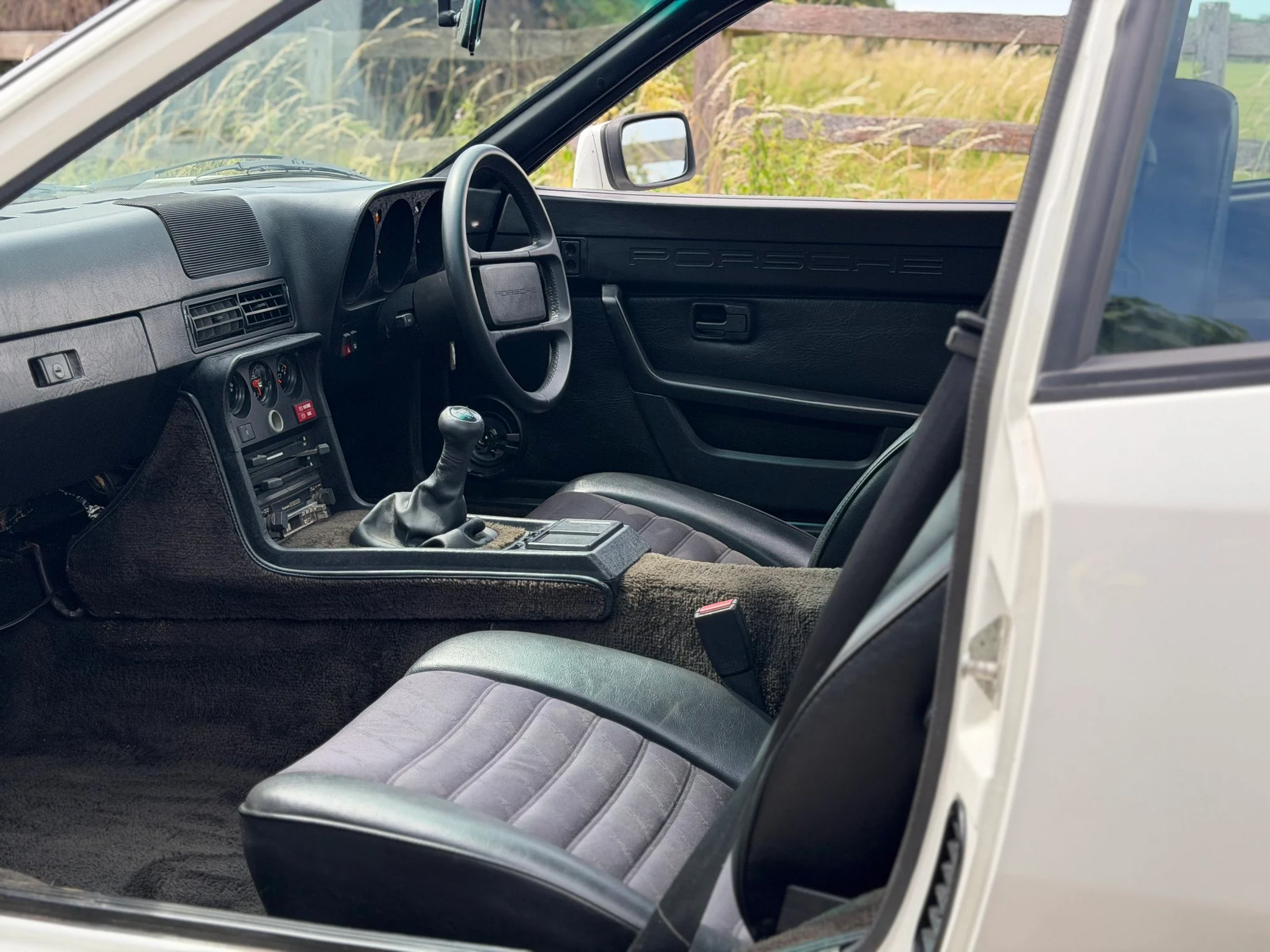
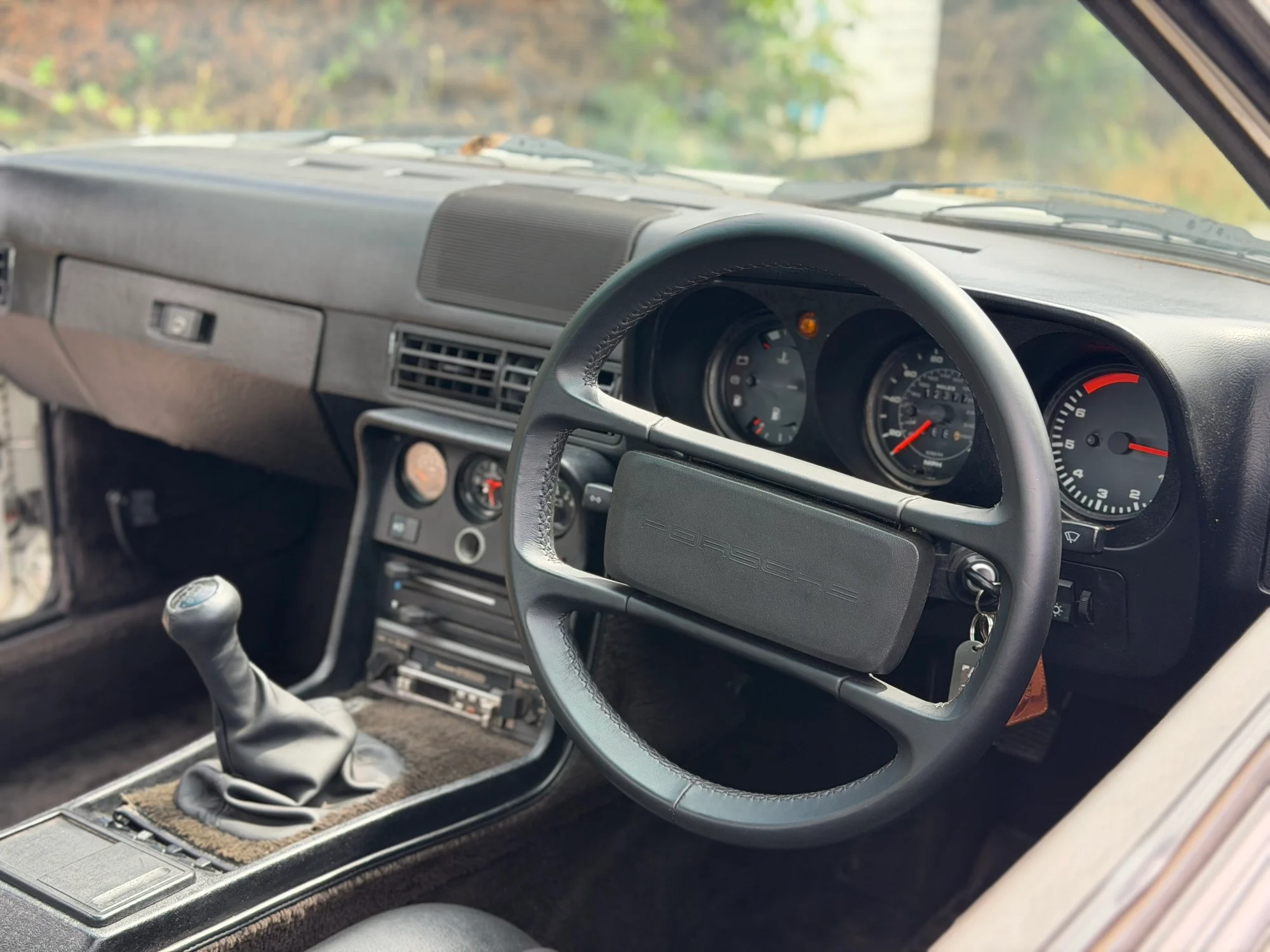
The Porsche 924 might have had its engine at the front and clear visibility, but it was still a rear-drive sports car in an age before airbags, stability control and driver-assistance technology. Later cars gained more equipment, while Turbo and 924S models benefitted from better braking hardware and improved gearboxes than the standard early cars.
Pros
Historically important as the car that launched Porsche’s front-engined transaxle line.
Lighter, slimmer and more understated than the later 944.
Practical 2+2 layout and glass hatch make this a car you can use regularly.
Cons
The base 2.0-litre car can feel underpowered compared with the chassis’ ability.
Volkswagen origins still affect perception among some Porsche buyers.
The best 924S, Turbo and Carrera GT examples sit in very different market territory from standard cars.
Porsche 924 for Sale
Browse Porsche 924 cars for sale, including standard coupés, Turbos, 924S models and rare Carrera GT derivatives.
Andamento dei prezzi
Vendita più recente
4500 £
1986 Porsche 924 S Coupe
21 mag 2019

Attualmente in vendita
33
1 asta live
32 annunci


Venduto
99
Prezzo di vendita più alto
162.156 €
Prezzo medio
11.038 €
Prezzo più basso
600 €
FAQs
The Porsche 924 is important because it introduced Porsche buyers to a front-engined, water-cooled production sports car. It also helped establish the transaxle layout (see next question) that later shaped the 944 and 968.
The 924 was the first of several Porsche models to use a front-mounted engine with the gearbox at the rear, a layout Porsche used to improve weight distribution and handling balance. This transaxle format is central to the 924’s identity and also separates it from rear-engined siblings like the 911.
The 924 began as a car developed by Porsche for Volkswagen, but Porsche ultimately produced and sold it as its own model. That mixed origin is part of the 924 story, and some buyers still associate the 924 with its VW associations and early 2.0-litre engine, believing it to be less “pure” than a 911 or later 944.
Later Porsche 924s are often preferred because they gained more advanced equipment including engines, gearboxes and brakes. DME-equipped cars are regarded as being more developed, quieter and better equipped.
The Porsche 924S keeps the narrow 924 body but adds a 2.5-litre Porsche engine related to the 944. That makes it one of the most interesting versions for buyers who like the original 924 design but want stronger performance and a more obviously Porsche-developed powertrain. Similarly, the 924 Carrera GT was a homologation-focused performance version based on the 924 Turbo, developed for Group 4 racing and linked to Porsche’s 1980 Le Mans programme.