Porsche 944: Models and Specs
1982–1991, 2.5–3.0-litre inline-four, front-engine/rear-transaxle, rear-wheel drive, coupé/cabriolet.
Overview
When you think of the 1980s, numerous images come to mind, and there’s a good chance a Porsche 944 might be one of them. On sale throughout the decade, the 944 kept the basic front-engine, rear-gearbox layout of the contemporaneous 924 but added wider bodywork, an in-house four-cylinder engine family and a more assertive visual character. It’s a look that’s worn far better than most Eighties sports cars. The 944’s appeal extends beyond being the fastest Porsche of its time. This has always been a highly attractive entry point into classic Porsche ownership, helped by its sleek lines, hatchback practicality and impressively balanced weight distribution. By the end of production, Porsche had built more than 163,000 examples, making it one of the company’s major commercial successes of the period.
Price
- Starting price
- 2.500 €
- Average price
- 15.022 €
- Price range
- 2.500 € - 79.995 €
Specifications
- Production years
- 1982–1991
- Body styles
- Coupé, cabriolet
- Layout/drive
- Front engine, rear-wheel drive
- Engine family
- Inline-four, 2.5–3.0 litres
- Transmission
- 5-speed manual; 3-speed automatic
Porsche 944 in Detail
The Porsche 944 was unveiled at the Frankfurt Motor Show in September 1981. It evolved from Porsche’s earlier front-engined 924, but received a far stronger identity thanks to its widened bodywork, sharper nose and flared arches inspired by the 924 Carrera GT.
Mechanically, the 944 used a front-mounted inline-four engine paired with a rear-mounted transaxle, a layout intended to support balanced handling. The engine was derived from the 928’s V8 concept, creating a large-capacity four-cylinder unit. The engine family was proven in the 1981 Le Mans programme, where a camouflaged 944-based car finished seventh overall.
The model developed steadily through the 1980s, gaining revised engines including 16-valve derivatives and turbocharged performance models, ABS availability and even a cabriolet. Production ended in July 1991 when the 968 replaced the 944. Throughout its life, the 944’s character was defined by balance rather than brute force: a practical hatchback body, impressively balanced weight distribution and large-capacity four-cylinder engines.
The Porsche 944 range evolved from naturally aspirated 2.5-litre cars into 16-valve, 2.7-litre, 3.0-litre and turbocharged models. Performance varies significantly across the range, so the figures below should be treated as representative rather than universal.
Model | Engine Type | Power | 0–100 km/h |
Porsche 944 | 2.5-litre inline-four | 143bhp–160bhp | 8.9s |
Porsche 944 2.7 | 2.7-litre inline-four | 165bhp | |
Porsche 944 S | 2.5-litre 16-valve inline-four | 190bhp | |
Porsche 944 S2 | 3.0-litre 16-valve inline-four | 211bhp | 7.1s |
Porsche 944 Turbo | 2.5-litre turbocharged inline-four | 217bhp | 5.9s |
Porsche 944 Turbo S | 2.5-litre turbocharged inline-four | 246bhp | 5.5–5.9s |
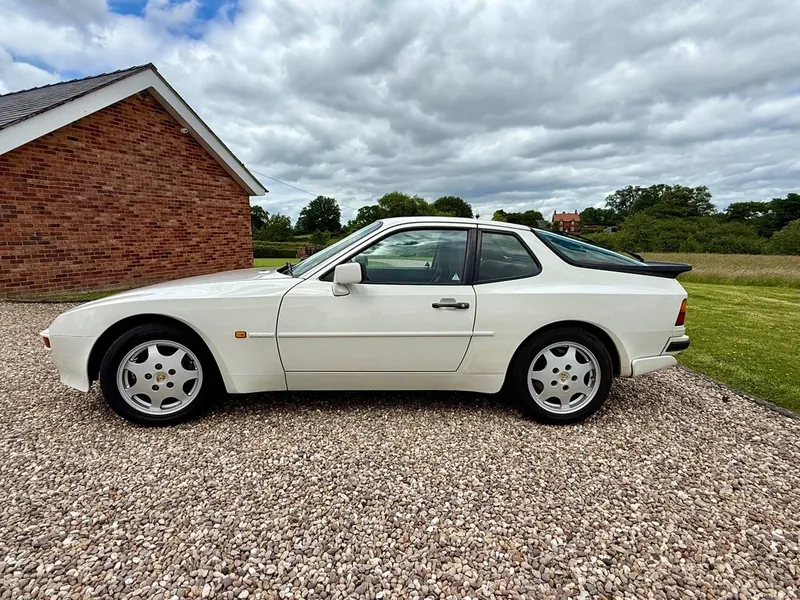
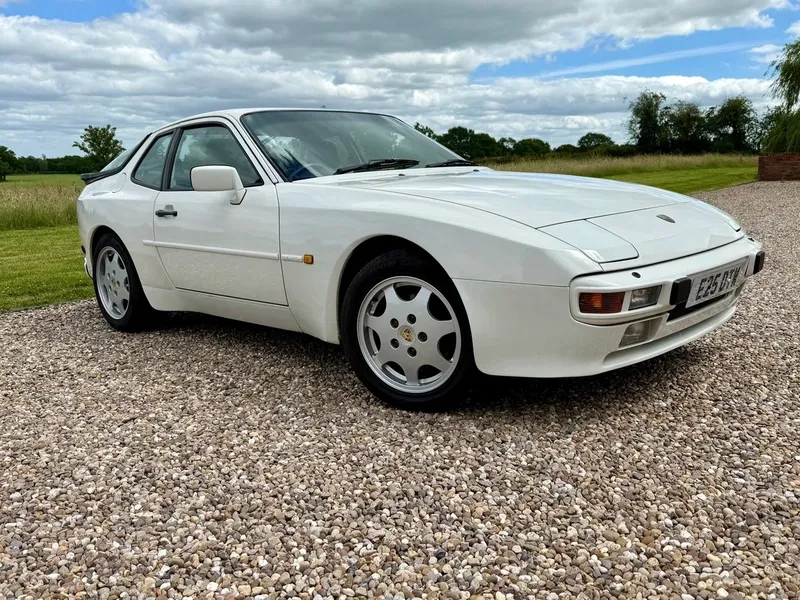
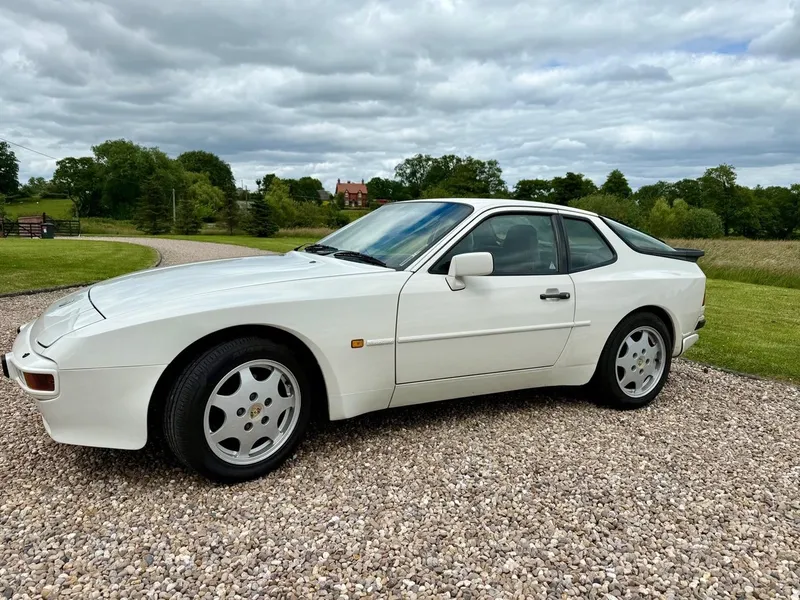
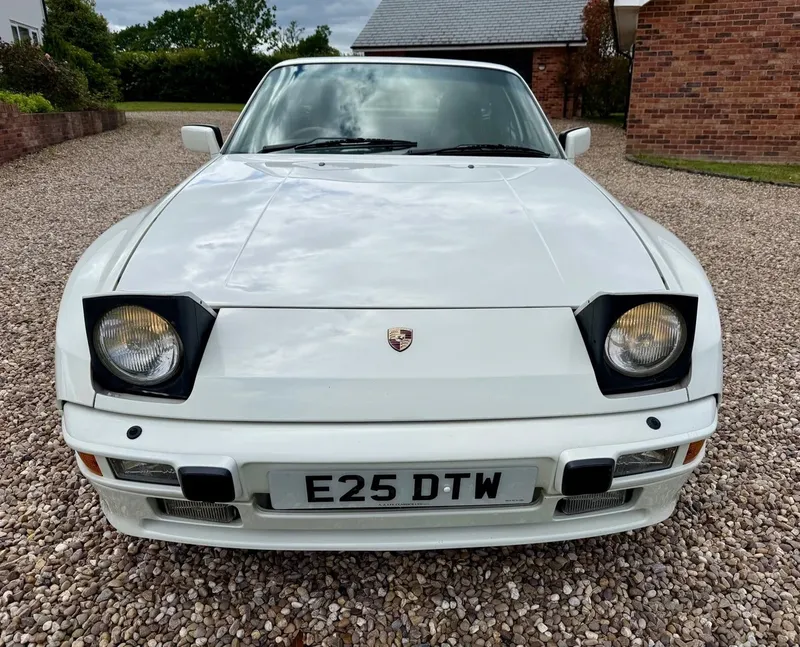
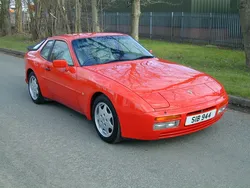
The Porsche 944 is recognisable through its long bonnet with pop-up headlights, sloping rear hatch and compact 2+2 proportions. Parked side-by-side with a 924, its design feels more muscular, with a broader stance and more assertive surfacing. The visual identity is as Eighties as shoulder-pads and synthesisers, yet the clean wedge profile and balanced proportions still look fresh four decades later.
Inside, the 944’s cabin philosophy is low-slung, compact and functional, with rear seats and hatchback practicality giving it a broader everyday role than many traditional sports cars.
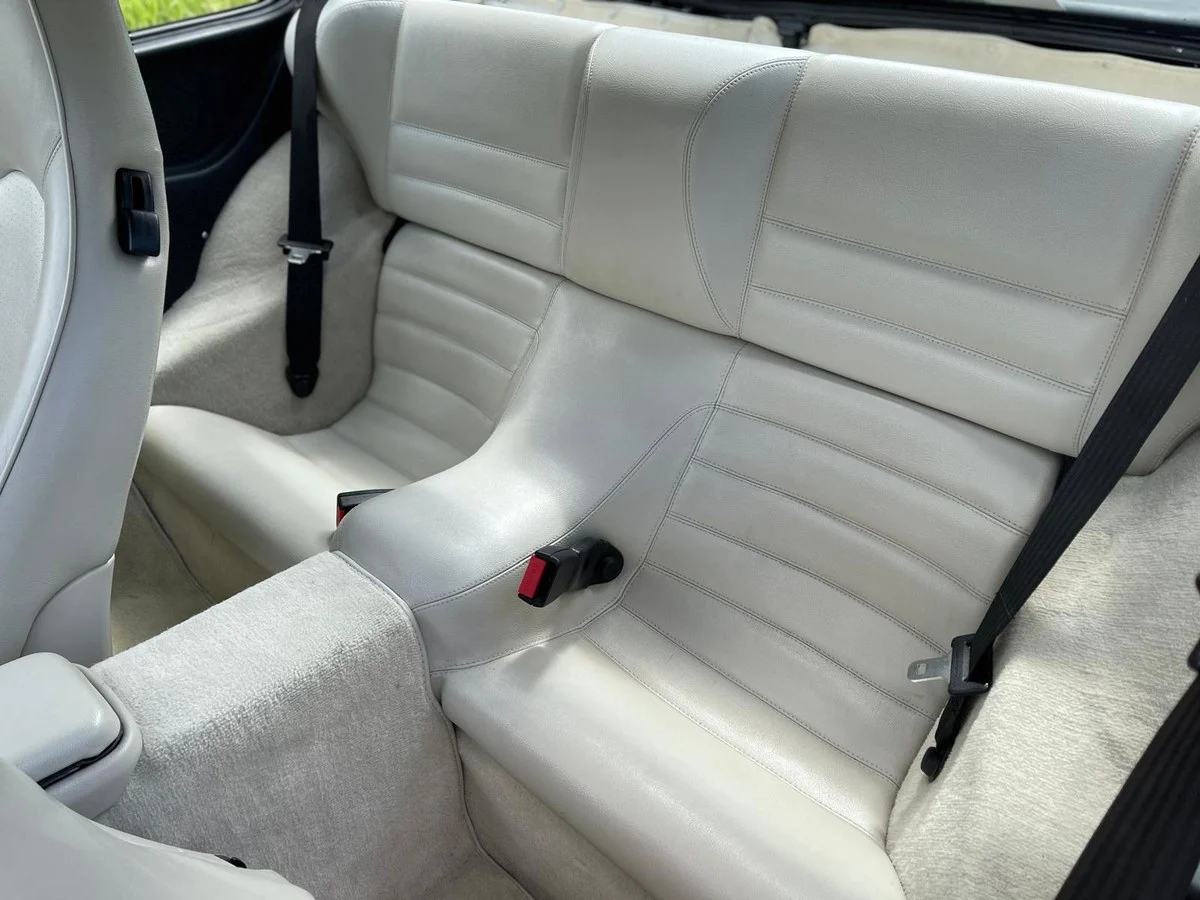
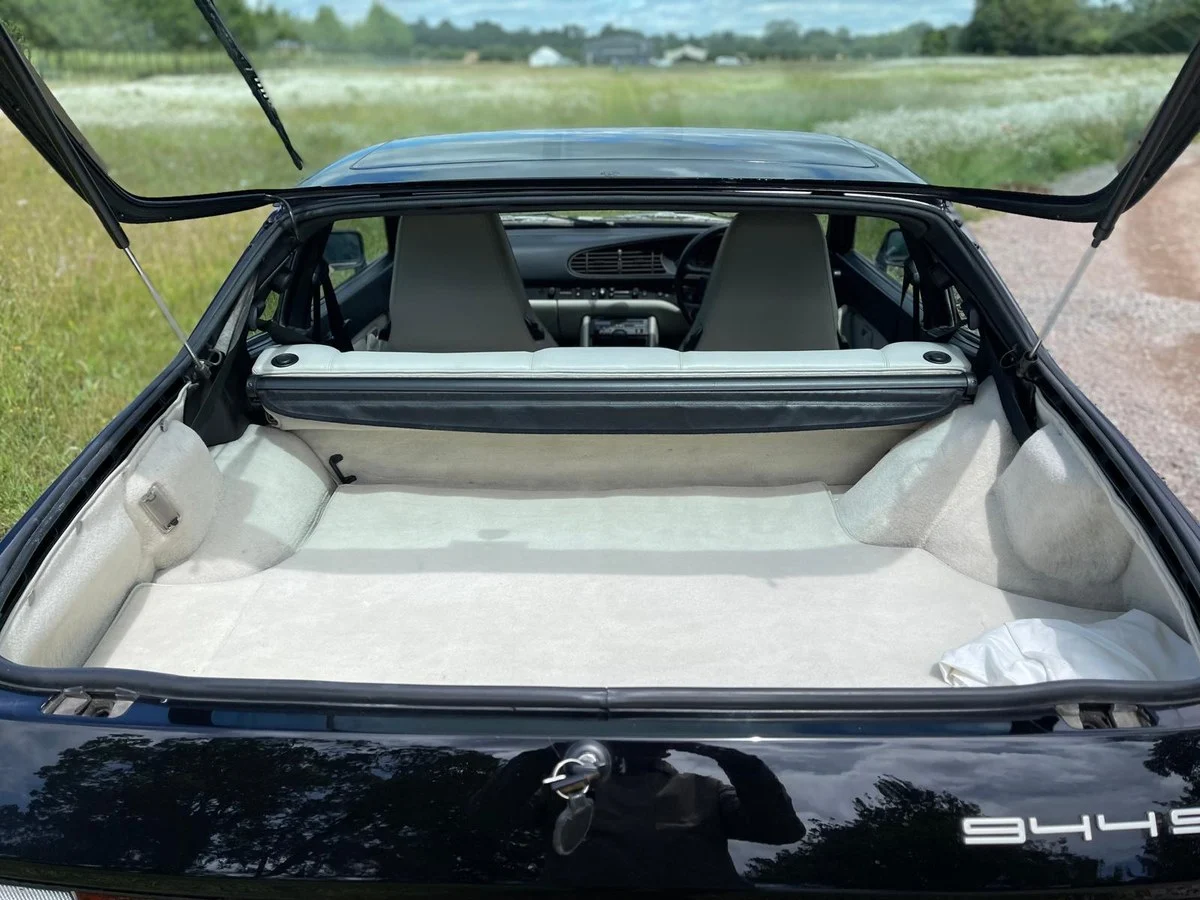
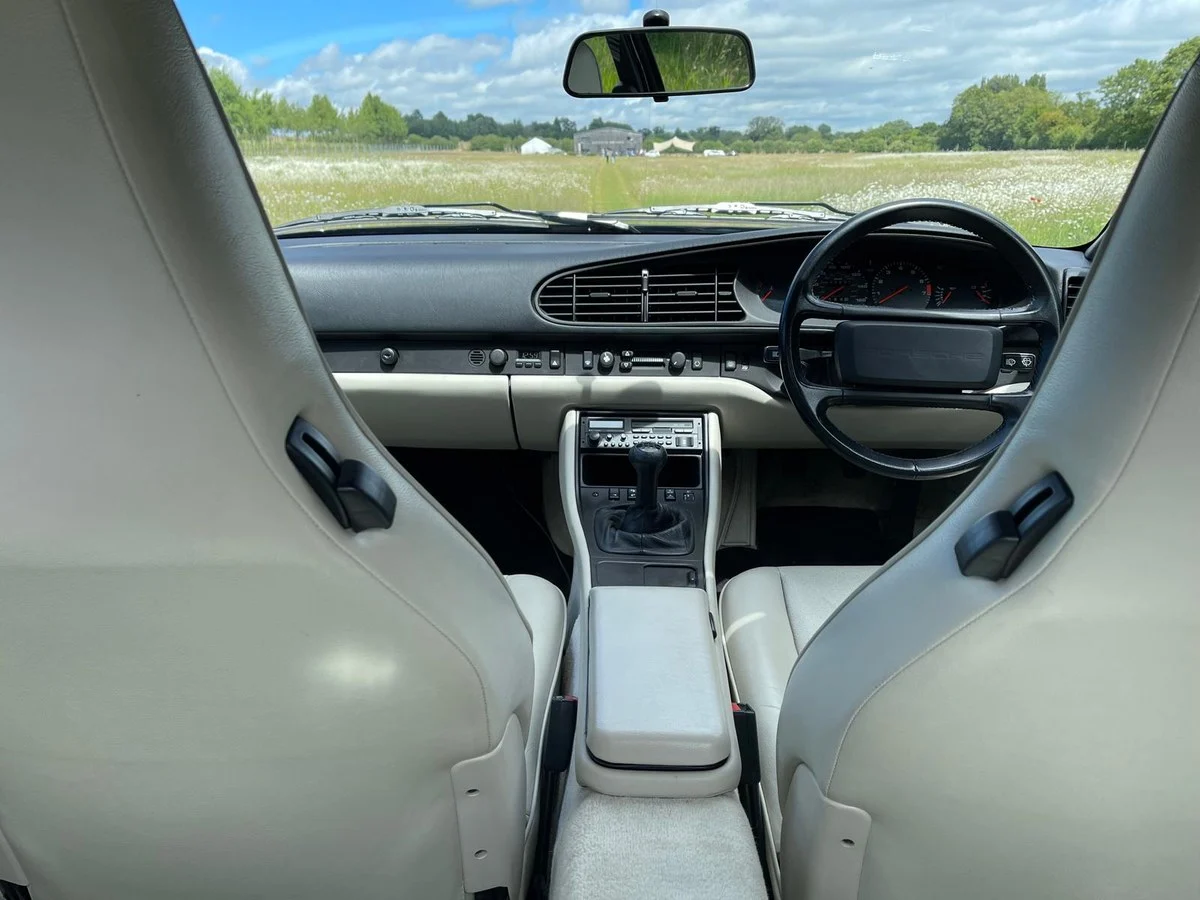
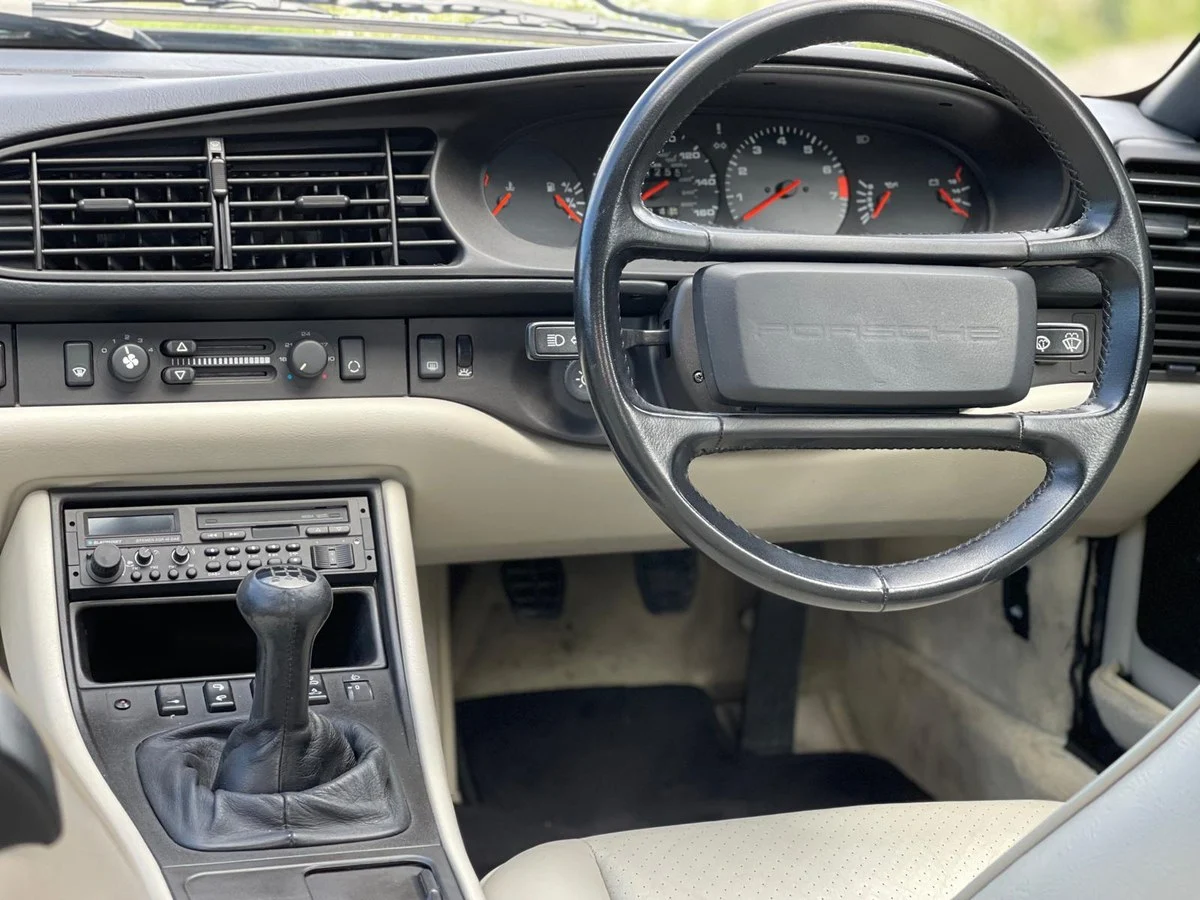
The Porsche 944’s safety identity is based on chassis balance, braking development and late-period safety equipment. ABS was initially available as an option before it became standard from the 1989 model year onwards. Interestingly, US-market 944 Turbos were among the first cars fitted with both driver and passenger airbags as standard, back in 1987.
Pros
Hatchback practicality makes the 944 more usable than many sports cars of the era.
Large production numbers and Porsche Classic parts support bolsters ownership confidence.
Accessible pricing makes this a realistic first classic Porsche.
Cons
The 944 is often (and wrongly) judged against the 911, even though its appeal is fundamentally different.
Rust can be a serious issue, despite galvanised construction.
Buyers need to prioritise history and condition because some cars have led a surprisingly hard life.
Porsche 944 for Sale
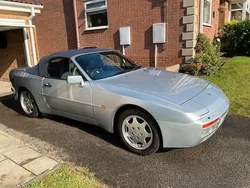
Browse Porsche 944 cars for sale, from usable coupés to later S2, Turbo and cabriolet examples.
Andamento dei prezzi
Vendita più recente
3450 £
1987 Porsche 944 Turbo Coupe

Attualmente in vendita
85
2 aste live
83 annunci


Venduto
237
Prezzo di vendita più alto
79.995 €
Prezzo medio
15.022 €
Prezzo più basso
2500 €
FAQs
The Porsche 944 evolved from the 924 platform but became more distinct thanks to its wider bodywork, Porsche-developed four-cylinder engines and stronger performance. The later 968 then developed the same front-engined concept, making the 944 the mid-point between the two.
The Porsche 944 is front-engined, water-cooled and rear-transaxle, while the classic 911 is rear-engined and air-cooled. That gives the 944 a more balanced and practical character which is often easier to approach, and less frightening on a wet roundabout.
The 944 S2 is often viewed as the more flexible road car because of its naturally aspirated three-litre engine and smoother power delivery. The 944 Turbo offers stronger headline performance, but its appeal is more performance-led and condition-sensitive.
The 944 gives buyers Porsche engineering, distinctive 1980s styling and practical usability without needing to take the plunge into 911 ownership. Its appeal is strongest among buyers who want a balanced front-engined Porsche with real-world usability, and it also has the advantage of a wide model range - naturally aspirated cars, later 16-valve models, Turbos and cabriolets.