Porsche Boxster Spyder: Specs & Details
2010–2025 · 3.4–4.0-litre naturally aspirated flat-six · mid-engined, rear-wheel drive · 316–493bhp · 0–62mph 3.4–4.8 sec · roadster
Overview
The Boxster Spyder is Porsche's back-to-basics, performance-focused interpretation of the Boxster. Across three generations, it sat atop the Boxster range, deploying the most powerful naturally aspirated flat-six available at that time alongside unique chassis calibration, bespoke aerodynamic bodywork and a manual fabric roof. The Spyder sits above the GTS in both price and focus, yet it’s fundamentally different in character. The GTS is refined and well-equipped, while the Spyder is the stripped-out trackday alternative. The 981 and base 718 Spyder were among the last Porsche sports cars built exclusively with manual transmissions.
Price
- Starting price
- 45 000 zł
- Average price
- 85 584 zł
- Price range
- 45 000 zł - 97 585 zł
Specifications
- Engine family
- 3.4/3.8/4.0-litre flat-six
- Kerb weight
- 1,275kg-1,420kg
- Transmission
- 6-speed manual/PDK
- Dimensions (981 Spyder)
- 4,404mm × 1,801mm × 1,267mm
Porsche Boxster Spyder in Detail
History
The Spyder name harks back to Porsche’s 550 Spyder of 1955. It was applied to the modern Boxster to signal a return to lightweight, driver-centred intent rather than a continuation of the roadster's touring character. The 987 Spyder was the first time Porsche had extended the Boxster's performance envelope far enough to risk direct comparison with the 911, alongside its Cayman R sibling.
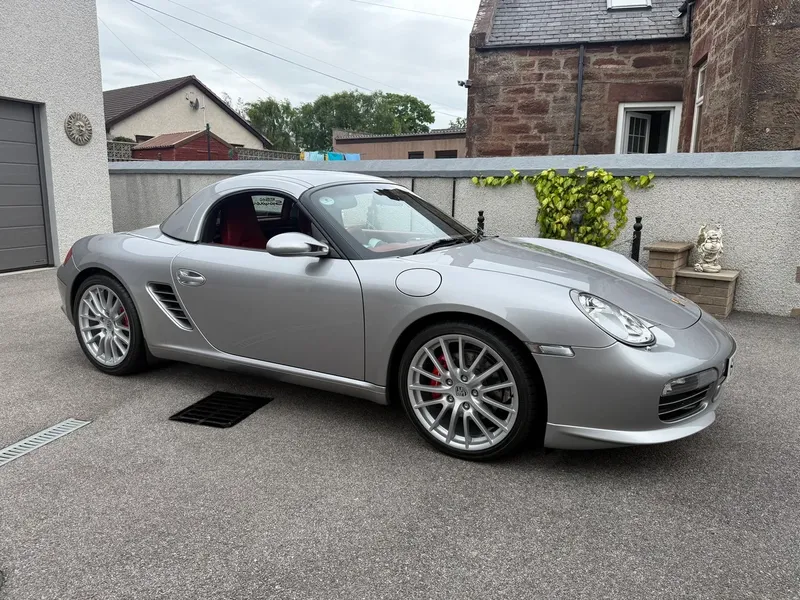
The 987 Spyder's core engineering decisions were all about mass - or the lack thereof. The power-operated roof was deleted and replaced with a two-piece manually operated canvas arrangement comprising a rear section and a separate shower cap that could be fitted independently. Aluminium was used for the doors and rear deck lid, while door handles were replaced with pull cords. A 20mm ride height reduction through shorter, firmer springs and revised anti-roll bars dropped the centre of gravity by 25mm versus the standard Boxster S, albeit at the cost of comfort.
The 981 Spyder of 2015 received the steering rack from the 991 Turbo and the 360mm GT3 RS steering wheel, while the double-hump tonneau cover was a deliberate visual reference to the 918 Spyder and the 550. The 718 Spyder (2019–2025) was the first to receive the same GT3-inspired chassis, suspension, steering and brake specification as the Cayman GT4. The RS variant (2023–2025) fitted the 493bhp GT3 Motorsport engine but specified softer springs than the GT4 RS, prioritising drivability over circuit performance.
Specifications & Performance
The Spyder has always used the most powerful naturally aspirated flat-six available in the Boxster range at that moment in time, differentiating it from the GTS (tuned for usability) and the value-oriented S. The 987 Spyder's 3.4-litre M97 was brought to full Cayman S specification at 316bhp, while its 80kg weight reduction over the Boxster S delivered a 0.2-second improvement in 0–62mph time. The 981 introduced the 3.8-litre MA1 engine from the 991.1 Carrera S, producing 370bhp and unavailable in any other Boxster trim.
The 718 Spyder's 4.0-litre 9A2 engine shares its architecture with the Cayman GT4, spins up to 8,000 rpm, and represents the highest-revving naturally aspirated engine ever installed in a Boxster. For the RS, Porsche fitted the same Motorsport-derived 4.0-litre as the GT4 RS, resulting in 493bhp at 9,000rpm.
Variant | Engine | Power | Torque | 0–62mph | Top speed | Gearbox | Kerb weight |
987 Spyder | 3.4-litre M97 flat-six | 316bhp | 273lb-ft | 4.8 sec (6MT) | 166mph | 6MT / PDK | 1,275kg |
981 Spyder | 3.8-litre MA1 flat-six | 370bhp | 310lb-ft | 4.3 sec | 180mph | 6MT only | 1,315–1,337kg |
718 Spyder | 4.0-litre 9A2 flat-six | 414bhp | 309lb-ft | 4.2 sec (6MT) | 187mph | 6MT / PDK | 1,420kg |
718 Spyder RS | 4.0-litre 9A2 flat-six | 493bhp | 346lb-ft | 3.4 sec | 191mph | PDK only | 1,410kg |
Exterior
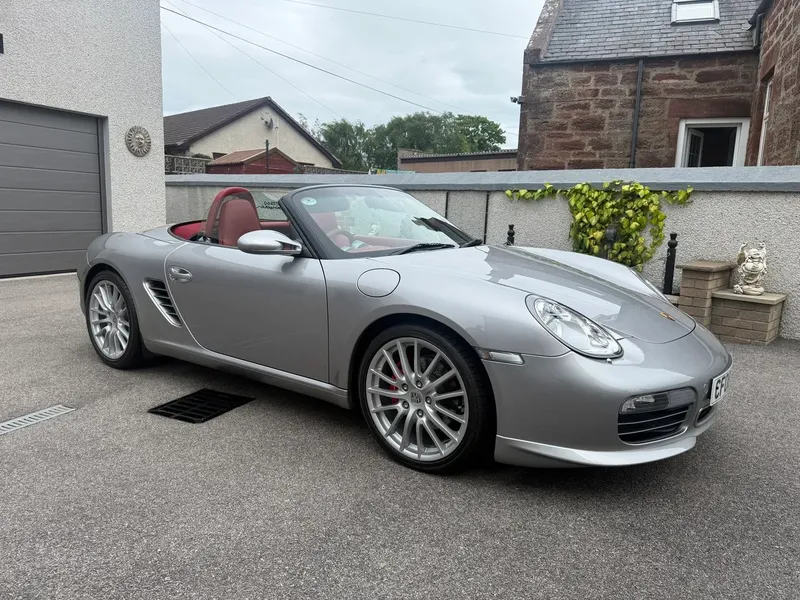
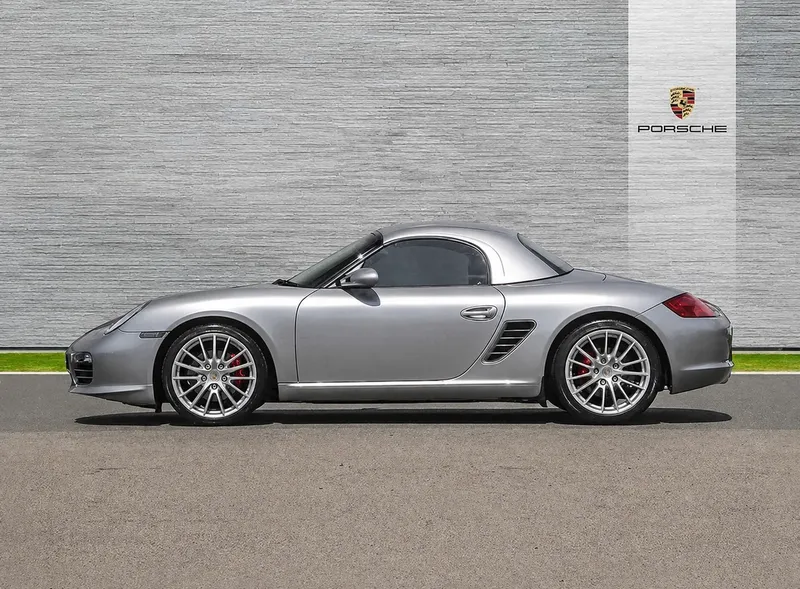
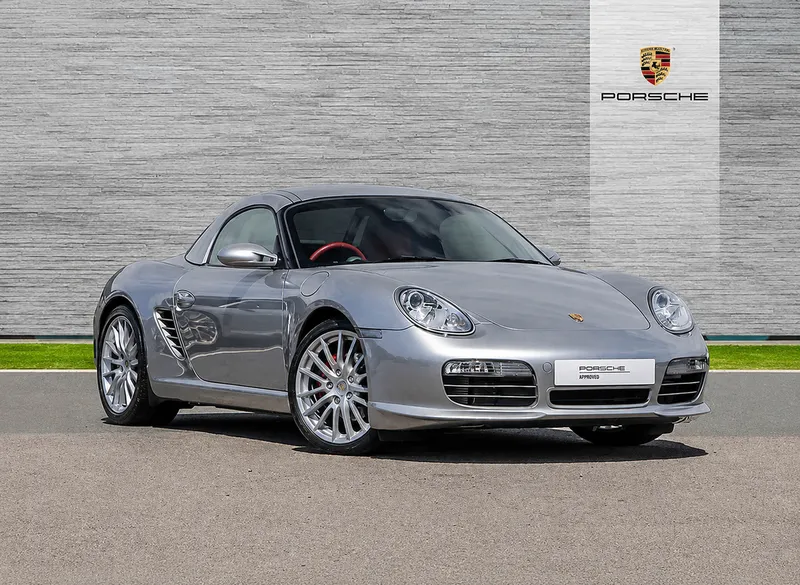
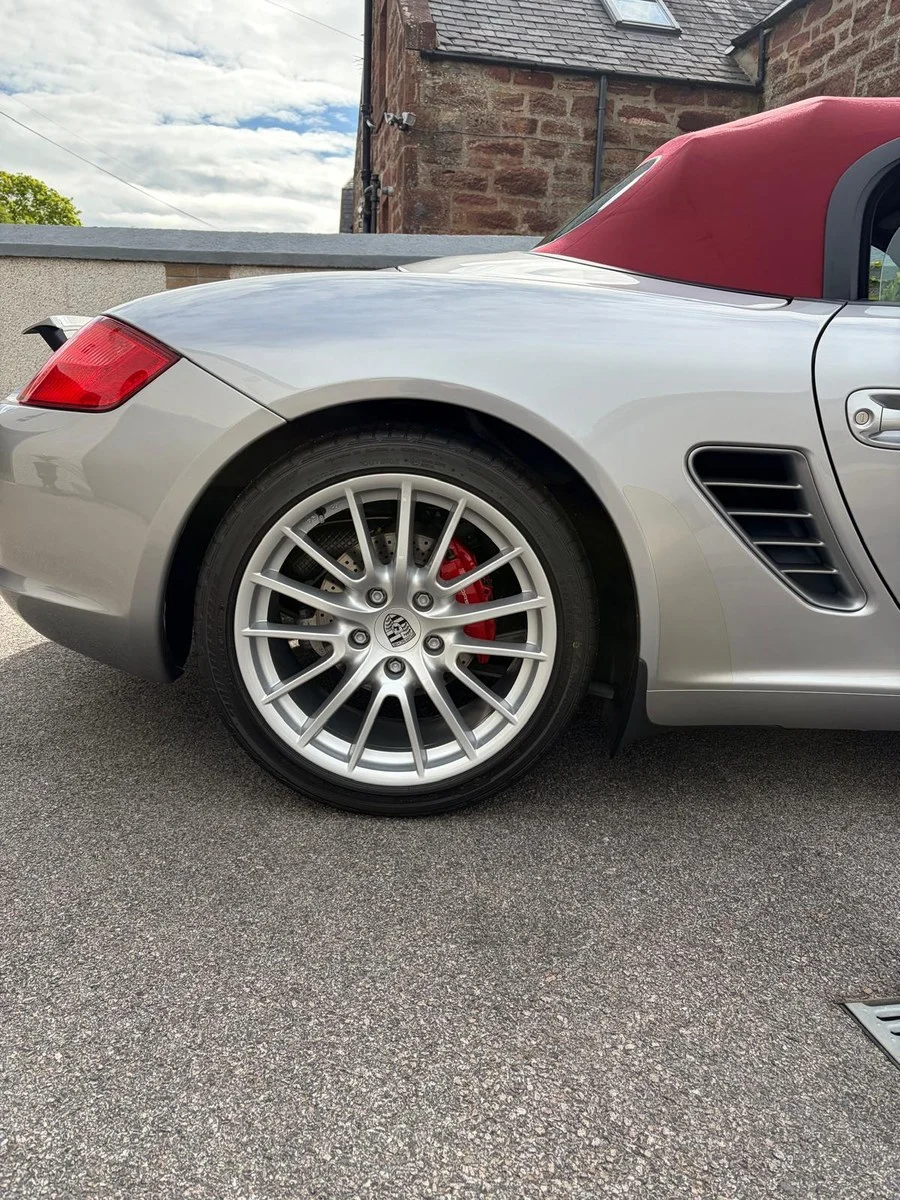
The 987 Spyder's lowered windscreen, aluminium rear deck, unique side intake panels and fixed rear spoiler set it apart from the Boxster S from every angle. The 981 Spyder's double-hump tonneau cover became the defining exterior element of the modern Spyder lineage, combined with unique front and rear bumpers and 20-inch centre-lock-style alloys mounted 10mm lower than the standard 981. The 718 Spyder brought a deeper front splitter, enlarged aerodynamic intakes and a ducktail rear spoiler, increasing downforce over the standard roadster. The RS intensified this with GT4 RS-derived front aero geometry and a unique carbon fibre bonnet.
Interior
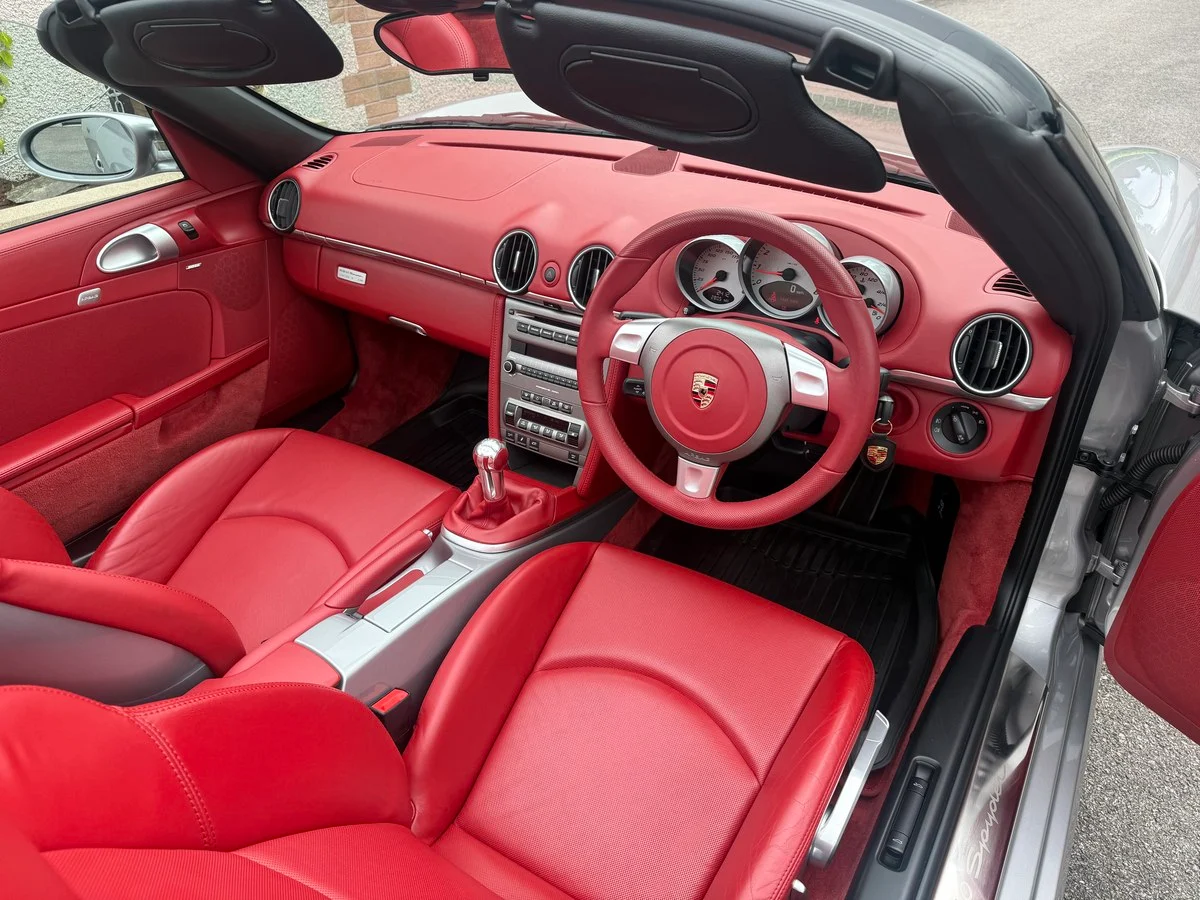
The 987 Spyder's door pull cords are thankfully unique within the 987 Boxster range, serving as a reminder of the car's weight-reduction brief. Lightweight bucket seats were standard, while the manual two-part canvas "cover" requires the car to be stationary to operate and takes time to master. It’s more Triumph than Teutonic.
The 981 Spyder refined this sparse recipe with partial electric assistance to raise the double-hump roof, a 360mm GT3 RS steering wheel and the Sport Classic interior package in full leather and Alcantara. The 718 Spyder added Alcantara trim and offered carbon bucket seats as an option; the latter were standard in RS models where the absence of convenience equipment helped to trim 10kg off the base 718 Spyder’s weight.
Safety
The 987 Spyder carries a Porsche advisory note against exceeding 124mph with the canvas cover fitted, which wasn’t an issue faced by the standard Boxster's powered hood. PASM was standard on all Spyder generations, regardless of its availability on lesser Boxster trims at the time. The 718 Spyder and RS standardised PTV with integrated limited-slip differential.
Why Choose This Variant
Variant | Best for |
987 Spyder | Most analogue Spyder; hydraulic steering; lightest variant and lowest price in exchange for an eccentric manual roof |
981 Spyder | The sweet spot, with a 3.8-litre flat-six found nowhere else in the 981 range; manual only; touring-capable; most balanced of the three |
718 Spyder | GT4-equivalent chassis in open-top body; 8,000rpm flat-six; PDK available for those who want it |
718 Spyder RS | 493bhp GT3 Motorsport engine; softer springs than GT4 RS; the final and most extreme internal combustion Boxster |
None of the Spyder variants suits buyers seeking a comfortable open-air touring car. For that, you should look to the 718 GTS 4.0, with its powered roof and more compliant setup.
Trendy cenowe
Ostatnia sprzedaż
13 995 £
2006 Porsche Boxster Spyder 718
29 lis 2023

Obecnie na sprzedaż
7
0 aktywnych aukcji
7 ogłoszeń




Łącznie sprzedanych
17
Najwyższa cena sprzedaży
97 585 €
Średnia cena
85 584 €
Najniższa cena
45 000 €
FAQs
Is the 981 Boxster Spyder or the 718 Spyder the better buy?
The 981's hydraulic steering and more immediate low-speed character suit mixed road and touring use. By contrast, the 718's GT3-derived chassis, larger brakes and 8,000rpm redline suit drivers who will regularly push it hard. On a tight budget, the 981 is the more approachable entry point, but the 718 is the stronger car in terms of dynamic capability.
Does the 987 Boxster Spyder's manual roof cause practical problems?
Porsche's own documentation advises against exceeding 124mph with the canvas cover closed, as distortion and seal integrity become a risk above that speed. The two-part arrangement (a main rear section plus a separate shower cap) requires the car to be stationary and takes practice to deploy. It’s an ownership characteristic unique to the 987 Spyder, since the 981's roof gains partial electric assistance and the 718 raises the standard (and the roof itself) further.
Why did Porsche fit the 991 Turbo's steering rack to the 981 Boxster Spyder?
Porsche specified the 991 Turbo rack in the 981 Spyder to elevate steering precision beyond the standard 981 Boxster specification. This was a hardware upgrade reserved exclusively for the Spyder within the 981 generation, and it wasn’t available on the GTS or any other Boxster trim. Combined with the 360mm GT3 RS steering wheel, it gave the car a steering calibration closer to GT-department hardware than its platform siblings.
Is the 718 Boxster Spyder worth the premium over the 718 GTS 4.0?
The Spyder produces 414bhp against the GTS 4.0's 394bhp, allied to the Cayman GT4's GT3-inspired chassis, suspension and brake specifications. The GTS 4.0 offers a powered hood and more refined daily manners, but the Spyder's firmer setup and GT4-spec running gear make it the ideal choice for drivers who intend to use the car at its limit rather than as a daily driver.
How does the 718 Spyder RS compare to the 718 Cayman GT4 RS?
Both use the same 493bhp GT3 Motorsport 4.0-litre flat-six and PDK gearbox, but the RS Spyder has spring rates 50 per cent softer than those on the GT4 RS. As a result, it’s considerably more manageable on public roads. The RS Spyder also carries a ducktail rear rather than the GT4 RS's full wing. The GT4 RS will be faster on a circuit, but on a B-road, the RS Spyder's softer and more communicative setup will be more enjoyable.