Porsche Macan: Models and Specs
2014–present, turbocharged four-cylinder/V6 and electric powertrains, front-engined or dual-motor SUV layout, all-wheel drive/rear-wheel drive, five-door SUV.
Overview
In the 1990s, the idea of Porsche selling a range of SUVs would have seemed antithetical to the brand’s sports-car heritage. Yet after the success of the Cayenne, the Porsche Macan was an obvious sequel, condensing the brand’s identity into a more compact everyday package. The Macan arrived at a point when Porsche had already proved an SUV could be commercially successful, and it took that principle into a more driver-focused part of the market. The Macan is a practical Porsche that still feels agile and premium, even (and here’s some real heresy) as an automatic diesel. It has five doors, a useful cabin and the elevated driving position expected of an SUV, but Porsche has consistently positioned it as a sports car among compact SUVs. It broadened the brand’s reach without simply copying the Cayenne, and gave buyers a smaller, more affordable route into Porsche ownership. It also served as a bridge into Porsche’s electric future, with the second-generation Macan launched as a fully electric SUV on the PPE platform.
Price
- Starting price
- 12 842 €
- Average price
- 43 879 €
- Price range
- 12 842 € - 85 950 €
Specifications
- Production years
- 2014–present
- Body styles
- Five-door SUV
- Layout/drive
- Front-engine AWD; some RWD electric
- Engine family
- Turbo petrol, V6 petrol/diesel, electric
- Transmission
- 7-speed PDK automatic (petrol/diesel)
Porsche Macan in Detail
The Porsche Macan was introduced beneath the Cayenne in Porsche’s lineup, aimed at buyers who wanted more agility and a smaller footprint without leaving the brand. The original car used a front-engined layout with Porsche Traction Management all-wheel drive and a 7-speed PDK transmission, combining SUV practicality with the kind of responsiveness and body control expected from any Porsche.
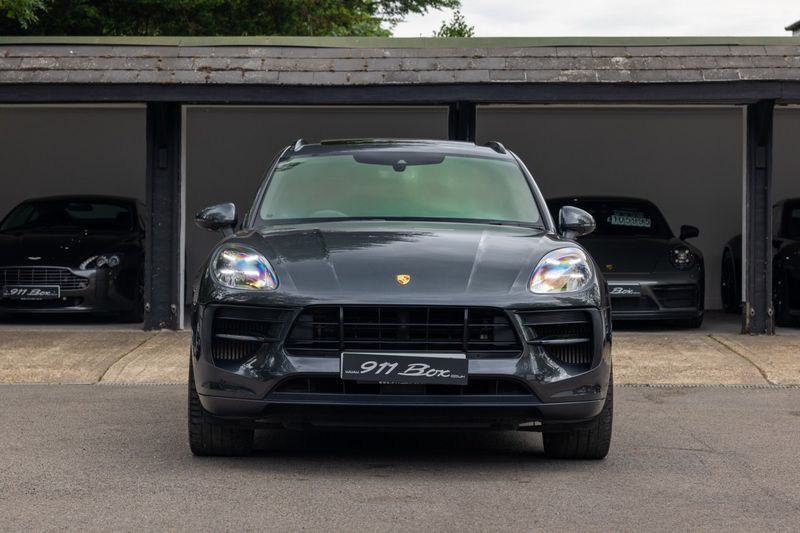
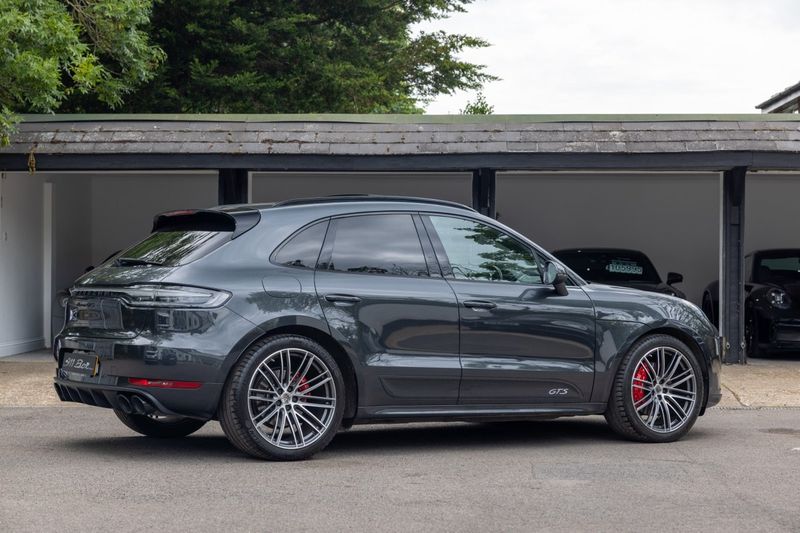
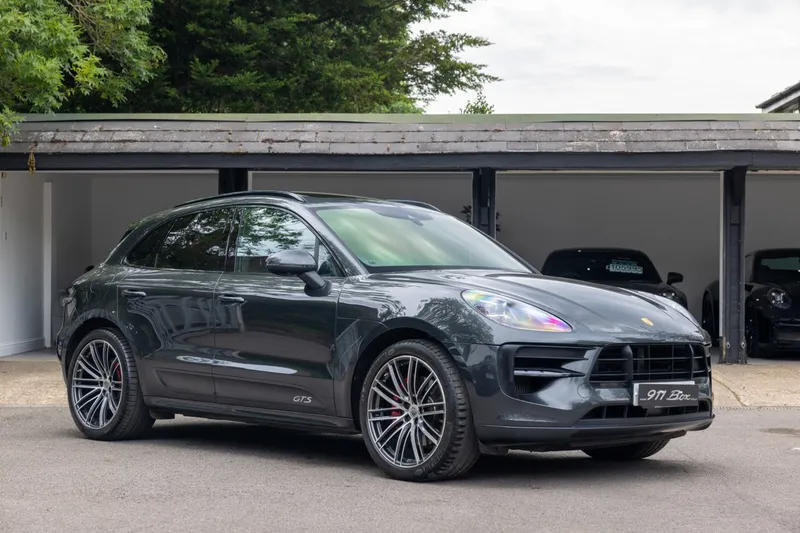
At launch, the range centred on V6 versions, including the Macan S and Macan Turbo, with diesel and later four-cylinder petrol models expanding the line-up. The Macan GTS arrived as the more focused middle ground between S and Turbo, bringing a stronger chassis and performance character plus reinforced brakes and a re-engineered chassis. The Macan used a rear-biased all-wheel-drive system, quick-shifting PDK transmission and suspension tuning, all intended to make it feel more like a Porsche than a conventional family SUV.
Its second major chapter arrived with electrification, when Porsche launched the all-electric Macan in 2024 as its second electric model after the Taycan, using the Premium Platform Electric architecture and offering fast charging of up to 270kW.
Macan GTS within the range
GTS versions sit between the mainstream S models and the higher-output Turbo versions, with a stronger chassis focus, more standard performance equipment and a more driver-led identity. The current petrol Macan GTS uses a 2.9-litre twin-turbo V6; confusingly, Porsche’s electric Macan range also contains a GTS as well as a (non-turbocharged) Turbo model.
The Macan’s performance has evolved from V6 petrol and diesel power through later turbocharged four-cylinder and V6 models into fully electric versions. Key models are summarised below.
Item | Details |
Engine family | Turbocharged petrol four-cylinder, V6 petrol and V6 diesel engines; battery-electric powertrains |
Power range | 254 bhp in early Macan S Diesel to 630 bhp in the Macan Turbo Electric |
Top speed | 137mph for Macan 4 Electric; 169mph for Macan GTS petrol and Macan Turbo Electric |
Early official technical data listed the first Macan S at 340 bhp and the first Macan Turbo at 400 bhp, while Porsche’s current UK data shows the petrol Macan GTS at 433 bhp and 169mph. The electric range extends the spread further, with the Macan Turbo Electric generating up to 630 bhp and capable of reaching 169mph.
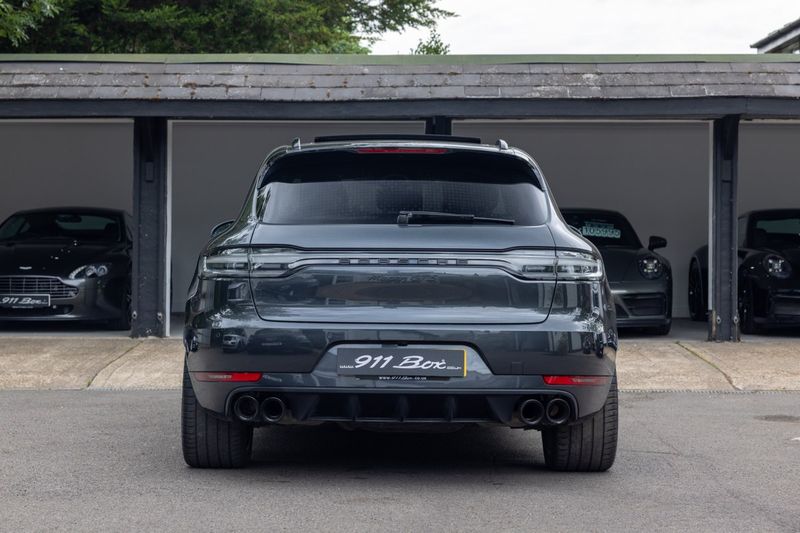
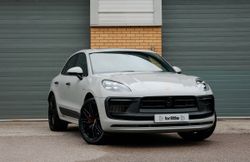
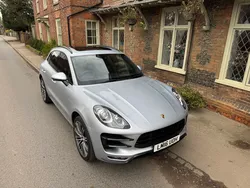
The Porsche Macan takes familiar Porsche proportions and compresses them into a compact family-friendly shape. The sloping roofline, broad shoulders, rounded nose and full-width rear identity maintain a clear link to Porsche’s sports cars, while the five-door body and raised ride height are pure SUV - for better or worse.
Inside, the controls, seating position and dashboard architecture are designed to make the Macan feel more like a performance car than a soft-roader, while still providing the space and everyday usability expected from a modern SUV.


Unlike older Porsche models, the Macan was developed around stability control, all-wheel-drive traction, advanced braking systems, airbags and driver-assistance technology. Combustion-powered models harness Porsche Traction Management all-wheel drive, while the electric Macan range uses electronically controlled drive systems that can distribute power rapidly between axles.
Pros
Compact SUV usability with a stronger Porsche driving character than most rivals.
Broad range of petrol, diesel and electric choices gives buyers several routes into the model.
GTS versions add a clear enthusiast focus.
Cons
Desirable options and performance versions can make values fluctuate.
Combustion and electric Macans are now very different buying decisions.
Basic equipment is missing on most Macans - Android Auto, automatic emergency braking, and so forth.
Generation | Details |
First-generation | Introduced in 2014 as Porsche’s compact combustion SUV, using petrol and diesel engines, all-wheel drive and PDK. Key versions include Macan, S, Diesel, GTS and Turbo. |
Second-generation | Launched in 2024 as an all-electric model using the PPE platform. It introduced rear- and all-wheel-drive electric versions. |
Porsche Macan for Sale
The Porsche Macan is one of the most usable modern Porsches, with values of used examples heavily influenced by their engine, options and service history. Browse Porsche Macan examples for sale on Car & Classic.
Tendances des prix
Vente la plus récente
41 500 £
2016 Porsche Macan S

Actuellement en vente
157
2 enchères en direct
155 annonces


Total vendu
487
Prix de vente le plus élevé
85 950 €
Prix moyen
43 879 €
Prix le plus bas
12 842 €
FAQs
The Porsche Macan is generally viewed as a strong used premium SUV, but a specific car’s reliability will depend heavily on age, engine, service history and previous maintenance. Focus on maintenance records and mechanical condition rather than assuming all Macans are equal.
The Macan is Porsche’s smaller SUV, while the Cayenne is the larger model. Porsche describes the Macan as a mid-size SUV and the Cayenne as a large SUV, with the latter bigger in every dimension.
The Macan now exists as both a combustion and fully electric model. The second-generation Macan launched as an electric SUV, while Porsche has announced that petrol and diesel-powered Macan production will end in summer 2026. The Macan Turbo Electric sits above even the performance-flagship GTS in terms of output and acceleration.
Of the two, the Macan GTS is the more performance-focused version, with stronger output and sharper chassis positioning. The Macan S can still be a better everyday choice if value, comfort and specification matter more than outright performance.