Triumph Stag: Models, Specs and Buyer's Guide
Core Specs: 1970–1977 • 3.0 L V8 • 145 bhp • 4-speed manual/3-speed auto • RWD • ~118 mph top speed
Triumph Stag Overview
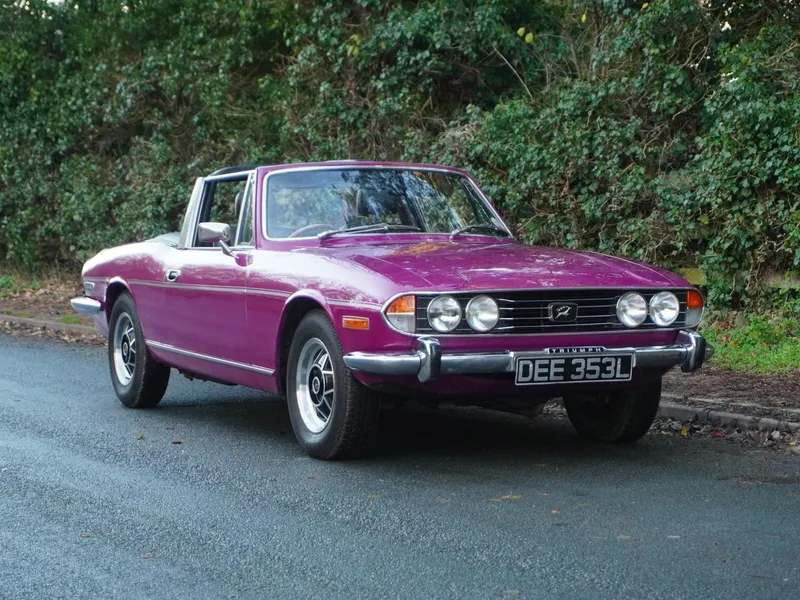
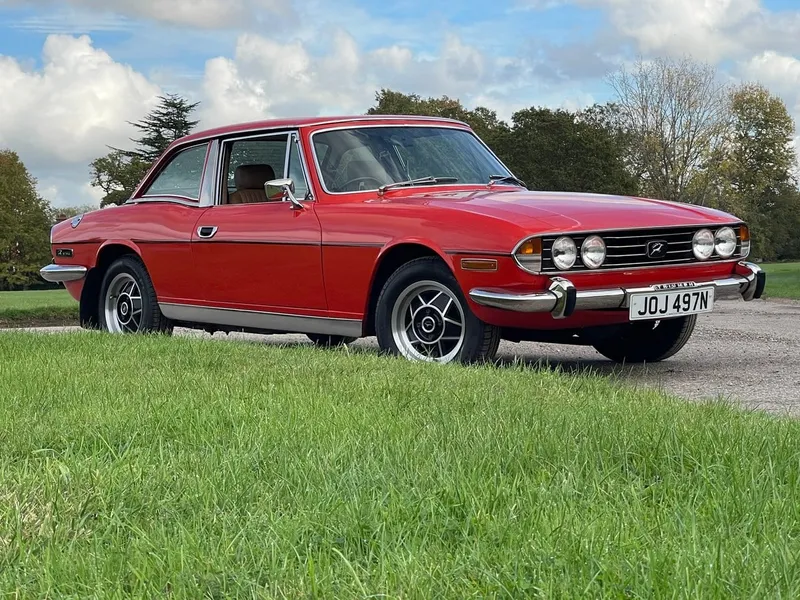
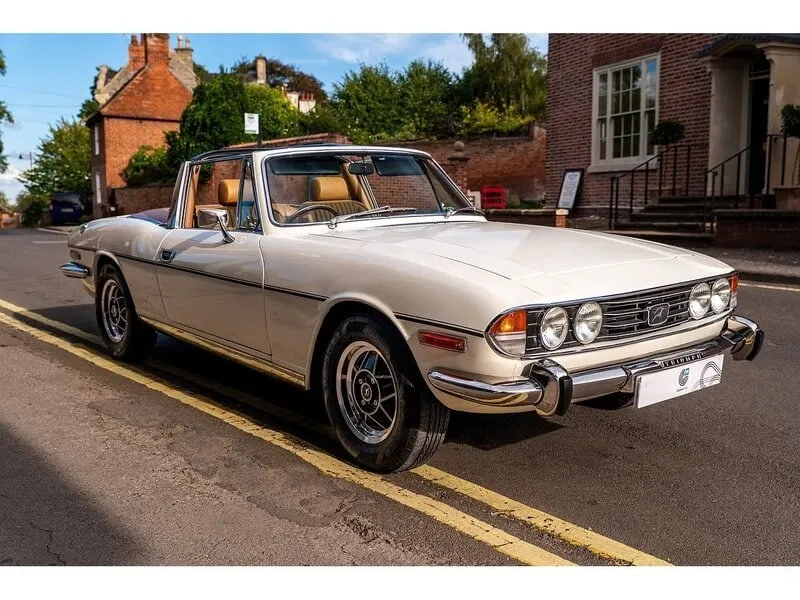
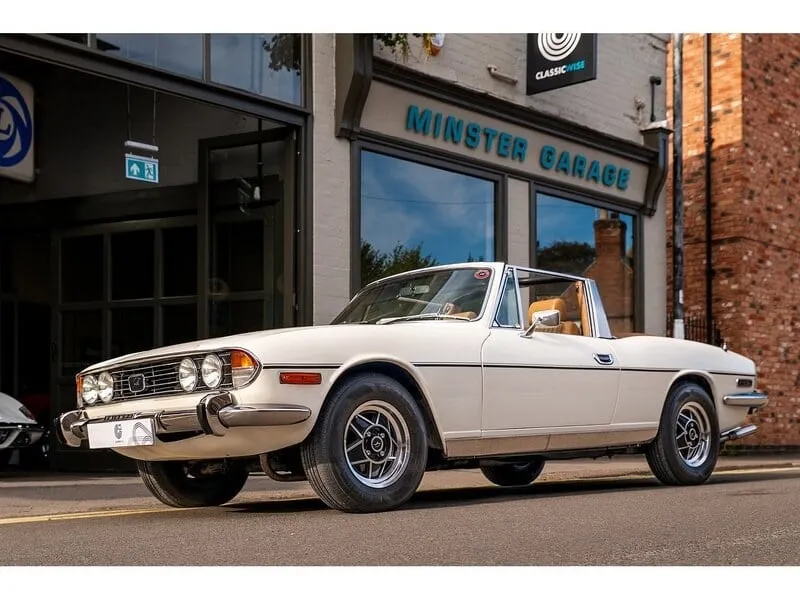
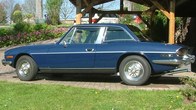
Triumph chose some wonderfully evocative names for its cars in the 1960s and 1970s, with the Stag a perfect example. Slotting neatly into the range, this 2+2 grand tourer was conceived by Giovanni Michelotti on a shortened Triumph 2000/2500 platform and distinguished by a trademark T-bar roll hoop. Built from 1970 until 1977, the Stag was powered by Triumph’s in-house 3.0-litre V8, paired to a 4-speed manual with overdrive or a Borg-Warner 3-speed automatic. Alongside mechanical specifications such as all-round independent suspension and rack-and-pinion power steering, its GT credentials were bolstered by period luxuries, including electric windows and a factory hardtop as an alternative to a folding soft top. To drive today, the Stag remains as charismatic as ever, with the burbling V8 soundtrack accompanied by a supple ride, usable rear seats and a generous boot. Early cars gained a reputation for cooling and timing-chain issues, but modern fixes (uprated radiators/fans, careful ignition/cooling setup and so forth) have transformed the reliability of surviving models. For classic car enthusiasts, owning a Stag with originality and documented upgrades represents the optimal route to achieving ownership. There’s strong club/aftermarket support and a plentiful supply of trim and mechanical parts.
C&C Expertise
No car snatched defeat from the jaws of victory quite like the ill-fated Stag. It had everything going for it - Michelotti Latinate styling, rumbly V8s, proper four-seat practicality and the sort of character the R107 could only dream of. And yet, building it properly proved seemingly beyond the will of British Leyland. It’s rare today, but any survivor is likely to benefit from the knowledge and improvements of enthusiastic owners and specialists. A properly sorted Stag surely ranks as one of the best and most charismatic 2+2 classic convertibles money can buy.
Triumph Stag Price
- Starting price
- 3.200 €
- Average price
- 16.033 €
- Price range
- 3.200 € - 38.999 €
Triumph Stag Specifications
- Manufacturer
- Triumph Motor Company (British Leyland)
- Production
- 1970–1977
- Vehicle Class
- 2+2 grand-touring convertible (factory hardtop supplied)
- Layout and Drive
- Front-engine, rear-wheel drive
- Body and Chassis
- Unitised body on a reinforced platform with a signature T-bar roll hoop
Triumph Stag in Detail
Triumph Stag History
Origins (mid-1960s): Triumph asked Giovanni Michelotti to rework the 2000 saloon platform into a glamorous 2+2 GT. The show car’s hallmark T-bar roll hoop made it into production, and Triumph developed an in-house 3.0-litre V8 engine to position the Stag above the TR range and against the Mercedes-SL.
Launch (1970): Built on a shortened 2000/2500 floorpan with independent suspension all round, the Stag arrived with front discs, power steering and electric windows among its standard specifications.
Early reputation: Engineering compromises and typically wobbly British Leyland quality control gave the V8 a reputation for cooling and timing-chain troubles that overshadowed its strengths. Many cars suffered in dealerships when manufacturer-specified service procedures weren’t followed.
Mk2 (1973): Subtle exterior and interior updates arrived alongside electrical and cooling improvements aimed at addressing endemic unreliability issues.
End of production (1977): Economic headwinds and corporate priorities curtailed the programme after seven model years. The Stag was never directly replaced, and the Triumph brand didn’t last much longer.
Triumph Stag Specifications & Performance
The Stag was a grand-tourer first and a sports car second, despite its lusty 3.0-litre Triumph V8. Independent suspension and long-legged gearing gave the Stag a relaxed pace and a charismatic soundtrack.
Model (Test Year) | Engine | 0–60 mph | Top speed |
|---|---|---|---|
Stag (Manual, OD) | 3.0 V8 | 9.5–10.3 s | 118–121 mph |
Stag (Automatic) | 3.0 V8 | 10.5–11.5 s | 112–116 mph |
Triumph Stag Dimensions
Maintaining the GT brief, the Stag had usable rear seats and a practical boot. By the standards of the era, it sat low and wide with a long bonnet, short deck and its trademark T-bar hard-top structure.
Core Dimensions:
Metric | Imperial | |
|---|---|---|
Wheelbase | 2,690 mm | 106.0 in |
Overall length | 4,445 mm | 175.0 in |
Overall width | 1,670 mm | 65.7 in |
Overall height | 1,260–1,285 mm | 49.6–50.6 in |
Kerb weight | 1,300–1,350 kg | 2,870–2,980 lb |
Triumph Stag Design
Classic Michelotti elegance met 1970s GT practicality in a distinctive 2+2 silhouette that worked equally well with either the soft-top or the supplied factory hardtop in place.
Triumph Stag Exterior
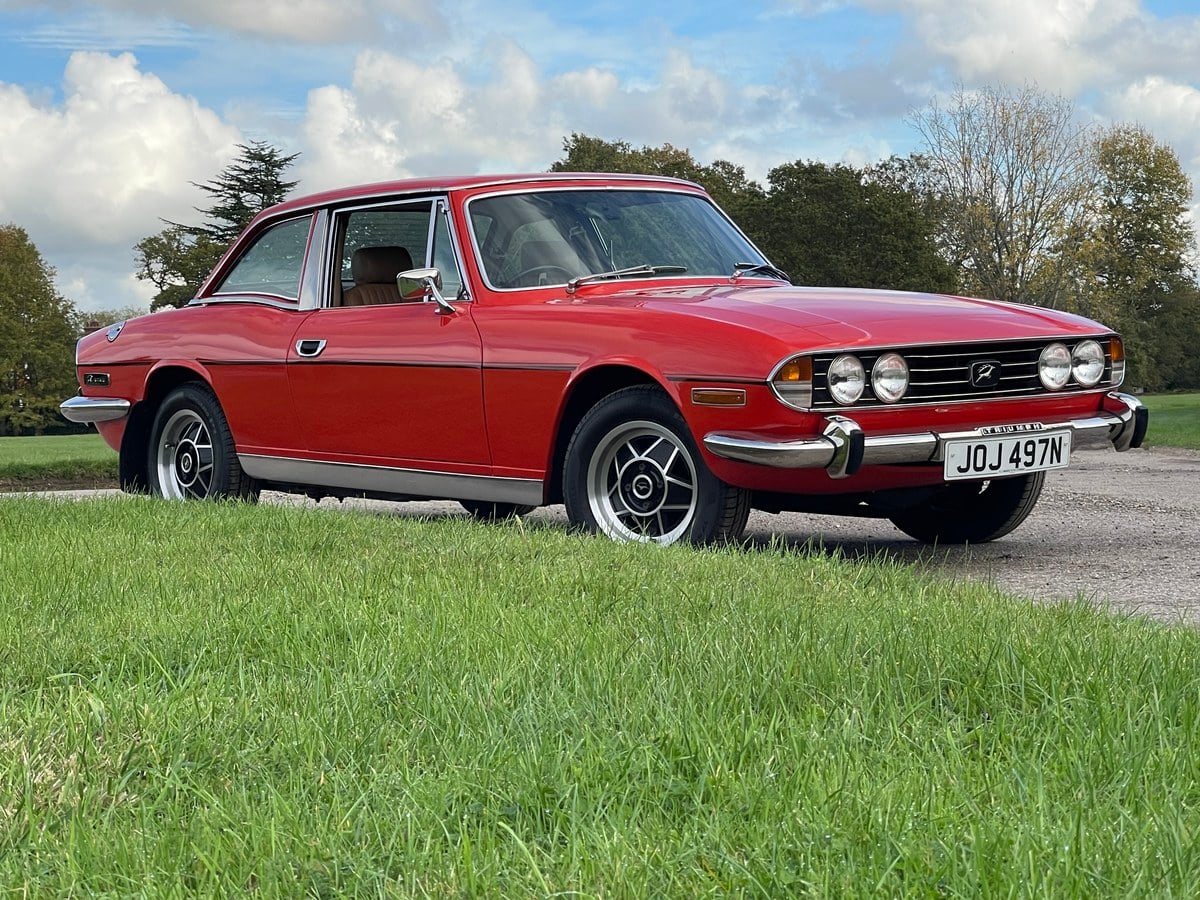
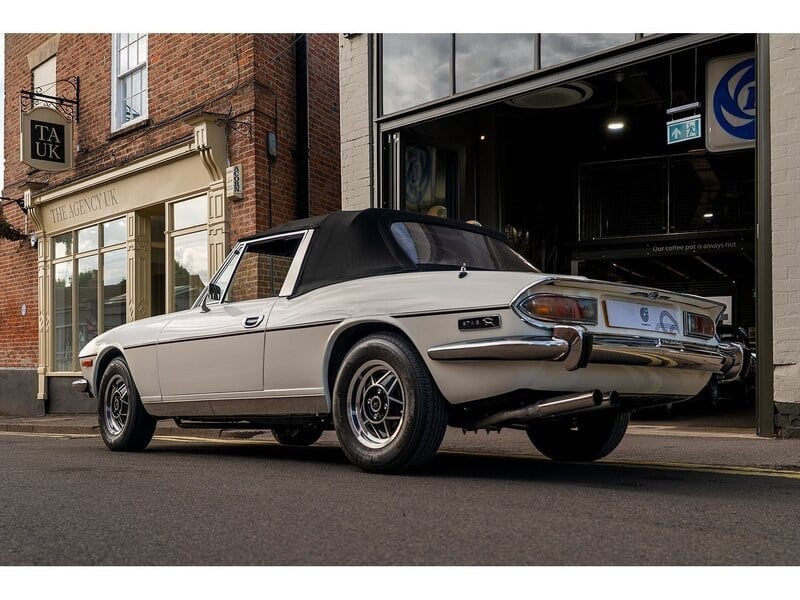
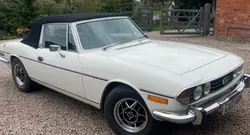
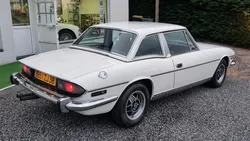
Signature profile: low beltline, upright glasshouse and the integrated T-bar that ties the windscreen frame to the rear quarters for rigidity and rollover protection.
Tops: standard folding soft-top plus colour-matched steel hardtop with a heated rear screen. To this day, many owners run the hardtop in winter before switching to the soft-top in summer.
Wheels/tyres: 14-inch steel wheels with trims or factory alloys, all typically wearing 175–185 section tyres.
Triumph Stag Interior
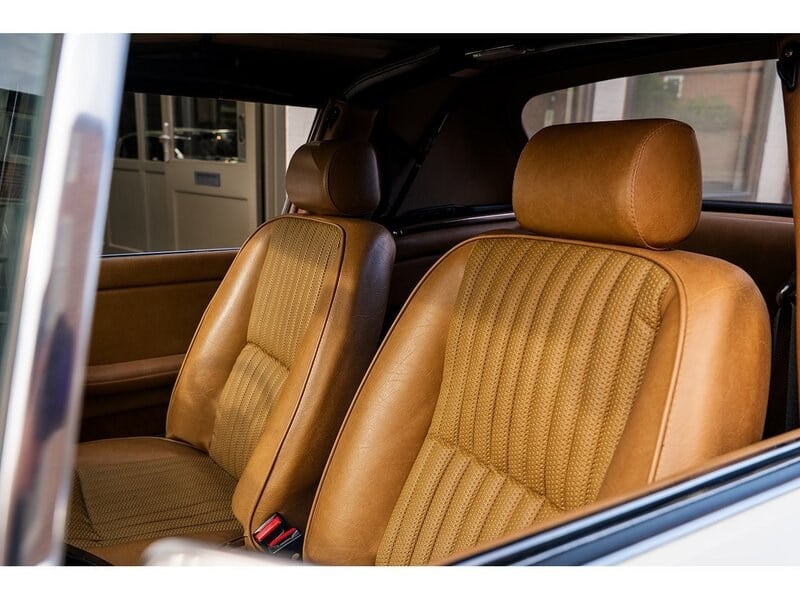
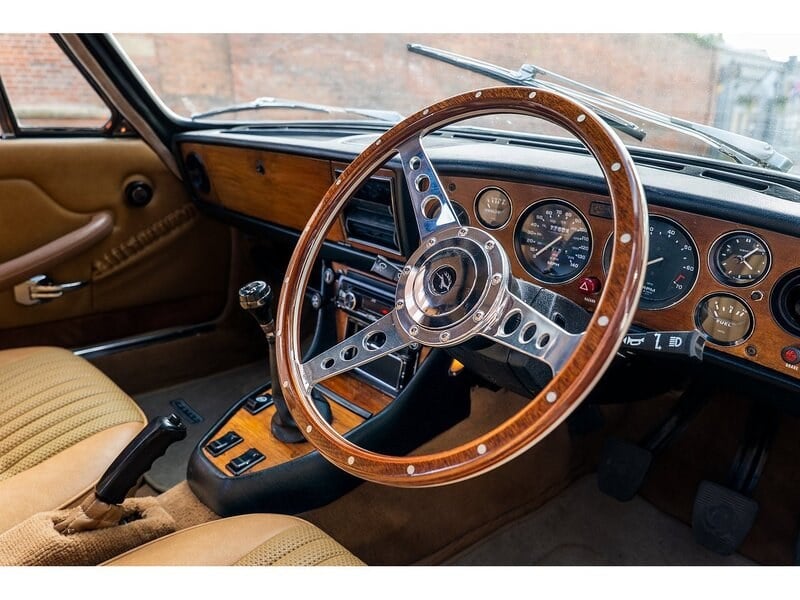
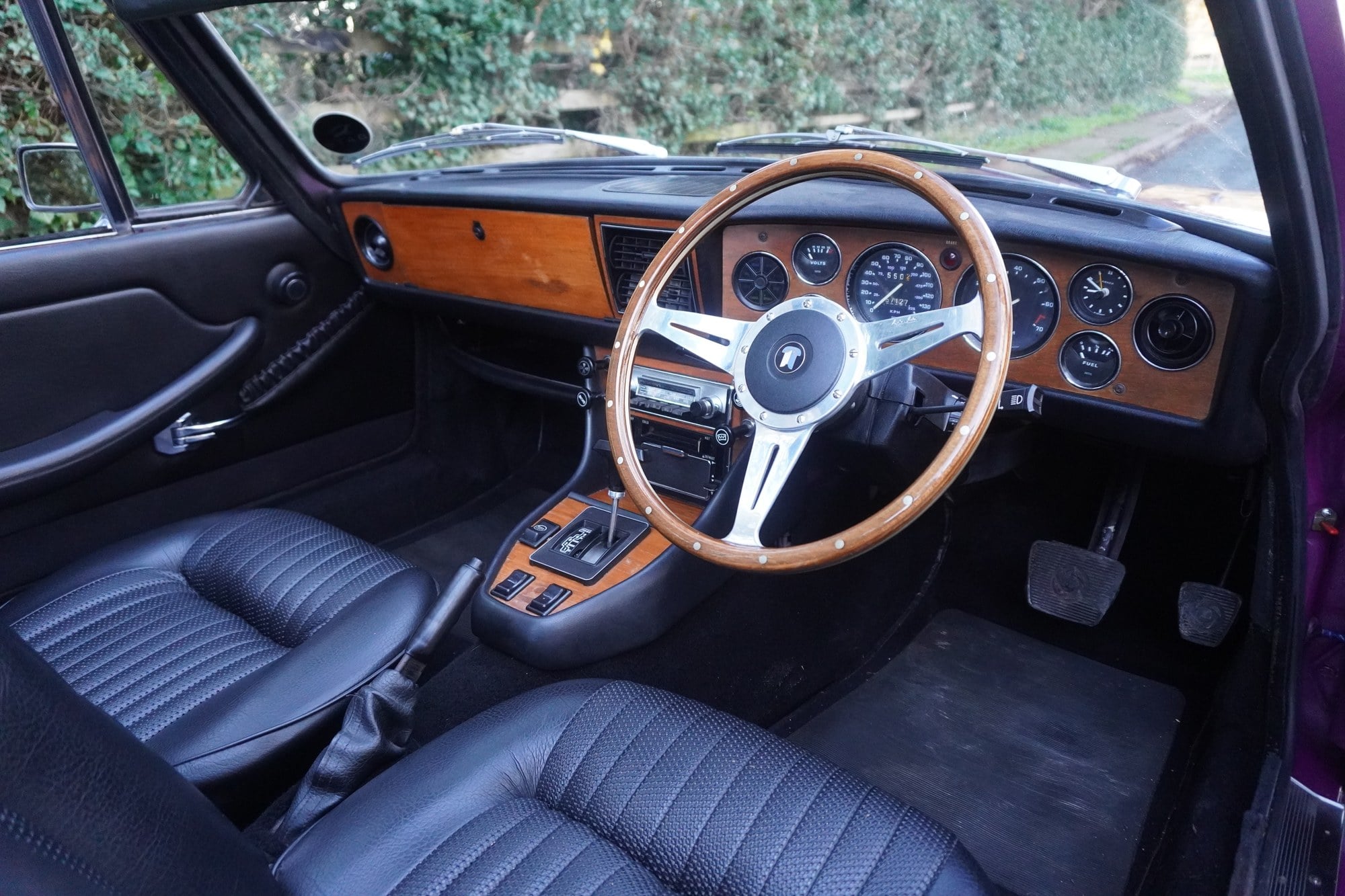
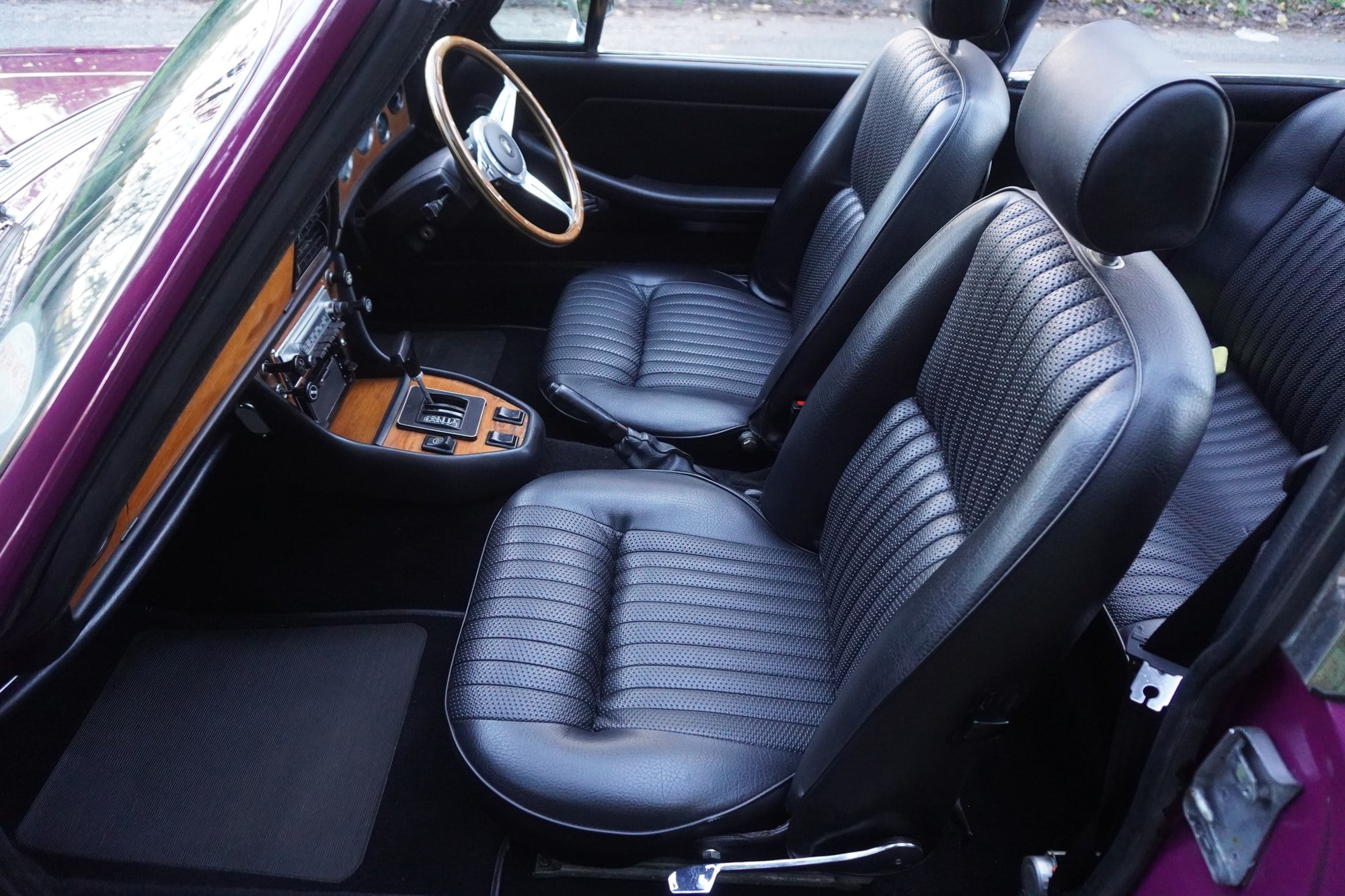
Layout and ambience: this is a usable 2+2 with supportive front seats and occasional rear seats. Wide door apertures aid access to a cabin which feels airy thanks to slim pillars and the aforementioned T-bar.
Dashboard: wood-veneer facia with clear twin main dials and auxiliary gauges beside simple rocker/push controls.
Comfort kit: in an age of specification austerity, the Stag offered electric windows, heater/demist through ventilation eyeballs, vinyl or cloth trim with period piping and a useful oddments space in the doors and console.
Triumph Stag Safety
Any Stag will be a 1970s GT from a time before airbags or modern driver aids. The safety of individual vehicles depends on sound structure, healthy cooling/ignition, and well-maintained brakes/tyres/steering.
Factory Equipment:
Structure: unitised body with the distinctive T-bar roll hoop for rollover rigidity.
Restraints: 3-point front belts (specifications vary by market/year); rear lap belts are available on many cars.
Brakes and steering: front discs/rear drums with servo; rack-and-pinion steering (power-assisted widely fitted).
Lighting: quad sealed-beam headlamps (US) or halogen equivalents (ROW) with period side/marker lamps.
Known Risks:
Cooling system: Ineffective when neglected, overheating can escalate into engine damage. Look for uprated radiator/fans, clear waterways, good hoses/clips, and proper coolant mix.
Timing chains and guides: Stretched chains or worn tensioners can lead to noisy operation and failure. Evidence of refreshed chains, guides, tensioners and/or sprockets is a major plus.
Triumph Stag Variants & Generations
The Stag was sold in two main iterations, with the 1970–1973 Mk1 followed by the 1973–1977 Mk2. Changes over this period mostly concerned the cooling, trim, electrics and minor styling, with the same 3.0-litre Triumph V8 and 2+2 GT brief retained throughout.
Preisentwicklung
Letzter Verkauf
10.500 £
1975 Triumph Stag Mark 2

Derzeit zum Verkauf
65
0 Live-Auktionen
65 Anzeigen



Verkauft
173
Höchster Verkaufspreis
38.999 €
Durchschnittlicher Preis
16.033 €
Niedrigster Preis
3.200 €
FAQs
1. When was the Triumph Stag manufactured?
Between 1970 and 1977 (with some late ’77/’78 registrations still in dealerships).
2. What engine does the Stag have?
A Triumph-designed 3.0-litre SOHC V8 with twin Stromberg carburettors.
3. Are historic reliability concerns still an issue?
Not if the car has been well looked after. Check for uprated radiator and/or fans, correct coolant plumbing and fresh timing chains/tensioners/guides. Collectively, these can transform a car’s day-to-day reliability.
4. How does the Stag compare to a Mercedes SL (R107)?
The Stag is lighter and more of a classic British GT in feel and sound, whereas the SL is more refined but costlier to buy and maintain.
5. Are parts and club support good?
Strong specialist and club networks can support Stag owners with excellent parts availability for body, trim and mechanical components.