Triumph TR250: Models, Specs and Buyer’s Guide
Core Specs: 1967–1968 • 2.5 L inline-six (twin Zenith-Stromberg) • ~111 bhp @ 4,500 rpm • 4-speed manual (overdrive optional) • RWD • 88 in wheelbase • ~107 mph top speed
Triumph TR250 Overview
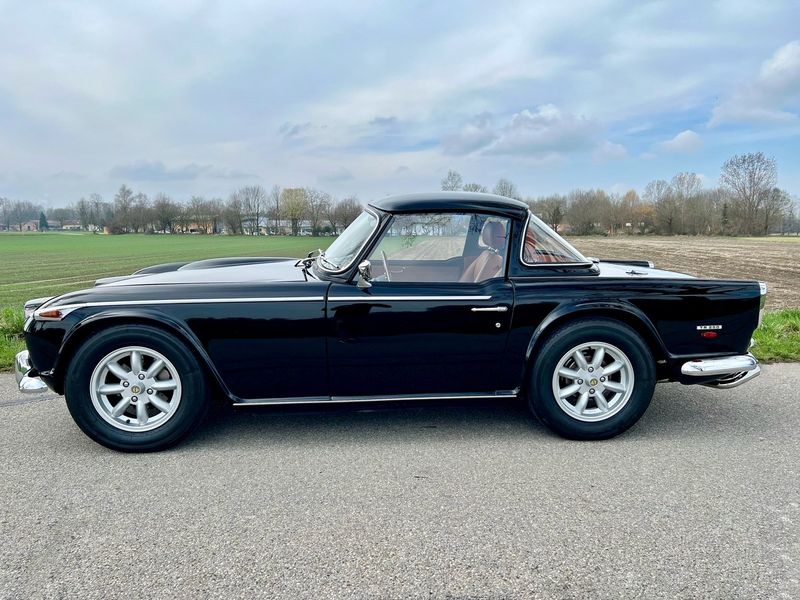
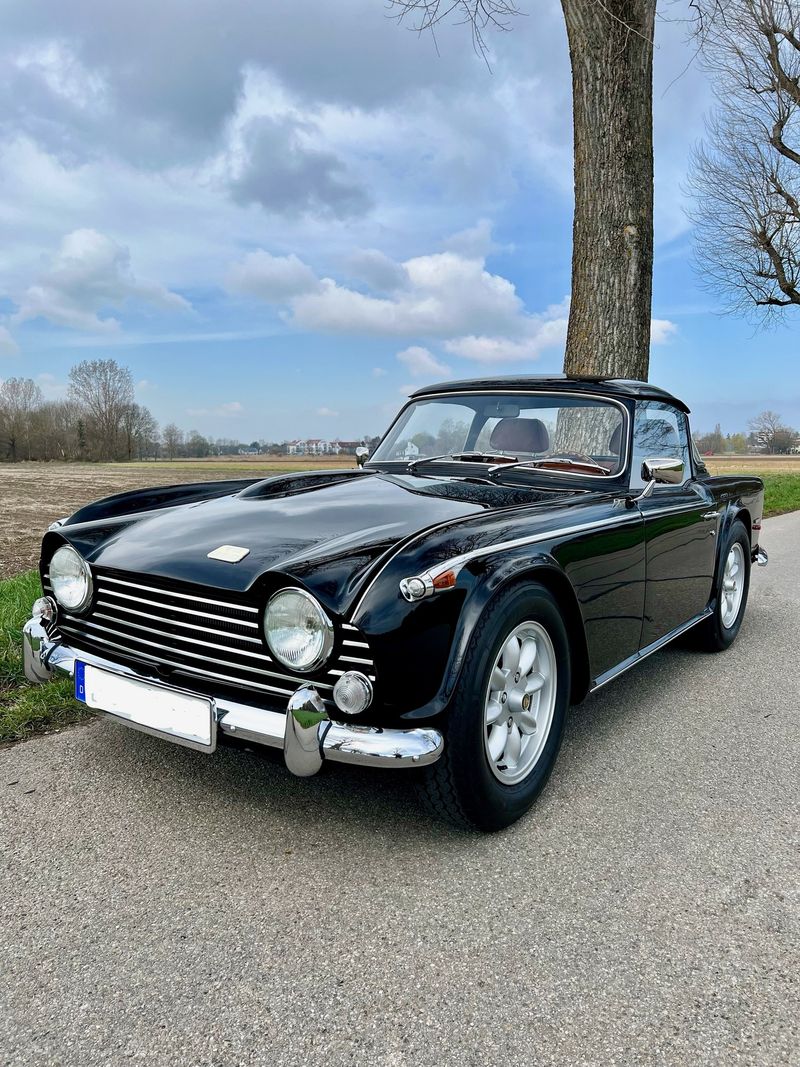
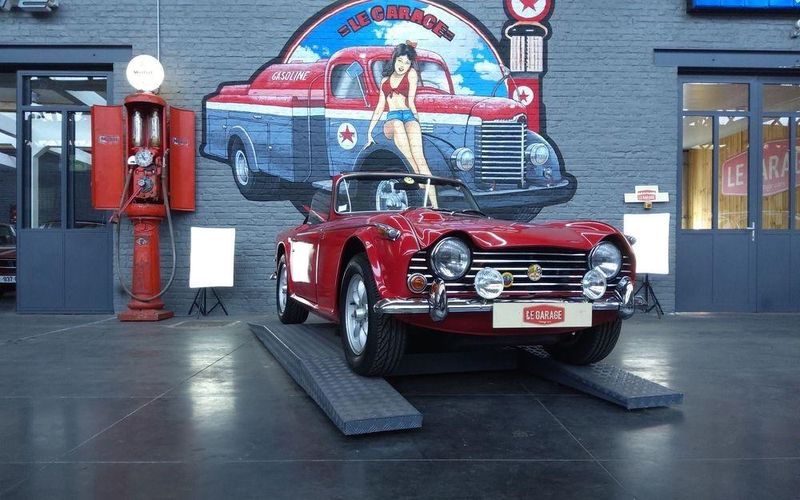
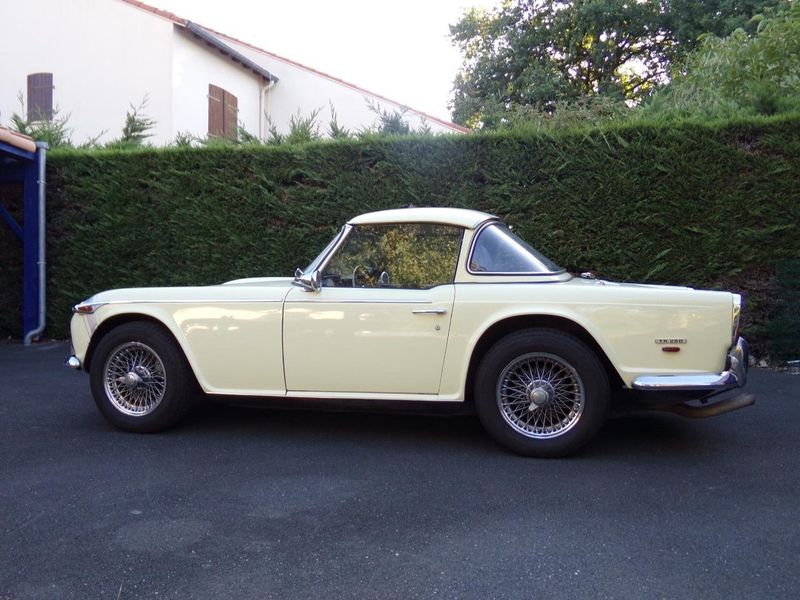
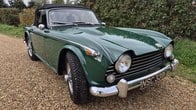
If you’re reading this introduction and wondering why you haven’t heard of the Triumph TR250, there are a couple of good reasons. Firstly, this car was only produced during two model years: 1967 and 1968. Secondly, it was an export-only model, targeting the US market. On British shores, it was known as the TR5 and had a more powerful engine than the emissions-conscious carburettor version that was marketed Stateside. The TR250 featured the same crisp TR4A body, designed by Michelotti, as the UK version, with a separate chassis and independent suspension all around. This was unusual at the time, but other mechanical elements were more familiar, including a 4-speed manual gearbox with optional overdrive and front disc brakes. TR250 design elements included a revised grille, bonnet power bulge and period stripe detailing, while a detachable hardtop and wire wheels were popular options. The short production run and US focus make the TR250 a rare collectable, and a viable alternative to the TR5.
C&C Expertise
There’s a lot to be said for simplicity, and the Triumph TR250 is a case in point. While it may lack the outright performance of its fuel-injected TR5 counterpart, the lack of the famously finicky Lucas mechanical injection system is a real boon for the DIY enthusiast. Carburetted TR250s were specifically developed for the US market, but many have since found their way to Europe, even back to their native UK. These roadsters were popular in America’s sunnier states, so US market survivors have often benefited from an arid climate, preserving their bodywork. Those six-cylinder engines are highly tunable, so don’t be put off by the fact that this was the slower model in period. A TR250 would make a great addition to your garage.
Triumph TR250 Price
- Starting price
- 1 950 €
- Average price
- 32 303 €
- Price range
- 1 950 € - 54 950 €
Triumph TR250 Specifications
- Manufacturer
- Standard-Triumph (Triumph Motor Company)
- Production
- 1967–1968 (US-market model)
- Vehicle Class
- Two-seater roadster with optional detachable hardtop
- Layout and Drive
- Front-engine, rear-wheel drive
- Body and Chassis
- Body-on-frame; Michelotti design; steel body with separate ladder chassis
Triumph TR25 in Detail
Triumph TR250 History
Triumph quickly evolved the TR line in the 1960s, replacing the TR4A with a 1967 refresh that introduced the TR5 for Europe, featuring mechanical fuel injection, and the TR250 for US audiences, which utilised twin Zenith-Stromberg carburettors to meet emissions regulations.
The TR250 retained its distinctive Michelotti body, featuring a new grille and bonnet bulge, over a proven chassis equipped with a torquey 2.5-litre engine and optional overdrive for relaxed cruising. The restyled TR6 arrived in 1969, retaining many of the mechanical features listed below, now paired with new Karmann bodywork.
Triumph TR250 Specifications & Performance
The brief TR250 era centred on its 2.5-litre six-cylinder engine, independent rear suspension and overdrive gearing. Front disc brakes were standard, though the owner’s choice of tyres and damping could make a notable difference to real-world performance.
Core Technical Themes (TR250 Context)
Layout: front-engine RWD, body-on-frame construction; 2-seat roadster with an optional hardtop.
Powertrain: 2.5-litre carburettor-fed OHV inline-six connected to a 4-speed manual gearbox with optional overdrive.
Chassis: double-wishbone front; trailing-arm rear with coils.
Brakes: front discs, rear drums.
Performance (Indicative Period Tests)
Model (test year) | Engine | 0–60 mph | Top speed |
TR250 (1968) | 2.5L I6 (twin carbs) | 10–11 s | 105–110 mph |
Triumph TR250 Dimensions
Compact proportions and low mass defined the TR driving feel throughout several generations, while the uprated rear suspension markedly improved ride and traction compared to earlier live-axle TRs.
Metric | Imperial |
Wheelbase: 2,235 mm | 88.0 in |
Length: 3,950–4,000 mm | 155–157 in (bumper/top dependent) |
Width: 1,470–1,500 mm | 58–59 in |
Height: 1,270 mm | 50 in |
Kerb weight: 1,000–1,080 kg | 2,200–2,380 lb |
Fuel tank: 45–50 L | 10–11 |
Triumph TR250 Design
Michelotti’s taut surfacing and upright glasshouse resulted in purposeful sports-car detailing, while the TR250’s grille, bonnet bulge and stripework distinguished it from its TR4A predecessor. The cabin is classic late-’60s Triumph, with a simple, legible and driver-centric approach.
Triumph TR250 Exterior
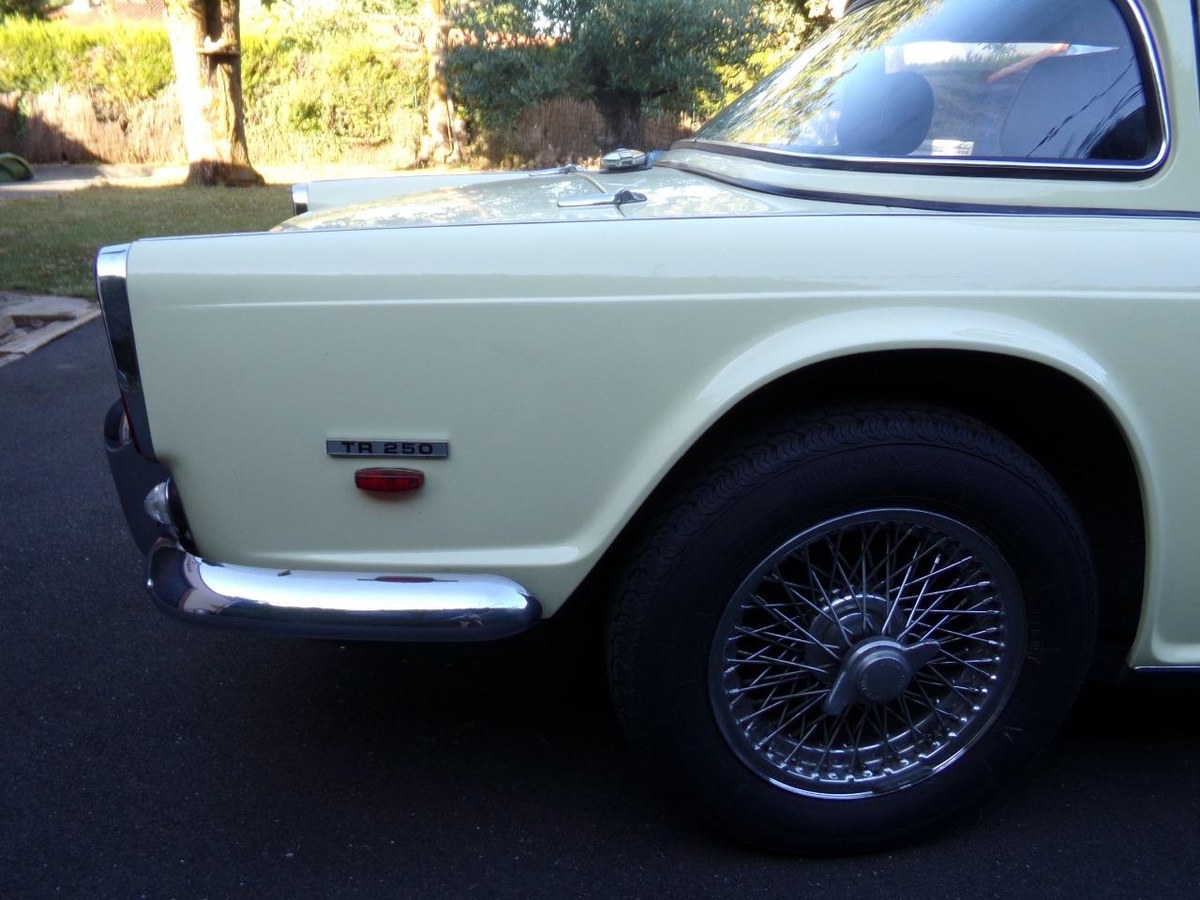
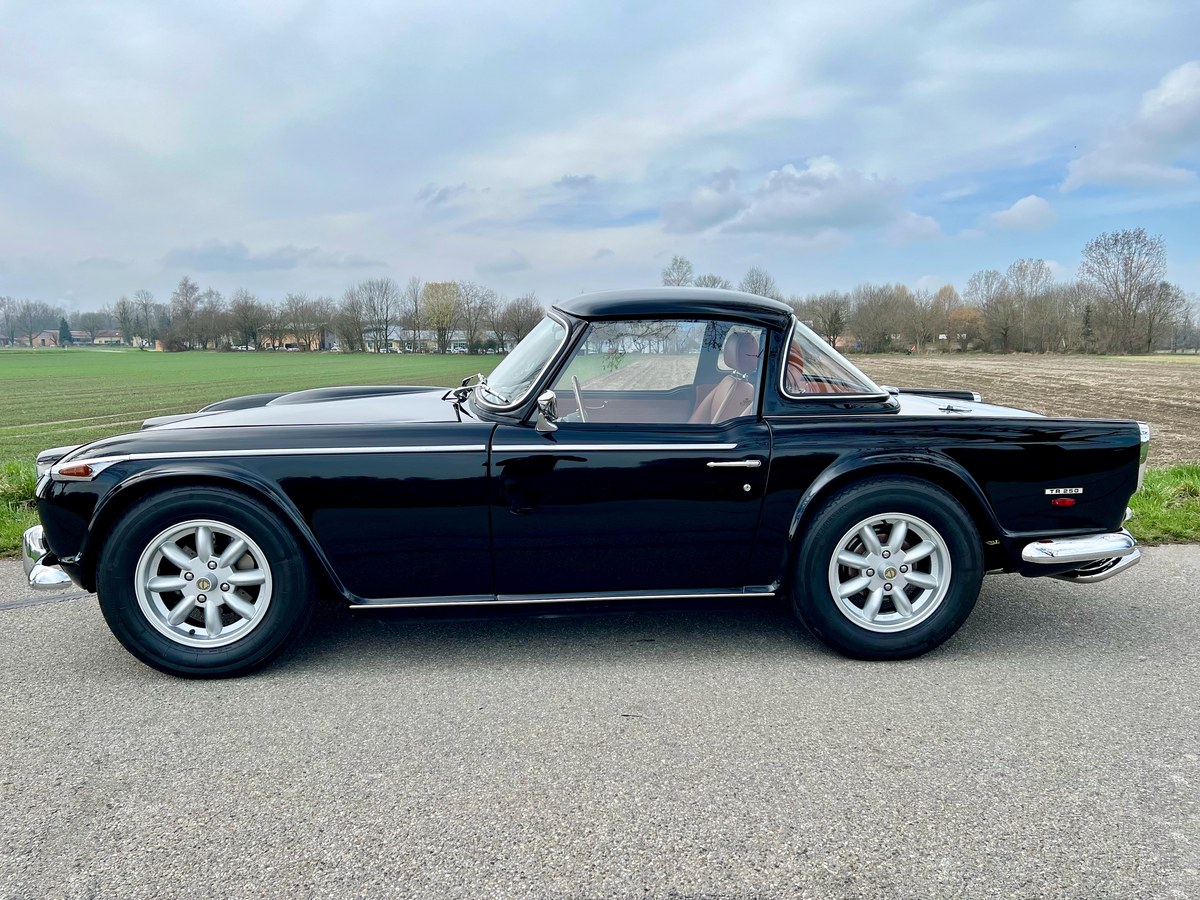
Face and bonnet: a revised egg-crate grille and central power bulge were accentuated by a period bonnet stripe on the TR250.
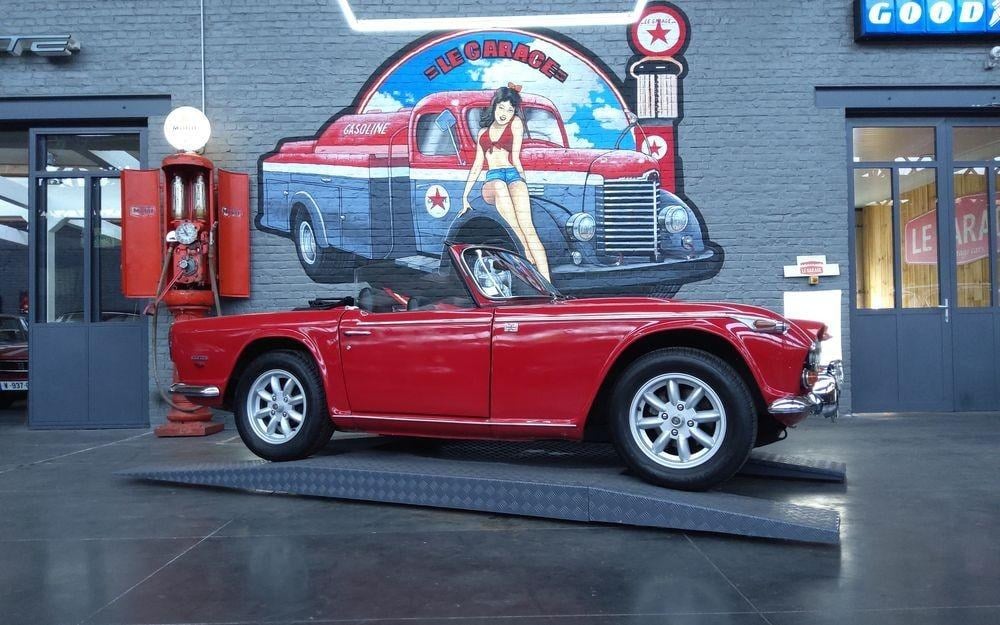
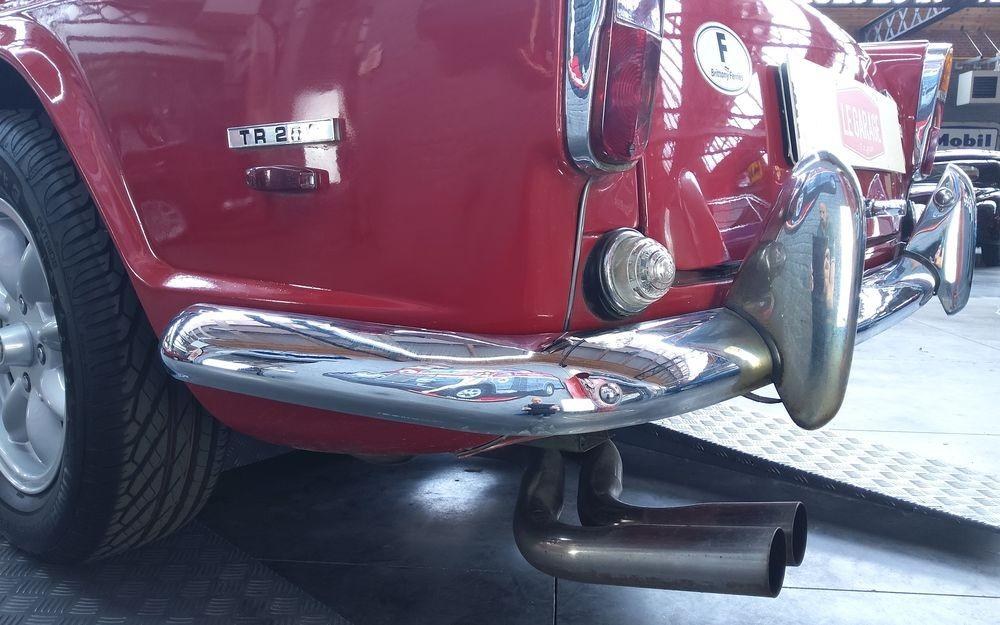
Proportion and stance: a compact wheelbase gave a nimble appearance in tandem with chrome bumpers, simple tail lamps and wire or steel wheels measuring 15 inches.
Options and colours: period solid and metallic paints still look good, while the stripe and badges were specific to TR250 models. The choice of mirrors, wheels and hardtop allowed for further customisation.
Triumph TR250 Interior
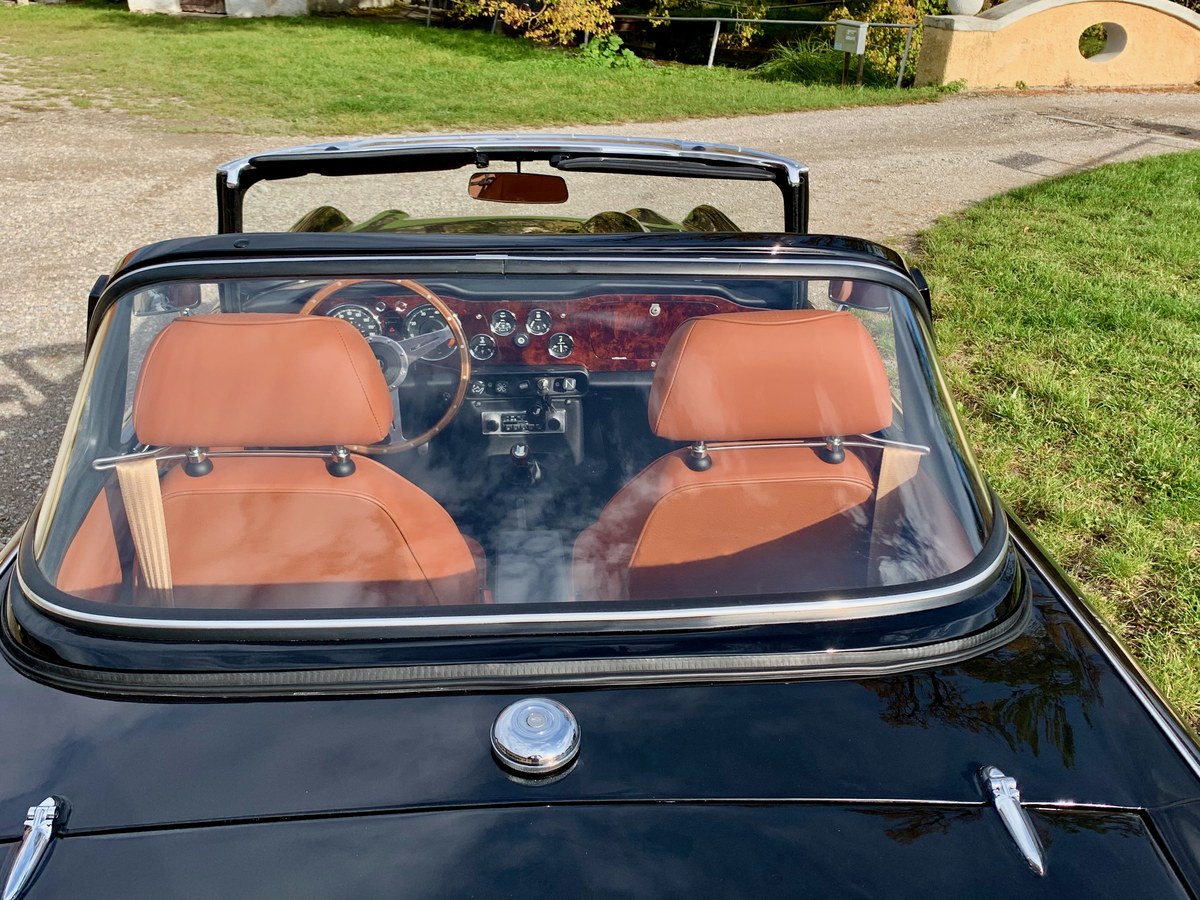
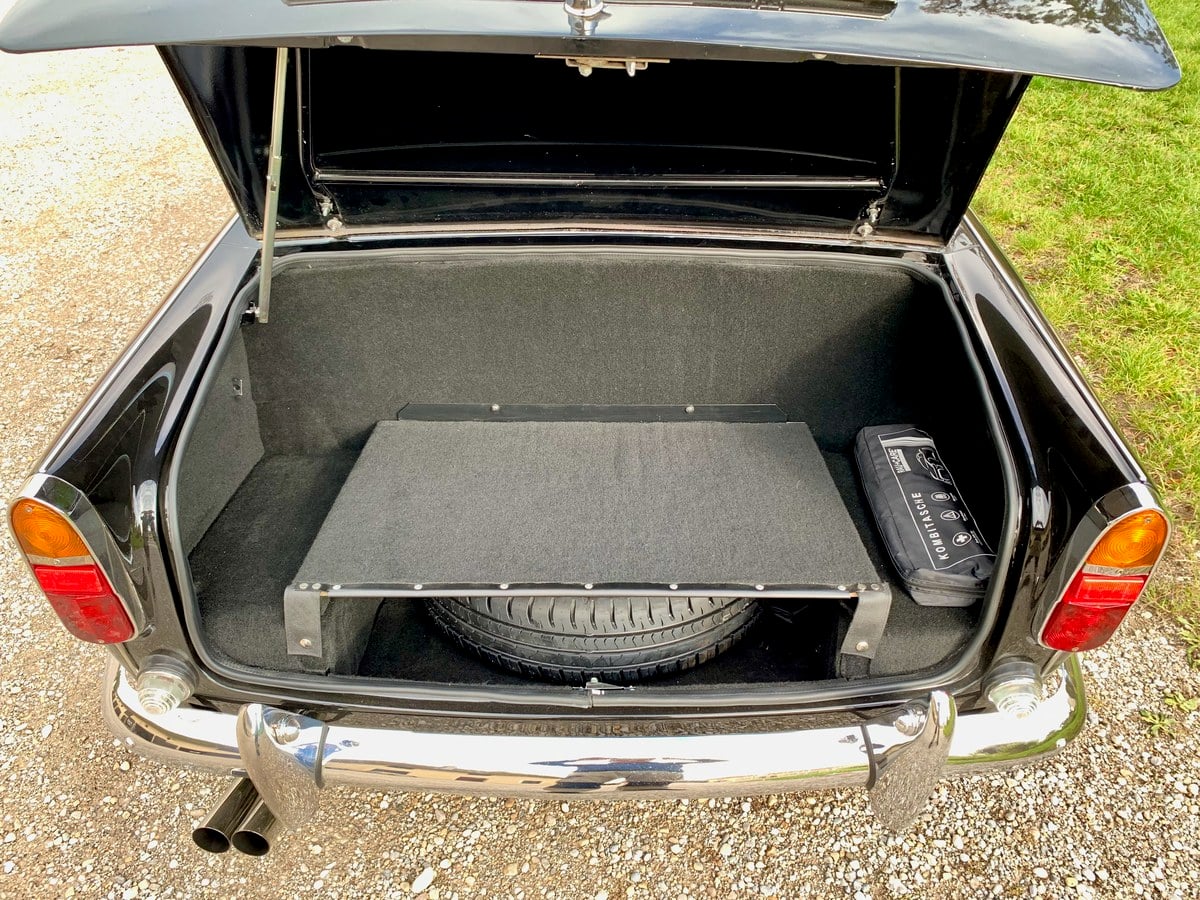
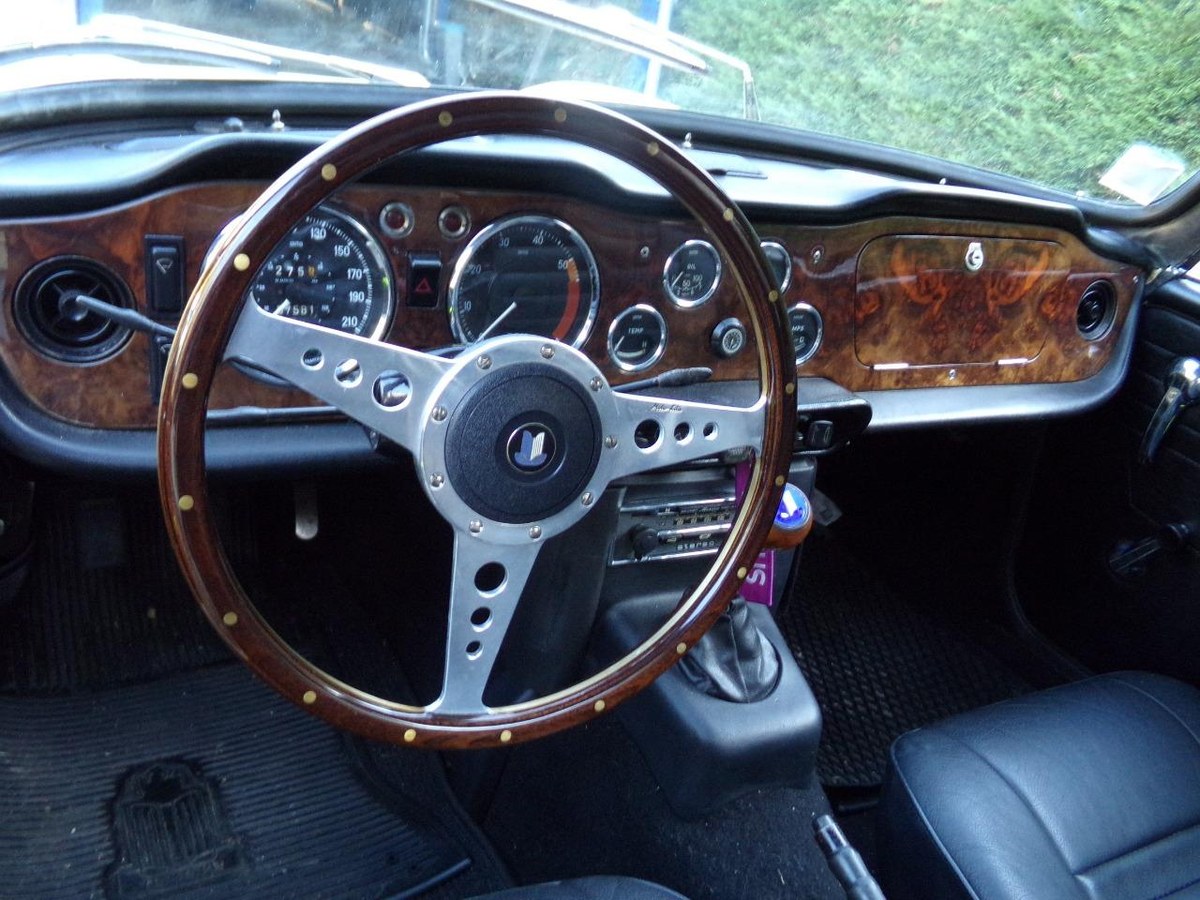
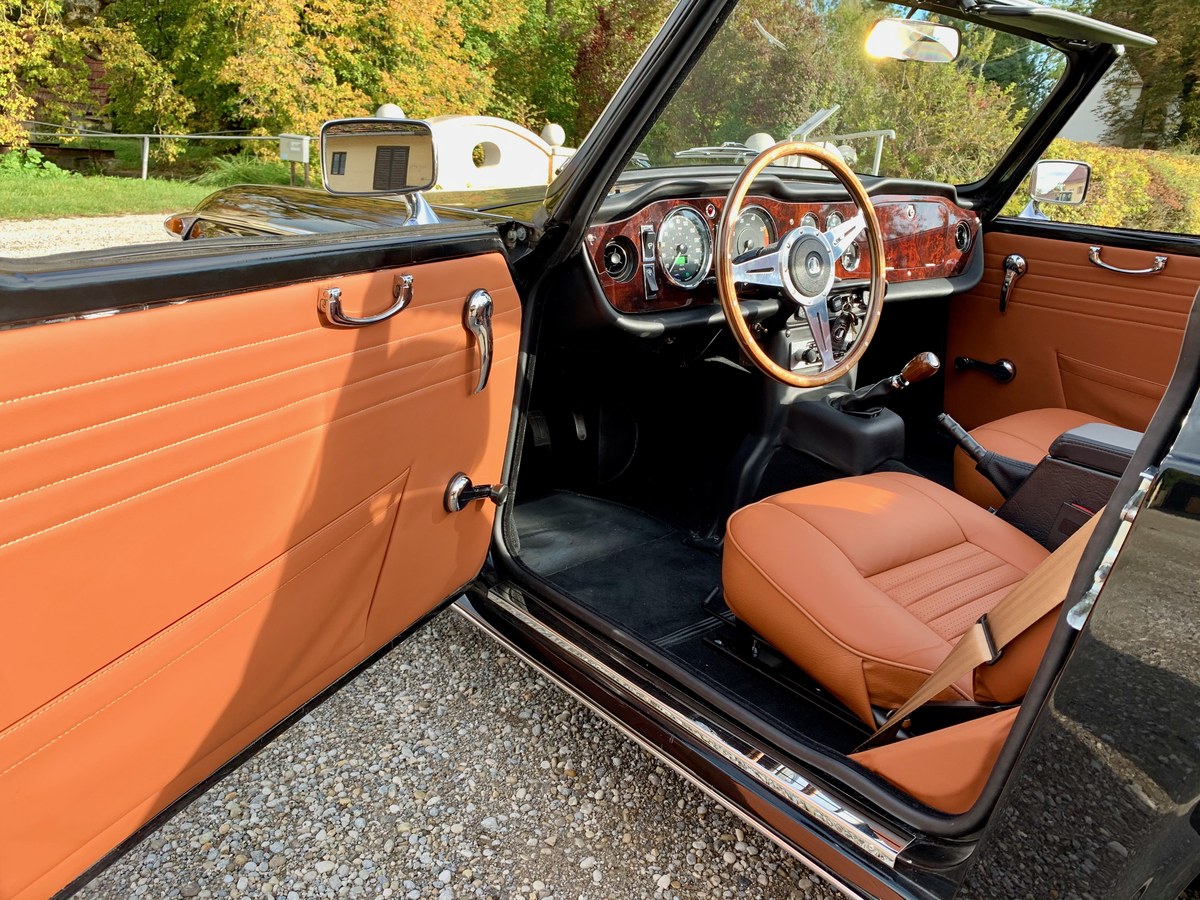
Layout: twin seats face onto a wood-veneer dash with a large central speedo/tachometer and auxiliary gauges. The vinyl seats with piping are entirely of their time, with storage behind them.
Controls: 4-speed manual transmission with optional stalk-mounted overdrive switch. A wood-rimmed steering wheel was common, while simple heater/ventilation controls could be augmented by a removable hardtop for winter use.
Triumph TR250 Safety
The TR250 was released long before modern impact regulations were devised, so safety equipment is minimal by today’s standards. It did have front disc brakes and rack-and-pinion steering, while the late 1960s saw the widespread fitting of seatbelts, and later cars moved towards energy-absorbing columns.
Tendances des prix
Vente la plus récente
27 500 €
1968 Triumph TR250

Actuellement en vente
12
0 enchères en direct
12 annonces



Total vendu
27
Prix de vente le plus élevé
54 950 €
Prix moyen
32 303 €
Prix le plus bas
1 950 €
FAQs
1. What’s the difference between the TR250 and TR5?
They’re the same basic car, but the US-specification TR250 used twin carbs for higher emissions and lower quoted power, whereas the TR5 sold elsewhere in the world received fuel injection.
2. Is overdrive important?
It’s highly desirable, since it drops revs at cruising speed and broadens the car’s touring ability. It also adds value.
3. How rare is the TR250?
Produced for roughly two model years for the US market alone, it is notably rarer than the later TR6, especially in the UK.
4. What should I check when buying?
Pay attention to chassis corrosion, trailing-arm mounts, bulkhead/sills, brake hydraulics, wiring condition and evidence of correct carburettor tuning.
5. Are parts available?
There is excellent support for the engine, chassis and trim, especially since many TR4A/TR5/TR6 components are seamlessly interchangeable into the TR250.