Triumph TR3: Models and Specs
1955–1962 | 2.0–2.1-litre inline-four | Front-engine, RWD | Two-seat roadster | 75,017 built in total
Overview
The Triumph TR3 established the template for affordable British sports car motoring in the 1950s and early 1960s, delivering genuine 100 mph performance alongside proven competition pedigree at prices ordinary enthusiasts could afford. Launched in October 1955 as the evolution of the TR2, it combined improved power and braking with aggressive styling that captured the post-war sporting imagination. Alongside the contemporary MGA, the TR3 represented Britain's answer to affordable sporting motoring, democratising performance that previously demanded exotic machinery. Its simple mechanical specification, robust engineering and straightforward maintenance made it the everyman's sports car and secured its reputation to this day.
Price
- Starting price
- € 2.950
- Average price
- € 24.162
- Price range
- € 2.950 - € 56.042
Specifications
- Production years
- 1955–1962
- Total built
- 75,017 (13,378 TR3, 58,236 TR3A, 3,334 TR3B)
- Body style
- Two-seat open roadster
- Layout
- Front-engine, rear-wheel drive
- Drive
- Separate chassis, live rear axle
Triumph TR3 in Detail
History
Origins and Development
The Triumph TR3 arrived in October 1955 as Standard-Triumph's evolution of the successful TR2 which had already established Triumph's sporting credentials. Chief designer Walter Belgrove and engineer Ken Richardson developed the TR3 to address the TR2's limitations whilst retaining the older car’s simplicity and accessibility. As a result, the proven 1,991cc Standard inline-four engine was carried over, albeit with output increased from the TR2's 90 bhp to 95 bhp and later 100 bhp. Its pushrod architecture seemed old-fashioned even in 1955, but Standard-Triumph prioritised proven durability over exotic overhead-cam complexity.
Girling front disc brakes made the TR3 one of the first production cars to offer this technology as standard equipment from late 1956 onwards. This transformed stopping power and bolstered driver confidence during spirited driving or competition use. The chassis retained the TR2's separate ladder frame, independent front suspension via wishbones and coil springs, and a live rear axle on semi-elliptic leaf springs.
Evolution and Variants
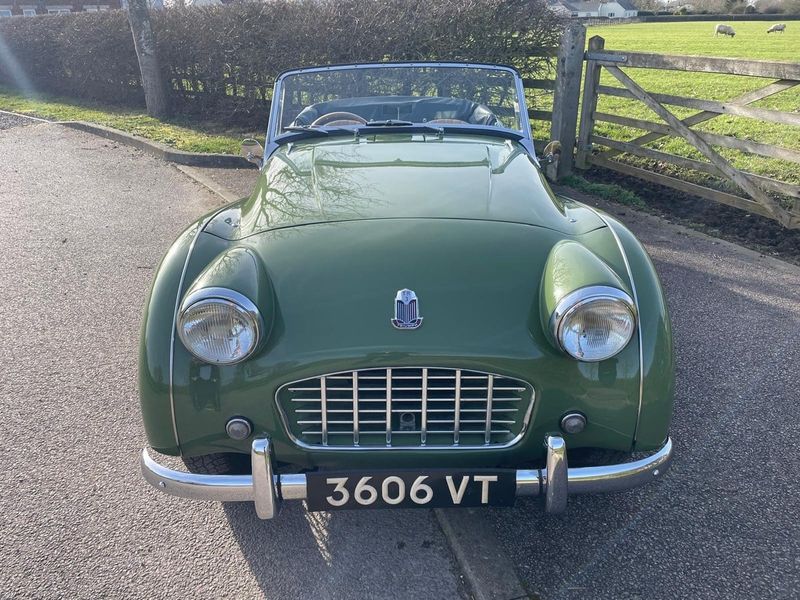
The "TR3A" designation was never official but became universally adopted from 1958 onwards, to describe cars featuring a wider front grille, external door handles, a lockable boot handle and a full toolkit. The TR3A went on to become the best-selling variant with 58,236 examples produced.
The equally unofficial "TR3B" arrived in 1962 as a stopgap measure when American dealers expressed concern that buyers might not accept the then-new TR4's modern styling. This final variant was exclusively built for North American markets, though some subsequently returned home as imports. They featured the TR4's 2,138cc engine alongside an all-synchromesh gearbox and updated mechanicals, all wrapped up within TR3A shells.
Competition Success
Factory-backed entries and privateer TR3 drivers flooded international racing and rallying throughout the late 1950s. The car's lightweight construction and robust mechanicals made it competitive across endurance racing, rallying and circuit racing alike.
Victory at the 1959 12 Hours of Sebring showcased the TR3's combination of speed and durability. Le Mans campaigns throughout 1958/59/60 saw multiple class victories and overall finishing positions in the top fifteen, while the 1958 Monte Carlo Rally victory demonstrated versatility beyond circuit racing.
Cultural Impact and Legacy
The TR3 democratised sporting car ownership by combining performance, simple maintenance and affordable pricing. American markets embraced the TR3 with gusto, with the vast majority of production exported across the Atlantic.
Production ceased in 1962 following the TR4's arrival, though the TR3B's continued availability reflected its lasting appeal. It established Triumph's sporting identity and created an enthusiast community that remains active more than six decades later.
Specifications & Performance
The Triumph TR3's performance combined lively acceleration with robust mechanicals that tolerated enthusiastic driving. Engine development progressed from the original 1,991cc unit to the final American-spec 2,138cc version. Despite using archaic (even at the time) pushrod valve operation, the engines proved to be remarkably durable, with 150,000 miles between rebuilds possible.
Power delivery emphasised low-end torque rather than high-rev thrills, and the optional Laycock overdrive reduced cruising revs while improving fuel economy. The final TR3Bs with their 2,138cc engines and all-synchromesh gearboxes represented the model's performance pinnacle.
Displacement | Power | 0–60 mph | Top Speed |
1,991cc | 95–100 bhp | 10.5 sec | 103–105 mph |
2,138cc | 105 bhp | 10.0 sec | 108–110 mph |
Design and Cabin Identity
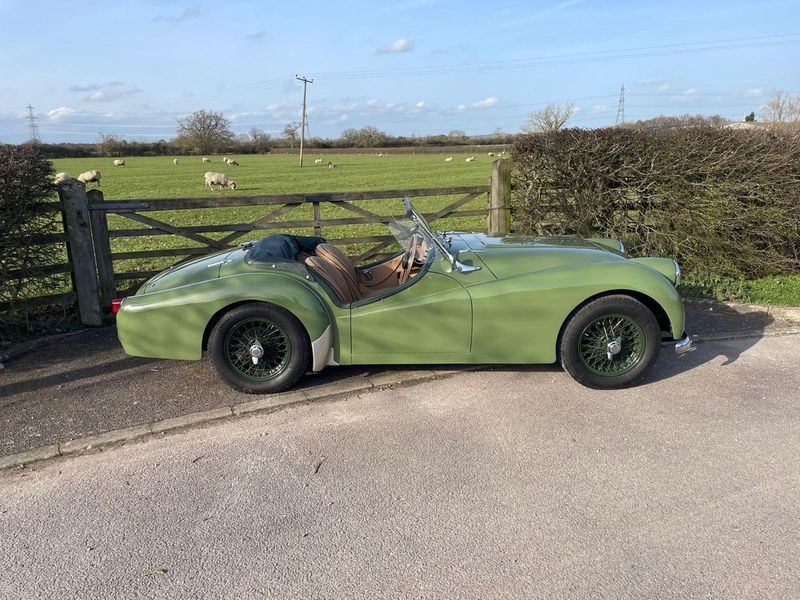
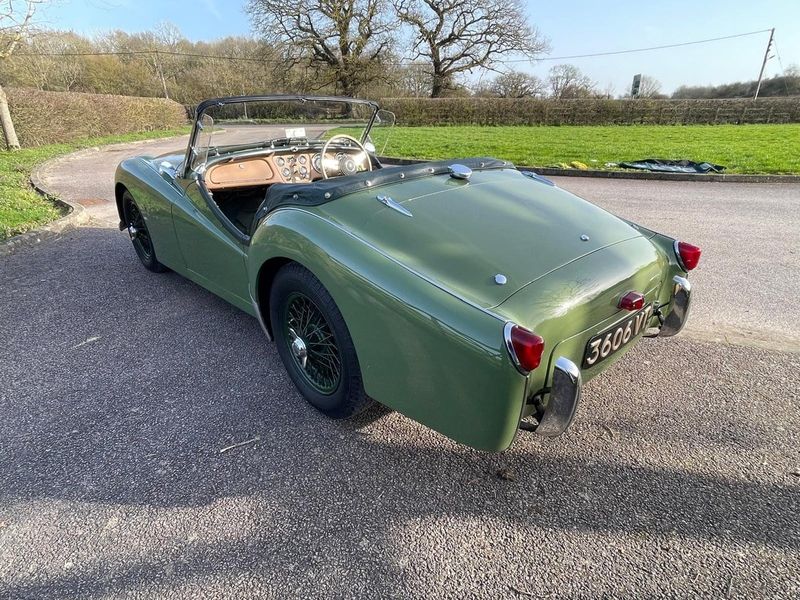
The wide-mouthed TR3 grille (particularly on TR3A variants) gave the car a purposeful appearance that stood in stark contrast to the more delicate MGA on sale at the time. A central bonnet bulge, side vents and cut-down doors emphasised sporting character, while minimal weather protection reinforced the performance-first philosophy - though presumably at the cost of deterring many northern buyers.
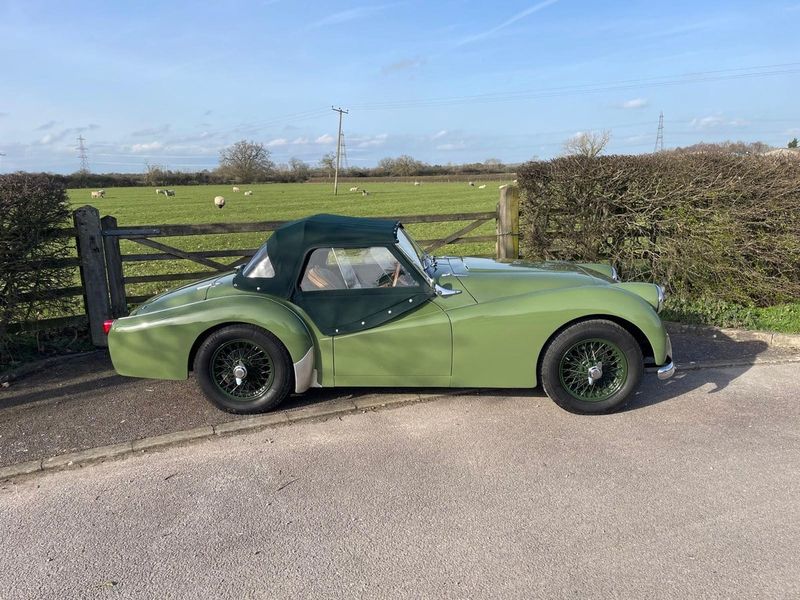
The proportions remained classically British sports car: long bonnet, short tail and a rearward cockpit for optimal weight distribution. Wire wheels added visual lightness and the optional hardtop transformed winter usability. The alternative was a basic folding hood with detachable side screens, whose minimal sealing meant enthusiasts had to put up with a soggy bottom.
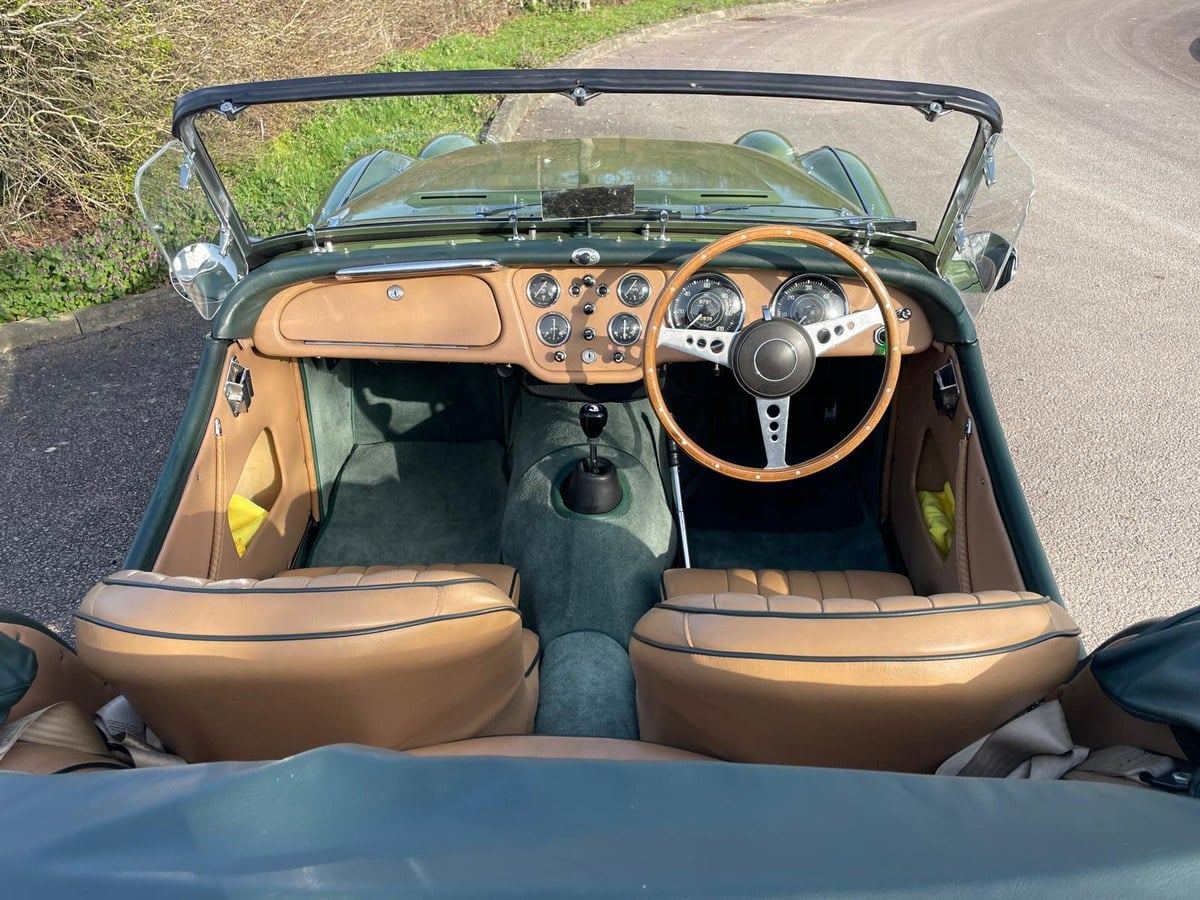
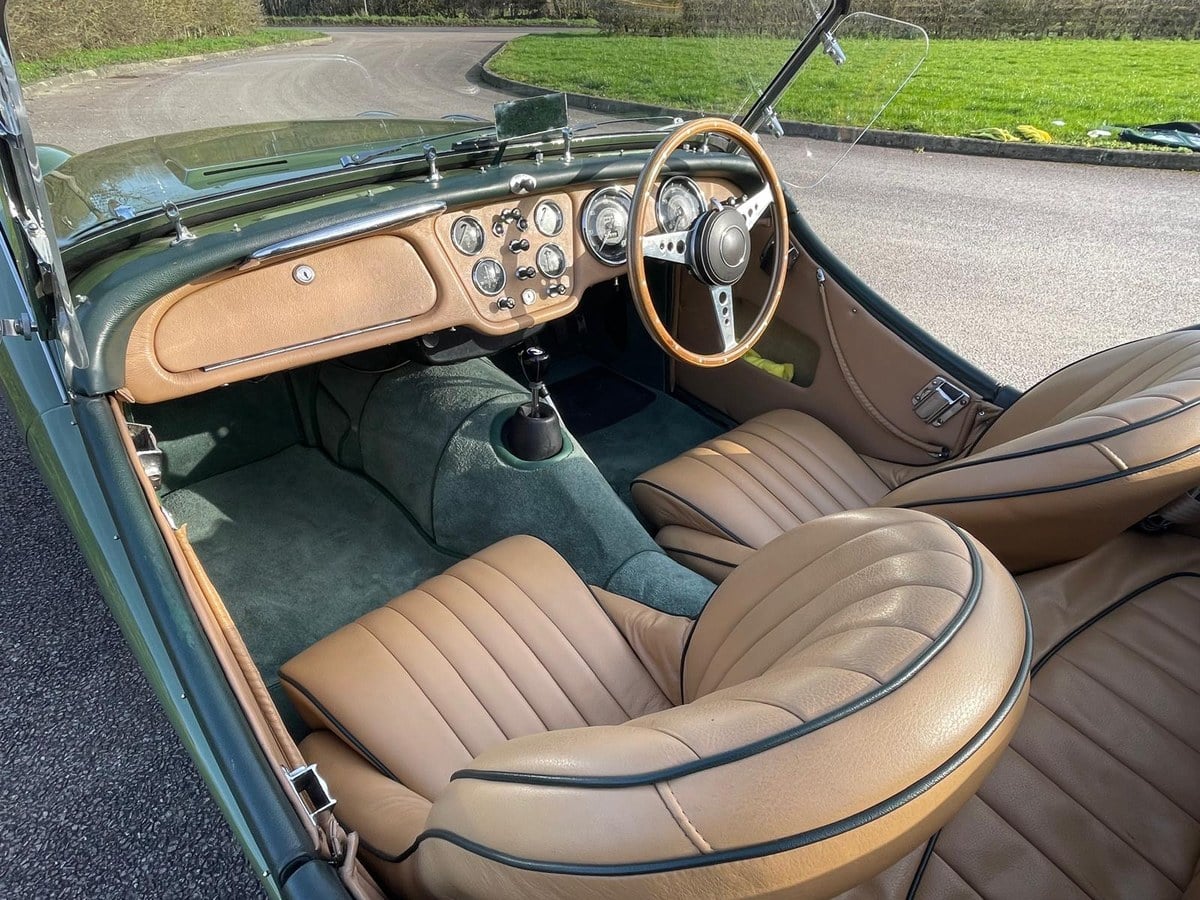
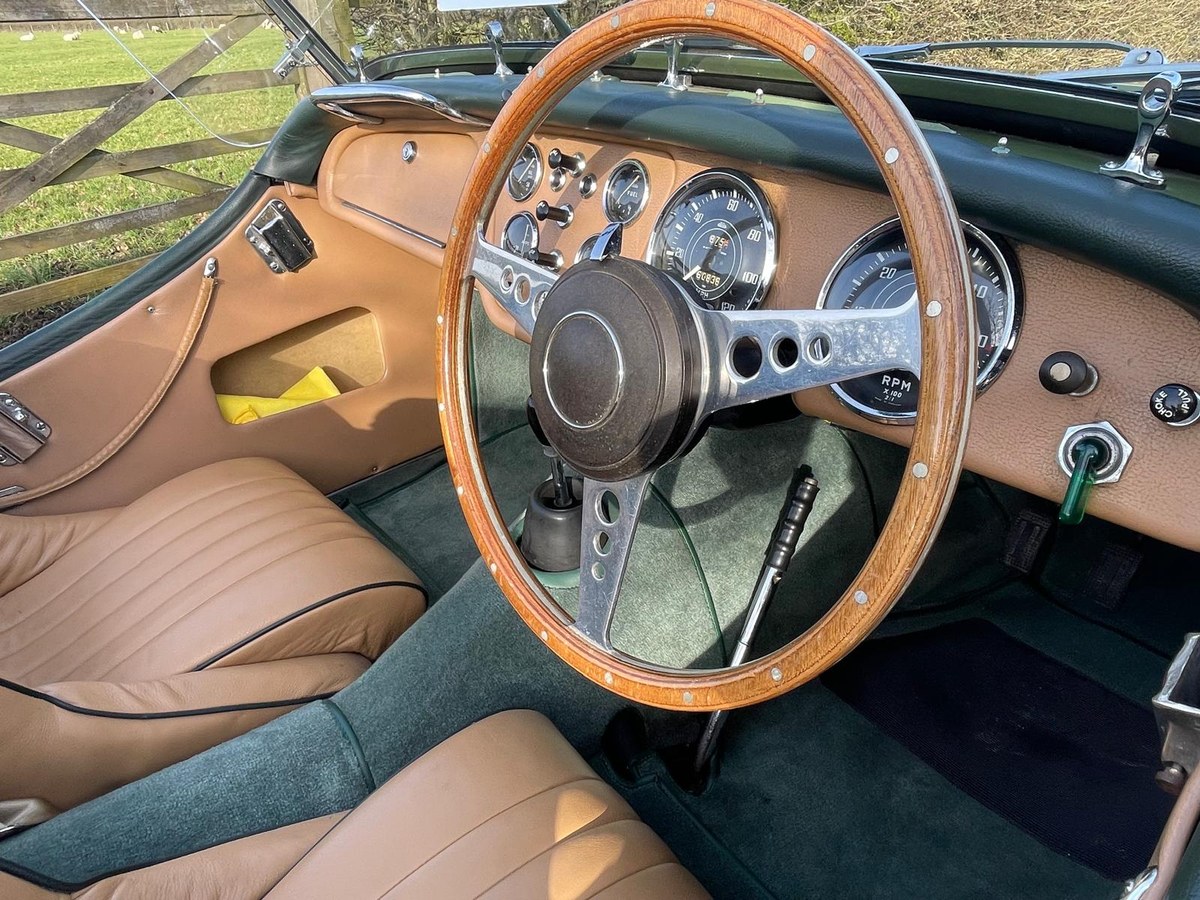
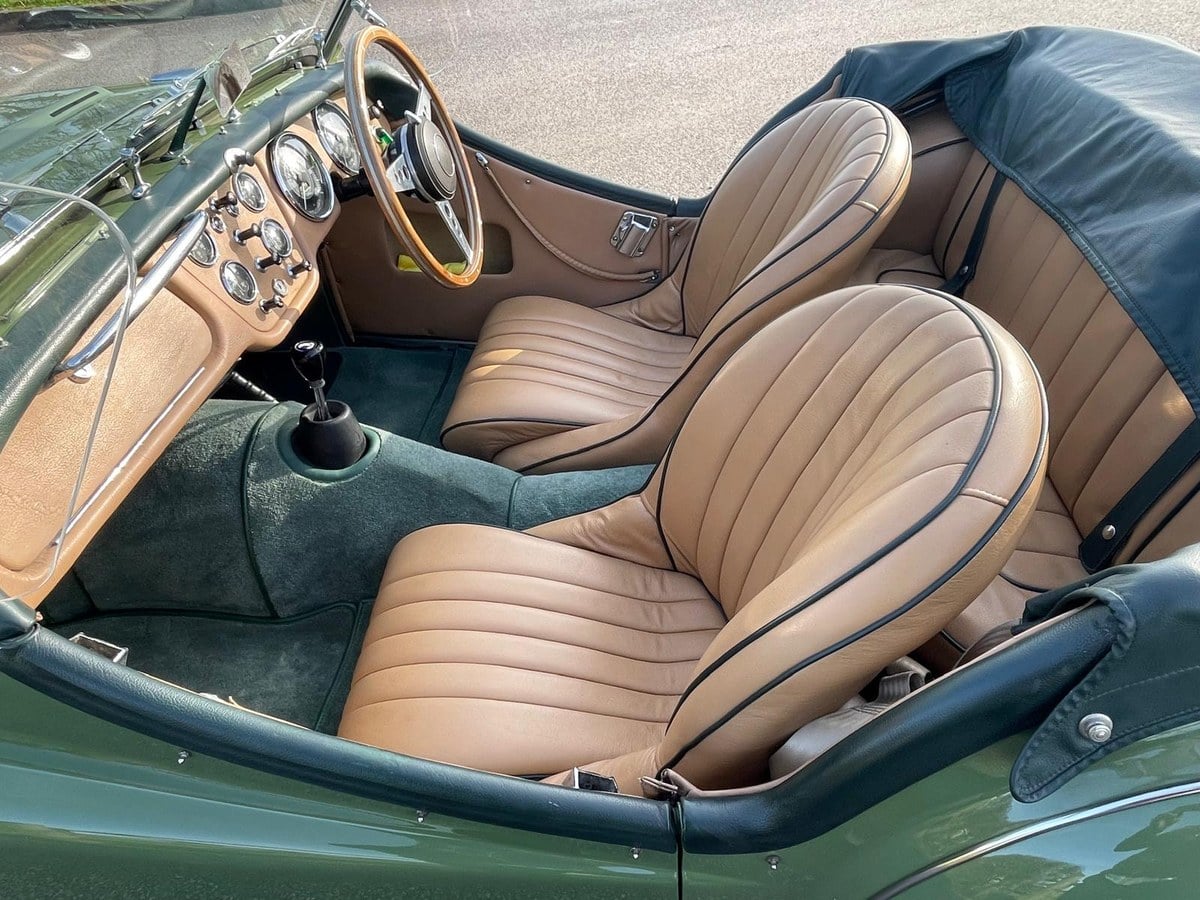
Roof up or down, the TR3 prioritised function over comfort. Simple instrumentation and minimal padding created an environment focused entirely on driving, while the short gear lever became legendary for its precision, allowing gear changes at the flick of a thumb.
Generation Timeline
TR3 (1955–1957)
The original specification incorporated a 1,991cc engine producing 95 to 100 bhp. Front drum brakes were replaced by disc brakes from late 1956.
TR3A (1957–1962)
Distinguished by design details like a wider front grille and external door handles, the unofficial TR3A had the same 1,991cc engine and disc brake specification. This went onto become the third best-selling TR model after the TR6 and TR7.
TR3B (1962)
A final variant built exclusively for the North American market with a meatier 2,138cc engine and all-synchromesh TR4 gearbox wrapped up in TR3A bodywork and styling.
Safety
While the introduction of front disc brakes from late 1956 represented cutting-edge technology, delivering stopping power that exceeded contemporary rivals, this was an age when the TR3’s live rear axle and leaf spring suspension could cause sudden breakaway when cornering thresholds were exceeded. No safety equipment existed beyond a basic structural design which at least was reasonably strong. Pay close attention to tyre quality, particularly on cars which have been stored for a long time.
Pros and Cons
Pros:
Simple and robust mechanical specification aids DIY maintenance
Excellent parts availability through specialist suppliers
Strong enthusiast community and extensive documentation
Engines capable of 150,000 miles between rebuilds
Cons:
Susceptibility to rust across the chassis, floors, sills and body panels
Minimal weather protection and basic interior equipment
Period braking and handling demand skill and anticipation
Feels noisy and harsh
TR3s For Sale
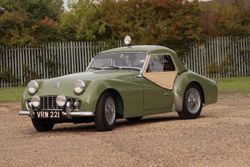
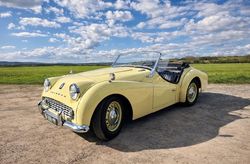
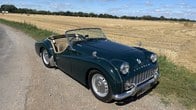
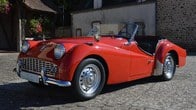
Car & Classic regularly advertises Triumph TR3 and TR3A examples, from project cars requiring comprehensive restoration to exceptional concours-standard examples with competition history.
Prijsontwikkeling
Meest recente verkoop
£ 21.995
1961 Triumph TR3 TR3A (1957-62)
13 sep 2023
Momenteel te koop
142
2 live veilingen
140 advertenties


Totaal verkocht
190
Hoogste verkoopprijs
€ 56.042
Gemiddelde prijs
€ 24.162
Laagste prijs
€ 2.950
FAQs
Is the Triumph TR3 suitable for daily use?
The TR3 can serve as fair-weather daily transport for short journeys where its compact dimensions, lively performance and simple mechanicals prove engaging. However, without the optional hard top, the lack of weather protection and modern conveniences make all-weather use challenging.
What are typical running costs?
Running costs remain manageable by classic car standards due to inherently simple mechanical specifications and excellent parts availability. Routine servicing should be straightforward, with annual maintenance budgets of £400–£800 covering typical requirements including oil changes, brake adjustments and lubrication. However, chassis and bodywork restoration escalates costs dramatically and full restorations can reach £25,000 depending on the car’s initial condition.
Are parts available for the Triumph TR3?
Parts availability ranks amongst the best for any 1950s British sports car, with the TR3's large production numbers helping to keep reproduction parts affordable and readily available. Engines, gearboxes, suspension and brakes shared many parts with other Standard-Triumph models, and body panels range from readily available reproduction items to New Old Stock components commanding premium prices.
Which Triumph TR3 makes the best first classic?
For accessible entry into classic British sports car ownership, a disc-brake TR3A with optional overdrive represents the optimal balance of usability, parts availability and value. The TR3A specification brought incremental improvements like external door handles and better trim without diluting the TR3's character. Disc brakes transform confidence and safety, while overdrive has a similar effect on performance and cruising comfort, effectively giving drivers a seven-speed gearbox to play with. The rare TR3B commands premium prices and limited availability, making it more suitable for experienced collectors.
How does the TR3 compare to the MGA?
The Triumph TR3 and MG MGA were the two dominant British sports cars of the late 1950s. The TR3 emphasised raw performance and accessibility with quicker acceleration and simpler mechanicals, whereas the MGA countered with more sophisticated styling and better weather protection. Running costs are also comparable, though values typically favour the MGA due to its more popular styling.