Volvo 240: Models and Specs
1974–1993, four-cylinder petrol/diesel and turbo petrol engines, front-engined, rear-wheel drive, saloon/estate/coupé.
Overview
Few cars are as iconic or as enduring as the Volvo 240. This globally recognised safety-led family car helped to cement Volvo’s reputation for durability and occupant protection.The remarkable number of 240s still on the roads serve as a testament to the unburstable mechanicals used in this Swedish executive car range. Descended from the earlier 140 Series, the 240’s stronger safety focus and more angular design gave it a distinct identity. Produced for 19 years and selling more than 2.8 million units, the 240 was always practical, robust and rational. Its huge bumpers and scowling headlights prioritised safety and durability, and even the slightly softer face and interior of later models didn’t make any concessions to fashion or performance - though Turbo models could be surprisingly rapid. The Volvo 240 became shorthand for the classic Volvo formula: boxy, safe, durable, family-friendly and quietly capable. Without it, there would have been no adverts showing 340s driving out of office buildings, and the legendary crash test dummies wouldn’t have educated generations of car buyers about the importance of safety. Indeed, the 240 still shapes how many people think about Volvo estates and saloons today, with the recently reintroduced V60 and V90 models directly tracing their lineage back to this Seventies icon.
Price
- Starting price
- 644 zł
- Average price
- 5 640 zł
- Price range
- 644 zł - 38 264 zł
Specifications
- Production years
- 1974–1993
- Body styles
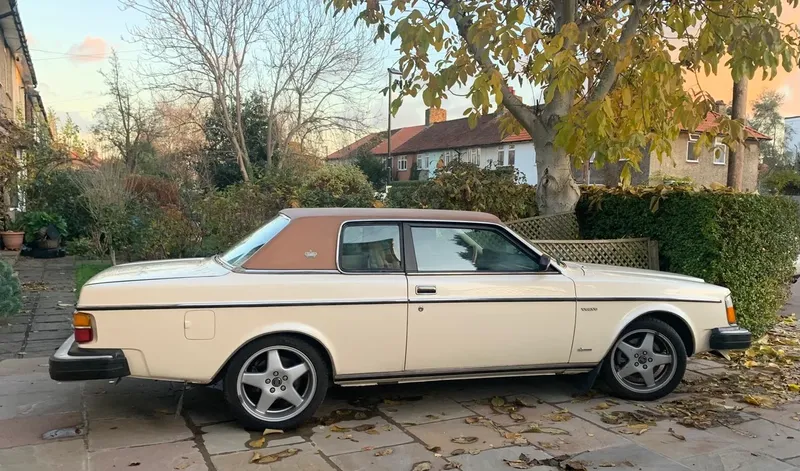
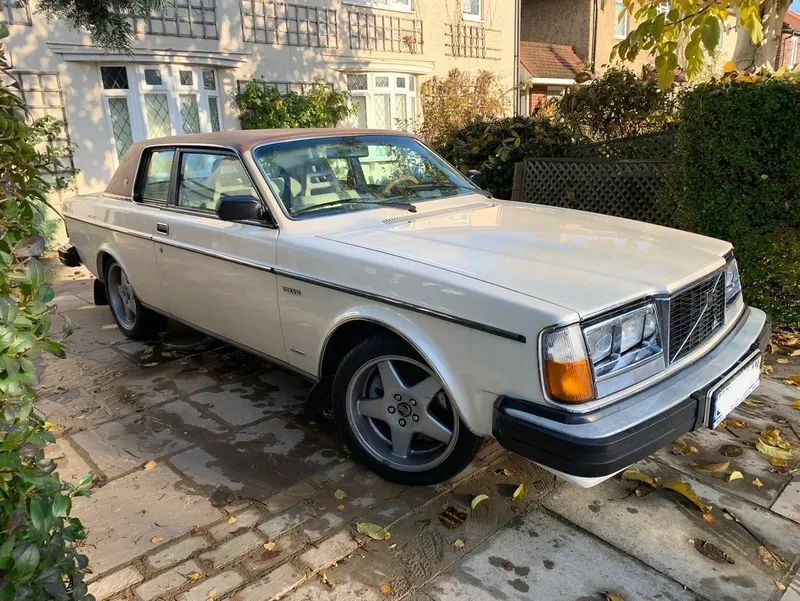
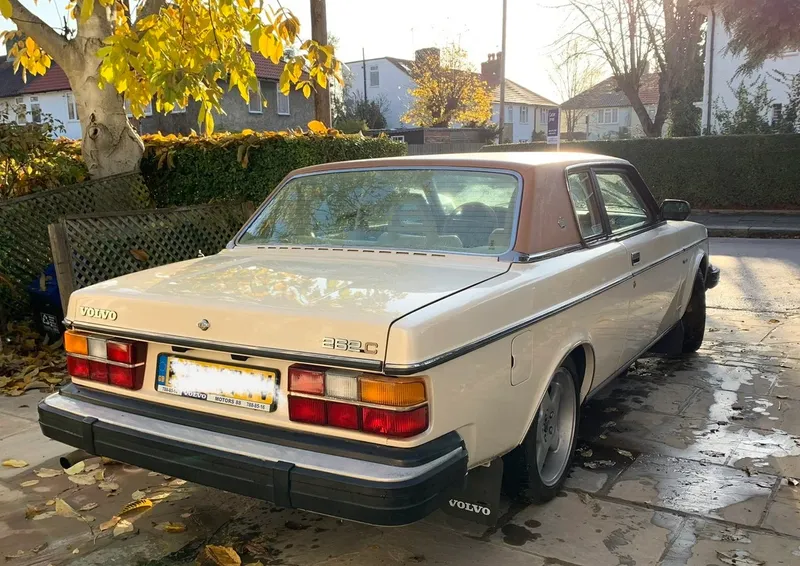
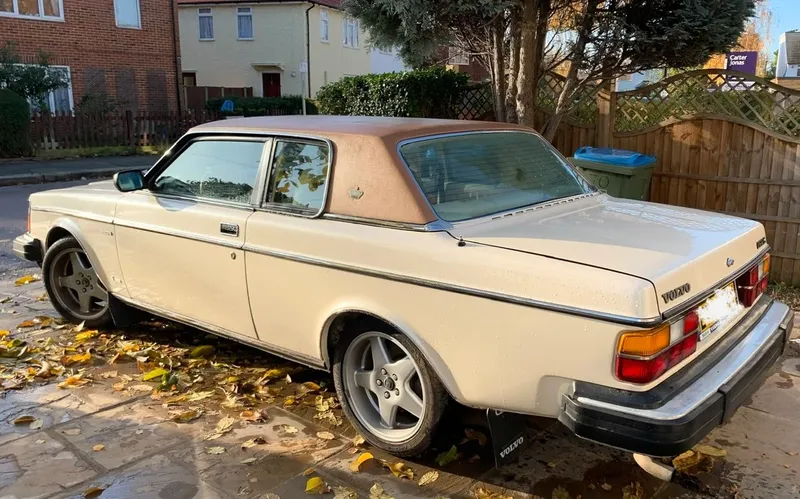
- Two-door coupé, four-door saloon/estate
- Layout / drive
- Front engine, rear-wheel drive
- Engine family
- Four-cylinder petrol/turbo/diesel
- Transmission
- Manual, automatic
Volvo 240 in Detail
The Volvo 240 was introduced in 1974 as part of the wider 240 and 260 family - the latter named after their six-cylinder engines. Although it owed some of its basic body concept to the 140 Series, the 240 brought substantial changes and was shaped by Volvo’s safety research.
The 240’s engineering identity was built around the front-engine, rear-wheel-drive layout typical of the 1970s. Its four-cylinder petrol engines became central to the car’s reputation, especially the long-lived Volvo redblock family. Diesel versions were also offered, and the turbocharged 240 launched in 1981 added a performance dimension without changing the car’s underlying solidity.
The saloon gave Volvo a conservative and practical family car, while the estate became one of the most recognisable Volvo shapes ever made, with the inevitable antique dealer associations. Ironically, the car’s flat surfaces, long bonnet and extended rear end were purposeful rather than accidental, designed around space and passenger safety rather than styling theatrics.
The 240 also became an unusually long-running model by the revolutionary standards of the car industry. It remained in production until 1993, overlapping newer Volvo ranges and outlasting many more modern-looking rivals launched in its lifetime. That longevity is central to the car’s identity: the 240’s usefulness, safety reputation and mechanical honesty kept it relevant for nearly two decades.
The Volvo 240’s performance evolved from modest naturally aspirated four-cylinder family-car pace to stronger fuel-injected and turbocharged versions. Volvo’s four-cylinder petrol engines did most of the heavy lifting, with diesel engines ideal for slogging up and down motorways and the B21ET turbo engine adding a relatively sporting edge.
Item | Model-wide range |
Engine family | Volvo four-cylinder petrol and turbo petrol engines, 2.0–2.3 litres; diesel engines up to 2.4 litres |
Power range | 82hp–155hp |
Top speed | 100mph–121mph depending on engine, market and body style |
For its time, there was nowhere safer to sit than in the superbly comfortable seats of a Volvo 240. Its long bonnet, upright cabin, flat sides and squared-off rear were a classic three-box shape which became almost a brand symbol. The vast estate is especially iconic, reprising the same simple surfaces and thick pillars with an even larger glass area.
Volvo’s own description of the 240’s design stressed that its flat surfaces and elongated form were tied to safety and interior space, rather than cost or style. Style certainly wasn’t dominant in a rather Brutalist cabin, where visibility, durability, luggage capacity and straightforward controls were all prioritised over fashion or comfort. Yet having worn the decades very well, the 240’s cabin remains practical, protective and unmistakably Swedish in origin.
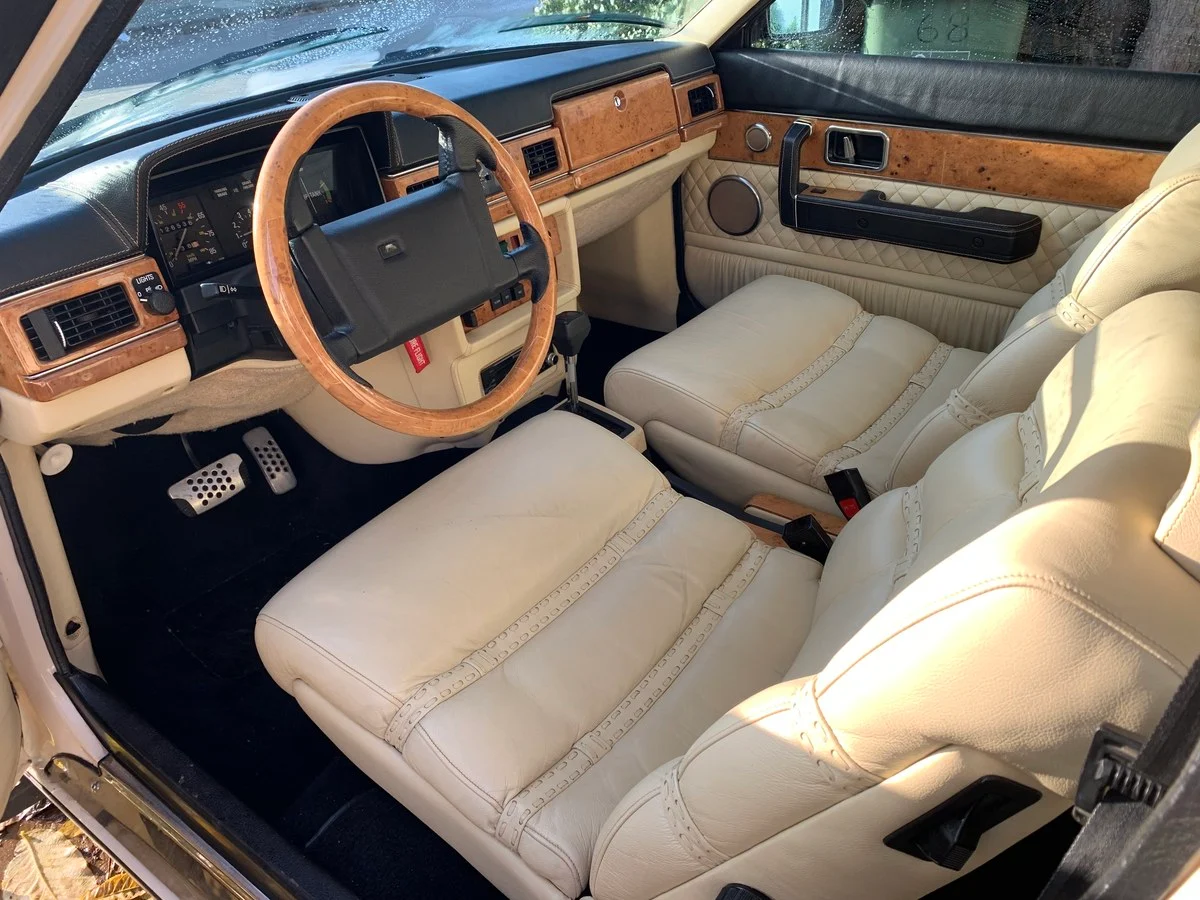
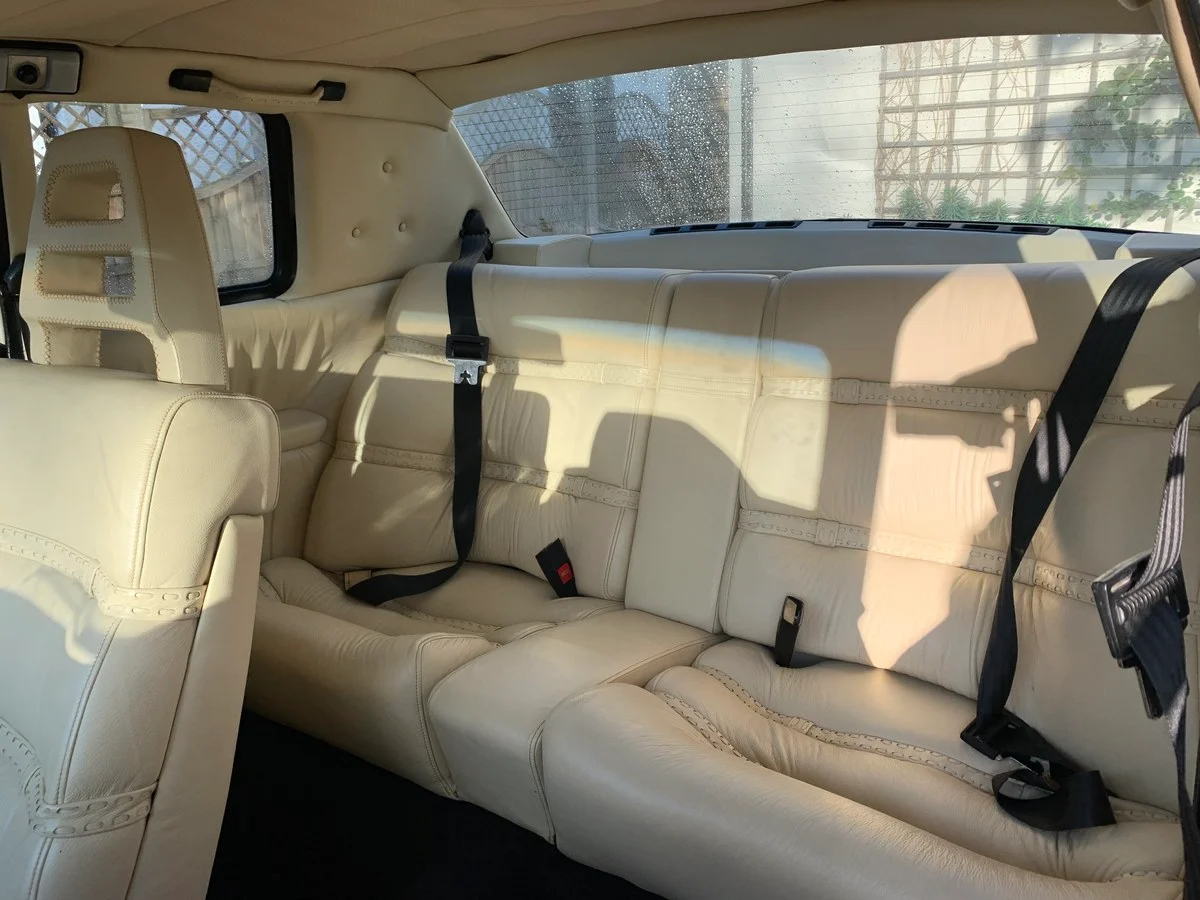
The Volvo 240 defined safety for many motorists, even though it launched in the pre-electronics safety era. Its safety philosophy was based on structural protection, excellent visibility and strong brakes, while its impact protection was second to none for the time. Later-market 240s gained features such as ABS and driver airbags, but by this time, Volvo was into its SIPS and WHIPS era and the 240 couldn’t be retrofitted with these new developments.
Volvo 240 Early Series: The first phase established the 240 as Volvo’s modern safety-led family car, evolving from the 140 Series with new front-end engineering and a stronger safety identity.
Volvo 240 Mid-Series: The rectangular-headlamp middle period broadened the model’s reputation by retaining the saloon and estate (though the coupe was dropped in 1981) and introducing turbocharged performance.
Volvo 240 Late Series: The final phase kept the 240 in production into the early 1990s, with a slightly softer design than its 740 stablemate and welcome safety/equipment updates, while preserving the same core layout and character.
Pros
Safety-led design and space-focused packaging are central to the car’s identity.
Durability reputation makes the 240 a practical classic choice, with many models still on the roads in broadly original condition.
Turbo versions add a distinctive performance element to an otherwise very sensible family car.
Cons
Many examples were treated as everyday workhorses, so model condition can vary widely.
Rear-drive handling becomes tricky in the wet, especially in tandem with numb power steering.
The severely angular styling isn’t to all tastes.
Trendy cenowe
Ostatnia sprzedaż
5990 £
1983 Volvo 240
7 sty 2020

Obecnie na sprzedaż
19
0 aktywnych aukcji
19 ogłoszeń


Łącznie sprzedanych
52
Najwyższa cena sprzedaży
38 264 €
Średnia cena
5640 €
Najniższa cena
644 €
FAQs
The Volvo 240 is one of the most practical classic cars you’ll find on our website. It was designed and manufactured as an unburstable long-term companion, and Volvo’s build quality was legendary. A well-maintained 240 can go round the clock several times and still look solid, by which point rivals would have disintegrated or been rebuilt one component at a time.
By the end of production, every model was a 240 with a different trim level (DL, GL, GLT, etc), whereas earlier versions had a slightly different model hierarchy. The first number referred to the series, the second described the number of cylinders and the third related to how many doors it had. Coupes had two doors, saloons had four and estates had five, so a 245 was a four-cylinder estate while 262 denoted the short-lived six-cylinder coupe.
Volvo 240 running costs can be low by classic standards because the car uses robust, familiar mechanicals and has good parts support. Costs still depend heavily on condition, body style, engine and previous maintenance, especially because many cars were used as long-term workhorses. Parts availability is one of the Volvo 240’s ownership strengths, but beware rust on any example you’re viewing.
The best first Volvo 240 is usually the soundest, most complete example rather than the rarest or most powerful one. For most buyers, a well-maintained naturally aspirated saloon or estate makes more sense than a neglected project or a high-demand Turbo, because condition and maintenance history matter far more than trim level or age.
The Volvo 240 estate has a different body style and a stronger load-carrying identity, but it shares the same rear-wheel drive, safety-led design and durable Volvo engineering. The estates offer huge load-carrying capacity, which means they’ve often led a harder life than an equivalent saloon.