Volvo Amazon: Models, Specs and Buyer’s Guide
Core Specs: 1956–1970 • 1.6–2.0L inline-four (B16/B18/B20 engines) • 60–118 bhp
Volvo Amazon Overview
Many of the virtues which have become synonymous with Volvo over the last half-century can be traced even further back to the launch of the Amazon in the mid-1950s. This was the car which first defined Volvo as a manufacturer of sturdy and secure three-box saloons and estates, laying the foundations for the iconic 140 and 240 models to come. Introduced in 1956 and sold until 1970, the Volvo Amazon featured a clean and modern design, expanding from the original four-door saloon style to additionally encompass a two-door saloon and the practical P220 estate with its split tailgate. The name Amazon was only used in the Nordic countries, so UK buyers knew the car as either the 121, 122S, 221 or 222. The limited-edition 123GT of 1967 added a sporting edge to an otherwise prosaic range. Across the car’s lifetime, Volvo produced 667,332 Amazons, before phasing out the four-door in 1966 as its 144 successor arrived. The latter inherited many of the Amazon’s headline safety attributes, including the modern three-point safety belt. Indeed, the Amazon’s reputation for stout construction and stable road manners evolved from that same ethos of pragmatic engineering, explaining why so many remain on the roads today.
C&C Expertise
Before Volvo was synonymous with safety, the Amazon pioneered the three-point seatbelt as standard: a world first. But this car is more than just a safety pioneer; it's stylish, well-built and devastatingly effective on the rally stage. Even today, Amazons are in high demand for historic motorsport, especially the three-door shells. Their engines are exceedingly robust and eminently tunable. If you’re searching for a year-round usable classic, look no further.
Volvo Amazon Price
- Starting price
- € 1.719
- Average price
- € 11.434
- Price range
- € 1.719 - € 30.000
Volvo Amazon Specifications
- Production Years
- 1956–1970
- Body Type
- 2- & 4-door saloons, 5-door estate
- Layout
- Front-engine, rear-wheel drive
- Engines
- 1.6–2.0 L inline-four (B16/B18/B20) • 60–118 hp
- Transmission
- 3-/4-speed manual (OD optional) • 3-speed automatic
Volvo Amazon in Detail
Volvo’s 120 Series debuted in 1956 as a roomier and safer successor to the much-loved PV444/544 ranges. The four-door Amazon bowed out in 1966 when the 144 arrived, while the two-door and estate models continued on sale. 1967 saw the Amazon receive a reputational boost courtesy of the sporting 123GT, featuring a high-output engine and overdrive. Production concluded in July 1970, by which time 667,332 Amazons had been built.
The Amazon consistently balanced durability with respectable performance, retaining core themes such as its front-engine and rear-drive layout, a robust coil-sprung live rear axle, and the availability of overdrive for relaxed high-speed cruising. Representative performance figures from key models are listed below.
Model (test year) | Engine | 0–60 mph | Top speed |
Volvo 122 (1962) | 1.8-L B18 (90 bhp) | 14.4 s | 94.7 mph mean (99.5 best) |
Volvo 122S Automatic (1966) | 1.8-L B18 (auto) | 15.8 s | 90 mph |
Volvo 123GT (1967) | 1.8-L B18B (115 bhp) with overdrive | 10.0 s | “100+ mph” class |
The Amazon was constructed on a 2,600 mm wheelbase, with minimal differentiation between the dimensions of saloons and estates, as outlined below.
Era / Model (representative) | Wheelbase (mm / in) | Length (mm / in) | Width (mm / in) | Height (mm / in) |
Early 4-door (P120) | 2,600 / 102.4 | 4,450 / 175.2 | 1,620 / 63.8 | 1,505 / 59.3 |
2-door (P130) | 2,600 / 102.4 | 4,445 / 175.0 | 1,620 / 63.8 | 1,505 / 59.3 |
Estate (P220) | 2,600 / 102.4 | 4,490 / 176.8 | 1,620 / 63.8 | 1,505 / 59.3 |
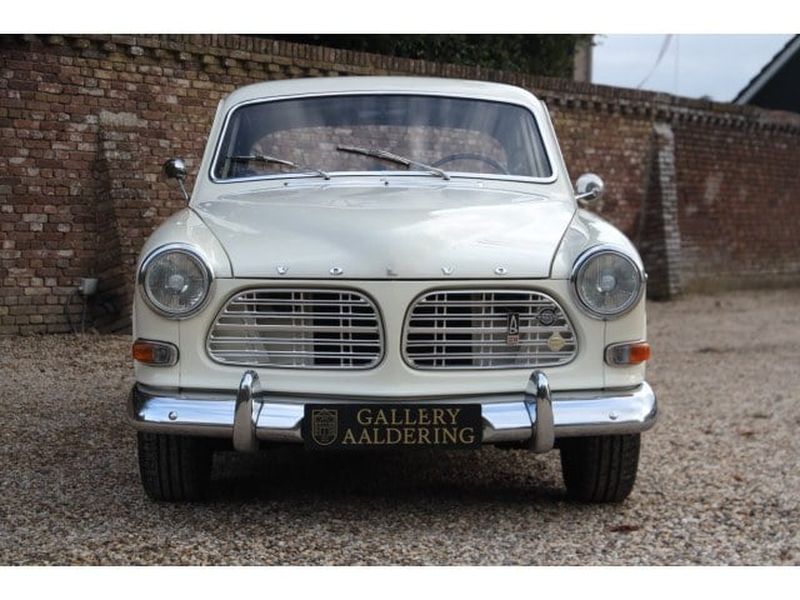
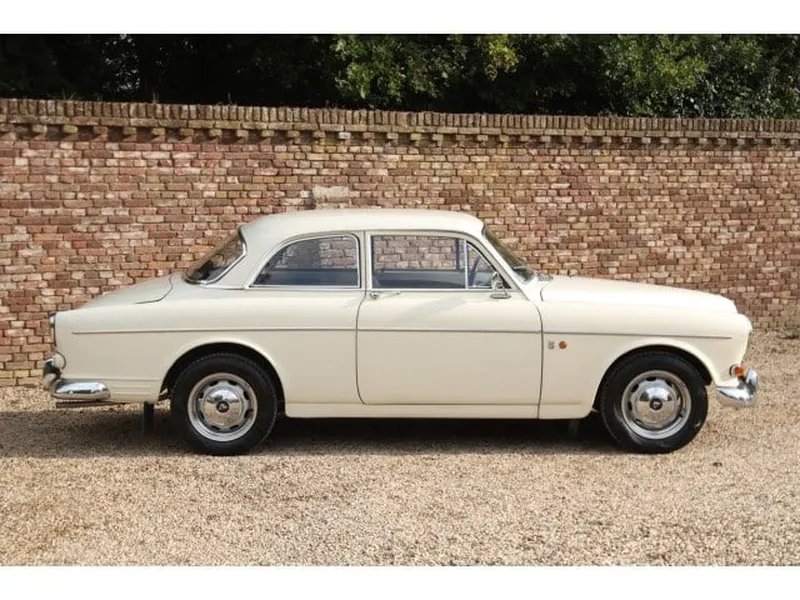
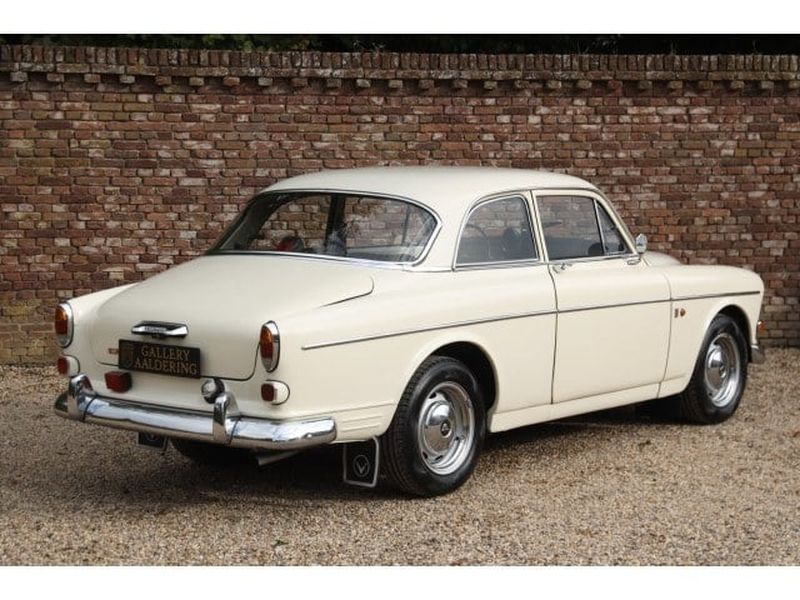
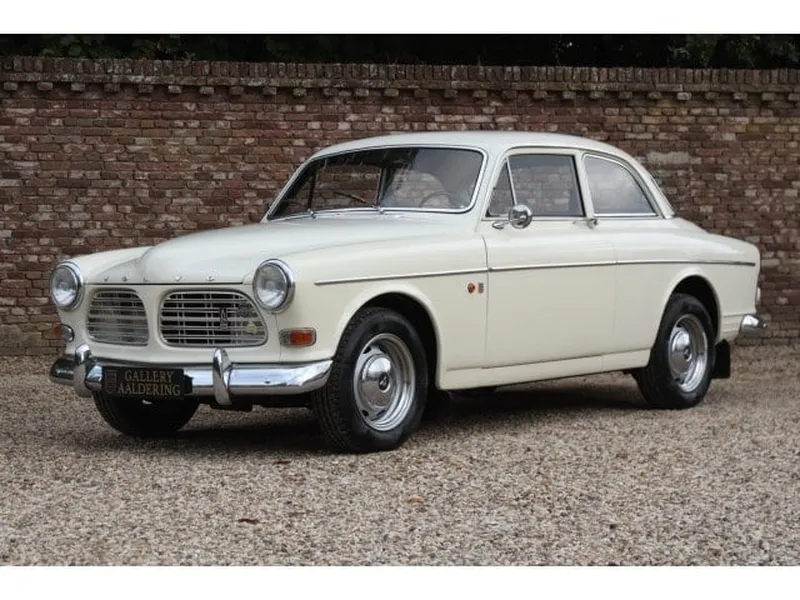
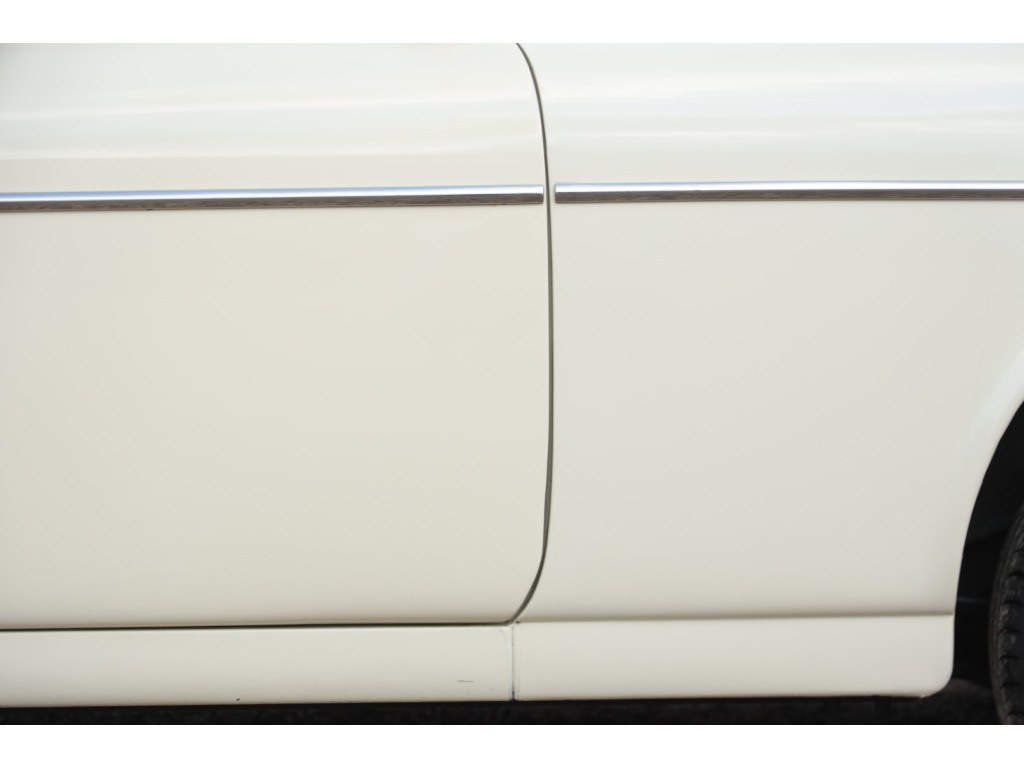
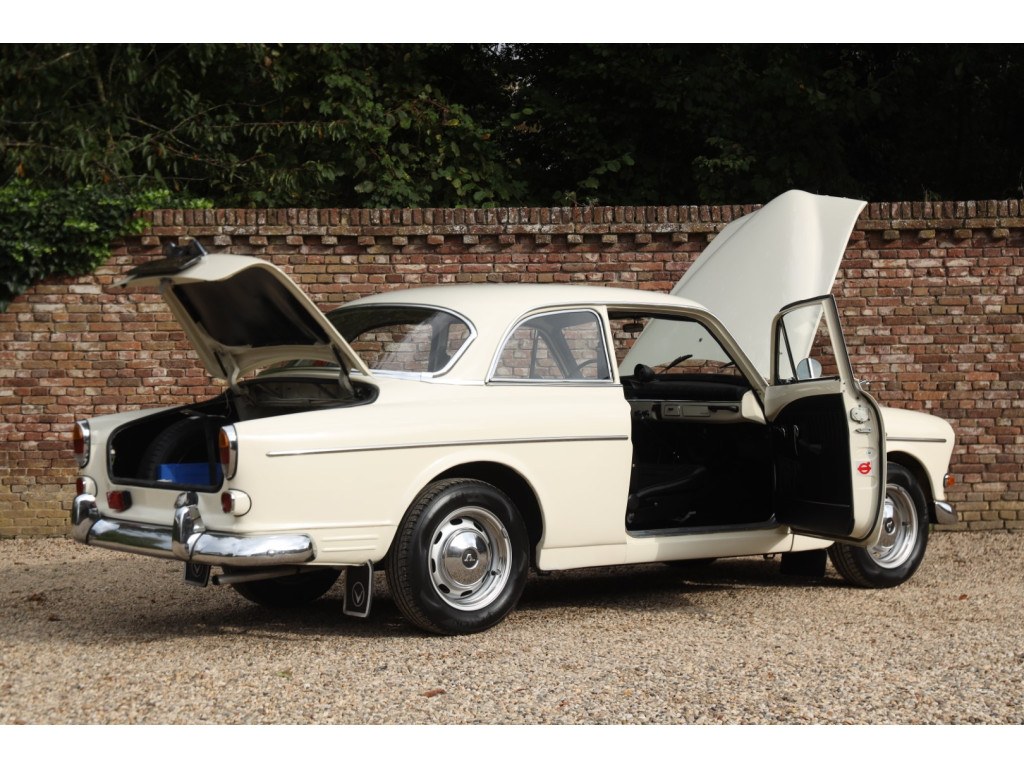
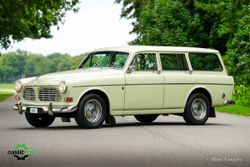
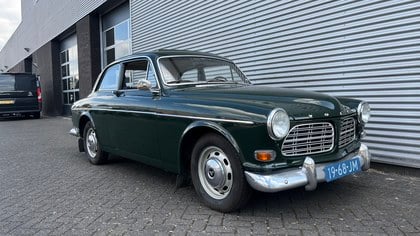
Clean, restrained, and purposefully upright, the Amazon was a curvy precursor of the boxy designs to emerge from Volvo’s design studios in subsequent decades. Jan Wilsgaard’s crisp ponton body with subtle tailfins and a strong shoulder line favoured visibility and everyday usability over ornamentation. Large glass segments and thin pillars defined the saloons, while the estate’s split tailgate added practicality with its drop-down lower section ideal for loading heavy objects.
Three-box form with Volvo’s signature shoulders and restrained tailfins exhibiting a subtle American influence.
The estate (P220) featured a horizontally split tailgate where the lower section dropped and the upper portion lifted - again inspired by Stateside wagons.
Evolutionary refreshes to grilles, trim and lighting throughout the 1960s extended to safety-led details, including revised mirrors and lighting packages on later models.
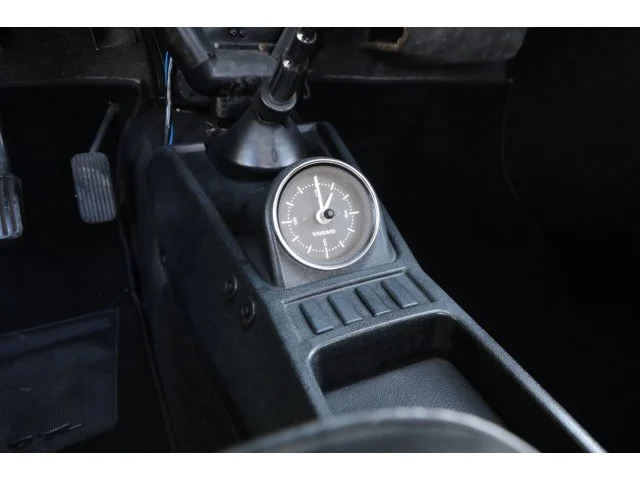
The Amazon introduced quintessentially Volvo concepts like a simple, airy cabin with upright seating and clear dials surrounded by robust materials suited to withstanding Nordic climates.
Factory front three-point seatbelts from 1959 onwards drove Volvo’s safety agenda, while later updates added a collapsible steering column.
The performance-oriented 123GT gained a tachometer, auxiliary lamps, special wheels and trim to distinguish it from lesser variants.
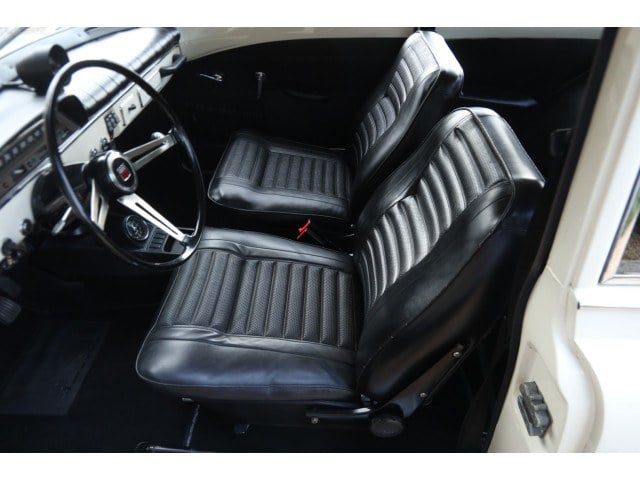
The Volvo Amazon was one of the safest cars of its era, introducing several features that were considered revolutionary at the time. It was one of the first cars in the world to come with factory-installed three-point seatbelts, a technology Volvo shared freely with other manufacturers. In 1959, the three-point front belt became standard in Nordic-market Amazons (a world first); rollout to other markets followed, such as the USA from 1963. Volvo made the patent openly available, allowing other manufacturers to adopt the technology. The Amazon also featured a padded dashboard to reduce passenger injuries in collisions. In the late 1960s, it added a collapsible steering column to protect the driver during frontal impacts. Later models incorporated fittings for rear seatbelts and high-impact laminated windscreens.
Volvo Amazon Variants & Generations
From early P120 four-door saloons to the sporting 123GT and practical P220 estate, the Amazon underwent ongoing (if subtle) revisions to its design, powertrains and trim levels throughout its 14-year manufacturing run.
Prijsontwikkeling
Meest recente verkoop
€ 9.500
1969 Volvo Amazon Saloon
15 okt 2023
Momenteel te koop
16
1 live veiling
15 advertenties




Totaal verkocht
61
Hoogste verkoopprijs
€ 30.000
Gemiddelde prijs
€ 11.434
Laagste prijs
€ 1.719
FAQs
The Amazon was manufactured between 1956 and 1970, with the 4-door model replaced by the 1-Series in 1966. The 2-door and estate versions remained on sale until 1970.
The Amazon name was inspired by the female warriors of Greek mythology. Due to copyright issues, the car was badged 121/122S in the UK and other export markets.
Approximately 667,000 across all body styles and markets, at plants from Sweden to South Africa.
The 123GT was a limited-run, sport-focused 1967–68 Amazon using the B18B engine from the 1800S in tandem with M41 overdrive, a tachometer and auxiliary lamps. It was built in limited numbers and is highly prized today.
In 1959, the three-point front belt became standard on the Amazon in Nordic markets, which was a world first.