Lotus Carlton: Models, Specs and Buyer's Guide
Core Specs: 3.6-litre twin-turbo inline-six • 377 hp (281 kW) @ 5,200 rpm, 419 lb-ft (568 Nm) @ 4,200 rpm • 6-speed ZF manual • RWD •approx 0-60 mph ~5.1-5.4 s
Lotus Carlton Overview
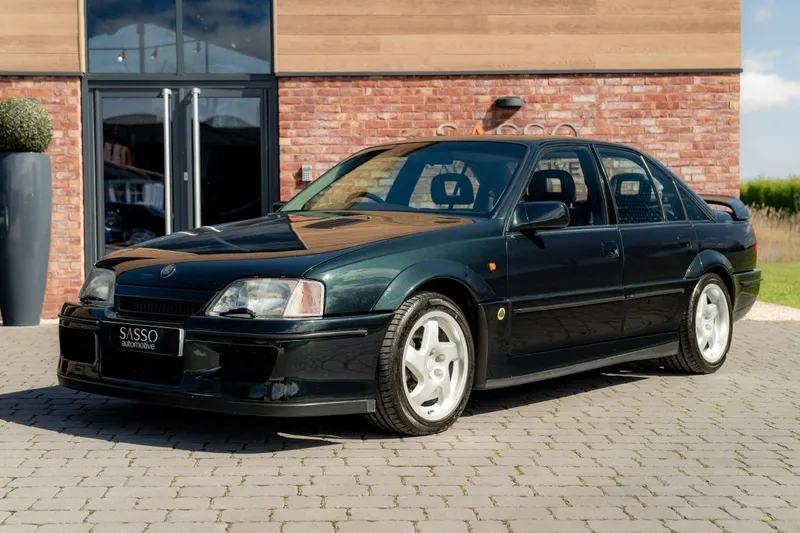
The Vauxhall Carlton was always a handsome beast, but the two-litre engines fitted to early models failed to capitalise on the car’s mechanical potential. Jaws dropped in 1990 when the Lotus Carlton debuted, following a dramatic overhaul by Norfolk’s finest. Known across continental Europe as the Lotus Omega, this flagship Carlton was a high‑performance four‑door super-saloon developed by Lotus from the Vauxhall/Opel Omega A platform. Its Lotus‑engineered 3.6‑litre twin‑turbo inline‑six, six‑speed manual gearbox, reworked suspension and AP Racing brakes turned an executive saloon into one of the fastest road cars of its day. Limited production and supercar‑level performance have made Vauxhall’s answer to the Ford Sierra Cosworth into an underrated classic.
C&C Expertise
The sight of an Imperial Green Metallic Carlton effortlessly blasting past as I looked down from my bus window is one I've never forgotten. Not just because the Carlton was a rare sight - just 286 were sold in the UK - but because with its pumped-up arches and fluttering straight six it was exactly what I didn’t expect from an ‘80s executive saloon, particularly one that began life as a Vauxhall. Like the Sierra Cosworth, the Carlton was the bad boy of ‘80s motoring, an uncouth battler beloved of getaway drivers and ram raiders. The marriage of Lotus and the humdrum Carlton was an odd one, but a brilliant one.
Lotus Carlton Specifications
- Manufacturer
- Lotus Cars (based on Vauxhall/Opel Omega A)
- Alternative Name
- Lotus Omega (continental Europe)
- Production
- c. 1990–1992 (limited run of 950 units)
- Vehicle Class
- High‑performance executive saloon
- Layout and Drive
- Front‑engine, rear‑wheel drive (FR)
Lotus Carlton in Detail
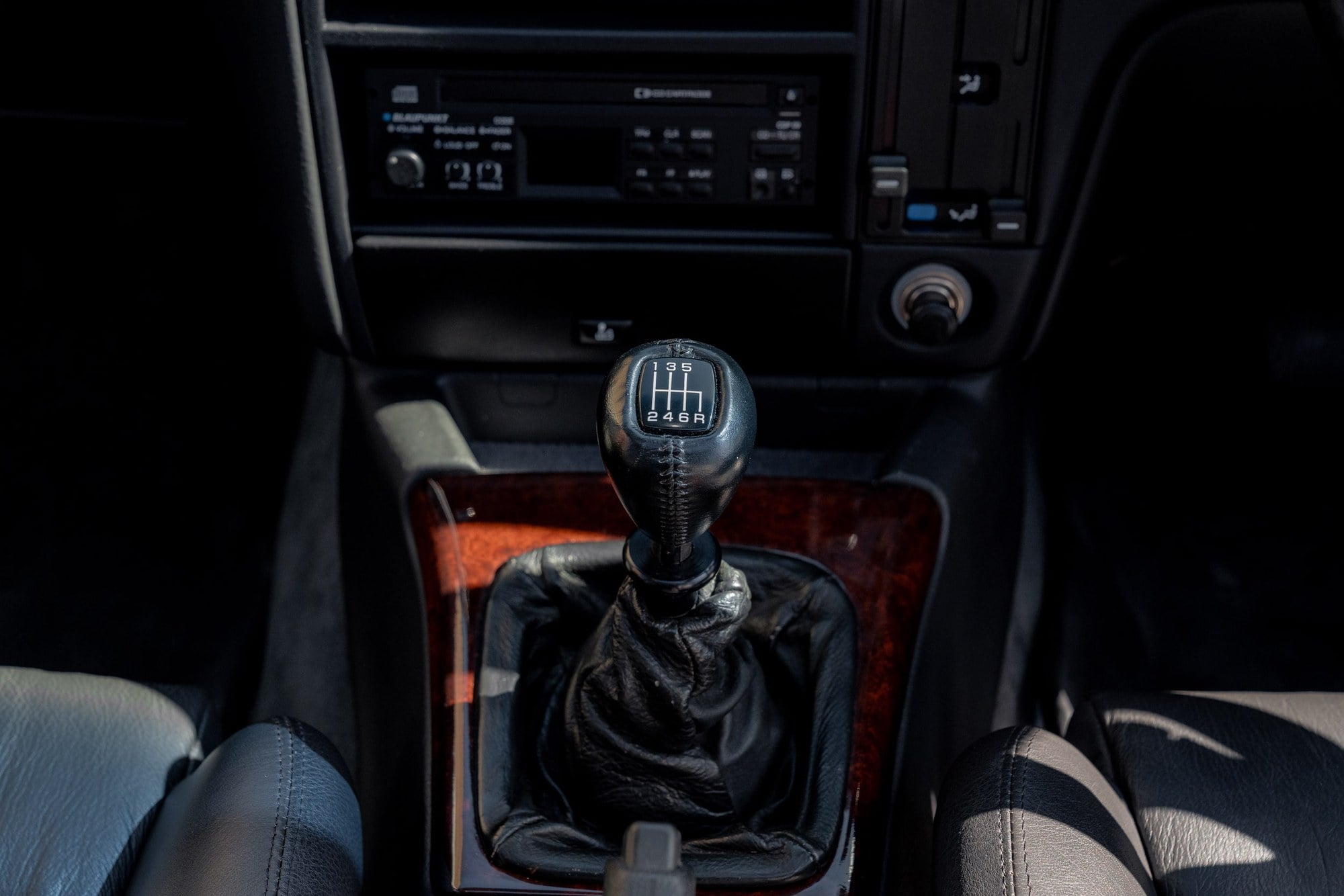
Conceived in the late 1980s as a halo project for GM Europe, the Lotus Carlton/Lotus Omega was Lotus Engineering’s bid to turn the sober Omega A executive saloon into a genuinely world-class supersaloon. Lotus strengthened and enlarged GM’s 24-valve straight-six, expanding the capacity to 3.6 litres, adding twin turbochargers with intercooling for good measure. They paired the engine with a ZF six-speed manual at a time when this gearbox was more commonly seen in high-end sports cars.
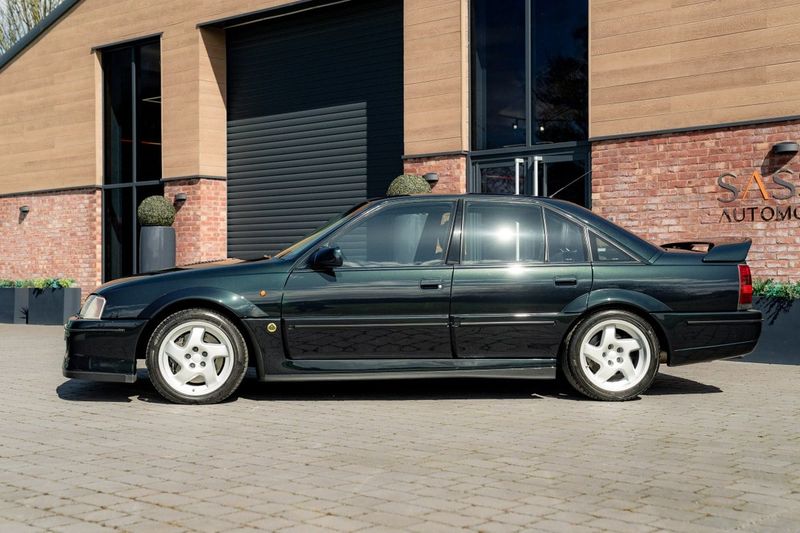
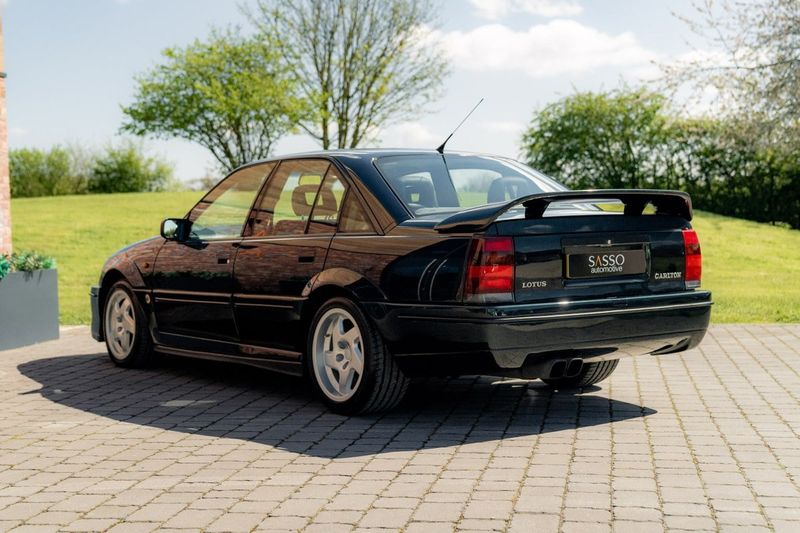
Chassis work was equally thorough, with revisions including wider tracks, bespoke springs/dampers/bushes and AP Racing four-wheel discs. Subtle but functional body changes (flared arches, deeper bumpers, side skirts and a discreet rear spoiler) completed the transformation without completely sacrificing the Carlton’s refined lines.
Base Carltons were assembled within GM’s European network, then shipped to Lotus in Hethel for the installation of the powertrain, suspension, brake and body conversions, trim and final sign-off. Production remained intentionally small, with fewer than a thousand cars ever made, to preserve quality and manage the hand-built assembly process.
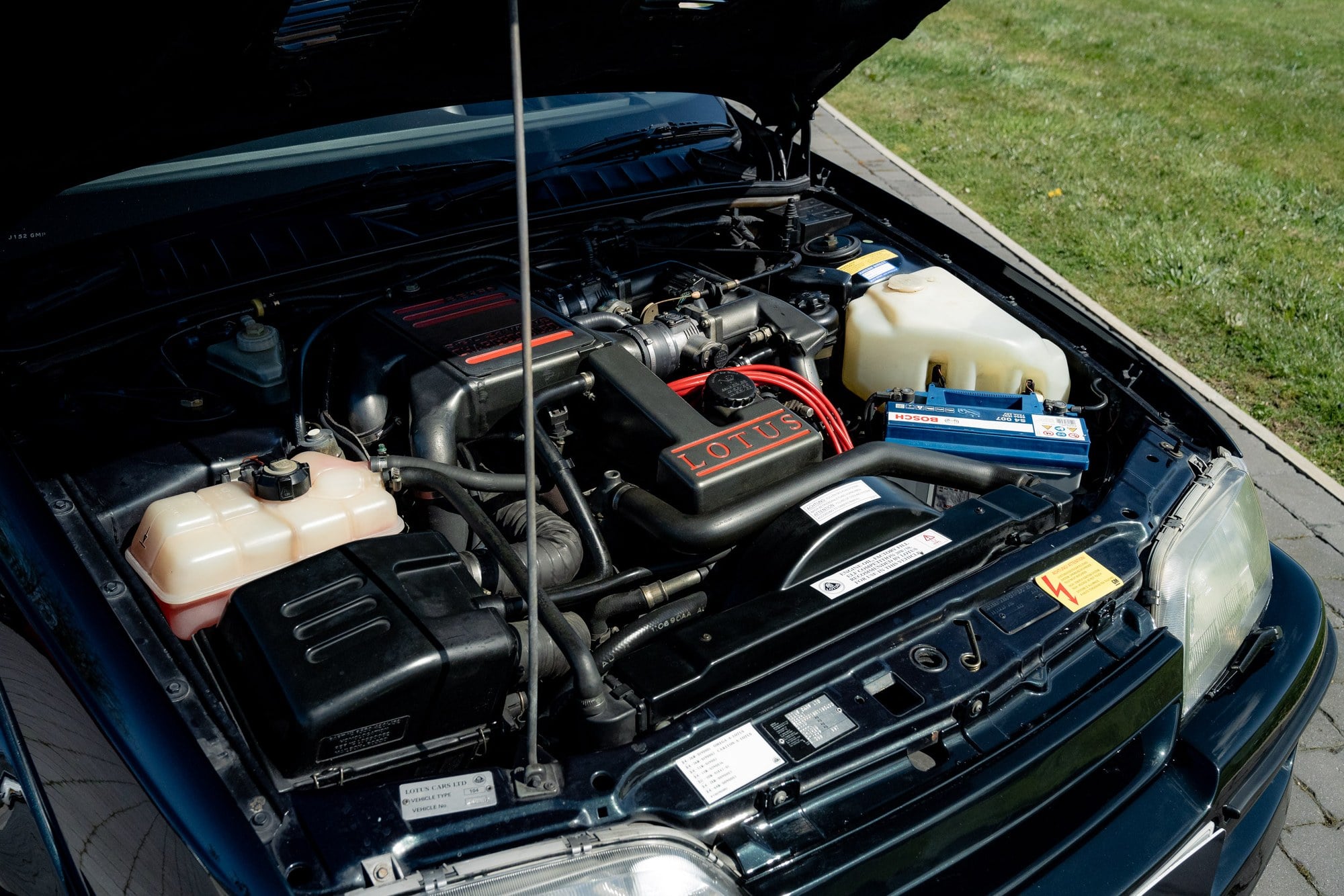
The Lotus‑developed 3.6‑litre twin‑turbo inline‑six (377 bhp, 419 lb‑ft) drove the rear wheels via a ZF six‑speed manual and limited‑slip diff. The results of this thunderous muscle-car performance are illustrated below.
Model (test year) | Engine | 0–60 mph | Top speed |
|---|---|---|---|
Lotus Carlton (1990–1992) | 3.6 twin‑turbo I6, 377 bhp | 5.1–5.4 s | 176–177 mph (derestricted) |
Metric | Imperial |
|---|---|
Wheelbase 2,730 mm | 107.5 in |
Overall length approx 4,750–4,770 mm | 186.9 in |
Overall width ~1,810 mm | 70.9 in |
Overall height ~1,435 mm | 56.1 in |
Kerb weight 1,650–1,680 kg | 3,638–3,704 lb |
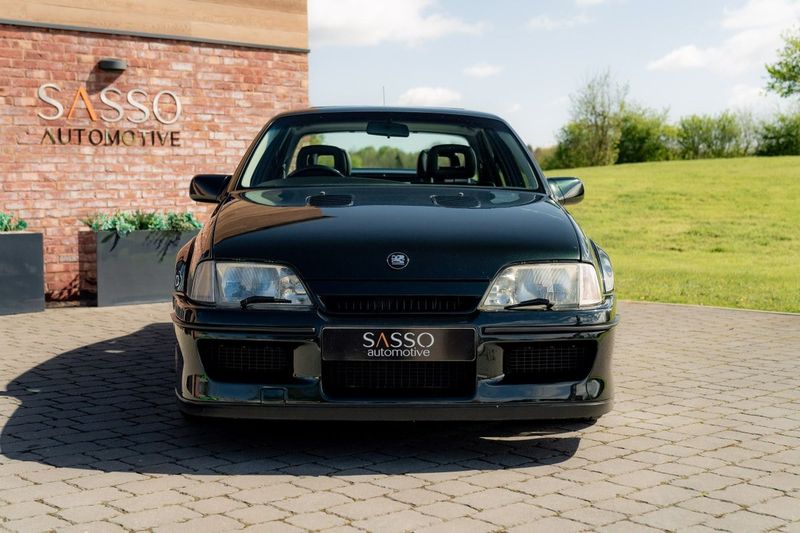
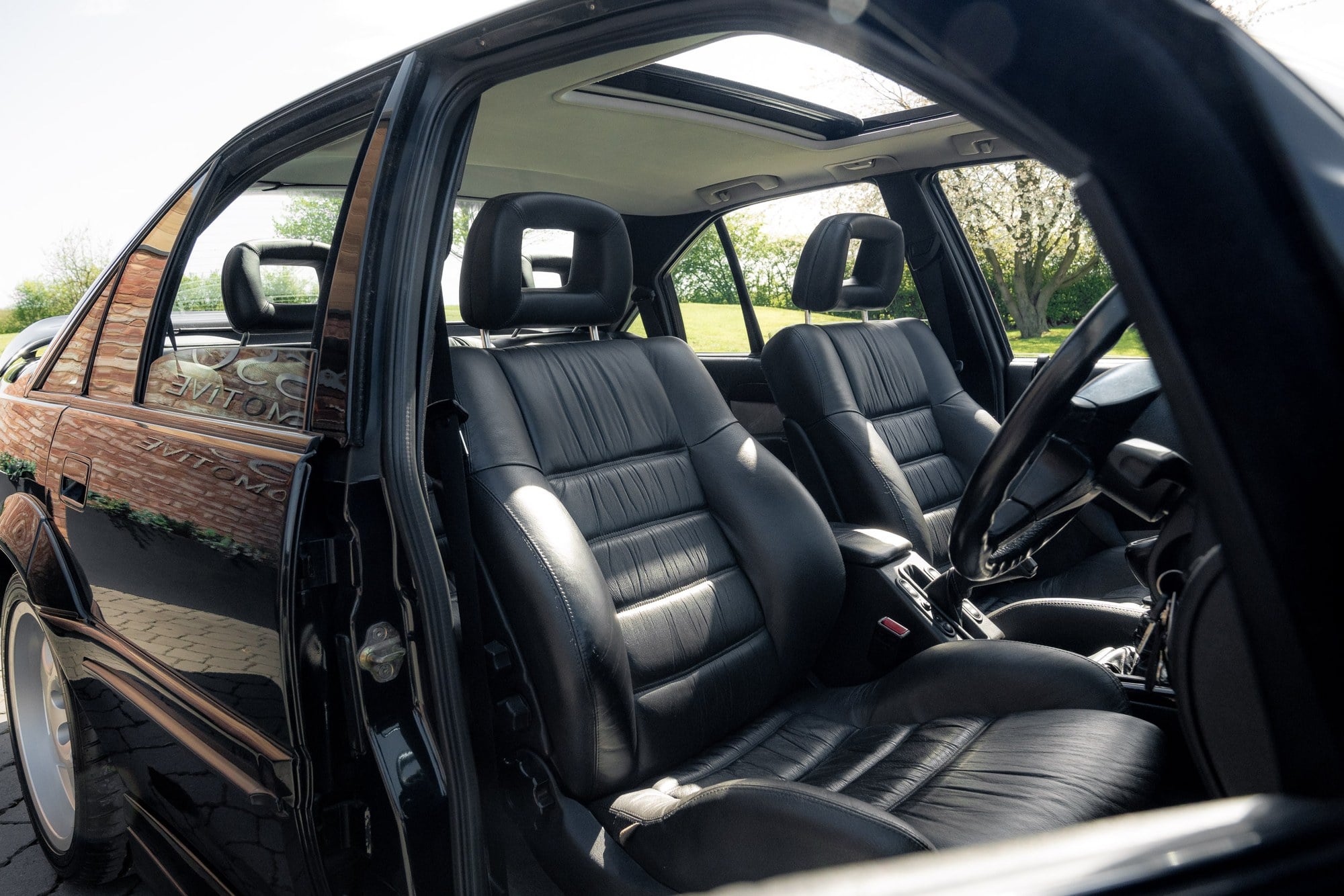
Lotus retained the Carlton’s handsome shape but widened and sharpened every performance‑critical surface. A lower ride height, flared arches, deep bumpers, and functional intakes signalled intent, while the cabin blended business-class comfort with purposeful instrumentation and seats well-suited to long-distance touring.
Stance and surfacing: Widened front/rear tracks sat under subtly flared arches, giving the Carlton shell added muscularity. Ride height was lower thanks to Lotus-specific springs and dampers.
Aero package: A deeper front bumper with enlarged cooling inlets, side skirts, a tidied rear bumper, and a discreet boot-lid spoiler all served to stabilise the car at high speed.
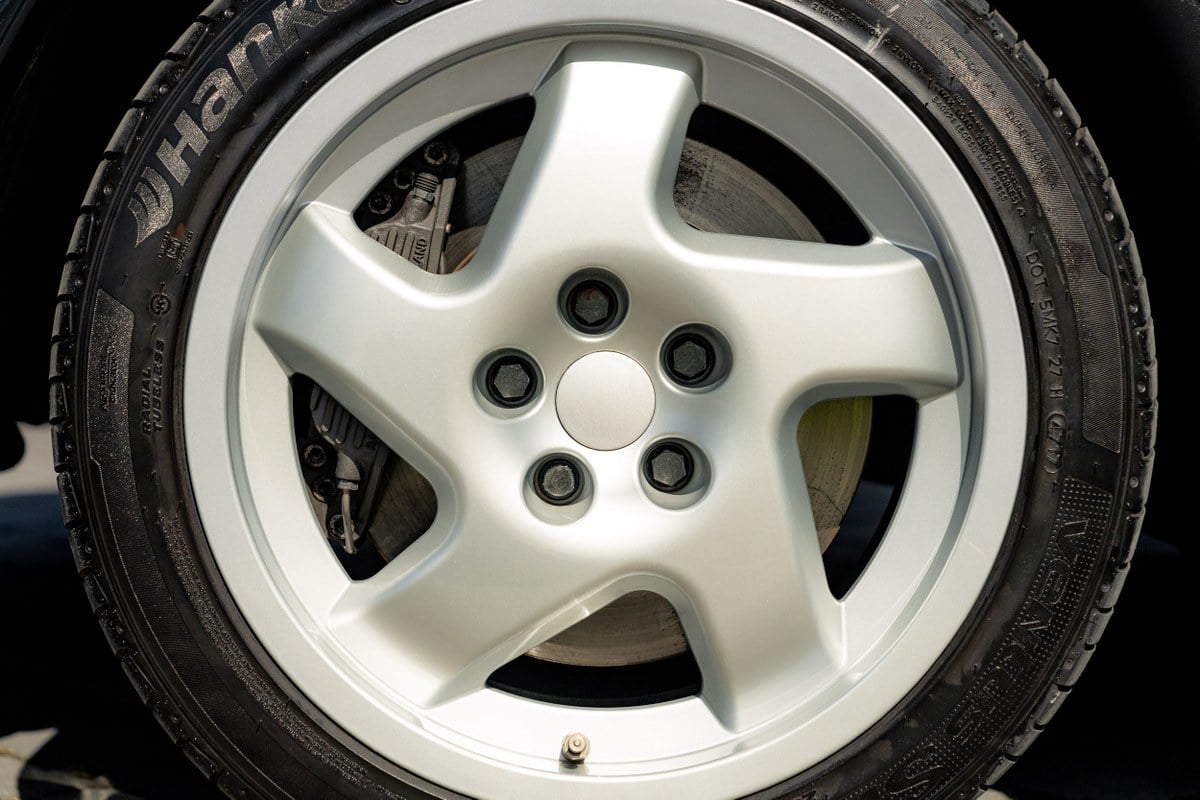
Wheels, tyres and brakes: Staggered 17-inch multi-spoke alloys (wider at the rear) filled the wheelarches ahead of AP Racing four-wheel discs (vented at the front).
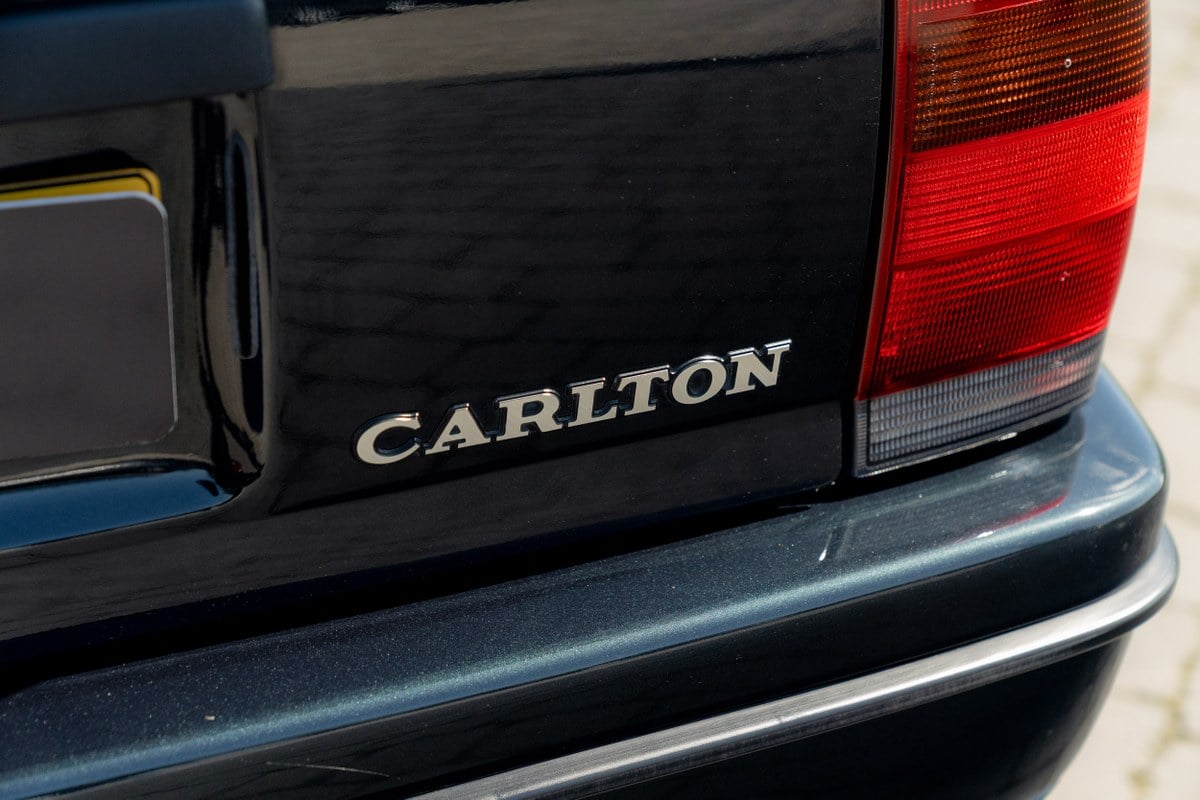
Seats and trim: Deeply bolstered, multi-adjustable front seats provided touring comfort and lateral support. Materials were chosen to mirror the specs on other upmarket Carltons (leather/Alcantara around soft-touch plastics) with Lotus badges, stitching and finishes.
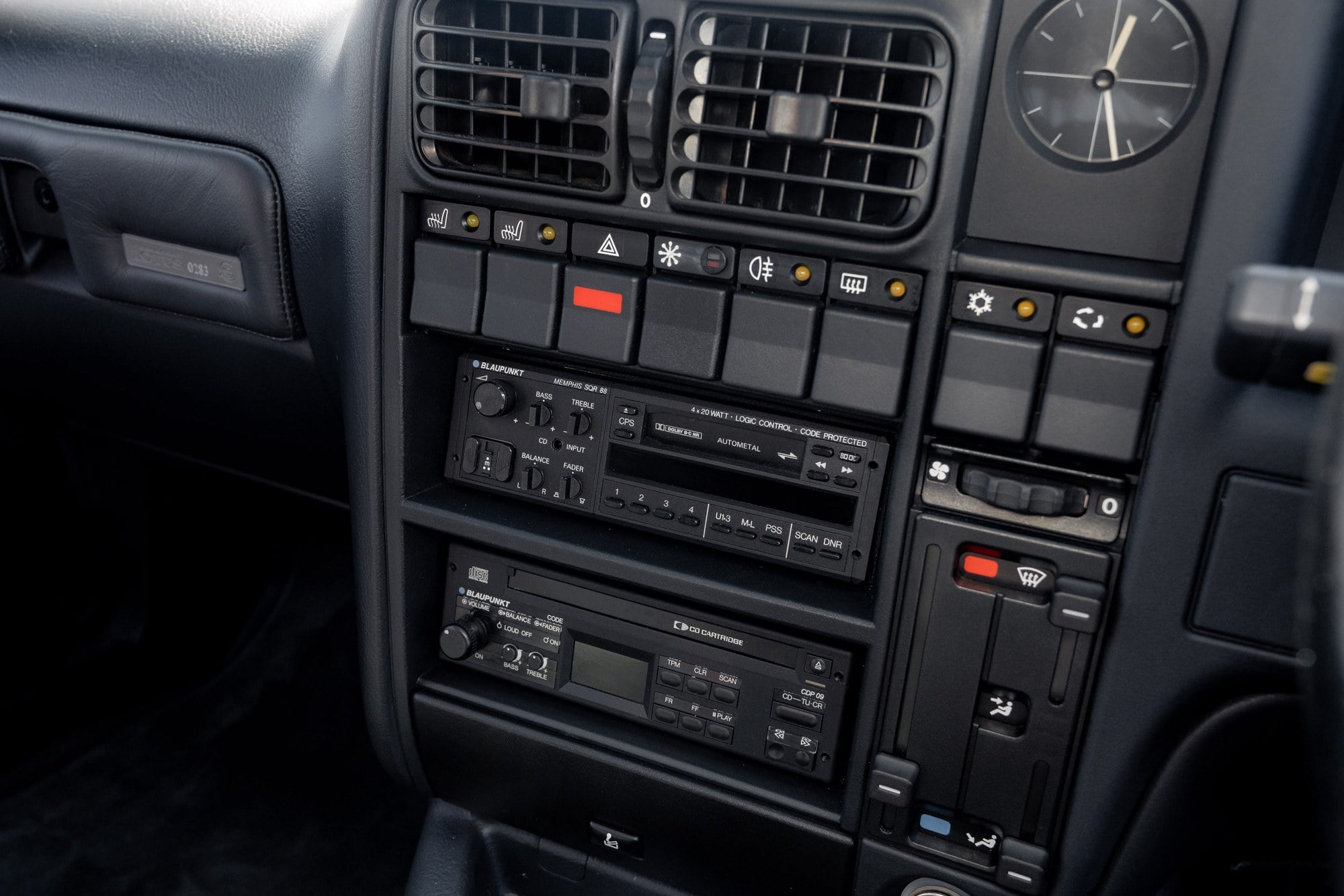
Comfort and features: Quiet cruising was carried across from lesser Carltons, with refined NVH treatment, effective climate control/heating and a period audio setup.
The Carlton lacked modern features like airbags or traction control. On resale models, the limited-slip differential and propshaft couplings (flex joints) must be free of excess play, since vibration at speed can be both a comfort and safety issue. Clutch/gearbox mounts should be intact to avoid driveline shock under hard braking downshifts.
The sheer heat emitted by the twin-turbo engine makes coolant efficiency and oil temperature control critical. Ensure radiator/intercooler fins are clean, fans and relays still work, and the thermostat/water pump are either replacements or refurbished.
FAQs
Approximately 950 cars in total (combined Carlton/Omega output) from 1990 to 1992.
Typical tests at the time recorded 0–60 mph in between 5.1–5.4 seconds and a derestricted top speed of around 176–177 mph, at a time when competitors were routinely restricted to 250kph (155mph).
A Lotus‑developed 3.6‑litre twin‑turbo DOHC inline‑six based on GM’s 24‑valve straight‑six architecture, mated to a ZF six‑speed manual transmission.
Its supercar‑level top speed and scarcity sparked public and political debate about high‑speed capability on public roads in the early 1990s.
Well‑maintained examples are robust, but condition is crucial. Look for sound cooling and fuelling, healthy turbos, a strong gearbox and differential, plus a rust‑free bodyshell.