Datsun 240Z: Models, Specs and Buyer’s Guide
Core Specs: 1970-73 • 2.4 L L24 I6 • 5-speed manual • RWD • ~1,000-1,100 kg
Datsun 240Z Overview
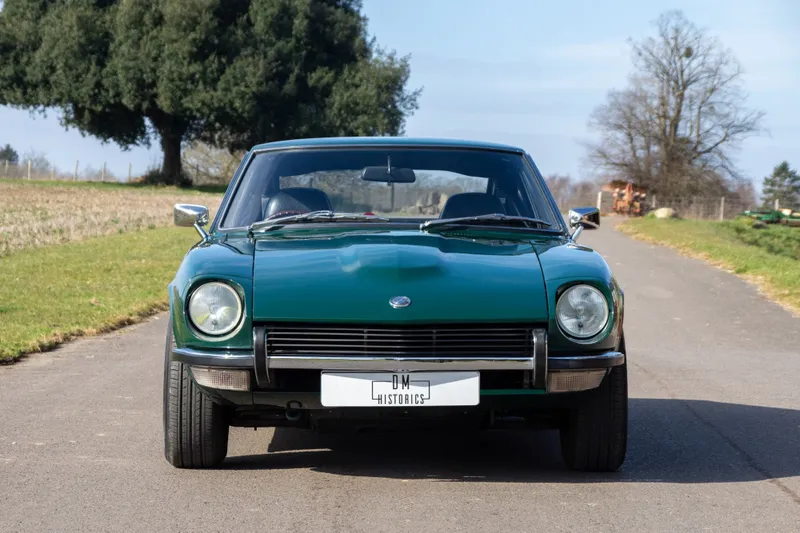
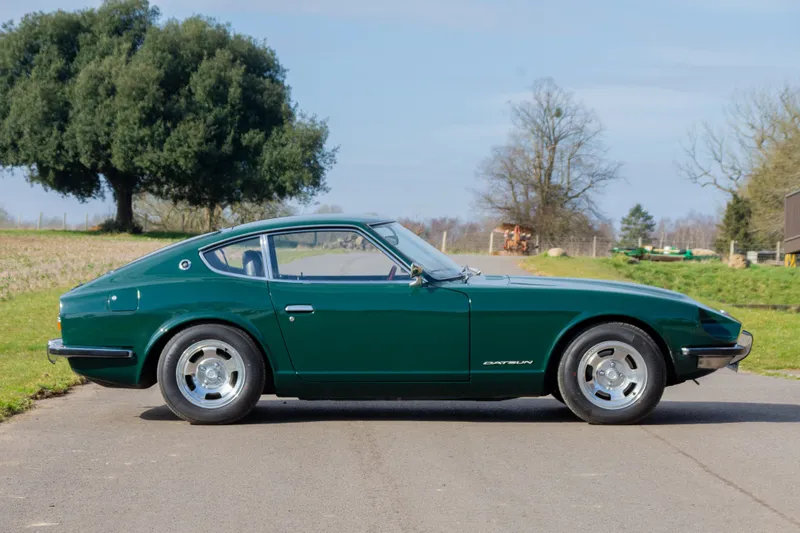
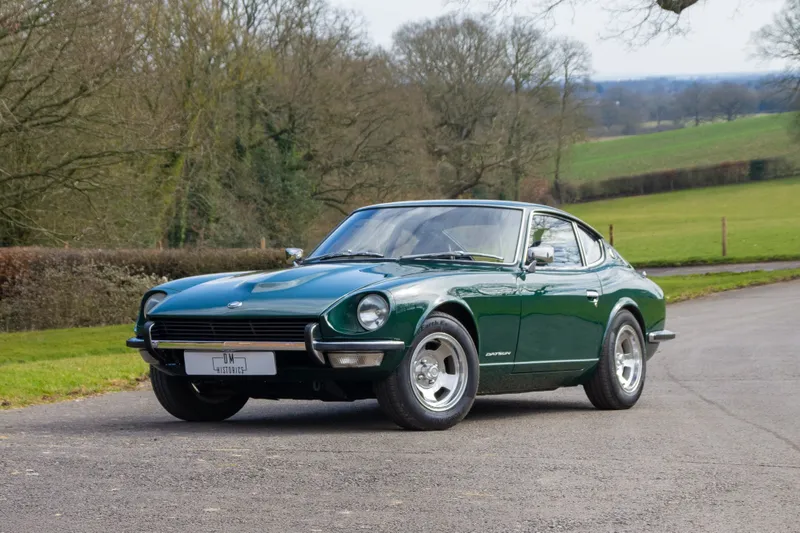
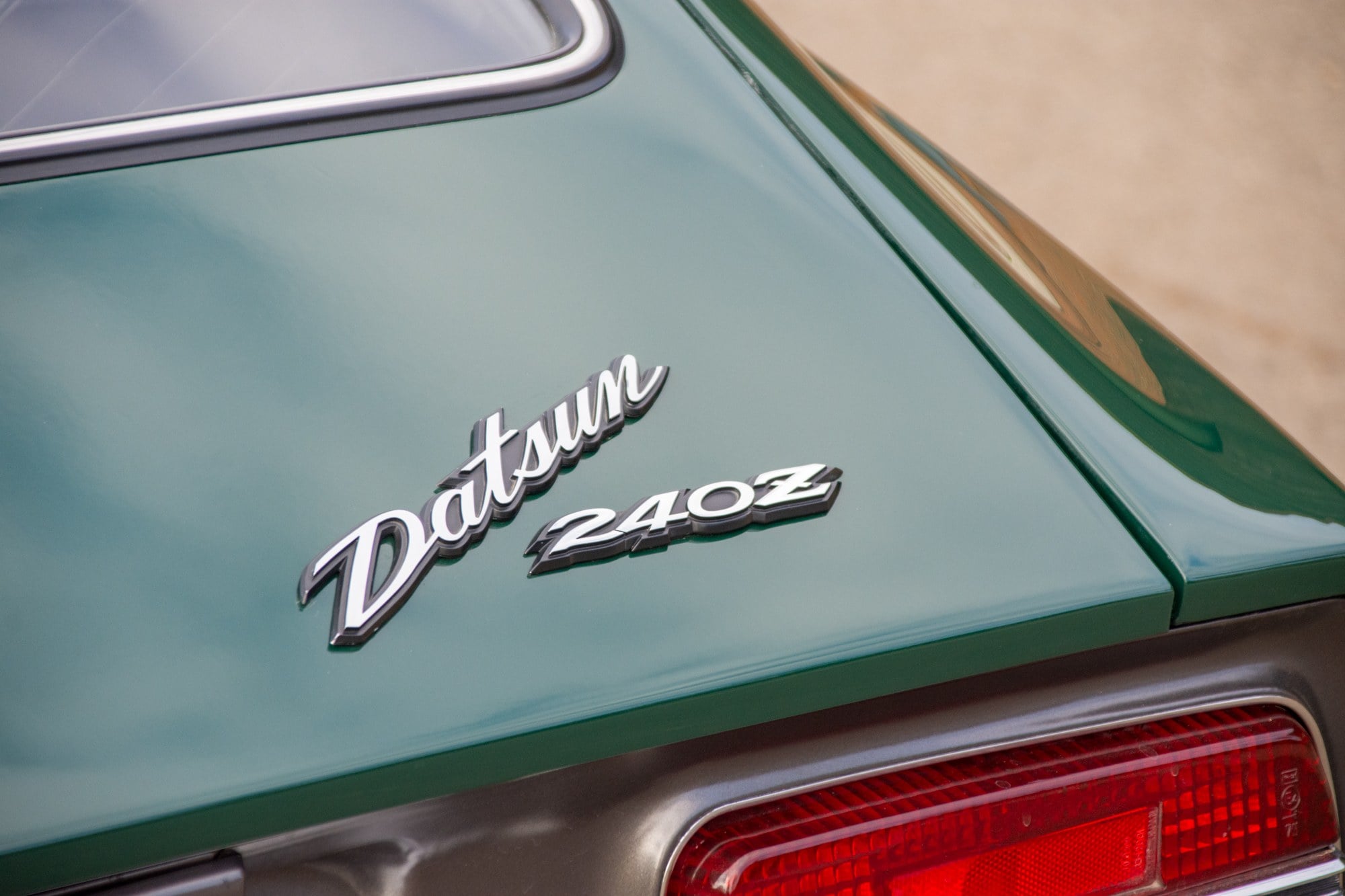
Datsun wasn’t renowned as a sports car manufacturer in the late 1960s, so the arrival of the 240Z at the end of 1969 transformed the Japanese marque’s image. It sat in showrooms alongside prosaic siblings like the Cherry and Sunny as a Ferrari might have looked in a Fiat garage, bringing more than a hint of E-Type swagger with its long nose and compact cabin. Known internally as the S30, and badged in Japan as the Nissan Fairlady Z, the 240Z was Nissan’s breakthrough two‑seat sports coupé. It combined a smooth single‑overhead‑cam inline‑six, independent strut suspension all round and front disc brakes with classic grand tourer proportions at a price that undercut European rivals. Unsurprisingly, the Datsun 240Z quickly became a bestseller. It also became a motorsport force, particularly in North America, where its popularity was greatest. The 240Z set the template for Nissan’s Z‑car lineage - one that continues to this day.
C&C Expertise
To some eyes, the 240Z was merely an amalgam of British and American GTs, a sort of greatest hits taking in the E-Type, Mustang and Corvette. To others, including ours, it cleverly took the best of the competition, put them in a melting pot, and turned them into a single, brilliant sports car. The 240’s trick was to do all that and be, unlike any of its rivals, utterly reliable. If you like the style of the E-Type, the comfort of the Mustang and the go of the Corvette, buy a 240Z.
Datsun 240Z Price
- Starting price
- 9 821 €
- Average price
- 36 820 €
- Price range
- 9 821 € - 92 379 €
Datsun 240Z Specifications
- Manufacturer
- Nissan Motor Co., Ltd. (exported as Datsun)
- Production (all 240Z)
- 1969–1973
- Vehicle Class
- Two‑seat sports coupé
- Layout and Drive
- Front‑engine, rear‑wheel drive
- Chassis/Body
- Steel monocoque (S30)
Datsun 240Z in Detail
Conceived to blend European GT poise with Japanese robustness and value, the first-generation Z was launched in Japan in November 1969 as the Fairlady Z, while export models were badged as the Datsun 240Z.
The car’s long-bonnet/short-deck silhouette and accessible performance proved an instant hit internationally. This was augmented by success in competition, with Nissan’s works S30s taking overall Safari Rally victories in 1971 and 1973, demonstrating durability as much as speed. Brock Racing Enterprises delivered back-to-back SCCA C-Production national titles in America during 1970 and 1971.
Production for the 240Z (1969–1973) is widely documented at around 168,000 units. Of these, the vast majority were exported, especially to the U.S., underscoring how decisively this car redefined the affordable sports-coupé segment.
All 240Z models used the L‑series inline‑six with twin carburettors, paired to a 4‑speed manual or, in later versions, an optional five-speed manual and 3‑speed automatic.
Model (test year) | Engine | 0–60 mph | Top speed |
|---|---|---|---|
240Z | L24 2.4 I6, twin carbs | 8.0–8.5 s | 120–122 mph |
Typical factory dimensions for early 240Z models are summarised below.
Metric | Imperial |
|---|---|
Wheelbase 2,305 mm | 90.7 in |
Overall length 4,115 mm | 162.0–162.8 in |
Overall width 1,630 mm | 64.2 in |
Overall height 1,285–1,305 mm | 50.6–51.4 in |
Curb weight 1,040–1,100 kg | 2,293–2,425 lb |
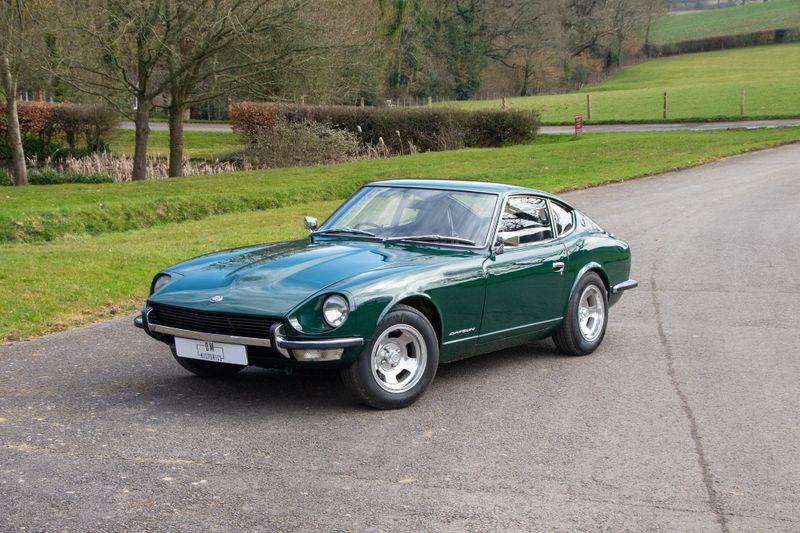
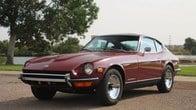
Resembling a clean and purposeful GT, the 240Z married long-bonnet/short-deck proportions with a taut fastback and frameless side windows. Beneath the surface, a steel monocoque with independent MacPherson struts at all four corners and front disc brakes provided impressive grip and stability for the era. A driver-centric cockpit featured twin main dials with triple auxiliary dials in a central dial pod.
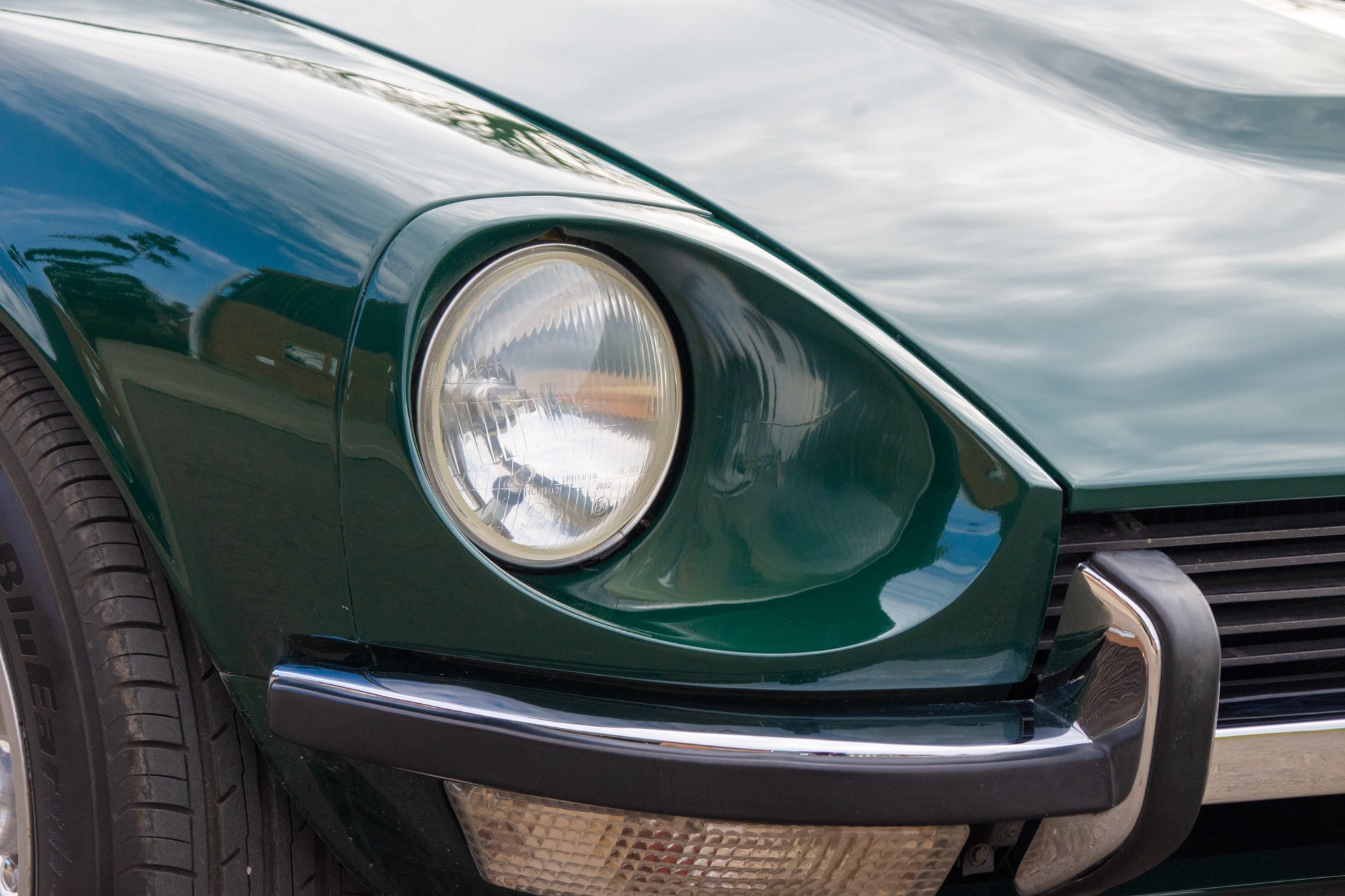
Nose and lighting: Semi-recessed “sugar-scoop” headlamp buckets with chrome bezels around a slim grille.
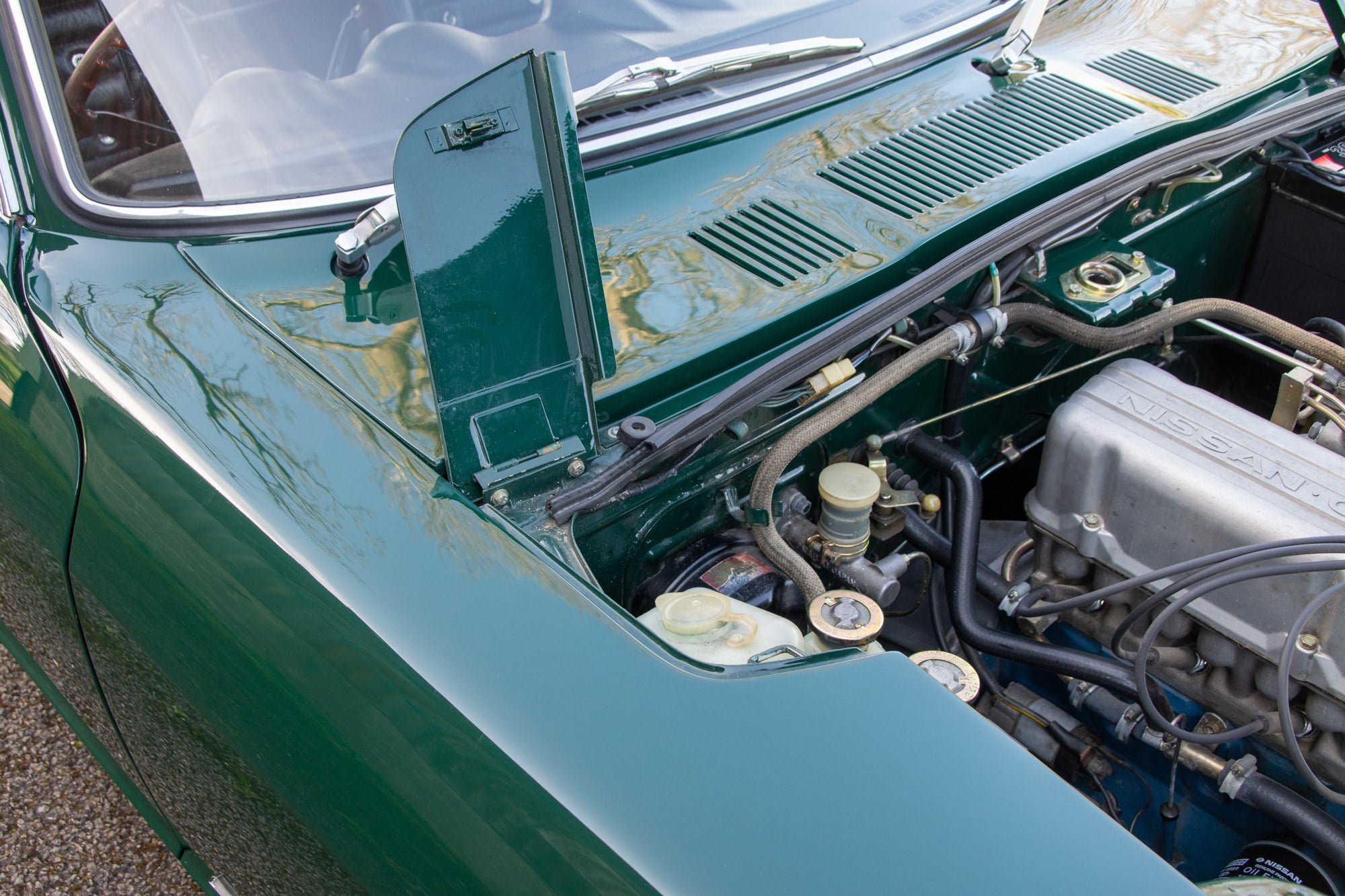
Body construction: All-steel monocoque (S30) with bolt-on front wings and a large rear hatch ahead of a broad and low tail with vertical tail-lamps.
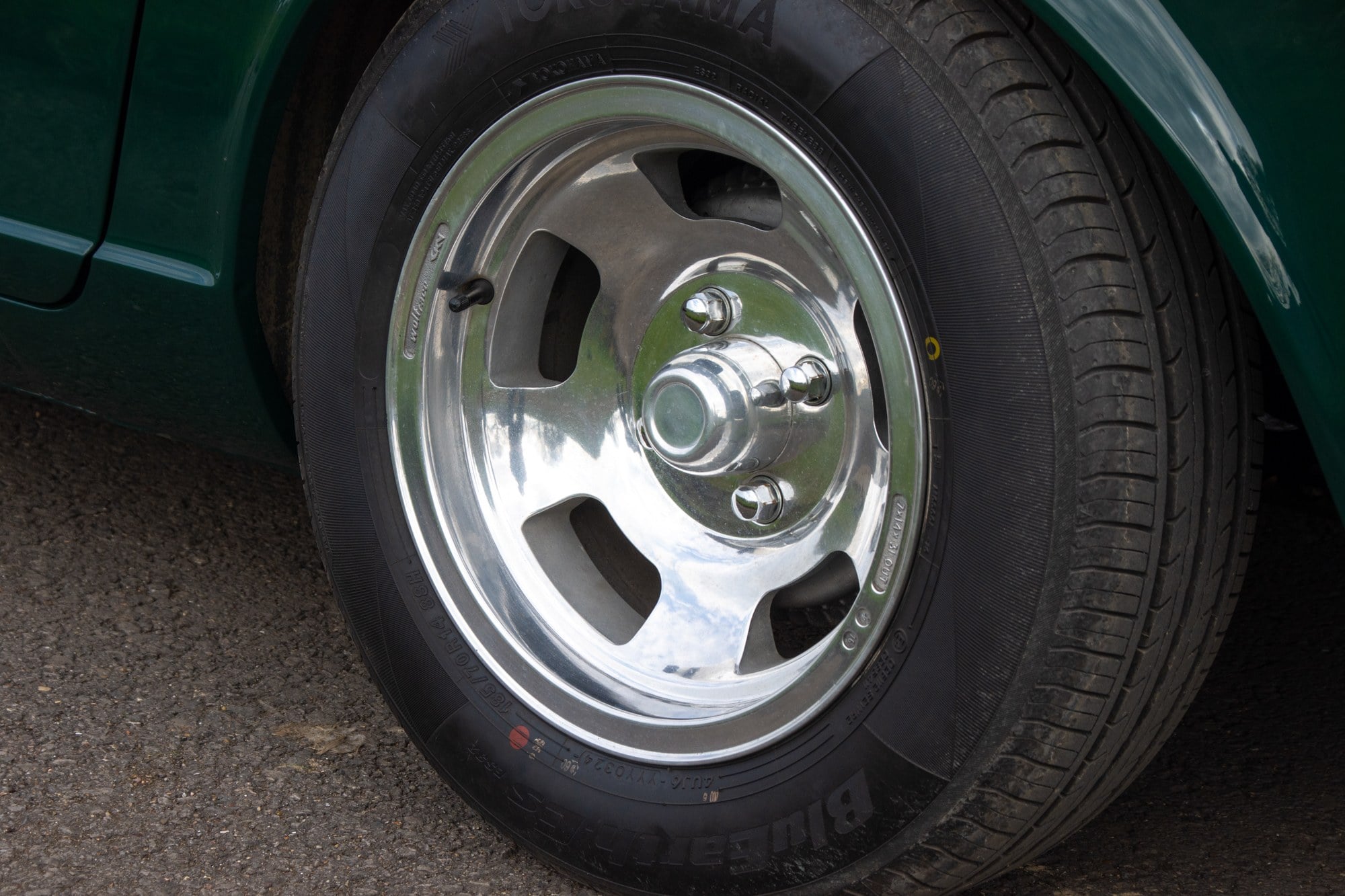
Wheels and tyres: Factory 14-inch steel wheels with full hubcaps were standard, though period options included styled steel or alloy wheels.
Driver’s environment: Deep-dish steering wheel ahead of twin dials in the binnacle, plus the hallmark triple auxiliary pod angled toward the driver showing oil pressure, water temperature and a clock. Switchgear was simple and clearly labelled.
Materials and trim: Textured vinyl with durable carpets below wood-effect or matte black dash and console finishes. Door cards included map pockets, while the centre console housed choke, hazard and ventilation controls.
Comfort and options: Period options included a rear window demister, AM/FM radio, air-conditioning and an automatic transmission option.
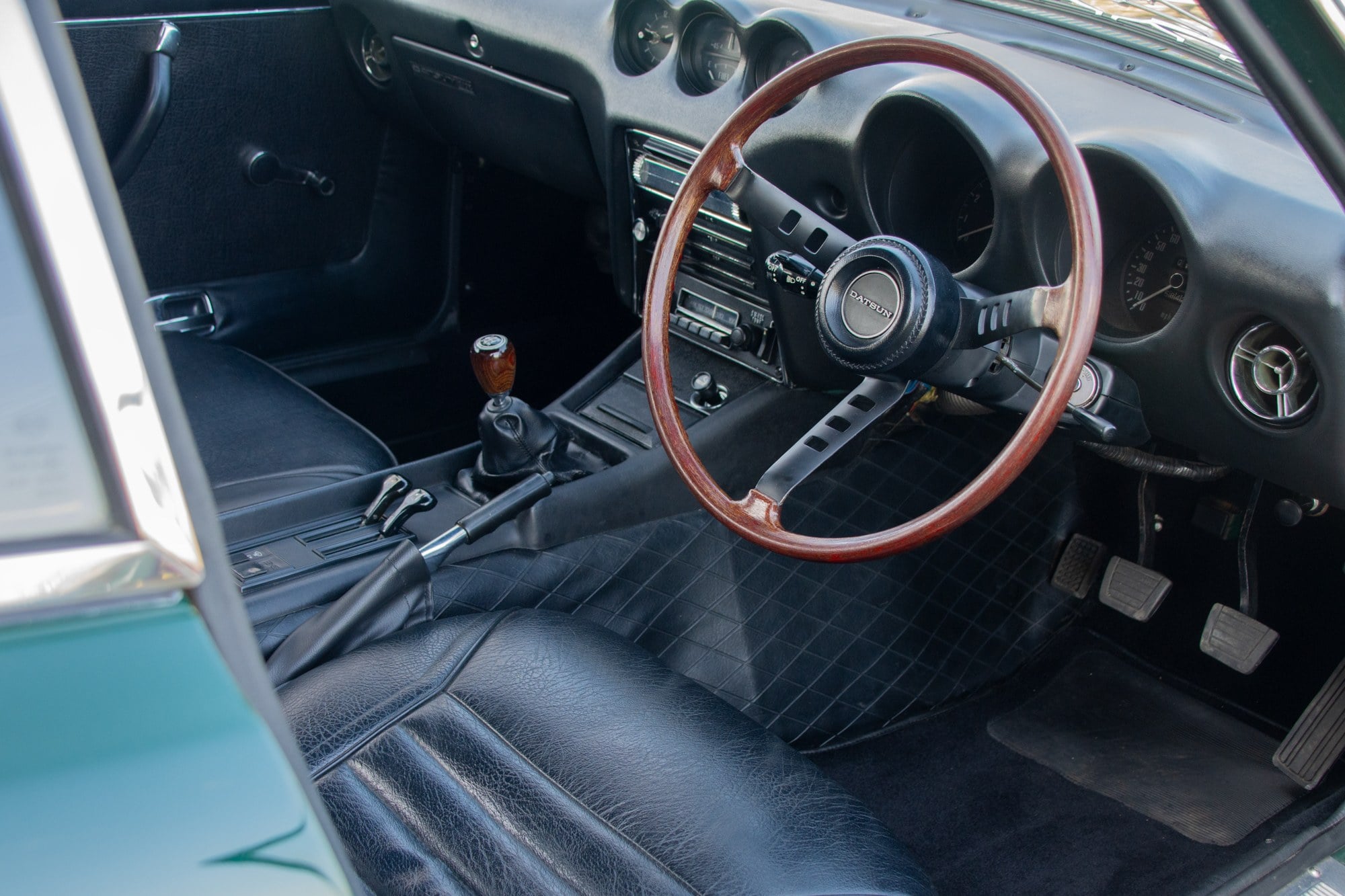
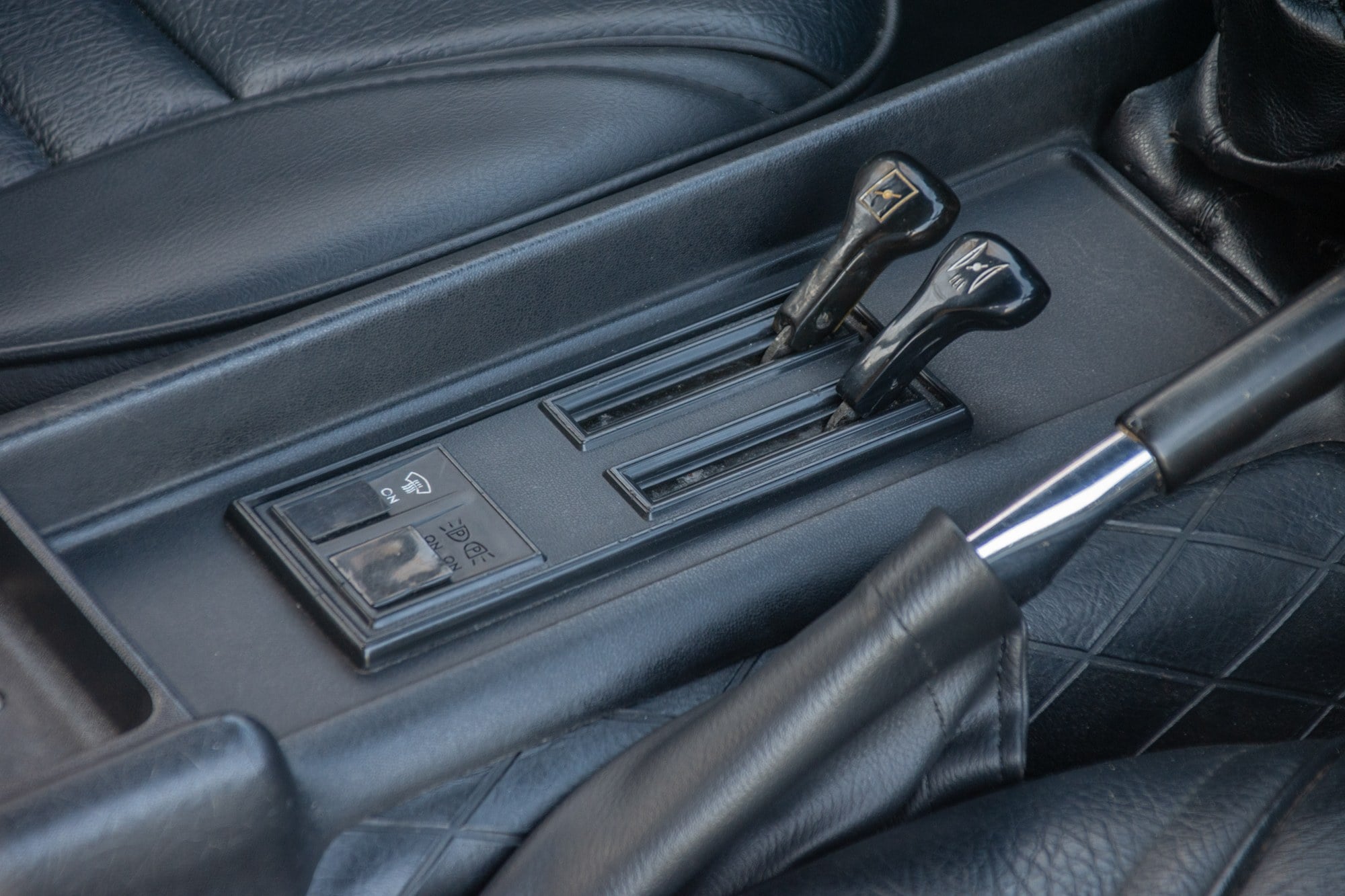
Safety updates were introduced over time, with three-point belts throughout. Later cars in some markets gained energy-absorbing interior details and revised column/seat hardware. However, this was still a time before driver aids like ABS or airbags, so the safety of a classic 240Z today will depend on its structural soundness and well-maintained brakes/steering/suspension.
Structure and corrosion:
Check the floors and front frame rails under the footwells, chassis rails and tension/compression rod mounts, sills/rockers and lower A/B-posts. Also, examine the battery tray, spare-wheel well, and hatch lip for rust, which may also affect seat-belt anchorages and suspension pickups.Steering and bumpers:
Early cars used a more rigid steering column and slim chrome bumpers, whereas later market updates added energy-absorbing details and taller bumpers.Suspension, alignment and tyres:
Worn bushes/ball joints/dampers could degrade the car’s stability. Fresh 185/70 or 195/70R14 tyres on stock wheels are recommended.
Datsun 240Z Variants & Generations
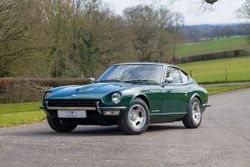
There was only one internationally marketed version of the 240Z on sale in its short four-year lifetime. This was the 240Z (HLS30/HS30) featuring an L24 inline‑six. It was a global export model between 1969 and 1973.
Price trends
Venda mais recente
39 500 €
1971 Datsun 240Z

Atualmente à venda
28
0 leilões ao vivo
28 anúncios


Total vendidos
42
Preço de venda mais alto
92 379 €
Preço médio
36 820 €
Preço mais baixo
9821 €
FAQs
Introduced in late 1969 for the 1970 model year, the 240Z remained on sale until 1973.
It was powered by a 2.4‑litre SOHC inline‑six with twin carburettors.
Period tests commonly recorded 0–60 mph around 8–9 seconds, with the top speed ranging between 109 and 122 mph depending on the gearing and market.
Fairlady Z was the Japanese‑market name with 2.0‑litre engine options. The 240Z badge denoted most export models with a 2.4‑litre engine.
The visually similar 260Z (1974) was the 240Z’s replacement in the UK and overseas.