Lancia Stratos: Models, Specs and Buyer’s Guide
Core Specs: 1974–1976 • 2.4 L V6 • ~280–320 hp • 5-speed manual • mid-engine, RWD • ~880–980 kg • ~220 km/h+
Lancia Stratos Overview
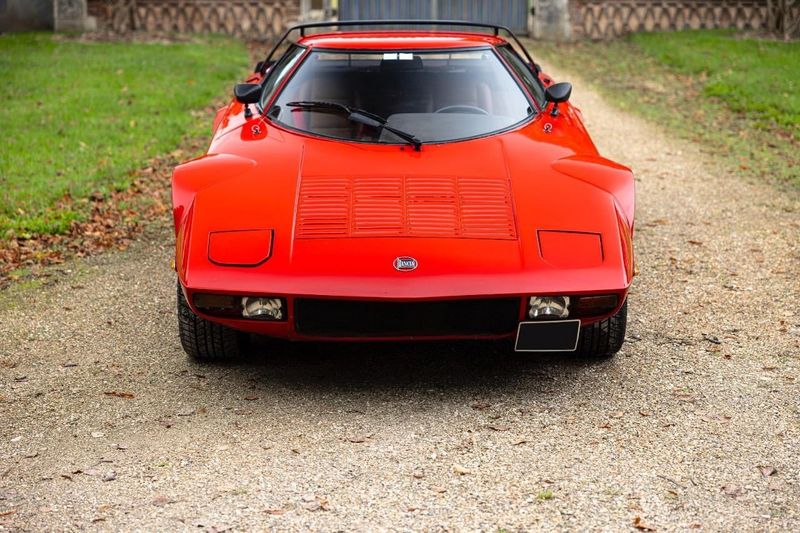
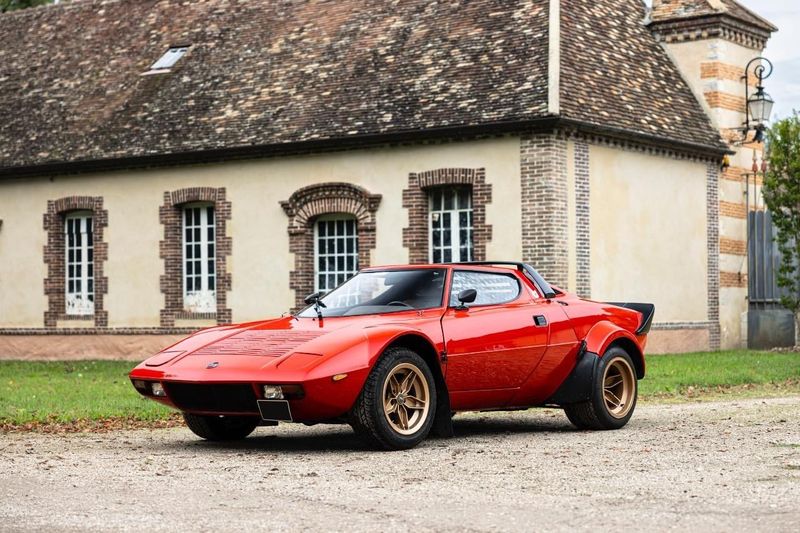
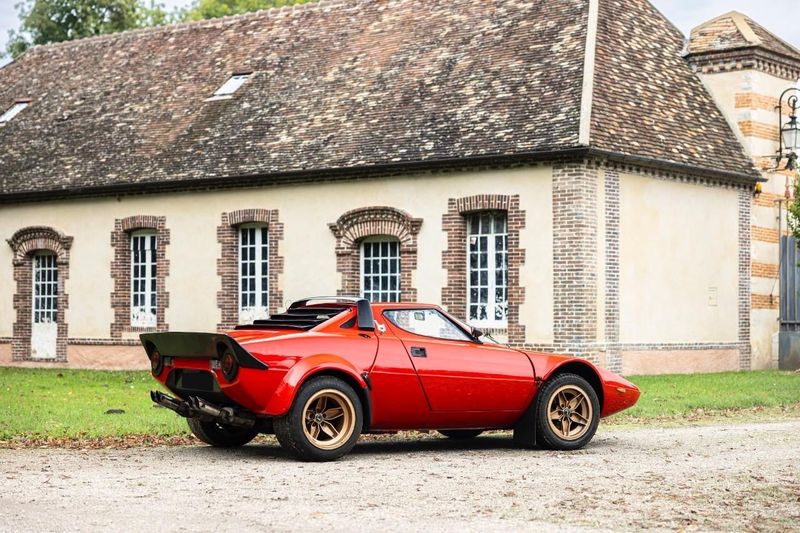
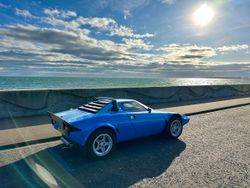
Many of the most desirable classic cars have a fascinating back story, and few are more dramatic than the Lancia Stratos. Purpose‑built to win world rallies, it combined a radical Bertone/Marcello Gandini-designed wedge-shaped body with a compact steel spaceframe, composite clamshells and a mid‑mounted Ferrari Dino 2.4‑litre V6. Homologated for FIA Group 4 in 1974, the Stratos achieved immediate rally domination, claiming the WRC Manufacturers’ titles in 1974, 1975 and 1976. Meanwhile, the roadgoing Stradale retained the essential ingredients of its rally-bred sibling - an ultra‑short wheelbase, panoramic wraparound windscreen and quick‑service front/rear clamshells. The Stratos brief is pure performance: short, light, mid‑engined balance with robust, easily serviced mechanicals, delivering instant responses for the driver amid an unmistakable soundtrack.
C&C Expertise
Is there anything that says ‘70s rally better than the batshit Stratos? Lancia’s perfect package of Ferrari V6, Italian styling and rally provenance will never fail to turn heads with its looks and sounds. If you can’t quite find the funds for one of the “500” original cars companies like Lister Bell also make some cracking reproductions that look and sound the part.
Lancia Stratos Specifications
- Manufacturer
- Lancia (Gruppo Fiat); body by Bertone
- Production
- Mid-1970s, with Group 4 homologation granted 2 Oct 1974 (FIA No. 640)
- Vehicle Class
- Two‑seat rally GT (roadgoing Stradale and Group 4 competition versions)
- Layout and Drive
- Mid‑engine, rear‑wheel drive
- Body and Chassis
- Steel spaceframe with composite/fibreglass clamshell body panels
Lancia Stratos in Detail
The backstory to arguably the most famous Lancia of all began with the Stratos Zero of 1970. This low-slung, door-through-windscreen concept car promised new packaging for a rally car, enabling Lancia and Bertone to evolve Stratos HF prototypes with space for a mid-mounted V6. When Ferrari’s Dino V6 supply became available, Lancia could complete the required road cars for Group 4.
Squadra Corse HF developed both 12‑valve and 24‑valve engines for the rally Stratos, plus aero and gearing packages tailored to tarmac, gravel and mixed events. The road Stradale remained tractable and dramatic, while the works cars kept evolving until Group 4’s sunset and Lancia’s later shift to new projects. It’s no exaggeration to say that the Stratos template (short wheelbase, mid engine, service‑led clamshells) reshaped rally design.
Beneath its radical exterior, the Lancia Stratos represented engineering with purpose. It was built using a lightweight space-frame chassis clad in fibreglass, housing a mid-mounted Ferrari / Dino V6 engine mated to a 5-speed manual transaxle. In road (Stradale) form, output was typically quoted at 187–190 hp at 7,000 rpm with 166 lb-ft of torque at 4,000 rpm. Thanks to its compact dimensions and lightweight construction, the Stratos was capable of very rapid acceleration and a top speed of around 143 mph in its road-going guise.
Model (period) | Engine | 0–100 km/h (0–62 mph) |
|---|---|---|
Stratos Stradale | Dino 2.4 V6 (12V) | 6.8–7.5 s |
Stratos HF Gr.4 (12V) | 2.4 V6 tuned | 5–6 s |
Stratos HF Gr.4 (24V) | 2.4 V6 (24V) | 4.8–5.5 s |
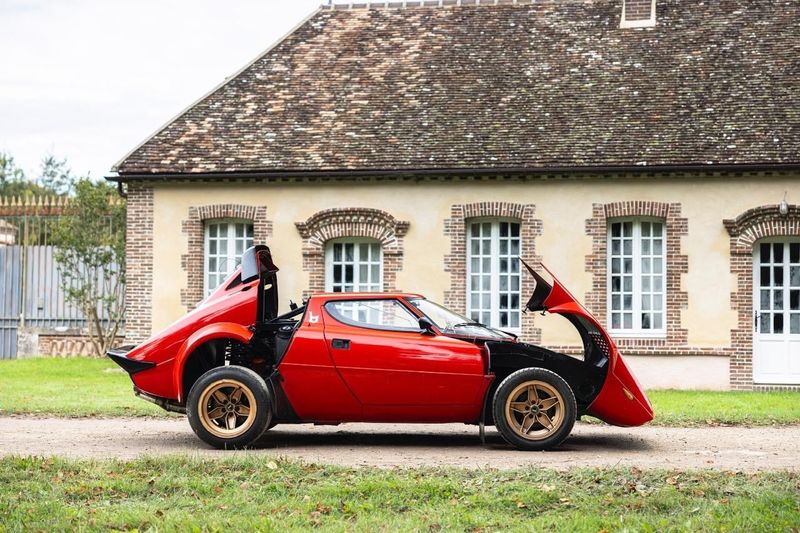
A tiny footprint packed a big stance on the Stratos, which sat on an ultra-short wheelbase with wide tracks, minimal overhangs and a very low roofline. This was pure rally packaging for razor-sharp directional changes and panoramic forward vision. Overall length is a little more than a modern city car, but the wraparound windscreen and twin clamshells (front for spare tyre and cooling, rear for the mid-mounted V6) make service access exceptionally easy.
Metric | Imperial | |
|---|---|---|
Wheelbase | 2,180 mm | 85.8 in |
Overall length | 3,710 mm | 146.1 in |
Overall width | 1,750 mm | 68.9 in |
Overall height | 1,110–1,140 mm | 43.7–44.9 in |
Kerb weight | 980–1,000 kg (competition lower) | 2,160–2,205 lb |
Marcello Gandini’s design for the Lancia Stratos was a masterclass in form following function. Every line, aperture, and proportion served the rallying aims of the time: compactness, visibility, serviceability, and aerodynamic efficiency. The wedge shape concealed a rational architecture, with a tiny footprint, low frontal area and panoramic wraparound glass all optimised for driver situational awareness.
Body and structure: The Stratos used a steel spaceframe / tubular frame core with integrated roll cage, clothed in fibreglass and composite clamshell body panels.
Front and rear access: The front clamshell opens forward, housing the spare and cooling plumbing; the rear clamshell opens rearward, exposing the V6 engine, gearbox and ancillaries for maintenance.
Proportions and stance: It featured an extremely short wheelbase (2,180 mm) and wide track. Overhangs are minimal, and the surfaces were sculpted to hug close to the mechanicals.


Cockpit layout: Very compact two-seat cabin, with reclining seats set low within deep door sills. The driver is located close to midline, helping weight distribution, and forward visibility is excellent - albeit at the expense of rearward vision, which wasn’t of much concern to rally drivers.
Controls and instrumentation: The dash is functional and driver-oriented: a central tachometer, auxiliary gauges, and a close-ratio floor-mounted 5-speed shift lever. Pedals were specifically positioned for heel-and-toe driving.
Trim and usability: On the Stradale, a few luxury features such as carpets and door cards were provided, but overall the interior was spartan and focused on function.


Safety relies on the spaceframe’s integrity, featuring a steel safety cell and a tubular spaceframe with fibreglass clamshell panels that are largely non-structural. Works-spec cars featured full cages, fire extinguishers and master cut-offs to comply with FIA Group 4 regulations. Every Stratos had disc brakes all-round, often vented, though some setups had no servo assistance.
Many Stratos models have been raced, so check each car’s history for prior competition use, storage and repairs - these can account for more risk than higher mileages. Check for spaceframe corrosion, clamshell mountings and diligent maintenance of the brakes/cooling/electrics through service history records.
Lancia Stratos Variants & Generations
FAQs
This purpose-built, mid-engined rally car (constructed between 1973 and 1978) won the World Rally Championship three years in a row from 1974 onwards.
Commonly cited as 492 production cars to meet Group 4 homologation. The Lancia Rally 037 succeeded it as Lancia’s official works rally car.
A Ferrari/Dino 2.4-litre V6 (transverse-mounted), generating 190 hp in Stradale guise.
Marcello Gandini at Bertone designed the Stratos, having also been behind the Stratos Zero concept and Lamborghini Miura/Countach.
The 1970 Stratos Zero was Gandini’s radical wedge concept that previewed the HF shape. In 2010, the New Stratos was a modern, one-off homage based on a shortened Ferrari 430 Scuderia, developed by Pininfarina.