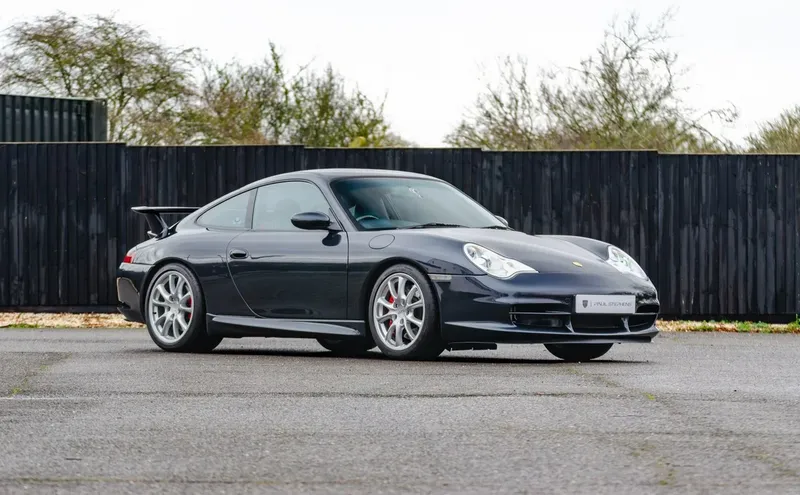
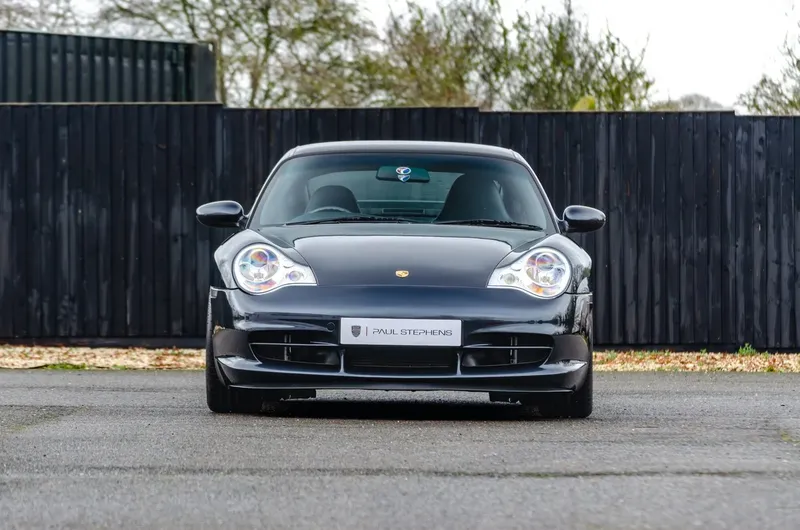
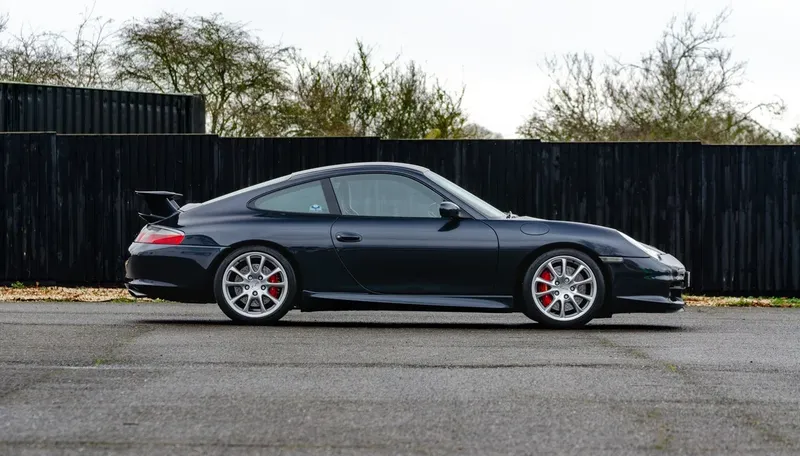
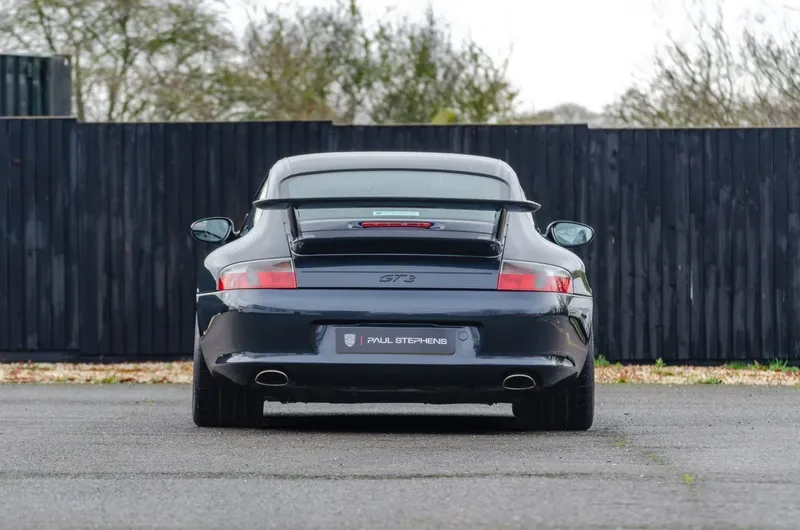
Porsche 996 GT3: Models and Specs
Years: 1999–2005 | Engine: 3.6-litre Mezger flat-six (M96/79) | Power: 360–381 bhp | Gearbox: 6-speed manual
Overview
Purists reacted with horror when the 996 GT3 debuted at the Geneva Motor Show in April 1999, becoming Porsche's first water-cooled GT3. This minor heresy aside, the 996 GT3 proved to be a largely conventional 911, using a 3.6-litre naturally aspirated Mezger flat-six, which made it the most powerful normally aspirated 911 at the time of its launch. Built on a modified Carrera 4 bodyshell, the GT3 used a six-speed gearbox and a limited-slip differential sourced from the 993 GT2. The 996.1 GT3 ran from 1999 to 2003, followed by the 996.2 GT3 of 2003 to 2005, which pumped up the volume to 381 bhp in tandem with a drive-by-wire throttle, variable valve timing and six-piston front brake callipers. The successor 997 GT3 of 2006 retained the Mezger architecture but moved to a 3.6-litre MA1 unit producing 415 bhp, with a revised suspension platform and a wider body.
Price
- Starting price
- 60 908 €
- Average price
- 86 221 €
- Price range
- 60 908 € - 155 455 €
Specifications
- Production years
- 1999–2005
- Engine range
- 3.6-litre flat-six
- Power range
- 360–381 bhp
- Gearbox
- 6-speed manual
- Body style
- 2-door coupe
Porsche 996 GT3 in Detail
The 996.1 GT3 was developed on Porsche's motorsport production line, making it the last road-going 911 built using that process, while it was also the final production 911 to use a mechanical throttle cable. Andreas Preuninger managed the project and deliberately excluded driver aids beyond ABS. The Clubsport package was available at no cost on the 996.1, with a single-mass flywheel for faster throttle response, plus six-point harnesses on high-backed bucket seats ahead of half a roll cage.
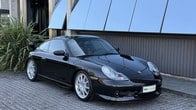
The 996.2 GT3’s exterior shifted from the 996.1's 'taco' biplane swan-neck rear wing to a simpler strut-mounted 'ironing board' design, and the 'fried egg' headlamps were replaced with teardrop units sourced from the 996 Turbo. Ceramic composite brakes became available as an option for the first time, and ride height rose marginally compared with the 996.1.
Variant | Power | Torque | 0–62 mph | Top Speed | Gearbox | Weight |
996.1 GT3 | 360 bhp | 273 lb-ft | 4.8 sec | 188 mph | 6-speed manual | 1,350 kg |
996.2 GT3 | 381 bhp | 284 lb-ft | 4.5 sec | 190 mph | 6-speed manual | 1,380 kg |
996.2 GT3 RS | 381 bhp | 284 lb-ft | 4.3 sec | 190 mph | 6-speed manual | 1,360 kg |
The 996.2 GT3's 21 bhp increase over the 996.1 stemmed from the introduction of VarioCam and drive-by-wire, which broadened torque delivery and raised the rev ceiling by 400 rpm. The GT3 RS achieved a 0–62 mph time 0.2 seconds quicker than the standard 996.2 GT3 thanks to a 20 kg weight reduction via revised body panels, a carbon-fibre front lid and the removal of sound-deadening material.
The 996 GT3 used the narrow-body 996 shell, distinguishing it from the wide-body Turbo and GT2 variants of the time. Front air intakes were revised between 996.1 and 996.2 with different slope angles to the inlet ducts, and the 996.2 added moulded side skirts to improve underbody airflow.
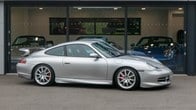
You can tell these cars apart by their wheels. The 996.1 used 18-inch split-rim multi-spoke alloys, whereas the 996.2 switched to a single-piece 'cloverleaf' five-spoke design.


The 996 GT3 came without any rear seats, most of the standard 996 sound-deadening materials and even an audio system. Air conditioning and a CD player were available at no extra cost, and were consequently specified by most UK buyers. Manual door mirrors were standard, but electric windows were retained. The centre console on cars ordered without a stereo was replaced by a panel with a storage cubby.


No Euro NCAP crash testing was conducted for the 996 GT3, and the broader 996 range was never submitted for NCAP assessment. Standard safety equipment on the 996 GT3 comprised Bosch 5.3 four-channel ABS, but there was no electronic stability programme on the 996.1 GT3. The 996.2 GT3 introduced PSM as an option.
Bodywork and crash history
Check the VIN against the V5C and confirm the engine number, cross-referencing with a Porsche build sheet
Lift the front boot carpet and inspect for creases in the floor pan, which is a sign of unrepaired accident damage
Stone chips concentrated around the front bumper, lower section, and rear wheel arch leading edges are common on track-used cars
Engine and cooling
Inspect the external coolant pipe collars at both attachment points on the engine for signs of epoxy degradation, weeping coolant or pinning with bolts rather than model-appropriate TIG welding
Check front-mounted radiators and air-conditioning condensers behind the front bumper for corrosion from accumulated debris. Clear the intake scoops and inspect for stone chip damage
Confirm oil change frequency. Mezger engines used on a track should have records of oil changes before and after circuit sessions, since infrequent oil changes accelerate crankshaft seal wear
Listen for timing chain rattle at idle and check for oil seepage from crankshaft seals
Gearbox and transmission
996.1 gearboxes used phosphor-bronze synchromesh rings, whereas 996.2 cars used updated steel items
Test the limited-slip differential for premature wear
Check clutch weight and engagement point. A heavy clutch feel on predominantly road-driven cars is normal, but a clutch replacement costs approximately £2,400
Suspension
Inspect tuning fork bushes at body attachment points for knocking under load. Polyurethane replacements are widely used as a serviceable alternative
Confirm lower control arms are standard Porsche items. The GT3's adjustable two-piece design is not serviceable and must be replaced as a unit if worn
Check for non-standard coilover suspension, since some previous owners fitted aftermarket coilovers unsuitable for road use
If PCCB brakes are fitted on a 996.2, inspect the carbon-ceramic discs for cracks or stone damage, since replacement costs are substantial.
Price trends
Venda mais recente
69 950 £
1999 Porsche 911 GT3 996 Coupe

Atualmente à venda
9
0 leilões ao vivo
9 anúncios


Total vendidos
34
Preço de venda mais alto
155 455 €
Preço médio
86 221 €
Preço mais baixo
60 908 €
FAQs
No. The 996 GT3 uses the Mezger engine (M96/79), which has a dry-sump lubrication system derived from the 911 GT1 race programme. This does not include the intermediate shaft bearing design of the standard M96 unit, which was fitted to the 996 Carrera and Boxster.
The 996 GT3 engine's external coolant pipes are secured to their cast housings using an epoxy adhesive collar. Over repeated heat cycles, the adhesive breaks down, causing the pipes to work free and allowing sudden (and total) coolant loss. The definitive fix involves removing the engine, stripping and cleaning the cast housings and welding the pipes in place. Some cars have had the pipes drilled and bolted as a temporary fix, but you should rule out any cars to which this has been done.
The 996 GT3 produces 360–381 bhp against the 997.1 GT3's 415 bhp, with a 0–62 mph time of 4.8–4.5 seconds against the 997.1's 4.1 seconds. The 996 GT3 is lighter (1,350–1,380 kg vs 1,395 kg), and its analogue driving character appeals to buyers who prioritise driver involvement over outright pace.
The Clubsport package was a no-cost factory option that didn't increase power or alter the 996’s drivetrain. Many buyers prefer the cleaner interior of Comfort-spec cars, with standard seatbelts and no roll cage or fire extinguisher.