Buick Roadmaster: Models, Specs and Buyer's Guide
Core Specs: 1936–1958 • 5.2–6.0 L straight-8/V8 petrol engines • ~120–300 bhp • Dynaflow automatic (classic era) / 4-speed automatic (1990s) • RWD • ~110 mph top speed
Buick Roadmaster Overview
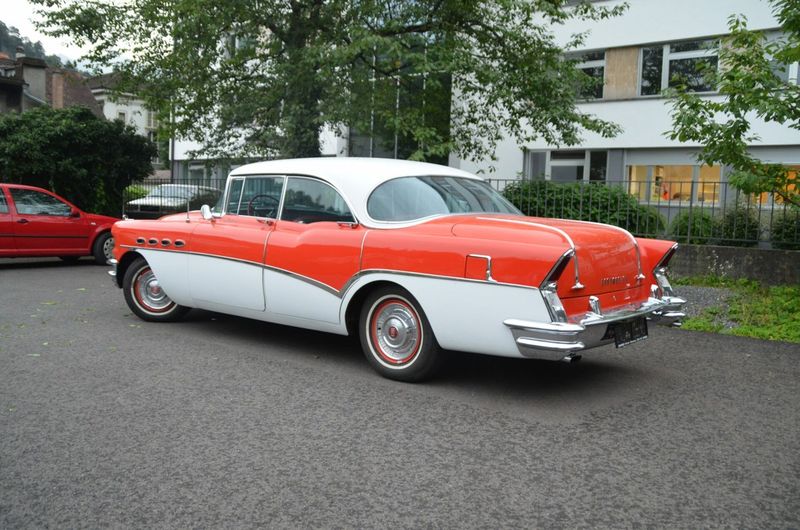
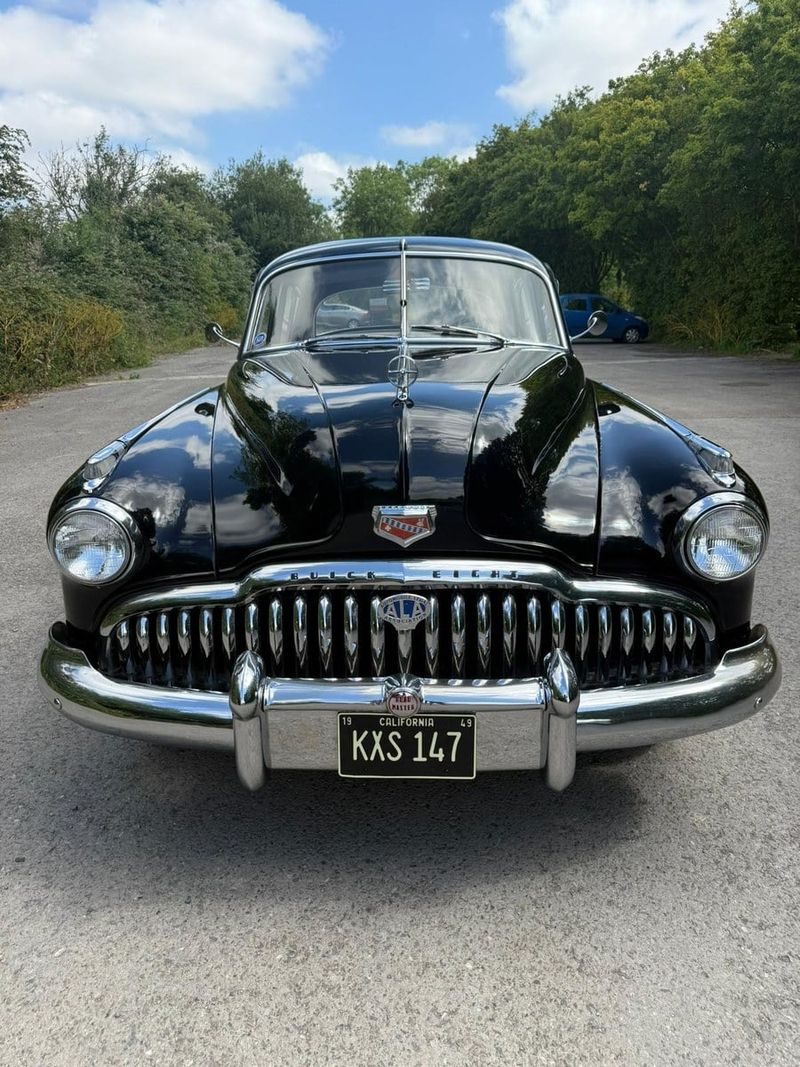
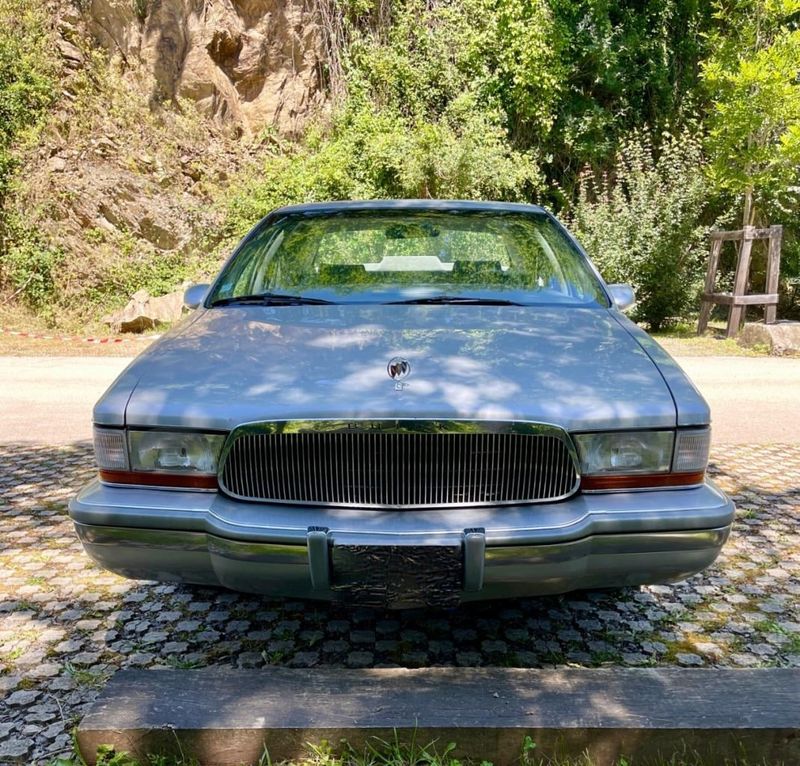
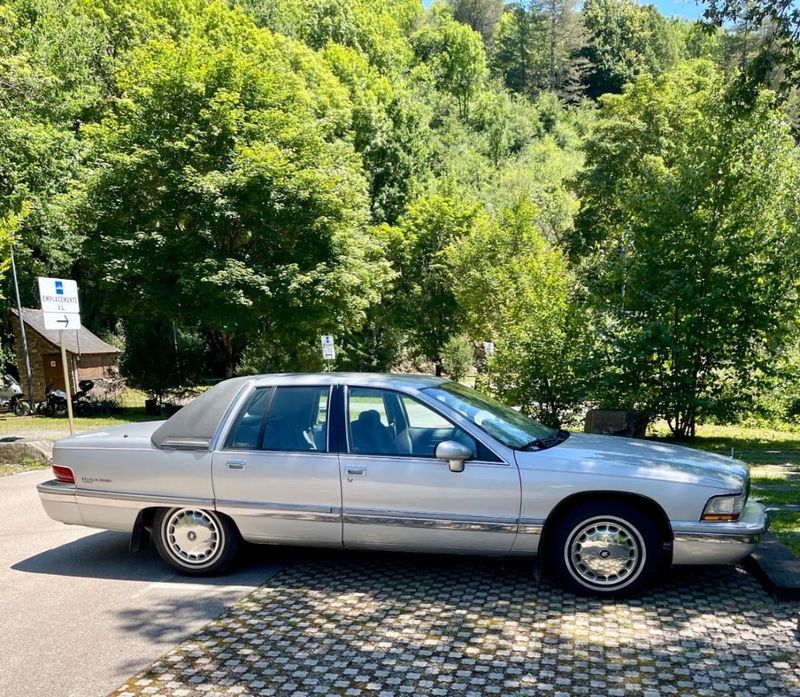
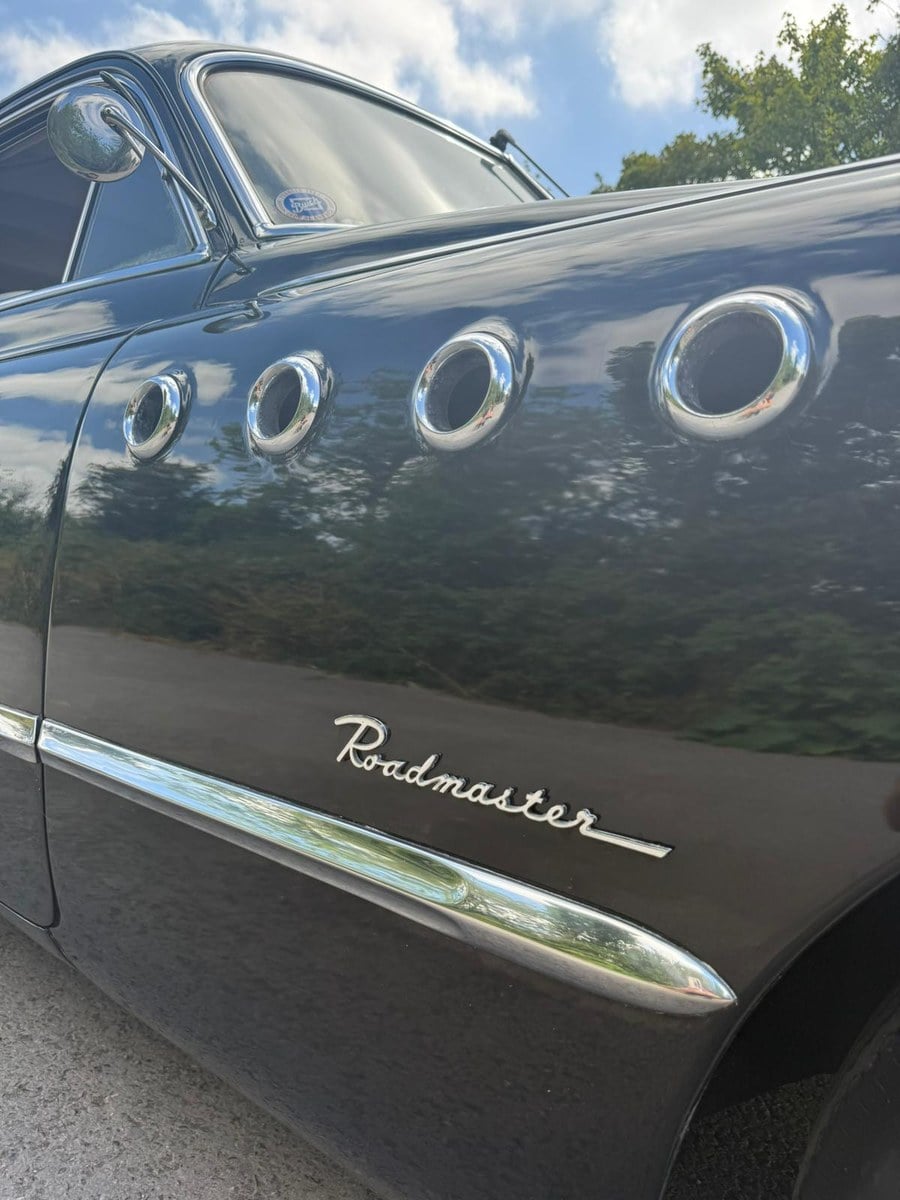
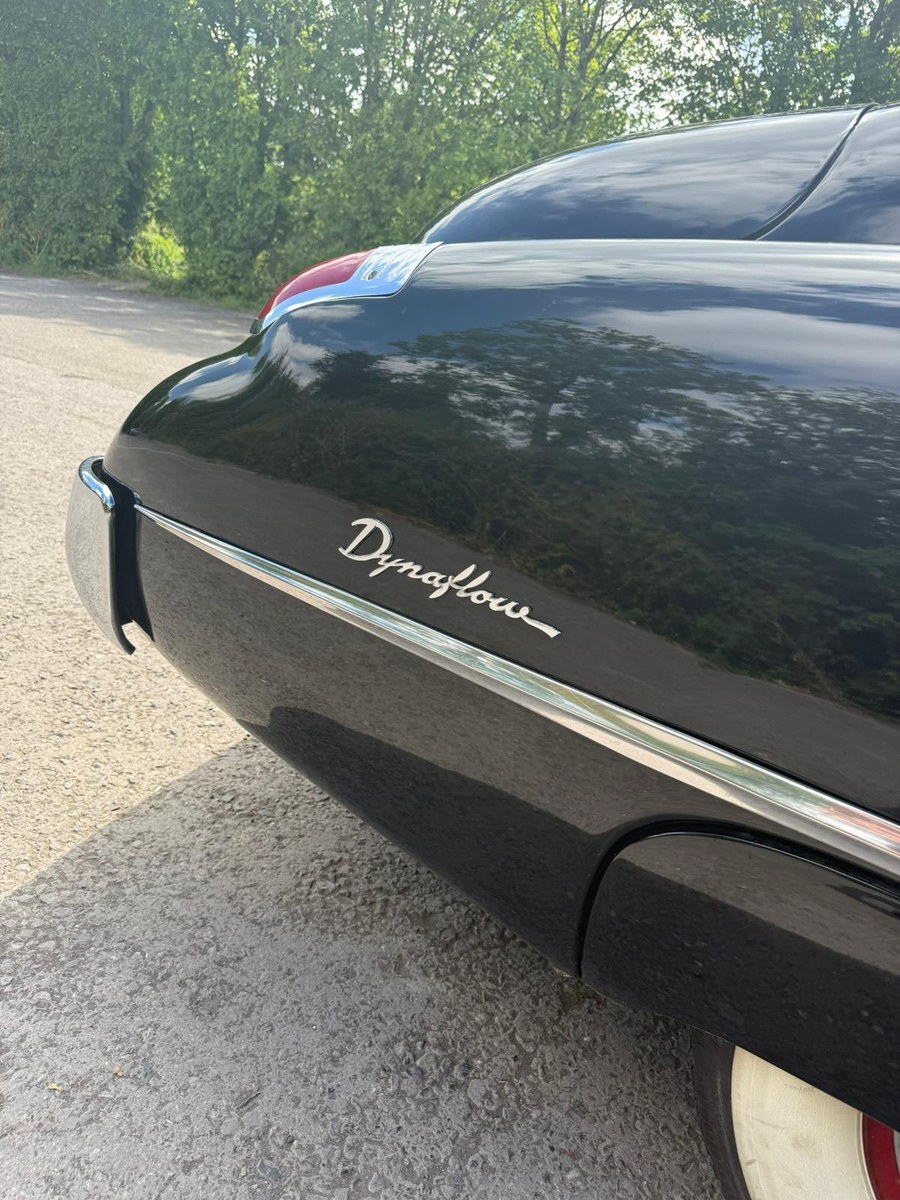
With the exception of the Jensen Interceptor, the Buick Roadmaster can arguably lay claim to the greatest name ever bequeathed to a car. This is one of Buick’s most storied nameplates, spanning two eras: the celebrated 1936–1958 timeline and a short-lived comeback in the early 1990s. Classic Roadmasters occupied Buick’s longest wheelbases with straight-eight “Fireball” power. They also sported signature postwar cues, including a toothy grille, a Dynaflow automatic gearbox, and, from 1949 onwards, the “VentiPorts” and a sweeping chrome spear that became Buick trademarks. The less dramatic final-generation model returned in 1991 as an old-school body-on-frame, rear-drive saloon. In 1994, it gained GM’s LT1-derived 5.7-litre V8, producing 260 hp. However, it went off sale in 1996, and the name has not been revived since.
C&C Expertise
The evocatively-named Roadmaster is one of the great American cars of the twentieth century. Produced in eight distinct generations from dignified luxury to a '90s cult-classic status, the Roadmaster offered US motorists sturdy, reliable full-size transportation. Roadmasters produced between 1936 and 1958 are highly sought after, while the ‘90s revival has its own dedicated following. For fans of old-school American ‘land yachts’, a Buick Roadmaster will not disappoint.
Buick Roadmaster Price
- Starting price
- $5,000
- Average price
- $35,333
- Price range
- $5,000 - $64,283
Buick Roadmaster Specifications
- Platform/Drive
- GM B-body; RWD
- Engine
- 5.7-L LT1-family V8, 260 hp @ 5,000 rpm, 330 lb-ft @ 2,400 rpm
- Transmission
- 4-speed automatic (4L60-E)
- Suspension
- F: control arms; R: live axle (Dynaride)
- Brakes
- F: vented discs; R: drums; ABS standard
Buick Roadmaster in Detail
1936: “Roadmaster” name debuted as Buick’s Series 80 moved upmarket, using GM’s C-body.
1947: Roadmaster Estate wagon body style joined the range, with both variants jointly serving as Buick’s postwar flagship.
1948: Dynaflow automatic transmission was introduced, becoming a Buick hallmark throughout the 1950s.
1949: A big redesign took place with a curved windshield and VentiPorts added.
1953: New OHV “Nailhead” V8 (322 cid) replaced the straight-eight in Super/Roadmaster versions.
1991–1992: The Roadmaster name returned for estate (1991) and saloon (1992) models.
1994: The introduction of the LT1-family 5.7-L V8 (260 hp) transformed the car’s performance.
1996: Final model year, with the Arlington Assembly plant retooled for trucks and SUVs.
The Nineties Roadmaster offered big-car comfort with surprising pace in LT1 form. Contemporary tests underlined how the 260-hp 5.7-litre V8 moved more than two tons of Buick with ease, maintaining the original model’s penchant for prioritising smoothness over outright speed.
Model (as tested/period) | Engine and Output | 0–60 mph | 1/4-mile | Top speed |
|---|---|---|---|---|
1996 Roadmaster | 260 hp LT1; 4-spd auto | 8.1 s | 16.0s | 108 mph |
Towing (’94–’96): The Nineties-era Roadmaster could tow 5,000 lb when properly equipped.
The original Roadmaster blended American luxury with classic inter-war visual drama. It swapped wide grilles, long bonnets and generous brightwork in its classic years for understated, slab-sided modernity in the 1990s. Signature cues like the 1949 VentiPorts and the sweeping body-side chrome spear went onto become Buick icons, while the ’90s Estate revived traditional touches such as simulated woodgrain and a fixed Vista Roof skylight.
Classic era (’40s–’50s): The original model sported “toothy” waterfall grilles, four VentiPorts and the sweepspear accent that visually lengthened the profile.
1991–1996: Formal three-box saloon and long-roof Estate. Simulated woodgrain applique was standard on estates, which also featured the fixed second-row Vista Roof.
Needless to say, pre- and post-war Roadmasters had no safety features to speak of. By the 1990s, factory-fitted features included dual front airbags and four-wheel ABS.
Price trends
Most recent sale
€57,500
1949 Buick Roadmaster

Currently for sale
14
0 live auctions
14 adverts



Total sold
16
Highest sale price
€64,283
Average price
€35,333
Lowest price
€5,000
FAQs
Initially from 1936–42, then production resumed between 1946–58. The model name was reprised between 1991 and 1996.
It uses an LT1-family 5.7-litre V8 closely related to the Corvette’s, tuned for smoothness and torque to deliver 260 hp and 335 lb-ft.
Reviewers recorded a 0–60 mph time of 7.8 seconds and a 108-mph (governed) top speed in a 1994 saloon.
Up to 5,000 lb when properly equipped with the factory towing package.
Key measurements included a wheelbase of 115.9 in, a maximum length of 215.8 in and a width of 78.1 in.