Citroën CX: Models and Specs
Citroën CX (1974–1991) front-engine, front-wheel-drive executive saloon/estate with hydropneumatic self-levelling suspension, available with petrol and diesel engines, 5-speed manual or 3-speed automatic transmission.
Overview
Although it never managed to escape the shadow of its legendary DS predecessor, the Citroën CX was the big, bold executive car that carried Citroën's hydropneumatic technology into a new era. This spacious and technically ambitious car offered self-levelling suspension, advanced aerodynamics and a cabin built for long-distance comfort, all bundled into one of the most distinctive automotive shapes of the 1970s. A well-preserved CX offers versatility and genuine character, especially in the age of homogenous EVs. It's roomy enough for four adults, practical enough for regular use and unusual enough to stand out at any classic gathering. The key is finding one with honest bodywork, well-maintained hydraulics and a history that shows it's been cared for rather than just stored. The CX isn't a simple classic to run, but it rewards owners who understand its quirks, and few cars from this era feel quite as special on the move.
C&C Expertise
Representing excellent value for money, the last of the ‘Big Citroëns’ offers the French firm’s signature hydropneumatic suspension for that inimitable ‘magic carpet ride’. A fitting successor to the DS and SM, the CX is seriously underrated in the current market and is a great option for long-distance touring. Any leaks or faults with that complex hydraulic system can rack up some hefty repair bills, and look out for rust, since, unlike the DS, exterior panels are not bolt-on replaceable.
Price
- Starting price
- 470 €
- Average price
- 7 315 €
- Price range
- 470 € - 32 534 €
Specifications
- Manufacturer
- Citroën
- Production Years
- 1974–1991
- Vehicle Class
- Executive car
- Body Styles
- 4-door saloon; 5-door Safari/Familiale estate
- Layout and Drive
- Front-engine, front-wheel drive
Citroën CX in Detail
1974–1977: Launch
The CX was unveiled in August 1974 as Citroën's new flagship, replacing the DS with a lower, more aerodynamic body while retaining the brand's signature hydropneumatic suspension. Initial engines were 2.0-litre and 2.2-litre petrol units.
1977–1982: Expansion and performance variants
Citroën added the CX 2400 GTi in 1977, bringing fuel injection and sharper performance. The vast Safari/Familiale estate arrived in 1976, while diesel models launched in 1978 further broadened the lineup.
1982–1985: Refinement and diesel focus
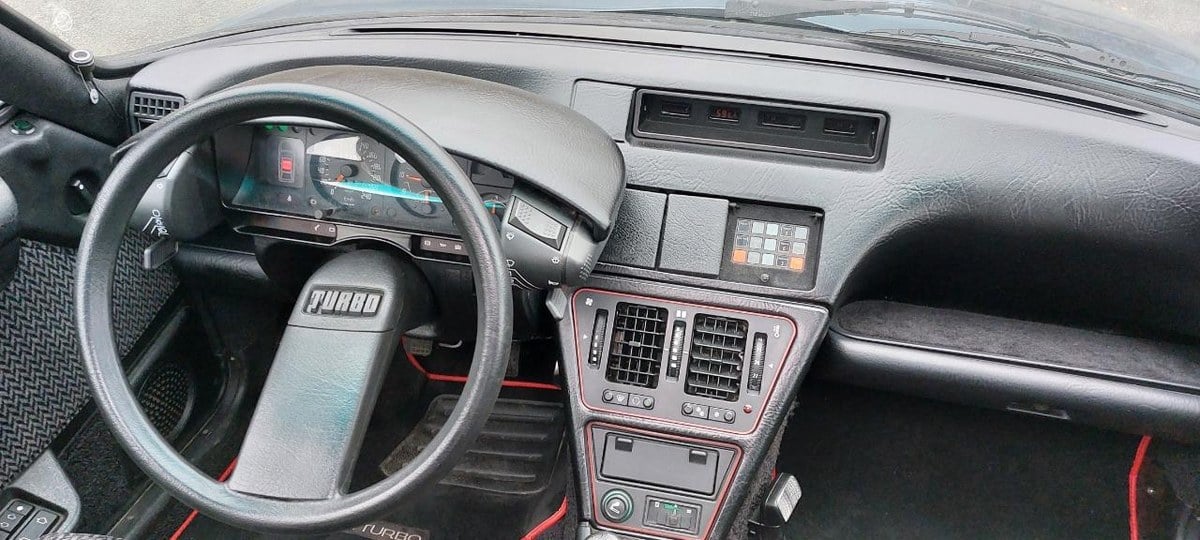
Citroën introduced the CX 25 GTi Turbo in 1984, while the iconic single-spoke steering wheel and rotating-drum instruments were retained throughout Series 1 production.
1985–1989: Series 2 facelift
A major update in 1985 heralded conventional round instruments, a revised dash layout and detail styling changes. In 1987, the CX 25 TRD Turbo 2 diesel became the world's fastest production diesel, hitting 115 mph.
1989–1991: Final years and succession
Production wound down as the XM arrived to replace the CX, with the last CX manufactured in July 1991. Total production reached around 1.2 million units.
The Citroën CX evolved substantially over 17 years, from early naturally aspirated models and sporty GTi versions to the increasingly popular turbodiesels that dominated later production.
Performance is still respectable for a large executive car of the era, but the CX's real strength is its long-distance refinement and ride comfort, rather than outright speed.
All CX models use front-wheel drive with hydropneumatic self-levelling suspension, which provides exceptional ride quality and load-carrying ability, though it requires proper maintenance of the high-pressure hydraulic system.
Variant / period | Engine | Power (hp) | 0–100 km/h (0–62 mph) | Top speed |
|---|---|---|---|---|
CX 2000 (1974–1979) | 2.0-litre petrol inline-4 | 102 | 14 s | 165 km/h (103 mph) |
CX 2400 GTi (1977–1982) | 2.4-litre petrol inline-4, fuel injection | 128 | 10.5 s | 185 km/h (115 mph) |
CX 25 GTi Turbo (1984–1989) | 2.5-litre petrol inline-4, turbocharged | 168 | 8.5 s | 220 km/h (137 mph) |
CX 25 TRD Turbo 2 (1987–1991) | 2.5-litre diesel, turbocharged | 120 | 12 s | 185 km/h (115 mph) |
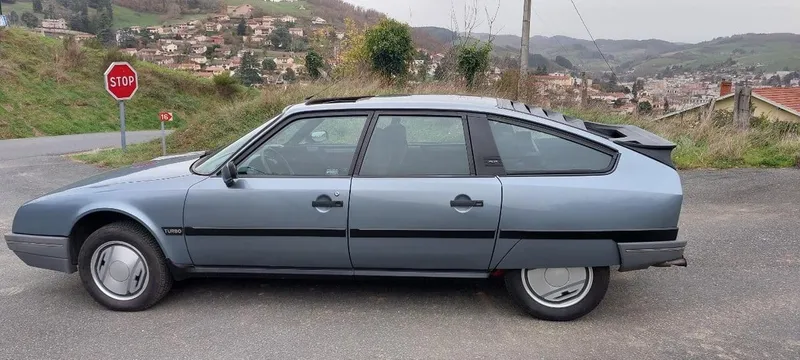
The Citroën CX was a large car by the standards of the time, with generous interior space and a long, low profile that suited its aerodynamic brief.
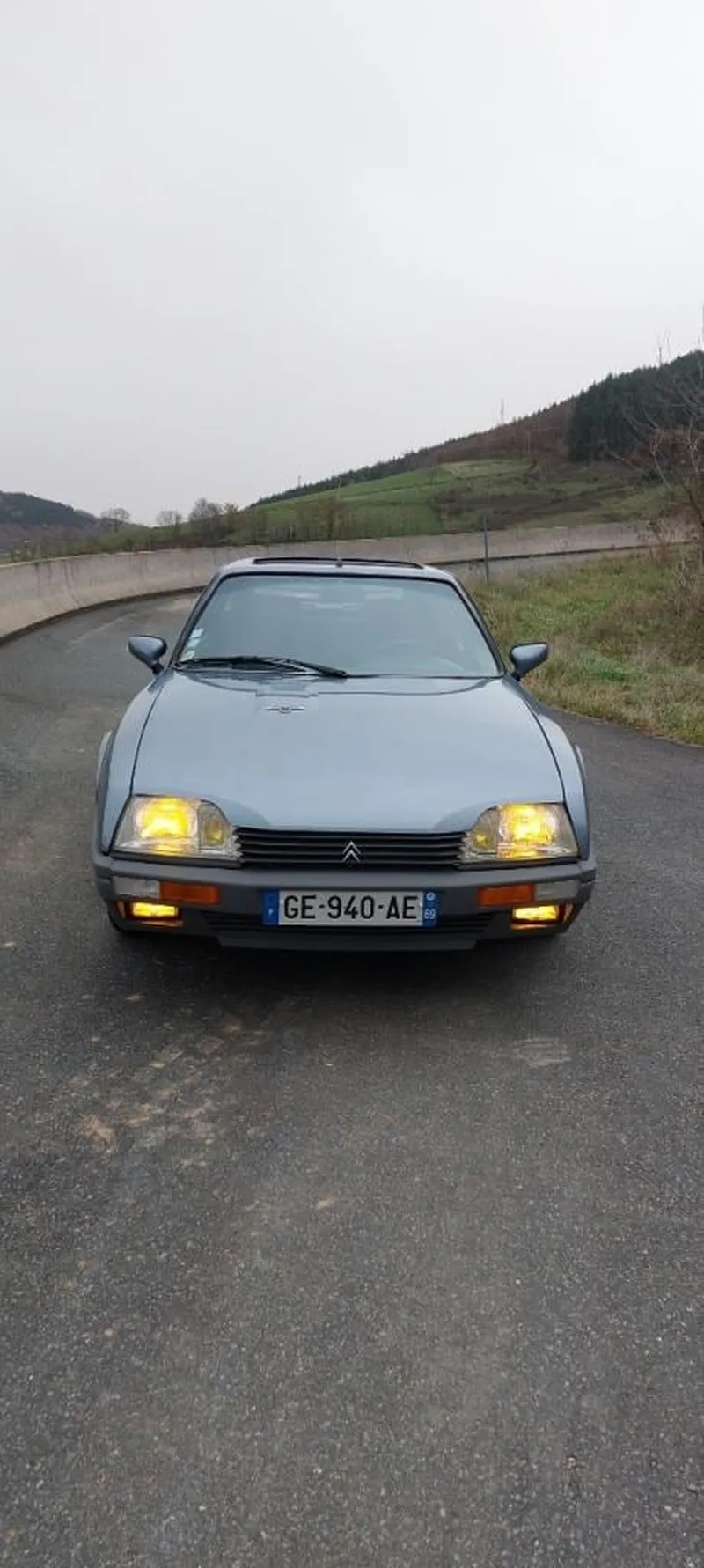
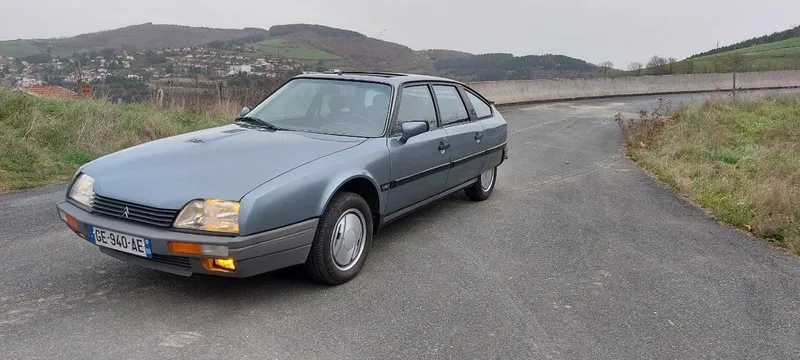
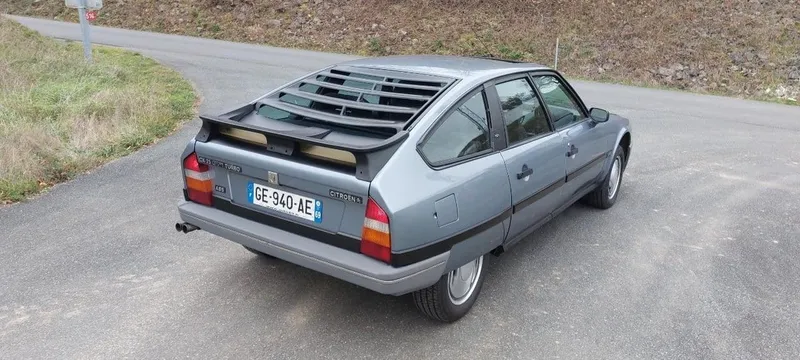
The Citroën CX's design embodies period aerodynamic tricks and Gallic individualism. Bertone's sleek, wedge-shaped body was radical by 1974 standards, with a drag coefficient of just 0.36 achieved by instantly recognisable design signatures like a long and low bonnet with concave rear screen, flush glass and uncluttered sides with minimal brightwork.
A well-kept CX still looks purposeful and modern, with a presence that few rivals can match despite a low stance thanks to its hydropneumatic suspension.
These cars were used hard in their day, and surviving examples vary hugely in condition. Look for corrosion across the floors, sills, inner wings, rear suspension mounts and tailgate (on estates). CX body panels can be tricky to source, so evidence of past accident damage or poor repairs should be investigated carefully.
Faded, patchy, or mismatched paint is common on unrestored cars, while cracked screens and perished seals may lead to leaks and interior damage, including dampness. Original brightwork can be hard to replace, and pitted or missing trim can affect value, while correct-period wheels matter for both appearance and handling. It’s vital to lift the car or inspect underneath for rust, fluid leaks, and the condition of the hydraulic pipes.
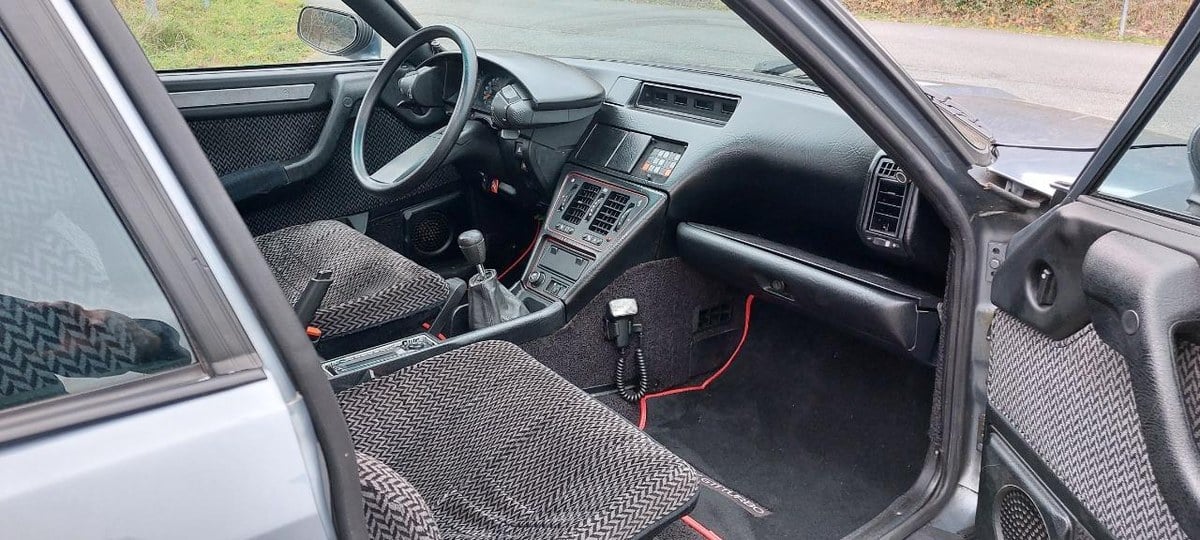
The CX’s cabin is airy and unmistakably French, with quirky ergonomics (not least the stereo systems vertically mounted between the front seats) alongside features that still feel modern decades later. Series 1 cars are famous for their single-spoke steering wheel and rotating-drum instruments, while Series 2 models switched to conventional round dials and a more orthodox dash layout.
Buyers can expect comfortable, supportive seats with good adjustment and legroom ahead of a practical boot - or a huge load space in the Safari estate. The quirky controls and switches aren’t always intuitive, and a tired cabin can be expensive to restore properly.
The Citroën CX was advanced for its era, with strong passive safety features and clever engineering. It had a monocoque body with deformable zones, self-levelling suspension that maintains ride height regardless of load, and powerful brakes with high-pressure hydraulic assistance , which deliver confident, stable handling in normal conditions. This is still a heavy front-wheel drive car, though, so respect its limits, especially in wet weather.
For any Citroën CX, the condition of its hydraulic system is the single most important factor in deciding whether to buy or walk away. The hydropneumatic suspension, brakes and steering all run off the same high-pressure system, and neglected or leaking cars can be expensive to repair.
Key hydraulic checks:
Does the car rise to full height smoothly when started?
Is there any sign of fluid leaks from spheres, pipes, pumps or rams?
Does the suspension stay level over bumps?
Are the brakes firm and responsive, with no sponginess or judder?
Is the steering light and precise when running?
Body and structure:
Rust in floors, sills, inner wings, rear suspension mounts and door bottoms is common and can be severe.
Check carefully for accident damage, poor repairs or signs of filler in panels.
Engine and mechanical:
Petrol engines are generally robust but need regular servicing; be vigilant for signs of overheating, oil leaks and rough running.
Diesel engines (especially turbos) are tough but can suffer from injector pump issues, turbo wear and fuel system problems.
C-Matic automatic gearboxes are reliable if they’re maintained, but expensive to rebuild if they’re not. Manual boxes are simpler, particularly for CX newcomers.
Electrical and trim:
Wiring can be fragile and corroded, with electrical gremlins commonplace on neglected cars.
Interior trim, headlinings and carpets age visibly and can be hard to source.
The best CX buys are well-documented cars with recent hydraulic maintenance, smooth flanks and evidence of regular use.
Variant & Generations


Tendances des prix
Vente la plus récente
5 999 £
1985 Citroen CX

Actuellement en vente
44
0 enchères en direct
44 annonces


Total vendu
141
Prix de vente le plus élevé
32 534 €
Prix moyen
7 315 €
Prix le plus bas
470 €
FAQs
Around 1.2 million CX models were built during a 17-year production run, making it one of Citroën's most successful large cars.
It's durable if properly maintained, but neglected systems tend to leak and fail. Set aside money for regular fluid changes, sphere replacements and pipe/seal work as part of long-term ownership.
Prioritise hydraulic system health, body rust and service history, alongside evidence that the car has been routinely used and maintained rather than stored.
Many mechanical and hydraulic parts are still available through specialists, but body panels, interior trim and some electrical components can be harder to source.
A well-maintained Series 2 saloon with a 2.5-litre turbodiesel or 2.4-litre GTi petrol engine offers the best balance of usability, parts availability and driving enjoyment. Avoid very early or tired examples unless you're enthusiastic about taking on a project.
Yes, if it's in good health. The CX is comfortable, practical and economical (especially diesel models). However, it demands regular maintenance and understanding of its hydraulic systems.