Citroën SM: Models and Specs
1970–1975, Maserati V6, front-engined/front-wheel-drive, fastback coupé
Overview
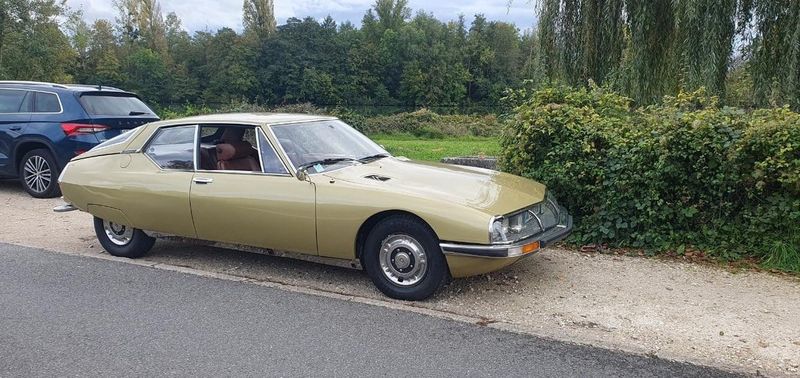
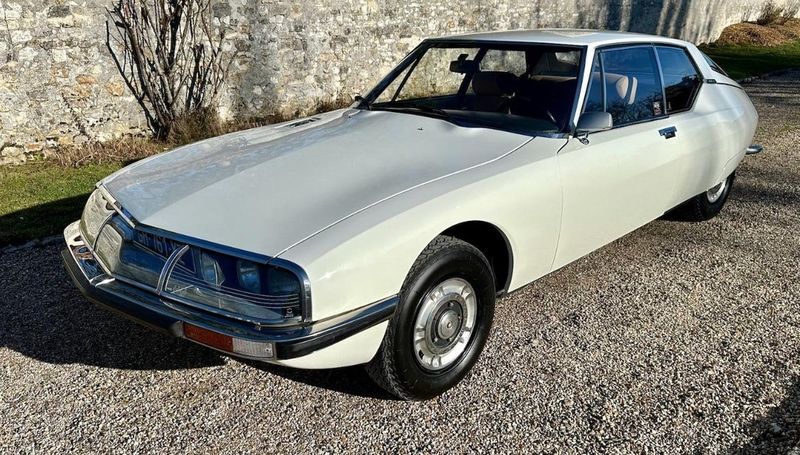
The post-war decades weren’t always kind to Citroën, but the iconic SM represented the French manufacturer's entry into the grand tourer segment. Inspired by Citroën's acquisition of Maserati, the SM demonstrated how much performance could be extracted from front-wheel drive. This technical tour de force symbolised the progressive optimism of the early Seventies - and it still looks superb today.
Price
- Starting price
- € 6.772
- Average price
- € 32.154
- Price range
- € 6.772 - € 60.000
Specifications
- Production Years
- 1970–1975
- Body Styles
- Fastback coupé, convertible
- Layout/Drive
- Front-engine, front-wheel drive
- Engine Family
- Maserati V6
- Transmission Types
- 5-speed manual, 3-speed automatic
Citroën SM in Detail
The SM emerged in 1970 as Citroën's flagship car, building on the company's 1968 acquisition of Maserati. The original brief was to create a compact V6 that could be manufactured using existing Maserati V8 tooling, while Robert Opron's aerodynamic design achieved an exceptionally low drag coefficient of 0.336.
Citroën's fascination with quirky mechanicals saw the SM pioneer DIRAVI variable-assist power steering, which eliminated road feedback entirely and enabled drivers to maintain course through potholes at speed without any steering wheel kickback. The already established hydropneumatic self-levelling suspension was borrowed from the DS, while directional headlights swivelled with steering input,
Production ended in 1975 following Citroën's financial difficulties and the company's absorption into Peugeot, by which time approximately 12,920 examples had been built.
The SM's performance evolved thanks to progressive engine development, with Maserati's compact V6 initially displacing 2.7 litres before growing to 3.0 litres in response to emissions regulations and customer demand for greater torque. Power outputs ranged from 170 to 180 PS depending on the induction method and capacity, though the SM's identity was focused on sustained high-speed cruising rather than outright acceleration.
Specification | Range |
Engine family / displacement | Maserati V6 / 2,670–2,965 cc |
Power range | 170–180 PS |
0–100 km/h | 8.5–9.0 sec |
Top speed | 127–142 mph |
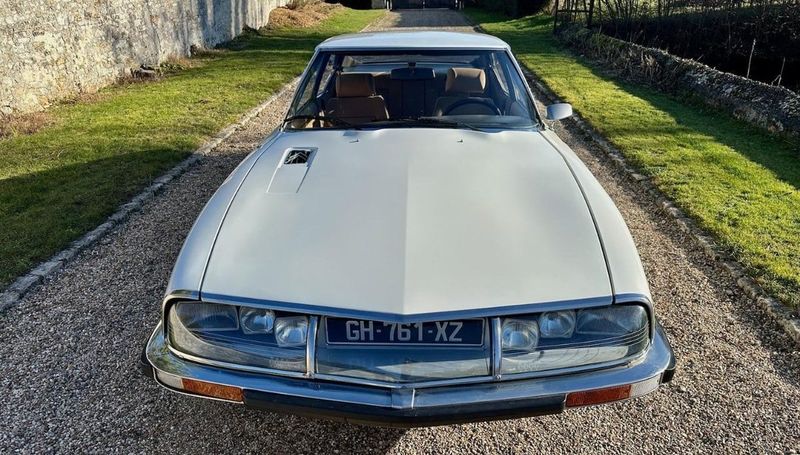
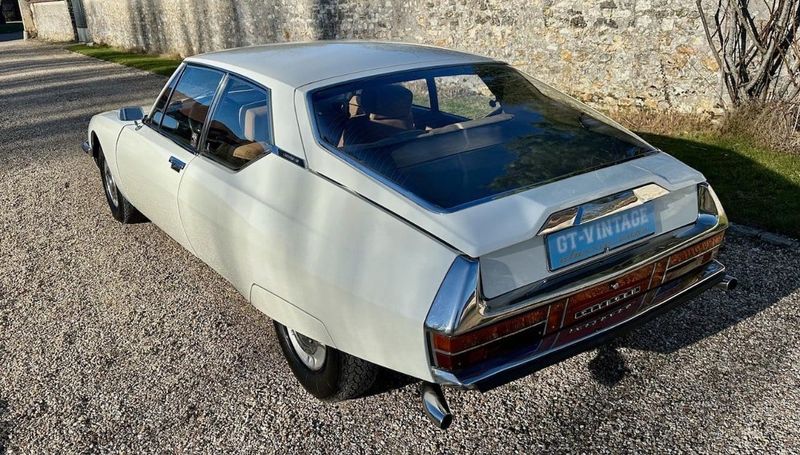
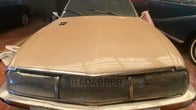
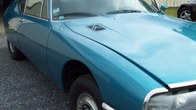
The SM is instantly recognisable thanks to its teardrop profile, with six halogen directional headlights mounted beneath curved (and heated) glass covers flowing seamlessly into the bodywork. The low nose and fastback glasshouse create proportions unlike any contemporary GT. Inside, the cabin philosophy prioritised fingertip control, with minimal-effort steering through a single-spoke wheel mounted ahead of instrumentation arrayed behind glass in what would become the modern way.
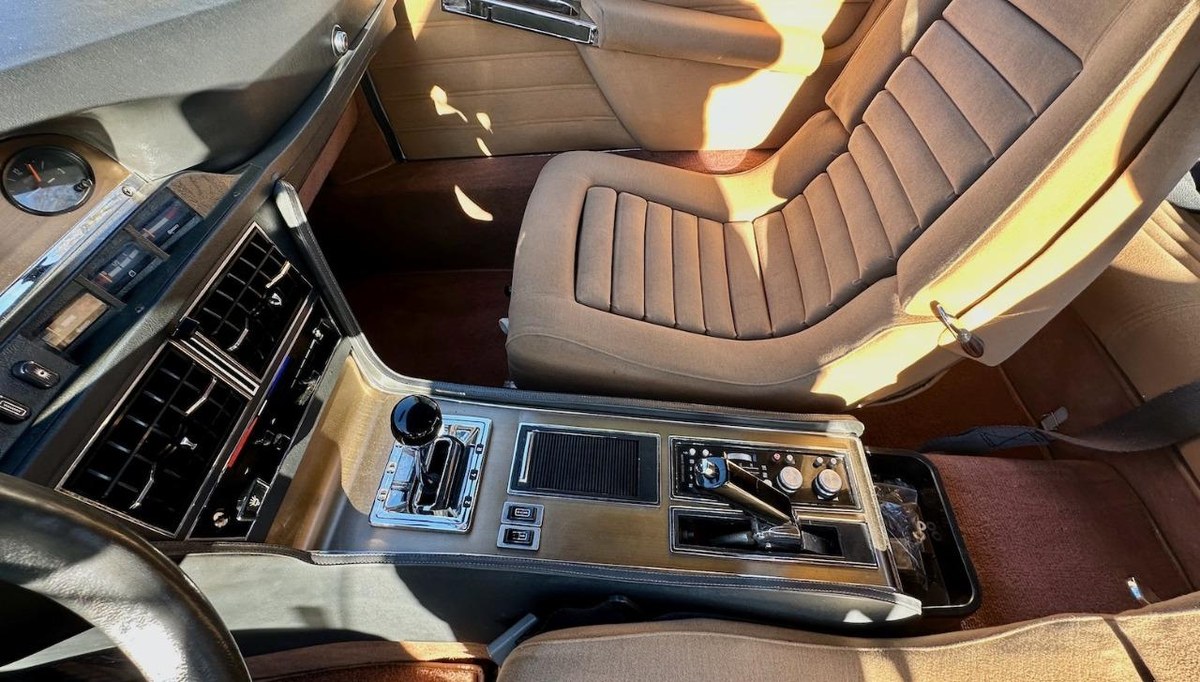
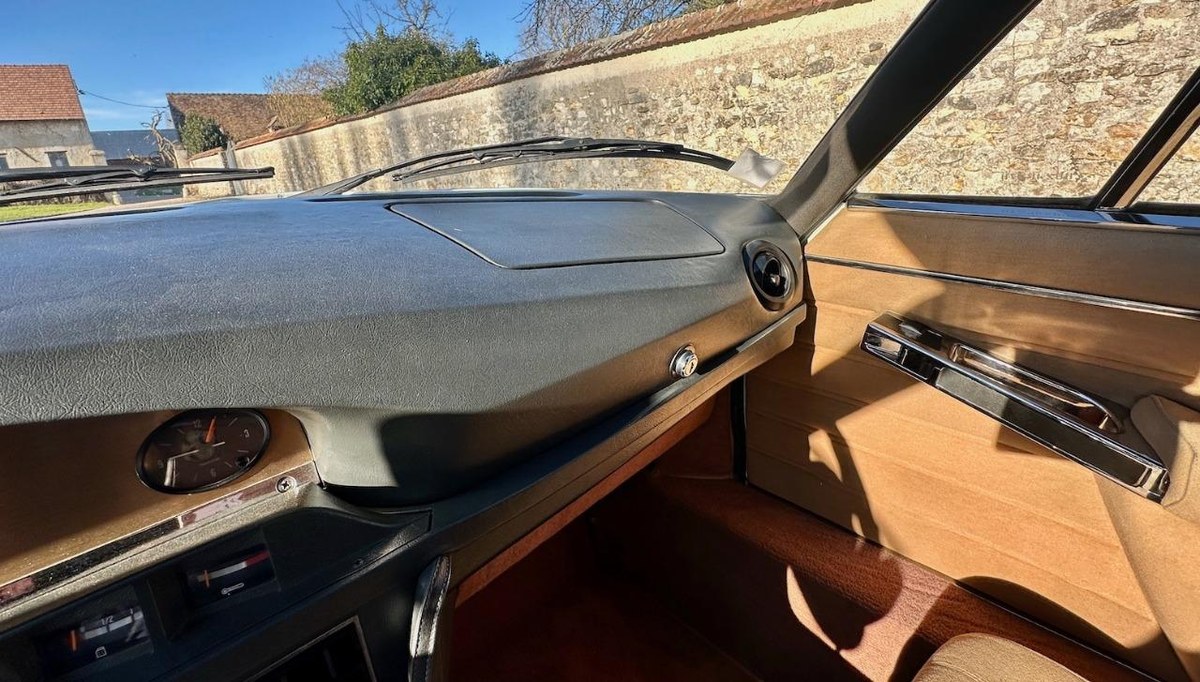
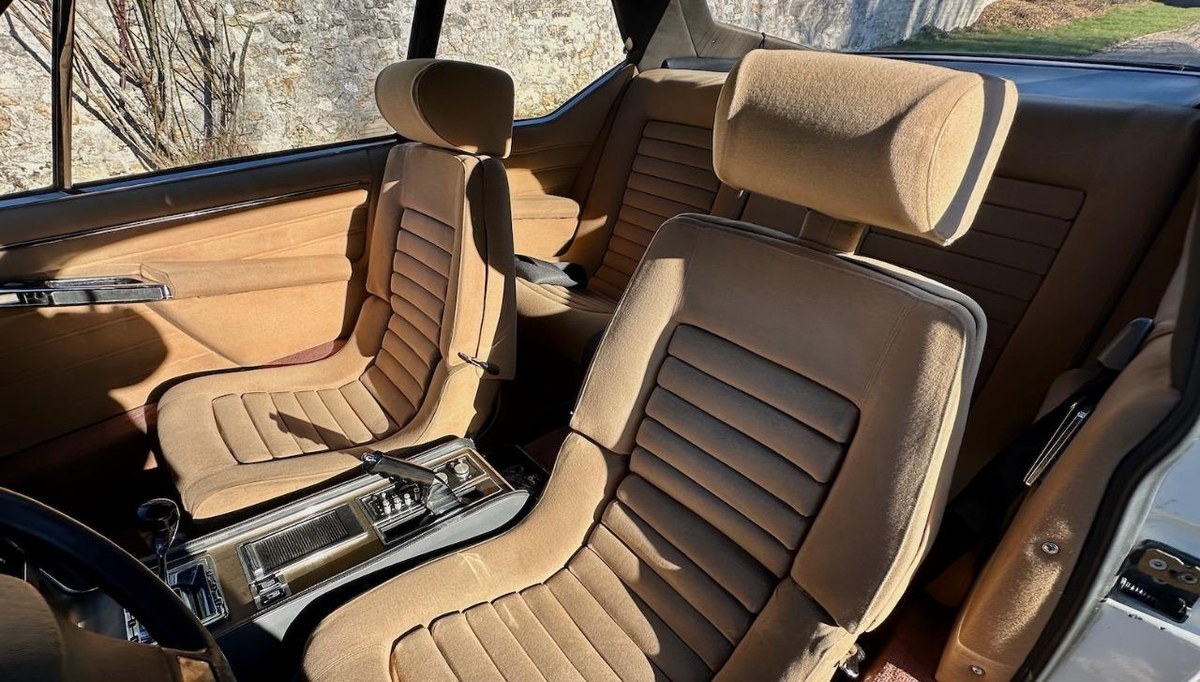
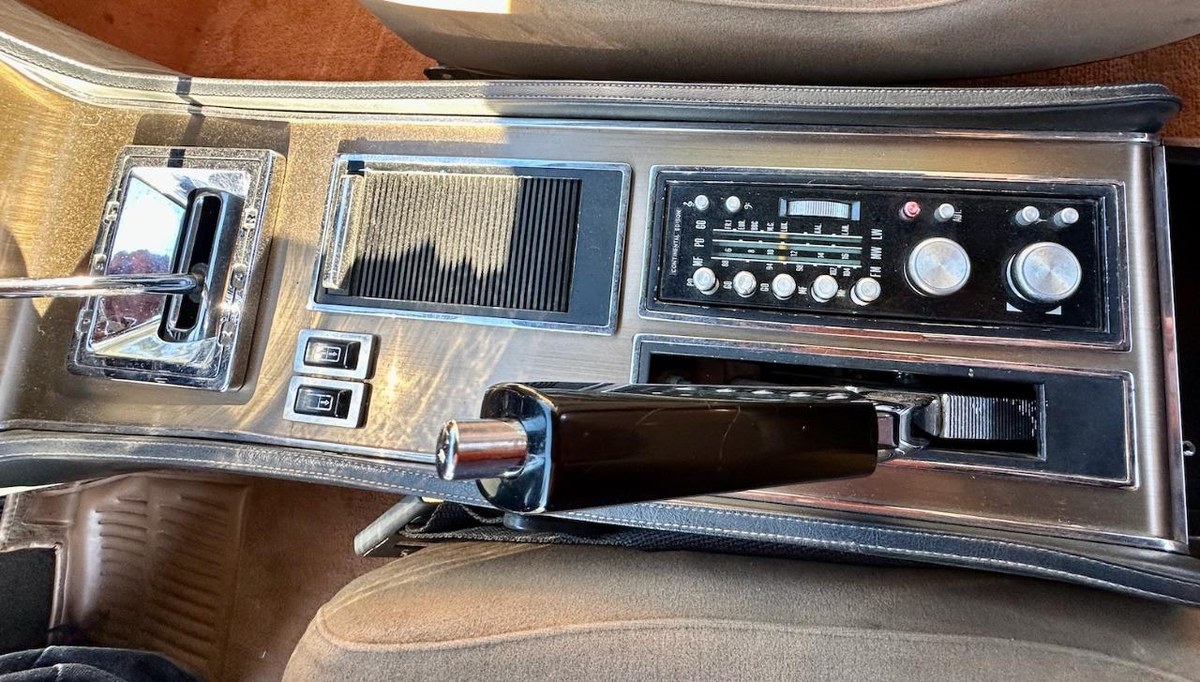
Series 1 (1970–1975): This was a single generation model with progressive specification changes including fuel injection (1972), a 3.0-litre engine (1973), and automatic transmission availability (1974–75).
As a technological tour de force, the SM combined passive safety through its robust construction with advanced driver aids. Normal steering and braking were retained even after front-tyre blowouts, whilst the hydropneumatic suspension maintained stability regardless of load. Swivelling headlights improved night-time visibility by illuminating corners before turning, and powered disc brakes provided strong stopping performance.
Pros:
Exceptional high-speed stability and aerodynamic efficiency
Revolutionary DIRAVI steering eliminates torque steer and road kickback
Innovative hydropneumatic suspension delivers outstanding ride quality
Maserati V6 provides characterful performance
Cons:
Complex hydraulic systems require specialist knowledge
Parts availability for Maserati engine components can be challenging
Limited luggage space due to fastback design
Unusual driving characteristics require acclimatisation
Prijsontwikkeling
Meest recente verkoop
£ 1.895
1996 Citroen SM
15 aug 2023

Momenteel te koop
47
1 live veiling
46 advertenties


Totaal verkocht
65
Hoogste verkoopprijs
€ 60.000
Gemiddelde prijs
€ 32.154
Laagste prijs
€ 6.772
FAQs
The SM can serve as a daily driver for enthusiasts prepared to tolerate and embrace its unique characteristics. Although the steering and hydropneumatic systems are superb in smoothing out the UK’s ruined road surfaces, they do require diligent maintenance.
Running costs mirror the SM's complex engineering, with hydraulic system maintenance, specialist labour and Maserati engine parts commanding premium prices. Fuel consumption sits around 19mpg, whilst insurance costs vary depending on the car’s value and likely usage.
Parts availability varies significantly between Citroën hydraulic components (generally available through specialist suppliers) and Maserati engine parts (understandably more challenging and expensive to source). A dedicated SM owner community and specialist workshops maintain stocks of common service items.
A well-maintained 2.7 Injection model (1972–75) offers the most reliable specification with improved fuel delivery and strong performance, while benefiting from broader parts availability than the rarer 3.0-litre variants. Manual examples provide the most engaging driving experience and also avoid potential issues with the Borg Warner automatic.
Maintenance requires setting contingency funds aside for specialist hydraulic system servicing and Maserati engine knowhow, with annual maintenance bills typically exceeding that of conventional classics. Insurance through specialist classic car policies is generally reasonable considering the SM's grand tourer status.
This highly unusual setup requires a lot of acclimatisation as it provides no feedback, instead using speed-sensitive resistance to create artificial feel. At parking speeds, the wheel turns lock-to-lock with pinkie pressure, whilst high-speed stability is exceptional, with the car tracking straight without constant correction.