DeLorean DMC-12: Models and Specs
1981–1983 · 2.8-litre V6 · Rear-engine, rear-wheel drive · Two-seater coupé
Overview
The extraordinary tale of the DeLorean Motor Company is one of the car industry’s greatest ‘what if’ stories. Founded by John Z. DeLorean in 1975 after he left General Motors to build the sports car he believed the market deserved, the company produced just one model. As such, the DMC-12 represents everything from an object lesson in hubris to the era's futuristic design principles, via the missed opportunity to establish volume car-building in Northern Ireland. You’re not just buying a car here - the DMC-12 encapsulates the DeLorean brand, the era and one of the most dramatic corporate stories of all time. The DMC-12 was designed by Giorgetto Giugiaro, engineered with significant input from Lotus and built in Belfast, decades before the Northern Irish capital became the dynamic and confident city it is today. The DeLorean’s brushed stainless steel body panels, gullwing doors and mid-rear engine layout gave it an identity unlike anything else on the road in 1981. Yet despite all the glitz and glamour, fewer than 9,000 cars were built before the company collapsed in 1982 in highly controversial circumstances. The DMC-12’s identity has largely been preserved by its starring role in the Back to the Future film trilogy, which introduced the car to generations who weren’t even born when production ended.
Price
- Starting price
- 30.000 €
- Average price
- 50.304 €
- Price range
- 30.000 € - 125.000 €
Specifications
- Production years
- 1981–1983
- Body style
- Two-door, two-seater coupé
- Layout
- Rear-engine, rear-wheel drive
- Engine family
- 2.8-litre V6
- Transmission types
- 5-speed manual, 3-speed automatic
DeLorean DMC-12 in Detail
The DMC-12 began as a concept in the early 1970s when John Z. DeLorean grew increasingly frustrated with corporate product decisions at GM and left to pursue his own vision. His stated goal was a durable, safe and affordable sports car built on ethical manufacturing principles. Those ethics extended to his choice of materials, with corrosion-resistant stainless steel body panels which wouldn’t require painting, helping to reduce environmental impact at the factory. This was located in Belfast, partly for UK government investment incentives.
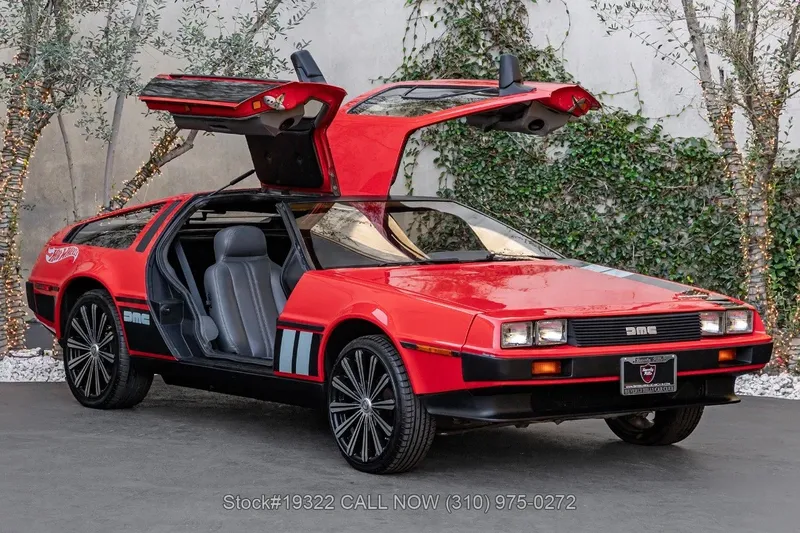
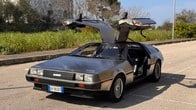
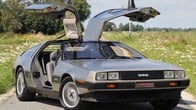
Giugiaro's design brief resulted in a low-slung wedge with a two-seater cabin, a prominent rear engine cover and the gullwing doors that became the car's defining visual signature. The doors were engineered to open in tight parking spaces and became the car's most-photographed feature from the moment it was first shown publicly in 1976. Under its shiny skin, meanwhile, Colin Chapman's Lotus team contributed the backbone chassis design and suspension geometry that underpinned the car's handling character and allowed the low sills that made those gullwing doors viable.
Production began at the Dunmurry factory in late 1980, with the first customer deliveries in the United States in 1981. Yet production had barely started when John DeLorean was arrested on drugs charges, and the company entered receivership weeks later. The Belfast factory closed in 1983, but a small number of cars were assembled from remaining parts stock in the months that followed, accounting for the handful of 1983-dated vehicles.
A reconstituted DeLorean Motor Company has operated from Texas since the late 1990s, supplying parts, maintaining a VIN registry and performing restorations. This continuity of parts supply is one of the more reassuring aspects of DMC-12 ownership today.
The DMC-12's performance identity is defined less by outright speed than by character. The PRV V6 engine was a joint development between Peugeot, Renault and Volvo, but it wasn’t a powerful unit even by the standards of the early Eighties. Despite lacking punch, the engine delivers smooth and linear power with a distinctive soundtrack and a mid-rear weight distribution which can catch out the unwary.
The manual transmission is the enthusiast’s choice, offering a more connected experience courtesy of a Renault five-speed gearbox. The automatic variant, while more common in US-market cars, introduces a performance deficit that becomes noticeable in real-world driving.
Specification | Details |
Engine | 2.85-litre PRV V6 |
Power output | 130 hp |
Torque | 153 lb-ft |
0–60 mph | 8.8 sec (manual)/10.5 sec (automatic) |
Top speed | 109 mph |
Kerb weight | 1,230 kg |
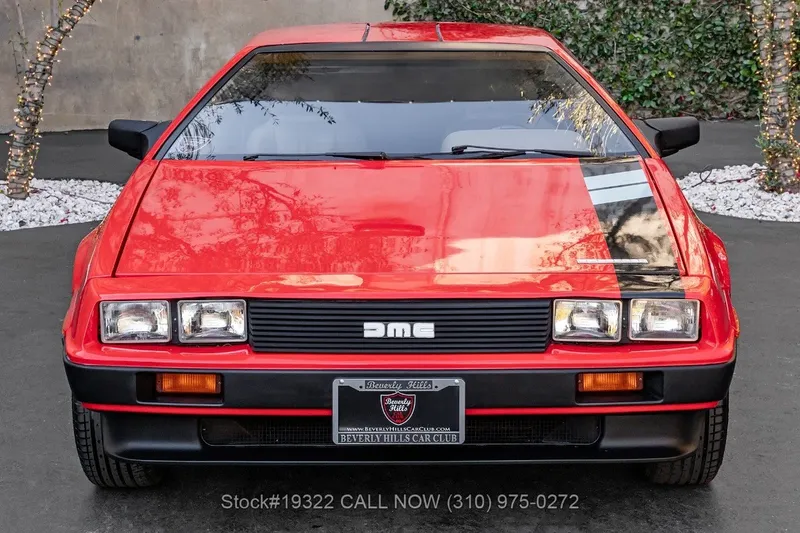
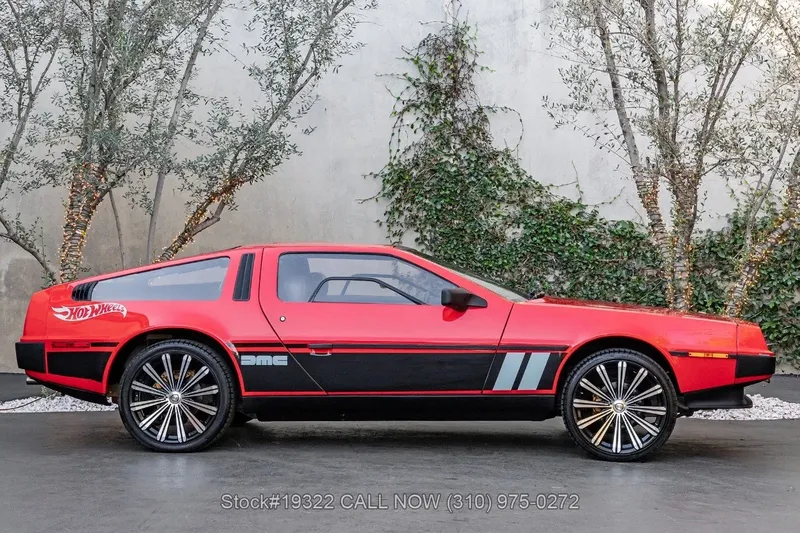
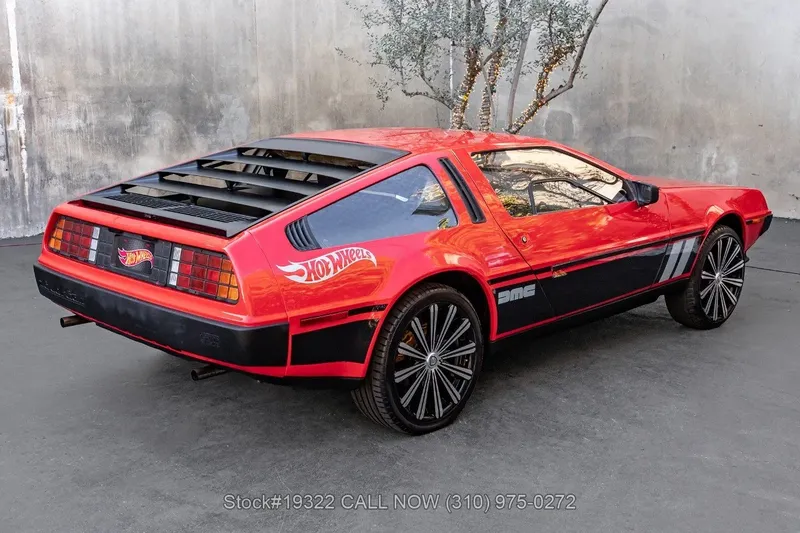
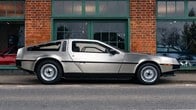
The DMC-12's low, wedge-shaped brushed stainless steel body is accentuated by the drama of its upward-opening gullwing doors. Giugiaro's proportions placed the cabin well forward, with a long rear deck covering the engine, giving the car a rear-heavy stance. The stainless panels were never painted and the natural brushed finish is both the car's most distinctive feature and its most maintenance-sensitive attribute.
Inside, the cabin was trimmed in black leather with grey wool carpeting across virtually all production cars. The driving position is low and reclined, with controls oriented toward the driver. The instrument cluster and switchgear reflect late-1970s American sports car conventions in that they’re functional and clear, yet lack the tactile quality of European contemporaries. Build quality was also highly variable, but the cabin's defining characteristic is intimacy.


The DMC-12 was produced continuously from late 1980 through to early 1983 without formal model year breaks or officially designated variants. However, several minor changes were implemented across the production run. The earliest cars featured a flat bonnet and a slightly different front fascia treatment. From late 1981, a louvred bonnet became standard, improving engine bay ventilation. Interior specifications were refined progressively, with seat bolstering and switchgear detail changing alongside the use of both five-spoke and alloy wheel designs.
VIN numbers run sequentially without year-break resets, so determining a car's precise production position requires cross-referencing the VIN with the DeLorean Motor Company Texas registry.
The DMC-12 was designed and built entirely in the pre-electronic safety aids era. Passive safety was addressed with a reinforced steel safety cage integrated into the backbone chassis, which Lotus designed to provide meaningful occupant protection. However, they couldn’t do much about the gullwing doors: in a rollover situation, these are more difficult to open than conventional doors, and early ownership guidance recommended carrying a glass-breaking tool in the cabin.
For modern road use, the DMC-12's safety profile is typical of a 1980s sports car. It rewards smooth, considered driving and punishes abrupt inputs, particularly in wet conditions where the rear-engine weight distribution requires respect.
Pros
Instantly recognisable stainless steel body looks great and resists rust
Lotus-developed chassis delivers genuine balance and agility
Gullwing doors are more practical in tight spaces than traditional alternatives
One of the most recognisable classic cars in the world
Cons
130hp V6 disappoints considering the car's visual promise
Stainless steel panels require specialist attention, since conventional bodywork repair techniques aren’t applicable (in any sense)
The majority of surviving cars are now US-spec with left-hand drive
Automatic models are notably slower and less engaging
Price trends
Letzter Verkauf
69.950 €
1981 DeLorean DMC 12 Coupe

Derzeit zum Verkauf
10
2 Live-Auktionen
8 Anzeigen

Verkauft
17
Höchster Verkaufspreis
125.000 €
Durchschnittlicher Preis
50.304 €
Niedrigster Preis
30.000 €
FAQs
The five-speed manual is the clear recommendation as it offers a more connected experience, better performance figures and is generally preferred by specialists and long-term owners. The three-speed Borg-Warner automatic is more common in US cars but it accentuates the engine’s lack of performance.
The running changes across the 1981–1983 production run are incremental and don’t represent a meaningful difference in driving experience or reliability. The more important variables are overall condition, service history and whether the car has been properly recommissioned. A well-maintained 1981 car is preferable to a neglected 1983 example.
Parts availability is one of the DMC-12's genuine strengths as a classic. DeLorean Motor Company in Texas holds the largest inventory of new-old-stock and reproduction parts in the world, while UK and European specialists also maintain stocks of commonly needed items. The PRV V6's shared parts base with Peugeot, Renault and Volvo models means that engine components are generally accessible, while other running costs are broadly comparable to those of a well-supported classic sports car of the period.
Always prioritise mid-production manual vehicles with a documented service history and evidence of recent recommissioning work to the cooling, electrics and gearbox. Avoid cars that have been in static storage without recent mechanical attention, regardless of their mileage, and prioritise cars inspected by a DeLorean specialist over ones presented purely on cosmetic grounds. The stainless steel body can look presentable on a car which has significant underlying issues, so mechanical and structural assessment matters more than visual impressions.