Ford Capri Classic: Models and Specs
1969–1986 · 1.3-litre–3.0-litre inline-four, V4 and V6 · Front-engine, rear-wheel drive · Coupé
Overview
The Ford Capri is the car Ford promised Europe, and the car you promised yourself. Conceived in 1965 as a transatlantic version of the Mustang (mass-market style, attainable price and a wide engine choice), the Capri sold 400,000 examples in its first two years. By the time production ended at Cologne in 1986, nearly 1.9 million Capris had been built, making it one of the most commercially successful European sporting coupés of its era. The Capri was the first car Ford built to sell a lifestyle rather than a specification, and it did so across a 17-year run without ever requiring a replacement. It gave buyers a long bonnet, a compact cabin and a rear-wheel drive chassis at a price which was kept low by sharing parts with the Cortina and Escort. The result was a car that appealed to hairdressers, racing drivers, factory workers and film crews simultaneously, and which remains one of the most iconic British classics of the twentieth century. We’ll discreetly ignore the electric SUV which shares its name. The Capri's character is defined by involvement. It rewards the driver who works the engine and manages the rear-wheel drive chassis, and it communicates in a way that modern cars wouldn’t even try to replicate. It doesn’t ask you to be a skilled driver, but it’ll reward you handsomely if you are.
Price
- Starting price
- 1 450 zł
- Average price
- 18 158 zł
- Price range
- 1 450 zł - 75 000 zł
Specifications
- Production Years
- 1969–1986
- Body Styles
- 2-door fastback/hatchback coupé
- Layout
- Front-engine, rear-wheel drive
- Engine Family
- 1.3/1.6/2.0-litre inline-four; V4/V6 2.0/3.0-litre; V6 2.8-litre
- Transmission Types
- 4/5-speed manual; 3-speed automatic
Ford Capri Classic in Detail
When Britain and Germany work together, they can accomplish great things. The Capri was born after a 1965 collaboration between Ford's German and English divisions who both wanted a European counterpart to the American Mustang. The styling was led by German designer Uwe Bahnsen, who introduced the D-shaped rear side windows that would become the Capri's most enduring visual signature. To minimise development costs, Ford pulled the running gear from existing models: the Escort's front subframe, the Cortina's rear axle and the Corsair's engine options.
At its launch in January 1969, the Capri was offered in the UK with engines ranging from a 52 bhp 1.3-litre Kent Crossflow to a 93 bhp 2.0-litre Essex V4. V6 power followed shortly after, culminating in the 1970 3000GT. Ford simultaneously offered an extensive options list that allowed buyers to personalise their cars in a manner not common among volume-produced coupés of the era.
The motorsport programme, which ran concurrently with road car production from 1969, directly influenced the road car's development and homologation variants. Ford's Motorsport department produced the RS2600 for Germany and the RS3100 for the UK, to meet Group 2 homologation requirements for European Touring Car Championship competition. Jochen Mass won the 1972 European Touring Car Championship in a Capri RS, and the car's racing lineage gave the standard road models added kudos.
The Mk2 of 1974 brought the most significant change of the Capri's life when the Mk1’s separate rear boot was replaced by a full hatchback, transforming the car's everyday usability. The engine range was carried over from the Mk1, though the structure was enlarged slightly to accommodate better soundproofing and optional power steering.
The Mk3 of 1977 evolved the Mk2's structure with aerodynamic updates including a new front spoiler, smoother bonnet and reshaped front grille to reduce drag and enable slightly higher top speeds. The introduction of the 2.8 Injection in 1981 represented the Capri's engineering high-water mark, combining 160 bhp with a standard limited-slip differential, making it competitive with the Porsche 924 and Mazda RX-7. UK production and sales continued two years beyond the end of left-hand drive production in 1984, concluding in 1986 with the 1,038-run Capri 280 Brooklands.
The Capri's performance range spans an unusually wide arc, from the arthritic 52 bhp 1.3-litre model to the 160 bhp fuel-injected 2.8i outlined above. Every Capri shared the same body, the same rear-wheel drive layout and the same fundamental architecture. As a rule of thumb, the Kent and Pinto inline-fours were efficiency and accessibility tools, whereas the Essex and Cologne V6 units were the cars that fulfilled the styling’s sporting promise.
Entry (inline-four) | Mid-range (V4/V6) | Performance (V6) | |
Engine Family | Kent 1.3-litre/Pinto 1.6-litre/2.0-litre | Essex V4 2.0-litre/Cologne V6 2.0-litre | Essex V6 3.0-litre/Cologne 2.8i |
Power Range | 52–101 bhp | 90–108 bhp | 128–160 bhp |
0–60 mph | 14.0–16.0 sec | 10.0–12.0 sec | 7.9–9.0 sec |
Top Speed | 87–106 mph | 106–111 mph | 120–130 mph |
Transmission | 4-speed manual | 4-speed manual | 4/5-speed manual |
The Capri is defined by a long bonnet, a steeply raked windscreen and low rear haunches that give the impression of a car crouching forward even at rest. The D-shaped rear quarter windows (introduced to address the claustrophobia of early prototypes) became the car's most widely recognised visual detail. Despite sharing its mechanical underpinnings with humdrum family Fords, the Capri's body was a coupé at a time when any combination of ambition and affordability was rare.
Inside, the Capri's cockpit-forward cabin has a driver-oriented fascia, a central instrument panel and a seating position that positions the driver low behind a long bonnet. The rear seats are usable for shorter journeys by adults and fine for children, which gave the Capri a practicality advantage over two-seater sports cars without undermining its sporting identity. Throughout its production life, the cabin materials and finish reflected its budget origins.
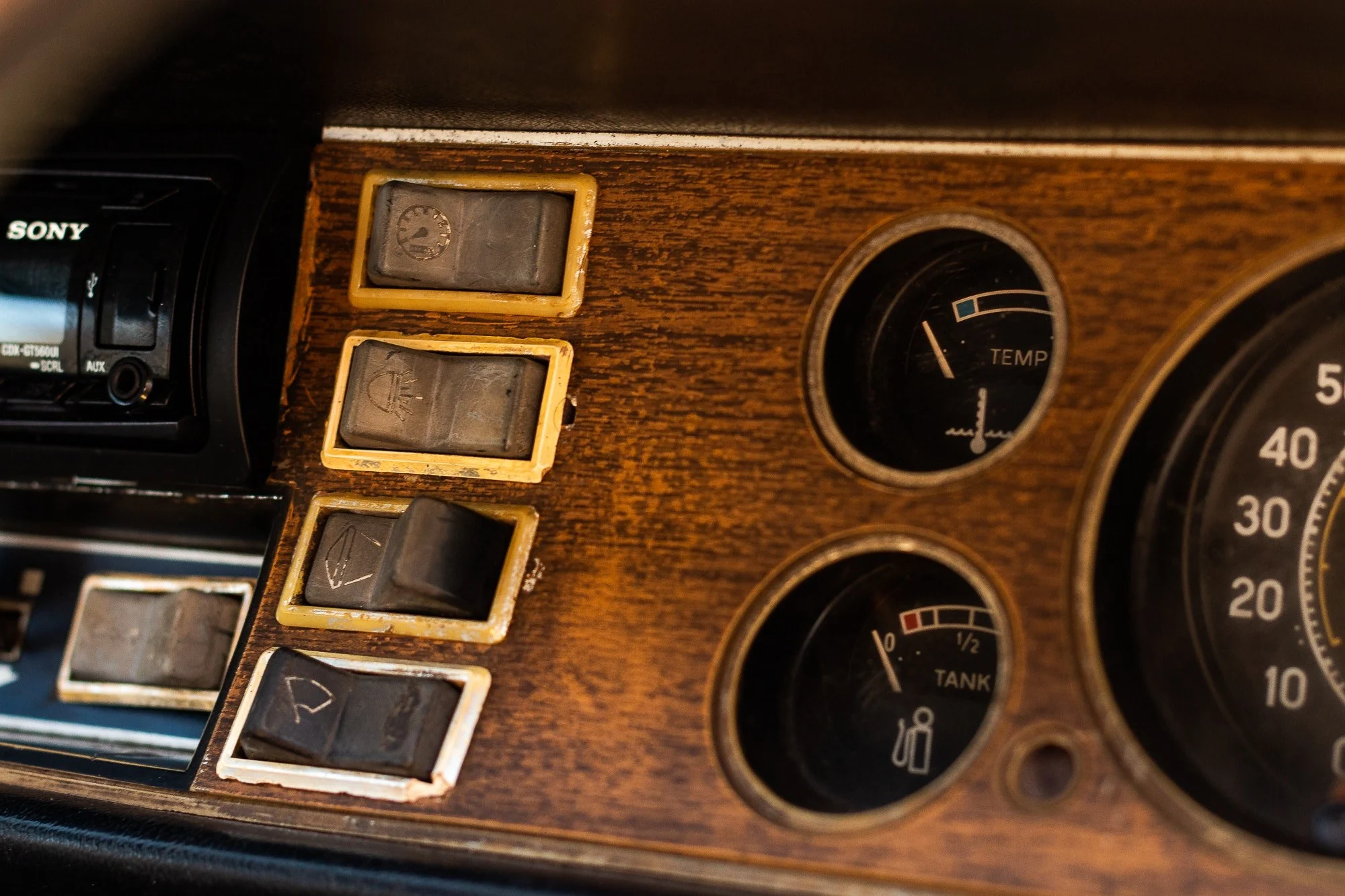
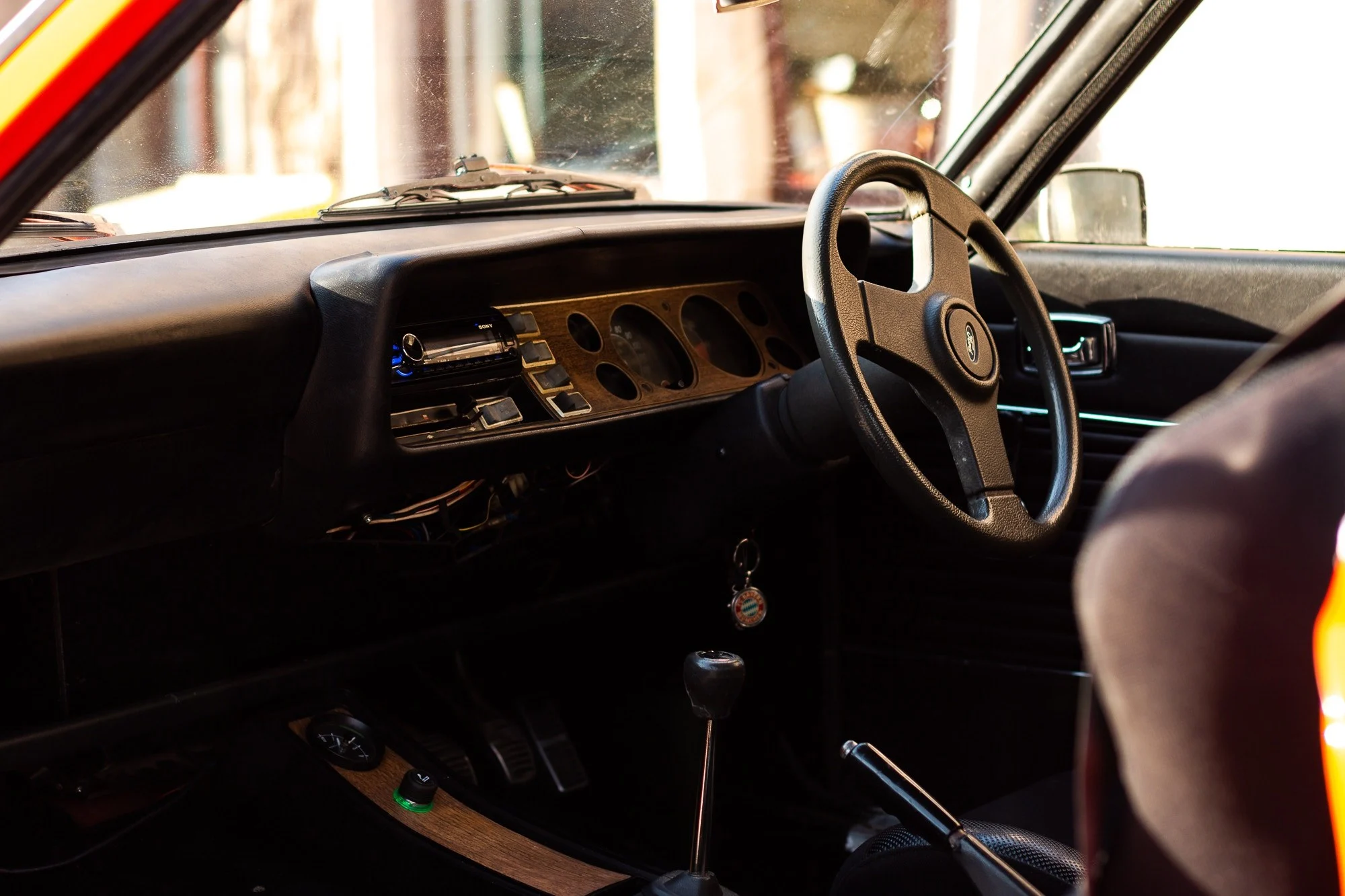
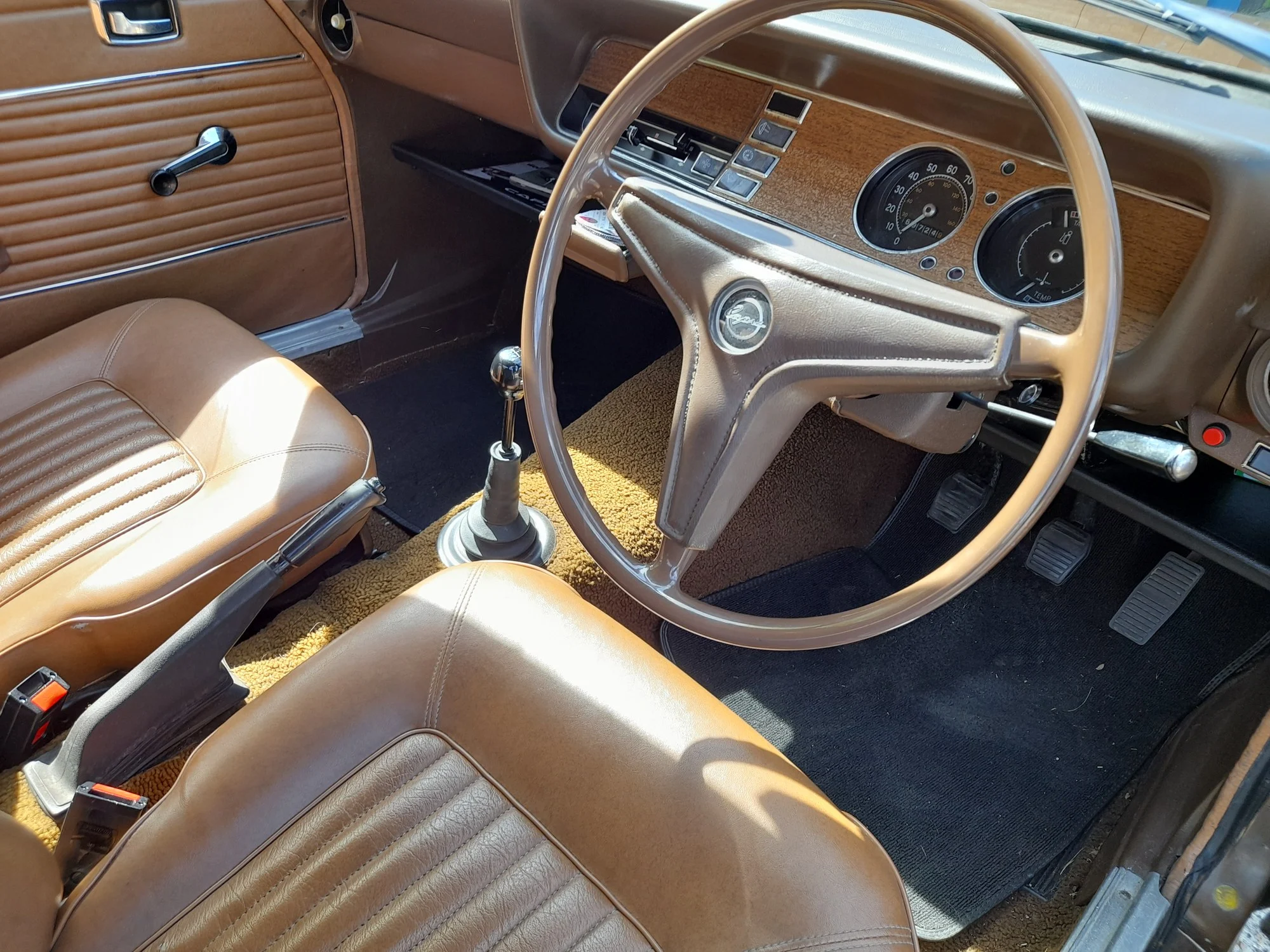
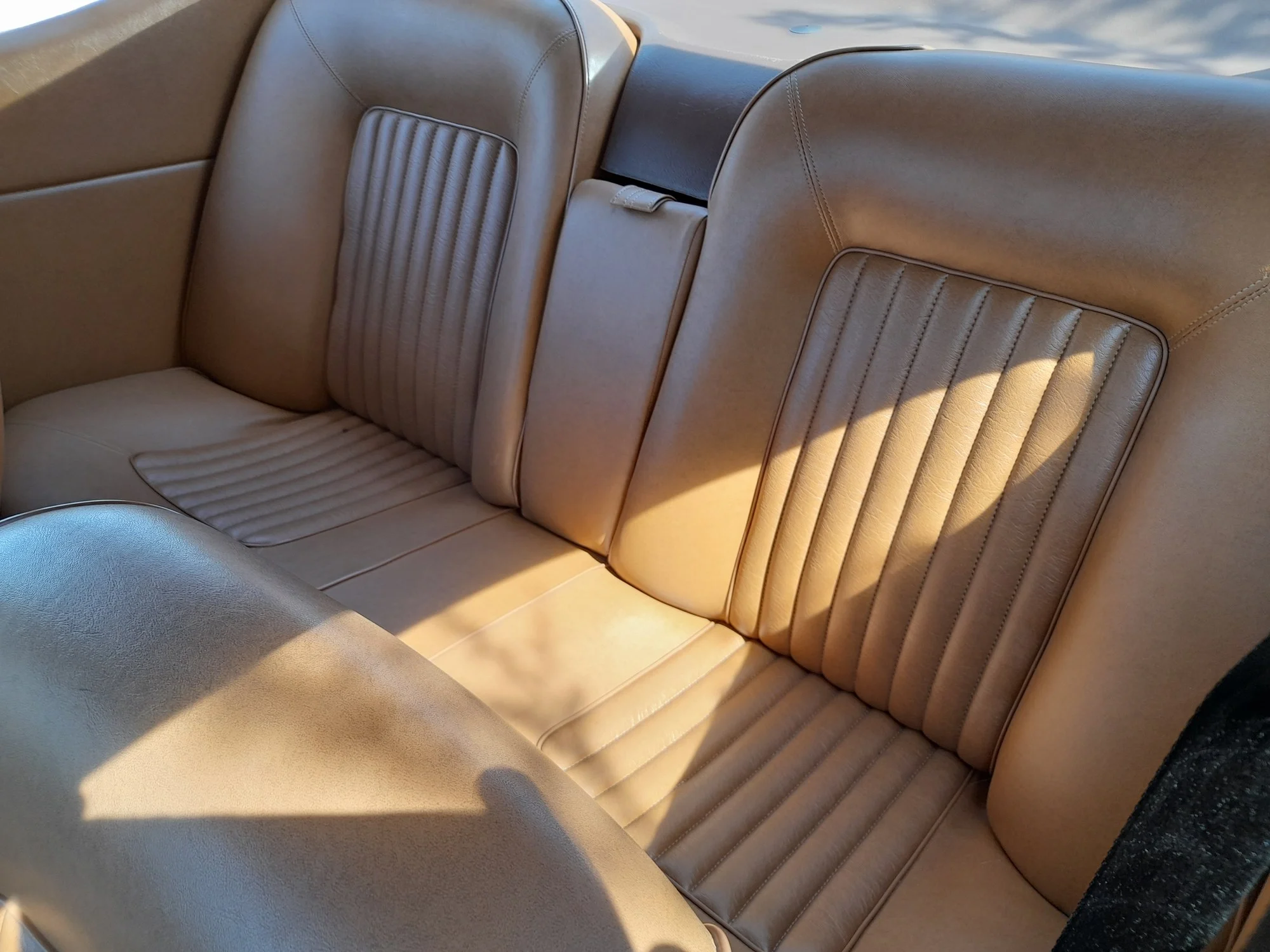
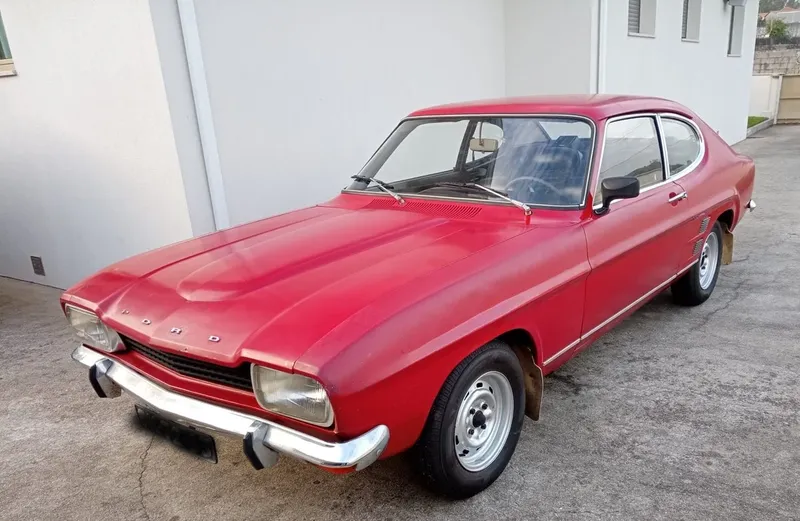
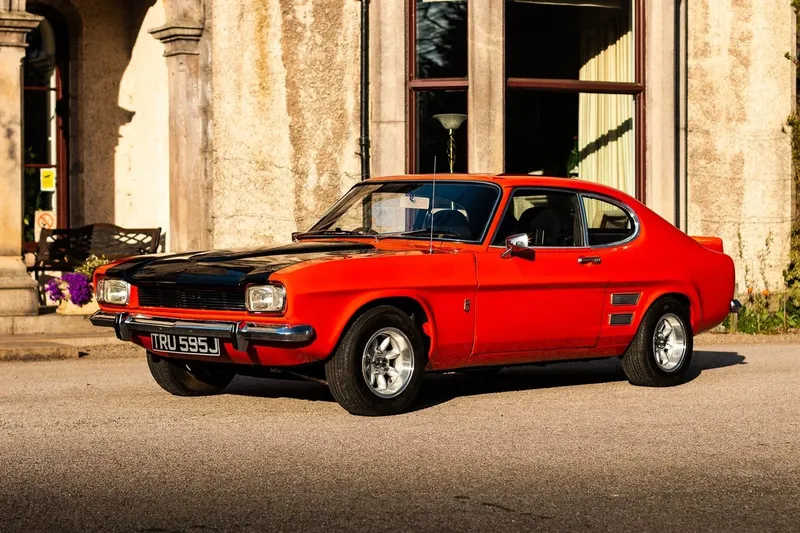
Mk1 (1969–1974). Original fastback coupé with separate rear boot powered by Kent, Pinto, Essex V4 and V6 engine options. Motorsport homologation RS2600 and RS3100 variants were produced.
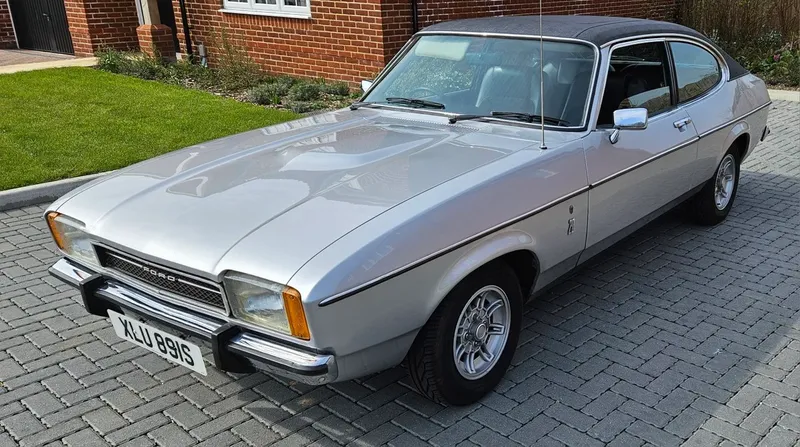
Mk2 (1974–1977). The new hatchback body replaced the Mk1's separate boot alongside larger rear windows and optional power steering. Engine range carried over from Mk1. Production consolidated at Cologne in 1976.
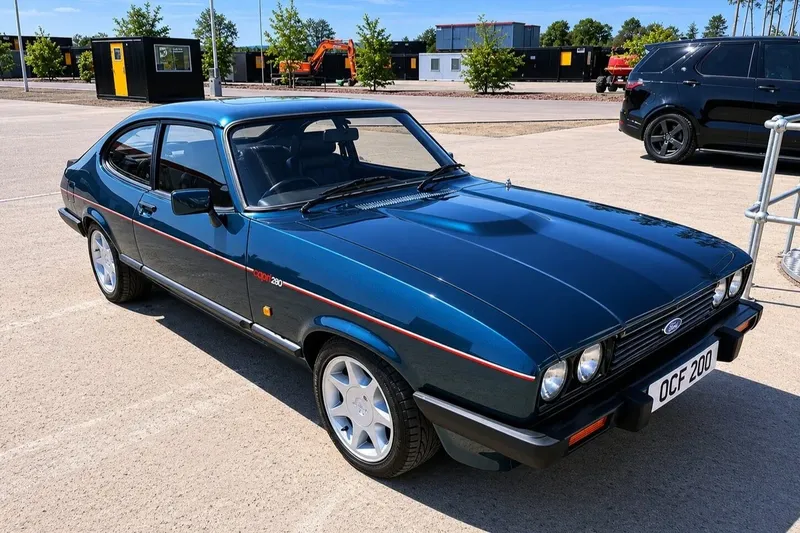
Mk3 (1977–1986). Aerodynamic updates to the Mk2 structure included a reshaped front end; 2.8 Injection introduced in 1981. UK-only sales continued into 1986 with the Capri 280 Brooklands run-out.
The Ford Capri was (in its more powerful incarnations) a hairy-chested sports car with no electronic driver aids. Front disc brakes were standard across the majority of the range from launch, with drum brakes at the rear. The rear-drive layout also led to tail-out oversteer in wet conditions, requiring vigilance and a fair degree of bravery.
Pros
Iconic shape is still highly evocative among people of a certain age
Parts-sharing with the Escort and Cortina means mechanical components (especially for Kent, Pinto and V6 engines) remain widely available
The 2.8 Injection's Bosch K-Jetronic fuel injection made it the first mainstream fuel-injected Ford in the UK
The Capri 280 Brooklands represents a historically significant run-out edition
Cons
The handling punished less diligent drivers. Many Capris ended up in hedges which sometimes became their final resting places
Front strut tops, A-pillars, sills and chassis legs are all susceptible to corrosion, and a cosmetically clean car could conceal serious hidden rot
Engine-swap prevalence means V6-engined cars require careful originality verification before paying a V6 premium
The Capri's wide buyer base creates a fragmented market where pricing, condition standards and expectations vary significantly across specifications
Trendy cenowe
Ostatnia sprzedaż
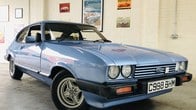
4950 £
1985 Ford Capri Mark 3
5 sie 2019
Obecnie na sprzedaż
57
3 aktywne aukcje
54 ogłoszenia


Łącznie sprzedanych
191
Najwyższa cena sprzedaży
75 000 €
Średnia cena
18 158 €
Najniższa cena
1450 €
Ford Capri for Sale
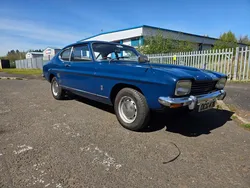
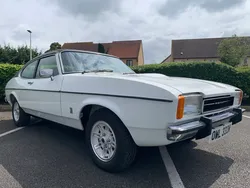
The Ford Capri remains one of the most active classic markets in the UK, with examples ranging from affordable four-cylinder project cars to serious RS homologation investments. Browse current Ford Capri cars for sale on Car & Classic.
FAQs
The 2.8 Injection with five-speed manual gearbox offers 160 bhp, a standard limited-slip differential and a driveability that makes it usable in modern traffic while remaining genuinely fast by any era's standards. For those seeking a more accessible entry point, a Pinto-engined 2.0-litre car in solid structural condition offers the best ratio of usability, parts availability and running costs.
The Mk2 and Mk3 hatchback body made the Capri significantly more practical than the Mk1 saloon. The rear seats accommodate adults on shorter journeys, and the tailgate provides useful boot access for everyday errands. The driving position is good and controls are light and direct, making it an accessible classic for regular use. The main daily use considerations are fuel consumption and the absence of any electronic safety systems.
The Capri's shared architecture with high-volume Ford models means mechanical parts for the Kent, Pinto and V6 engine families remain in good supply from specialist suppliers and the active owner club network. Some interior trim items are harder to source, and the condition of any trim-complete car should be assessed carefully before purchase if originality matters. The Ford Capri Owners Club maintains a strong network of specialist suppliers and technical expertise.
The Mk1 (1969–1974) is a fastback coupé with a conventional rear boot; it has the most overtly sporting silhouette of the three but is the least practical. The Mk2 (1974–1977) replaced the boot with a tailgate, significantly improving practicality, and it introduced the luxury Ghia trim level. The Mk3 (1977–1986) retained the Mk2's body structure but added aerodynamic updates, a revised front end and the 2.8 Injection that represented the high point of the standard road car's development.