Honda S800: Models, Specs and Buyer’s Guide
Core Specs: 0.8 L (791 cc) DOHC inline-4, ~70 hp @ 8,000 rpm, RWD, 4-speed manual, produced 1966-1970
Honda S800 Overview
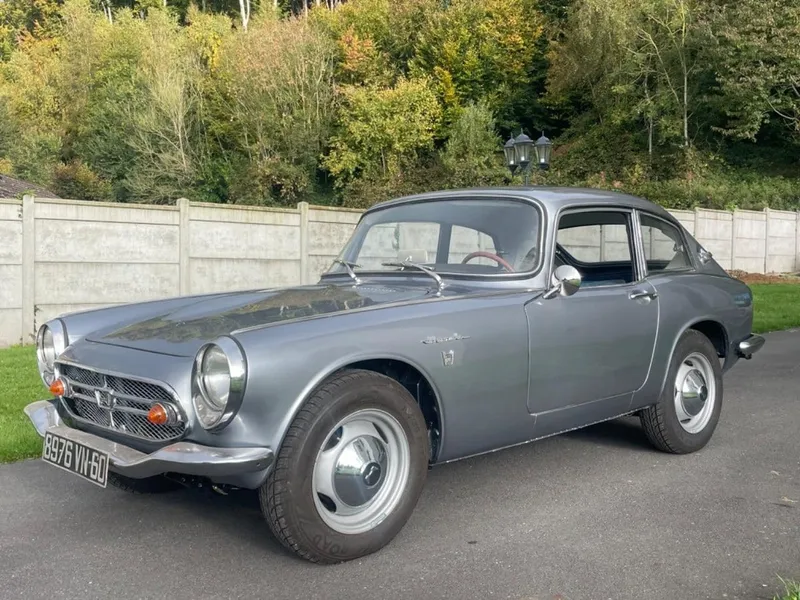
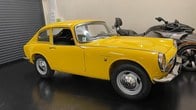
There’s a common misconception that the Mazda MX-5 was the first truly successful Japanese take on the classic British roadster. Yet even the stunningly popular MX-5 was following in the tyre treads of a compatriot from three decades earlier - the tiny and beguiling Honda S800. Built from 1966 to 1970, and available in both roadster and coupé forms, the Honda S800 translated the company’s high‑revving motorcycle DNA into a compact, lightweight two‑seater sports car. Its engine was a high-tech gem—a free-spinning 791cc DOHC inline-four with twin camshafts and four carburettors. When paired with a close‑ratio 4‑speed manual gearbox and a featherweight body, the S800 delivered genuine 100mph performance, with a screaming redline around 8,500 rpm. Early cars retained Honda’s ingenious chain‑drive independent rear suspension before the model transitioned to a conventional live‑axle layout. Regardless of era, every S800 blended precision engineering with everyday usability and superb efficiency.
C&C Expertise
Japan has a thing for making things smaller. Think bonsai. Or the Honda S800, which was a sort of E-Type that had been through a hot wash. It was brilliant. Ultra light and equipped with an engine with just 15% of the capacity of the final E-Type, it could spool to 10,000rpm and hit 100mph. Few cars delivered as much fun in such a small package. Manufacturers have tried to replicate the mix, including Honda with the S2000, but the original is the truest to the template. Find one, buy it, and enjoy it immensely.
Honda S800 Price
- Starting price
- 5 129 €
- Average price
- 25 095 €
- Price range
- 5 129 € - 36 750 €
Honda S800 Specifications
- Manufacturer
- Honda Motor Co., Ltd.
- Production
- 1966–1970
- Vehicle Class
- Compact two‑seat sports car
- Body Styles
- Roadster or Coupé
- Layout and Drive
- Front‑engine, rear‑wheel drive
Honda S800e in Detail
Previewed at the 1965 Tokyo Motor Show as the successor to the S600, the S800 entered production in 1966 and became Honda’s first 100mph road car. It built on its predecessor’s recipe of being tiny, light and beautifully engineered by enlarging the DOHC engine to 791cc and refining the driveline and chassis layouts.
In 1968, the S800M (often referred to as the Mk2) introduced safety and regulatory updates, including dual-circuit brakes. Meanwhile, competition successes (including a class win and podium finish at the 12 Hours of Suzuka), underlined the car’s reliability.
Production concluded in 1970 after roughly 11,500 units had been manufactured. The diminutive S800’s legacy of high‑revving character and GT poise would later be reprised in Honda’s Millennial S2000 roadster.
All S800s use a free‑revving DOHC inline‑four with an all‑synchromesh 4‑speed manual gearbox.
Model (period) | Engine | 0–60 mph | Top speed |
|---|---|---|---|
S800 Roadster and Coupé (late‑1960s) | 791cc DOHC I4 (70 hp) | ~12.5 s | 100–103 mph (160–165 km/h) |
Below are the dimensions for both the Roadster and Coupé models:
Metric | Imperial |
|---|---|
Wheelbase 2,000 mm | 78.7–79.0 in |
Overall length 3,335 mm | 131.3 in |
Overall width 1,400 mm | 55.1 in |
Overall height ~1,215 mm | 47.8 in |
Kerb weight 720-785 kg | 1,698–1,730 lb |
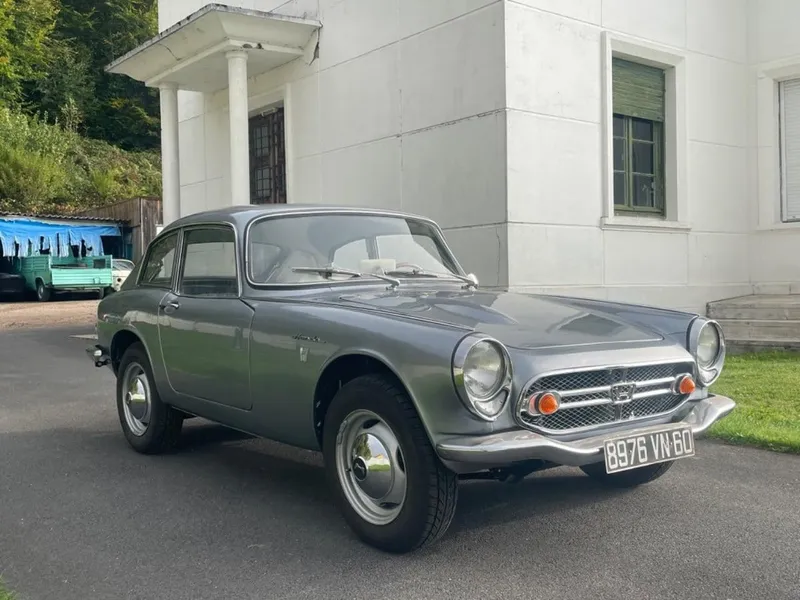
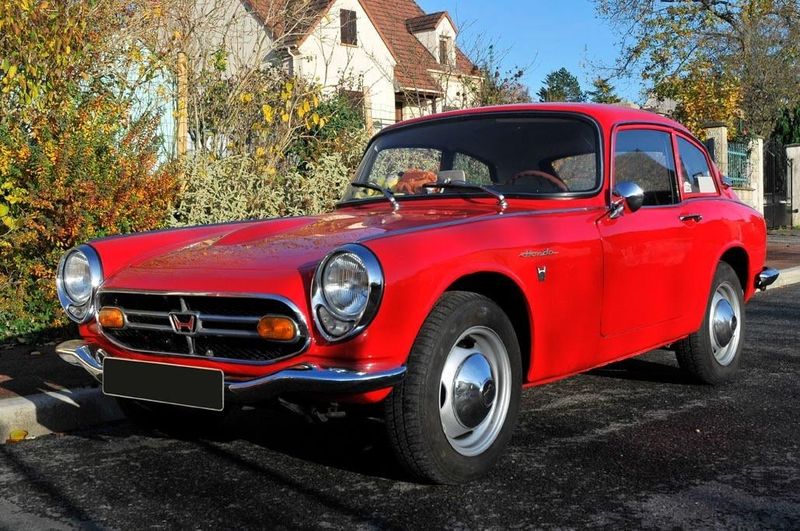
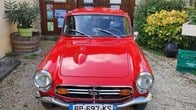
The S800’s long‑bonnet/short‑deck proportions and slim pillars provided classic sportscar poise, while a tiny footprint ensured the car was agile and easy to place on the road.
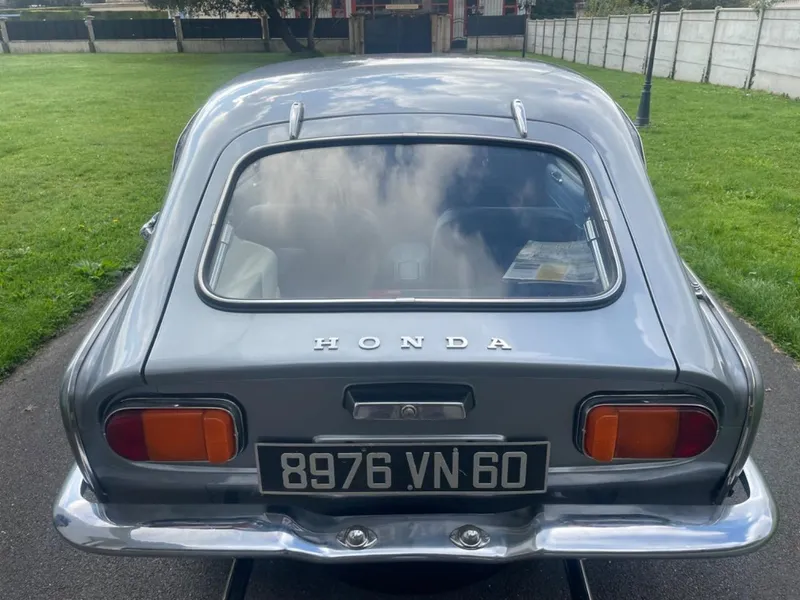
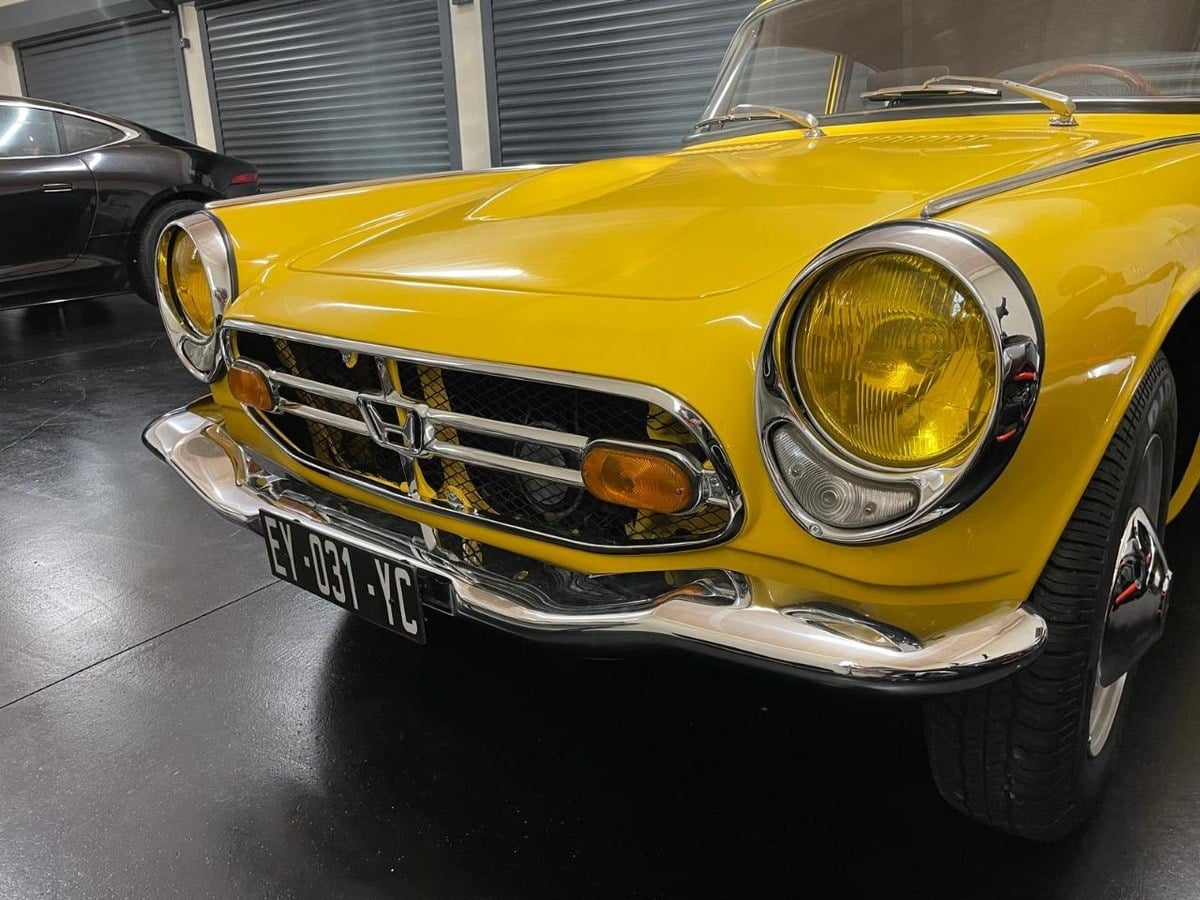
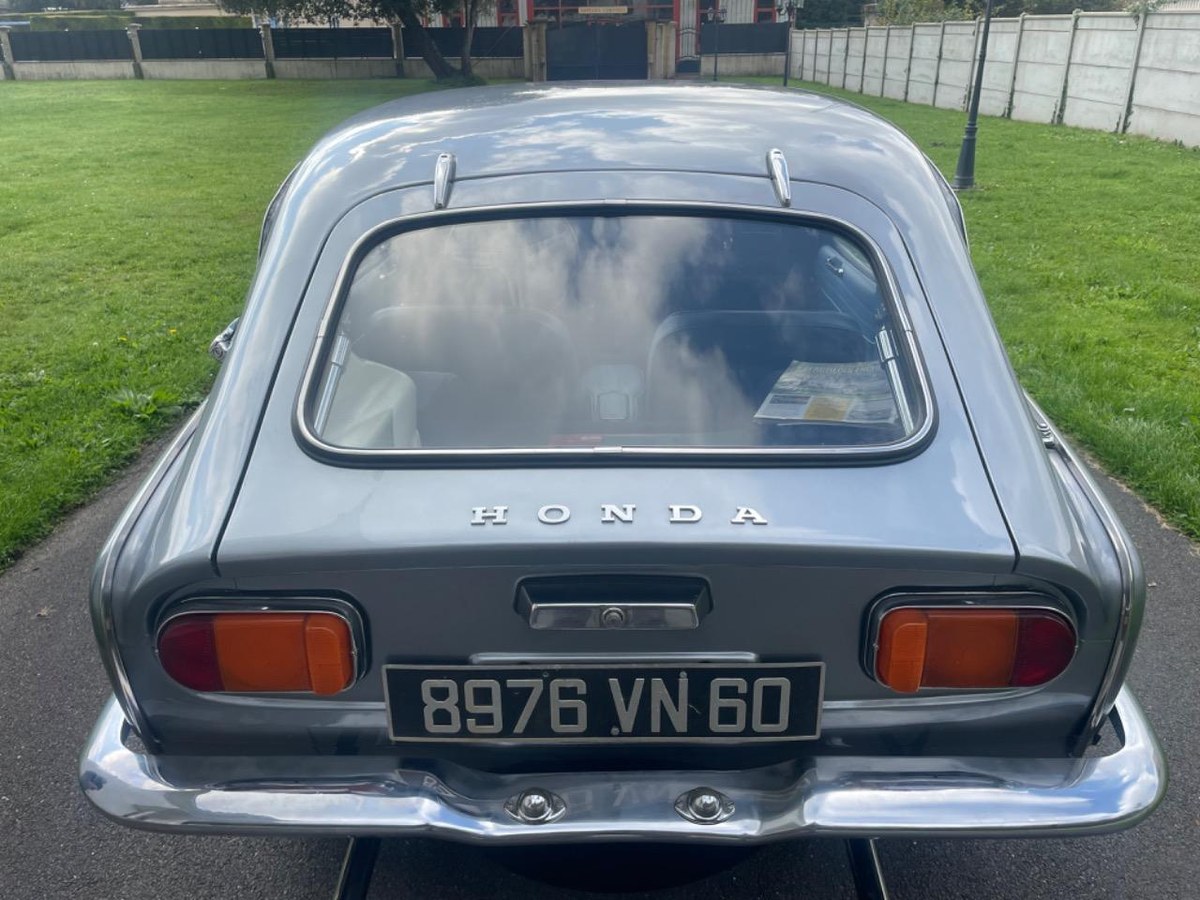
Classic long-bonnet/short-deck stance. A low bonnet line, slim pillars and a neat Kamm-style tail kept the body visually light and tidy.
The Roadster featured a compact, quick-folding soft top, although a factory hardtop was also available. The Coupé had a fastback roof, opening hatch and fixed rear quarter glass.
Small vents, revised indicator/marker lamp treatments, and safety glass were introduced on later cars (S800M), along with minor handle and trim changes. These make it easy to identify the later build years.
Factory 13-inch steel wheels were fitted with full-face hubcaps, though period alloys were popular dealer accessories. Early cars used front drum brakes, whereas later cars gained front discs.
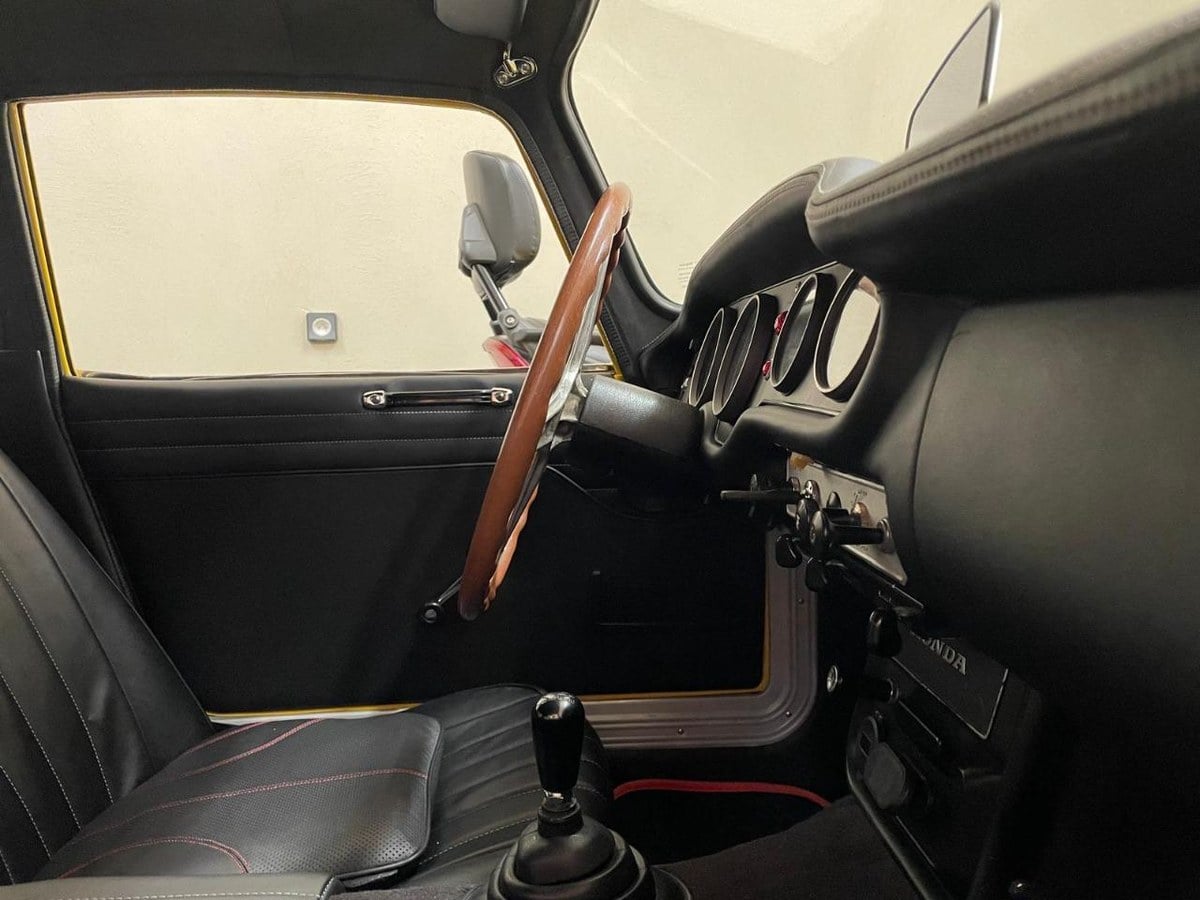
Twin large round tachometer/speedometer dials dominated the dashboard with centrally situated auxiliary gauges, while a short-throw 4-speed lever fell easily to hand. Switchgear was simple, labelled and grouped logically.
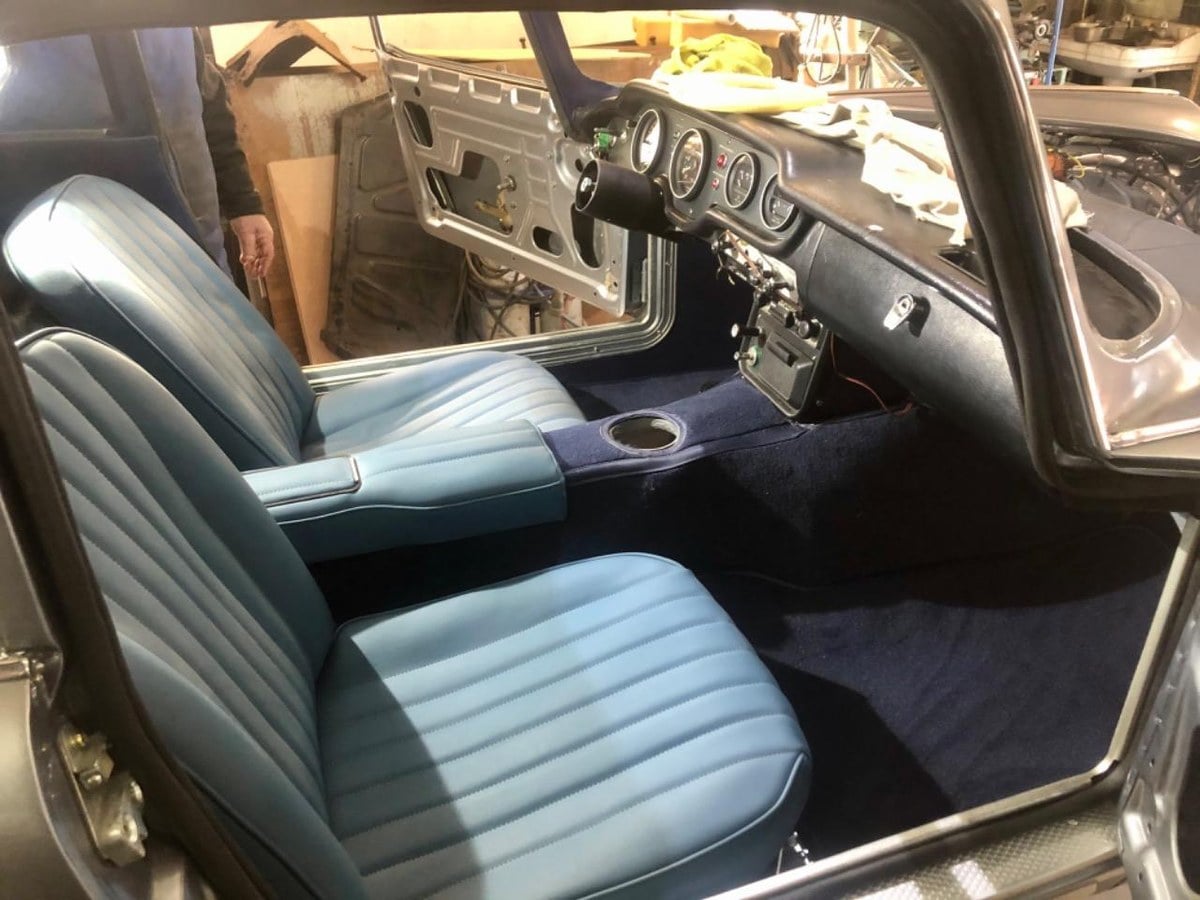
Low-back bucket seats with supportive bolsters offered long fore-aft travel to suit a range of drivers. Thin pillars and a low scuttle delivered excellent forward visibility.
Textured vinyls and painted/trimmed dash panels helped to keep the S800’s weight down. Later S800M updates added safety-minded padding, revised handles/locks and dual-circuit brake warnings.
With few active safety fitments, S800 safety often comes down to the rigidity of a particular car’s structure. Check for corrosion across the sills, floorpan, inner wings, A-/B-post bases, in the boot floor and around the fuel-tank seams.
Later cars also received front disc brakes and improved safety glass.
Prisutveckling
Senaste försäljningen
9 995 £
1967 Honda S800

För närvarande till salu
7
0 pågående auktioner
7 annonser


Totalt sålda
23
Högsta försäljningspris
36 750 €
Genomsnittspris
25 095 €
Lägsta pris
5 129 €
FAQs
It was manufactured between 1966 and 1970, having been introduced at the 1965 Tokyo Motor Show.
A 791cc DOHC inline-four with four carburettors, redlining at 8,500 rpm and producing roughly 70 hp.
Also, rather confusingly known as the Mk2, this minor late-production update heralded welcome safety changes such as dual-circuit brakes, safety glass and revised lighting/handles.
Yes, with some caveats. Parts support is good, and the engine is robust if set up correctly, but chain-drive IRS cars require knowledgeable attention to the rear chain cases.
Its 791cc DOHC four-cylinder engine revs to 8,500 rpm, offering 100mph performance from a sub-1.0-litre engine courtesy of ultra-light packaging. In many respects, the S800 offered a blend of Honda’s motorcycle DNA and the poise of a miniature GT.